
Yellow Pansy Butterfly: Spot This Beauty!

The Yellow Pansy butterfly (Junonia hierta) is a striking, medium-sized butterfly known for its bright yellow wings adorned with distinctive black markings and eye-spots. These butterflies are commonly found in open, sunny areas across Africa and Asia. They are fast fliers and are often seen basking in the sun or feeding on nectar from various flowers.
Have you ever been captivated by a flash of vibrant yellow dancing through your garden? Chances are, you’ve spotted a Yellow Pansy butterfly! These beauties are common sights in many warm regions, but identifying them and understanding their life cycle can sometimes feel a bit tricky. Don’t worry, you’re not alone! Many butterfly enthusiasts find themselves wondering about the best ways to attract and care for these delightful creatures.
This guide will walk you through everything you need to know about Yellow Pansy butterflies, from identifying them to creating a butterfly-friendly habitat in your own backyard. Get ready to discover the fascinating world of these sunny-winged wonders!
Frequently Asked Questions About Yellow Pansy Butterflies
Here are some common questions about Yellow Pansy butterflies:
What does a Yellow Pansy butterfly look like?
Yellow Pansy butterflies have bright yellow wings with black markings and distinctive eye-spots. The underside of their wings is a paler yellow with more subdued markings.
Where are Yellow Pansy butterflies found?
They are commonly found in Africa and Asia, particularly in open, sunny habitats such as grasslands, gardens, and scrublands.
What do Yellow Pansy caterpillars eat?
Yellow Pansy caterpillars primarily feed on plants from the Acanthaceae family, such as Ruellia and Barleria species.
How can I attract Yellow Pansy butterflies to my garden?
Planting their host plants (Acanthaceae family) and nectar-rich flowers will attract them. Providing a shallow dish of water with pebbles for them to land on is also helpful.
Are Yellow Pansy butterflies migratory?
Some populations of Yellow Pansy butterflies are known to migrate, especially in response to seasonal changes and the availability of food sources.
What is the lifespan of a Yellow Pansy butterfly?
The lifespan of a Yellow Pansy butterfly is typically a few weeks to a couple of months, depending on environmental conditions and predation.
Are Yellow Pansy butterflies endangered?
No, Yellow Pansy butterflies are not currently considered endangered. They are relatively common in their native habitats.
Identifying the Yellow Pansy Butterfly
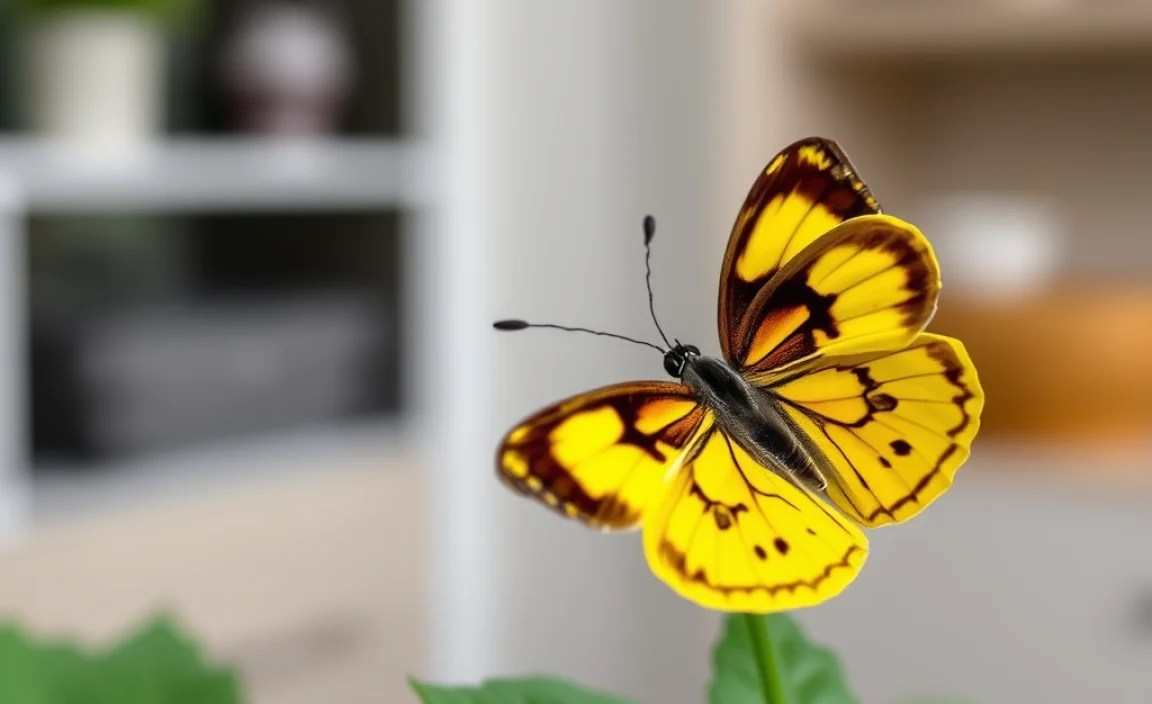
Identifying the Yellow Pansy butterfly is relatively straightforward due to its distinctive appearance. Here’s what to look for:
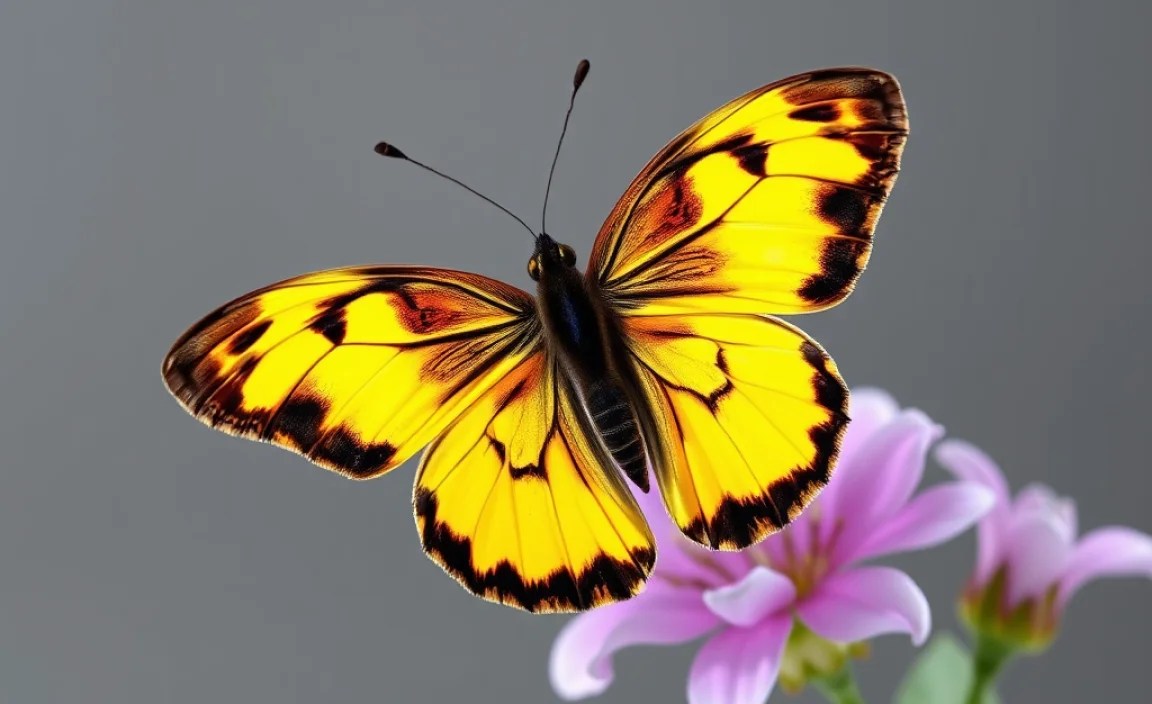
- Color: The upperside of the wings is a vibrant yellow.
- Markings: Black lines and spots adorn the wings, creating a unique pattern.
- Eye-spots: Prominent eye-spots are present on both the forewings and hindwings, which help to deter predators.
- Size: They are medium-sized butterflies with a wingspan typically ranging from 5 to 6 centimeters (2 to 2.4 inches).
Distinguishing Yellow Pansies from Similar Butterflies
While the Yellow Pansy is quite distinctive, it’s helpful to know how to differentiate it from similar species:
- Lemon Pansy (Junonia lemonias): The Lemon Pansy has a more lemon-yellow color and a slightly different wing pattern.
- Chocolate Pansy (Junonia iphita): The Chocolate Pansy is predominantly brown with eye-spots and some yellow markings.
Here’s a quick comparison table:
| Feature | Yellow Pansy (Junonia hierta) | Lemon Pansy (Junonia lemonias) | Chocolate Pansy (Junonia iphita) |
|---|---|---|---|
| Dominant Color | Bright Yellow | Lemon Yellow | Chocolate Brown |
| Wing Markings | Distinct black lines and spots | Similar, but with a more intricate pattern | Less prominent yellow markings |
| Eye-spots | Present and noticeable | Present and noticeable | Present |
Habitat and Distribution

Understanding where Yellow Pansy butterflies live can help you spot them in the wild or create a suitable habitat in your garden.
- Geographical Range: They are widespread across Africa and Asia.
- Preferred Habitats: Open grasslands, gardens, scrublands, and lightly wooded areas are their favorite spots. They thrive in sunny locations.
- Climate: They prefer warm climates, which supports their year-round activity in many regions.
Life Cycle of the Yellow Pansy Butterfly
The life cycle of the Yellow Pansy butterfly is a fascinating transformation. Like all butterflies, they undergo complete metamorphosis, which includes four stages: egg, larva (caterpillar), pupa (chrysalis), and adult.
Egg Stage
- Appearance: The eggs are small and typically laid singly on the host plant.
- Host Plants: Yellow Pansy butterflies primarily lay their eggs on plants from the Acanthaceae family, such as Ruellia tuberosa and Barleria prionitis.
- Duration: The eggs usually hatch within a few days, depending on the temperature and humidity.
Larva (Caterpillar) Stage
- Appearance: The caterpillars are spiky and vary in color, often with dark bodies and orange or yellow markings.
- Feeding: Caterpillars voraciously feed on the leaves of their host plants, growing rapidly.
- Molting: As they grow, caterpillars molt several times, shedding their skin to accommodate their increasing size.
Pupa (Chrysalis) Stage
- Appearance: The pupa, or chrysalis, is typically brown or green and hangs from a stem or leaf.
- Transformation: Inside the pupa, the caterpillar undergoes a remarkable transformation, reorganizing its tissues to form the adult butterfly.
- Duration: This stage lasts about a week to two weeks, depending on environmental conditions.
Adult Stage
- Emergence: The adult butterfly emerges from the pupal case, its wings initially crumpled.
- Wing Expansion: The butterfly pumps hemolymph (insect blood) into its wings to expand them.
- Reproduction: Adult butterflies focus on feeding, mating, and laying eggs, continuing the life cycle.
Behavior and Diet

Understanding the behavior and diet of Yellow Pansy butterflies is key to appreciating their role in the ecosystem and attracting them to your garden.
Feeding Habits
- Nectar Sources: Adult butterflies primarily feed on nectar from flowers. They have a long proboscis (a straw-like tongue) that they use to sip nectar.
- Preferred Flowers: They are attracted to a variety of flowering plants, including lantana, cosmos, and other nectar-rich blooms.
- Caterpillar Diet: As mentioned, caterpillars feed on plants from the Acanthaceae family.
Behavioral Traits
- Basking: Yellow Pansy butterflies are often seen basking in the sun to regulate their body temperature.
- Flight: They are known for their rapid and erratic flight patterns.
- Territoriality: Males can be territorial, defending their chosen spots from other males.
Attracting Yellow Pansy Butterflies to Your Garden
Creating a butterfly-friendly garden is a rewarding experience. Here’s how to attract Yellow Pansy butterflies to your backyard:
- Plant Host Plants: Include plants from the Acanthaceae family to provide food for the caterpillars. Some excellent choices include Ruellia tuberosa and Barleria prionitis.
- Provide Nectar Sources: Plant a variety of nectar-rich flowers that bloom at different times of the year. Lantana, cosmos, zinnia, and pentas are great options.
- Offer a Water Source: Butterflies need water, but they can’t drink from deep pools. Provide a shallow dish of water with pebbles or marbles for them to land on.
- Create Sunny Areas: Yellow Pansy butterflies love to bask in the sun. Make sure your garden has plenty of sunny spots.
- Avoid Pesticides: Pesticides can harm or kill butterflies and other beneficial insects. Opt for organic gardening methods.
- Provide Shelter: Plant shrubs and trees to provide shelter from wind and rain.
- Consider a Butterfly House: While not essential, a butterfly house can offer additional shelter and a place for butterflies to rest.
Conservation Status and Threats
While Yellow Pansy butterflies are not currently endangered, it’s important to be aware of potential threats to their populations.
- Habitat Loss: The destruction of natural habitats due to urbanization and agriculture can reduce the availability of host plants and nectar sources.
- Pesticide Use: Widespread use of pesticides can directly harm butterflies and their caterpillars.
- Climate Change: Changes in climate patterns can affect the distribution and abundance of butterfly populations.
How to Help
- Support Habitat Conservation: Advocate for the protection of natural habitats and support organizations working to conserve butterfly habitats.
- Promote Organic Gardening: Avoid using pesticides in your garden and encourage others to do the same.
- Plant Native Species: Native plants provide the best food and shelter for local butterfly populations.
- Educate Others: Share your knowledge about butterflies and the importance of conservation with friends, family, and community members.
Yellow Pansy Butterfly in Culture and Art
Butterflies have long held symbolic significance in various cultures, and the Yellow Pansy is no exception.
- Symbolism: In many cultures, butterflies symbolize transformation, rebirth, and hope. The vibrant yellow color of the Yellow Pansy can also represent joy, happiness, and optimism.
- Art and Literature: Butterflies are often depicted in art, literature, and folklore, representing beauty, freedom, and the fleeting nature of life.
- Spiritual Significance: Some believe that butterflies are messengers from the spirit world, bringing guidance and comfort.
Observing Yellow Pansy Butterflies in the Wild
Here are some tips for observing Yellow Pansy butterflies in their natural habitat:
- Best Time to Observe: The best time to see Yellow Pansy butterflies is during the warmer months, especially on sunny days.
- Where to Look: Visit open grasslands, gardens, and scrublands where their host plants and nectar sources are abundant.
- What to Bring: Bring a pair of binoculars for a closer look, a camera to capture their beauty, and a field guide to help with identification.
- Be Patient: Butterflies can be elusive, so be patient and observant. Sit quietly and wait for them to come to you.
- Respect Their Habitat: Avoid disturbing their habitat or handling the butterflies. Observe them from a distance and leave no trace behind.
Photographing Yellow Pansy Butterflies
Capturing stunning photos of Yellow Pansy butterflies can be a rewarding experience. Here are some tips to help you get the best shots:
- Equipment: Use a camera with a macro lens for close-up shots. A telephoto lens can be useful for capturing butterflies from a distance.
- Lighting: Natural light is best for butterfly photography. Avoid harsh sunlight, which can create overexposed images. Overcast days or early morning/late afternoon light are ideal.
- Composition: Pay attention to composition. Use the rule of thirds, leading lines, and other techniques to create visually appealing images.
- Focus: Focus carefully on the butterfly’s eyes or other key features. Use a shallow depth of field to blur the background and make the butterfly stand out.
- Patience: Butterfly photography requires patience. Wait for the butterfly to land and open its wings before taking your shot.
- Respect: Be respectful of the butterfly and its habitat. Avoid disturbing the butterfly or damaging its surroundings.
Resources for Further Learning
Want to dive deeper into the world of butterflies? Here are some resources to help you expand your knowledge:
- Books:
- “Butterflies of North America” by Jim P. Brock and Kenn Kaufman
- “The Butterfly Book: An Easy Guide to Butterfly Gardening, Identification, and Life Cycles” by Donald and Lillian Stokes
- Websites:
- The Xerces Society: A non-profit organization that protects wildlife through the conservation of invertebrates and their habitats.
- Butterflies and Moths of North America: A comprehensive resource for identifying and learning about butterflies and moths.
- National Geographic – Butterflies: Facts and information about butterflies from National Geographic.
- Organizations:
- Local butterfly clubs and societies
- Botanical gardens and nature centers
Conclusion
The Yellow Pansy butterfly, with its sunny disposition and intricate wing patterns, is a delightful creature to observe and appreciate. By understanding its life cycle, behavior, and habitat needs, you can create a butterfly-friendly garden and contribute to its conservation. Whether you’re a seasoned naturalist or a beginner butterfly enthusiast, there’s always something new to discover about these fascinating insects. So, get outside, explore your surroundings, and enjoy the beauty of the Yellow Pansy butterfly!


