
Asian Butterfly Scientific Studies: Powerful New Findings

Have you ever seen a butterfly? Butterflies are pretty and fly around. They sip nectar from flowers. Did you know that scientists study them? Asian butterfly scientific studies help us learn about these insects. We learn about their lives and how to protect them.
Scientists do many things. They watch butterflies in nature. They also study them in labs. These studies help us understand the world better.
Key Takeaways
- Asian butterfly scientific studies show how pollution hurts these insects.
- Butterflies help plants by carrying pollen from flower to flower.
- Many butterflies are losing their homes because of habitat loss.
- Scientists learn about butterfly colors and wing patterns.
- Protecting butterflies helps other animals and plants too.
Why Study Asian Butterflies?
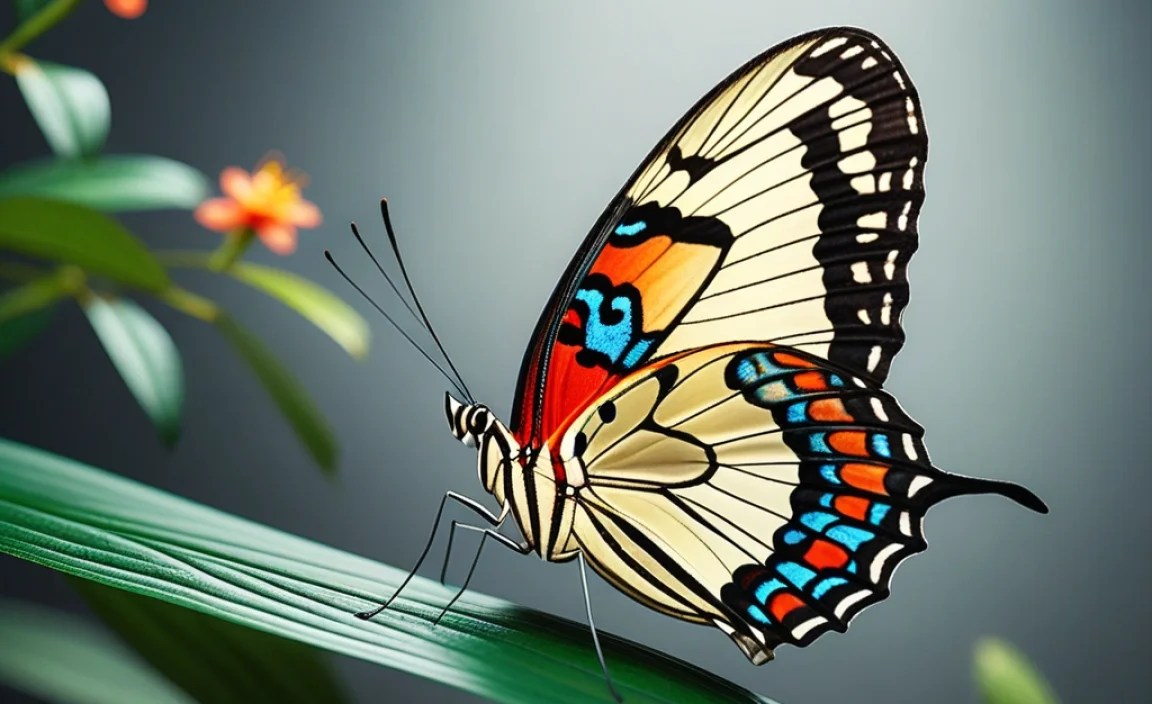
Butterflies are more than just pretty insects. They are very important to our world. They help plants make seeds. This happens when they move pollen. Scientists want to know more about them. Asian butterfly scientific studies help us understand their lives. These studies can show how they live and eat. They also show how they change as they grow. Butterflies can tell us about the health of the environment. If butterflies are healthy, the environment is likely healthy too. But if they are not, it can be a sign of problems. Scientists also study how butterflies are affected by climate change. This helps us protect them and our planet. Learning about butterflies is a step toward protecting nature.
- Butterflies help plants make seeds.
- They are important for the environment.
- Scientists study how they live.
- They study how they change.
- Butterflies tell us about the environment’s health.
Asian butterfly scientific studies also explore their amazing colors. The colors on their wings are not just for show. They help butterflies hide from enemies. Some colors warn predators that they taste bad. Other colors help them find a mate. Scientists use special tools to study these colors. They learn how butterflies make them. This can help us make new colors for clothes or paints. By learning about butterflies, we can find new ways to make our lives better. We also learn how to protect these beautiful insects. We must care for our environment so butterflies can thrive.
How Do Butterflies Help?
Have you ever wondered how flowers get their pollen spread around? Butterflies play a big part. They fly from flower to flower, drinking nectar. While they do this, pollen sticks to their bodies. Then, they carry the pollen to other flowers. This helps the flowers make seeds. These seeds grow into new plants. Without butterflies, many plants would not be able to make new seeds. This would change our world a lot. We need butterflies to keep our plants healthy. Butterflies are very helpful to plants.
Why Are Butterfly Colors Important?
Imagine if all butterflies were the same color. It would be boring, right? Butterfly colors are very important. They help butterflies hide from predators. Some butterflies look like leaves. This helps them blend in with their surroundings. Other butterflies have bright colors. These colors warn predators that they taste bad. The colors help them survive. They also help them find a mate. Bright colors can attract a partner. Butterfly colors are useful and beautiful.
What Can We Learn From Butterflies?
Butterflies can teach us a lot about nature. They are like little messengers. They tell us how healthy our environment is. If butterflies are doing well, it means the environment is healthy. If they are struggling, it means there might be problems. Scientists watch butterflies to learn about pollution. They also learn about climate change. This information helps us protect our planet. We can learn a lot from these insects. They are small, but they are very important.
Fun Fact or Stat: Some butterflies migrate thousands of miles, just like birds!
Butterfly Habitats in Asia

Butterflies need special places to live. These places are called habitats. Habitats provide food and shelter. Many Asian butterfly scientific studies focus on these habitats. Scientists study the plants that butterflies need. They also study the weather in these areas. Some butterflies live in forests. Others live in grasslands or mountains. Each type of butterfly has its favorite place. When these habitats are destroyed, butterflies suffer. Deforestation and pollution can harm butterfly habitats. This makes it hard for them to find food and shelter. Protecting these habitats is very important. We need to keep these places safe for butterflies and other animals.
- Butterflies need special places to live.
- These places are called habitats.
- Habitats provide food and shelter.
- Deforestation harms butterfly habitats.
- Pollution also harms these habitats.
- Protecting habitats is very important.
Different regions in Asia have unique butterfly habitats. For example, rainforests in Southeast Asia are home to many colorful species. These forests provide a warm, wet environment. This is perfect for butterflies to thrive. Mountains in the Himalayas also have special butterfly species. These butterflies are adapted to cold weather. Deserts in Central Asia have fewer butterflies. But the ones that live there are very tough. They can survive in dry conditions. Scientists study these different habitats. They learn how to protect them. They also learn how butterflies adapt to different environments. This helps us understand how to conserve them.
What Kinds of Plants Do Butterflies Need?
Butterflies need certain plants to survive. These plants give them food. Caterpillars eat the leaves of some plants. Adult butterflies drink nectar from flowers. Different butterfly species like different plants. Some like milkweed, while others like lavender. Scientists study which plants butterflies need. This helps them protect butterfly habitats. They can plant these flowers. This will give butterflies food. We can plant butterfly-friendly plants in our gardens too. This helps butterflies in our own neighborhoods. Planting the right plants is very important.
How Does Climate Change Affect Butterfly Habitats?
Climate change is changing the world. It is making some places hotter and drier. It is making other places wetter. These changes affect butterfly habitats. Some butterflies cannot survive in hotter temperatures. Others cannot survive with less rain. Scientists study how climate change affects butterflies. They learn how to protect them. They might need to move butterflies to new areas. They might need to create new habitats. Climate change is a big problem for butterflies. We need to help them survive.
Can We Help Protect Butterfly Habitats?
Yes, we can help protect butterfly habitats! There are many things we can do. We can plant butterfly-friendly plants in our gardens. We can support organizations that protect forests and other habitats. We can reduce pollution by recycling. We can also educate others about the importance of butterflies. Every little bit helps. By working together, we can make a big difference. We can help butterflies thrive. We can protect our planet too. Protecting butterflies is good for everyone.
Fun Fact or Stat: Some butterfly habitats are protected as national parks!
Butterfly Conservation Efforts
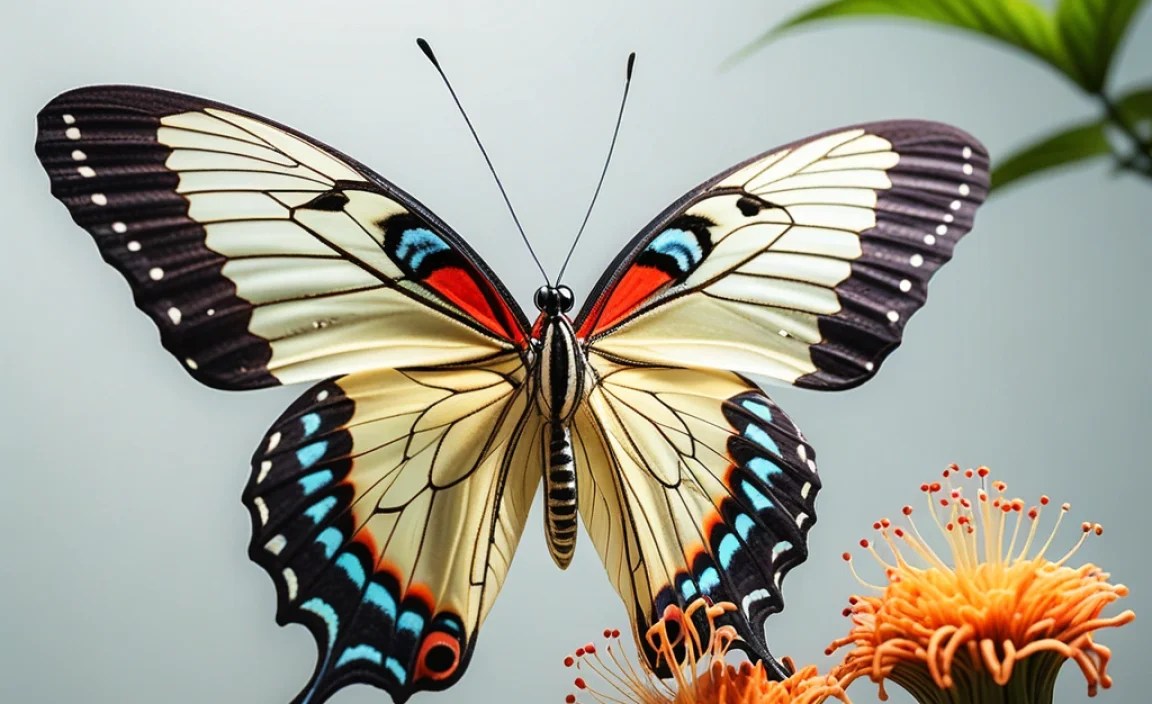
Many people are working to protect butterflies. These are called conservation efforts. Asian butterfly scientific studies help inform these efforts. Scientists study butterfly populations. They find out which species are in danger. Then, they create plans to help them. These plans might involve protecting their habitats. They might also involve raising butterflies in captivity. These butterflies can then be released into the wild. Conservation efforts also involve educating people. The more people know about butterflies, the more they will want to protect them. Conservation efforts are very important. Without them, many butterfly species could disappear.
- People are working to protect butterflies.
- These efforts are called conservation.
- Scientists study butterfly populations.
- They create plans to help them.
- Education is also a part of conservation.
Different countries in Asia have different conservation programs. In some countries, governments protect butterfly habitats. They create national parks. In other countries, local communities work to protect butterflies. They plant butterfly-friendly gardens. They also educate their neighbors. Some organizations raise butterflies in special farms. These farms help to increase butterfly populations. They release the butterflies into the wild. These conservation efforts are making a difference. Some butterfly populations are starting to recover. This shows that we can help protect these beautiful insects.
What Is Butterfly Farming?
Butterfly farming is a special way to help butterflies. People raise butterflies in a controlled environment. They give them food and shelter. They protect them from predators. Then, they release the butterflies into the wild. This helps to increase butterfly populations. Butterfly farming can also help local communities. They can sell butterflies to tourists. This gives them money to protect butterfly habitats. Butterfly farming is a win-win situation. It helps butterflies and people too.
How Can We Help Butterflies in Our Gardens?
We can help butterflies in our gardens. We can plant butterfly-friendly plants. These plants will give them food and shelter. We can avoid using pesticides. Pesticides can harm butterflies and other insects. We can also provide a water source. Butterflies need water to drink. A shallow dish of water with some stones will work. We can also create a butterfly house. This will give butterflies a place to rest. By making our gardens butterfly-friendly, we can help these insects thrive.
What Are Some Challenges to Butterfly Conservation?
Butterfly conservation faces many challenges. One challenge is habitat loss. As forests and grasslands disappear, butterflies lose their homes. Another challenge is climate change. Changing weather patterns can harm butterflies. Pollution is also a challenge. Pesticides and other chemicals can kill butterflies. It is important to address these challenges. We need to protect butterfly habitats. We need to reduce pollution. We need to fight climate change. By working together, we can overcome these challenges.
Fun Fact or Stat: Some butterfly farms are open to the public for tours!
Impact of Pollution on Butterflies
Pollution is a big problem for butterflies. Asian butterfly scientific studies show this. Air pollution can harm their lungs. Water pollution can poison them. Pesticides can kill them. Pollution can also harm their food sources. It can kill the plants that caterpillars eat. It can also kill the flowers that adult butterflies drink from. When pollution is bad, butterflies struggle to survive. They might not be able to find food. They might not be able to reproduce. Pollution can wipe out entire butterfly populations. We need to reduce pollution to protect butterflies.
- Pollution harms butterflies in many ways.
- Air pollution can harm their lungs.
- Water pollution can poison them.
- Pesticides can kill them directly.
- It harms their food sources too.
Different types of pollution have different effects on butterflies. For example, acid rain can damage butterfly eggs. This prevents them from hatching. Pesticides can also weaken butterflies. This makes them more likely to get sick. Air pollution can make it hard for butterflies to find flowers. It can also damage their wings. Water pollution can contaminate the nectar that butterflies drink. It is important to reduce all types of pollution. This will help protect butterflies and other wildlife. We can start by recycling and using less plastic. We can also support companies that are environmentally friendly.
How Do Pesticides Affect Butterflies?
Pesticides are very harmful to butterflies. They are designed to kill insects. But they can also kill butterflies. Even if they don’t kill them, they can weaken them. This makes them more likely to get sick. Pesticides can also harm butterfly caterpillars. They can poison the plants that caterpillars eat. It is important to avoid using pesticides. We can use natural methods to control pests. We can also plant pest-resistant plants. This will help protect butterflies from pesticides.
Can Air Pollution Damage Butterfly Wings?
Yes, air pollution can damage butterfly wings. The tiny particles in the air can stick to their wings. This makes it hard for them to fly. It can also damage the scales on their wings. These scales help butterflies stay warm. They also help them attract mates. When the scales are damaged, butterflies are more vulnerable. They are more likely to get sick. Air pollution can also make it hard for butterflies to find food. It can damage the flowers that they need to survive. Reducing air pollution is important for butterflies.
What Can We Do to Reduce Pollution?
We can do many things to reduce pollution. We can recycle paper, plastic, and glass. This reduces the amount of waste that goes to landfills. We can use less energy. We can turn off lights when we leave a room. We can also walk or bike instead of driving. We can support companies that are environmentally friendly. We can also educate others about the importance of reducing pollution. By working together, we can make a big difference. We can protect butterflies and our planet.
Fun Fact or Stat: Air pollution can travel hundreds of miles, affecting butterflies far away!
Butterfly Wing Patterns
Butterfly wings are amazing. They come in many colors and patterns. Asian butterfly scientific studies explore these patterns. These patterns help butterflies in different ways. Some patterns help them hide from predators. Other patterns help them attract mates. Some patterns even help them control their body temperature. Scientists study how these patterns develop. They also study how they change over time. This helps us understand how butterflies evolve. Butterfly wing patterns are not just beautiful. They are also very important for their survival.
- Butterfly wings have many patterns.
- These patterns help them hide.
- They help them attract mates too.
- They help control body temperature.
- Scientists study how they change.
The colors in butterfly wings come from tiny scales. These scales are like tiny tiles. They overlap each other. They reflect light in different ways. Some scales contain pigments. These pigments give the wings their color. Other scales are iridescent. They change color depending on the angle of light. The patterns on butterfly wings are very complex. They are controlled by genes. Scientists are still learning how these genes work. They use advanced technology to study butterfly wings. This helps us understand the secrets of these beautiful insects.
| Wing Pattern Type | Purpose | Example |
|---|---|---|
| Camouflage | Hiding from predators | Dead leaf butterfly |
| Warning Colors | Signaling toxicity | Monarch butterfly |
| Mimicry | Imitating other species | Viceroy butterfly |
| Eyespots | Scaring predators | Owl butterfly |
How Do Butterflies Get Their Colors?
Have you ever wondered how butterflies get their colors? It’s all thanks to tiny scales on their wings. These scales are like tiny tiles. They overlap each other. Some scales have pigments. Pigments are like tiny paints. They give the wings their color. Other scales are iridescent. This means they change color depending on how you look at them. It’s like magic! These scales work together to create the beautiful patterns we see on butterfly wings. It is an amazing process.
What Are Eyespots For?
Some butterflies have spots on their wings that look like eyes. These are called eyespots. Eyespots help butterflies scare away predators. When a predator sees the eyespots, it thinks it is looking at a bigger animal. This can scare the predator away. Eyespots can also distract predators. The predator might attack the eyespot instead of the butterfly’s body. This gives the butterfly a chance to escape. Eyespots are a clever way for butterflies to protect themselves.
Can Butterflies Change Their Wing Patterns?
Butterfly wing patterns are mostly determined by their genes. But sometimes, the environment can play a role. For example, temperature can affect the color of butterfly wings. Butterflies that grow up in warmer temperatures might have darker wings. This is because darker wings absorb more heat. This helps them stay warm. Scientists are still learning how the environment affects butterfly wing patterns. It is a complex topic. But it shows that butterflies are very adaptable.
Fun Fact or Stat: Some butterfly wing patterns can only be seen under ultraviolet light!
Butterfly Life Cycle
Butterflies have a fascinating life cycle. It is called metamorphosis. Asian butterfly scientific studies describe it well. It starts with an egg. The egg hatches into a larva. The larva is also called a caterpillar. The caterpillar eats a lot. It grows bigger and bigger. Then, it turns into a pupa. The pupa is also called a chrysalis. Inside the chrysalis, the caterpillar changes. It turns into a butterfly. Finally, the butterfly emerges from the chrysalis. It flies away to find food and a mate. The butterfly life cycle is a miracle of nature.
- Butterflies go through metamorphosis.
- It starts with an egg.
- The egg hatches into a caterpillar.
- The caterpillar turns into a pupa.
- The pupa turns into a butterfly.
Each stage of the butterfly life cycle is important. The egg is where the butterfly begins. The caterpillar eats and grows. The pupa is where the transformation happens. The butterfly is the final stage. It can reproduce and start the cycle again. Scientists study each stage of the life cycle. They learn how butterflies develop. They also learn how the environment affects them. This helps us understand how to protect butterflies. We need to protect them at every stage of their lives. This will ensure that they continue to thrive.
What Do Caterpillars Eat?
Caterpillars eat a lot! They need to eat to grow. Most caterpillars eat leaves. Different caterpillars eat different types of leaves. Some caterpillars only eat one type of leaf. Others eat many different types of leaves. Caterpillars have strong jaws. They use them to chew leaves. They can eat a lot in a short amount of time. Some caterpillars can eat their own weight in leaves every day! Caterpillars are very important for butterflies. They provide the energy that butterflies need to fly and reproduce.
How Does a Caterpillar Turn Into a Butterfly?
The transformation from caterpillar to butterfly is amazing. It happens inside the pupa. The pupa is like a protective case. Inside the pupa, the caterpillar’s body breaks down. Then, it rebuilds itself into a butterfly. This process takes several weeks. It is a complex and mysterious process. Scientists are still learning how it works. But they know that it involves special cells. These cells are called imaginal discs. These cells contain the instructions for building a butterfly.
How Long Do Butterflies Live?
Butterflies live for different amounts of time. Some butterflies only live for a few weeks. Others live for several months. The lifespan of a butterfly depends on the species. It also depends on the environment. Butterflies that live in warm climates tend to live longer. This is because they can stay active for longer. Butterflies that live in cold climates have a shorter lifespan. This is because they need to hibernate during the winter. The lifespan of a butterfly is just one part of its amazing life cycle.
Fun Fact or Stat: Some butterfly species migrate thousands of miles each year!
Summary
Asian butterfly scientific studies help us learn about these amazing insects. Butterflies are important for the environment. They help plants make seeds. They also tell us about the health of our planet. Scientists study their habitats, wing patterns, and life cycles. Pollution and habitat loss threaten butterflies. But there are things we can do to help. We can plant butterfly-friendly plants. We can reduce pollution. We can support conservation efforts. By working together, we can protect butterflies. We can also protect our planet.
Conclusion
Butterflies are beautiful and important. They play a vital role in our ecosystem. Asian butterfly scientific studies teach us how to protect them. We must protect their habitats. We must reduce pollution. We must support conservation efforts. By doing these things, we can help butterflies thrive. We can also create a healthier planet for all.
Frequently Asked Questions
Question No 1: Why are Asian butterfly scientific studies important?
Answer: Asian butterfly scientific studies are very important because they help us understand these beautiful creatures better. Scientists study how butterflies live, what they eat, and how they change. They also learn about the dangers that butterflies face, such as pollution and habitat loss. This information helps us protect butterflies and their homes. By studying butterflies, we can also learn about the health of the environment. If butterflies are doing well, it means the environment is healthy too. These studies are key to keeping our planet healthy.
Question No 2: What are some threats to butterflies in Asia?
Answer: Butterflies in Asia face many threats. One of the biggest threats is habitat loss. This happens when forests and grasslands are destroyed to make way for farms or cities. Pollution is another big problem. Pesticides and other chemicals can kill butterflies. Climate change is also a threat. Changing weather patterns can harm butterflies and their food sources. Over-collection of butterflies for trade is also a threat. Some people collect butterflies to sell them. This can reduce butterfly populations. We need to address these threats to protect butterflies.
Question No 3: How can I help butterflies in my own backyard?
Answer: You can do many things to help butterflies in your backyard! First, plant butterfly-friendly plants. Butterflies need nectar from flowers. Caterpillars need leaves to eat. Some good plants to grow include milkweed, lavender, and butterfly bush. Second, avoid using pesticides. Pesticides can harm butterflies and other insects. Third, provide a water source. Butterflies need water to drink. A shallow dish of water with some stones will work. Finally, create a butterfly house. This will give butterflies a place to rest. These steps can help butterflies thrive.
Question No 4: What is the role of butterflies in the ecosystem?
Answer: Butterflies play an important role in the ecosystem. They help plants make seeds. They do this by carrying pollen from flower to flower. This process is called pollination. Butterflies are also a food source for other animals. Birds, lizards, and spiders eat butterflies. Butterflies also tell us about the health of the environment. If butterfly populations are declining, it can be a sign that something is wrong. Protecting butterflies helps protect the entire ecosystem. Asian butterfly scientific studies emphasize their importance.
Question No 5: What is being done to protect butterflies in Asia?
Answer: There are many conservation efforts underway to protect butterflies in Asia. Governments are protecting butterfly habitats by creating national parks. Local communities are planting butterfly-friendly gardens. Organizations are raising butterflies in captivity and releasing them into the wild. Scientists are studying butterfly populations and developing plans to help them. Education is also an important part of conservation. The more people know about butterflies, the more they will want to protect them. Asian butterfly scientific studies guide these conservation efforts.
Question No 6: Can butterfly wing patterns change over time?
Answer: Yes, butterfly wing patterns can change over time. This is because butterflies evolve. Evolution is the process by which species change over many generations. Butterfly wing patterns can change in response to the environment. For example, butterflies that live in areas with lots of predators might develop wing patterns that help them hide. Butterflies that live in areas with lots of flowers might develop wing patterns that attract pollinators. Asian butterfly scientific studies explore how wing patterns adapt to changing environments. Evolution helps butterflies survive.


![Smart Asian Butterfly AI Identification: [Free] Guide](https://i2.wp.com/butterflyask.com/wp-content/uploads/2026/02/smart-asian-butterfly-ai-identification-free-guide-768x469.webp)
