
Rare Butterflies in Australia: A Powerful Guide

Have you ever seen a butterfly so unique it takes your breath away? Australia is home to some truly amazing butterflies. But some of these beautiful creatures are very rare. These rare butterflies in Australia need our help to survive.
Imagine a world without these colorful insects. Let’s explore the fascinating world of rare butterflies in Australia. We will learn why they are special and what we can do to protect them.
Key Takeaways
- Protecting rare butterflies in Australia helps maintain healthy ecosystems.
- Habitat loss is a major threat to these unique butterfly species.
- The Richmond Birdwing and Cairns Birdwing are among the rarest.
- Conservation efforts include habitat restoration and captive breeding programs.
- Everyone can help by planting native plants and reducing pesticide use.
Discovering Rare Butterflies in Australia

Australia boasts a stunning array of butterfly species. Among them are some of the rarest butterflies in Australia. These delicate insects face numerous threats. These threats include habitat destruction, climate change, and introduced species. Discovering these rare butterflies in Australia reveals the incredible biodiversity of the continent. It also highlights the urgent need for conservation. Each species has unique characteristics and plays a vital role in its ecosystem. Protecting these rare butterflies in Australia ensures the health and beauty of Australian landscapes for future generations. Conservationists and researchers are working hard. They study these species. They try to protect the butterflies’ habitats. With increased awareness, we can help to make a difference.
- Australia has many different butterfly species.
- Some butterflies are rarer than others.
- Rare butterflies in Australia face many dangers.
- Habitat loss is a big problem.
- Climate change also hurts butterflies.
Rare butterflies in Australia are important. They are part of the food chain. They also help plants grow. Butterflies carry pollen from one flower to another. This helps plants make seeds. When we protect rare butterflies in Australia, we protect the whole environment. We need to learn more about these butterflies. We need to help them survive. We can plant native plants in our gardens. These plants give butterflies food and shelter. We can also tell our friends and family about rare butterflies in Australia. Together, we can make a difference.
Fun Fact or Stat: Some rare butterflies in Australia are only found in very small areas. This makes them even more vulnerable to extinction.
What Makes a Butterfly Rare?
What exactly makes a butterfly rare? A butterfly is considered rare when its population is small. It might live only in a small area. Sometimes, a butterfly is rare because its habitat has been destroyed. Think of a butterfly that only lives in one type of rainforest. If that rainforest is cut down, the butterfly will have nowhere to live. This can make it very rare. Other factors include climate change and pollution. These can also affect butterfly populations. Understanding what makes a butterfly rare helps us protect it. It allows us to target our conservation efforts. We can focus on the most important things. We can protect habitats. We can reduce pollution. We can help rare butterflies in Australia survive.
Threats to Butterfly Populations
Imagine a butterfly trying to find food. But its favorite plants are gone. This is what happens when habitats are destroyed. Habitat loss is a big threat to rare butterflies in Australia. When forests are cut down or wetlands are drained, butterflies lose their homes. Introduced species can also be a problem. These are animals or plants that don’t naturally live in Australia. They can compete with butterflies for food. They can even eat butterflies. Climate change is another threat. As the weather changes, butterflies may not be able to find the right conditions to live in. Protecting butterflies means fighting these threats. We need to protect habitats. We need to control introduced species. We need to fight climate change. This will help rare butterflies in Australia.
Why Should We Care?
Why should we care about rare butterflies in Australia? Butterflies are more than just pretty insects. They are an important part of the ecosystem. They help pollinate plants. This helps plants grow and produce food. Butterflies are also a food source for other animals. Birds, lizards, and spiders eat butterflies. If butterflies disappear, these animals could also be in trouble. Protecting rare butterflies in Australia helps protect the whole ecosystem. It helps keep the environment healthy. It also makes the world a more beautiful place. We should all care about protecting these amazing creatures. They are a valuable part of our natural world.
Identifying the Richmond Birdwing Butterfly
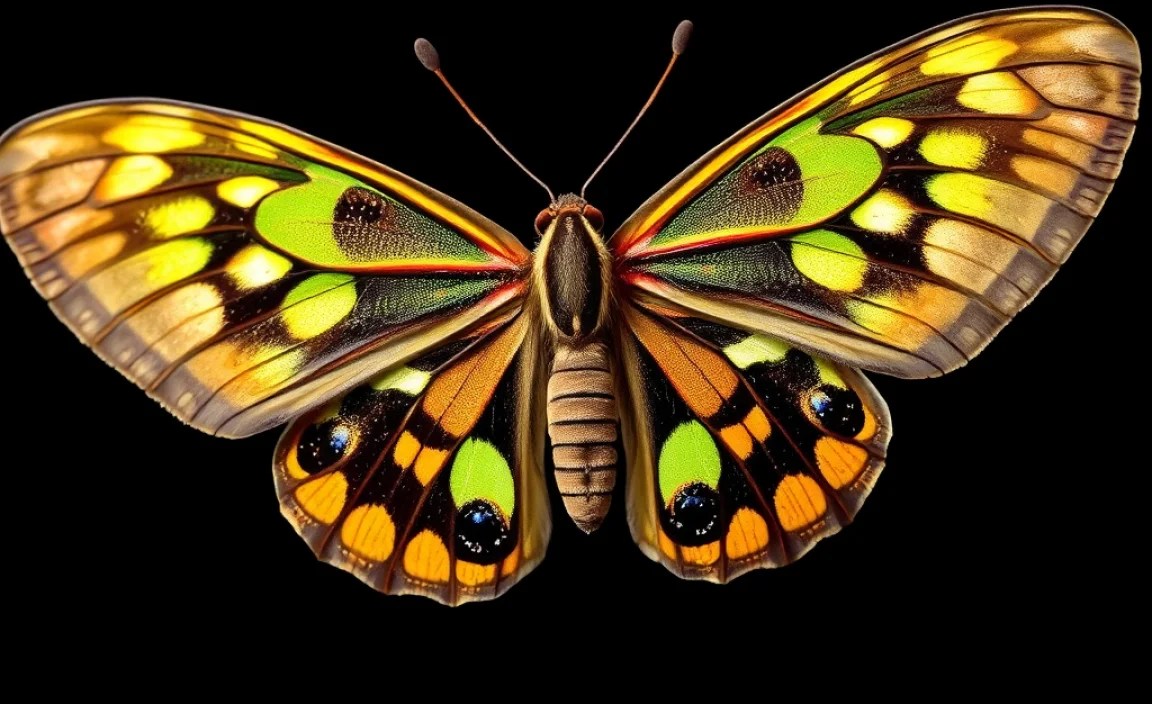
The Richmond Birdwing Butterfly is one of the most spectacular and rare butterflies in Australia. This large butterfly is known for its vibrant colors and impressive size. The male has striking black and green wings. The female has black and yellow wings. The Richmond Birdwing is found in southeastern Queensland and northeastern New South Wales. Its habitat is subtropical rainforest. Sadly, this butterfly is endangered. Habitat loss and the destruction of its host plant are major threats. The Richmond Birdwing Vine is the only plant where the butterfly lays its eggs. Conservation efforts are underway. They aim to protect and restore the butterfly’s habitat. They encourage people to plant the Richmond Birdwing Vine in their gardens. This helps the butterfly to survive.
- The Richmond Birdwing is a large butterfly.
- Males have black and green wings.
- Females have black and yellow wings.
- It lives in rainforests.
- It is endangered.
- Habitat loss is a big problem.
Identifying the Richmond Birdwing Butterfly is important. It helps us know where to focus our conservation efforts. Knowing what the butterfly looks like helps us spot it in the wild. We can then report sightings to conservation groups. This helps them track the butterfly’s population. We can also learn about the butterfly’s life cycle. This helps us understand its needs. We can then take steps to protect its habitat. Planting the Richmond Birdwing Vine in our gardens is one way to help. This provides food for the butterfly’s caterpillars. By learning about and identifying the Richmond Birdwing, we can help save this rare butterfly in Australia.
Fun Fact or Stat: The Richmond Birdwing Butterfly is one of Australia’s largest butterflies, with a wingspan of up to 16 cm!
What Does It Eat?
What does the Richmond Birdwing Butterfly eat? The caterpillars of the Richmond Birdwing only eat the Richmond Birdwing Vine. This vine is the only plant where the female butterfly lays her eggs. The caterpillars munch on the leaves of the vine. They grow bigger and bigger. The adult butterflies feed on nectar from flowers. They like flowers with bright colors and sweet smells. They use their long tongues to suck up the nectar. Planting these flowers in your garden can help the Richmond Birdwing. It gives them a food source. It helps them survive. It helps protect this rare butterfly in Australia.
Where Does It Live?
Where does the Richmond Birdwing Butterfly live? It lives in the rainforests of southeastern Queensland and northeastern New South Wales. These rainforests are warm and wet. They have lots of trees and plants. The Richmond Birdwing Butterfly needs these rainforests to survive. The rainforests provide food and shelter. They also provide the Richmond Birdwing Vine. This vine is essential for the butterfly’s caterpillars. Protecting these rainforests is important. It helps protect the Richmond Birdwing Butterfly. It also helps protect other rare butterflies in Australia. We can help by supporting conservation groups. They work to protect rainforests.
Why Is It Endangered?
Why is the Richmond Birdwing Butterfly endangered? The main reason is habitat loss. Rainforests are being cut down for farms and houses. This destroys the butterfly’s home. Another reason is the destruction of the Richmond Birdwing Vine. Sometimes, people clear the vine from their gardens. They don’t realize it is important for the butterfly. Introduced species can also be a problem. Some introduced vines can smother the Richmond Birdwing Vine. This makes it hard for the butterfly to find food. Protecting the Richmond Birdwing Butterfly means fighting these threats. We need to protect rainforests. We need to plant the Richmond Birdwing Vine. We need to control introduced species. This will help save this rare butterfly in Australia.
Understanding the Cairns Birdwing Butterfly
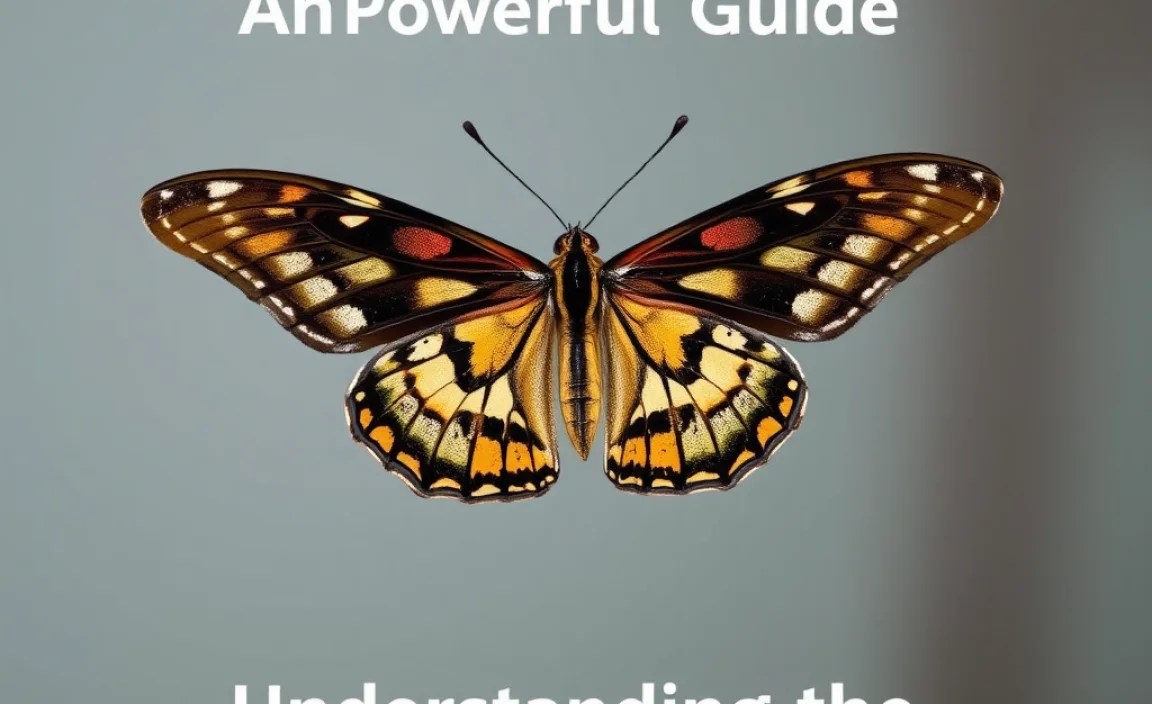
The Cairns Birdwing Butterfly is another spectacular and rare butterfly in Australia. It is found in the rainforests of northern Queensland. Like the Richmond Birdwing, it is a large butterfly. The male has vibrant green and black wings. The female has black and yellow wings. The Cairns Birdwing is threatened by habitat loss and the destruction of its host plant. The Cairns Birdwing Vine is the only plant where the butterfly lays its eggs. Conservation efforts are underway. They aim to protect and restore the butterfly’s habitat. They encourage people to plant the Cairns Birdwing Vine in their gardens. This helps the butterfly to survive. Understanding the Cairns Birdwing is vital. It helps protect other rare butterflies in Australia.
- The Cairns Birdwing is a large butterfly.
- Males have green and black wings.
- Females have black and yellow wings.
- It lives in rainforests.
- It is threatened by habitat loss.
- It needs the Cairns Birdwing Vine.
Understanding the Cairns Birdwing Butterfly is essential for its survival. Knowing its habitat and food source allows us to protect it. We can help by planting the Cairns Birdwing Vine in our gardens. This provides food for the caterpillars. We can also support conservation groups. They work to protect rainforests. Learning about the Cairns Birdwing also helps us appreciate its beauty. It is a reminder of the amazing biodiversity of Australia. By understanding and protecting the Cairns Birdwing, we can help save this rare butterfly in Australia.
Fun Fact or Stat: The Cairns Birdwing Butterfly is the largest butterfly in Australia!
What Is Its Habitat Like?
What is the habitat of the Cairns Birdwing Butterfly like? It lives in the rainforests of northern Queensland. These rainforests are warm and wet. They are full of trees, vines, and other plants. The Cairns Birdwing Butterfly needs these rainforests to survive. The rainforests provide food and shelter. They also provide the Cairns Birdwing Vine. This vine is essential for the butterfly’s caterpillars. Protecting these rainforests is important. It helps protect the Cairns Birdwing Butterfly. It also helps protect other rare butterflies in Australia. We can help by supporting conservation groups. They work to protect rainforests.
How Does It Reproduce?
How does the Cairns Birdwing Butterfly reproduce? The female butterfly lays her eggs on the Cairns Birdwing Vine. The caterpillars hatch from the eggs. They eat the leaves of the vine. They grow bigger and bigger. After a few weeks, the caterpillars turn into pupae. The pupae hang from the vine. Inside the pupae, the caterpillars change into butterflies. After about two weeks, the butterflies emerge from the pupae. They fly away to find food and mates. This is the life cycle of the Cairns Birdwing Butterfly. Protecting the Cairns Birdwing Vine is important. It helps the butterfly reproduce. It helps protect this rare butterfly in Australia.
What Threats Does It Face?
What threats does the Cairns Birdwing Butterfly face? Habitat loss is a big threat. Rainforests are being cut down for farms and houses. This destroys the butterfly’s home. Another threat is the destruction of the Cairns Birdwing Vine. Sometimes, people clear the vine from their gardens. They don’t realize it is important for the butterfly. Climate change is also a threat. As the weather changes, the butterfly may not be able to find the right conditions to live in. Protecting the Cairns Birdwing Butterfly means fighting these threats. We need to protect rainforests. We need to plant the Cairns Birdwing Vine. We need to fight climate change. This will help save this rare butterfly in Australia.
Conservation Efforts for Rare Butterflies
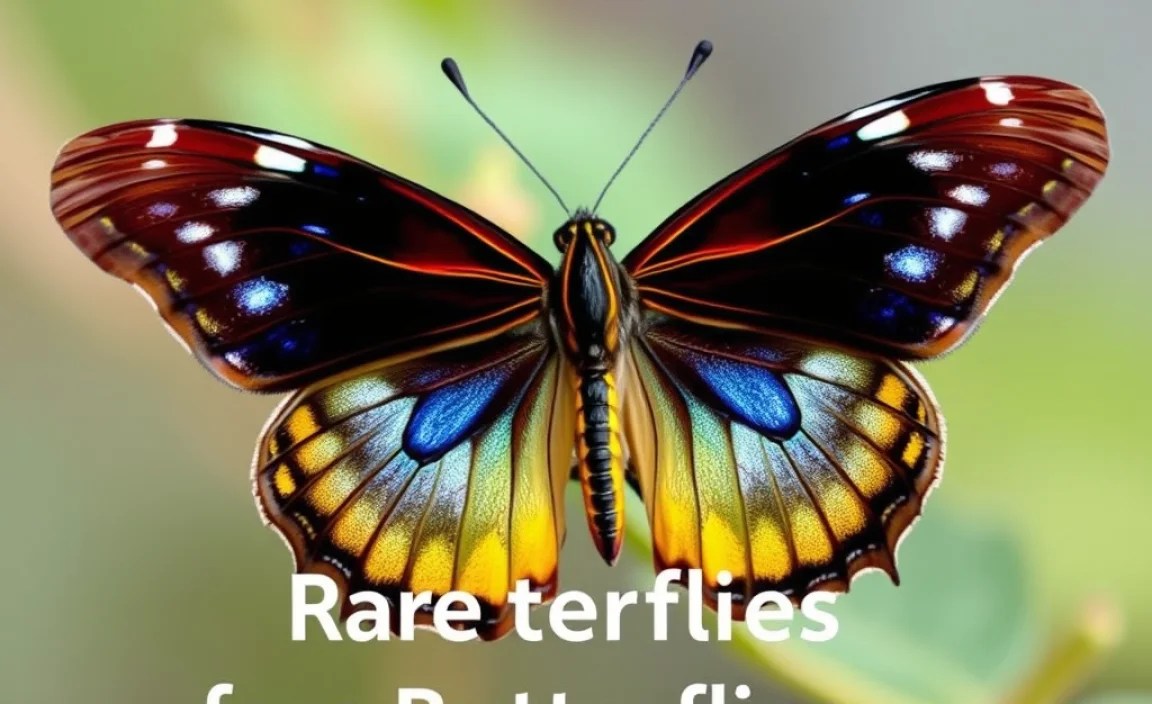
Conservation efforts are vital for protecting rare butterflies in Australia. These efforts include habitat restoration, captive breeding programs, and public education. Habitat restoration involves replanting native trees and plants. This helps to create new habitats for butterflies. Captive breeding programs involve raising butterflies in a safe environment. This helps to increase their population. Public education is important. It helps people learn about butterflies and how to protect them. Many organizations are working hard. They are working to protect rare butterflies in Australia. By supporting these organizations, we can help save these amazing creatures.
- Habitat restoration creates new homes.
- Captive breeding increases butterfly numbers.
- Public education teaches people about butterflies.
- Organizations are working to protect butterflies.
- You can help by supporting these groups.
Conservation efforts are crucial for the survival of rare butterflies in Australia. Without these efforts, many species could disappear forever. We need to support these efforts. We need to learn more about butterflies. We need to take action to protect them. We can plant native plants in our gardens. We can reduce our use of pesticides. We can tell our friends and family about rare butterflies in Australia. Together, we can make a difference. We can help save these amazing creatures for future generations.
Fun Fact or Stat: Some conservation groups use drones to monitor butterfly populations in remote areas!
Habitat Restoration Projects
What are habitat restoration projects? They are projects that help to restore damaged habitats. This could involve replanting trees, removing weeds, or cleaning up polluted areas. Habitat restoration projects are important for rare butterflies in Australia. They help to create new homes for butterflies. They also help to improve the quality of existing habitats. Many organizations are involved in habitat restoration. They work with local communities to restore damaged areas. You can help by volunteering for these projects. You can also donate to organizations that support habitat restoration. This will help protect rare butterflies in Australia.
Captive Breeding Programs
What are captive breeding programs? They are programs that involve raising animals in a safe environment. This helps to increase their population. Captive breeding programs are used for rare butterflies in Australia. Butterflies are raised in special facilities. They are protected from predators and diseases. When the butterflies are old enough, they are released into the wild. This helps to increase the wild population. Captive breeding programs are expensive. They require a lot of expertise. But they can be very effective. They can help to save rare butterflies in Australia from extinction.
Public Education Initiatives
What are public education initiatives? They are programs that teach people about a particular topic. In this case, the topic is rare butterflies in Australia. Public education initiatives can take many forms. They can include school programs, museum exhibits, and online resources. The goal of these initiatives is to raise awareness about butterflies. They teach people about the threats that butterflies face. They also teach people how to protect butterflies. Public education is important. It helps people understand why butterflies are important. It also inspires them to take action. You can help by sharing information about rare butterflies in Australia with your friends and family.
How Climate Change Affects Butterflies
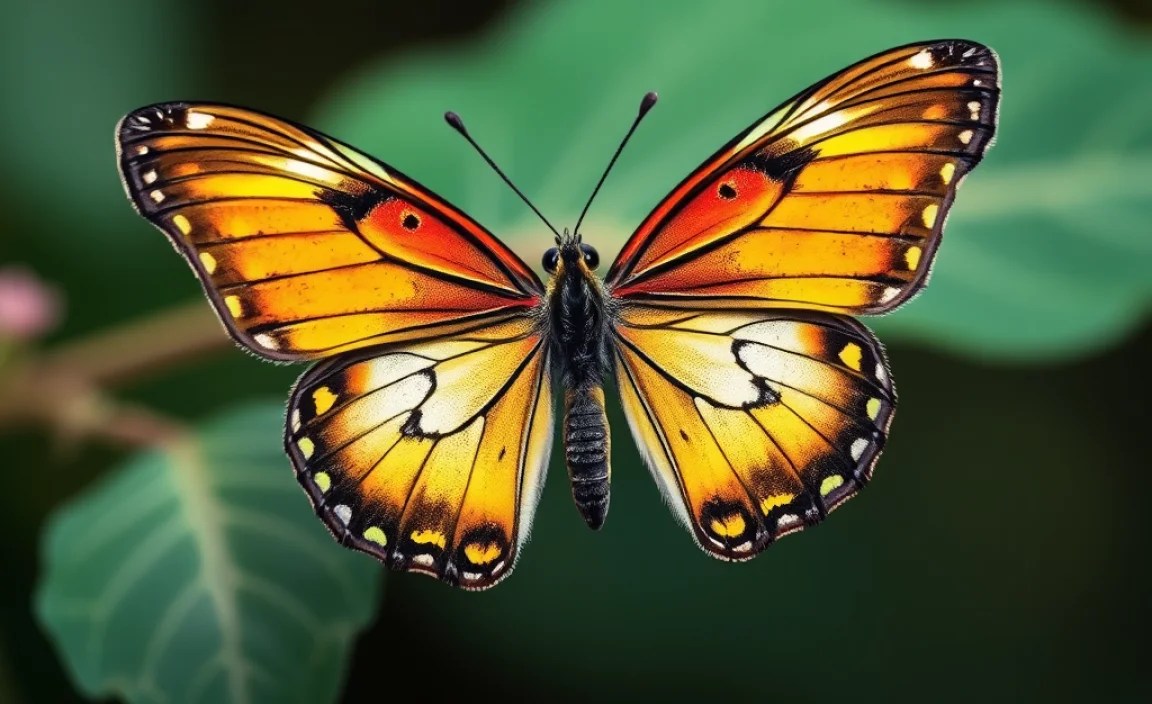
Climate change is a major threat to rare butterflies in Australia. As the climate changes, butterflies may not be able to find the right conditions to live in. They may not be able to find the right food. They may not be able to reproduce. Climate change can also cause more extreme weather events. These events can destroy butterfly habitats. Droughts can kill plants that butterflies need for food. Floods can wash away butterfly eggs and caterpillars. Protecting rare butterflies in Australia means fighting climate change. We need to reduce our greenhouse gas emissions. We need to support policies that protect the environment. This will help save these amazing creatures.
- Climate change threatens butterfly habitats.
- Extreme weather can destroy butterfly homes.
- Butterflies may not find the right food.
- Reproduction can be affected by climate.
- Reducing emissions can help butterflies.
Understanding how climate change affects rare butterflies in Australia is vital. It helps us to understand the urgency of the situation. We need to take action now. We need to reduce our carbon footprint. We can do this by using less energy. We can walk or bike instead of driving. We can eat less meat. We can support companies that are environmentally friendly. By taking these steps, we can help to slow down climate change. We can help to protect rare butterflies in Australia.
Fun Fact or Stat: Some butterflies are shifting their ranges to cooler areas as the climate warms!
Changes in Butterfly Habitats
How does climate change affect butterfly habitats? As the climate warms, butterfly habitats are changing. Some areas are becoming drier. Other areas are becoming wetter. These changes can make it difficult for butterflies to survive. They may not be able to find the right plants to eat. They may not be able to find the right places to lay their eggs. Climate change can also cause habitats to shrink. As the climate warms, some areas may become too hot for butterflies to live in. This can force butterflies to move to cooler areas. This can reduce the size of their habitat. Protecting butterfly habitats is important. It helps to protect rare butterflies in Australia.
Impact on Butterfly Food Sources
How does climate change affect butterfly food sources? Climate change can affect the plants that butterflies eat. Some plants may not be able to survive in the changing climate. Other plants may flower at different times. This can make it difficult for butterflies to find food. For example, some butterflies only feed on the nectar of a specific flower. If that flower blooms at a different time, the butterfly may not be able to find food. This can lead to starvation. Protecting butterfly food sources is important. It helps to protect rare butterflies in Australia.
Effects on Butterfly Reproduction
How does climate change affect butterfly reproduction? Climate change can affect the timing of butterfly reproduction. Some butterflies may emerge from their pupae earlier in the year. This is because the weather is warmer. However, the plants that they need to eat may not be ready yet. This can make it difficult for butterflies to find food. Climate change can also affect the number of eggs that butterflies lay. Some butterflies may lay fewer eggs in warmer years. This can reduce the population size. Protecting butterfly reproduction is important. It helps to protect rare butterflies in Australia.
| Butterfly | Habitat | Threats | Conservation Status |
|---|---|---|---|
| Richmond Birdwing | Rainforests of QLD & NSW | Habitat loss, vine destruction | Endangered |
| Cairns Birdwing | Rainforests of northern QLD | Habitat loss, vine destruction | Vulnerable |
| Eltham Copper | Heathlands in Victoria | Habitat loss, grazing | Endangered |
| Artemis Copper | Grasslands of NSW & ACT | Habitat loss, grazing | Endangered |
How You Can Help Rare Butterflies
You can help rare butterflies in Australia in many ways. You can plant native plants in your garden. Native plants provide food and shelter for butterflies. You can reduce your use of pesticides. Pesticides can harm butterflies. You can support conservation organizations. These organizations work to protect butterflies. You can educate your friends and family. Tell them about rare butterflies in Australia. You can also reduce your carbon footprint. This helps to fight climate change. By taking these steps, you can help save these amazing creatures.
- Plant native plants in your garden.
- Reduce your use of pesticides.
- Support conservation organizations.
- Educate your friends and family.
- Reduce your carbon footprint.
Helping rare butterflies in Australia is easy. It is also rewarding. Every little bit helps. Even planting one native plant can make a difference. Reducing your use of pesticides protects butterflies from harm. Supporting conservation organizations helps them to do their important work. Educating your friends and family raises awareness. Reducing your carbon footprint helps to fight climate change. By taking these steps, you can help save these amazing creatures for future generations.
Fun Fact or Stat: Even a small garden can provide a valuable habitat for butterflies!
Planting Native Plants
Why is planting native plants important? Native plants are plants that naturally grow in a particular area. They are adapted to the local climate and soil. Native plants provide the best food and shelter for butterflies. They also require less water and fertilizer than non-native plants. When you plant native plants, you are creating a butterfly-friendly habitat. You are providing food for caterpillars and nectar for adult butterflies. You are also providing shelter from predators and the weather. Planting native plants is one of the best ways to help rare butterflies in Australia.
Reducing Pesticide Use
Why is reducing pesticide use important? Pesticides are chemicals that are used to kill insects. However, pesticides can also harm butterflies. They can kill caterpillars and adult butterflies. They can also contaminate the plants that butterflies eat. Reducing your use of pesticides protects butterflies from harm. You can use natural methods to control pests in your garden. You can also buy organic fruits and vegetables. This helps to reduce the overall use of pesticides. Reducing pesticide use is a great way to help rare butterflies in Australia.
Supporting Conservation Groups
Why is supporting conservation groups important? Conservation groups work to protect butterflies and their habitats. They conduct research, restore habitats, and educate the public. They need our support to continue their important work. You can support conservation groups by donating money. You can also volunteer your time. You can also spread the word about their work. Supporting conservation groups is a great way to help rare butterflies in Australia. These groups are on the front lines. They are working to save these amazing creatures from extinction.
Summary
Rare butterflies in Australia are facing many threats. These threats include habitat loss, climate change, and introduced species. The Richmond Birdwing and Cairns Birdwing are two of the most spectacular and endangered butterflies. Conservation efforts are underway to protect these butterflies. These efforts include habitat restoration, captive breeding programs, and public education. You can help by planting native plants. You can also reduce your use of pesticides. Supporting conservation organizations also helps. Every little bit makes a difference. We need to protect these amazing creatures. We need to save them for future generations.
Conclusion
Rare butterflies in Australia are a valuable part of our natural world. They are beautiful and important. They face many threats. We must take action to protect them. We can plant native plants. We can reduce pesticide use. We can support conservation groups. By working together, we can make a difference. We can ensure that these amazing creatures survive. We can help them thrive for many years. Let’s all do our part. Let’s protect rare butterflies in Australia.
Frequently Asked Questions
Question No 1: What makes a butterfly rare?
Answer: A butterfly is considered rare when its population is small. It might only live in a small area. Habitat loss is a common reason. This happens when their homes are destroyed. Climate change and pollution can also make butterflies rare. These factors reduce their numbers. Some rare butterflies in Australia are only found in very specific environments. This makes them especially vulnerable to changes. Protecting these butterflies requires understanding and addressing these threats.
Question No 2: Why are butterflies important?
Answer: Butterflies are important for several reasons. They help pollinate plants. This helps plants grow and produce seeds. Butterflies are also a food source for other animals. Birds and lizards eat butterflies. Butterflies are part of the food chain. They are also indicators of a healthy environment. If butterfly populations are declining, it could mean that something is wrong with the ecosystem. Protecting butterflies helps protect the whole environment. The rare butterflies in Australia contribute to the overall biodiversity and health of the ecosystems they inhabit.
Question No 3: What are some threats to butterflies?
Answer: Butterflies face many threats. Habitat loss is a big one. This happens when forests and wetlands are destroyed. Pesticides can also harm butterflies. These chemicals kill butterflies and contaminate their food. Climate change is another threat. This can change their habitats and food sources. Introduced species can also be a problem. These species compete with butterflies for food and resources. The rare butterflies in Australia are particularly vulnerable. Many have very specific habitat requirements.
Question No 4: How can I help butterflies?
Answer: You can help butterflies in many ways. Plant native plants in your garden. These plants provide food and shelter. Reduce your use of pesticides. Use natural methods to control pests. Support conservation organizations. Donate time or money to these groups. Educate your friends and family. Tell them about the importance of butterflies. Reduce your carbon footprint. This helps fight climate change. Even small actions can make a big difference. By creating butterfly-friendly habitats, you can support rare butterflies in Australia.
Question No 5: What is habitat restoration?
Answer: Habitat restoration is the process of restoring damaged habitats. This can involve replanting trees and removing weeds. It also includes cleaning up polluted areas. Habitat restoration is important for butterflies. It creates new homes for them. It also improves the quality of existing habitats. Many organizations are involved in habitat restoration projects. You can volunteer for these projects. You can also donate to organizations that support habitat restoration. The conservation of rare butterflies in Australia often relies on effective habitat restoration efforts.
Question No 6: What are captive breeding programs?
Answer: Captive breeding programs involve raising animals in a safe environment. This helps to increase their population. These programs are used for rare butterflies in Australia. Butterflies are raised in special facilities. They are protected from predators and diseases. When the butterflies are old enough, they are released into the wild. This helps to increase the wild population. Captive breeding programs are expensive. They require a lot of expertise. However, they can be very effective. They can help save rare butterflies in Australia from extinction.


