
Endangered Rare Butterflies: See Them Now!

Have you ever seen a butterfly? They flutter around. They are very pretty. But some endangered rare butterflies need our help. These special insects are disappearing. We must learn about them. We can help them survive. It is important to protect them.
Some butterflies are very rare. The Schaus’ swallowtail is one. The Karner blue is another. These butterflies are in danger. Their homes are being destroyed. Pollution also hurts them. We can all help these endangered rare butterflies.
Why should we care about butterflies? They help flowers grow. They are also food for birds. Butterflies make the world beautiful. Losing them would be very sad. Let’s learn how to save them.
Key Takeaways
- Many endangered rare butterflies face extinction due to habitat loss.
- Protecting their habitats is key to helping these butterflies survive.
- Climate change and pollution threaten butterfly populations worldwide.
- You can help by planting native plants in your garden.
- Supporting conservation efforts makes a big difference for butterflies.
Understanding Endangered Rare Butterflies
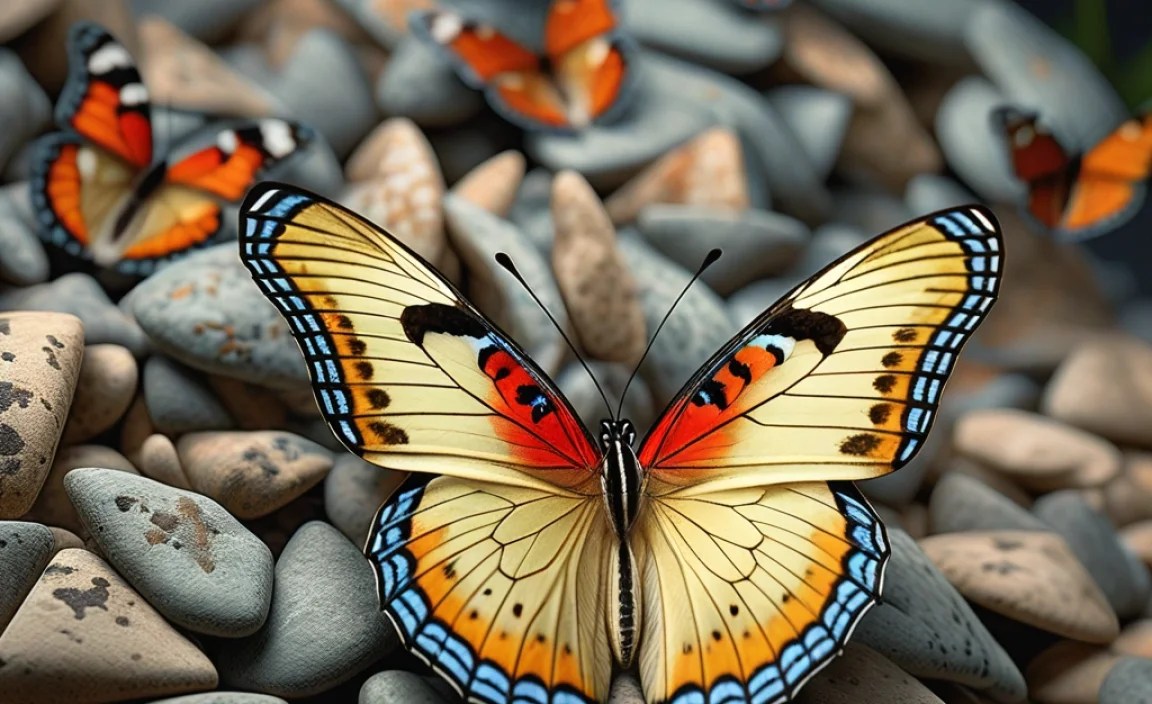
Endangered rare butterflies are special kinds of butterflies. They are at risk of disappearing forever. This can happen for many reasons. One reason is that their homes are being destroyed. People build houses and roads where butterflies live. This leaves the butterflies with nowhere to go. Another reason is pollution. Pollution can harm the plants that butterflies need to eat. Climate change also makes it harder for butterflies to survive. The weather is changing, and butterflies cannot adapt quickly enough. Some butterflies are also hunted by collectors. These collectors want to add the butterflies to their collections. This makes it even harder for the butterflies to survive. It is important to protect these butterflies. We need to make sure they have safe places to live. We also need to reduce pollution and slow down climate change.
- Habitat loss is a major threat.
- Pollution harms butterfly food sources.
- Climate change impacts butterfly survival.
- Collecting butterflies can hurt populations.
- Protecting habitats is very important.
Butterflies are important for our world. They help pollinate flowers. This means they help flowers make seeds. Butterflies also help spread pollen to other plants. This helps the plants grow. Butterflies are also food for other animals. Birds and other insects eat butterflies. If we lose butterflies, it can hurt the whole ecosystem. That is why we need to protect endangered rare butterflies. We need to make sure they have a place to live. We also need to protect their food sources. By helping butterflies, we are also helping the whole world. We can all do our part to help these beautiful creatures survive. Even small actions can make a big difference. Planting flowers in your garden is one way to help.
Fun Fact or Stat: Did you know that some butterfly species migrate thousands of miles each year?
Why Are Butterflies Important?
Have you ever wondered why butterflies matter? They do more than just look pretty. Butterflies are important pollinators. This means they help plants make seeds. They fly from flower to flower. As they do, they carry pollen. Pollen is like plant dust. It helps plants make new plants. Without butterflies, many plants would not be able to grow. Butterflies are also part of the food chain. Birds and other animals eat them. If we lose butterflies, it can affect other animals too. That is why it is important to protect endangered rare butterflies. We need to make sure they have a safe place to live. We also need to protect the plants they need to eat. By helping butterflies, we are helping the whole ecosystem.
What Causes Endangerment?
Imagine your home is suddenly gone. Where would you go? This is what happens to endangered rare butterflies. Their homes are destroyed. People build houses and roads. This leaves butterflies with no place to live. Pollution also hurts butterflies. It can poison their food. Climate change is another problem. It makes the weather too hot or too cold. This can kill butterflies and the plants they need. Sometimes, people collect butterflies. They want to keep them in boxes. This can also make butterflies endangered. We need to protect their homes. We need to stop pollution. We need to slow down climate change. Then, butterflies will have a better chance to survive.
How Can We Help?
Do you want to help endangered rare butterflies? There are many things you can do. You can plant flowers in your garden. Butterflies need flowers for food. Choose flowers that are native to your area. This means they grow naturally there. You can also avoid using pesticides. Pesticides can kill butterflies. You can support organizations that protect butterfly habitats. These organizations buy land and protect it. You can also educate your friends and family. Tell them about the importance of butterflies. You can even write letters to your government. Ask them to protect butterfly habitats. Every little bit helps. Together, we can make a difference for endangered rare butterflies.
Habitat Loss and Rare Butterfly Decline

Habitat loss is a big problem for endangered rare butterflies. Butterflies need special places to live. These places have the right plants and the right weather. When people destroy these places, butterflies have nowhere to go. They cannot find food or shelter. This makes it hard for them to survive. Habitat loss can happen when people build houses or roads. It can also happen when people cut down forests. Farming can also destroy butterfly habitats. When we lose these habitats, we lose butterflies. Some butterflies are only found in one small place. If that place is destroyed, the butterfly can disappear forever. We need to protect butterfly habitats. We need to make sure they have safe places to live. This will help them survive and thrive. Protecting habitats is one of the best ways to help endangered rare butterflies.
- Development destroys butterfly homes.
- Deforestation removes crucial habitats.
- Farming practices can harm butterflies.
- Small habitats are easily destroyed.
- Protection is key to butterfly survival.
Imagine a butterfly’s home is a forest. The forest has special plants that the butterfly needs to eat. It also has trees that the butterfly needs for shelter. Now imagine that someone cuts down the forest. The butterfly loses its food and shelter. It has nowhere to go. This is what happens when we destroy butterfly habitats. We take away their homes. We need to be careful about how we use land. We need to protect important butterfly habitats. We can do this by setting aside land for conservation. We can also encourage people to build in ways that protect butterfly habitats. By protecting habitats, we can help endangered rare butterflies survive. We can ensure that they have a place to live for many years to come.
Fun Fact or Stat: Some butterfly habitats are smaller than a football field, yet they are crucial for the survival of specific species!
What is a Butterfly Habitat?
A butterfly habitat is like a butterfly’s home. It is the place where a butterfly lives, eats, and raises its young. A good butterfly habitat has many things. It has the right kind of plants. Butterflies need these plants for food. Some butterflies only eat one kind of plant. The habitat also needs shelter. Butterflies need places to hide from predators. They also need places to stay safe from the weather. A good habitat also has water. Butterflies need water to drink. The habitat should also be free from pollution. Pollution can harm butterflies and the plants they need. Protecting butterfly habitats is very important. It helps endangered rare butterflies survive. We need to make sure they have safe and healthy places to live.
How Does Habitat Loss Happen?
Habitat loss happens in many ways. Sometimes, people build houses or roads. This covers up the land where butterflies live. Other times, people cut down forests. This removes the trees that butterflies need for shelter. Farming can also destroy habitats. Farmers might use pesticides that kill butterflies. They might also plant crops that butterflies cannot eat. Pollution can also damage habitats. Pollution can come from factories or cars. It can poison the plants that butterflies need. Climate change is also a problem. It can change the weather and make it hard for butterflies to survive. All these things can lead to habitat loss. This is why it is important to protect endangered rare butterflies. We need to stop habitat loss and make sure they have safe places to live.
Protecting Butterfly Habitats
Protecting butterfly habitats is very important. It helps endangered rare butterflies survive. There are many ways to protect habitats. One way is to buy land and set it aside for conservation. This means the land will be protected from development. Another way is to encourage people to build in ways that protect habitats. For example, they can build houses that have small footprints. They can also plant native plants in their yards. Native plants are plants that grow naturally in the area. They provide food and shelter for butterflies. We can also reduce pollution. This will help keep butterfly habitats healthy. By working together, we can protect butterfly habitats and help endangered rare butterflies thrive.
The Impact of Climate Change

Climate change is a big problem for endangered rare butterflies. The weather is changing. It is getting hotter in some places. It is getting colder in others. These changes can make it hard for butterflies to survive. Butterflies need certain temperatures to live. If it gets too hot or too cold, they can die. Climate change can also change the plants that butterflies need to eat. Some plants might not be able to survive in the new climate. This means butterflies will not have enough food. Climate change can also cause more extreme weather events. These events can destroy butterfly habitats. Floods and droughts can kill butterflies and the plants they need. We need to slow down climate change. This will help protect endangered rare butterflies and other animals.
- Temperature changes affect butterfly survival.
- Plant life is altered by climate change.
- Extreme weather destroys habitats.
- Butterfly migration patterns change.
- Conservation efforts must adapt.
Imagine a butterfly that is used to living in a cool forest. Now, the climate is getting warmer. The forest is drying out. The butterfly cannot find the plants it needs to eat. It also cannot find a cool place to rest. The butterfly might have to move to a new area. But if there is no suitable area nearby, the butterfly could die. This is what can happen to endangered rare butterflies because of climate change. We need to reduce our carbon footprint. This means using less energy. We can also support policies that fight climate change. By working together, we can protect butterflies from the effects of climate change.
Fun Fact or Stat: Some butterfly species are shifting their ranges northward to escape rising temperatures!
How Does Temperature Affect Butterflies?
Temperature is very important for butterflies. Butterflies are cold-blooded. This means their body temperature changes with the environment. If it is too cold, butterflies cannot fly. They need warmth to move their muscles. If it is too hot, butterflies can overheat. They need to find shade to cool down. Climate change is making temperatures more extreme. This can make it hard for butterflies to survive. Endangered rare butterflies are especially vulnerable. They might not be able to adapt to the changing temperatures. We need to reduce greenhouse gas emissions. This will help slow down climate change. It will also help protect butterflies and other animals.
Changing Plant Life
Climate change is also affecting plants. Some plants are not able to survive in the new climate. They might need more water or cooler temperatures. If the plants die, the butterflies that eat them will also be affected. Butterflies need specific plants for food. If those plants disappear, the butterflies will not have anything to eat. This can lead to a decline in butterfly populations. Endangered rare butterflies are especially at risk. They often rely on just a few types of plants. We need to protect plant diversity. This means making sure there are many different kinds of plants. This will help butterflies have a variety of food sources, even if the climate changes.
Extreme Weather Events
Climate change is causing more extreme weather events. These events can be very harmful to butterflies. Floods can wash away butterfly habitats. Droughts can kill the plants that butterflies need to eat. Strong storms can blow butterflies away. These events can be especially devastating for endangered rare butterflies. They often live in small areas. If their habitat is destroyed by a storm, they might not have anywhere else to go. We need to prepare for more extreme weather events. This means protecting butterfly habitats from floods and droughts. It also means helping butterflies find new homes if their habitats are destroyed.
Pollution and Butterfly Health

Pollution is another big problem for endangered rare butterflies. Pollution can come from many sources. It can come from cars, factories, and farms. Pollution can harm butterflies in different ways. It can poison the plants that butterflies eat. It can also damage their bodies. Some pollutants can make it hard for butterflies to breathe. Other pollutants can make them sick. Pollution can also harm butterfly habitats. It can pollute the soil and water. This can make it hard for plants to grow. Endangered rare butterflies are especially vulnerable to pollution. They often live in areas that are close to cities or farms. We need to reduce pollution to protect butterflies. We can do this by using less energy and by supporting clean energy sources.
- Air pollution harms butterfly breathing.
- Pesticides poison butterfly food.
- Water pollution damages habitats.
- Soil contamination affects plants.
- Pollution weakens butterfly health.
Imagine a butterfly flying through the air. It lands on a flower to drink nectar. But the flower is covered in pollution. The pollution poisons the butterfly. It gets sick and cannot fly. This is what can happen to endangered rare butterflies because of pollution. We need to be careful about what we put into the environment. We need to reduce our use of pesticides and other chemicals. We also need to support clean air and water. By reducing pollution, we can help protect butterflies and other animals. We can also make the world a healthier place for ourselves.
Fun Fact or Stat: Butterflies can absorb toxins from polluted plants, which can then affect the birds that eat them!
Sources of Pollution
Pollution comes from many different places. Cars release pollution into the air. Factories release pollution into the air and water. Farms use pesticides and fertilizers. These chemicals can pollute the soil and water. Even our homes can be sources of pollution. We use cleaning products and other chemicals that can harm the environment. All these sources of pollution can affect endangered rare butterflies. We need to be aware of the sources of pollution and try to reduce them. We can drive less, use less energy, and choose eco-friendly products.
How Pollution Harms Butterflies
Pollution can harm butterflies in many ways. Air pollution can make it hard for them to breathe. Pesticides can poison them. Water pollution can damage their habitats. Soil contamination can affect the plants they need to eat. Pollution can also weaken their immune systems. This makes them more susceptible to disease. Endangered rare butterflies are especially vulnerable to these effects. They often live in areas that are already polluted. We need to reduce pollution to protect these delicate creatures. We can do this by supporting clean energy, reducing our use of chemicals, and protecting natural areas.
Reducing Pollution to Protect Butterflies
Reducing pollution is important for protecting endangered rare butterflies. There are many things we can do to reduce pollution. We can drive less and use public transportation. We can use less energy at home. We can choose eco-friendly products. We can support companies that are committed to reducing pollution. We can also educate our friends and family about the importance of reducing pollution. By working together, we can make a big difference. We can create a cleaner and healthier environment for butterflies and other animals. We can also create a better world for ourselves.
Conservation Efforts for Rare Butterflies
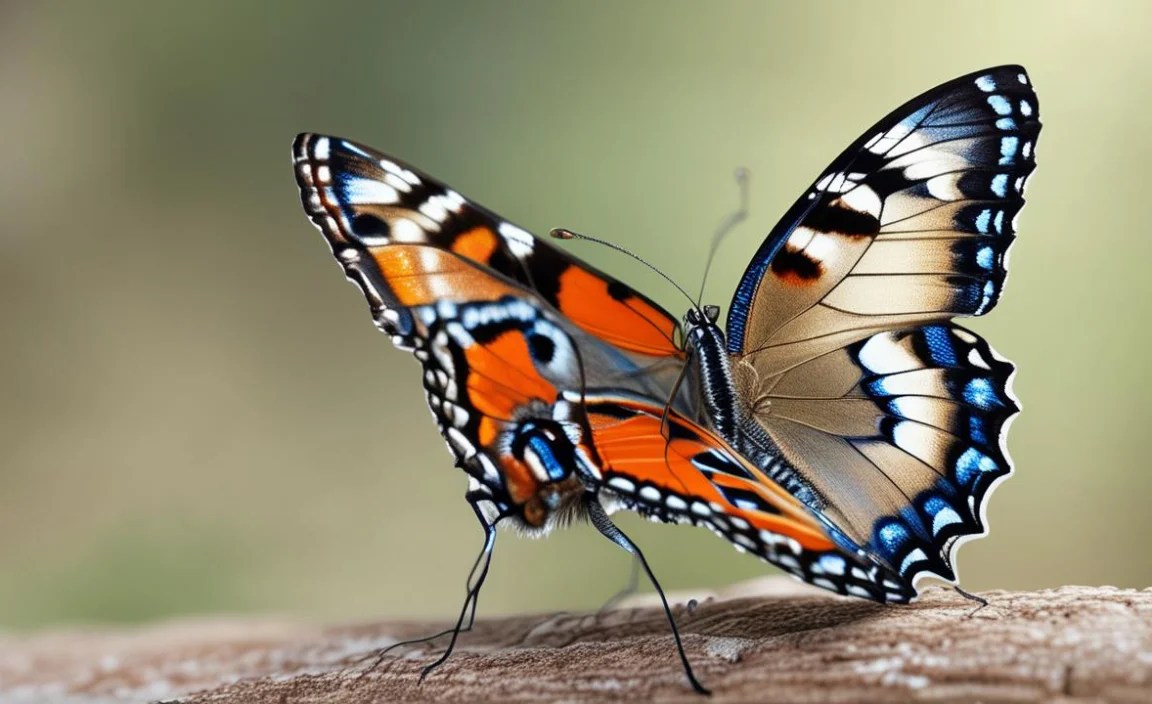
Many people are working hard to protect endangered rare butterflies. These conservation efforts are very important. They help to protect butterfly habitats. They also help to educate people about the importance of butterflies. Conservation efforts can include things like buying land and setting it aside for conservation. They can also include restoring butterfly habitats that have been damaged. Another important part of conservation is research. Scientists study butterflies to learn more about their needs. This helps them to develop better ways to protect them. Conservation efforts also involve working with local communities. They help people understand the importance of butterflies and how they can help to protect them. By working together, we can make a big difference for endangered rare butterflies.
- Habitat restoration improves butterfly homes.
- Land purchases protect critical habitats.
- Research informs conservation strategies.
- Community involvement raises awareness.
- Captive breeding programs help species recover.
Imagine a group of people working together to restore a butterfly habitat. They plant native plants. They remove invasive species. They create a safe place for butterflies to live. This is what conservation efforts look like. People are working hard to protect endangered rare butterflies. They are making a difference. We can support these efforts by donating to conservation organizations. We can also volunteer our time to help with habitat restoration. By working together, we can ensure that these beautiful creatures will be around for many years to come.
Fun Fact or Stat: Some conservation groups use specially trained dogs to find rare butterfly eggs and caterpillars!
Habitat Restoration
Habitat restoration is a key part of butterfly conservation. It involves restoring butterfly habitats that have been damaged. This can include planting native plants, removing invasive species, and creating water sources. Habitat restoration can also involve cleaning up polluted areas. The goal is to create a healthy and thriving habitat for butterflies. Endangered rare butterflies benefit greatly from habitat restoration. It provides them with a safe place to live and breed. It also provides them with the food they need to survive. Habitat restoration is a long-term process. It takes time and effort. But it is well worth it to protect these beautiful creatures.
Captive Breeding Programs
Captive breeding programs are another important tool for butterfly conservation. These programs involve breeding butterflies in captivity. The goal is to increase the population of endangered rare butterflies. The butterflies are then released back into the wild. Captive breeding programs can be very successful. They have helped to save several butterfly species from extinction. However, they are also very expensive and time-consuming. It is important to carefully manage captive breeding programs to ensure that they are effective. They must also ensure that the butterflies are released into suitable habitats.
Community Involvement
Community involvement is essential for successful butterfly conservation. Local communities often live near butterfly habitats. They can play a key role in protecting these habitats. Conservation organizations work with local communities to educate them about the importance of butterflies. They also involve them in conservation efforts. This can include things like planting native plants, removing invasive species, and monitoring butterfly populations. When local communities are involved, conservation efforts are more likely to be successful. Endangered rare butterflies benefit from the support of local communities. Together, we can protect these beautiful creatures for future generations.
How You Can Help Endangered Butterflies
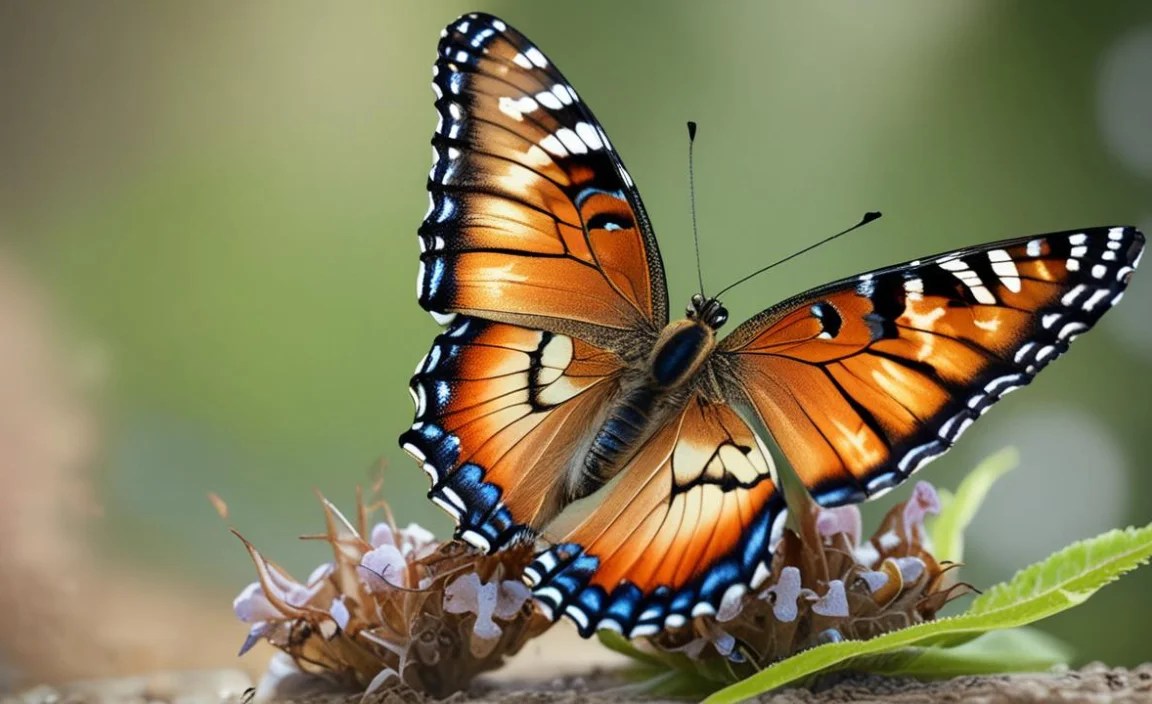
You can do many things to help endangered rare butterflies. Even small actions can make a big difference. One thing you can do is plant native plants in your garden. Native plants provide food and shelter for butterflies. You can also avoid using pesticides. Pesticides can kill butterflies and other beneficial insects. Another way to help is to support conservation organizations. These organizations work to protect butterfly habitats. You can also educate your friends and family about the importance of butterflies. Spread the word about endangered rare butterflies and how we can help them. Every little bit helps to protect these beautiful creatures.
- Plant native flowers in your garden.
- Avoid using pesticides and herbicides.
- Support butterfly conservation organizations.
- Educate others about butterfly conservation.
- Create a butterfly-friendly habitat.
Imagine your garden is a safe haven for butterflies. You have planted lots of colorful flowers. Butterflies come to your garden to feed and lay their eggs. You have created a beautiful and healthy place for them. This is what you can do to help endangered rare butterflies. By creating butterfly-friendly habitats, we can provide them with the resources they need to survive. We can also help to protect them from threats like habitat loss and pollution. Every garden, no matter how small, can make a difference.
Fun Fact or Stat: Even a small balcony garden can provide valuable habitat for butterflies!
Planting Native Plants
Planting native plants is one of the best things you can do for butterflies. Native plants are plants that grow naturally in your area. They are adapted to the local climate and soil. Butterflies have evolved to feed on these plants. They provide them with the nectar and pollen they need to survive. Native plants also provide shelter for butterflies. They can lay their eggs on the leaves and stems. When choosing native plants, be sure to select a variety of different species. This will provide butterflies with a continuous source of food throughout the growing season. Endangered rare butterflies will thank you for planting native plants.
Avoiding Pesticides
Pesticides are chemicals that are used to kill insects. Unfortunately, they can also kill butterflies. Even small amounts of pesticides can be harmful to butterflies. They can damage their nervous systems and make it difficult for them to fly. Pesticides can also kill the plants that butterflies need to eat. It is important to avoid using pesticides in your garden. There are many other ways to control pests. You can use natural methods like hand-picking insects or using insecticidal soap. You can also encourage beneficial insects like ladybugs and lacewings to visit your garden. They will help to control pests without harming butterflies. Protecting endangered rare butterflies means avoiding pesticides.
Supporting Conservation Organizations
Many conservation organizations are working to protect butterflies. These organizations work to protect butterfly habitats. They also conduct research to learn more about butterflies. They also educate people about the importance of butterflies. You can support these organizations by donating money or volunteering your time. You can also help to spread the word about their work. Endangered rare butterflies need our help. By supporting conservation organizations, we can help to ensure that these beautiful creatures will be around for many years to come. Your support can make a big difference in the fight to protect butterflies.
The Future of Endangered Rare Butterflies

The future of endangered rare butterflies depends on us. We need to take action to protect them and their habitats. If we do not, these beautiful creatures could disappear forever. There is still hope for endangered rare butterflies. Many people are working hard to protect them. We can all do our part to help. By planting native plants, avoiding pesticides, and supporting conservation organizations, we can make a difference. We can also educate our friends and family about the importance of butterflies. Together, we can create a brighter future for endangered rare butterflies.
| Butterfly | Habitat | Threats | Conservation Status |
|---|---|---|---|
| Schaus’ Swallowtail | Florida Keys | Habitat loss, hurricanes | Endangered |
| Karner Blue | Oak savannas | Habitat loss, fire suppression | Endangered |
| Oregon Silverspot | Coastal grasslands | Habitat loss, invasive species | Threatened |
| Miami Blue | South Florida | Habitat loss, pesticide use | Endangered |
It is important to remember that every action counts. Even small efforts can have a positive impact on butterfly populations. By working together, we can help to ensure that endangered rare butterflies continue to thrive for generations to come.
Fun Fact or Stat: Some butterfly species have rebounded from near extinction thanks to dedicated conservation efforts!
Continuing Conservation Efforts
Continuing conservation efforts is essential for the long-term survival of endangered rare butterflies. We need to continue to protect butterfly habitats. We also need to continue to educate people about the importance of butterflies. We need to continue to support conservation organizations. And we need to continue to take action in our own lives to help butterflies. By continuing these efforts, we can ensure that endangered rare butterflies have a chance to thrive. We can also help to protect the biodiversity of our planet. The future of butterflies depends on our commitment to conservation.
Educating Future Generations
Educating future generations about butterflies is crucial. We need to teach children about the importance of butterflies. We need to show them how they can help to protect butterflies. We can do this by taking them to butterfly gardens, reading them books about butterflies, and involving them in conservation projects. When children learn about butterflies, they are more likely to care about them. They are also more likely to take action to protect them. By educating future generations, we can ensure that butterflies will have advocates for many years to come. Endangered rare butterflies need young people to care about their future.
A Call to Action
The time to act is now. Endangered rare butterflies need our help. We cannot afford to wait any longer. We need to take action to protect them and their habitats. We can all do our part. By planting native plants, avoiding pesticides, and supporting conservation organizations, we can make a difference. We can also educate our friends and family about the importance of butterflies. Together, we can create a brighter future for endangered rare butterflies. Let’s work together to protect these beautiful creatures for generations to come. The future of butterflies is in our hands. What will we do?
Summary
Endangered rare butterflies face many threats. Habitat loss, climate change, and pollution all impact their survival. These beautiful insects play a vital role in our ecosystem. They pollinate plants and serve as food for other animals. Protecting them is crucial for maintaining biodiversity. Conservation efforts are underway, but more needs to be done. Planting native plants, avoiding pesticides, and supporting conservation organizations can help. We can all make a difference in the fight to save endangered rare butterflies.
Conclusion
Endangered rare butterflies are in trouble. Their habitats are shrinking. The climate is changing. Pollution is harming them. But we can help. We can plant native plants in our gardens. We can avoid using pesticides. We can support conservation groups. We can educate others about butterflies. Together, we can make a difference. Let’s protect these beautiful creatures. Let’s ensure they thrive for years to come. The future of endangered rare butterflies depends on us.
Frequently Asked Questions
Question No 1: What makes a butterfly “endangered”?
Answer: A butterfly is “endangered” when its population is very small. This means there are not many of them left. They are at risk of disappearing forever. This can happen because their homes are destroyed. It can also happen because of pollution or climate change. When a butterfly is endangered, it needs our help to survive. We need to protect its habitat and reduce the threats it faces. Endangered rare butterflies are a sign that something is wrong in the environment. We need to take action to protect them and the world around us.
Question No 2: Where do endangered rare butterflies live?
Answer: Endangered rare butterflies live in different places. Each type of butterfly has its own special home. Some live in forests. Others live in grasslands. Some even live in swamps. The Schaus’ swallowtail lives in the Florida Keys. The Karner blue lives in oak savannas. The Miami blue lives in South Florida. These places are important for the butterflies. They need these places to find food and shelter. When these places are destroyed, the butterflies have nowhere to go. That is why it is important to protect their habitats. We need to make sure they have safe places to live.
Question No 3: What can kids do to help endangered rare butterflies?
Answer: Kids can do many things to help endangered rare butterflies. One thing you can do is plant flowers in your garden. Butterflies need flowers for food. You can also avoid using pesticides. Pesticides can kill butterflies. You can tell your friends and family about butterflies. You can also support organizations that protect butterflies. Even small actions can make a big difference. You can also write letters to your government. Ask them to protect butterfly habitats. Every little bit helps. Together, we can make a difference for endangered rare butterflies.
Question No 4: Why are butterflies important to the environment?
Answer: Butterflies are very important to the environment. They help pollinate flowers. This means they help flowers make seeds. Butterflies fly from flower to flower. As they do, they carry pollen. Pollen is like plant dust. It helps plants make new plants. Without butterflies, many plants would not be able to grow. Butterflies are also food for other animals. Birds and other insects eat butterflies. If we lose butterflies, it can affect other animals too. That is why it is important to protect endangered rare butterflies. We need to make sure they have a safe place to live.
Question No 5: What are some of the biggest threats to endangered rare butterflies?
Answer: The biggest threats to endangered rare butterflies are habitat loss, climate change, and pollution. Habitat loss happens when people destroy the places where butterflies live. This can happen when people build houses or roads. Climate change is making the weather more extreme. This can make it hard for butterflies to survive. Pollution can harm butterflies and the plants they need to eat. All these things make it harder for butterflies to survive. We need to reduce these threats to protect endangered rare butterflies. We can do this by protecting their habitats, slowing down climate change, and reducing pollution.
Question No 6: Are there any success stories of butterflies being saved from endangerment?
Answer: Yes, there are some success stories of butterflies being saved from endangerment! One example is the El Segundo blue butterfly. This butterfly was once very rare. It lived near the Los Angeles airport. People worked hard to protect its habitat. They planted special plants that the butterfly needed. They also removed invasive species. Thanks to these efforts, the El Segundo blue butterfly is now doing much better. This shows that we can make a difference. By working together, we can help endangered rare butterflies survive. These success stories prove that conservation efforts can be effective.


