Butterfly Conservation Efforts: Powerful Impact!

Butterfly conservation efforts are vital for protecting these beautiful insects and the ecosystems they support. You can help by planting butterfly-friendly gardens, supporting conservation organizations, reducing pesticide use, and educating others about the importance of butterflies. Every small action contributes to a healthier environment for butterflies and all pollinators.
Butterflies are more than just pretty visitors to our gardens; they’re essential pollinators and indicators of a healthy environment. Sadly, butterfly populations are declining due to habitat loss, pesticide use, and climate change. It can feel overwhelming, but the good news is that we can all take simple steps to help.
This guide will walk you through practical ways to support butterfly conservation efforts in your backyard and beyond. From creating a butterfly garden to advocating for change, you’ll discover how to make a real difference. Let’s explore how we can work together to ensure a brighter future for these amazing creatures!
Why Butterfly Conservation Matters
Butterflies play a critical role in our ecosystem. As pollinators, they help plants reproduce, which supports the entire food web. They are also a food source for birds, reptiles, and other insects. When butterfly populations decline, it signals broader environmental problems. Habitat loss, pesticide use, and climate change are major threats to butterflies, impacting their ability to survive and reproduce. Protecting butterflies means protecting the health of our planet.
The Role of Butterflies in the Ecosystem
- Pollination: Butterflies move pollen from one flower to another, enabling plants to produce seeds and fruits.
- Food Source: They serve as food for various animals, contributing to biodiversity.
- Indicators of Environmental Health: Butterfly populations reflect the overall health of the environment. A decline in their numbers can indicate pollution or habitat degradation.
Threats to Butterfly Populations
- Habitat Loss: Urban development, agriculture, and deforestation reduce the areas where butterflies can live and breed.
- Pesticide Use: Insecticides and herbicides kill butterflies directly or eliminate their food sources.
- Climate Change: Changes in temperature and rainfall patterns disrupt butterfly life cycles and migration patterns.
- Invasive Species: Non-native plants can outcompete native host plants, reducing food sources for butterfly larvae.
Creating a Butterfly-Friendly Garden
One of the most effective ways to support butterfly conservation efforts is by creating a butterfly garden. This involves planting specific flowers and host plants that provide food and shelter for butterflies throughout their life cycle. Here’s how to get started:
Choosing the Right Plants
Selecting the right plants is crucial for attracting butterflies to your garden. Focus on native plants that are adapted to your local climate. These plants provide the best food source for butterfly larvae and nectar for adult butterflies.
- Host Plants: These plants provide food for butterfly caterpillars. Examples include milkweed for Monarchs, dill and parsley for Swallowtails, and violets for Fritillaries.
- Nectar Plants: These plants provide nectar for adult butterflies. Examples include butterfly bush, zinnias, coneflowers, and asters.
Here’s a table of popular butterfly plants:
| Plant Type | Plant Name | Butterfly Attracted | Notes |
|---|---|---|---|
| Host Plant | Milkweed | Monarch | Essential for Monarch caterpillars |
| Host Plant | Dill | Swallowtail | Easy to grow in gardens |
| Nectar Plant | Butterfly Bush | Various species | Attracts many butterflies |
| Nectar Plant | Zinnia | Various species | Colorful and easy to grow |
| Host Plant | Violets | Fritillaries | Prefers shady areas |
Designing Your Garden
Consider these design tips to create a welcoming habitat for butterflies:
- Sunlight: Butterflies need sunlight to warm their bodies. Choose a sunny location for your garden.
- Shelter: Provide shelter from wind and rain with shrubs and trees.
- Water Source: Butterflies need water to stay hydrated. Provide a shallow dish of water with pebbles for them to land on.
- Avoid Pesticides: Pesticides can harm or kill butterflies. Use natural pest control methods instead.
Step-by-Step Guide to Planting a Butterfly Garden
- Choose a Location: Select a sunny spot with at least six hours of sunlight per day.
- Prepare the Soil: Remove weeds and grass, and amend the soil with compost or other organic matter.
- Select Your Plants: Choose a variety of host and nectar plants that are native to your area.
- Plant Your Garden: Follow the planting instructions for each plant, and space them according to their mature size.
- Water Regularly: Keep the soil moist, especially during dry periods.
- Maintain Your Garden: Remove dead flowers and weeds, and monitor for pests.
Supporting Butterfly Conservation Organizations
Many organizations are dedicated to protecting butterflies and their habitats. Supporting these groups can help fund research, habitat restoration, and educational programs.
Research and Conservation Programs
- The Xerces Society: This organization focuses on invertebrate conservation, including butterflies. They offer resources, educational programs, and advocacy efforts.
- The Butterfly Conservation Society: Based in the UK, this group works to protect butterflies and moths through habitat management and research.
- National Wildlife Federation: They work on habitat restoration and conservation efforts across the United States.
How to Get Involved
- Donate: Financial contributions help fund conservation projects and research.
- Volunteer: Many organizations offer volunteer opportunities, such as habitat restoration, butterfly monitoring, and educational outreach.
- Advocate: Support policies that protect butterfly habitats and reduce pesticide use.
Reducing Pesticide Use
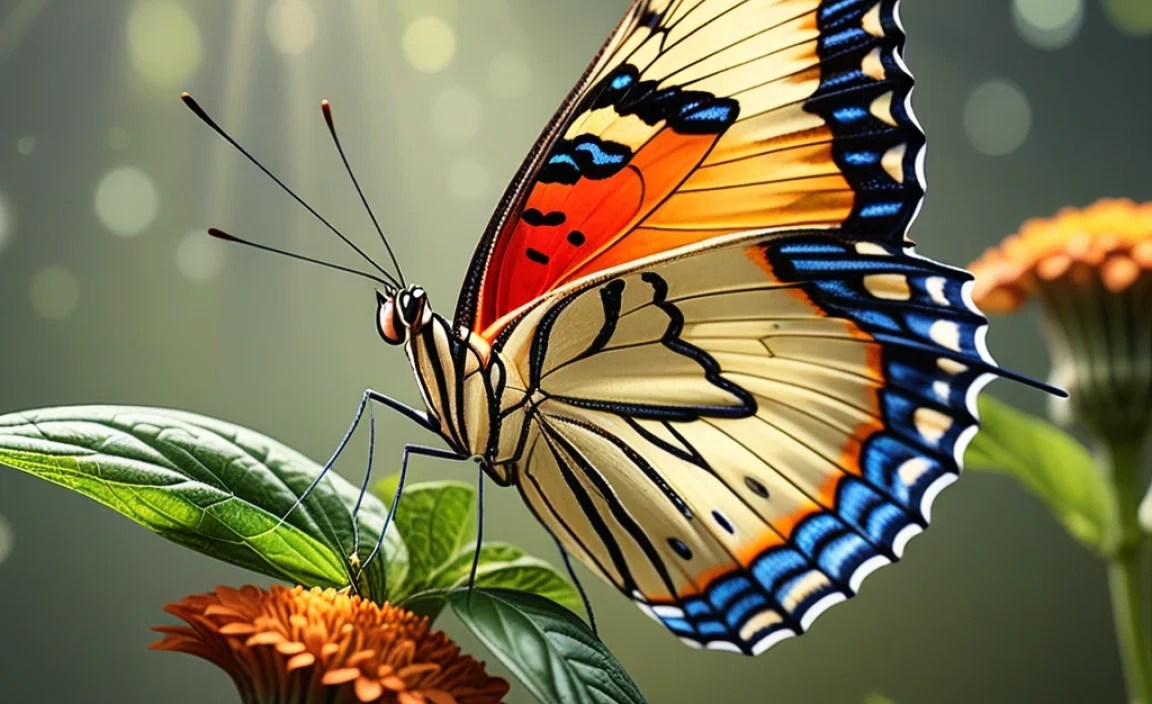
Pesticides are a major threat to butterflies and other pollinators. Reducing or eliminating pesticide use in your garden and community can significantly help butterfly populations. Here’s how:
Alternatives to Chemical Pesticides
- Natural Pest Control: Use natural methods to control pests, such as introducing beneficial insects, hand-picking pests, or using organic pesticides like neem oil.
- Healthy Soil: Healthy soil supports healthy plants that are more resistant to pests and diseases. Amend your soil with compost and other organic matter.
- Crop Rotation: Rotate your crops each year to prevent pests from building up in the soil.
- Companion Planting: Plant certain plants together to deter pests. For example, marigolds can deter nematodes and other soil pests.
Advocating for Change
- Educate Others: Share information about the dangers of pesticides with your friends, family, and community.
- Support Organic Farming: Buy organic produce to support farmers who don’t use synthetic pesticides.
- Contact Your Representatives: Urge your elected officials to support policies that restrict pesticide use and protect pollinators.
Educating Others About Butterfly Conservation
Raising awareness about the importance of butterflies and the threats they face is crucial for conservation efforts. By educating others, you can inspire them to take action and support butterfly conservation.
Sharing Information
- Social Media: Share information about butterfly conservation on social media platforms.
- Community Events: Organize workshops, talks, or garden tours to educate people about butterflies.
- Schools: Work with schools to incorporate butterfly conservation into the curriculum.
Inspiring Action
- Lead by Example: Show others how to create a butterfly-friendly garden and reduce pesticide use.
- Tell Stories: Share stories about the beauty and importance of butterflies to inspire others to care.
- Create Opportunities: Organize volunteer events, such as butterfly counts or habitat restoration projects.
Monitoring Butterfly Populations
Tracking butterfly populations helps scientists and conservationists understand how butterflies are faring and identify areas where conservation efforts are needed. You can contribute to this effort by participating in citizen science projects.
Citizen Science Projects
- Butterfly Counts: Participate in butterfly counts, such as the North American Butterfly Association’s butterfly counts, to monitor butterfly populations in your area.
- Journey North: Report sightings of Monarch butterflies and other migratory species to help track their movements.
- iNaturalist: Use the iNaturalist app to record butterfly sightings and contribute to a global database of biodiversity.
How to Participate
- Learn How to Identify Butterflies: Familiarize yourself with the butterfly species in your area.
- Follow Protocols: Follow the protocols for each citizen science project to ensure accurate data collection.
- Submit Your Data: Submit your data to the appropriate organization or online platform.
Addressing Climate Change Impacts
Climate change poses a significant threat to butterflies, disrupting their life cycles and altering their habitats. Addressing climate change is essential for long-term butterfly conservation.
Reducing Your Carbon Footprint
- Conserve Energy: Reduce your energy consumption by using energy-efficient appliances, turning off lights, and reducing your thermostat.
- Use Sustainable Transportation: Walk, bike, or use public transportation whenever possible.
- Eat Local: Buy local produce to reduce the carbon footprint associated with transportation.
Supporting Climate Action
- Advocate for Climate Policies: Support policies that reduce greenhouse gas emissions and promote renewable energy.
- Educate Others: Share information about climate change and its impacts on butterflies and other wildlife.
- Support Conservation Organizations: Donate to organizations that are working to address climate change and protect butterfly habitats.
Butterfly Conservation in Urban Areas
Even in urban areas, there are many opportunities to support butterfly conservation. Creating butterfly-friendly spaces in cities can provide valuable habitat for these important pollinators.
Creating Urban Habitats
- Balcony Gardens: Plant butterfly-friendly flowers and host plants in containers on your balcony or patio.
- Community Gardens: Create a butterfly garden in a community garden or park.
- Green Roofs: Install a green roof with butterfly-friendly plants on your building.
Working with Local Governments
- Advocate for Green Spaces: Urge your local government to create and maintain green spaces that support butterflies and other wildlife.
- Support Sustainable Landscaping: Encourage the use of native plants and reduced pesticide use in public parks and gardens.
- Educate Others: Partner with local organizations to offer workshops and educational programs about butterfly conservation in urban areas.
The Cultural Significance of Butterflies
Butterflies have long held cultural significance in many societies, often symbolizing transformation, hope, and beauty. Recognizing and celebrating this cultural significance can help foster a deeper appreciation for butterflies and inspire conservation efforts.
Butterflies in Art and Literature
- Symbolism: Butterflies often symbolize transformation, rebirth, and the soul in various cultures.
- Art: Butterflies have been depicted in art for centuries, representing beauty and freedom.
- Literature: Butterflies appear in literature as symbols of change, growth, and the ephemeral nature of life.
Incorporating Cultural Significance into Conservation
- Educational Programs: Highlight the cultural significance of butterflies in educational programs to foster a deeper appreciation for these insects.
- Community Engagement: Partner with local communities to incorporate cultural traditions and beliefs into conservation efforts.
- Art and Media: Use art, literature, and media to celebrate the beauty and cultural importance of butterflies and inspire conservation action.
FAQ: Butterfly Conservation Efforts
What is butterfly conservation?
Butterfly conservation involves protecting butterflies and their habitats to ensure their survival. It includes efforts to create butterfly-friendly gardens, reduce pesticide use, support conservation organizations, and educate others about the importance of butterflies.
Why are butterfly populations declining?
Butterfly populations are declining due to habitat loss, pesticide use, climate change, and invasive species. These factors disrupt butterfly life cycles and reduce their ability to survive and reproduce.
How can I create a butterfly-friendly garden?
To create a butterfly-friendly garden, plant native host and nectar plants, provide a water source, offer shelter, and avoid using pesticides. Choose a sunny location and maintain your garden regularly.
What are host plants and nectar plants?
Host plants provide food for butterfly caterpillars, while nectar plants provide nectar for adult butterflies. Examples of host plants include milkweed for Monarchs and dill for Swallowtails. Nectar plants include butterfly bush, zinnias, and coneflowers.
How can I reduce pesticide use in my garden?
Use natural pest control methods, such as introducing beneficial insects, hand-picking pests, or using organic pesticides like neem oil. Maintain healthy soil and practice crop rotation to prevent pest problems.
What are some butterfly conservation organizations I can support?
You can support organizations like The Xerces Society, The Butterfly Conservation Society, and the National Wildlife Federation. These groups work on research, habitat restoration, and educational programs to protect butterflies.
How can I get involved in citizen science projects to monitor butterfly populations?
Participate in butterfly counts, report sightings to Journey North, or use the iNaturalist app to record butterfly sightings. Familiarize yourself with butterfly species in your area and follow the protocols for each project to ensure accurate data collection.
Conclusion
Butterfly conservation efforts are essential for protecting these beautiful and ecologically important insects. By creating butterfly-friendly gardens, supporting conservation organizations, reducing pesticide use, educating others, monitoring populations, addressing climate change, and promoting conservation in urban areas, we can all play a part in ensuring a brighter future for butterflies. Every small action contributes to a healthier environment for butterflies and all pollinators. Let’s work together to protect these amazing creatures for generations to come. As Frances O’Brien from ButterflyAsk.com, I encourage you to embrace the beauty and ecological importance of butterflies and become a champion for their conservation.