
Rare Butterflies Breeding Success: The Powerful Secret

Have you ever seen a butterfly so rare it felt like a dream? Butterflies are important. They help flowers make seeds. But some butterflies are in trouble. Their homes are disappearing. Can we help them? We can learn about rare butterflies breeding success. This means helping them have more babies. Then, we can see more of these amazing insects.
Key Takeaways
- Protecting habitats is key to ensuring rare butterflies breeding success in the wild.
- Careful breeding programs can help increase the numbers of endangered butterfly species.
- Understanding butterfly life cycles helps us create better conservation plans.
- Everyone can help by planting butterfly-friendly gardens with native plants.
- Learning about butterflies helps us protect nature’s beautiful creatures.
Understanding Rare Butterfly Breeding
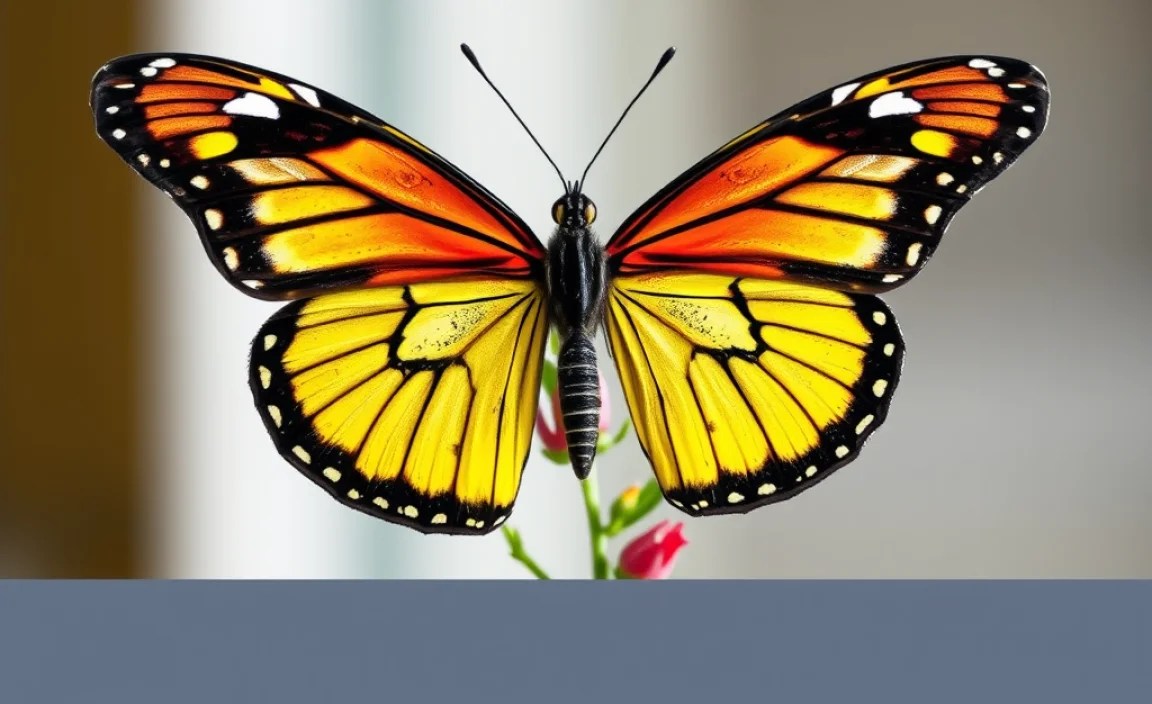
Understanding how rare butterflies breed is very important. It helps us protect them. Breeding is when butterflies make baby butterflies. Some butterflies only lay eggs on one type of plant. If that plant is gone, the butterflies cannot breed. Other things can also make it hard for butterflies to breed. These things include pollution, climate change, and habitat loss. Scientists study butterflies to learn about their breeding habits. They watch where butterflies lay eggs. They study what plants the caterpillars eat. This information helps us make plans to protect butterflies. We can plant more of the plants they need. We can clean up pollution. We can protect their homes. By helping butterflies breed, we can save them from disappearing.
- Butterflies need specific plants to lay eggs on.
- Pollution can hurt butterfly eggs and caterpillars.
- Climate change can change butterfly habitats.
- Protecting habitats helps butterflies breed safely.
- Scientists study butterfly breeding habits.
Protecting rare butterflies means knowing what they need. It is like taking care of a pet. You need to know what it eats and where it likes to sleep. Butterflies need certain plants for their babies to eat. They also need safe places to lay their eggs. Some butterflies like sunny spots. Others like shady spots. If we take away these things, butterflies cannot live. We need to keep their homes safe. We can plant gardens with the right plants. We can protect forests and fields. By doing these things, we can help rare butterflies breed and thrive.
Fun Fact or Stat: The Schaus’ Swallowtail butterfly was once down to just 23 individuals in the entire world!
Why Is Butterfly Breeding Important?
Have you ever wondered why we should care about butterflies? Butterflies are more than just pretty insects. They play a big role in nature. They help flowers make seeds. This is called pollination. When butterflies fly from flower to flower, they carry pollen. Pollen is like flower dust. It helps the flowers make new flowers and fruits. Without butterflies, many plants would not be able to grow. This would affect animals that eat those plants. It would also affect us. We need plants for food and clean air. So, helping butterflies breed is important for everyone. It helps keep our world healthy.
What Threats Do Butterflies Face?
Imagine your home is being torn down. How would you feel? Butterflies face a similar problem. Their homes are disappearing. People are building houses and roads. This takes away the places where butterflies live. Farmers also use pesticides. Pesticides are chemicals that kill bugs. But they can also hurt butterflies. Climate change is another big problem. It is changing the weather. This can make it hard for butterflies to find food and shelter. All these things make it hard for butterflies to survive. We need to find ways to protect their homes. We can use less pesticides. We can help stop climate change.
How Can We Help Butterflies Breed?
Do you want to be a butterfly hero? There are many ways you can help butterflies breed. You can plant a butterfly garden. Use plants that butterflies like to eat. Milkweed is a favorite of monarch butterflies. You can also avoid using pesticides in your yard. These chemicals can hurt butterflies and other insects. You can also support organizations that protect butterfly habitats. These groups work to save forests and fields. You can also tell your friends and family about butterflies. The more people know about butterflies, the more they will want to help. Even small actions can make a big difference.
The Life Cycle and Breeding Success

The life cycle of a butterfly is amazing. It starts with an egg. The egg hatches into a caterpillar. The caterpillar eats and grows. Then, it turns into a pupa. The pupa is also called a chrysalis. Inside the pupa, the caterpillar changes. It becomes a butterfly. Finally, the butterfly comes out. It flies away to find food and a mate. Breeding success depends on each stage. If the eggs are eaten, there will be no caterpillars. If the caterpillars do not have enough food, they will not become butterflies. If the butterflies cannot find mates, they cannot lay eggs. Understanding each stage helps us protect butterflies. We can make sure they have what they need to survive.
- Butterflies start as tiny eggs.
- Caterpillars eat lots of leaves to grow.
- The pupa is a resting and changing stage.
- Adult butterflies lay eggs to start the cycle again.
- Each stage needs specific conditions to succeed.
- Protecting each stage helps butterfly populations.
To help butterflies, we need to think about their whole life cycle. Imagine you are raising a butterfly. First, you need to find the right plant for the eggs. Then, you need to protect the caterpillars from predators. You can put a net over the plant. You also need to make sure the caterpillars have enough to eat. When they turn into pupae, you need to keep them safe. Finally, when the butterflies come out, you can let them go. By helping them through each stage, you can increase their chances of survival. This helps rare butterflies breeding success.
Fun Fact or Stat: Some butterflies migrate thousands of miles, like the Monarch butterfly which travels from Canada to Mexico!
What Do Caterpillars Eat?
Have you ever seen a caterpillar munching on a leaf? Caterpillars are picky eaters. They only eat certain kinds of plants. Monarch caterpillars only eat milkweed. Black swallowtail caterpillars eat parsley and dill. If these plants are not around, the caterpillars will starve. That is why it is important to plant the right plants in your garden. When you plant these plants, you are giving caterpillars food. You are helping them grow into butterflies. Planting native plants is best. Native plants are plants that naturally grow in your area. Butterflies have adapted to eat these plants.
How Long Do Butterflies Live?
Butterflies do not live very long. Some butterflies only live for a few weeks. Others live for several months. The lifespan of a butterfly depends on the species. Monarch butterflies live longer than many other butterflies. They need to migrate to warmer places in the winter. This takes a lot of energy. Some butterflies hibernate in the winter. They sleep through the cold months. Then, they wake up in the spring and lay eggs. Protecting butterflies during their whole lifespan is important. We need to make sure they have food and shelter.
Where Do Butterflies Lay Eggs?
Butterflies are very careful about where they lay their eggs. They want to make sure their babies have enough to eat. They lay their eggs on the plants that the caterpillars will eat. Monarch butterflies lay their eggs on milkweed. They lay one egg at a time. Other butterflies lay their eggs in groups. They lay them on the underside of leaves. This protects them from the sun and rain. Butterflies choose places where their eggs will be safe. They want to give their babies the best chance of survival. By protecting these plants, we help butterflies lay their eggs safely.
Habitat Protection for Butterfly Breeding

Habitat protection is very important for butterfly breeding. Butterflies need special places to live. These places are called habitats. Habitats include forests, fields, and wetlands. These places provide food, shelter, and breeding grounds for butterflies. When habitats are destroyed, butterflies lose their homes. They cannot find food or places to lay eggs. This makes it hard for them to survive. Protecting habitats means saving these special places. We can create parks and reserves. We can also protect forests from being cut down. We can clean up pollution. By protecting habitats, we can help butterflies breed and thrive.
- Butterflies need specific habitats to survive.
- Habitat loss is a major threat to butterflies.
- Protecting habitats helps butterflies breed safely.
- Parks and reserves can protect butterfly habitats.
- Cleaning up pollution helps butterflies thrive.
- Supporting conservation groups protects habitats.
Imagine a butterfly looking for a home. It needs a place with the right plants to eat. It needs a place to lay its eggs. It needs a place to hide from predators. If the butterfly cannot find these things, it will not survive. That is why habitat protection is so important. We need to make sure butterflies have the places they need. We can plant butterfly gardens in our yards. We can support local parks and reserves. We can also educate others about the importance of habitat protection. By working together, we can save butterfly habitats. This will help rare butterflies breeding success.
Fun Fact or Stat: Some butterfly habitats are protected by law, meaning it’s illegal to destroy them!
What Is Habitat Fragmentation?
Have you ever seen a forest that is broken up into small pieces? This is called habitat fragmentation. It happens when roads, houses, and farms divide up large areas of land. This makes it hard for butterflies to move around. They cannot find food or mates. They cannot lay their eggs in safe places. Habitat fragmentation is a big problem for butterflies. It makes it hard for them to survive. We can help by creating corridors. Corridors are strips of land that connect different habitats. These corridors allow butterflies to move between different areas.
Why Are Wetlands Important?
Wetlands are special places that are covered in water. They include marshes, swamps, and bogs. Wetlands are important for butterflies. They provide food and shelter. They also help clean the water. Many butterflies lay their eggs in wetlands. The caterpillars eat the plants that grow there. Wetlands are also home to many other animals. These animals include birds, frogs, and fish. Protecting wetlands is important for everyone. It helps keep our environment healthy. We can support groups that protect wetlands.
How Can We Restore Habitats?
Sometimes, habitats are damaged or destroyed. But we can restore them. Restoration means bringing a habitat back to its original state. We can plant native plants. We can remove invasive species. Invasive species are plants and animals that do not belong in an area. They can crowd out native species. We can also clean up pollution. Restoring habitats takes time and effort. But it is worth it. It helps butterflies and other animals thrive. We can volunteer with local groups to restore habitats.
Butterfly Conservation Strategies
Butterfly conservation is important for protecting these beautiful insects. There are many strategies we can use. One strategy is to protect their habitats. Another strategy is to breed them in captivity. Captivity means keeping butterflies in a safe place. We can also educate people about butterflies. The more people know, the more they will care. We can also support research. Scientists can study butterflies to learn more about them. This helps us make better conservation plans. Butterfly conservation takes a lot of work. But it is important for saving these amazing creatures. When these strategies are implemented successfully, the rare butterflies breeding success rates increase.
- Protecting habitats is key to butterfly conservation.
- Captive breeding can help increase populations.
- Education raises awareness about butterflies.
- Research helps us understand butterfly needs.
- Reducing pesticide use protects butterflies.
- Supporting conservation organizations is important.
Imagine you are a butterfly doctor. You need to know how to keep butterflies healthy. You need to know how to protect them from danger. You need to know how to help them breed. This is what butterfly conservation is all about. We need to learn everything we can about butterflies. We need to protect their homes. We need to help them have babies. By doing these things, we can make sure butterflies are around for a long time. This ensures rare butterflies breeding success.
Fun Fact or Stat: Many countries have laws protecting butterflies and their habitats!
What Is Captive Breeding?
Have you ever seen a zoo? Zoos keep animals safe. Captive breeding is like a zoo for butterflies. Scientists raise butterflies in a safe place. They give them food and shelter. They protect them from predators. When the butterflies are grown, they release them into the wild. This helps increase the number of butterflies in the wild. Captive breeding is a good way to help endangered butterflies. It gives them a chance to survive. But it is not a perfect solution. Butterflies still need healthy habitats to live in.
Why Is Education Important?
The more people know about butterflies, the more they will care. Education is very important for butterfly conservation. We can teach people about the importance of butterflies. We can teach them about the threats they face. We can teach them how to help. We can do this through books, websites, and presentations. We can also take people on butterfly walks. This allows them to see butterflies in their natural habitat. Education can inspire people to take action. They can plant butterfly gardens. They can support conservation groups.
How Can We Reduce Pesticide Use?
Pesticides are chemicals that kill bugs. But they can also hurt butterflies. We can reduce pesticide use by using natural methods. We can use ladybugs to eat aphids. Aphids are small insects that damage plants. We can also use row covers to protect plants from pests. Row covers are thin sheets of fabric that cover plants. We can also plant pest-resistant plants. These plants are less likely to be attacked by pests. Reducing pesticide use is good for butterflies. It is also good for our health.
Creating Butterfly-Friendly Gardens
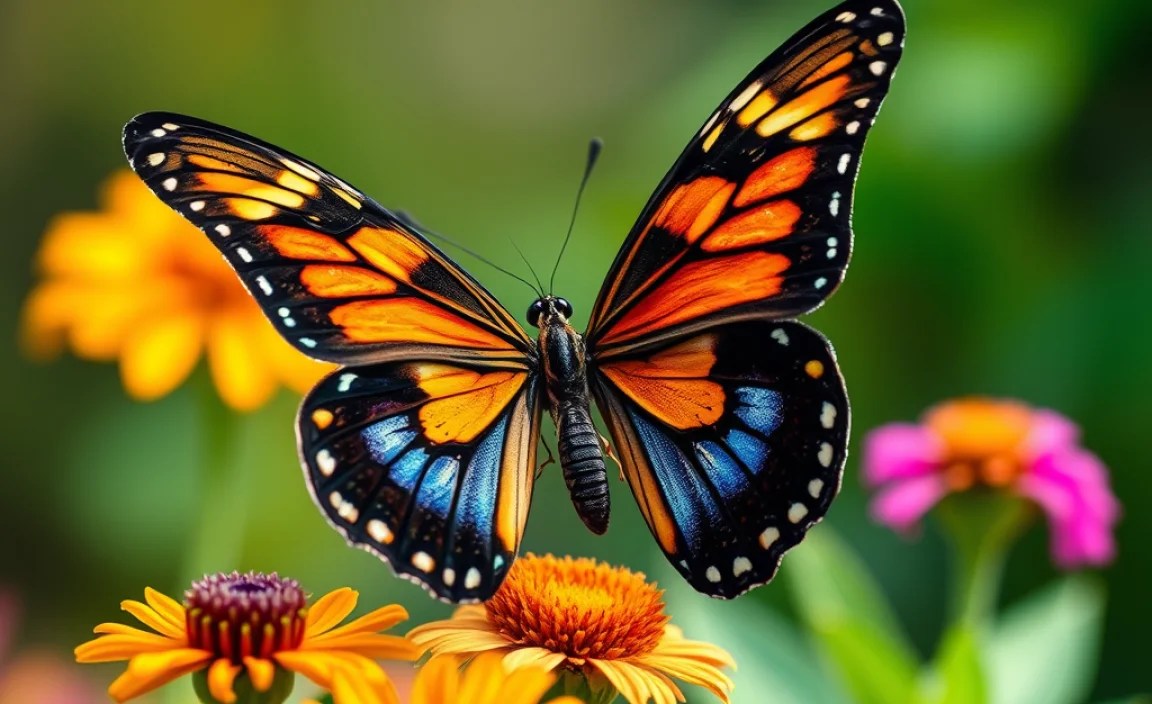
Do you want to help butterflies? You can create a butterfly-friendly garden. This is a garden that provides food and shelter for butterflies. You need to plant the right kinds of plants. Butterflies need nectar plants for food. Nectar is a sweet liquid that butterflies drink. They also need host plants for their caterpillars. Host plants are the plants that caterpillars eat. You also need to provide water. Butterflies can drink from puddles or bird baths. Finally, you need to avoid using pesticides. Pesticides can hurt butterflies and other insects. Creating a butterfly-friendly garden is a great way to help butterflies thrive. This will also increase rare butterflies breeding success.
- Plant nectar plants for adult butterflies.
- Plant host plants for butterfly caterpillars.
- Provide a water source for butterflies.
- Avoid using pesticides in your garden.
- Provide shelter from wind and rain.
- Choose native plants whenever possible.
Imagine you are designing a butterfly garden. You want to make it a perfect place for butterflies to live. You need to think about what butterflies need. They need food, water, and shelter. You can plant a variety of flowers that bloom at different times of the year. This will provide food for butterflies throughout the season. You can also add rocks and logs to your garden. These will provide shelter for butterflies. You can also add a shallow dish of water with some pebbles. This will give butterflies a place to drink. By creating a butterfly-friendly garden, you can make a big difference in the lives of these amazing insects.
Fun Fact or Stat: Butterfly gardens can increase butterfly populations by up to 50%!
What Are Nectar Plants?
Nectar plants are plants that produce nectar. Nectar is a sweet liquid that butterflies drink. It is like butterfly juice. Butterflies use nectar for energy. They need energy to fly and lay eggs. Some good nectar plants include butterfly bush, zinnias, and coneflowers. These plants have bright colors and sweet smells. This attracts butterflies. When butterflies visit these plants, they also help pollinate them. Pollination is when butterflies carry pollen from one flower to another. This helps the flowers make seeds.
What Are Host Plants?
Host plants are plants that butterfly caterpillars eat. Each type of butterfly caterpillar eats only certain kinds of plants. Monarch caterpillars only eat milkweed. Black swallowtail caterpillars eat parsley and dill. If these plants are not around, the caterpillars will starve. That is why it is important to plant the right host plants in your garden. When you plant these plants, you are giving caterpillars food. You are helping them grow into butterflies. Planting native plants is best.
How Can We Provide Water?
Butterflies need water to survive. They do not drink water like we do. They sip water from puddles or wet surfaces. You can provide water for butterflies by creating a butterfly puddle. Dig a shallow hole in your garden. Line it with plastic. Fill it with sand and gravel. Add water. Make sure the water is shallow enough for butterflies to reach. You can also put a few pebbles in the water. This will give butterflies a place to land. You can also use a bird bath. Just make sure the water is not too deep.
Monitoring Butterfly Populations
Monitoring butterfly populations is important for understanding how butterflies are doing. It helps us see if their numbers are going up or down. We can count butterflies in different areas. This is called a butterfly survey. We can also track butterflies as they migrate. This helps us learn about their movements. This information helps us make better conservation plans. If we see that a butterfly population is declining, we can take action. We can protect their habitat. We can reduce pesticide use. Monitoring butterfly populations helps us protect these amazing creatures and increase rare butterflies breeding success.
- Counting butterflies helps us track populations.
- Butterfly surveys can show population trends.
- Tracking migration helps us understand movements.
- Monitoring helps us identify threats to butterflies.
- Data helps us create effective conservation plans.
- Citizen science projects can help monitor butterflies.
Imagine you are a butterfly detective. Your job is to find out how many butterflies there are in your area. You can do this by walking around and counting them. You can also join a butterfly survey. Butterfly surveys are organized events where people count butterflies. The data from these surveys is used to track butterfly populations. If you see that a certain butterfly is becoming rare, you can report it to the authorities. This will help them take action to protect it. By monitoring butterfly populations, you can help save these amazing creatures.
Fun Fact or Stat: Some butterfly monitoring programs have been running for over 40 years!
What Is a Butterfly Survey?
A butterfly survey is a way to count butterflies in a specific area. People walk around and identify the butterflies they see. They record the number of each species. This data is used to track butterfly populations. Butterfly surveys are often done during the summer months. This is when butterflies are most active. Anyone can participate in a butterfly survey. It is a fun way to learn about butterflies and help protect them. You can find butterfly surveys in your local area by contacting your local nature center.
How Can We Track Migration?
Monarch butterflies migrate thousands of miles each year. They fly from Canada to Mexico. Scientists track their migration by tagging them. They put small tags on the butterflies’ wings. The tags have a number on them. When someone finds a tagged butterfly, they can report it. This helps scientists track the butterflies’ movements. You can help track migration by reporting tagged butterflies. If you see a tagged butterfly, take a picture of the tag. Report the tag number to a butterfly monitoring organization.
Why Is Long-Term Data Important?
Long-term data is data that is collected over a long period of time. This data is very valuable. It helps us see how butterfly populations are changing over time. We can see if a population is increasing, decreasing, or staying the same. This helps us understand the factors that are affecting butterflies. For example, we can see if a certain pesticide is harming butterflies. We can also see if climate change is affecting their migration patterns. Long-term data is essential for making informed conservation decisions.
The Role of Climate Change
Climate change is a big problem for butterflies. It is changing their habitats. It is also changing their food sources. Butterflies are very sensitive to temperature. If it gets too hot or too cold, they can die. Climate change is causing more extreme weather events. This includes droughts, floods, and heat waves. These events can destroy butterfly habitats. Climate change is also changing the timing of butterfly life cycles. This can make it hard for them to find food and mates. We need to take action to stop climate change. This will help protect butterflies and other animals. Protecting butterflies from climate change helps with rare butterflies breeding success.
- Climate change alters butterfly habitats.
- Extreme weather events harm butterfly populations.
- Changes in temperature affect butterfly life cycles.
- Climate change can disrupt migration patterns.
- Butterflies are sensitive to changes in rainfall.
- Reducing carbon emissions is important for butterflies.
Imagine you are a butterfly trying to survive in a changing world. The weather is becoming more unpredictable. The plants you eat are disappearing. Your home is being destroyed by floods. This is the reality for many butterflies. Climate change is making it harder for them to survive. We need to do everything we can to help. We can reduce our carbon footprint. We can support policies that protect the environment. We can also plant butterfly-friendly gardens. By working together, we can make a difference.
Fun Fact or Stat: Some butterflies are moving their ranges northward as the climate warms!
How Does Temperature Affect Butterflies?
Butterflies are cold-blooded. This means their body temperature depends on the temperature of their surroundings. If it is too cold, they cannot fly. They need to bask in the sun to warm up. If it is too hot, they can overheat. They need to find shade to cool down. Climate change is causing temperatures to rise. This is making it harder for butterflies to find the right temperature. They may need to move to cooler areas. This can disrupt their migration patterns.
How Does Rainfall Affect Butterflies?
Butterflies need water to survive. But too much rain can be harmful. Heavy rainfall can wash away butterfly eggs and caterpillars. It can also damage their habitats. Climate change is causing more extreme rainfall events. This is making it harder for butterflies to survive. We can help by planting trees. Trees can help absorb excess rainfall. We can also create rain gardens. Rain gardens are gardens that are designed to collect rainwater.
What Can We Do About Climate Change?
Climate change is a big problem, but we can do something about it. We can reduce our carbon footprint. This means reducing the amount of greenhouse gases we release into the atmosphere. We can do this by using less energy. We can turn off the lights when we leave a room. We can walk or bike instead of driving. We can also eat less meat. Meat production releases a lot of greenhouse gases. We can also support policies that promote clean energy. Clean energy sources include solar, wind, and hydropower.
| Strategy | Description | Benefits for Butterflies | Challenges |
|---|---|---|---|
| Habitat Protection | Protecting forests, fields, and wetlands | Provides food, shelter, and breeding grounds | Requires land conservation and management |
| Captive Breeding | Raising butterflies in a safe place | Increases population size | Can be expensive and may not always be successful |
| Education | Teaching people about butterflies | Raises awareness and promotes conservation | Requires outreach and communication efforts |
| Climate Action | Reducing greenhouse gas emissions | Protects butterfly habitats from climate change | Requires global cooperation and policy changes |
| Pesticide Reduction | Using fewer pesticides | Protects butterflies from harmful chemicals | Requires alternative pest control methods |
Summary
Rare butterflies face many challenges. These challenges include habitat loss, pollution, and climate change. Protecting these butterflies is important. Butterflies help pollinate plants. They are also a beautiful part of nature. We can help butterflies by protecting their habitats. We can plant butterfly gardens. We can reduce pesticide use. We can also support conservation organizations. Monitoring butterfly populations helps us track their progress. By working together, we can ensure rare butterflies breeding success. This will help save these amazing creatures for future generations.
Conclusion
Butterflies are important and beautiful. They need our help to survive. We can make a difference by protecting their habitats. We can plant butterfly gardens. We can reduce pesticide use. Every small action counts. By working together, we can ensure rare butterflies breeding success. Let’s all do our part to protect these amazing insects.
Frequently Asked Questions
Question No 1: Why are some butterflies rare?
Answer: Some butterflies are rare because their habitats are disappearing. This happens when forests are cut down, or when fields are turned into houses or farms. Pollution can also hurt butterflies. Climate change is another problem. It can change the weather and make it hard for butterflies to find food and shelter. When butterflies lose their homes, they cannot breed. This makes them rare. Protecting their habitats is key to increasing rare butterflies breeding success.
Question No 2: What can I do to help butterflies in my backyard?
Answer: You can help butterflies by planting a butterfly garden. Use plants that butterflies like to eat. Milkweed is a favorite of monarch butterflies. You can also avoid using pesticides in your yard. These chemicals can hurt butterflies and other insects. Provide a water source for butterflies. A shallow dish of water with some pebbles will do. By creating a butterfly-friendly garden, you can help butterflies thrive.
Question No 3: How do scientists study butterflies?
Answer: Scientists study butterflies in many ways. They track their movements. They count their numbers. They study their breeding habits. They also study the plants that butterflies eat. This information helps us understand what butterflies need to survive. Scientists use this information to make conservation plans. These plans help protect butterflies and their habitats. Understanding the science behind butterfly conservation helps support rare butterflies breeding success.
Question No 4: What is a butterfly migration?
Answer: A butterfly migration is when butterflies move from one place to another. Monarch butterflies migrate thousands of miles each year. They fly from Canada to Mexico. They do this to escape the cold winter weather. Other butterflies also migrate. They move to find food or better breeding conditions. Migration is a dangerous journey for butterflies. Many of them do not survive. Protecting their migration routes is important. This helps with rare butterflies breeding success.
Question No 5: How does climate change affect butterflies?
Answer: Climate change is a big problem for butterflies. It is changing their habitats. It is also changing their food sources. Butterflies are very sensitive to temperature. If it gets too hot or too cold, they can die. Climate change is causing more extreme weather events. This includes droughts, floods, and heat waves. These events can destroy butterfly habitats. We need to take action to stop climate change. This will help protect butterflies and other animals.
Question No 6: Why is it important to protect rare butterflies?
Answer: It is important to protect rare butterflies because they are a part of our natural world. They play an important role in the ecosystem. They help pollinate plants. They are also a source of food for other animals. When a species becomes extinct, it is gone forever. We need to protect rare butterflies so that future generations can enjoy them. Helping butterflies thrive ensures rare butterflies breeding success.


