
Butterfly Food Plants Endangered: Powerful Ways to Help

Quick Summary: The decline of butterfly food plants is a serious threat to butterfly populations. Habitat loss, pesticide use, and climate change are major factors. You can help by planting native butterfly-friendly plants, avoiding pesticides, supporting conservation efforts, and educating others about the importance of these vital plants.
Butterflies are beautiful, fascinating creatures that play an important role in our ecosystem as pollinators. But did you know that many butterfly species are facing challenges due to the decline of their food plants? It’s a worrying trend, but the good news is that there are steps we can take to help. Let’s explore why butterfly food plants are endangered and what we can do to protect them.
Why Butterfly Food Plants Are Endangered

Butterfly food plants are in danger for a few key reasons. When these plants disappear, butterflies struggle to survive. Let’s take a closer look at what’s happening.
Habitat Loss and Fragmentation
One of the biggest threats to butterfly food plants is habitat loss. As natural areas are converted into farmland, urban developments, and industrial sites, the plants that butterflies rely on for food disappear. This habitat loss can break up large, continuous areas into smaller, isolated patches. This makes it harder for butterflies to find the food and shelter they need.
- Urbanization: Cities and suburbs replace natural habitats with buildings, roads, and lawns.
- Agriculture: Large-scale farming often involves clearing native vegetation to make way for crops.
- Deforestation: Forests are cut down for timber, agriculture, and development, destroying butterfly habitats.
Pesticide Use
Pesticides are chemicals used to kill insects and other pests. Unfortunately, they can also harm butterflies and their food plants. When pesticides are sprayed on or near butterfly food plants, they can kill the plants directly or make them toxic to butterflies. Even if the pesticides don’t kill the plants, they can reduce the number of insects that the plants rely on for pollination, which can lead to a decline in plant populations.
- Direct toxicity: Pesticides can directly poison butterflies and their caterpillars.
- Indirect effects: Pesticides can kill other insects that butterflies rely on for food, such as aphids and other small insects.
- Plant contamination: Pesticides can contaminate butterfly food plants, making them unsafe for butterflies to eat.
Climate Change
Climate change is another major threat to butterfly food plants. As the climate warms, many plants are struggling to adapt. Changes in temperature and rainfall patterns can disrupt plant growth, flowering times, and distribution. This can make it harder for butterflies to find the food they need, especially if they are adapted to specific plants that are becoming less common.
- Temperature changes: Warmer temperatures can cause plants to flower earlier or later than usual, which can disrupt butterfly life cycles.
- Changes in rainfall: Droughts and floods can kill butterfly food plants or make them less nutritious.
- Habitat shifts: As the climate changes, some plants may move to new areas, leaving butterflies behind.
Invasive Species
Invasive species are plants and animals that are introduced to an area where they don’t naturally occur. These species can outcompete native plants for resources like sunlight, water, and nutrients. This can lead to a decline in the populations of native butterfly food plants, making it harder for butterflies to find the food they need.
- Competition: Invasive plants can outcompete native plants for resources, leading to their decline.
- Habitat alteration: Invasive plants can change the structure and composition of habitats, making them less suitable for butterflies.
- Disease transmission: Invasive species can carry diseases that can harm native butterfly food plants.
Why Butterfly Food Plants Matter

Butterfly food plants are essential for the survival of butterflies. They provide butterflies with the nutrients they need to grow, develop, and reproduce. Without these plants, butterfly populations would decline, and our ecosystems would suffer.
Caterpillar Food
Butterfly caterpillars are very picky eaters. Most species can only eat a few specific types of plants. These plants are called host plants, and they are essential for caterpillar survival. For example, monarch caterpillars can only eat milkweed plants. If milkweed disappears, monarch butterflies will disappear too.
Nectar Sources
Adult butterflies need nectar to fuel their flight and reproduction. Nectar is a sugary liquid produced by flowers. Butterflies use their long, straw-like tongues to sip nectar from flowers. Many different types of flowers provide nectar for butterflies, but some are more important than others. Native flowers are often the best nectar sources for butterflies because they are adapted to local conditions and provide the right nutrients.
Habitat and Shelter
Butterfly food plants also provide habitat and shelter for butterflies. Caterpillars often hide on or near their host plants to avoid predators. Adult butterflies may use plants as perches to rest or bask in the sun. Some plants also provide shelter from wind and rain.
Endangered Butterfly Food Plants: Examples
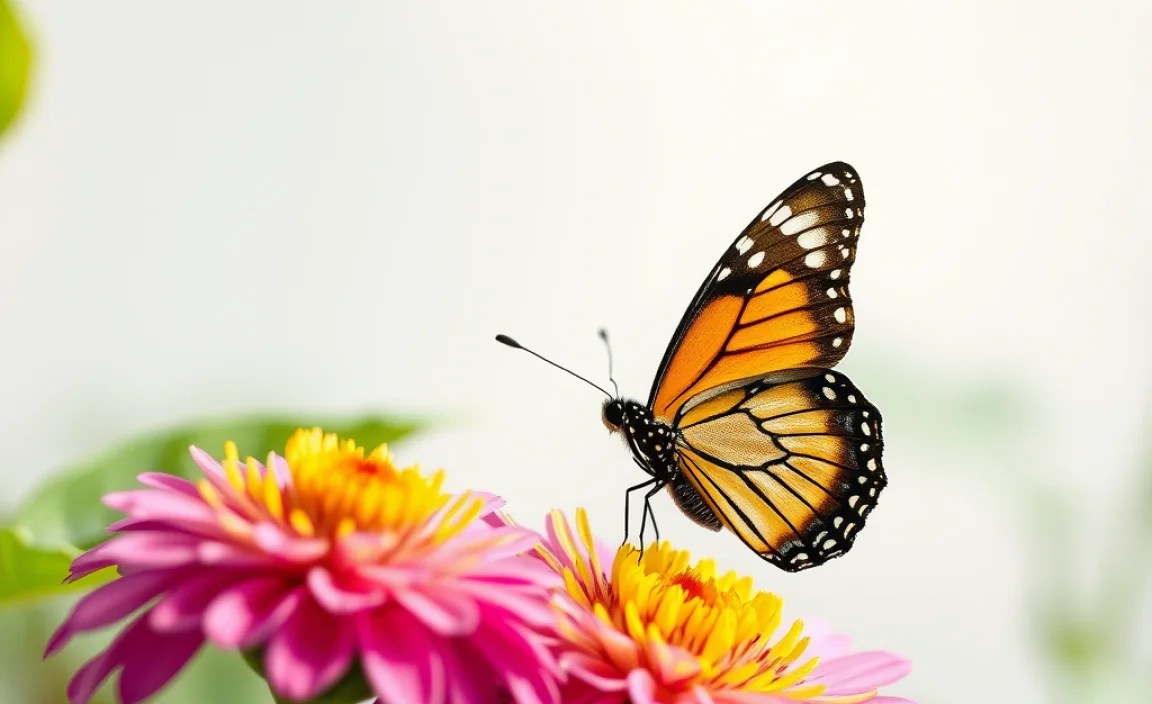
Many butterfly food plants are facing threats. Here are a few examples of endangered butterfly food plants and the butterflies that depend on them.
| Plant Name | Butterfly Species | Threats |
|---|---|---|
| Milkweed (Asclepias spp.) | Monarch Butterfly (Danaus plexippus) | Habitat loss, herbicide use |
| Pipevine (Aristolochia spp.) | Pipevine Swallowtail (Battus philenor) | Habitat loss, over-collection |
| Spicebush (Lindera benzoin) | Spicebush Swallowtail (Papilio troilus) | Habitat loss, climate change |
| Karner Blue Butterfly (Lycaeides melissa samuelis) | Wild Lupine (Lupinus perennis) | Habitat loss, fire suppression |
How You Can Help Protect Butterfly Food Plants

Protecting butterfly food plants is crucial for the survival of butterflies. Here are some things you can do to help.
Plant Native Butterfly Food Plants
One of the best ways to help butterflies is to plant native butterfly food plants in your yard or garden. Native plants are adapted to local conditions and provide the best food and habitat for butterflies. When choosing plants, be sure to select species that are known to be host plants for butterflies in your area. Contact your local native plant society or extension office for a list of recommended plants.
- Choose native plants: Native plants are best adapted to local conditions and provide the best food and habitat for butterflies.
- Select host plants: Choose plants that are known to be host plants for butterflies in your area.
- Provide nectar sources: Plant flowers that provide nectar for adult butterflies.
Avoid Pesticides
Pesticides can harm butterflies and their food plants. Avoid using pesticides in your yard or garden. If you must use pesticides, choose products that are least harmful to butterflies and apply them carefully, following the instructions on the label. Consider using natural pest control methods instead of pesticides.
- Use natural pest control methods: Try using natural pest control methods, such as introducing beneficial insects or using organic pesticides.
- Apply pesticides carefully: If you must use pesticides, apply them carefully, following the instructions on the label.
- Avoid spraying flowering plants: Avoid spraying pesticides on flowering plants, as this can harm butterflies and other pollinators.
Support Conservation Efforts
Support organizations that are working to protect butterfly habitats and food plants. These organizations may be involved in habitat restoration, land conservation, and education. You can support them by volunteering your time, donating money, or spreading the word about their work.
- Volunteer your time: Volunteer with local conservation organizations to help restore butterfly habitats.
- Donate money: Donate to organizations that are working to protect butterfly food plants.
- Spread the word: Tell your friends and family about the importance of protecting butterfly food plants.
Create a Butterfly Garden
Creating a butterfly garden is a great way to provide food and habitat for butterflies. A butterfly garden should include a variety of native butterfly food plants, as well as nectar sources and shelter. Choose a sunny location with well-drained soil. Provide a water source, such as a bird bath or a shallow dish of water with pebbles for butterflies to land on.
- Choose a sunny location: Butterflies need sunlight to warm their bodies.
- Provide a water source: Butterflies need water to drink.
- Provide shelter: Butterflies need shelter from wind and rain.
Educate Others
One of the most important things you can do to help protect butterfly food plants is to educate others about the importance of these plants. Talk to your friends, family, and neighbors about the threats that butterfly food plants face and what they can do to help. Share information on social media and in your community. The more people who are aware of the problem, the more likely we are to find solutions.
- Share information on social media: Share articles and posts about butterfly food plants on social media.
- Talk to your friends and family: Tell your friends and family about the importance of protecting butterfly food plants.
- Get involved in your community: Organize events and activities to raise awareness about butterfly food plants.
Advocate for Change
Support policies and legislation that protect butterfly habitats and food plants. Contact your elected officials and let them know that you care about butterfly conservation. Advocate for stronger environmental regulations and funding for conservation programs.
- Contact your elected officials: Let your elected officials know that you care about butterfly conservation.
- Support environmental organizations: Support organizations that are advocating for stronger environmental regulations.
- Vote for candidates who support conservation: Vote for candidates who support butterfly conservation and environmental protection.
FAQ About Endangered Butterfly Food Plants
What are butterfly food plants?
Butterfly food plants are plants that butterflies and their caterpillars need to survive. Caterpillars eat the leaves of specific host plants, while adult butterflies feed on nectar from flowers.
Why are butterfly food plants important?
Butterfly food plants are essential for the survival of butterflies. They provide the nutrients that butterflies need to grow, develop, and reproduce. Without these plants, butterfly populations would decline.
What are the main threats to butterfly food plants?
The main threats to butterfly food plants include habitat loss, pesticide use, climate change, and invasive species.
How can I help protect butterfly food plants?
You can help by planting native butterfly food plants, avoiding pesticides, supporting conservation efforts, creating a butterfly garden, educating others, and advocating for change.
What are some examples of native butterfly food plants?
Examples of native butterfly food plants include milkweed (for monarch butterflies), pipevine (for pipevine swallowtails), spicebush (for spicebush swallowtails), and wild lupine (for Karner Blue butterflies).
Where can I find more information about butterfly food plants?
You can find more information about butterfly food plants from your local native plant society, extension office, or the Xerces Society.
What is a host plant?
A host plant is a specific plant that a butterfly caterpillar needs to eat in order to grow and develop. Each butterfly species has its own preferred host plant.
Conclusion
The decline of butterfly food plants is a serious issue, but it’s not too late to make a difference. By taking action to protect these vital plants, we can help ensure the survival of butterflies and the health of our ecosystems. Plant native butterfly food plants in your yard or garden, avoid pesticides, support conservation efforts, and educate others about the importance of these plants. Together, we can create a world where butterflies thrive.


