
Rare Butterflies Conservation Awareness: Ultimate Guide

Have you ever seen a butterfly with wings like stained glass? Some butterflies are so rare. We need to help them. This is about rare butterflies conservation awareness. It’s about knowing and helping these special insects.
Butterflies flutter. They fly from flower to flower. They are important for our world. But many face danger. We must take care of them. Do you know how?
This article will tell you all about it. We will learn how to help. We can make a big difference. Let’s start our adventure. We will explore the world of butterflies.
Key Takeaways
- Rare butterflies conservation awareness helps save these important insects.
- Protecting their habitats is key to butterfly survival.
- Everyone can help by planting butterfly-friendly gardens.
- Climate change is a big threat to rare butterflies.
- Supporting conservation groups makes a real difference.
Why Rare Butterflies Conservation Awareness Matters

Imagine a world without butterflies. It would be very sad. Butterflies bring beauty and joy. They also help our environment. They pollinate flowers. This helps plants grow. Rare butterflies are even more special. They are unique and amazing. But many rare butterflies are in danger. Their homes are disappearing. The climate is changing. Pollution is also a problem. That’s why rare butterflies conservation awareness is so important. We need to know about these problems. We need to understand how to help. When we are aware, we can take action. We can protect their habitats. We can plant butterfly gardens. We can support conservation groups. Every little bit helps. Together, we can make a big difference. We can ensure these beautiful creatures thrive for many years to come.
- Butterflies pollinate flowers.
- They are a food source for birds.
- Butterflies add beauty to nature.
- Their populations are decreasing.
- Habitat loss is a major threat.
Rare butterflies conservation awareness is not just about butterflies. It is about our whole environment. When we protect butterflies, we protect their homes. This helps other animals and plants too. A healthy environment is important for everyone. Butterflies are like tiny messengers. They tell us how our planet is doing. If butterflies are struggling, it means something is wrong. We need to listen to their message. We must take action to protect our world. We can start by learning more. Share what you learn with your friends and family. Encourage them to help too. Together, we can create a brighter future. A future where butterflies and people can thrive together.
Fun Fact or Stat: Some butterflies migrate thousands of miles each year!
Why Are Butterflies Important?
Have you ever wondered why butterflies are important? They are more than just pretty insects. Butterflies play a vital role in our ecosystem. They are pollinators. This means they help plants make seeds. They fly from flower to flower. They carry pollen with them. This helps plants reproduce. Without butterflies, many plants would disappear. This would affect the whole food chain. Many animals rely on plants for food. Butterflies also serve as food for other animals. Birds, lizards, and spiders eat butterflies. They are an important part of the food web. Butterflies are also indicators of a healthy environment. If butterfly populations are declining, it can be a sign of pollution or habitat loss.
What Threats Do Butterflies Face?
Imagine a butterfly trying to find a safe place to live. It can be tough. Butterflies face many threats. One of the biggest is habitat loss. This means their homes are being destroyed. Forests are cut down. Fields are turned into farms or cities. When butterflies lose their homes, they have nowhere to live. Climate change is another big threat. Changes in temperature and rainfall can affect butterflies. They may not be able to find food or reproduce. Pollution is also harmful. Pesticides can poison butterflies. Air and water pollution can damage their habitats. These threats make it hard for butterflies to survive. We need to help them by protecting their homes and reducing pollution.
How Can We Help Butterflies?
We can all help butterflies. Even small actions can make a big difference. One way to help is to plant butterfly gardens. Plant flowers that butterflies like. These flowers provide food for them. Avoid using pesticides in your garden. Pesticides can harm butterflies and other insects. You can also support conservation groups. These groups work to protect butterfly habitats. They also educate people about butterflies. Another way to help is to reduce pollution. Use less energy. Recycle and reuse materials. Walk or bike instead of driving when you can. Every little bit helps protect butterflies.
Understanding Rare Butterfly Habitats

Rare butterflies often live in very specific places. These are their habitats. Some live in forests. Others live in grasslands. Some even live in wetlands. Each type of butterfly needs a special habitat to survive. These habitats provide food and shelter. They also provide places to lay eggs. When these habitats are destroyed, butterflies lose their homes. This is why understanding their habitats is so important. We need to protect these special places. We can do this by supporting conservation efforts. We can also be careful about how we use land. We should avoid destroying natural habitats. We can also restore damaged habitats. This means planting trees and restoring wetlands. By protecting and restoring habitats, we can help rare butterflies thrive.
- Forests provide shelter and food.
- Grasslands offer open spaces.
- Wetlands are important for water.
- Specific plants are crucial for larvae.
- Undisturbed areas are vital for breeding.
- Habitat fragmentation isolates populations.
Understanding rare butterfly habitats also means understanding the plants they need. Many butterflies rely on specific plants for food. The larvae, or caterpillars, eat these plants. Without these plants, the caterpillars cannot survive. For example, the Monarch butterfly relies on milkweed. The caterpillars only eat milkweed leaves. If there is no milkweed, there will be no Monarch butterflies. This is why it is important to protect these plants. We can plant them in our gardens. We can also support conservation efforts that protect these plants in the wild. By understanding and protecting these plants, we can help rare butterflies survive.
Fun Fact or Stat: Some butterfly species only live in one specific type of habitat!
Why Are Specific Habitats Important?
Have you ever thought about where you live? You need a home that meets your needs. Butterflies are the same. They need specific habitats that provide everything they need. Some butterflies need sunny meadows. Others need shady forests. The right habitat provides food, shelter, and a place to lay eggs. Without the right habitat, butterflies cannot survive. Specific habitats also support other plants and animals. When we protect butterfly habitats, we protect entire ecosystems. This helps many different species.
How Do Habitats Get Destroyed?
Imagine someone taking away your home. That’s what happens to butterflies when their habitats are destroyed. Habitats can be destroyed in many ways. One way is by building houses and roads. This clears away natural areas. Another way is by cutting down forests. This removes trees that butterflies need for shelter and food. Pollution can also destroy habitats. Chemicals can poison plants and animals. Climate change can also alter habitats. Changes in temperature and rainfall can make it hard for butterflies to survive.
What Can We Do to Protect Habitats?
We can do many things to protect butterfly habitats. One thing is to support conservation groups. These groups work to protect natural areas. They also educate people about the importance of habitats. Another thing we can do is to be careful about how we use land. We can avoid building in natural areas. We can also plant trees and restore damaged habitats. We can also reduce pollution. By protecting habitats, we can help butterflies and other animals survive. Every action counts.
The Impact of Climate Change on Rare Butterflies

Climate change is a big problem for rare butterflies. The Earth is getting warmer. This is changing the weather. It is also changing the habitats where butterflies live. Some butterflies can’t handle the heat. They need cooler temperatures to survive. Others need specific plants that are affected by climate change. As the climate changes, these plants may disappear. This means the butterflies will lose their food source. Climate change can also cause more extreme weather events. These events can destroy butterfly habitats. Floods, droughts, and storms can all be harmful. That’s why it’s important to take action on climate change. We can reduce our carbon footprint. We can support policies that protect the environment. By fighting climate change, we can help rare butterflies survive.
- Rising temperatures affect butterfly life cycles.
- Changes in rainfall alter plant growth.
- Extreme weather events destroy habitats.
- Butterflies migrate to find suitable climates.
- Some species cannot adapt quickly enough.
One of the biggest challenges for rare butterflies is adapting to these changes. Some butterflies can move to new areas. But others cannot. They may be stuck in a habitat that is no longer suitable. This can lead to a decline in their population. Climate change also affects the timing of butterfly life cycles. Butterflies may emerge earlier in the spring. This can cause them to miss the flowering of the plants they need for food. This mismatch can be deadly. We need to study how climate change is affecting butterflies. This will help us develop strategies to protect them. We can also create new habitats that are more resilient to climate change.
Fun Fact or Stat: Climate change is causing some butterfly species to shift their ranges northward!
How Does Temperature Affect Butterflies?
Imagine wearing a coat that’s too warm on a hot day. Butterflies are sensitive to temperature. They need the right temperature to fly and feed. Too cold, and they can’t move. Too hot, and they can overheat. Climate change is causing temperatures to rise. This can make it hard for butterflies to survive. They may have to move to cooler areas. Or they may not be able to reproduce. Rising temperatures can also affect the plants that butterflies need for food. Some plants may not be able to grow in warmer temperatures. This can lead to a shortage of food for butterflies.
How Does Rainfall Affect Butterflies?
Think about what happens when it rains too much or not enough. Butterflies need the right amount of rainfall. Too much rain can flood their habitats. Too little rain can cause plants to dry out. Climate change is causing changes in rainfall patterns. Some areas are getting more rain. Others are getting less. This can affect butterflies in different ways. Too much rain can wash away butterfly eggs and larvae. Too little rain can cause a shortage of food. These changes can make it hard for butterflies to survive.
What Can We Do About Climate Change?
We can all do something about climate change. One thing is to reduce our carbon footprint. This means using less energy. We can turn off lights when we leave a room. We can walk or bike instead of driving. We can also eat less meat. Another thing we can do is to support policies that protect the environment. We can vote for leaders who care about climate change. We can also join environmental organizations. By taking action, we can help protect butterflies and other animals from the effects of climate change.
Planting Butterfly-Friendly Gardens for Conservation

One of the best ways to help rare butterflies is to plant butterfly-friendly gardens. These gardens provide food and shelter. They attract butterflies to your yard. When you plant a butterfly garden, you are creating a mini-habitat. Choose plants that are native to your area. Native plants are adapted to the local climate. They are also the plants that butterflies are used to eating. Plant a variety of flowers. Different butterflies like different flowers. Include plants that provide nectar for adult butterflies. Also include plants that provide food for caterpillars. Milkweed is a great choice for Monarch butterflies. Avoid using pesticides in your garden. Pesticides can harm butterflies and other insects. By planting a butterfly garden, you can make a big difference. You can help rare butterflies thrive in your community.
- Choose native plants for your region.
- Plant a variety of flowering species.
- Include host plants for caterpillars.
- Provide a water source for butterflies.
- Avoid using pesticides in your garden.
Creating a butterfly garden is also a great way to learn more about rare butterflies. You can observe them in your own backyard. You can learn about their life cycles. You can also learn about the plants they need to survive. Gardening is a fun and rewarding activity. It’s a way to connect with nature. It’s also a way to make a positive impact on the environment. Even a small garden can make a difference. You can plant a few flowers in a pot on your balcony. Or you can create a larger garden in your backyard. Every little bit helps. By planting a butterfly garden, you are helping to protect rare butterflies for future generations.
Fun Fact or Stat: Butterflies taste with their feet!
What Plants Attract Butterflies?
Have you ever seen a butterfly flitting around a flower? Butterflies are attracted to certain plants. These plants provide nectar, which is a sugary liquid that butterflies drink. Some popular butterfly plants include milkweed, butterfly bush, and coneflowers. Milkweed is especially important for Monarch butterflies. Their caterpillars only eat milkweed leaves. Butterfly bush is a favorite of many different butterfly species. Coneflowers are also popular and come in a variety of colors. When choosing plants for your butterfly garden, be sure to select a variety of colors and shapes. This will attract a wider range of butterflies.
How Do You Care for a Butterfly Garden?
Taking care of a butterfly garden is easy. First, make sure your plants get enough sunlight. Most butterfly plants need at least six hours of sunlight per day. Water your plants regularly, especially during dry spells. Deadhead your flowers to encourage more blooms. This means removing the dead flowers. This will help the plant produce more flowers. Avoid using pesticides in your garden. Pesticides can harm butterflies and other insects. If you have problems with pests, try using natural methods of pest control.
Why Are Native Plants Important?
Native plants are plants that are native to your area. They are adapted to the local climate and soil conditions. Native plants are also the plants that butterflies are used to eating. When you plant native plants, you are providing butterflies with the food they need to survive. Native plants also support other wildlife, such as birds and bees. They are an important part of the ecosystem. Planting native plants is a great way to help butterflies and other wildlife thrive.
Supporting Conservation Groups for Butterfly Protection
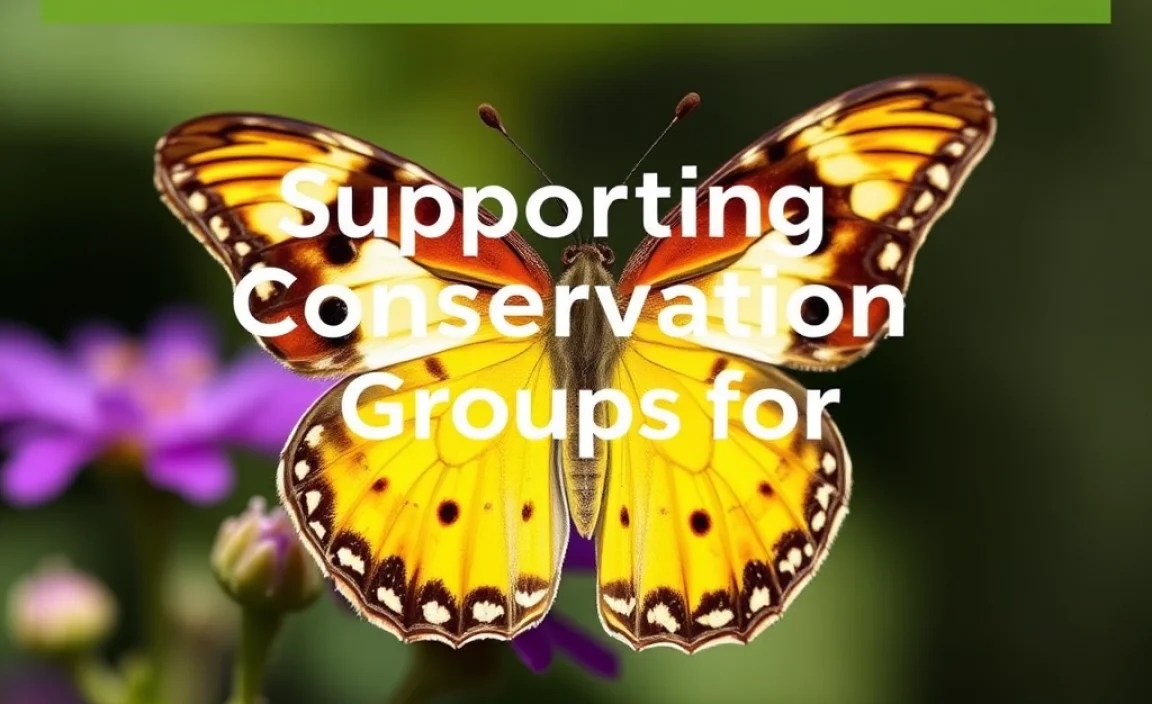
Supporting conservation groups is another important way to help rare butterflies. These groups work to protect butterfly habitats. They also conduct research. They educate people about butterflies. Conservation groups need our support. They need volunteers. They need donations. They use these resources to protect butterflies and their habitats. Some conservation groups focus on specific butterfly species. Others work to protect entire ecosystems. By supporting these groups, we can make a big difference. We can help them protect rare butterflies and the places they live. We can also help them educate others about the importance of butterfly conservation. Together, we can create a brighter future for butterflies.
- Donate to reputable conservation organizations.
- Volunteer your time for habitat restoration.
- Participate in citizen science projects.
- Advocate for butterfly-friendly policies.
- Spread awareness through social media.
When choosing a conservation group to support, do your research. Make sure the group is reputable. Look for groups that have a proven track record. Find out how they use their funds. Choose a group that aligns with your values. There are many different conservation groups to choose from. Some focus on local issues. Others work on a national or international level. Find a group that you are passionate about. Your support can help them achieve their goals. Together, we can protect rare butterflies for future generations.
Fun Fact or Stat: Some conservation groups use drones to monitor butterfly populations!
What Do Conservation Groups Do?
Have you ever wondered what conservation groups do? They do many different things to protect butterflies. They protect and restore butterfly habitats. They conduct research to learn more about butterflies. They educate people about the importance of butterflies. They advocate for policies that protect butterflies. They also work to reduce threats to butterflies, such as pollution and climate change. Conservation groups play a vital role in butterfly conservation. They are working hard to protect these beautiful creatures for future generations.
How Can You Volunteer?
Volunteering is a great way to help conservation groups. You can volunteer your time and skills to support their work. There are many different ways to volunteer. You can help with habitat restoration. This involves planting trees and removing invasive species. You can help with data collection. This involves counting butterflies and monitoring their populations. You can help with education and outreach. This involves teaching people about butterflies. Find a volunteer opportunity that interests you. Your time and effort can make a big difference.
Why Is Advocacy Important?
Advocacy is important because it helps to create change. Conservation groups advocate for policies that protect butterflies. They work with government officials to pass laws that protect butterfly habitats. They also work to raise awareness about the importance of butterfly conservation. Advocacy can be a powerful tool for protecting butterflies. By speaking up for butterflies, we can help to create a more sustainable future. We can also ensure that these beautiful creatures thrive for many years to come.
Reducing Pesticide Use for Rare Butterflies Conservation Awareness
Pesticides are harmful to rare butterflies. These chemicals kill insects. This includes butterflies. Pesticides can poison butterflies directly. They can also kill the plants that butterflies need for food. Reducing pesticide use is crucial. It helps protect butterflies. It also protects other beneficial insects. There are many ways to reduce pesticide use. Use natural methods of pest control. Attract beneficial insects to your garden. These insects will eat the pests. Plant resistant varieties of plants. These plants are less likely to be attacked by pests. By reducing pesticide use, we can help rare butterflies thrive. We can also create a healthier environment for everyone.
| Pesticide Type | Impact on Butterflies | Alternative Solutions |
|---|---|---|
| Insecticides | Directly kill butterflies and caterpillars. | Use natural predators like ladybugs. |
| Herbicides | Kill host plants needed for survival. | Hand-weeding or mulching. |
| Fungicides | Can weaken butterfly immune systems. | Improve soil health and air circulation. |
| Neonicotinoids | Highly toxic, causing paralysis and death. | Avoid using these chemicals entirely. |
- Avoid using pesticides in your garden.
- Use natural methods of pest control.
- Attract beneficial insects to your garden.
- Plant resistant varieties of plants.
- Support organic farming practices.
Rare butterflies conservation awareness includes understanding the dangers of pesticides. Many people don’t realize how harmful these chemicals can be. They think they are only killing pests. But they are also killing beneficial insects. This can disrupt the entire ecosystem. It’s important to educate others about the dangers of pesticides. Share information with your friends and family. Encourage them to reduce their pesticide use. Together, we can create a healthier environment for butterflies and other wildlife. We can also protect our own health.
Fun Fact or Stat: Some pesticides can stay in the soil for years, harming butterflies for a long time!
What Are Natural Pest Control Methods?
Have you ever wondered how to get rid of pests without using chemicals? There are many natural pest control methods you can use. One method is to attract beneficial insects to your garden. Ladybugs, for example, eat aphids. Another method is to use insecticidal soap. This soap kills insects without harming plants. You can also use diatomaceous earth. This is a powder made from fossilized algae. It kills insects by drying them out. Natural pest control methods are safe for butterflies and other beneficial insects.
How Do Pesticides Affect Butterflies?
Imagine drinking poison. That’s what it’s like for butterflies when they come into contact with pesticides. Pesticides can kill butterflies directly. They can also weaken their immune systems. This makes them more susceptible to disease. Pesticides can also kill the plants that butterflies need for food. This can lead to starvation. Even small amounts of pesticides can be harmful. It’s important to avoid using pesticides in areas where butterflies live.
Why Is Organic Farming Important?
Organic farming is important because it avoids the use of synthetic pesticides and fertilizers. Organic farmers use natural methods to control pests and improve soil health. This protects butterflies and other beneficial insects. Organic farming also produces healthier food. It’s better for the environment. Supporting organic farming is a great way to help butterflies and create a more sustainable food system. Look for organic produce at your local farmers market or grocery store.
Educating Others About Rare Butterflies Conservation Awareness
Rare butterflies conservation awareness starts with education. We need to teach others about these amazing creatures. We need to explain why they are important. We need to share the threats they face. When people understand the problems, they are more likely to help. We can educate others in many ways. We can share information on social media. We can write articles for local newspapers. We can give presentations at schools and community groups. We can also create educational displays at nature centers and museums. By educating others, we can inspire them to take action. We can create a community of butterfly advocates. Together, we can make a big difference. We can protect rare butterflies for future generations.
- Share information on social media.
- Write articles for local newspapers.
- Give presentations at schools.
- Create educational displays.
- Organize butterfly walks and talks.
- Support educational programs.
Education is also about inspiring a love for nature. When people appreciate the beauty of butterflies, they are more likely to protect them. We can encourage children to explore nature. We can take them on butterfly walks. We can show them how to plant butterfly gardens. We can also teach them about the importance of conservation. By fostering a love for nature, we can create a generation of environmental stewards. These stewards will be passionate about protecting rare butterflies and other wildlife.
Fun Fact or Stat: Butterflies can see colors that humans can’t!
Why Is Education Important?
Have you ever learned something new that changed your perspective? Education is powerful. It can change the way we think and act. Education about butterflies is important. It helps people understand why these creatures are important. It also helps them understand the threats they face. When people are educated, they are more likely to take action. They are more likely to support conservation efforts. They are more likely to protect butterflies. Education is the key to butterfly conservation.
How Can You Share Information?
There are many ways to share information about butterflies. You can talk to your friends and family. You can share information on social media. You can write articles for local newspapers. You can give presentations at schools and community groups. You can also create educational displays at nature centers and museums. Use your creativity to find new ways to share information. Every little bit helps.
What Are Some Resources for Learning?
There are many resources available for learning about butterflies. You can visit your local library. You can search for information online. You can also visit nature centers and museums. Many organizations offer educational programs about butterflies. Take advantage of these resources to learn more. The more you know, the more you can help.
Summary
Rare butterflies conservation awareness is vital for protecting these delicate creatures. Butterflies face numerous threats. Habitat loss, climate change, and pesticide use all pose serious risks. By understanding these threats, we can take action. We can protect butterfly habitats. We can reduce our carbon footprint. We can reduce pesticide use. We can also support conservation groups. Planting butterfly-friendly gardens is another great way to help. These gardens provide food and shelter for butterflies. Educating others about butterflies is also important. When people understand the importance of butterflies, they are more likely to protect them.
Every action counts. Even small changes can make a big difference. By working together, we can ensure that rare butterflies thrive for many years to come. Let’s all do our part to protect these beautiful creatures.
Conclusion
Rare butterflies are a precious part of our natural world. They face many challenges. But we can help them survive. Rare butterflies conservation awareness is the first step. Learn about the threats they face. Take action to protect them. Plant butterfly gardens. Reduce pesticide use. Support conservation groups. Educate others. By working together, we can make a difference. We can ensure that these beautiful creatures continue to flutter through our world.
Frequently Asked Questions
Question No 1: Why are rare butterflies important?
Rare butterflies are important for many reasons. They are part of our planet’s biodiversity. They help pollinate plants. This is important for food production. They are also a food source for other animals. Butterflies are also beautiful and bring joy to people. Losing rare butterflies would be a loss for everyone. Rare butterflies conservation awareness helps to preserve biodiversity. It ensures that future generations can enjoy these amazing creatures. We must protect them for their own sake and for the sake of our planet.
Question No 2: What is habitat loss?
Habitat loss is when the places where animals live are destroyed. This can happen when forests are cut down. It can also happen when wetlands are drained. Habitat loss is a major threat to rare butterflies. They need specific habitats to survive. When these habitats are destroyed, butterflies lose their homes. They also lose their food sources. Habitat loss can lead to the extinction of butterfly species. Protecting butterfly habitats is crucial for their survival.
Question No 3: How does climate change affect butterflies?
Climate change is a big problem for butterflies. Changes in temperature and rainfall can affect butterflies. They may not be able to find food or reproduce. Climate change can also cause extreme weather events. These events can destroy butterfly habitats. Some butterflies may be able to adapt. But others may not. Climate change is a serious threat to butterfly populations. We need to take action to reduce our carbon footprint. This will help protect butterflies from the effects of climate change.
Question No 4: What can I plant in my garden to attract butterflies?
You can plant many different plants to attract butterflies. Milkweed is a great choice for Monarch butterflies. Butterfly bush is a favorite of many different butterfly species. Coneflowers are also popular and come in a variety of colors. Choose plants that are native to your area. Native plants are adapted to the local climate. They are also the plants that butterflies are used to eating. Plant a variety of flowers. This will attract a wider range of butterflies. Remember that rare butterflies conservation awareness can start right in your own garden.
Question No 5: What are pesticides and why are they harmful to butterflies?
Pesticides are chemicals used to kill pests. But they can also harm butterflies. Pesticides can poison butterflies directly. They can also kill the plants that butterflies need for food. Reducing pesticide use is crucial for protecting butterflies. Use natural methods of pest control. Attract beneficial insects to your garden. Plant resistant varieties of plants. By reducing pesticide use, you can help butterflies thrive.
Question No 6: How can I support conservation groups that help butterflies?
You can support conservation groups in many ways. You can donate money. You can volunteer your time. You can also spread awareness about their work. Many conservation groups focus on specific butterfly species. Others work to protect entire ecosystems. Find a group that you are passionate about. Your support can help them achieve their goals. Remember, rare butterflies conservation awareness only turns into something meaningful when supported by action.


