
Rare Butterflies Cryptic Coloration: Powerful Secrets

Have you ever seen a leaf that suddenly flew away? It might have been a butterfly! Some rare butterflies use a cool trick. It is called cryptic coloration. This helps them hide from predators. These butterflies are masters of disguise. They blend in with their surroundings. Can you imagine being invisible?
Cryptic coloration is like a superpower. It helps butterflies survive in the wild. But what makes these butterflies so special? Let’s explore the amazing world of rare butterflies and their cryptic coloration. We will discover how they stay safe and sound.
Key Takeaways
- Rare butterflies use cryptic coloration to hide from predators.
- Cryptic coloration helps them blend in with leaves, bark, and other things.
- This amazing camouflage is a survival strategy for many butterfly species.
- Some butterflies look like bird droppings to avoid being eaten.
- Understanding cryptic coloration helps us appreciate nature’s clever designs.
Understanding Rare Butterflies Cryptic Coloration
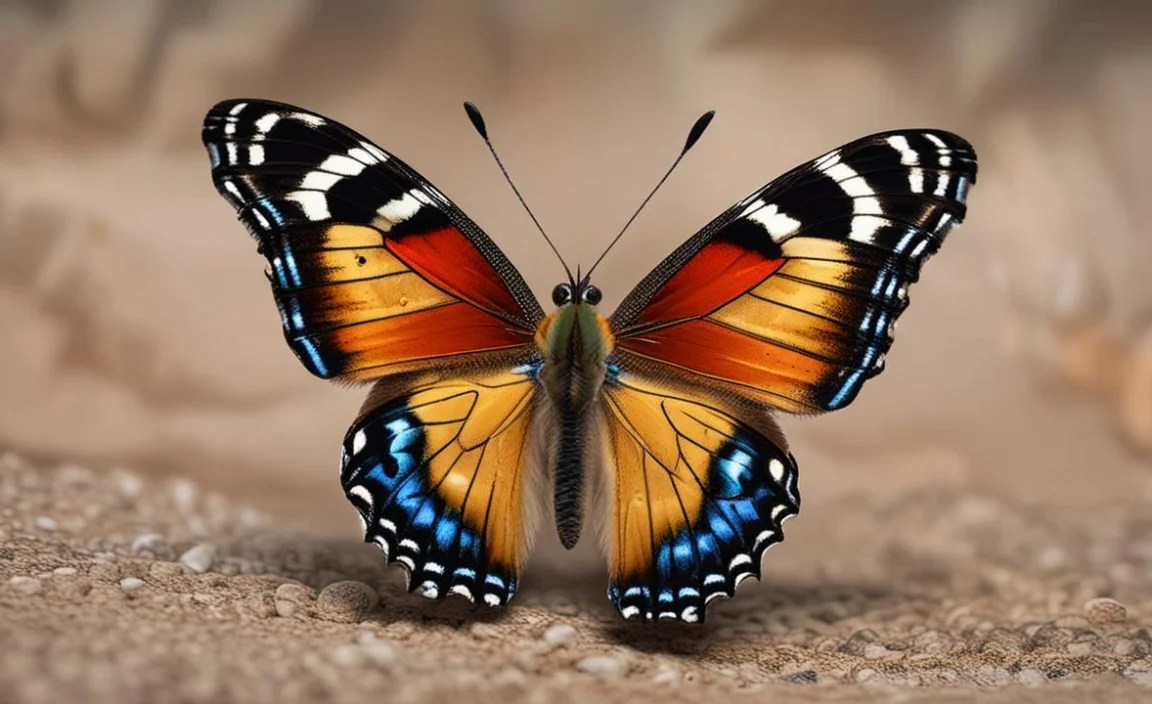
Cryptic coloration is a type of camouflage. It helps animals blend in with their surroundings. For rare butterflies, this is very important. It protects them from hungry birds and other predators. The butterflies’ wings have patterns and colors. These patterns match the leaves, bark, or even bird droppings around them. This makes it hard for predators to see them. Imagine trying to find a green butterfly on a green leaf. It would be very tricky! Some butterflies even have shapes that look like leaves. They might have jagged edges or lines that look like veins. This makes them even harder to spot. This amazing adaptation helps them survive in a dangerous world. They use cryptic coloration every day.
- Camouflage helps butterflies hide.
- Predators have trouble seeing them.
- Wing patterns match the environment.
- Shapes can mimic leaves or bark.
- This increases their survival chances.
Many rare butterflies depend on cryptic coloration. Without it, they would be easily spotted. Birds and other predators would quickly eat them. The evolution of cryptic coloration is fascinating. Over many years, butterflies with better camouflage survived longer. They had more babies. Their babies inherited the camouflage traits. This process continued, making the camouflage even better. Today, we see butterflies with incredibly detailed and effective cryptic coloration. It is a testament to the power of natural selection. Cryptic coloration is truly a remarkable adaptation.
Fun Fact or Stat: Some butterflies can perfectly mimic the appearance of dead leaves, complete with fake holes and spots of decay!
How Butterflies Use Camouflage
Have you ever played hide-and-seek? Butterflies are experts at it. Their camouflage is their superpower. They use it to hide from danger. But how exactly do they do it? It’s all about blending in. The colors and patterns on their wings match their surroundings. Some butterflies live in forests with lots of green leaves. Their wings are green too. Others live near brown tree bark. Their wings are brown and textured. It’s like they have a special outfit for every place they live. This helps them disappear into the background. Predators have a hard time finding them. Cryptic coloration is a very important tool for survival.
Examples of Cryptic Coloration
Think about a butterfly that looks like a leaf. The Indian Leaf Butterfly is a great example. When it closes its wings, it looks just like a dead leaf. It even has lines that look like the veins of a leaf. Another example is the Kallima Inachus. This butterfly also looks like a leaf. These butterflies live in areas with lots of trees and leaves. Their cryptic coloration helps them blend in perfectly. Other butterflies might look like bark or even bird droppings. These disguises help them avoid being eaten. Each type of cryptic coloration is suited to the butterfly’s environment. This helps them survive and thrive.
The Science Behind Camouflage
Scientists study cryptic coloration to learn more about evolution. They want to know how butterflies developed these amazing disguises. It all comes down to genes. Genes are like instructions that tell a butterfly how to grow. Over many years, butterflies with genes for better camouflage survived longer. They had more babies. Their babies inherited those genes. This process is called natural selection. It’s how animals adapt to their environment. Scientists use special tools to study butterfly wings. They look at the colors, patterns, and shapes. This helps them understand how cryptic coloration works. It’s a fascinating area of research.
The Role of Color in Rare Butterflies Cryptic Coloration

Color plays a huge role in cryptic coloration. Different colors help butterflies blend in with different backgrounds. Green is a common color for butterflies that live in forests. Brown and gray are good for blending in with bark. Some butterflies even have multiple colors. This helps them match a variety of backgrounds. The colors are not random. They are carefully chosen by nature. Butterflies with the right colors are more likely to survive. Color is just one part of cryptic coloration. Patterns and shapes are also important. Together, these elements create a perfect disguise. The right colors can mean the difference between life and death for a butterfly.
- Green helps blend with leaves.
- Brown matches tree bark.
- Gray blends with rocks.
- Multiple colors add versatility.
- Color is vital for survival.
The way butterflies get their colors is also interesting. Some colors come from pigments in their wings. Pigments are like natural dyes. Other colors come from the structure of their wings. Tiny scales on the wings can reflect light in different ways. This creates colors that seem to change depending on the angle. This is called structural coloration. Both pigments and structural coloration contribute to cryptic coloration. Scientists are still learning about the details of butterfly coloration. It is a complex and fascinating field. The colors of rare butterflies are truly amazing.
Fun Fact or Stat: Some butterflies use iridescence, a type of structural coloration, to create shimmering, color-changing camouflage!
How Color Helps Butterflies Hide
Imagine a butterfly trying to hide in a garden. If it’s bright blue, it will stand out. But if it’s green or brown, it will blend in. Color helps butterflies match their surroundings. It’s like wearing the right outfit for a party. If you want to blend in, you wear clothes that match the theme. Butterflies do the same thing. They use color to blend in with their environment. This makes it harder for predators to see them. Color is a key part of their camouflage strategy. It’s a simple but effective way to stay safe. Cryptic coloration relies heavily on the right colors.
The Science of Butterfly Colors
Butterfly colors are not just pretty. They are also very complex. Scientists study the pigments and structures that create these colors. They use special tools to analyze butterfly wings. They can see the tiny scales that reflect light. They can also identify the pigments that create different colors. This helps them understand how butterflies create their camouflage. It’s a fascinating area of research. Scientists are always learning new things about butterfly colors. They hope to use this knowledge to create new technologies. Maybe one day we can use butterfly colors to make better camouflage for soldiers or vehicles.
Color Changes in Butterflies
Some butterflies can even change their colors! This is not as common as static colors. But it does happen. Some butterflies can adjust the pigments in their wings. This allows them to change color slightly. This can help them blend in with different backgrounds. Other butterflies change color as they age. Their wings might become darker or lighter. This can also help them adapt to their environment. Color changes are another way that butterflies use cryptic coloration. It’s a clever adaptation that helps them survive. These rare butterflies show that nature is full of surprises.
Patterns and Shapes in Rare Butterflies Cryptic Coloration

Patterns and shapes are just as important as color in cryptic coloration. Imagine a butterfly that is the same color as a leaf. But it has a perfectly round shape. It would still stand out! Butterflies use patterns and shapes to break up their outline. This makes them even harder to see. Some butterflies have jagged edges that look like torn leaves. Others have lines that look like the veins of a leaf. Some even have spots that look like bird droppings. These patterns and shapes help them blend in with their surroundings. They create a visual illusion that fools predators. Cryptic coloration is a combination of color, pattern, and shape.
- Jagged edges mimic torn leaves.
- Lines resemble leaf veins.
- Spots look like bird droppings.
- Patterns break up the outline.
- Shapes add to the disguise.
The evolution of these patterns and shapes is a fascinating story. Over many years, butterflies with better patterns and shapes survived longer. They had more babies. Their babies inherited these traits. This process continued, making the patterns and shapes even more effective. Today, we see butterflies with incredibly detailed and realistic patterns. It’s a testament to the power of natural selection. These patterns and shapes are not just random. They are carefully designed by nature to help butterflies survive. It is an impressive display of cryptic coloration.
Fun Fact or Stat: The patterns on some butterfly wings are so detailed, they can even mimic the texture of bark or the patterns of lichen!
How Patterns Disrupt Outlines
Think about trying to find a butterfly on a tree. If the butterfly has a solid color, it will be easier to see. But if it has a pattern, it will be harder to spot. Patterns break up the butterfly’s outline. This makes it harder for predators to see the butterfly’s shape. It’s like trying to find a puzzle piece in a pile of other pieces. If the puzzle piece is a solid color, it will be easier to find. But if it has a pattern, it will be harder to spot. Butterflies use patterns to confuse predators. This gives them a better chance of survival. Cryptic coloration often involves disruptive patterns.
The Importance of Shape
Shape is another key element of cryptic coloration. A butterfly that looks like a leaf is not just the right color. It also has the right shape. The shape helps it blend in with the leaves around it. Some butterflies even have wings that are shaped like leaves. They might have pointed tips or jagged edges. These shapes help them look even more like leaves. Other butterflies might have wings that are shaped like bark. These shapes help them blend in with the trees around them. Shape is just as important as color and pattern. Together, these elements create a perfect disguise.
Examples of Pattern Mimicry
There are many amazing examples of pattern mimicry in butterflies. Some butterflies have patterns that look like eyes. These eyespots can scare away predators. Other butterflies have patterns that look like other insects. This can also deter predators. Some butterflies have patterns that look like bird droppings. This is a very effective way to avoid being eaten. These are some of the best examples of rare butterflies cryptic coloration. Each pattern is designed to protect the butterfly from danger. These butterflies are masters of disguise. They use patterns to trick predators and survive in the wild.
Environmental Factors Affecting Rare Butterflies Cryptic Coloration

The environment plays a big role in cryptic coloration. Butterflies that live in different environments have different colors and patterns. Butterflies that live in forests are often green or brown. Butterflies that live in deserts are often sandy or beige. The environment shapes the evolution of cryptic coloration. Butterflies that blend in better with their environment are more likely to survive. They are more likely to have babies. Their babies inherit their camouflage traits. Over time, this leads to butterflies that are perfectly adapted to their environment. The environment is a powerful force in shaping cryptic coloration. Understanding the environment is key to understanding how cryptic coloration works.
- Forest butterflies are often green.
- Desert butterflies are sandy.
- Environment shapes coloration.
- Better camouflage means survival.
- Adaptation is key.
Climate change can also affect cryptic coloration. As the environment changes, butterflies may need to adapt. If the climate becomes warmer, butterflies may need to change their colors to reflect more sunlight. If the environment becomes drier, butterflies may need to change their patterns to blend in with the dry landscape. Climate change is a serious threat to butterflies. It can disrupt their camouflage and make them more vulnerable to predators. Protecting the environment is important for protecting butterflies and their amazing adaptations. We must take care of our planet to ensure these species survive.
Fun Fact or Stat: Studies show that pollution can darken butterfly wings, affecting their ability to use cryptic coloration effectively!
Habitat and Camouflage
Imagine a butterfly trying to hide in a rainforest. It would need different camouflage than a butterfly hiding in a desert. The rainforest is full of green leaves and dark shadows. A butterfly in the rainforest would need to be green and have patterns that mimic leaves. The desert is full of sand and rocks. A butterfly in the desert would need to be sandy or beige. The habitat determines the type of camouflage that a butterfly needs. This is why butterflies in different habitats look so different. Their camouflage is perfectly adapted to their environment. Cryptic coloration is all about matching the habitat.
Seasonal Changes and Adaptation
Some butterflies even change their camouflage with the seasons. In the spring, they might be bright green to match the new leaves. In the fall, they might be brown to match the fallen leaves. This seasonal adaptation helps them stay camouflaged year-round. It’s like changing your clothes for different weather. You wear a coat in the winter and shorts in the summer. Butterflies do the same thing with their camouflage. They adapt to the changing seasons to stay safe. This is a clever way to survive in a world that is constantly changing. These rare butterflies cryptic coloration is an amazing example of adaptability.
Human Impact on Butterfly Habitats
Human activities can have a big impact on butterfly habitats. Deforestation, pollution, and climate change can all harm butterflies. When we destroy forests, we destroy the habitat that butterflies need to survive. When we pollute the air and water, we harm the plants and animals that butterflies depend on. Climate change can alter the environment and make it harder for butterflies to survive. It is important to protect butterfly habitats. We can do this by reducing pollution, conserving forests, and addressing climate change. By protecting butterfly habitats, we can help these amazing creatures survive.
Predator-Prey Relationships and Rare Butterflies Cryptic Coloration

Cryptic coloration is all about the relationship between predators and prey. Predators are animals that hunt and eat other animals. Prey are animals that are hunted and eaten. Butterflies are prey for many animals, including birds, lizards, and spiders. Cryptic coloration helps butterflies avoid being eaten by these predators. By blending in with their surroundings, butterflies can become invisible to predators. This gives them a better chance of survival. The relationship between predators and prey is a constant battle. Predators are always trying to find new ways to catch prey. Prey are always trying to find new ways to avoid being caught. Cryptic coloration is one of the many tools that prey use to survive.
- Predators hunt prey.
- Butterflies are prey.
- Camouflage avoids predators.
- Survival depends on it.
- It is a constant battle.
The effectiveness of cryptic coloration depends on the predator’s vision. Some predators have very good eyesight. They can see even the smallest details. Other predators have poor eyesight. They rely on other senses, like smell or hearing. Butterflies must adapt their camouflage to the vision of their predators. Butterflies that are preyed upon by birds often have very detailed and realistic camouflage. Butterflies that are preyed upon by lizards may have simpler camouflage. Understanding the predator’s vision is key to understanding how cryptic coloration works. It is a constant game of cat and mouse.
Fun Fact or Stat: Some birds have UV vision, meaning they can see patterns on butterfly wings that are invisible to humans, influencing the effectiveness of camouflage!
How Predators Find Prey
Predators use a variety of strategies to find prey. Some predators use their eyesight to spot prey from a distance. Other predators use their hearing to listen for prey. Some predators use their sense of smell to track down prey. Predators are always looking for signs of prey. They might look for movement, color, or shape. Cryptic coloration helps prey avoid these signs. By blending in with their surroundings, prey can become invisible to predators. This makes it much harder for predators to find them. The hunt is always on!
The Arms Race of Evolution
The relationship between predators and prey is often described as an arms race. Predators are always evolving new ways to catch prey. Prey are always evolving new ways to avoid being caught. This leads to a constant cycle of adaptation and counter-adaptation. For example, if predators develop better eyesight, prey will evolve better camouflage. If prey develop better camouflage, predators will evolve better hunting strategies. This arms race drives the evolution of both predators and prey. It’s a never-ending battle for survival. Cryptic coloration is a key weapon in this battle.
The Impact of Cryptic Coloration on Ecosystems
Cryptic coloration has a big impact on ecosystems. It helps maintain the balance between predators and prey. If prey were too easy to catch, predators would thrive and prey populations would decline. If prey were too hard to catch, predator populations would decline. Cryptic coloration helps keep both predator and prey populations in check. This is important for the health of the entire ecosystem. Ecosystems are complex and interconnected. Every species plays a role. Cryptic coloration helps butterflies play their role in the ecosystem.
Studying and Conserving Rare Butterflies Cryptic Coloration

Studying cryptic coloration is important for understanding evolution. Scientists use a variety of methods to study cryptic coloration. They might observe butterflies in their natural habitat. They might also conduct experiments in the lab. These studies help us understand how cryptic coloration works. They also help us understand how it evolves. Conserving rare butterflies is also important. Many butterfly species are threatened by habitat loss, pollution, and climate change. By protecting butterfly habitats, we can help these amazing creatures survive. We can also learn more about their amazing adaptations.
- Scientists observe butterflies.
- They conduct lab experiments.
- Studies reveal how it works.
- Conservation is very important.
- Protecting habitats helps.
One way to conserve butterflies is to create butterfly gardens. Butterfly gardens provide food and shelter for butterflies. They also provide a place for butterflies to breed. Butterfly gardens can be created in backyards, parks, or even on rooftops. They are a great way to help butterflies and learn more about them. Planting native plants is especially important. Native plants are plants that are naturally found in the area. They provide the best food and shelter for butterflies. Creating a butterfly garden is a fun and rewarding way to help rare butterflies.
Fun Fact or Stat: Citizen science projects allow anyone to contribute to butterfly research by reporting sightings and helping track population changes!
Research Methods in Cryptic Coloration
Scientists use many different methods to study cryptic coloration. One method is to observe butterflies in their natural habitat. They might watch how butterflies interact with predators. They might also measure the colors and patterns of butterfly wings. Another method is to conduct experiments in the lab. They might create artificial backgrounds and see how well butterflies blend in. They might also study the genes that control cryptic coloration. These studies help us understand how cryptic coloration works. It’s a fascinating area of research.
Conservation Efforts for Rare Butterflies
Many organizations are working to conserve rare butterflies. These organizations protect butterfly habitats. They also educate the public about the importance of butterflies. Some organizations even breed butterflies and release them into the wild. These conservation efforts are helping to protect butterflies from extinction. You can help by supporting these organizations. You can also help by creating a butterfly garden in your backyard. Every little bit helps. Together, we can help these amazing creatures survive.
The Role of Education in Conservation
Education is key to conserving rare butterflies. When people understand the importance of butterflies, they are more likely to protect them. Schools, museums, and nature centers can all play a role in educating the public about butterflies. By teaching people about cryptic coloration, we can inspire them to protect these amazing creatures. Education can also help people make informed decisions about their own actions. For example, people who understand the impact of pesticides on butterflies are less likely to use them. Education is a powerful tool for conservation.
Table: Comparison of Cryptic Coloration in Different Butterfly Species
| Butterfly Species | Habitat | Cryptic Coloration Strategy | Primary Predators |
|---|---|---|---|
| Indian Leaf Butterfly (Kallima paralekta) | Tropical forests | Mimics dead leaves with intricate vein patterns and brown coloration. | Birds, lizards |
| Oak Beauty Moth (Biston strataria) | Woodlands | Blends with tree bark using mottled gray and brown patterns. | Birds |
| Bird Dropping Butterfly (Phyllodes imperialis) | Rainforests | Resembles bird droppings with white and dark brown blotches. | Birds, spiders |
| Comma Butterfly (Polygonia c-album) | Temperate woodlands | Looks like a dead leaf with ragged edges and variable brown shades. | Birds, lizards |
Summary
Rare butterflies use cryptic coloration to survive. This helps them hide from predators. Cryptic coloration involves blending in with the environment. Butterflies use colors, patterns, and shapes to match their surroundings. Some butterflies look like leaves. Others look like bark or bird droppings. The environment plays a big role in cryptic coloration. Butterflies in different habitats have different camouflage. Climate change and habitat loss threaten butterflies. We can help by protecting their habitats. We can also create butterfly gardens.
Conclusion
Cryptic coloration is an amazing adaptation. It helps rare butterflies survive in a dangerous world. By blending in with their surroundings, they can avoid being eaten by predators. This adaptation is a testament to the power of evolution. We can learn a lot from butterflies. By studying their camouflage, we can gain a better understanding of the natural world. It is important to protect these amazing creatures and their habitats. This ensures they continue to amaze us with their survival skills.
Frequently Asked Questions
Question No 1: What is cryptic coloration?
Answer: Cryptic coloration is a type of camouflage. It helps animals blend in with their surroundings. For rare butterflies, this means their colors, patterns, and shapes match the environment. This makes it harder for predators to see them. It’s like wearing the right outfit to a party so you don’t stand out. Butterflies use cryptic coloration to hide from birds, lizards, and other predators. This helps them survive and have babies. Without cryptic coloration, these butterflies would be easily spotted and eaten. Nature is amazing!
Question No 2: How do butterflies get their colors?
Answer: Butterflies get their colors in a few different ways. Some colors come from pigments in their wings. Pigments are like natural dyes that give things color. Other colors come from the structure of their wings. Tiny scales on the wings can reflect light in different ways. This creates colors that seem to change depending on the angle. This is called structural coloration. Both pigments and structural coloration contribute to the amazing colors of butterflies. These colors are very important for cryptic coloration. They help butterflies blend in with their surroundings.
Question No 3: Why is cryptic coloration important for butterflies?
Answer: Cryptic coloration is very important for butterflies because it helps them survive. Butterflies are prey for many animals, including birds, lizards, and spiders. If a butterfly is easily spotted, it is more likely to be eaten. Cryptic coloration helps butterflies avoid being seen by predators. By blending in with their surroundings, they can stay safe and have babies. Without cryptic coloration, many butterfly species would not be able to survive. It is a vital adaptation that helps them thrive in a dangerous world. The rare butterflies cryptic coloration ensures their survival.
Question No 4: What are some examples of butterflies that use cryptic coloration?
Answer: There are many examples of butterflies that use cryptic coloration. One example is the Indian Leaf Butterfly. When it closes its wings, it looks just like a dead leaf. Another example is the Bird Dropping Butterfly. It looks like a bird dropping, which helps it avoid being eaten. Other butterflies look like bark or twigs. These are just a few examples of the amazing ways that butterflies use cryptic coloration to survive. Each butterfly has its own unique camouflage strategy. This helps them blend in with their specific environment. The rare butterflies cryptic coloration is adapted to their surroundings.
Question No 5: How can I help butterflies?
Answer: There are many things you can do to help butterflies. One thing is to create a butterfly garden. Butterfly gardens provide food and shelter for butterflies. You can plant native plants that butterflies like to eat. You can also avoid using pesticides, which can harm butterflies. Another thing you can do is to support organizations that protect butterfly habitats. By taking these steps, you can help butterflies survive and thrive. Even small actions can make a big difference. Remember to respect and protect these beautiful creatures. The rare butterflies cryptic coloration can only protect them so much.
Question No 6: How does climate change affect rare butterflies cryptic coloration?
Answer: Climate change can have a big impact on rare butterflies cryptic coloration. As the climate changes, butterfly habitats can be altered. This can make it harder for butterflies to blend in with their surroundings. For example, if a forest becomes drier, the leaves might turn brown. A green butterfly would then be more visible to predators. Climate change can also affect the plants that butterflies depend on for food. This can weaken butterflies and make them more vulnerable. Addressing climate change is important for protecting butterflies and their amazing camouflage. We must act now to save these species. The future of rare butterflies cryptic coloration depends on it.


