
Rare Butterflies in Alpine Meadows: A Powerful Guide

Have you ever seen a butterfly? They flutter around in gardens. Some butterflies are very rare. These special butterflies live high up in the mountains. They live in places called alpine meadows. These meadows are full of colorful flowers. It is a great place to spot rare butterflies in alpine meadows.
These places are very special. Not many people get to see these butterflies. They are like tiny, flying jewels. What makes them so rare? Let’s find out more about these amazing creatures.
Key Takeaways
- Protecting alpine meadows is important for rare butterfly survival.
- Climate change threatens the habitats of rare butterflies in alpine meadows.
- Many rare butterflies have special colors to help them hide.
- Alpine meadows offer unique food for rare butterfly caterpillars.
- Some rare butterflies only live in very specific alpine areas.
What Makes Alpine Meadows Special?
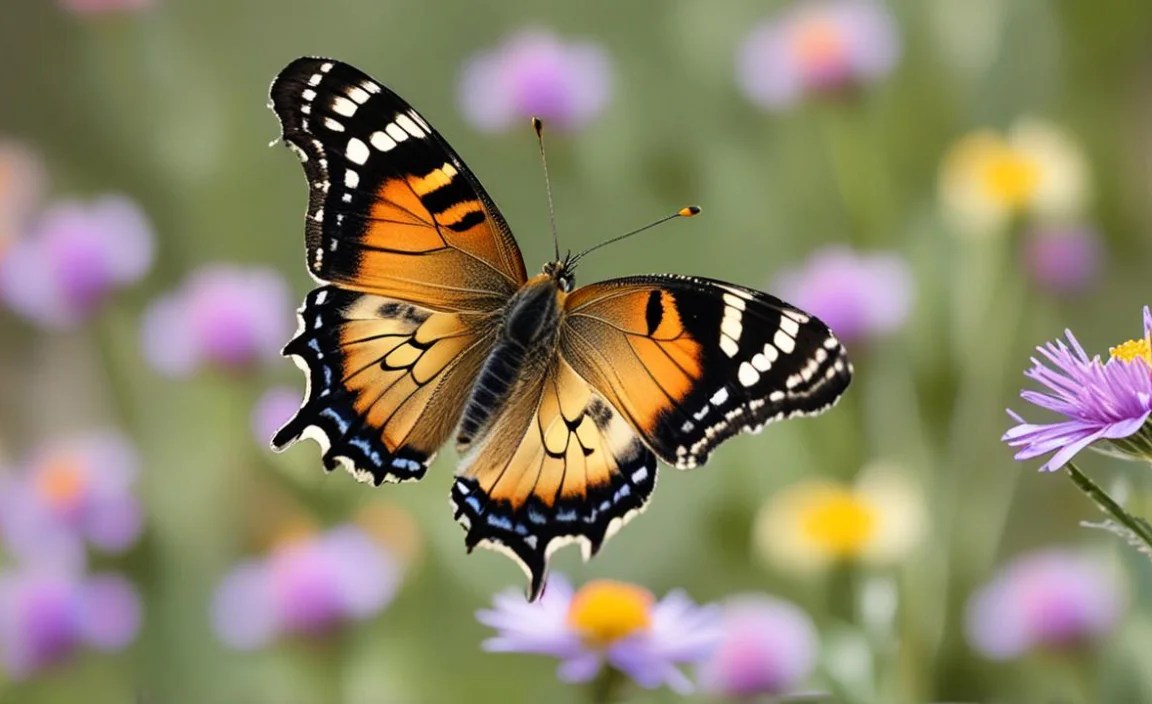
Alpine meadows are like green islands in the sky. They are found high up on mountains. The air is thin and the sun is strong. These meadows are full of short grasses and colorful flowers. They only bloom for a short time in the summer. This makes them a special place for rare butterflies. The plants in alpine meadows have adapted to the harsh weather. They can survive strong winds and cold temperatures. Animals like marmots and pikas also live here. These meadows are a whole world of life. It is a delicate world that needs our care. Rare butterflies in alpine meadows depend on this special environment. Without it, they cannot survive. The flowers provide nectar for the butterflies. The grasses provide food for their caterpillars. Everything is connected in this mountain ecosystem.
- Alpine meadows have short growing seasons.
- The weather in alpine meadows can be very harsh.
- Many special plants grow in alpine meadows.
- Animals like marmots live in alpine meadows.
- Alpine meadows are important for water sources.
Imagine you are a tiny butterfly. You need a safe place to lay your eggs. You need flowers that give you sweet nectar. Alpine meadows are perfect for this. The unique plants and climate create a home just right for these rare butterflies. People who study butterflies work hard to protect these meadows. They want to make sure these beautiful creatures have a home for many years to come. We can all help by learning about these special places. We can also support groups that protect them. Rare butterflies in alpine meadows thank you.
Fun Fact or Stat: Some alpine meadows are only ice-free for about 60 days each year!
Why are Alpine Plants Important?
Have you ever wondered how plants survive on mountaintops? Alpine plants are tough. They have special ways to live in cold, windy places. Some plants are very short. This helps them avoid strong winds. Other plants have fuzzy leaves. This keeps them warm. These plants are also important for rare butterflies. Butterfly caterpillars eat these plants. Adult butterflies drink nectar from their flowers. Without these plants, the butterflies could not live in alpine meadows. It’s a perfect partnership. The plants give food and shelter. The butterflies help pollinate the plants. Everything in nature is connected.
What Animals Live in Alpine Meadows?
Alpine meadows are not just for plants and butterflies. Many other animals call these meadows home. Marmots are furry animals that dig burrows. Pikas are small and look like rabbits. Birds like eagles and hawks fly overhead. These animals all depend on the alpine meadow for food and shelter. They are all part of the ecosystem. The animals help keep the meadow healthy. For example, marmots dig tunnels that help water drain. Birds eat insects that could harm the plants. Just like the plants and butterflies, the animals are all connected.
How Do Humans Impact Alpine Meadows?
People can have a big impact on alpine meadows. Sometimes people hike or bike in these areas. This can damage the plants. Pollution from cars can also harm the meadows. Climate change is another big problem. As the earth gets warmer, the snow melts earlier. This can change the growing season for plants. It can also make it harder for rare butterflies to survive. It’s important for people to be careful when visiting alpine meadows. We can all help protect these special places. By being mindful of our actions, we can ensure these habitats thrive.
The Colors of Rare Alpine Butterflies

Rare butterflies in alpine meadows are often very colorful. Their colors help them in different ways. Some butterflies have bright colors to attract mates. Other butterflies have dull colors to help them hide from predators. The colors can also help them stay warm. Darker colors absorb more heat from the sun. This is important in cold alpine meadows. Some butterflies even have patterns that look like eyes. These eye spots can scare away predators. The colors and patterns of these butterflies are amazing. They are perfectly adapted to their environment. Each color plays a role in their survival. This makes them truly special creatures.
- Bright colors attract mates.
- Dull colors help butterflies hide.
- Dark colors help butterflies stay warm.
- Eye spots scare away predators.
- Colors help butterflies blend in with flowers.
- Patterns can confuse predators.
Imagine a butterfly with wings that look like the flowers around it. This butterfly is very good at hiding. Predators like birds will have a hard time finding it. This is how rare butterflies survive in alpine meadows. Their colors and patterns are a form of camouflage. They blend in with their surroundings. This helps them stay safe. It is amazing how nature has created these perfect adaptations. The rare butterflies in alpine meadows are a testament to the power of evolution. They have evolved to thrive in a challenging environment.
Fun Fact or Stat: Some butterflies can see colors that humans cannot!
What is Camouflage?
Have you ever played hide-and-seek? Camouflage is like nature’s hide-and-seek. It helps animals blend in with their surroundings. This makes it harder for predators to see them. It also helps them sneak up on prey. Butterflies use camouflage to hide from birds. Some butterflies look like leaves. Others look like bark. This helps them stay safe in alpine meadows. Camouflage is an amazing adaptation. It helps animals survive in their environment. It shows how nature is always finding ways to help creatures thrive. What other animals use camouflage?
Why are Eye Spots Important?
Eye spots are like fake eyes on a butterfly’s wings. They can scare away predators. When a bird sees the eye spots, it might think the butterfly is a bigger animal. This can give the butterfly time to escape. Eye spots are a clever way for butterflies to protect themselves. They are a type of defense mechanism. Many different types of butterflies have eye spots. They are a common feature in the butterfly world. Next time you see a butterfly, look for eye spots. You might be surprised at what you find. How else do butterflies defend themselves?
How Do Colors Help with Temperature?
Colors can also help butterflies stay warm. Dark colors absorb more heat from the sun. This is important in cold alpine meadows. Butterflies with dark wings can warm up faster. This allows them to fly and find food. Light colors reflect sunlight. This can help butterflies stay cool in hot weather. Some butterflies have both dark and light colors. This helps them regulate their temperature. It’s like having a built-in heating and cooling system. Colors are very important for rare butterflies in alpine meadows. They help them survive in a challenging environment. What other ways do animals stay warm or cool?
The Life Cycle of Alpine Butterflies

The life cycle of rare butterflies in alpine meadows is amazing. It starts with an egg. The egg hatches into a caterpillar. The caterpillar eats and grows. Then, it turns into a pupa, also called a chrysalis. Inside the pupa, the butterfly changes. Finally, a beautiful butterfly emerges. This whole process takes time. It can take several weeks or even months. The life cycle of a butterfly is a reminder of how nature transforms. It shows the beauty of change and growth. Each stage is important for the butterfly’s survival. The rare butterflies in alpine meadows depend on each stage to thrive.
- Butterflies start as eggs.
- Caterpillars eat and grow.
- Pupa is a resting stage.
- Butterflies emerge from pupa.
- The life cycle takes time.
Imagine being a tiny egg on a leaf. You wait patiently for the right time to hatch. Then, you become a caterpillar. You eat and eat and eat. You grow bigger and bigger. Soon, you are ready to transform. You turn into a pupa. You wait inside, changing. Finally, you emerge as a beautiful butterfly. You spread your wings and fly. This is the amazing life cycle of rare butterflies in alpine meadows. It is a journey of transformation and growth. Each stage is important for the butterfly’s survival. It’s a miracle of nature.
Fun Fact or Stat: Some butterfly caterpillars can eat up to 20 times their weight in a single day!
What Do Caterpillars Eat?
Caterpillars are like tiny eating machines. They eat leaves to grow big and strong. Different caterpillars eat different types of leaves. Some caterpillars only eat one type of plant. This is called being a specialist. Other caterpillars eat many different types of plants. This is called being a generalist. The caterpillars of rare butterflies in alpine meadows often eat specific alpine plants. These plants provide the nutrients they need to grow. Without these plants, the caterpillars could not survive. What other animals have special diets?
How Long Does the Life Cycle Take?
The life cycle of a butterfly can take different amounts of time. It depends on the type of butterfly and the weather. Some butterflies complete their life cycle in a few weeks. Others take months or even years. The rare butterflies in alpine meadows often have a longer life cycle. This is because the growing season in the mountains is short. They need more time to grow and develop. The length of the life cycle is important for the butterfly’s survival. It needs enough time to complete each stage. How does weather affect the life cycle?
What Happens Inside the Pupa?
The pupa is a time of great change. Inside the pupa, the caterpillar transforms into a butterfly. This process is called metamorphosis. The caterpillar’s body breaks down and rebuilds. New structures like wings and antennae form. It’s like a magical transformation. The pupa protects the butterfly while it changes. It provides a safe place for the butterfly to develop. When the butterfly is ready, it emerges from the pupa. It is a brand new creature. What other animals go through metamorphosis?
Threats to Rare Butterflies and Meadows

Rare butterflies in alpine meadows face many threats. Climate change is a big problem. As the earth warms, the snow melts earlier. This changes the growing season for plants. It can also make it harder for butterflies to find food. Habitat loss is another threat. People build roads and houses in alpine meadows. This destroys the butterfly’s home. Pollution from cars and factories can also harm the butterflies. These threats are serious. They can cause butterfly populations to decline. It’s important to protect rare butterflies in alpine meadows. We need to take action to reduce these threats.
- Climate change is a major threat.
- Habitat loss destroys butterfly homes.
- Pollution harms butterflies and plants.
- Overgrazing damages alpine meadows.
- Invasive species compete with native plants.
Imagine a beautiful alpine meadow. Now imagine it slowly disappearing. This is what is happening to many alpine meadows around the world. Climate change is causing the snow to melt earlier. This changes the plants that grow there. Habitat loss is destroying the butterfly’s homes. Pollution is poisoning the air and water. These threats are serious. They can cause rare butterflies to disappear forever. We need to take action to protect these special places. We need to reduce pollution, protect habitats, and fight climate change. The rare butterflies in alpine meadows depend on it.
Fun Fact or Stat: Some butterfly populations have declined by over 50% in the last few decades!
How Does Climate Change Affect Butterflies?
Climate change is a big problem for butterflies. As the earth warms, the weather changes. This can affect the plants that butterflies need for food. It can also change the timing of their life cycle. For example, butterflies might emerge too early in the spring. This means they might not have food to eat. Climate change can also cause more extreme weather events. This can damage butterfly habitats. It’s important to reduce our carbon footprint. This can help slow down climate change and protect butterflies. What can you do to help fight climate change?
What is Habitat Loss?
Habitat loss is when an animal’s home is destroyed. This can happen when people build roads, houses, or farms. When a habitat is lost, animals have nowhere to live. They might not be able to find food or shelter. This can cause them to die. Habitat loss is a major threat to rare butterflies in alpine meadows. When people build in these areas, they destroy the butterfly’s home. It’s important to protect habitats. This can help animals survive. How can we protect animal habitats?
How Does Pollution Harm Butterflies?
Pollution can harm butterflies in many ways. Air pollution can damage their wings. This makes it harder for them to fly. Water pollution can poison their food and water sources. Pesticides are chemicals that are used to kill insects. These chemicals can also harm butterflies. Pollution can also damage the plants that butterflies need for food. It’s important to reduce pollution. This can help protect butterflies and other animals. What are some ways to reduce pollution?
Protecting Alpine Meadows for Butterflies
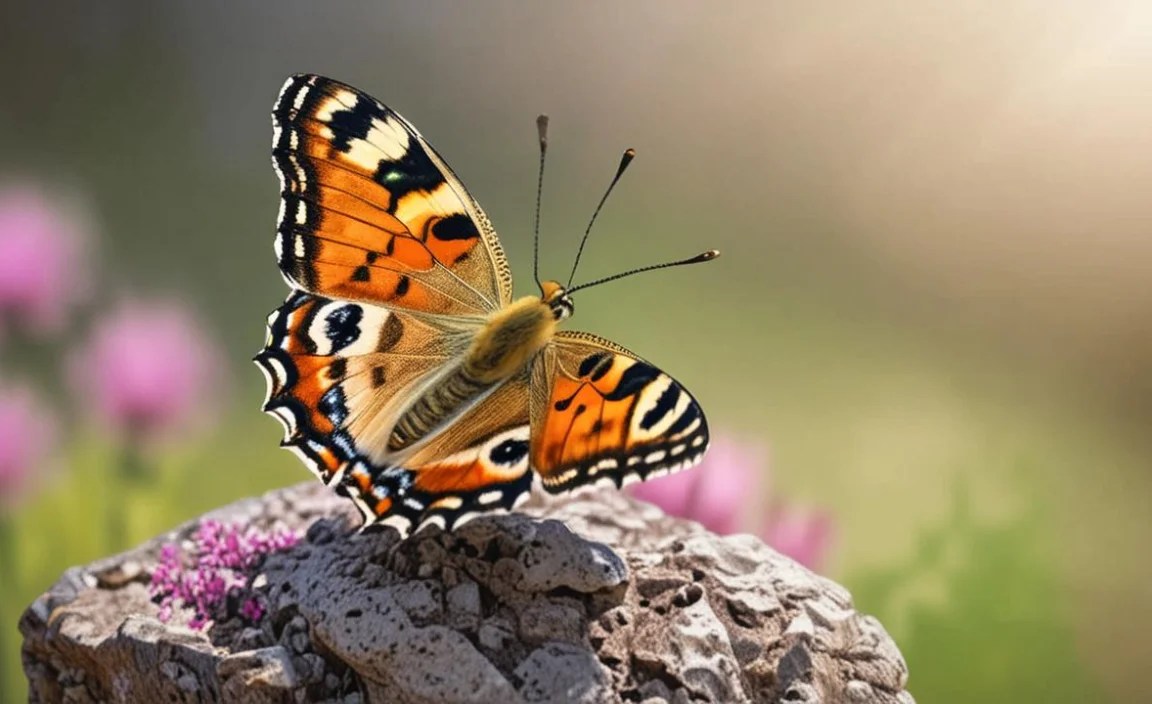
Protecting alpine meadows is important for rare butterfly survival. There are many things we can do to help. We can reduce pollution by driving less and using less energy. We can protect habitats by supporting conservation groups. We can also educate others about the importance of alpine meadows. By working together, we can make a difference. We can help ensure that rare butterflies in alpine meadows have a home for many years to come. It is our responsibility to protect these special places. The future of these butterflies depends on it.
- Reduce pollution to protect butterflies.
- Support conservation groups.
- Educate others about alpine meadows.
- Create butterfly gardens.
- Reduce your carbon footprint.
- Advocate for stronger environmental laws.
Imagine a world where rare butterflies in alpine meadows thrive. This is possible if we take action to protect their homes. We can reduce pollution by using less plastic and driving less. We can support conservation groups that work to protect alpine meadows. We can educate our friends and family about the importance of these special places. By working together, we can create a brighter future for rare butterflies in alpine meadows. It is up to us to make a difference. Let’s protect these beautiful creatures and their homes.
Fun Fact or Stat: Every year, new butterfly species are discovered!
What Can You Do to Help?
You can do many things to help protect rare butterflies in alpine meadows. You can reduce pollution by recycling and using less plastic. You can plant a butterfly garden in your backyard. This will provide food and shelter for butterflies. You can also support conservation groups that work to protect alpine meadows. Educate your friends and family about the importance of these special places. Every little bit helps. Together, we can make a difference. What small changes can you make in your life to help butterflies?
Why is Education Important?
Education is key to protecting rare butterflies in alpine meadows. When people understand the importance of these special places, they are more likely to take action to protect them. Education can help people understand the threats that butterflies face. It can also inspire them to make changes in their lives. Share what you have learned about rare butterflies in alpine meadows with your friends and family. Encourage them to learn more. Together, we can raise awareness and protect these amazing creatures. How can you educate others about butterflies?
What are Conservation Groups?
Conservation groups are organizations that work to protect the environment. They work to protect habitats, reduce pollution, and educate people about the importance of conservation. Many conservation groups focus on protecting alpine meadows and the rare butterflies that live there. You can support these groups by donating money or volunteering your time. By supporting conservation groups, you can help protect rare butterflies in alpine meadows. What are some conservation groups that you can support?
Where to See Rare Alpine Butterflies
Seeing rare butterflies in alpine meadows can be an amazing experience. But it’s important to be respectful of their habitat. You should stay on trails to avoid damaging plants. You should also avoid disturbing the butterflies. Do not try to catch them or get too close. Bring binoculars to get a good look. Remember to pack out all your trash. Leave the alpine meadow as you found it. This will help protect these special places for future generations. Enjoy the beauty of nature and the magic of rare butterflies in alpine meadows.
| Location | Best Time to Visit | Butterflies to See |
|---|---|---|
| Rocky Mountain National Park, USA | July-August | Clodius Parnassian |
| Swiss Alps, Switzerland | June-July | Apollo Butterfly |
| Pyrenees Mountains, France/Spain | July-August | Gavarnie Blue |
| Carpathian Mountains, Romania | June-July | Large Blue |
- Stay on trails to protect plants.
- Avoid disturbing butterflies.
- Bring binoculars for a better view.
- Pack out all your trash.
- Respect the environment.
Imagine hiking through a beautiful alpine meadow. The sun is shining, and the air is fresh. You see a flash of color. It’s a rare butterfly fluttering among the flowers. You watch it as it sips nectar and dances in the breeze. This is the magic of alpine meadows. It is a place where you can connect with nature and see amazing creatures. If you are lucky enough to visit an alpine meadow, remember to be respectful. Protect the plants and animals that live there. Leave no trace of your visit. This will help ensure that these special places are preserved for future generations.
Fun Fact or Stat: Some butterflies migrate thousands of miles each year!
What Should You Bring on a Butterfly Hike?
If you are planning a butterfly hike, there are a few things you should bring. First, bring water to stay hydrated. Second, bring sunscreen to protect your skin from the sun. Third, bring a hat to keep the sun out of your eyes. Fourth, bring binoculars to get a better view of the butterflies. Fifth, bring a camera to take pictures. Sixth, bring a field guide to help you identify the butterflies. Finally, bring a sense of adventure. Are you ready to explore?
How Can You Identify Butterflies?
Identifying butterflies can be a fun and rewarding hobby. There are many different types of butterflies. Each type has its own unique markings and colors. You can use a field guide to help you identify butterflies. Look at the butterfly’s wings, body, and antennae. Pay attention to the colors and patterns. Note the size and shape of the butterfly. With practice, you will become a butterfly expert. What are some common butterflies in your area?
What is Butterfly Etiquette?
When you are watching butterflies, it’s important to be respectful. Do not try to catch them or get too close. Stay on trails to avoid damaging plants. Do not disturb the butterflies or their habitat. Pack out all your trash. Leave the area as you found it. This will help protect these special places for future generations. Remember, we are guests in the butterfly’s home. Let’s treat it with respect. What other ways can we be respectful of nature?
The Future of Alpine Butterfly Research
Alpine butterfly research is very important. Scientists study these butterflies to learn about their behavior and ecology. They also study the threats that they face. This research can help us protect rare butterflies in alpine meadows. Scientists use different tools and techniques. They track butterflies, collect data, and analyze their findings. This research helps us understand the needs of these butterflies. It also helps us develop strategies to protect them. The future of alpine butterfly research is bright. New technologies are helping scientists learn even more about these amazing creatures.
- Scientists track butterfly movements.
- Researchers collect data on butterfly populations.
- Genetic studies help understand butterfly evolution.
- Climate models predict impacts on butterfly habitats.
- Citizen science projects engage the public.
Imagine a team of scientists working hard to protect rare butterflies in alpine meadows. They are using the latest technology to track the butterflies. They are collecting data on their populations. They are studying their behavior and ecology. This research is helping us understand the needs of these butterflies. It is also helping us develop strategies to protect them. The future of alpine butterfly research is bright. With continued research and conservation efforts, we can help ensure that these amazing creatures thrive for many years to come. Science can help save them.
Fun Fact or Stat: Butterflies use their feet to taste!
What Tools Do Scientists Use?
Scientists use many different tools to study butterflies. They use nets to catch butterflies. They use tags to track their movements. They use cameras to take pictures and videos. They use microscopes to study their anatomy. They use computers to analyze data. These tools help scientists learn more about butterflies. They help them understand their behavior, ecology, and genetics. What other tools do scientists use to study animals?
Why is Long-Term Monitoring Important?
Long-term monitoring is important for understanding butterfly populations. It allows scientists to track changes over time. This can help them identify threats to butterflies. It can also help them assess the effectiveness of conservation efforts. By monitoring butterfly populations over the long term, scientists can get a better understanding of their needs. This can help them develop strategies to protect them. How does long-term data help scientists?
How Can Citizens Help with Research?
Citizens can play an important role in butterfly research. There are many citizen science projects that involve butterflies. Citizens can help scientists collect data on butterfly populations. They can also help track butterfly movements. By participating in citizen science projects, you can contribute to our understanding of butterflies. You can also help protect these amazing creatures. How can you get involved in citizen science?
Summary
Rare butterflies in alpine meadows are special creatures. They live in a unique environment high in the mountains. These butterflies have adapted to the harsh conditions of alpine meadows. They have bright colors, special diets, and amazing life cycles. However, they face many threats. Climate change, habitat loss, and pollution are all harming these butterflies. It is important to protect alpine meadows and the butterflies that live there. We can reduce pollution, protect habitats, and educate others about these special places. By working together, we can ensure that rare butterflies in alpine meadows have a home for many years to come. They are an important part of our world.
Conclusion
Rare butterflies in alpine meadows are a treasure. They are beautiful, unique, and important. They face many challenges, but we can help. By learning about these butterflies and their habitats, we can take action to protect them. Every effort counts, from reducing pollution to supporting conservation groups. Let’s work together to ensure that rare butterflies in alpine meadows continue to flutter in the mountains for generations to come. They depend on us.
Frequently Asked Questions
Question No 1: What makes a butterfly “rare”?
Answer: A butterfly is considered rare for a few reasons. It might only live in a very small area. It could be that its habitat is disappearing. Sometimes, only a few of that type of butterfly are left. This makes them special and in need of protection. Rare butterflies in alpine meadows are often found in specific locations. These locations are sensitive to changes in the environment. Protecting them is very important.
Question No 2: Why are alpine meadows important for butterflies?
Answer: Alpine meadows are like a perfect home for some butterflies. These meadows have special plants that the butterflies need to survive. The caterpillars eat these plants, and the adult butterflies drink nectar from their flowers. The climate in alpine meadows is also just right for these butterflies. It’s a special combination that helps them thrive. Rare butterflies in alpine meadows depend on this environment for their survival.
Question No 3: How does climate change affect rare butterflies?
Answer: Climate change is a big problem for rare butterflies. As the earth gets warmer, the snow melts earlier in the mountains. This changes the plants that grow in alpine meadows. It can also make it harder for butterflies to find food and shelter. Extreme weather events can also damage butterfly habitats. Rare butterflies in alpine meadows are particularly vulnerable to these changes. They are adapted to a specific climate. Changes in climate can disrupt their life cycle.
Question No 4: What can I do to help protect rare butterflies?
Answer: There are many things you can do to help. You can reduce pollution by recycling and using less energy. You can support conservation groups that work to protect alpine meadows. You can also educate your friends and family about the importance of these special places. Even small actions can make a big difference. Protecting rare butterflies in alpine meadows requires a community effort. Every little bit helps.
Question No 5: Are there specific places where I can see rare butterflies?
Answer: Yes, there are specific places where you can see rare butterflies. National parks and nature reserves in mountainous areas are often good places to look. Some popular spots include the Rocky Mountains, the Swiss Alps, and the Pyrenees Mountains. When visiting these areas, remember to be respectful of the environment. Stay on trails and avoid disturbing the butterflies. Rare butterflies in alpine meadows can be observed in their natural habitat. This experience can be very rewarding.
Question No 6: What is the role of research in protecting rare butterflies in alpine meadows?
Answer: Research is vital for protecting rare butterflies in alpine meadows. Scientists study these butterflies to understand their behavior, ecology, and the threats they face. This information helps us develop effective conservation strategies. Research can also help us monitor butterfly populations and assess the impact of climate change. By understanding the needs of rare butterflies in alpine meadows, we can better protect them and their habitats. Research is a key component of conservation efforts.


