
Rare Butterflies Field Photography: Ultimate Guide

Did you know some butterflies are super rare? People love to take pictures of them. This is called rare butterflies field photography. It’s like a treasure hunt with a camera. Imagine finding a butterfly no one else has seen in years. You can capture its beauty forever.
Have you ever tried to take a photo of a butterfly? They move so fast! It takes patience and skill. Rare butterflies field photography is even harder. These butterflies are hard to find. But the reward is worth the effort.
Taking pictures of rare butterflies helps us learn about them. We can share these photos with others. This can help protect these amazing creatures. Are you ready to learn more about rare butterflies field photography? Let’s explore this exciting hobby!
Key Takeaways
- Rare butterflies field photography captures images of endangered species in their habitats.
- Understanding butterfly behavior helps you find and photograph these rare insects.
- Use a macro lens and fast shutter speed for sharp, detailed butterfly photos.
- Ethical photography ensures you don’t harm butterflies or their environment.
- Patience and persistence are key to successful rare butterflies field photography.
Understanding Rare Butterfly Habitats
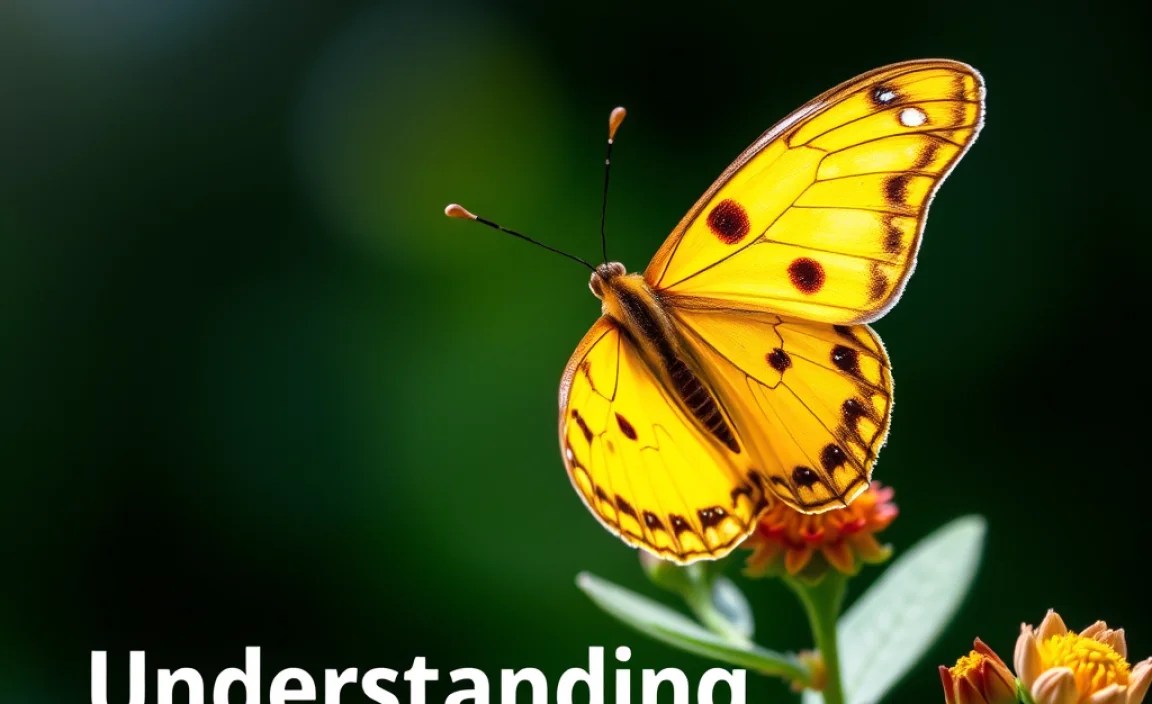
To find rare butterflies, you must know where they live. These special insects often live in specific places. These places are called habitats. Habitats can be forests, meadows, or even swamps. Each butterfly has its favorite habitat. Knowing this helps with rare butterflies field photography. You can focus your search in the right areas. Research the butterflies you want to photograph. Learn about their food, plants, and breeding grounds. Butterflies need specific plants to survive. If you find these plants, you might find the butterflies too. Also, check the weather. Butterflies like warm and sunny days. They are less active when it’s cold or rainy. Bring a map and a compass. It helps you navigate in the wild. Be respectful of the environment. Don’t disturb the plants or animals. This helps protect the butterflies and their homes.
- Learn about local butterfly habitats.
- Research the food plants butterflies need.
- Check the weather before going out.
- Bring a map and compass for navigation.
- Respect the environment and wildlife.
Imagine you are a detective looking for clues. The habitat is your crime scene. Every plant, every flower, and every puddle of water could hold a clue. The more you know about the habitat, the better your chances of finding rare butterflies. Talk to local experts. They can give you valuable information. Visit local nature centers or butterfly gardens. These places can teach you about the local butterfly species. They might even know where to find rare ones. Remember, rare butterflies field photography is not just about taking pictures. It’s about understanding and appreciating nature. It’s about protecting these amazing creatures and their homes.
Why is Habitat Knowledge Important?
Why is knowing about habitats so important? Well, imagine trying to find a specific toy in a giant toy store. It would be hard, right? But if you knew the toy was in the dinosaur section, it would be much easier. It is the same with butterflies. If you know a certain rare butterfly likes to live near oak trees, you will look near oak trees. You will not waste time searching in a field of grass. This saves you time and energy. It also increases your chances of finding the butterfly. Habitat knowledge also helps you protect butterflies. If you know their habitat is being destroyed, you can do something about it. You can tell people about it. You can help protect the area. That is why understanding habitats is so important for rare butterflies field photography.
How Can You Learn About Habitats?
So, how can you learn about butterfly habitats? There are many ways to learn. You can read books about butterflies. You can search the internet for information. You can talk to experts. Local nature centers are great resources. They often have experts who know a lot about butterflies. You can also go on guided tours. These tours will take you to butterfly habitats. The guides will teach you about the butterflies and their homes. Another great way to learn is by observing. Spend time in nature. Watch the butterflies. See where they go. See what they eat. The more you observe, the more you will learn. Learning about habitats is a fun and rewarding part of rare butterflies field photography.
What Tools Help in Habitat Research?
What tools can help you research butterfly habitats? First, a good field guide is essential. A field guide has pictures and information about different butterfly species. It also tells you where they live. A map is also very helpful. A map can show you the different habitats in an area. A compass can help you navigate. Binoculars are great for spotting butterflies from a distance. A notebook and pen are useful for taking notes. You can write down what you see and where you see it. A camera, of course, is important for taking pictures. But remember, the best tool is your own curiosity. Be curious. Ask questions. Explore. The more curious you are, the more you will discover about rare butterflies field photography.
Fun Fact or Stat: Some butterfly habitats are so specific that they only exist in a few acres of land!
Essential Camera Gear for Butterfly Photos

Having the right camera gear can make a big difference. Good gear helps you capture stunning photos of butterflies. For rare butterflies field photography, a macro lens is a must. A macro lens lets you take close-up pictures. You can see all the details of the butterfly’s wings. A fast shutter speed is also important. Butterflies move quickly. A fast shutter speed freezes their motion. This prevents blurry photos. A tripod can help you keep your camera steady. This is especially useful when using a macro lens. An external flash can provide extra light. This is helpful when the light is low. A camera bag is important for carrying your gear. Choose a bag that is comfortable and protects your equipment. Remember, the best gear is the gear you know how to use well. Practice with your equipment before going out into the field.
- Use a macro lens for close-up details.
- Set a fast shutter speed to freeze motion.
- Use a tripod for steady shots.
- Consider an external flash for extra light.
- Carry your gear in a comfortable camera bag.
Think of your camera gear as your tools for creating art. Each tool has a specific purpose. A macro lens is like a paintbrush that lets you paint tiny details. A fast shutter speed is like a sculptor’s chisel. It freezes the butterfly in time. A tripod is like an easel that keeps your canvas steady. An external flash is like a spotlight that illuminates your subject. When you understand how to use each tool, you can create amazing works of art. But remember, the best camera gear in the world won’t help you if you don’t have patience and a good eye. Rare butterflies field photography requires both skill and artistry.
What is a Macro Lens?
What exactly is a macro lens? A macro lens is a special type of lens. It lets you take pictures of things that are very close. It can focus on tiny objects. This is perfect for photographing butterflies. You can see all the details of their wings. You can see their antennae. You can even see their eyes. Macro lenses have a high magnification ratio. This means they make small objects look much bigger. Some macro lenses can magnify objects to life size. Others can magnify them even more. When choosing a macro lens, look for one with good sharpness. You want your photos to be clear and detailed. A macro lens is an essential tool for rare butterflies field photography.
Why is Shutter Speed Important?
Why is shutter speed so important for butterfly photography? Shutter speed is the amount of time the camera’s shutter is open. It lets light into the camera. A fast shutter speed means the shutter is open for a very short time. This is important because butterflies move quickly. If the shutter is open for too long, the butterfly will move during the exposure. This will result in a blurry photo. A fast shutter speed freezes the butterfly’s motion. It captures a sharp image. Aim for a shutter speed of at least 1/250th of a second. Faster speeds are even better. Practice using different shutter speeds. See what works best for you. Mastering shutter speed is key to successful rare butterflies field photography.
How Does a Tripod Help?
How does a tripod help with butterfly photography? A tripod is a three-legged stand for your camera. It keeps your camera steady. This is especially important when using a macro lens. Macro lenses magnify even the smallest movements. This can cause blurry photos. A tripod eliminates camera shake. It allows you to take sharp, detailed images. A tripod also helps you compose your shots. You can take your time to frame the butterfly perfectly. Choose a lightweight and sturdy tripod. Look for one that is easy to carry. A tripod is a valuable tool for rare butterflies field photography.
Fun Fact or Stat: Some macro lenses can cost more than the camera itself!
Techniques for Capturing Sharp Images

Taking sharp photos of butterflies can be tricky. They are small and move quickly. But with the right techniques, you can get great results. Focus carefully on the butterfly. Use your camera’s autofocus or manual focus. Pay attention to the butterfly’s eyes. The eyes should be sharp and clear. Use a narrow aperture for greater depth of field. This means more of the butterfly will be in focus. Keep your camera steady. Use a tripod or brace yourself against a tree. Wait for the butterfly to stop moving. Butterflies often pause for a few seconds. This is your chance to take a sharp photo. Take lots of pictures. The more you shoot, the better your chances of getting a good one. Edit your photos carefully. Sharpen the images in post-processing. This can enhance the details. Remember, practice makes perfect. The more you practice, the better you will become at rare butterflies field photography.
- Focus carefully on the butterfly’s eyes.
- Use a narrow aperture for depth of field.
- Keep your camera steady with a tripod.
- Wait for the butterfly to stop moving.
- Take many photos to increase your chances.
Imagine you are a sniper aiming at a target. You need to be steady and precise. You need to focus carefully on your target. You need to wait for the right moment. Butterfly photography is similar. You need to be patient and precise. You need to focus carefully on the butterfly. You need to wait for the butterfly to stop moving. The more patient you are, the better your chances of getting a sharp photo. Don’t get discouraged if you don’t get it right away. Keep practicing. Keep learning. The rewards of rare butterflies field photography are worth the effort. Seeing a sharp, detailed photo of a rare butterfly is an amazing feeling.
How to Use Autofocus Effectively?
How can you use autofocus effectively for butterfly photography? First, select the right autofocus mode. Single-point autofocus is often the best choice. This allows you to focus on a specific point on the butterfly. Place the focus point on the butterfly’s eye. The eye is the most important part of the image. Make sure the focus point is small enough. You don’t want it to focus on the background. Use back-button focus. This separates focusing from the shutter button. This allows you to focus and recompose your shot. Practice using autofocus in different situations. Learn how your camera’s autofocus system works. Mastering autofocus is essential for rare butterflies field photography.
What is Depth of Field?
What is depth of field? Depth of field is the area in your photo that is in focus. A narrow depth of field means only a small area is in focus. A wide depth of field means a large area is in focus. For butterfly photography, a narrow depth of field can be useful. It can isolate the butterfly from the background. However, it can also make it difficult to get the entire butterfly in focus. A wider depth of field can help you get more of the butterfly in focus. But it can also make the background more distracting. Experiment with different apertures. See what works best for you. Understanding depth of field is important for rare butterflies field photography.
Why is Editing Important?
Why is editing important for butterfly photography? Editing allows you to enhance your photos. You can adjust the brightness, contrast, and colors. You can also sharpen the image. This can bring out the details of the butterfly. Editing can also help you remove distractions. You can crop out unwanted elements. You can also clone out blemishes. There are many different editing software programs available. Some are free, and some cost money. Experiment with different programs. Find one that you like. Remember, editing should enhance your photos, not change them completely. The goal is to make the butterfly look its best. Editing is a valuable tool for rare butterflies field photography.
Fun Fact or Stat: Professional photographers often spend hours editing a single photo!
Ethical Practices in Butterfly Photography

Ethical photography is very important. It means taking pictures without harming the butterflies. Never touch a butterfly’s wings. They are very delicate. Touching them can damage them. Do not disturb their habitat. Stay on trails and avoid trampling plants. Do not use flash photography at night. It can disorient the butterflies. Be respectful of other photographers and nature lovers. Share your knowledge and experiences with others. Encourage responsible butterfly photography. Support conservation efforts to protect butterflies and their habitats. Remember, rare butterflies field photography is a privilege. It comes with responsibility. We must protect these amazing creatures for future generations.
- Never touch a butterfly’s wings.
- Do not disturb their habitat.
- Avoid flash photography at night.
- Respect other photographers and nature lovers.
- Support butterfly conservation efforts.
Imagine you are a guest in someone’s home. You would be polite and respectful. You would not break anything or make a mess. The same is true when you are photographing butterflies. You are a guest in their home. You should be polite and respectful. You should not harm them or their habitat. By following ethical practices, you can help protect butterflies. You can also ensure that future generations can enjoy them. Rare butterflies field photography is a wonderful hobby. But it is important to do it responsibly.
Why is Touching Butterflies Harmful?
Why is it harmful to touch a butterfly’s wings? Butterfly wings are covered in tiny scales. These scales give the wings their color and pattern. They also help the butterfly fly. When you touch a butterfly’s wings, you can rub off these scales. This can damage the wings. It can make it difficult for the butterfly to fly. It can also make it more vulnerable to predators. Even a small amount of damage can be harmful. That’s why it’s important to never touch a butterfly’s wings. Admire them from a distance. Rare butterflies field photography should never harm these delicate creatures.
How Can You Avoid Disturbing Habitats?
How can you avoid disturbing butterfly habitats? Stay on marked trails. Avoid walking through vegetation. This can damage plants and disturb insects. Be careful where you step. Avoid trampling plants or disturbing the soil. Do not remove anything from the habitat. Leave flowers, leaves, and rocks where they are. Pack out everything you pack in. Do not leave any trash behind. Be mindful of your noise level. Loud noises can disturb butterflies and other wildlife. Respect the environment. Leave it as you found it. Protecting butterfly habitats is essential for rare butterflies field photography.
What Conservation Efforts Can You Support?
What conservation efforts can you support to protect butterflies? There are many organizations that work to protect butterflies and their habitats. You can donate to these organizations. You can volunteer your time. You can also educate others about butterfly conservation. Plant butterfly-friendly plants in your garden. This will provide food and shelter for butterflies. Avoid using pesticides. Pesticides can harm butterflies and other insects. Support policies that protect butterfly habitats. Write to your elected officials. Let them know you care about butterfly conservation. Every little bit helps. Together, we can make a difference for rare butterflies field photography.
Fun Fact or Stat: Some butterfly species are now extinct due to habitat loss!
Finding Rare Butterfly Species
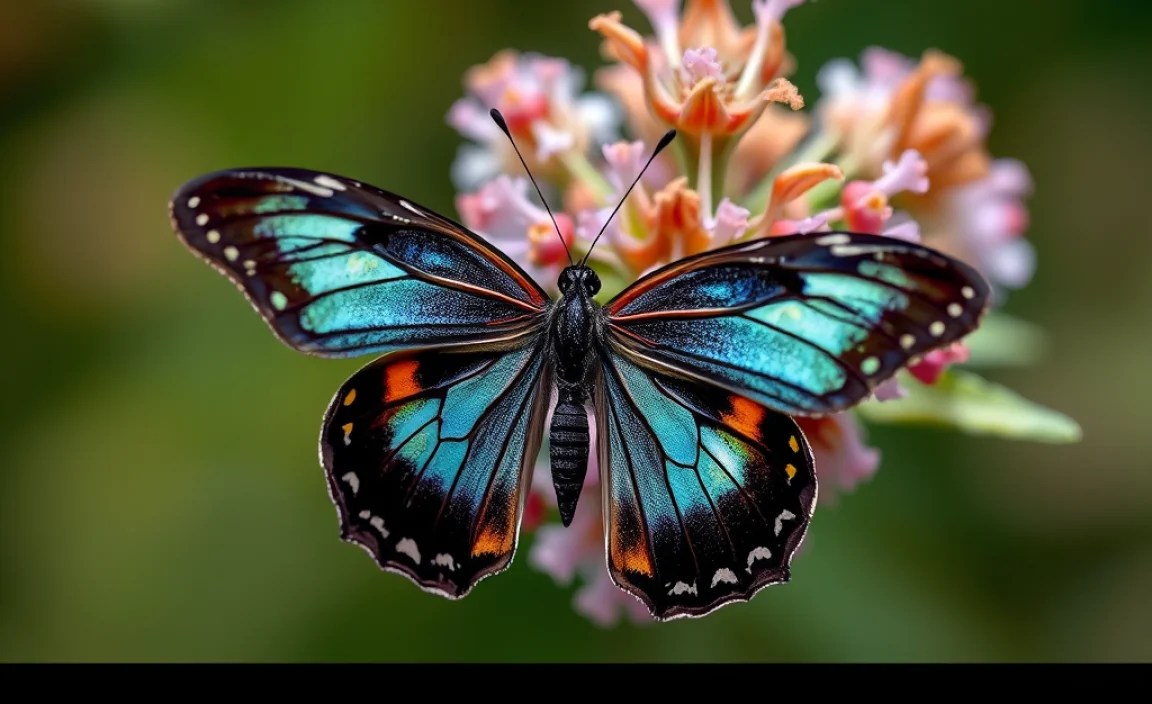
Finding rare butterflies takes time and effort. You need to do your research. Learn about the butterflies that live in your area. Find out where they are most likely to be found. Talk to local experts. They can give you valuable tips. Visit local nature centers and butterfly gardens. These places can provide information and resources. Be patient. It may take several trips to find a rare butterfly. Don’t give up easily. Be observant. Pay attention to the details. Look for signs of butterfly activity. This includes caterpillars, eggs, and host plants. Be respectful of the environment. Don’t disturb the butterflies or their habitat. Remember, rare butterflies field photography is a rewarding experience. But it requires dedication and perseverance.
| Butterfly Name | Habitat | Best Time to See | Rarity |
|---|---|---|---|
| Mitchell’s Satyr | Fens and marshes | Late June to early July | Endangered |
| Karner Blue | Pine barrens | May and July | Endangered |
| Oregon Silverspot | Coastal grasslands | July and August | Threatened |
| Lotis Blue | Montane meadows | June and July | Rare |
- Research local butterfly species.
- Talk to experts and visit nature centers.
- Be patient and persistent in your search.
- Look for signs of butterfly activity.
- Respect the environment and wildlife.
Imagine you are on a quest to find a hidden treasure. You need to follow clues and solve puzzles. Finding rare butterflies is similar. You need to follow clues and use your knowledge. The clues might be the type of plant the butterfly eats. They might be the type of habitat it lives in. They might be the time of year it is active. The more clues you find, the closer you will get to your treasure. But remember, the real treasure is not just finding the butterfly. It is the experience of exploring nature and learning about these amazing creatures. Rare butterflies field photography is a journey of discovery.
What Resources Can Help You?
What resources can help you find rare butterflies? Field guides are essential. They provide information about butterfly identification, habitat, and behavior. Websites and online databases can also be helpful. They often have up-to-date information about butterfly sightings. Local nature centers and butterfly gardens are great resources. They can provide information and guided tours. Butterfly clubs and organizations can connect you with experts and other enthusiasts. Social media groups can also be helpful. You can share information and ask questions. Remember, the more resources you use, the better your chances of finding rare butterflies. Rare butterflies field photography is a community effort.
How Important is Timing?
How important is timing when looking for rare butterflies? Timing is very important. Butterflies are only active during certain times of the year. They are also more active during certain times of the day. Research the butterflies you want to find. Find out when they are most active. Check the weather forecast. Butterflies are more active on warm, sunny days. Avoid going out on cold, cloudy, or rainy days. Be patient. It may take several trips to find a butterfly. Don’t get discouraged if you don’t see anything right away. Keep trying. Timing is key to successful rare butterflies field photography.
What are Host Plants?
What are host plants? Host plants are the plants that butterflies lay their eggs on. They are also the plants that caterpillars eat. Different butterfly species have different host plants. Knowing the host plants of a butterfly can help you find it. Look for these plants in the butterfly’s habitat. Check the plants for eggs and caterpillars. If you find eggs or caterpillars, you are likely to find the adult butterflies too. Research the host plants of the butterflies you want to find. This is a valuable skill for rare butterflies field photography.
Fun Fact or Stat: Some rare butterflies are only active for a few weeks each year!
Post-Processing Tips for Butterfly Images
Post-processing can enhance your butterfly photos. It can make them look even more amazing. Start by adjusting the exposure. Make sure the image is not too bright or too dark. Adjust the contrast to make the colors pop. Sharpen the image to bring out the details. Remove any distractions, such as dust spots or blemishes. Adjust the colors to make them look natural. Crop the image to improve the composition. Use a photo editing software program. There are many different programs available. Experiment with different settings. Find what works best for you. Remember, post-processing should enhance your photos, not change them completely. The goal is to make the butterfly look its best. Rare butterflies field photography benefits from careful editing.
- Adjust exposure and contrast for better tones.
- Sharpen the image to enhance details.
- Remove distractions and blemishes.
- Adjust colors for a natural look.
- Crop the image for improved composition.
Imagine you are a chef preparing a delicious meal. You start with fresh, high-quality ingredients. But you also need to season the food properly. You need to cook it to perfection. Post-processing is like seasoning and cooking your photos. You start with a good image. But you also need to adjust the settings. You need to remove distractions. You need to make the colors pop. The goal is to create a final product that is even better than the original. Rare butterflies field photography can be elevated with skillful post-processing.
How to Adjust Exposure and Contrast?
How do you adjust exposure and contrast in post-processing? Exposure controls the overall brightness of the image. If the image is too dark, increase the exposure. If the image is too bright, decrease the exposure. Contrast controls the difference between the light and dark areas of the image. Increasing the contrast can make the colors pop. Decreasing the contrast can make the image look softer. Use the sliders in your photo editing software to adjust the exposure and contrast. Make small adjustments at a time. See how they affect the image. Practice adjusting exposure and contrast on different images. This will help you develop your skills. Mastering these adjustments is key to rare butterflies field photography.
Why is Sharpening Important?
Why is sharpening important in post-processing? Sharpening enhances the details in your photos. It makes the image look crisper and more defined. This is especially important for butterfly photos. You want to see all the details of their wings. Be careful not to over-sharpen the image. This can create unwanted artifacts. Use the sharpening tool in your photo editing software. Adjust the settings carefully. Zoom in on the image to see the effects of the sharpening. Practice sharpening different images. This will help you develop your skills. Sharpening is a valuable tool for rare butterflies field photography.
What Software Should You Use?
What photo editing software should you use? There are many different programs available. Some popular options include Adobe Photoshop, Adobe Lightroom, and GIMP. Photoshop is a powerful program with many features. It is used by professional photographers. Lightroom is designed for organizing and editing photos. It is easier to use than Photoshop. GIMP is a free, open-source program. It is a good option if you don’t want to spend money. Experiment with different programs. Find one that you like and that meets your needs. Learning to use photo editing software is essential for rare butterflies field photography.
Fun Fact or Stat: The first photo editing software was developed in the 1960s!
Sharing Your Butterfly Photos Responsibly
Sharing your butterfly photos is a great way to connect with others. It also helps raise awareness about butterfly conservation. But it’s important to share your photos responsibly. Be respectful of the butterflies and their habitats. Do not reveal the exact location of rare butterfly sightings. This can attract too many visitors. It can harm the butterflies and their environment. Credit the photographer when sharing photos. Ask permission before using someone else’s photos. Use appropriate hashtags when posting on social media. This will help people find your photos. Participate in online discussions about butterfly photography. Share your knowledge and experiences. Encourage others to practice ethical photography. Remember, rare butterflies field photography is a community. Share your photos responsibly to protect butterflies.
- Be respectful of butterflies and their habitats.
- Protect the exact location of rare butterflies.
- Always credit the photographer properly.
- Use relevant hashtags on social media.
- Encourage ethical photography practices.
Imagine you have discovered a secret garden. It is filled with beautiful flowers and rare butterflies. You want to share this garden with others. But you don’t want to spoil it. You would be careful about who you tell. You would ask them to be respectful. You would not reveal the exact location. Sharing your butterfly photos is similar. You want to share the beauty of these creatures. But you also want to protect them. Sharing your photos responsibly helps to ensure that future generations can enjoy them. Rare butterflies field photography is about sharing the wonder of nature.
Why Protect Butterfly Locations?
Why is it important to protect the exact locations of rare butterflies? Rare butterflies are often vulnerable to habitat loss and over-collecting. If too many people visit their habitats, it can disturb them. This can make it difficult for them to survive. Revealing the exact locations of rare butterflies can also attract collectors. These collectors may capture the butterflies. This can further endanger the species. By protecting the exact locations of rare butterflies, we can help ensure their survival. This is a crucial part of rare butterflies field photography.
How to Credit Photographers Properly?
How can you credit photographers properly? Always include the photographer’s name when sharing their photos. If you are sharing the photo online, include a link to the photographer’s website or social media profile. Ask permission before using someone else’s photos. Respect the photographer’s copyright. Do not use their photos without their permission. If you are using a photo for commercial purposes, you may need to pay a licensing fee. Giving credit to photographers is important. It acknowledges their work and helps them get recognition. It also promotes ethical photography practices. Proper crediting is essential for rare butterflies field photography.
What Hashtags Should You Use?
What hashtags should you use when sharing butterfly photos on social media? Use relevant hashtags to help people find your photos. Some popular hashtags include #butterfly, #butterflies, #butterflyphotography, #insect, #insects, #nature, #wildlife, and #macrophotography. You can also use hashtags that are specific to the butterfly species. For example, if you are photographing a Monarch butterfly, you can use the hashtag #monarchbutterfly. Use a variety of hashtags. This will increase the chances of your photos being seen. Research relevant hashtags for rare butterflies field photography.
Fun Fact or Stat: Photos with relevant hashtags get more views on social media!
Summary
Rare butterflies field photography is an exciting and rewarding hobby. It combines the thrill of the hunt with the beauty of nature. To be successful, you need to understand butterfly habitats. You also need the right camera gear. Mastering photography techniques is crucial. Ethical practices are important for protecting butterflies. Finding rare butterflies takes time and effort. Post-processing can enhance your photos. Sharing your photos responsibly helps raise awareness. It also supports conservation efforts. By following these tips, you can capture stunning images. You can also help protect these amazing creatures.
Conclusion
Rare butterflies field photography offers unique challenges and rewards. It requires patience, skill, and respect for nature. By understanding butterfly behavior, habitats, and photography techniques, you can capture stunning images. Remember to practice ethical photography. Protect the butterflies and their environment. Share your photos responsibly. Inspire others to appreciate these amazing creatures. This helps to ensure their survival for future generations. Enjoy the journey of discovery.
Frequently Asked Questions
Question No 1: What makes a butterfly “rare”?
Answer: A butterfly is considered “rare” when its population is small. This can be due to habitat loss or climate change. Sometimes, butterflies are rare because they only live in a small area. It is important to protect these butterflies. Rare butterflies field photography can help raise awareness about them.
Question No 2: What is the best time of day to photograph butterflies?
Answer: The best time of day to photograph butterflies is in the morning. Butterflies are often more active in the morning. The light is also softer and more flattering. Avoid photographing butterflies in the middle of the day. The light can be harsh and create shadows. This can make it difficult to get good photos. Early morning is perfect for rare butterflies field photography.
Question No 3: What is the best way to approach a butterfly without scaring it?
Answer: Approach butterflies slowly and quietly. Avoid making sudden movements. Stay low to the ground. This will make you less threatening. Use a long lens. This will allow you to photograph the butterfly from a distance. Be patient. Wait for the butterfly to become comfortable with your presence. Approaching slowly is key for rare butterflies field photography.
Question No 4: Can I use a flash to photograph butterflies?
Answer: It is generally best to avoid using a flash when photographing butterflies. Flash can startle butterflies. It can also wash out the colors in your photos. If you must use a flash, use it sparingly. Use a diffuser to soften the light. Avoid using flash at night. This can disorient the butterflies. Natural light is always best for rare butterflies field photography.
Question No 5: What are some common mistakes to avoid when photographing butterflies?
Answer: Some common mistakes include getting too close to the butterfly. This can scare it away. Another mistake is using a slow shutter speed. This can result in blurry photos. Forgetting to focus carefully on the butterfly is another common error. Not respecting the butterfly’s habitat is also a mistake. Always be mindful of your impact on the environment. Avoiding these mistakes is crucial for rare butterflies field photography.
Question No 6: How can I help protect butterflies and their habitats?
Answer: There are many ways to help. Plant butterfly-friendly plants in your garden. Avoid using pesticides. Support organizations that work to protect butterflies. Educate others about butterfly conservation. Share your photos and experiences responsibly. Respect the butterflies and their habitats. Every little bit helps. This is a great way to give back when practicing rare butterflies field photography.


