
Rare Butterflies Feeding Habits: The Ultimate Guide

Have you ever seen a butterfly? They are so pretty! Butterflies fly around in gardens. They also fly in parks. Some butterflies are very rare. What do these rare butterflies eat? Their feeding habits are very interesting.
Learning about rare butterflies feeding habits helps us protect them. We can learn how to keep them safe. This helps the pretty butterflies live longer. It also helps them have babies. Then we can see more of them!
Key Takeaways
- Rare butterflies feeding habits include nectar, sap, and even mud.
- Many rare butterflies depend on specific plants for food.
- Habitat loss threatens the feeding habits of these butterflies.
- Conservation efforts can help protect butterfly food sources.
- Understanding their diet is key to butterfly survival.
Understanding Rare Butterfly Diets
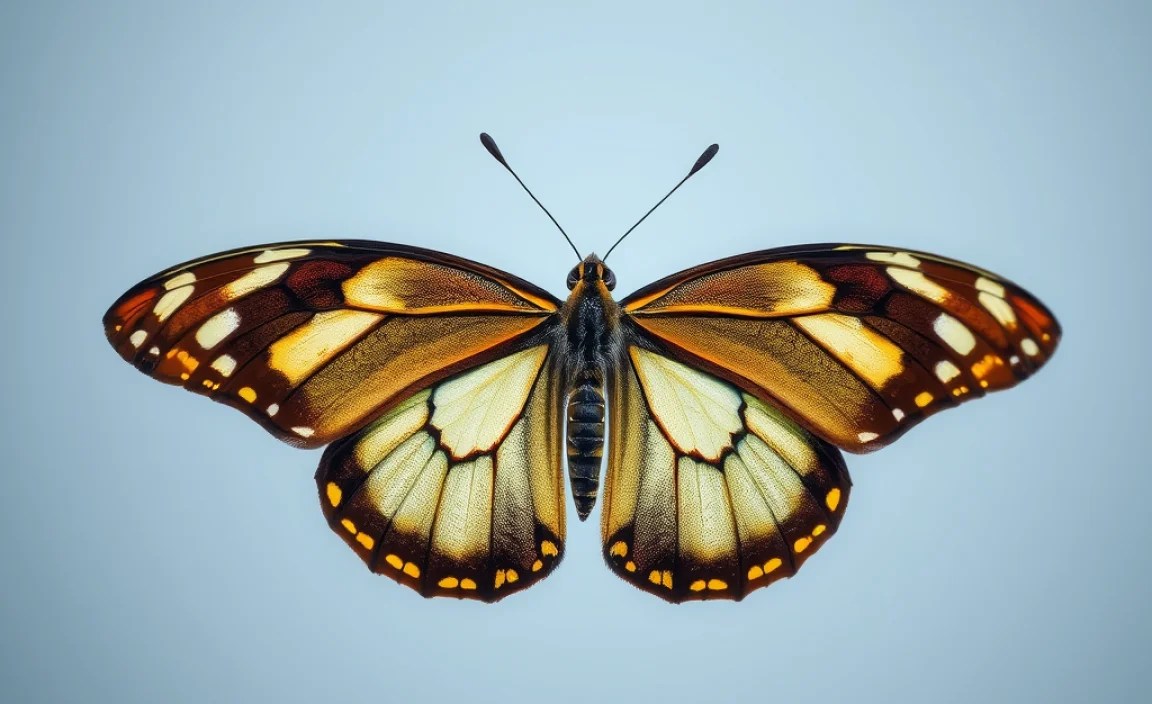
Rare butterflies have special diets. Most butterflies drink nectar from flowers. Nectar is sweet and gives them energy. But some rare butterflies eat other things too. They might drink tree sap. They might even get food from mud! Mud has important minerals. These minerals help the butterflies stay healthy. The feeding habits of each butterfly are special. It depends on the type of butterfly. It also depends on where it lives. Some butterflies only eat from one type of plant. If that plant disappears, the butterfly might also disappear. That is why it is important to know what they eat. Then we can protect their food.
- Nectar is a common food for butterflies.
- Tree sap provides needed nutrients.
- Mud offers important minerals.
- Some eat only one kind of plant.
- Different types have different diets.
Understanding rare butterflies feeding habits is like being a detective. We must look for clues. We can watch where the butterflies go. We can see what they land on. We can also study their bodies. Their bodies can tell us what they eat. Some scientists study butterfly poop! This can also tell them what the butterflies eat. It is important work. It helps us protect these beautiful creatures. By learning about their food, we can help them survive. We can plant the right flowers. We can protect their habitats. Every little bit helps!
Fun Fact or Stat: Some rare butterfly species have declined by 90% in the last 20 years due to habitat loss!
Why is Nectar Important?
Nectar is super important for butterflies. It’s like juice for them. Nectar gives them energy to fly. Butterflies need energy to find mates. They also need energy to lay eggs. Without nectar, butterflies can’t do these things. So, flowers are very important. Flowers make the nectar that butterflies need. Some butterflies like only certain flowers. These flowers are special to them. If those flowers go away, the butterflies will have problems. That’s why it’s important to protect the flowers. We can plant more flowers in our gardens. This helps butterflies find the nectar they need. Then they can stay healthy and strong.
What Else Do They Eat?
Butterflies sometimes eat other things besides nectar. Can you believe it? Some butterflies drink sap from trees. Sap is like sweet juice inside the tree. It has sugar and other good things. Some butterflies even eat mud. Mud has minerals that butterflies need. These minerals help them grow and stay healthy. They also need these minerals to make eggs. Some butterflies eat rotting fruit. Rotting fruit is soft and easy to eat. It also has sugar. This gives them energy. So, butterflies are not just flower eaters. They eat many different things to stay alive.
How Do They Find Food?
Butterflies are smart. They know how to find food. They use their eyes to see flowers. Butterflies can see colors that we can’t. They can see special patterns on flowers. These patterns guide them to the nectar. Butterflies also use their antennae. Antennae are like noses. They help butterflies smell the flowers. Butterflies can smell nectar from far away. They fly towards the smell. Some butterflies follow other butterflies. If one butterfly finds food, others will follow. Butterflies are good at finding food. They need to be to survive.
Specific Diets of Rare Species

Some rare butterflies have very specific diets. The Karner Blue butterfly only eats wild lupine. This plant is its only food source. If the wild lupine disappears, so does the Karner Blue. The Mitchell’s Satyr butterfly eats special types of grasses. These grasses grow in wet areas. If these wet areas dry up, the butterfly loses its food. The Schaus’ Swallowtail butterfly likes citrus trees. It lays its eggs on these trees. The caterpillars eat the leaves. If the citrus trees are gone, the caterpillars have nothing to eat. Protecting these specific food sources is very important. It helps these rare butterflies survive. Understanding these feeding habits is key to saving them.
- Karner Blue eats only wild lupine.
- Mitchell’s Satyr eats special grasses.
- Schaus’ Swallowtail eats citrus leaves.
- Some depend on one type of plant.
- Loss of food means loss of butterfly.
Imagine you only liked one type of food. What if that food disappeared? That’s what happens to some rare butterflies. They depend on one specific plant. If that plant is gone, they can’t survive. This is why protecting their habitats is important. We need to make sure these plants keep growing. We can create special areas where these plants can thrive. We can also educate people about these plants. Then people will know not to destroy them. By protecting the plants, we protect the butterflies. It’s all connected. The feeding habits of these butterflies are a link in a chain. If one link breaks, the whole chain falls apart.
Fun Fact or Stat: The Karner Blue butterfly is only found in areas where wild lupine grows!
Why Are Some Butterflies So Picky?
Some butterflies are very picky eaters. Why is that? It’s because they have adapted to eat certain plants. Over many years, they have changed to eat only those plants. Their bodies are made to digest those plants. They can’t easily digest other plants. It’s like if you only ate pizza your whole life. Your body would get used to it. You might not like other foods. Butterflies are the same way. They are used to their special plants. They need those plants to survive. This is why it’s important to protect those plants. If we don’t, the butterflies will disappear.
What Happens if Their Food Disappears?
If a butterfly’s food disappears, it’s a big problem. The butterfly can’t find anything else to eat. It will get weak and hungry. It might not be able to fly. It might not be able to lay eggs. Eventually, it will die. If many butterflies die, the whole population can disappear. This is called extinction. Extinction is when a type of animal or plant is gone forever. We don’t want butterflies to go extinct. They are important for our world. They help pollinate flowers. They are also beautiful to look at. We need to protect their food so they don’t disappear.
How Can We Help Protect Their Food?
We can do many things to help butterflies. We can plant their favorite plants in our gardens. This gives them a place to find food. We can also protect their habitats. This means keeping their homes safe. We can stop cutting down forests. We can stop building houses in their areas. We can also tell other people about butterflies. We can teach them why butterflies are important. We can show them how to protect butterflies. Every little bit helps. Together, we can make a difference. We can help butterflies survive and thrive.
Impact of Habitat Loss on Feeding

Habitat loss is a big problem for rare butterflies. When forests and fields are destroyed, butterflies lose their homes. They also lose their food. If there are no flowers, they can’t find nectar. If there are no trees, they can’t find sap. If there is no mud, they can’t get minerals. Habitat loss makes it hard for butterflies to survive. It affects their feeding habits. They can’t find the food they need. This leads to fewer butterflies. Protecting habitats is very important. It helps butterflies find food. It helps them stay alive. We need to save their homes and their food.
- Loss of forests means loss of trees.
- Loss of fields means loss of flowers.
- No homes means no food.
- Habitat loss hurts feeding habits.
- Butterflies need homes to survive.
Imagine your house disappeared. Where would you sleep? Where would you eat? That’s what happens to butterflies when their habitat is destroyed. They have nowhere to go. They can’t find food. They can’t find shelter. It’s a very scary situation for them. We need to be careful about how we use the land. We need to think about the butterflies. We need to protect their homes. By protecting their habitats, we protect their feeding habits. We help them find the food they need to survive. It’s the right thing to do.
Fun Fact or Stat: Over 50% of butterfly habitats have been destroyed in the last 50 years!
What Causes Habitat Loss?
Many things cause habitat loss. One big thing is building houses and roads. When we build, we destroy forests and fields. This takes away butterfly homes. Another thing is farming. Farmers sometimes cut down forests to make more land for crops. This also destroys butterfly habitats. Pollution can also cause habitat loss. Pollution can kill plants and flowers. This takes away butterfly food. We need to find ways to build and farm without hurting butterflies. We need to protect their homes.
How Does This Affect Butterfly Populations?
Habitat loss can cause butterfly populations to shrink. When butterflies lose their homes, they can’t find food. They can’t find mates. They can’t lay eggs. They start to die off. If many butterflies die, the population gets smaller. Sometimes, the population can disappear completely. This is called extinction. We don’t want this to happen. We need to protect butterfly habitats. This will help keep their populations healthy. It will help them survive.
What Can Be Done to Restore Habitats?
We can do many things to restore habitats. We can plant trees and flowers. This gives butterflies food and shelter. We can clean up polluted areas. This helps plants grow. We can create special areas for butterflies. These areas are called butterfly gardens. They have all the things butterflies need to survive. We can also educate people about butterflies. We can teach them why it’s important to protect their habitats. Together, we can make a difference. We can help butterflies thrive.
The Role of Nectar Plants

Nectar plants are very important for butterflies. These plants make the nectar that butterflies drink. Nectar gives butterflies energy. They need energy to fly and find mates. Different butterflies like different nectar plants. Some like milkweed. Some like butterfly bush. Some like zinnias. Planting nectar plants in your garden can help butterflies. It gives them a place to find food. It helps them stay healthy. The feeding habits of many rare butterflies depend on these special plants. Without them, the butterflies cannot survive. So, plant some flowers and help the butterflies!
- Nectar plants make food for butterflies.
- Different butterflies like different plants.
- Planting flowers helps butterflies.
- Nectar gives butterflies energy.
- They need energy to fly.
Imagine you had a favorite food. What if you could only get that food from one place? That’s how it is for butterflies and nectar plants. They need these plants to survive. If the plants are gone, the butterflies are in trouble. We can help by planting these plants in our gardens. We can also protect the areas where these plants grow naturally. By protecting the plants, we protect the butterflies. It’s a simple way to make a big difference. The feeding habits of butterflies are closely tied to these plants, so let’s help them out!
Fun Fact or Stat: Butterflies can taste nectar with their feet!
What Are Some Good Nectar Plants?
There are many good nectar plants to choose from. Milkweed is a great choice. It attracts many different butterflies. Butterfly bush is another good one. It has lots of flowers and a sweet smell. Zinnias are also popular. They come in many colors. Lavender is another good choice. It smells nice and attracts butterflies. Plant a variety of flowers to attract different types of butterflies. This will help them find the food they need.
How Do Nectar Plants Help Butterflies?
Nectar plants help butterflies by giving them food. Nectar is like sugar water. It gives butterflies energy to fly. They need energy to find mates and lay eggs. Without nectar, butterflies can’t do these things. Nectar plants also provide a place for butterflies to rest. They can land on the flowers and soak up the sun. Nectar plants are very important for butterflies. They help them survive and thrive.
How Can We Plant Nectar Plants?
Planting nectar plants is easy. First, choose a sunny spot in your garden. Then, dig a hole and plant the flower. Water the flower regularly. Make sure the soil is good. You can add compost to the soil. This will help the flower grow. Plant a variety of flowers to attract different butterflies. You can also plant flowers that bloom at different times of the year. This will give butterflies food all season long. Have fun planting flowers and helping butterflies!
The Impact of Climate Change

Climate change is also affecting rare butterflies. As the Earth gets warmer, plants and animals are changing. Some plants are blooming earlier. Some butterflies are emerging earlier. This can cause problems. The butterflies might emerge before their food is ready. They might not be able to find nectar. Climate change is disrupting the feeding habits of butterflies. It’s making it harder for them to survive. We need to take action to slow down climate change. This will help protect butterflies and other animals.
- Earth is getting warmer.
- Plants are blooming earlier.
- Butterflies are emerging earlier.
- This disrupts feeding habits.
- Climate change hurts butterflies.
Imagine if your favorite food was only available at a certain time of year. What if that time changed? You might miss out on your favorite food. That’s what’s happening to butterflies. Their food is blooming at different times. They are not always ready for it. This makes it hard for them to find food. It affects their feeding habits. We need to help them by slowing down climate change. We can do this by using less energy. We can also plant more trees. Every little bit helps. The rare butterflies need our help.
Fun Fact or Stat: Butterfly ranges are shifting northward as temperatures rise!
How Does Warming Affect Plants?
Warming temperatures affect plants in many ways. Some plants are blooming earlier in the spring. This is because they need a certain amount of warmth to bloom. When it gets warmer earlier, they bloom earlier. Other plants are moving to new areas. They are moving to areas that are cooler. This can change the types of plants that grow in an area. It can also affect the butterflies that depend on those plants.
How Does This Affect Butterfly Life Cycles?
Butterflies have life cycles that are timed to the seasons. They emerge from their pupae at a certain time of year. This is when their food is available. If the plants bloom earlier, the butterflies might emerge too late. They might miss out on the nectar. This can make it hard for them to find food. It can also make it hard for them to find mates. It can disrupt their whole life cycle.
What Can Be Done to Help Butterflies?
We can do many things to help butterflies. We can reduce our carbon footprint. This means using less energy. We can also plant native plants. These plants are adapted to the local climate. They are more likely to bloom at the right time. We can also create butterfly gardens. These gardens provide food and shelter for butterflies. Every little bit helps. Together, we can make a difference.
Conservation Efforts and Feeding
Conservation efforts are very important for rare butterflies. These efforts help protect their habitats. They also help protect their food sources. Conservation groups work to restore habitats. They plant nectar plants. They remove invasive species. They also educate people about butterflies. These efforts help butterflies find food. They help them stay healthy. They protect their feeding habits. Without these efforts, many rare butterflies would disappear. It is important to support these groups. They are working hard to save these beautiful creatures.
- Conservation helps protect habitats.
- They plant nectar plants.
- They remove invasive species.
- They educate people.
- These efforts help butterflies feed.
Imagine you were trying to build a house. But someone kept taking away your materials. It would be very hard to build your house. That’s what it’s like for butterflies. They need food to survive. But sometimes, their food is taken away. Conservation efforts help protect their food. They make sure the butterflies have what they need to survive. It’s like giving them the materials to build their house. The feeding habits of these rare butterflies are protected by these efforts.
Fun Fact or Stat: Some conservation groups use dogs to sniff out rare butterfly habitats!
What Are Some Examples of Conservation Efforts?
There are many examples of conservation efforts. One example is habitat restoration. This involves planting native plants. It also involves removing invasive species. Another example is captive breeding. This involves raising butterflies in a safe place. Then, they are released into the wild. Education is also an important part of conservation. This involves teaching people about butterflies. It also involves teaching them how to protect butterflies.
How Do These Efforts Help Butterfly Feeding?
These efforts help butterfly feeding in many ways. Planting nectar plants provides food for butterflies. Removing invasive species helps native plants grow. This provides more food for butterflies. Captive breeding helps increase butterfly populations. This means there are more butterflies to eat the food. Education helps people understand the importance of butterflies. This leads to more people protecting butterflies.
How Can We Support Conservation Efforts?
We can support conservation efforts in many ways. We can donate to conservation groups. We can volunteer our time. We can plant native plants in our gardens. We can also educate others about butterflies. Every little bit helps. Together, we can make a difference. We can help protect butterflies and their habitats. We can also protect their feeding habits.
Creating Butterfly Gardens
Creating a butterfly garden is a great way to help rare butterflies. A butterfly garden provides food and shelter for butterflies. It also provides a place for them to lay their eggs. To create a butterfly garden, you need to plant nectar plants. You also need to provide a water source. You can also provide a place for butterflies to rest. A butterfly garden can be a beautiful and rewarding experience. It helps protect the feeding habits of these beautiful insects. You can watch the butterflies as they feed and fly around.
- Butterfly gardens help butterflies.
- They provide food and shelter.
- Plant nectar plants.
- Provide water.
- Give them a place to rest.
Imagine you could build a restaurant just for butterflies. What would you put in it? You would need to have lots of flowers. You would also need to have a water source. You would need to make it a safe place for them to eat. That’s what a butterfly garden is like. It’s a special place just for butterflies. It provides them with everything they need. The feeding habits of rare butterflies are supported when we create these gardens.
Fun Fact or Stat: Butterfly gardens can attract over 50 different species of butterflies!
What Plants Should I Include?
When creating a butterfly garden, it’s important to choose the right plants. You should include nectar plants. These plants provide food for butterflies. You should also include host plants. These plants provide food for butterfly caterpillars. Some good nectar plants include milkweed, butterfly bush, and zinnias. Some good host plants include milkweed, parsley, and dill. Choose plants that are native to your area. These plants are more likely to attract local butterflies.
How Do I Provide Water?
Butterflies need water to survive. You can provide water in a butterfly garden in several ways. You can put out a shallow dish of water. You can also put out a bird bath. You can also create a mud puddle. Butterflies will drink from the mud. Make sure the water is clean. Change the water regularly. This will prevent mosquitoes from breeding.
How Can I Make My Garden Safe?
It’s important to make your butterfly garden safe for butterflies. Avoid using pesticides. Pesticides can kill butterflies and other insects. Provide shelter for butterflies. This can be in the form of trees or shrubs. Protect the garden from strong winds. Plant flowers in a sunny location. Butterflies need sunlight to warm their bodies. Make sure the garden is free of hazards. Remove any sharp objects. Keep pets away from the garden.
Summary
Rare butterflies need our help. Their feeding habits are threatened. Habitat loss and climate change are big problems. Some butterflies only eat one type of plant. If that plant disappears, the butterfly disappears too. We can help by protecting their habitats. We can also plant nectar plants in our gardens. Conservation efforts are also important. These efforts help restore habitats. They also educate people about butterflies. Understanding their feeding habits is very important for protecting them. Every little bit helps. Together, we can make a difference.
Conclusion
Rare butterflies are beautiful and important. They need our help to survive. We learned about their feeding habits. We know they need specific plants. We can plant these plants in our gardens. We can also support conservation efforts. Protecting their habitats is very important. By working together, we can help these butterflies thrive. Let’s all do our part to protect these amazing creatures.
Frequently Asked Questions
Question No 1: Why are rare butterflies feeding habits important?
Answer: Rare butterflies feeding habits are very important because they tell us what these butterflies need to survive. If we know what they eat, we can make sure they have enough food. Some butterflies only eat one type of plant. If that plant disappears, the butterfly will also disappear. So, understanding their diet helps us protect them. This is why scientists study what these butterflies eat. It helps them come up with plans to save them.
Question No 2: What do rare butterflies usually eat?
Answer: Most butterflies drink nectar from flowers. Nectar is a sweet liquid that gives them energy. But some rare butterflies also eat other things. They might drink sap from trees. Sap is like juice inside the tree. It has sugar and other good things. Some butterflies even eat mud! Mud has minerals that butterflies need. These minerals help them grow and stay healthy. So, butterflies eat many different things to stay alive. The feeding habits of each butterfly depends on the type of butterfly.
Question No 3: How does habitat loss affect rare butterflies feeding habits?
Answer: Habitat loss is a big problem for rare butterflies. When forests and fields are destroyed, butterflies lose their homes. They also lose their food. If there are no flowers, they can’t find nectar. If there are no trees, they can’t find sap. If there is no mud, they can’t get minerals. This is why it is very important that we save and protect the natural habitats of these fragile creatures. Protecting their habitats helps butterflies find food and stay alive.
Question No 4: What can I do to help rare butterflies?
Answer: There are many things you can do to help rare butterflies. You can plant their favorite plants in your garden. This gives them a place to find food. You can also protect their habitats. This means keeping their homes safe. You can stop cutting down forests. You can stop building houses in their areas. You can also tell other people about butterflies. You can teach them why butterflies are important. You can show them how to protect them. The feeding habits of butterflies are supported when we do these things.
Question No 5: Why are nectar plants important for butterflies?
Answer: Nectar plants are very important for butterflies. These plants make the nectar that butterflies drink. Nectar gives butterflies energy to fly. They need energy to find mates and lay eggs. Different butterflies like different nectar plants. Some like milkweed. Some like butterfly bush. Some like zinnias. Planting nectar plants in your garden can help butterflies. It gives them a place to find food. The feeding habits of rare butterflies depend on these special plants.
Question No 6: How does climate change affect rare butterflies feeding habits?
Answer: Climate change is affecting rare butterflies. As the Earth gets warmer, plants and animals are changing. Some plants are blooming earlier. Some butterflies are emerging earlier. This can cause problems. The butterflies might emerge before their food is ready. They might not be able to find nectar. Climate change is disrupting the feeding habits of butterflies. It’s making it harder for them to survive. That’s why it is important to help save the planet.


