
Rare Albino Butterfly: Spotting This Beauty!

Have you ever seen a butterfly with pure white wings? It is like a tiny angel fluttering by. These special butterflies are called rare albino butterflies. They are different from the colorful ones we usually see. What makes them so unique and why are they so hard to find?
Imagine a world where colors disappear. For a butterfly, that is albinism. It makes them stand out. But, it also makes them more at risk.
Butterflies are amazing. They start as caterpillars. Then, they turn into beautiful flying insects. A rare albino butterfly is a special kind of butterfly. It lacks the colors most butterflies have.
Key Takeaways
- A rare albino butterfly lacks color. This makes them very unique.
- Albinism is a genetic condition. It stops color from forming.
- These butterflies are more at risk. Predators can spot them easier.
- Habitat loss threatens all butterflies. It also endangers albino ones.
- Protecting habitats helps all butterflies survive. This includes rare ones.
What is a Rare Albino Butterfly?

A rare albino butterfly is a butterfly that has albinism. Albinism is when an animal or plant does not make much melanin. Melanin gives color to skin, eyes, and hair. In butterflies, it colors their wings. Without melanin, the butterfly looks white. Sometimes, it might have a pale yellow color. This is because other pigments are still there. But, the dark colors are missing. A true albino has no melanin at all. This makes it very rare to see a rare albino butterfly. They stand out in their habitats. Their lack of color makes them vulnerable.
- Albinism means no color.
- Melanin makes colors.
- Albino butterflies are white.
- They are very rare.
- They are easy to spot.
Albinism happens because of genes. Genes are like instructions for our bodies. Sometimes, a gene changes. This change can stop the body from making melanin. It’s like a recipe missing an ingredient. The cake does not turn out right. The butterfly does not get its colors. Both parent butterflies must carry the changed gene. Then, there is a chance their baby butterfly will be albino. Albinism is not contagious. A butterfly cannot catch it from another butterfly. It is something they are born with. The rare albino butterfly faces many challenges because of its condition. It has to be extra careful to survive.
Fun Fact or Stat: Less than 1% of butterflies are born with albinism.
What Causes Albinism in Butterflies?
Have you ever wondered why some people have different hair colors? It all comes down to genes. Genes are tiny instructions inside our bodies. They tell our bodies how to grow and what colors to be. Albinism in butterflies happens when there is a change in these instructions. This change affects how much melanin a butterfly makes. Melanin is what gives butterflies their beautiful colors. When a butterfly cannot make melanin, it becomes albino. It is like a printer running out of ink. The picture comes out blank. The rare albino butterfly does not get its vibrant colors. Instead, it is left with white or pale wings.
How Common is Albinism in Nature?
Imagine searching for a four-leaf clover in a field. It’s hard to find, right? Albinism in nature is just as rare. It affects many different kinds of animals. But, it is not something you see every day. Animals with albinism lack the usual colors that help them blend in. This can make it harder for them to hide from predators. Think about a white rabbit in a green field. It stands out easily. The same is true for a rare albino butterfly among colorful flowers. They are special and unique, but their lack of color makes them vulnerable. That is why seeing an albino animal is always a surprising event.
Can Albinism Affect Butterfly Health?
Albinism is more than just a change in color. It can also affect a butterfly’s health. Melanin does more than give color. It also helps protect the butterfly from the sun. Without melanin, the butterfly is more sensitive to sunlight. It is like forgetting to put on sunscreen. The butterfly can get sunburned easily. This can weaken the butterfly and make it sick. Also, the lack of color can affect how well the butterfly can see. This can make it harder to find food and avoid danger. The rare albino butterfly needs extra care. It must find shady spots and avoid strong sunlight to stay healthy.
Challenges Faced by Albino Butterflies
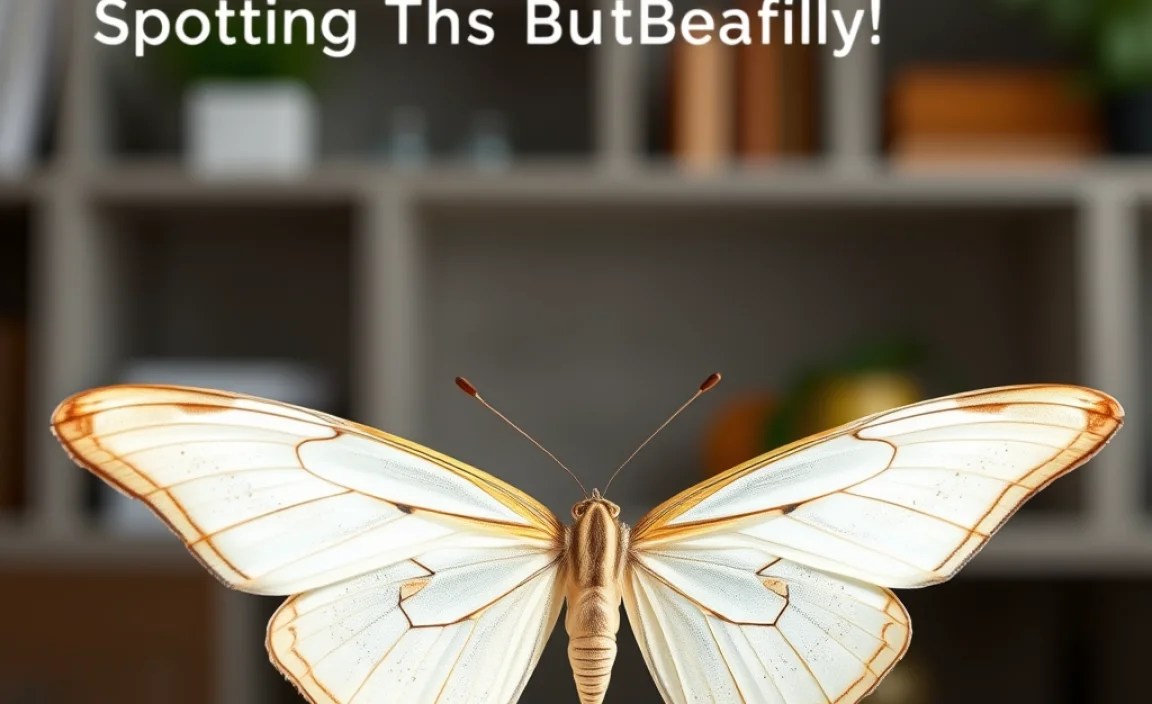
The life of a rare albino butterfly is not easy. Their white color makes them stand out. This makes it harder to hide from predators. Birds and other animals can spot them easily. Colorful butterflies blend in with flowers and leaves. But, albino butterflies stick out like a sore thumb. Finding a mate is also tough. Butterflies use their colors to attract each other. An albino butterfly might have trouble finding a partner. This is because it does not have the bright colors that other butterflies look for. Albinism can also make butterflies weaker. Melanin helps protect them from the sun. Without it, they can get sick more easily. These challenges make it hard for albino butterflies to survive.
- Harder to hide from predators.
- Difficult to find a mate.
- More sensitive to sunlight.
- May have weaker eyesight.
- Reduced camouflage.
Imagine playing hide-and-seek. Now, imagine you are wearing a bright white shirt in a dark forest. It would be much harder to hide, right? That is what it is like for an albino butterfly. They cannot blend in with their surroundings. This makes them an easy target for predators. Birds, lizards, and even other insects can spot them quickly. To survive, rare albino butterflies must be extra careful. They need to find safe places to rest. They need to be quick and alert. They also need a bit of luck. Their lack of color puts them at a big disadvantage in the wild.
Fun Fact or Stat: Albino animals have a 50% lower survival rate than their non-albino counterparts.
Increased Risk of Predation
Why do zebras have stripes? It helps them hide from predators. The stripes make it hard for lions to see them clearly. Camouflage is a powerful tool in nature. It helps animals blend in with their surroundings. But, what happens when an animal loses its camouflage? This is the problem faced by a rare albino butterfly. Its white color makes it stand out against green leaves and colorful flowers. Predators can spot it easily. This makes the albino butterfly more likely to be caught and eaten. Survival becomes a daily challenge.
Difficulty in Mate Selection
Have you ever picked out your favorite candy? You probably chose the one that looked the most appealing. Butterflies do something similar when they look for a mate. They are attracted to bright colors and patterns. These colors signal that a butterfly is healthy and strong. But, a rare albino butterfly lacks these attractive colors. This can make it harder to find a mate. Other butterflies might not recognize it as a potential partner. The albino butterfly might be overlooked, even if it is healthy. This can make it difficult for them to reproduce.
Sensitivity to Sunlight
Imagine spending a day at the beach without sunscreen. You would get a painful sunburn, right? Butterflies need protection from the sun, too. Melanin helps protect them from harmful UV rays. A rare albino butterfly does not have much melanin. This makes it very sensitive to sunlight. Prolonged exposure can damage its wings. It can also weaken its body. The albino butterfly must be careful to avoid strong sunlight. It needs to find shady spots to rest. This can limit its ability to fly and find food. Sunlight, which is essential for life, becomes a threat.
Genetic Factors Behind Albinism
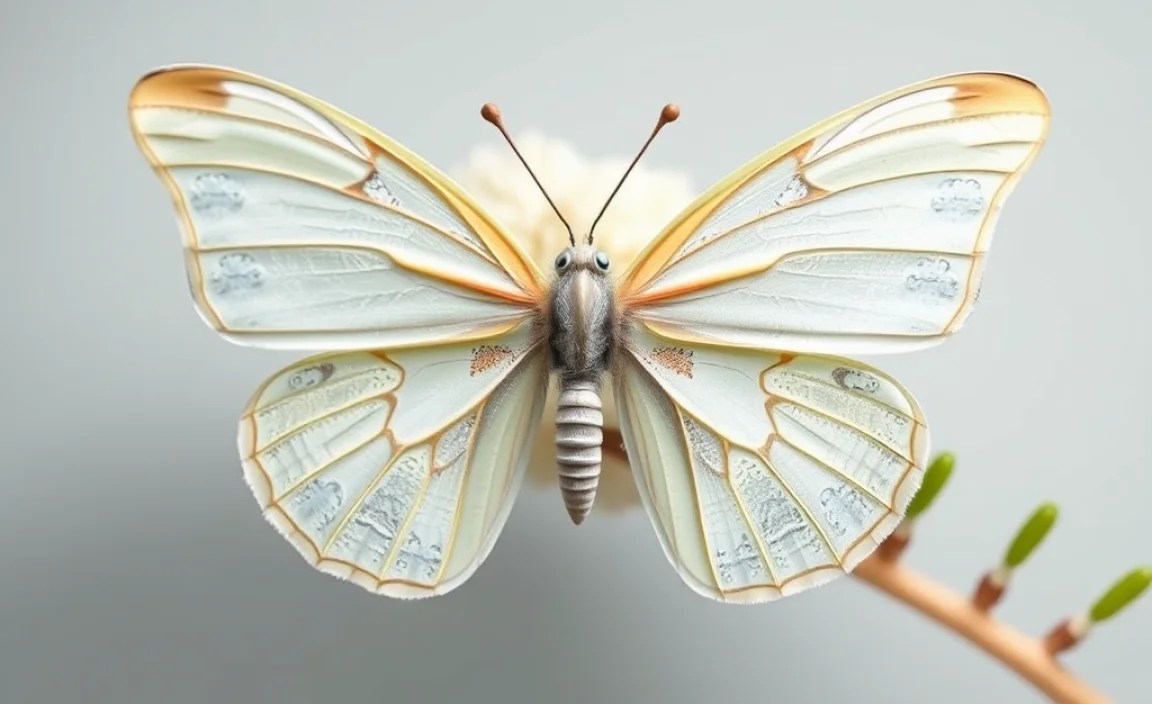
Albinism is all about genetics. Genetics is the study of genes. Genes are like tiny instruction manuals. They tell our bodies how to grow. They also determine our traits. Traits are things like eye color and hair color. In butterflies, genes control wing color. Albinism happens when a gene changes. This change stops the butterfly from making melanin. Melanin gives butterflies their colors. The rare albino butterfly has a changed gene. This gene prevents it from producing color. Both parents must carry the changed gene. Then, there is a chance their baby will be albino. Albinism is not contagious. It is something that is passed down through families.
- Genes control traits.
- Albinism is a genetic condition.
- Changed genes stop melanin production.
- Both parents must carry the gene.
- Albinism is not contagious.
Think of genes like a set of instructions for building a house. Each gene is a different instruction. One instruction might say, “Paint the walls blue.” Another might say, “Add a red roof.” Albinism is like having a missing instruction. The instruction that says, “Add color to the wings” is gone. Without that instruction, the butterfly’s wings stay white. The rare albino butterfly is missing a key piece of its genetic code. This missing piece affects its appearance and its ability to survive. Understanding genetics helps us understand why albinism happens.
Fun Fact or Stat: Albinism is found in all kinds of animals, from mammals to reptiles to birds.
How Genes Influence Butterfly Color
Have you ever mixed paint colors together? Different combinations create different shades. Genes work in a similar way to create butterfly colors. Some genes control the production of red pigments. Other genes control the production of blue or yellow pigments. When these genes work together, they create a wide range of colors and patterns. A rare albino butterfly has a problem with one or more of these color genes. The gene that controls melanin production is not working correctly. This results in a lack of color in the wings.
Recessive Nature of Albinism Gene
Imagine you have a secret code. You can only unlock the code if you have two special keys. Albinism works in a similar way. The gene for albinism is recessive. This means that a butterfly must have two copies of the gene to be albino. If it only has one copy, it will not be albino. It will be a carrier. Carriers can pass the gene on to their offspring. But, they do not show the trait themselves. Only butterflies with two copies of the albinism gene become rare albino butterflies.
Probability of Albino Offspring
Let’s say you have two coins. Each coin has a head and a tail. If you flip both coins, what are the chances of getting two tails? The chances are one in four. The same is true for albino butterflies. If both parents carry the albinism gene, there is a 25% chance their offspring will be albino. There is a 50% chance their offspring will be carriers. And there is a 25% chance their offspring will not have the gene at all. The probability of having a rare albino butterfly depends on the genes of its parents.
Habitat and Conservation Efforts
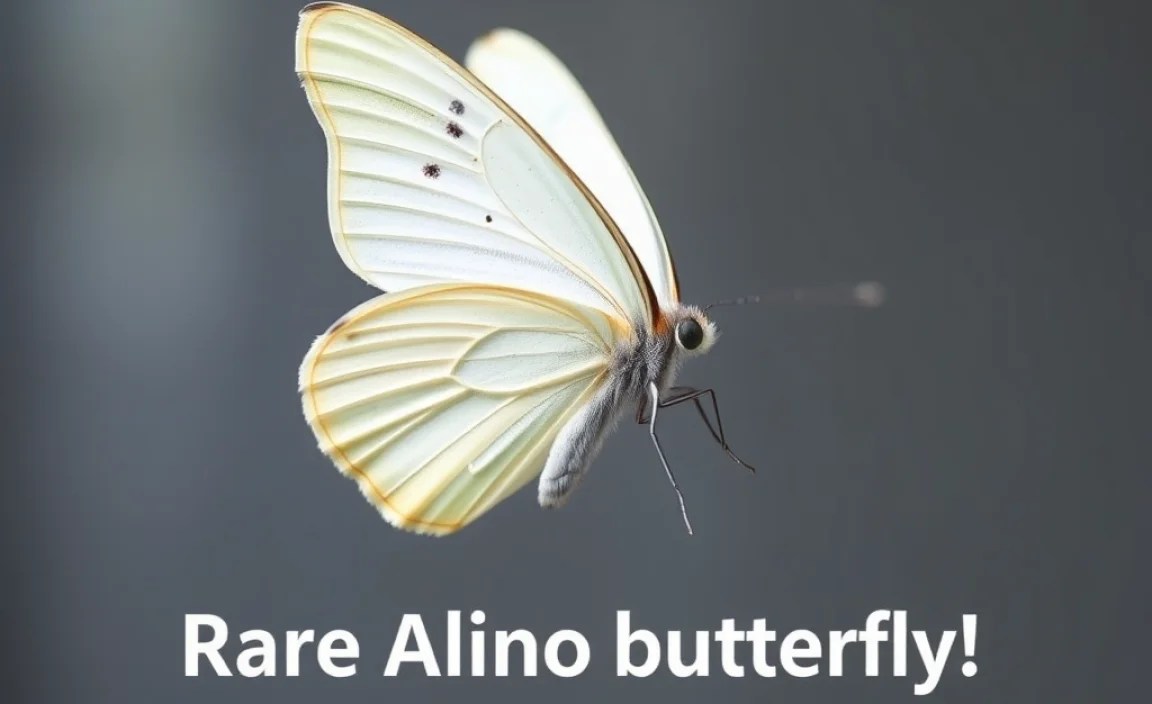
Where do butterflies live? They need places with flowers and plants. These plants give them food. They also give them shelter. Habitat loss is a big problem for butterflies. When we cut down forests, we take away their homes. When we build houses, we take away their food. This makes it hard for butterflies to survive. Rare albino butterflies are even more at risk. They are already rare. Losing their habitat makes it even harder for them to find food and shelter. We need to protect butterfly habitats. We can plant butterfly gardens. We can also support conservation groups. This will help all butterflies, including the rare ones.
- Butterflies need habitats.
- Habitat loss is a threat.
- Albino butterflies are more at risk.
- Plant butterfly gardens.
- Support conservation groups.
Imagine your home is being destroyed. You would have nowhere to sleep. You would have nowhere to eat. That is what happens to butterflies when their habitats are destroyed. Forests are cut down. Fields are turned into buildings. This leaves butterflies with nowhere to go. The rare albino butterfly is especially vulnerable. It needs specific plants to survive. When those plants disappear, the albino butterfly disappears too. Protecting butterfly habitats is crucial. It helps all butterflies, including the rare and special ones, thrive.
Fun Fact or Stat: Over 35% of butterfly species are threatened with extinction due to habitat loss.
Importance of Butterfly Gardens
Have you ever planted a seed and watched it grow? It’s amazing to see a tiny seed turn into a plant. You can create a small habitat for butterflies by planting a butterfly garden. Choose plants that butterflies love. These plants provide food for caterpillars and nectar for adult butterflies. A butterfly garden can be a safe haven for rare albino butterflies. It gives them a place to feed and lay their eggs. Even a small garden can make a big difference.
Supporting Conservation Organizations
Imagine a team of people working to protect animals and their homes. That is what conservation organizations do. They work to save forests and other important habitats. They also study butterflies and other insects. This helps them understand what butterflies need to survive. By supporting these organizations, you can help protect rare albino butterflies. Your donations can help fund research. They can also help buy land for butterfly habitats. Together, we can make a difference.
Reducing Pesticide Use
Have you ever used bug spray to get rid of insects in your garden? While it might get rid of pests, it can also harm butterflies. Pesticides are chemicals that kill insects. They can also kill caterpillars and adult butterflies. Reducing pesticide use is important for protecting butterflies. Choose natural ways to control pests in your garden. This will help create a safe environment for rare albino butterflies and other beneficial insects.
Butterfly Life Cycle and Albinism

Butterflies go through a big change during their lives. This change is called metamorphosis. First, they start as tiny eggs. Then, the eggs hatch into caterpillars. Caterpillars eat a lot and grow bigger. Next, the caterpillar turns into a pupa. The pupa is protected inside a chrysalis. Inside the chrysalis, the caterpillar changes into a butterfly. Finally, the butterfly emerges from the chrysalis. It flies away to find food and a mate. Albinism can affect any stage of the butterfly life cycle. A rare albino butterfly starts as an albino egg or caterpillar. It remains albino throughout its life.
| Life Stage | Description | Impact of Albinism |
|---|---|---|
| Egg | Small and often laid on a leaf. | Albino eggs may be more visible. |
| Caterpillar | Eats and grows rapidly. | Albino caterpillars lack camouflage. |
| Pupa (Chrysalis) | Protected stage where transformation happens. | Albino chrysalises are more visible. |
| Butterfly | Adult stage for reproduction. | Rare albino butterfly has white wings. |
Imagine a caterpillar munching on a leaf. It is green, so it blends in with the leaf. But, an albino caterpillar is white. It stands out against the green leaf. This makes it easier for birds to spot it and eat it. The same is true for the pupa. A normal pupa is often brown or green. It blends in with the branches and leaves. An albino pupa is white. It is easier to see. The rare albino butterfly faces challenges at every stage of its life cycle. Albinism makes it more vulnerable to predators.
Fun Fact or Stat: A butterfly’s lifespan can range from a few weeks to several months, depending on the species.
Albinism in Butterfly Eggs and Larvae
Have you ever seen a butterfly egg? They are tiny and often laid on leaves. Most butterfly eggs are green or brown. This helps them blend in with the plant. But, an albino butterfly egg might be white. This makes it more visible to predators. The same is true for butterfly larvae, which are called caterpillars. Normal caterpillars have colors and patterns that help them hide. An albino caterpillar lacks these colors. It is easier for birds and other animals to spot. The rare albino butterfly starts its life at a disadvantage.
Impact on Metamorphosis Process
Imagine building a house. You need all the right materials to make it strong and beautiful. The same is true for a butterfly undergoing metamorphosis. It needs the right resources to transform from a caterpillar into a butterfly. Albinism can affect this process. The lack of melanin can weaken the butterfly. It can also make it more sensitive to sunlight. This can make it harder for the butterfly to complete its transformation. The rare albino butterfly faces extra challenges during this critical time.
Survival Rates at Different Stages
Think about a race. Some runners are faster than others. Some runners are stronger than others. The same is true for butterflies. Some butterflies are better at surviving than others. A rare albino butterfly has a harder time surviving. Its lack of color makes it more vulnerable to predators. It is also more sensitive to sunlight. These challenges can lower its survival rate at every stage of its life. From egg to caterpillar to pupa to butterfly, the albino butterfly faces extra risks.
Documenting Sightings of Albino Butterflies
Have you ever seen something so rare that you wanted to share it with the world? Seeing a rare albino butterfly is like that. It is a special event. Documenting these sightings is important. It helps scientists learn more about albinism. It also helps them understand where these butterflies live. If you see an albino butterfly, take a picture. Note the date and location. Share your sighting with a local butterfly group. You can also report it to a scientific organization. Your observation can help protect these amazing creatures.
- Take a picture.
- Note the date and location.
- Share your sighting.
- Report to scientific groups.
- Help protect butterflies.
Imagine you are a detective. You are looking for clues to solve a mystery. Each sighting of a rare albino butterfly is a clue. It tells us something about where these butterflies live. It also tells us something about their behavior. By documenting these sightings, we can piece together the puzzle. We can learn more about albinism. We can also learn how to protect these butterflies. Your observation can be a valuable piece of the puzzle.
Fun Fact or Stat: Citizen science projects rely on volunteers to collect data and help scientists with research.
Importance of Citizen Science
Have you ever helped clean up a park or plant trees? That is an example of citizen science. Citizen science is when regular people help scientists with their research. It can be as simple as counting birds in your backyard. Or, it can be as complex as analyzing data from a scientific experiment. Documenting sightings of rare albino butterflies is a form of citizen science. Your observations can help scientists learn more about these amazing creatures.
How to Report an Albino Butterfly Sighting
Imagine you have found a treasure. You would want to tell everyone about it, right? Reporting an albino butterfly sighting is similar. You want to share your discovery with the world. Start by taking a picture of the butterfly. Note the date, time, and location of the sighting. Then, contact a local butterfly group or nature center. They can help you identify the butterfly species. They can also help you report your sighting to a scientific organization. Your report can help protect rare albino butterflies.
Using Technology for Documentation
Have you ever used a smartphone to take a picture or record a video? Technology can be a powerful tool for documenting nature. Use your smartphone to take pictures of rare albino butterflies. Use a GPS app to record the exact location of the sighting. You can also use social media to share your observations with others. Just be sure to include accurate information and respect the butterfly’s habitat. Technology can help us learn more about these amazing creatures.
Summary
The rare albino butterfly is a unique insect. Albinism is a genetic condition. It prevents the butterfly from making melanin. Melanin gives color to the wings. Without it, the butterfly appears white. This makes them stand out. They face many challenges. Predators can spot them easier. Finding a mate is more difficult. They are also more sensitive to sunlight. Protecting their habitats is important. We can plant butterfly gardens. We can also support conservation groups. Documenting sightings helps scientists learn more about them. Every observation counts.
Conclusion
The rare albino butterfly is a symbol of uniqueness. Its white wings remind us of nature’s diversity. Protecting these butterflies is vital. We must preserve their habitats. We need to reduce pesticide use. Documenting sightings helps scientists. Every action, big or small, can make a difference. Let us work together to ensure their survival. These beautiful creatures deserve our protection.
Frequently Asked Questions
Question No 1: What causes a butterfly to be albino?
Answer: Albinism in butterflies happens because of their genes. Genes are like instructions inside their bodies. They tell the butterfly how to make colors. If a gene changes, it can stop the butterfly from making melanin. Melanin is what gives butterflies their beautiful colors. When a butterfly cannot make melanin, it becomes albino. The rare albino butterfly has white wings because of this genetic change. It is a natural variation that makes them very special and unique in the butterfly world.
Question No 2: Are albino butterflies more common in certain areas?
Answer: No, albino butterflies are not more common in certain areas. Albinism is a rare genetic condition. It can happen in any population of butterflies. It is not tied to a specific location. The chances of seeing a rare albino butterfly are slim. This is because the genetic change that causes albinism is uncommon. So, whether you are in a tropical rainforest or a suburban garden, spotting an albino butterfly is always a rare and special event.
Question No 3: How can I help protect albino butterflies?
Answer: You can help protect albino butterflies in many ways. One way is to create a butterfly-friendly garden. Plant flowers that butterflies love to eat. Avoid using pesticides, which can harm them. Support conservation organizations. They work to protect butterfly habitats. Documenting sightings is also important. If you see a rare albino butterfly, report it to a local nature center. Educating others is another way to help. Tell your friends and family about the challenges these butterflies face.
Question No 4: Do albino butterflies live as long as regular butterflies?
Answer: It is hard to say if albino butterflies live as long as regular butterflies. Albinism can make them more vulnerable. Their white color makes them easier for predators to spot. They are also more sensitive to sunlight. These factors can shorten their lifespan. However, if a rare albino butterfly can avoid predators and find enough food, it might live just as long as other butterflies. More research is needed to fully understand their lifespan.
Question No 5: Can albinism affect other insects besides butterflies?
Answer: Yes, albinism can affect other insects besides butterflies. It is a genetic condition that can occur in many different animals. Insects, like butterflies, need melanin for their colors. When they cannot produce melanin, they become albino. This can happen in beetles, grasshoppers, and other insects. While it is rare, seeing an albino insect is always a fascinating sight. The rare albino butterfly is just one example of this phenomenon in the insect world.
Question No 6: What should I do if I find an injured albino butterfly?
Answer: If you find an injured albino butterfly, be very careful. Gently pick it up. Place it in a safe container. A small box with air holes works well. Contact a local butterfly expert or wildlife rehabilitator. They can give you advice on how to care for the butterfly. Do not try to fix its wings yourself. You could cause more damage. The rare albino butterfly needs special care. Getting it to an expert is the best way to help it recover.


