
Species Identification Mobile App Free: Is There a Catch?

Have you ever seen a cool bug? Did you wonder what kind it was? Maybe you saw a pretty flower. What was its name? It can be hard to know all the plants and animals around us. But now, there is a fun way to learn. You can use a species identification mobile app free!
These apps help you find out about nature. They are like having a nature expert in your pocket. You can learn about all sorts of living things. It’s like a game, but you learn real stuff.
These apps use your phone’s camera. Just take a picture of a plant or animal. The app will try to figure out what it is. It will show you information about it. This can help you learn a lot about nature. Species identification mobile app free is a great way to explore.
Key Takeaways
* Species identification mobile apps free help you learn about plants and animals easily.
* These apps use your phone’s camera to identify different species quickly.
* You can discover new things about nature right in your own backyard or park.
* Many apps offer detailed information about each species, expanding your knowledge.
* These apps are fun and educational, making learning about nature more exciting.
How a Free Species ID App Works

A species identification mobile app free is like a pocket guide. It helps you name plants and animals. How does it do this? It uses your phone’s camera! You take a picture of the thing you want to know about. Then, the app looks at the picture. It compares it to other pictures in its big library. The library has lots of information about different species. The app tries to find a match. If it finds one, it tells you the name of the plant or animal. It might also give you more information. You can learn about where it lives. You can learn what it eats. You can learn other cool facts too! It is like having a nature expert with you all the time. It makes learning about nature fun and easy.
* Take a picture of a plant or animal.
* The app compares the picture to its library.
* It finds a match and tells you the name.
* You learn more about the species.
* It is like having a nature expert.
Imagine you are walking in the woods. You see a beautiful blue flower. You have never seen it before. You want to know what it is called. You take out your phone. You open your species identification mobile app free. You take a picture of the flower. The app quickly tells you it is a Bluebell. It also tells you that Bluebells are found in forests. They bloom in the springtime. They are important for bees. Now you know something new about the world! These apps can make you feel more connected to nature. They can also help you protect it. By knowing what plants and animals are around you, you can help take care of them. You can learn how to keep their homes safe.
How Accurate Are the Apps?
Are these apps always right? That is a good question! No app is perfect. Sometimes, the app might make a mistake. This can happen if the picture is not clear. It can also happen if the plant or animal is rare. The app might not have it in its library. But, most of the time, these apps are pretty accurate. They get better as more people use them. People can help the apps learn by giving feedback. If the app makes a mistake, you can tell it. Then, the app can learn from its mistake. It will be more accurate next time. So, while the apps are not always perfect, they are a great way to start learning about nature.
Do They Need Internet?
Do you need the internet to use these apps? Some apps need the internet. They use the internet to compare your picture to their library. Other apps do not need the internet. They have the library right on your phone. This means you can use them even when you are in the woods. You can use them even when there is no signal. Check to see if the app needs internet before you go exploring. If it does, make sure you will have a signal. If not, choose an app that works without internet. Then you can use it anywhere!
What If the App Is Wrong?
What if the app gives you the wrong name? Don’t worry! It happens sometimes. The important thing is to keep learning. You can use other sources to check the app’s answer. You can look in books about plants and animals. You can ask a nature expert. You can also use other apps to see if they give the same answer. If you find out the app was wrong, you can tell the app. This helps the app learn and get better. Remember, these apps are tools to help you learn. They are not always perfect, but they can be a lot of fun!
Fun Fact or Stat: The Seek app, co-created by the California Academy of Sciences, has helped identify over 50 million species observations worldwide!
Finding the Best Free Species App

Finding the best species identification mobile app free can be tricky. Many apps are available. How do you choose the right one? First, think about what you want to identify. Do you want to identify plants? Do you want to identify birds? Some apps are better at identifying certain things. Read reviews of different apps. See what other people say about them. Look at the ratings. A higher rating usually means the app is good. Try out a few different apps. See which one you like best. Some apps are easier to use than others. Some have more information. Some have better pictures. The best app for you is the one that you find most helpful and fun to use. Don’t be afraid to try a few before you decide.
* Read reviews of different apps.
* Look at the ratings of the apps.
* Try out a few different apps.
* See which one you like best.
* Choose an app that is helpful and fun.
Let’s say you are really interested in birds. You want to know the names of all the birds in your backyard. You should look for an app that is specifically for bird identification. These apps often have recordings of bird songs. You can listen to the song and see if the app can identify it. Some apps also have maps showing where different birds live. This can help you figure out if a bird is likely to be in your area. A specialized app will probably be more accurate for birds than a general app. Remember, the best app is the one that fits your specific interests.
What About Apps for Kids?
Are there apps that are good for kids? Yes! Many apps are designed just for kids. These apps are often easier to use. They might have simpler language. They might have fun games to help you learn. Some apps even have cartoon characters that guide you. Look for apps that are rated for kids. This means they are safe and appropriate for children. Parents can also help kids use these apps. It can be a fun activity to do together. You can go on nature walks and use the app to identify things. It is a great way to learn and spend time together.
Can I Use These Apps Offline?
Can you use these apps without internet? Some apps let you do that. These apps download all the information onto your phone. Then, you don’t need internet to use them. This is great if you are going somewhere without a signal. Other apps need internet to work. They use the internet to look up information. Check to see if the app works offline before you go. If it does not, make sure you will have internet where you are going. Otherwise, you won’t be able to use it. Look for apps that say “offline mode” or “works offline.”
Are These Apps Really Free?
Are the apps really free? Some apps are totally free. You can download them and use them without paying anything. Other apps are “freemium.” This means they are free to download, but they have extra features that you have to pay for. These features might include more information, better pictures, or no ads. You can still use the free version of the app, but you might see ads. Or, you might not have access to all the features. Read the description of the app carefully. See what is included in the free version. Decide if you need the extra features before you pay for them.
Fun Fact or Stat: Some free apps are supported by citizen science initiatives, meaning your identifications contribute to real scientific data!
How to Use a Species ID App

Using a species identification mobile app free is usually very easy. First, you need to download the app. You can find it in your app store. Search for “plant identification” or “animal identification.” Once you find an app you like, download it to your phone. Then, open the app. Most apps have a camera button. Tap the button to take a picture of the plant or animal. Make sure the picture is clear. The app will then try to identify the species. It might take a few seconds. Once it finds a match, it will show you the name of the species. It will also give you more information about it. You can read about where it lives, what it eats, and other interesting facts. Some apps also let you save your identifications. This way, you can keep track of all the different species you have found.
* Download the app from the app store.
* Open the app and tap the camera button.
* Take a clear picture of the plant or animal.
* Wait for the app to identify the species.
* Read the information about the species.
Imagine you are at the beach. You see a strange seashell. You want to know what kind of animal used to live in it. You take out your phone and open your species identification mobile app free. You take a picture of the seashell. The app tells you it is a Whelk shell. It also tells you that Whelks are snails that live in the ocean. They eat other shellfish. Now you know something new about the ocean! These apps can make your trips to the beach or park more interesting.
Getting a Clear Picture
How do you take a clear picture? A clear picture is important for the app to work well. Make sure there is enough light. If it is too dark, the app might not be able to see the details. Hold your phone steady. If your hand is shaking, the picture will be blurry. Get close to the plant or animal. But not too close! You don’t want to scare it away. Try to focus on the most important part of the plant or animal. For a flower, focus on the petals. For a bird, focus on the head. Take a few different pictures. This way, you can choose the best one to use.
What If the App Can’t Identify It?
What if the app cannot identify the species? Sometimes, the app just cannot figure it out. This can happen if the picture is not clear. It can also happen if the species is rare. Don’t give up! Try taking another picture. Try taking a picture from a different angle. If the app still cannot identify it, you can try a different app. Some apps have bigger libraries than others. You can also ask a nature expert. They might be able to help you. The important thing is to keep learning and exploring!
Saving Your Findings
Can you save the things you find? Yes, many apps let you save your findings. This is a great way to keep track of the different species you have identified. You can create a list of all the plants and animals you have seen. Some apps even let you add notes to your findings. You can write down where you saw the species. You can write down what it was doing. This can help you learn even more about nature. Saving your findings can also be helpful for scientists. They can use your data to learn about the distribution of different species.
Fun Fact or Stat: Some apps let you create a “life list” of all the species you’ve identified, just like a real naturalist!
Benefits of Using a Free Species Identifier

There are many benefits to using a species identification mobile app free. First, it is a fun way to learn about nature. You can explore your backyard or local park and discover new plants and animals. Second, it is a great way to become more aware of the environment. You can learn about the different species that live in your area and how they interact with each other. Third, it can help you protect the environment. By knowing what plants and animals are around you, you can help take care of them. You can learn how to keep their homes safe. Fourth, it is a convenient way to identify species. You don’t need to carry around a heavy guidebook. You can just use your phone. Finally, it is often free!
* It is a fun way to learn about nature.
* It helps you become more aware of the environment.
* It can help you protect the environment.
* It is a convenient way to identify species.
* It is often free to use.
Imagine you are hiking in the mountains. You see a beautiful wildflower. You want to know if it is rare or endangered. You take out your phone and open your species identification mobile app free. The app tells you that it is a rare species. It also tells you that it is protected by law. You learn that you should not pick the flower. You should leave it for others to enjoy. The app helps you protect the environment.
Learning About Local Ecosystems
How do these apps help you learn about ecosystems? Ecosystems are all the living things in an area and how they interact with each other. These apps can show you what plants and animals live in your area. They can also tell you about their relationships. For example, you might learn that a certain bird eats a certain insect. You might learn that a certain plant provides shelter for a certain animal. By learning about these relationships, you can understand how ecosystems work. You can also learn how to protect them. Knowing what species are important for the ecosystem can help you make good choices.
Helping with Conservation
How can these apps help with conservation? Conservation is protecting the environment. By knowing what plants and animals are around you, you can help protect them. You can learn about the threats they face. You can learn how to reduce those threats. For example, you might learn that a certain animal is losing its habitat. You can then support efforts to protect that habitat. You can also avoid doing things that harm the animal. Even just knowing the names of the plants and animals around you can make you care more about them. The more you care, the more likely you are to protect them.
Encouraging Outdoor Exploration
How do these apps encourage you to explore outside? These apps make exploring nature more fun. They give you a reason to go outside and look for new things. You can turn it into a game. See how many different species you can identify. You can challenge your friends to see who can find the rarest species. These apps also make it easier to learn about nature. You don’t have to carry around a heavy guidebook. You can just use your phone. This makes it more convenient to explore. You can explore anytime, anywhere.
Fun Fact or Stat: People who use species ID apps tend to spend more time outdoors and report a greater appreciation for nature!
Potential Problems With Free Apps
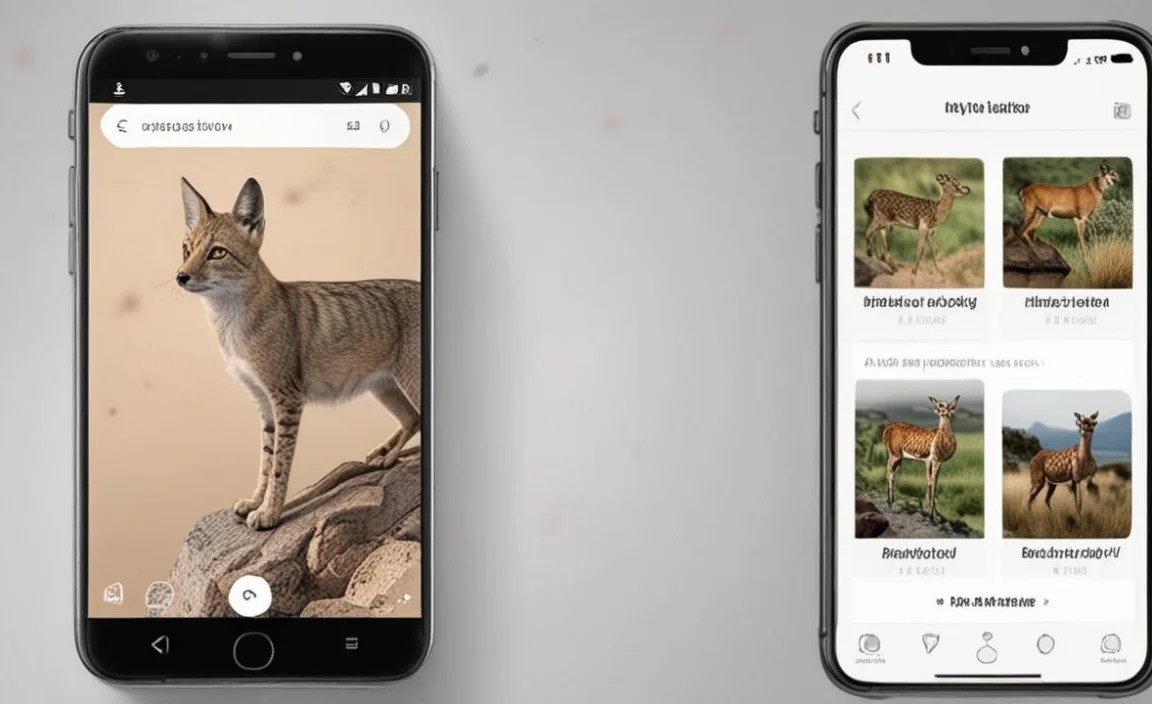
While a species identification mobile app free can be great, there are some possible problems. The biggest problem is accuracy. The apps are not always right. They can make mistakes. This is especially true if the picture is not clear. Another problem is that some apps have ads. These ads can be annoying. They can also slow down the app. Some apps also collect your data. They might track your location. They might collect information about the species you identify. It is important to read the app’s privacy policy before you download it. Finally, some apps require internet. This means you cannot use them if you are in an area without a signal.
* The apps are not always accurate.
* Some apps have annoying ads.
* Some apps collect your data.
* Some apps require internet.
* Battery drain can be an issue.
Imagine you are trying to identify a rare butterfly. You take a picture with your phone. The app tells you it is a common butterfly. You believe the app and don’t look into it further. You might miss an opportunity to report a sighting of a rare species. This could be important for conservation. Always double-check the app’s identification.
Data Privacy Concerns
Why is data privacy important? Data privacy means controlling who has access to your information. Some apps collect data about you. This data might include your location, the species you identify, and your email address. They might use this data to show you ads. They might sell it to other companies. It is important to read the app’s privacy policy. See what data they collect. See how they use it. If you are not comfortable with their policies, don’t use the app. You can also use a VPN to protect your privacy. A VPN hides your location and other information.
Over-Reliance on Technology
Can you rely too much on technology? Yes, it is possible to rely too much on technology. It is important to still learn about nature in other ways. Read books about plants and animals. Talk to nature experts. Go on nature walks with experienced guides. Don’t just rely on the app to tell you everything. Use it as a tool to help you learn. But also use other resources. The more you learn from different sources, the better you will understand nature.
Battery Consumption
How much battery do these apps use? Some apps use a lot of battery. This is especially true if they use your camera a lot. It is also true if they use the internet a lot. Make sure you have enough battery before you go exploring. You can also bring a portable charger with you. Turn off the app when you are not using it. This will save battery. You can also turn down the brightness on your screen. This will also save battery. Some phones have a battery-saving mode. Turn this on to extend your battery life.
Fun Fact or Stat: Using a species ID app can drain your phone battery up to 20% faster, especially when using the camera and GPS frequently!
Alternatives to a Free Species App
If you don’t want to use a species identification mobile app free, there are other options. You can use a guidebook. Guidebooks have pictures and descriptions of different species. You can compare what you see to the pictures in the book. You can also ask a nature expert. Nature experts know a lot about plants and animals. They can help you identify species. You can visit a nature center. Nature centers have exhibits about local ecosystems. They also have staff who can answer your questions. You can join a nature club. Nature clubs go on field trips to explore nature. You can learn from other members. Finally, you can use the internet. There are many websites with information about plants and animals.
* Use a guidebook to identify species.
* Ask a nature expert for help.
* Visit a local nature center.
* Join a nature club for field trips.
* Use the internet to find information.
Imagine you are trying to identify a bird. You don’t have an app. You don’t have a guidebook. But you remember seeing a similar bird at the nature center. You go to the nature center and look at the exhibits. You find a picture of the bird you saw. You learn its name and other interesting facts.
Using Field Guides
Why are field guides helpful? Field guides are books that help you identify plants and animals. They have pictures and descriptions of different species. They also have information about where the species live and what they eat. Field guides are organized by category. For example, there might be a field guide for birds. There might be a field guide for flowers. To use a field guide, you compare what you see to the pictures in the book. You read the descriptions to see if they match. Field guides can be very helpful, but they can also be heavy to carry. They also require you to know a bit about what you are looking at already.
Consulting Experts
Why is it helpful to ask an expert? Nature experts know a lot about plants and animals. They have years of experience. They can identify species quickly and accurately. They can also tell you about the species’ behavior and habitat. Nature experts can be found at nature centers, museums, and universities. You can also find them online. If you are struggling to identify a species, don’t be afraid to ask an expert. They can be a valuable resource.
Joining Nature Clubs
What are the benefits of joining a nature club? Nature clubs are groups of people who are interested in nature. They go on field trips to explore different habitats. They learn about plants and animals. They also work to protect the environment. Joining a nature club is a great way to learn about nature. You can learn from other members. You can also make new friends who share your interests. Nature clubs often have events for kids and families.
Fun Fact or Stat: Studies show that people who regularly use field guides or consult with experts have a deeper understanding of ecological relationships!
Comparing Free Species ID Apps
Many species identification mobile app free are available. It can be hard to know which one to choose. Here is a table comparing some popular apps:
| App Name | Plants | Animals | Offline Use | Ads | Data Collection |
| —————– | —— | ——- | ———– | — | ————— |
| PlantNet | Yes | No | Yes | Yes | Yes |
| Seek by iNaturalist | Yes | Yes | No | No | Yes |
| PictureThis | Yes | No | No | Yes | Yes |
| iNaturalist | Yes | Yes | No | No | Yes |
This table shows that some apps are better for identifying plants. Some are better for identifying animals. Some apps can be used offline. Some apps have ads. Some apps collect your data. Choose the app that best meets your needs.
* Some apps are better for plants.
* Some are better for animals.
* Some apps work offline.
* Some have ads, some don’t.
* Data collection varies.
Imagine you want to identify both plants and animals. You also want to be able to use the app offline. You should choose an app that identifies both plants and animals and that works offline. Look at the table above to help you decide.
Accuracy Considerations
How accurate are these apps really? The accuracy of a species identification mobile app free depends on several factors. The quality of the image is important. A clear, well-lit image will give the app more information to work with. The app’s database is also important. An app with a large and up-to-date database is more likely to identify a species correctly. Finally, the app’s algorithms are important. The algorithms are the computer programs that the app uses to identify species. Some apps have better algorithms than others. It is important to remember that no app is perfect. They can all make mistakes. It is always a good idea to double-check the app’s identification with other sources.
User Interface and Experience
How easy are these apps to use? The user interface is how the app looks and how you interact with it. A good user interface is easy to understand and navigate. It should be easy to take pictures, identify species, and access information. Some apps have a simple and clean user interface. Others have a more complex user interface. Choose an app with a user interface that you find easy to use. Consider reading reviews from other users to get a sense of how easy the app is to use.
Community Features
What are the benefits of community features? Some apps have community features. These features allow you to share your findings with other users. You can also get help from other users. You can ask them to help you identify a species. You can also learn from their experiences. Community features can make using the app more fun and engaging. They can also help you learn more about nature. Some apps also use community data to improve their accuracy. When users confirm or correct identifications, the app learns from those corrections.
Fun Fact or Stat: Apps with strong community features often have higher accuracy rates because users help verify identifications!
Summary
A species identification mobile app free can be a fun and useful tool. It helps you learn about the plants and animals around you. These apps use your phone’s camera to identify species. They provide information about the species. They can help you become more aware of the environment. However, it is important to remember that these apps are not perfect. They can make mistakes. It is always a good idea to double-check their identifications. It’s also important to be aware of privacy concerns and battery usage. Choose an app that meets your needs. Consider accuracy, user interface, and community features.
Conclusion
Learning about nature is important. It helps us appreciate the world around us. A species identification mobile app free can make learning easier and more fun. These apps are a great way to explore your backyard or local park. They can help you identify plants and animals. They can also help you protect the environment. So, download an app and start exploring today!
Frequently Asked Questions
Question No 1: Are free species identification apps accurate?
Answer: The accuracy of a species identification mobile app free can vary. Some apps are very accurate, especially if you provide a clear, well-lit photo. However, no app is perfect. They can sometimes make mistakes, especially with rare or unusual species. It is always a good idea to double-check the app’s identification with other sources, such as a field guide or a nature expert. Remember, these apps are tools to help you learn, but they should not be your only source of information.
Question No 2: Do I need internet to use a species identification app?
Answer: Some species identification mobile app free require internet to work. These apps use online databases to identify species. Other apps can be used offline. These apps download the necessary information onto your phone. This means you can use them even if you don’t have an internet connection. Check the app’s description to see if it can be used offline. If you plan to use the app in areas without internet, choose an app that works offline. This will ensure you can still identify species even when you’re off the grid.
Question No 3: What if the app identifies the wrong species?
Answer: If you think the app has identified the wrong species, don’t worry! It happens sometimes. First, double-check the identification with other sources. Look in a field guide, or search online. If you are still unsure, ask a nature expert for help. Many apps also have community features. You can share your photo and ask other users to help identify the species. If you are sure the app is wrong, you can usually report the mistake. This helps the app learn and improve its accuracy. Remember, these apps are learning tools, and your feedback can help them get better.
Question No 4: Are these apps safe for kids to use?
Answer: Yes, many species identification mobile app free are safe for kids to use. However, it is always a good idea for parents to supervise their children’s use of technology. Some apps may collect data about your location or the species you identify. Read the app’s privacy policy before you download it. Choose apps that are designed for kids. These apps often have simpler language and easier-to-use interfaces. They may also have parental controls to help you manage your child’s use of the app. Look for apps that are rated for kids in the app store.
Question No 5: Can I use these apps to identify insects?
Answer: Yes, many species identification mobile app free can identify insects. Some apps are specifically designed for insect identification. These apps may have features that are helpful for identifying insects, such as the ability to zoom in on details or to compare different insect features. When identifying insects, it is important to get a clear, close-up photo. Try to focus on the insect’s body shape, color, and markings. Some apps also allow you to identify insects based on their location or behavior. This can be helpful if you don’t have a clear photo.
Question No 6: Do these apps collect my personal data?
Answer: Some species identification mobile app free collect personal data. This data may include your location, the species you identify, and your email address. The app developers may use this data to improve the app, to show you ads, or to sell to other companies. Before you download an app, read its privacy policy. This will tell you what data the app collects and how it uses it. If you are concerned about your privacy, choose an app that collects less data. You can also use a VPN to protect your privacy. A VPN hides your location and other information from the app developers.


