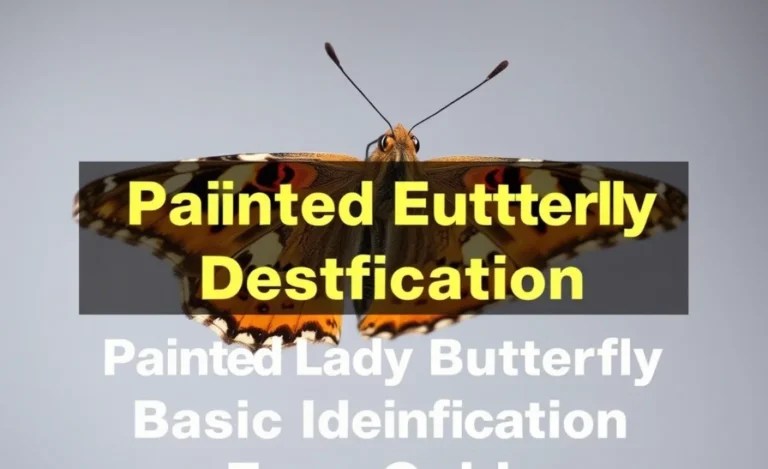
Painted Lady Butterfly Facts for Kids: Fun Revealed!

Have you ever seen a butterfly with orange, brown, and white wings? It might have been a painted lady butterfly! These butterflies are found all over the world. They are known for their long journeys. What other painted lady butterfly facts for kids are there?
These butterflies are truly amazing creatures. They start as tiny eggs. Then, they become caterpillars. Next, they form a chrysalis. Finally, they emerge as beautiful butterflies. Learning about them is very exciting.
Did you know that painted lady butterflies love to travel? They can fly thousands of miles. Let’s discover more painted lady butterfly facts for kids. Get ready to learn about their life cycle, habitat, and more!
Key Takeaways
- Painted lady butterflies migrate long distances, sometimes thousands of miles.
- Their diet mainly consists of nectar from various flowers and plants.
- The life cycle includes egg, larva (caterpillar), pupa (chrysalis), and adult stages.
- These butterflies are found on every continent except Antarctica. This is one of the most interesting painted lady butterfly facts for kids.
- They are known for their distinctive orange, brown, and white patterned wings.
Amazing Painted Lady Butterfly Facts for Kids

Painted lady butterflies are very common. They live in many places around the world. You can find them in gardens, meadows, and even cities! They love sunny spots with lots of flowers. These butterflies are known for their beautiful wings. The wings have a mix of orange, brown, and white colors. They also have small black spots. These colors help them to blend in with their surroundings. This helps to protect them from predators. Painted lady butterflies are truly fascinating to watch as they flutter around, sipping nectar from flowers. They play an important role in the environment by pollinating flowers. They help plants to grow and spread. Painted lady butterfly facts for kids include their ability to adapt to different climates and environments, making them one of the most widespread butterfly species on Earth. Their resilience and beauty make them a favorite among butterfly enthusiasts and gardeners alike.
- They live almost everywhere.
- Their wings have orange, brown, and white colors.
- Black spots help them blend in.
- They pollinate flowers.
- They adapt to different climates.
Understanding where painted lady butterflies live and thrive helps us appreciate their adaptability. They are not picky about their homes. They can survive in many different places. This is because they can eat many different plants. Their caterpillars eat thistles, mallows, and other leafy plants. Adult butterflies drink nectar from various flowers. This flexibility allows them to live in diverse environments. Painted lady butterflies can be found in North America, Europe, Asia, and Africa. They even migrate to new areas when the seasons change. Their ability to travel long distances helps them find food and suitable habitats. Painted lady butterfly facts for kids often highlight their impressive range and survival skills, showing how these butterflies have conquered the world with their beauty and resilience.
What Do Painted Lady Butterflies Eat?
Have you ever wondered what these pretty butterflies eat? Painted lady butterflies have a special diet. As caterpillars, they munch on leaves. Their favorite foods include thistles and mallows. These plants give them the nutrients they need to grow. When they become butterflies, their diet changes. They drink nectar from flowers. Nectar is a sweet liquid that flowers make. It gives the butterflies energy to fly. They use their long, straw-like tongue to sip the nectar. This tongue is called a proboscis. It works like a tiny straw. Painted lady butterfly facts for kids often mention their love for nectar. Different flowers offer different types of nectar. These butterflies are not picky eaters. They will visit many kinds of flowers. This helps them to survive in different places. They are important pollinators, too. As they drink nectar, they carry pollen from flower to flower.
How Do They Find Food?
How do painted lady butterflies find their food? These butterflies have special ways to locate nectar-rich flowers. They use their eyesight to spot colorful blooms from a distance. They are attracted to bright colors like red, yellow, and purple. Once they see a flower, they fly closer to investigate. They also use their sense of smell. Flowers have scents that attract butterflies. The butterflies can smell these scents from far away. They follow the scent to find the flower. Painted lady butterfly facts for kids include their ability to remember good food sources. If a butterfly finds a flower with lots of nectar, it will remember where it is. It will return to that flower again and again. They also learn from each other. If one butterfly finds a good food source, it may lead other butterflies to it. This helps the whole group to find enough to eat.
Why Is Their Diet Important?
The diet of painted lady butterflies is very important. It affects their health and survival. As caterpillars, they need to eat lots of leaves. This helps them grow big and strong. The nutrients from the leaves prepare them for the next stage of their life cycle. As butterflies, they need nectar for energy. The sugar in nectar fuels their flight. It helps them to migrate long distances. Without enough nectar, they cannot fly as far. Painted lady butterfly facts for kids emphasize the importance of their diet. A good diet also helps them to reproduce. Female butterflies need energy to lay eggs. The eggs need nutrients to develop. If the butterflies do not have enough food, they may not be able to lay eggs. This can affect the butterfly population. So, a healthy diet is crucial for the survival of painted lady butterflies. It helps them to grow, fly, reproduce, and thrive.
Fun Fact or Stat: A painted lady butterfly can fly up to 100 miles in a single day during its migration!
Painted Lady Butterfly Life Cycle Facts for Kids

The painted lady butterfly has a fascinating life cycle. It starts as a tiny egg. The female butterfly lays her eggs on leaves. These eggs are very small and hard to see. After a few days, the egg hatches into a caterpillar. The caterpillar is also called a larva. The caterpillar eats a lot of leaves. It grows very quickly. As it grows, it sheds its skin. This is called molting. After several molts, the caterpillar is ready to pupate. It forms a chrysalis around itself. Inside the chrysalis, the caterpillar transforms into a butterfly. This process is called metamorphosis. After about two weeks, the butterfly emerges from the chrysalis. Its wings are wet and crumpled. It takes a few hours for the wings to dry and expand. Then, the butterfly is ready to fly away. Painted lady butterfly facts for kids highlight this amazing transformation, showcasing nature’s incredible design.
- It starts as an egg.
- The egg hatches into a caterpillar.
- The caterpillar eats and grows.
- It forms a chrysalis.
- A butterfly emerges from the chrysalis.
Understanding the painted lady butterfly life cycle is important. Each stage plays a crucial role. The egg is the beginning of life. The caterpillar is a growing machine. It prepares for the transformation inside the chrysalis. The chrysalis is like a safe house. Inside, the caterpillar changes into a butterfly. The butterfly is the final stage. It can fly, reproduce, and start the cycle again. Painted lady butterfly facts for kids often focus on the wonder of metamorphosis. This process is amazing to watch. It shows how nature can create something beautiful and new. The life cycle of the painted lady butterfly is a reminder of the constant change and renewal in the natural world. By studying this cycle, we can learn more about biology and the interconnectedness of life.
How Long Does Each Stage Last?
Do you know how long each stage of the life cycle lasts? The egg stage lasts about 3 to 5 days. The caterpillar stage lasts about 2 to 4 weeks. The chrysalis stage lasts about 1 to 2 weeks. The butterfly stage can last from 2 weeks to several months. This depends on the environment and the availability of food. Painted lady butterfly facts for kids often include these timelines. These times can vary depending on the temperature and other conditions. Warmer temperatures can speed up the process. Colder temperatures can slow it down. The amount of food available also affects the length of each stage. If the caterpillar has plenty to eat, it will grow faster. If the butterfly has access to lots of nectar, it will live longer. Understanding these timelines helps us appreciate the delicate balance of nature and the factors that influence the life cycle of these beautiful creatures.
What Happens Inside the Chrysalis?
What exactly happens inside the chrysalis? This stage is a mystery to many. Inside the chrysalis, the caterpillar undergoes an amazing transformation. Its body breaks down into a soup-like substance. Then, special cells called imaginal discs start to rebuild the body. These cells create the wings, legs, and other parts of the butterfly. The process is complex and fascinating. Painted lady butterfly facts for kids often highlight the magic of this transformation. The caterpillar’s old body is completely reorganized. It becomes something entirely new. The chrysalis protects the developing butterfly. It provides a safe and stable environment. This allows the transformation to happen without interruption. The butterfly emerges from the chrysalis fully formed and ready to fly. This process is a testament to the power of nature and the incredible ability of living things to change and adapt.
Why Is Metamorphosis Important?
Why is metamorphosis so important for painted lady butterflies? Metamorphosis allows the butterfly to change its form. It adapts to different stages of its life. The caterpillar is designed for eating and growing. The butterfly is designed for flying and reproducing. Without metamorphosis, the butterfly could not survive. It would not be able to find food or lay eggs. Painted lady butterfly facts for kids emphasize the importance of this adaptation. Metamorphosis also allows the butterfly to avoid competition. Caterpillars and butterflies eat different foods. They do not compete for the same resources. This helps both stages to thrive. Metamorphosis is a key adaptation that has allowed butterflies to survive for millions of years. It is a testament to the power of evolution and the ability of living things to adapt to their environment. It is a fascinating process that continues to amaze scientists and nature lovers alike.
Fun Fact or Stat: The painted lady butterfly’s wings are made of tiny scales, like shingles on a roof!
Painted Lady Butterfly Habitat Facts for Kids

Painted lady butterflies are found almost everywhere! They live on every continent except Antarctica. This makes them one of the most widespread butterflies in the world. They can live in many different habitats. They prefer open areas with lots of flowers. You can find them in gardens, meadows, fields, and along roadsides. They also live in deserts and mountains. Painted lady butterflies are very adaptable. They can survive in both hot and cold climates. They migrate long distances to find food and suitable breeding grounds. This migration helps them to colonize new areas. Painted lady butterfly facts for kids include their ability to thrive in diverse environments. Their wide distribution is a testament to their resilience and adaptability. They are a common sight in many parts of the world, bringing beauty and color to the landscapes they inhabit.
- They live almost everywhere except Antarctica.
- They prefer open areas with flowers.
- They live in gardens, meadows, and fields.
- They also live in deserts and mountains.
- They migrate long distances.
Understanding the habitat of painted lady butterflies helps us appreciate their resilience. They are not limited to specific environments. They can thrive in many different places. This is because they can eat a variety of plants. Their caterpillars eat thistles, mallows, and other leafy plants. Adult butterflies drink nectar from various flowers. This flexibility allows them to survive in diverse climates. Painted lady butterfly facts for kids often highlight their adaptability. They can be found in North America, Europe, Asia, and Africa. They even migrate to new areas when the seasons change. Their ability to travel long distances helps them find food and suitable habitats. Their wide distribution is a testament to their adaptability and their ability to thrive in a changing world.
What Kind of Climate Do They Prefer?
What kind of climate do painted lady butterflies prefer? These butterflies are very adaptable. They can live in a wide range of climates. They are found in both hot and cold regions. They can tolerate temperatures from below freezing to over 100 degrees Fahrenheit. However, they prefer warm and sunny weather. They need sunlight to warm their bodies. This helps them to fly and find food. Painted lady butterfly facts for kids often mention their adaptability to different climates. They are not limited to specific temperature ranges. They can adjust to changing conditions. This allows them to live in many different parts of the world. They migrate to warmer areas during the winter. They return to cooler areas during the summer. This helps them to find suitable breeding grounds and food sources. Their ability to thrive in diverse climates is a key factor in their wide distribution.
Why Are Flowers Important to Their Habitat?
Why are flowers so important to the habitat of painted lady butterflies? Flowers provide nectar, which is the main food source for adult butterflies. Nectar is a sweet liquid that gives them energy to fly and reproduce. Without flowers, the butterflies would not be able to survive. Flowers also provide a place for the butterflies to lay their eggs. Some butterflies lay their eggs on specific types of flowers. The caterpillars then eat the leaves of these flowers. Painted lady butterfly facts for kids emphasize the importance of flowers. Flowers also attract other insects and animals. These creatures can provide food for the butterflies or help to pollinate the flowers. A healthy ecosystem with lots of flowers is essential for the survival of painted lady butterflies. Protecting and preserving these habitats is crucial for ensuring the future of these beautiful creatures.
How Do They Adapt to Different Environments?
How do painted lady butterflies adapt to different environments? These butterflies have several adaptations that allow them to thrive in diverse habitats. They can tolerate a wide range of temperatures. They can adjust their body temperature to stay warm in cold weather and cool in hot weather. They can also eat a variety of plants. This allows them to survive in areas where only certain plants grow. Painted lady butterfly facts for kids include their ability to migrate long distances. This helps them to find food and suitable breeding grounds when conditions change. They can also reproduce quickly. This allows them to increase their population when conditions are favorable. Their adaptability is a key factor in their wide distribution. They are able to survive and thrive in many different environments around the world.
Fun Fact or Stat: Painted lady butterflies are one of the most widely distributed butterfly species, found on almost every continent!
Painted Lady Butterfly Migration Facts for Kids

Painted lady butterflies are famous for their long migrations. They travel thousands of miles each year. They fly from North Africa to Europe in the spring. They return south in the fall. These migrations are driven by the search for food and suitable breeding grounds. The butterflies follow the blooming flowers. They lay their eggs on plants that their caterpillars can eat. The migrations are not done by individual butterflies. Instead, it is a multi-generational journey. The butterflies that start the journey do not complete it. They lay eggs and die along the way. Their offspring continue the journey. Painted lady butterfly facts for kids include the fact that they are some of the most impressive migrators in the insect world. This incredible feat of navigation and endurance is a testament to their resilience and determination.
- They migrate thousands of miles.
- They fly from North Africa to Europe.
- They follow the blooming flowers.
- It is a multi-generational journey.
- Offspring continue the journey.
Understanding the migration of painted lady butterflies helps us appreciate their incredible abilities. They navigate using the sun and the Earth’s magnetic field. They can fly long distances without stopping. They can also fly in groups. This helps them to conserve energy and stay safe. Painted lady butterfly facts for kids often focus on the challenges of migration. The butterflies face many dangers along the way. They can be blown off course by strong winds. They can be eaten by predators. They can also run out of food. Despite these challenges, they continue to migrate year after year. This is a testament to their resilience and determination. Their migrations are a reminder of the interconnectedness of ecosystems and the importance of protecting migratory species.
How Do They Navigate?
How do painted lady butterflies navigate during their long migrations? These butterflies use a combination of methods to find their way. They rely on the sun as a compass. They can sense the angle of the sun and use it to maintain their direction. They also use the Earth’s magnetic field. They have special receptors that allow them to detect magnetic fields. This helps them to stay on course even when the sun is hidden. Painted lady butterfly facts for kids include their ability to use landmarks. They can recognize mountains, rivers, and other geographic features. This helps them to orient themselves and stay on track. They also learn from each other. Older butterflies can guide younger butterflies along the migration route. Their navigation skills are truly remarkable and allow them to travel thousands of miles with amazing accuracy.
Why Do They Migrate?
Why do painted lady butterflies migrate such long distances? The main reason is to find food and suitable breeding grounds. They migrate to areas where there are plenty of flowers for them to feed on. They also migrate to areas where their caterpillars can find food. They lay their eggs on plants that their caterpillars can eat. Painted lady butterfly facts for kids often emphasize the importance of resources. They migrate to escape harsh weather conditions. They move to warmer areas during the winter to avoid freezing temperatures. They also move to areas with more rainfall to find water. Their migrations are driven by the need to survive and reproduce. They are constantly searching for the best conditions to thrive and ensure the survival of their species.
What Challenges Do They Face During Migration?
What challenges do painted lady butterflies face during their migrations? These butterflies encounter many obstacles along their long journeys. They face strong winds that can blow them off course. They encounter predators such as birds and spiders. They also face a lack of food and water in some areas. Painted lady butterfly facts for kids often highlight these dangers. They must overcome these challenges to reach their destination. They use their strong wings to fly against the wind. They use camouflage to avoid predators. They rely on their ability to find food and water along the way. Their resilience and determination are truly remarkable. They are able to overcome these challenges and complete their migrations year after year.
Fun Fact or Stat: Painted lady butterflies migrate in groups, sometimes forming swarms of millions of individuals!
Painted Lady Butterfly Conservation Facts for Kids

Painted lady butterflies are not currently endangered. However, they face several threats. Habitat loss is a major concern. As humans build more cities and farms, they destroy the butterfly’s habitat. Pesticides also harm butterflies. These chemicals kill the plants that butterflies need for food. Climate change is another threat. Changes in temperature and rainfall can disrupt their migration patterns. It can also affect the availability of food. Painted lady butterfly facts for kids include ways to help them. We can plant flowers that provide nectar for butterflies. We can avoid using pesticides in our gardens. We can also support organizations that protect butterfly habitats. By taking these actions, we can help ensure that painted lady butterflies continue to thrive.
- Habitat loss is a major threat.
- Pesticides harm butterflies.
- Climate change disrupts migration.
- Plant flowers for nectar.
- Avoid using pesticides.
Understanding the conservation needs of painted lady butterflies is important. They are an important part of the ecosystem. They pollinate flowers and provide food for other animals. If their population declines, it can have a ripple effect throughout the ecosystem. Painted lady butterfly facts for kids often emphasize their role in the environment. We can all play a role in protecting these butterflies. By making small changes in our own lives, we can make a big difference. We can plant native flowers in our gardens. We can avoid using harmful chemicals. We can also educate others about the importance of butterfly conservation. Together, we can create a world where painted lady butterflies can thrive for generations to come.
How Can We Protect Their Habitat?
How can we protect the habitat of painted lady butterflies? There are several things we can do to help. We can preserve existing butterfly habitats. This means protecting meadows, fields, and other open areas with lots of flowers. We can also create new butterfly habitats. We can plant butterfly gardens in our yards and schools. Painted lady butterfly facts for kids include the importance of native plants. Native plants are the best choice for butterfly gardens. They provide the food and shelter that butterflies need. We can also reduce our use of pesticides. Pesticides can harm butterflies and other beneficial insects. By taking these actions, we can help to protect the habitat of painted lady butterflies and ensure their survival.
Why Is It Important to Avoid Pesticides?
Why is it so important to avoid using pesticides? Pesticides are chemicals that are designed to kill insects. However, they can also harm beneficial insects like butterflies. Pesticides can kill butterflies directly. They can also kill the plants that butterflies need for food. Painted lady butterfly facts for kids often highlight the dangers of pesticides. Pesticides can also contaminate the soil and water. This can harm other animals and plants in the ecosystem. By avoiding the use of pesticides, we can protect butterflies and other beneficial insects. We can also protect the environment. There are many natural alternatives to pesticides. We can use these alternatives to control pests in our gardens and farms.
What Role Do They Play in the Ecosystem?
What role do painted lady butterflies play in the ecosystem? These butterflies are important pollinators. They help to transfer pollen from one flower to another. This helps plants to reproduce. They also provide food for other animals. Birds, lizards, and other animals eat butterflies. Painted lady butterfly facts for kids emphasize their importance in the food chain. They are also indicators of environmental health. If the butterfly population declines, it can be a sign that the environment is unhealthy. By protecting butterflies, we can help to maintain a healthy ecosystem. A healthy ecosystem provides many benefits to humans, including clean air, clean water, and fertile soil. Protecting butterflies is essential for the health of our planet.
| Threat | Impact | Solution |
|---|---|---|
| Habitat Loss | Reduces breeding and feeding grounds. | Preserve and create butterfly gardens. |
| Pesticides | Kills butterflies and their food sources. | Use natural pest control methods. |
| Climate Change | Disrupts migration and food availability. | Reduce carbon footprint, support conservation. |
| Pollution | Contaminates food and water sources. | Reduce pollution, promote clean environments. |
Fun Fact or Stat: You can help painted lady butterflies by planting milkweed in your garden, as it’s a favorite food for their caterpillars!
Summary
Painted lady butterflies are fascinating creatures. They are found all over the world. They have a unique life cycle. They migrate long distances. They face many threats. These painted lady butterfly facts for kids show how amazing they are. Their life cycle includes the egg, caterpillar, chrysalis, and butterfly stages. They migrate to find food and suitable breeding grounds. Habitat loss, pesticides, and climate change threaten their survival. We can help them by planting flowers, avoiding pesticides, and supporting conservation efforts. Learning about these butterflies helps us appreciate the importance of protecting all creatures and their habitats. They play a vital role in the ecosystem. They are pollinators and food for other animals. Protecting them helps maintain a healthy environment.
Conclusion
Painted lady butterflies are truly remarkable insects. They show us the beauty and wonder of nature. They teach us about life cycles, migration, and conservation. These painted lady butterfly facts for kids highlight their importance. We can all help to protect them. Plant flowers, avoid pesticides, and support conservation efforts. By doing so, we can ensure that these beautiful butterflies continue to thrive. They will continue to inspire and delight us for generations to come. Let’s all do our part to protect these amazing creatures.
Frequently Asked Questions
Question No 1: What do painted lady butterflies eat?
Answer: Painted lady butterflies have different diets at different stages of their life. As caterpillars, they primarily eat leaves. Their favorite leaves come from plants like thistles, mallows, and other leafy weeds. This is why you might find them in gardens or fields where these plants grow. As adult butterflies, they primarily drink nectar from flowers. Nectar is a sweet liquid that provides them with energy. They use a long, straw-like tongue called a proboscis to sip the nectar from various types of flowers. These painted lady butterfly facts for kids help us understand their eating habits.
Question No 2: Where do painted lady butterflies live?
Answer: Painted lady butterflies are found almost everywhere in the world! They live on every continent except Antarctica. This makes them one of the most widespread butterfly species on Earth. They can live in many different types of habitats. They are often found in open areas like gardens, meadows, fields, and along roadsides. They are also able to survive in more extreme environments such as deserts and mountains. One of the interesting painted lady butterfly facts for kids is that they are very adaptable. They can adjust to different climates and environments, which is why they are found in so many different places.
Question No 3: How long do painted lady butterflies live?
Answer: The lifespan of a painted lady butterfly depends on the stage of its life cycle. As eggs, they only last a few days before hatching. As caterpillars, they live for about two to four weeks, eating and growing rapidly. The pupa, or chrysalis, stage lasts for about one to two weeks, during which they transform into a butterfly. As adult butterflies, they can live for about two weeks to a month, sometimes longer. This depends on factors like the weather and the availability of food. These painted lady butterfly facts for kids explain that their entire life cycle, from egg to adult, can take about a month or two.
Question No 4: Why do painted lady butterflies migrate?
Answer: Painted lady butterflies migrate for a few important reasons. The main reason is to find better living conditions. They fly to areas where there is more food available. They also migrate to find suitable places to lay their eggs. Sometimes, they migrate to escape harsh weather conditions, such as cold winters. They travel long distances, sometimes thousands of miles, to reach these better environments. These painted lady butterfly facts for kids show that migration is a way for them to survive and thrive.
Question No 5: How can I help painted lady butterflies?
Answer: There are many ways you can help painted lady butterflies! One of the best things you can do is plant flowers in your garden. Choose flowers that provide nectar, which is the butterfly’s food source. Native plants are especially good. You can also avoid using pesticides in your garden. Pesticides can harm butterflies and other beneficial insects. Another helpful action is to support organizations that protect butterfly habitats. These painted lady butterfly facts for kids highlight the importance of creating a safe and healthy environment. Even small actions can make a big difference.
Question No 6: What colors are painted lady butterflies?
Answer: Painted lady butterflies are known for their beautiful and colorful wings. Their wings are mostly orange and brown. They also have white spots and black markings. The patterns and colors can vary slightly from butterfly to butterfly. The colors help them to blend in with their surroundings. This helps them to avoid predators. These painted lady butterfly facts for kids show that their colors are not just pretty. They also serve an important purpose. The combination of colors makes them easily recognizable and a favorite among butterfly enthusiasts.