
Genetic Diversity of Monarchs: The Powerful Secret

Quick Summary: The genetic diversity of monarch butterflies is crucial for their survival. A diverse gene pool helps them adapt to environmental changes, resist diseases, and maintain healthy populations. Factors like habitat loss, climate change, and small population sizes threaten this diversity, making conservation efforts essential to protect these iconic butterflies.
Have you ever wondered why some monarch butterflies seem stronger or better able to handle changing weather? It all comes down to their genes! Genetic diversity is like a safety net for monarchs. It gives them the tools they need to survive tough times. But with shrinking habitats and changing climates, this precious diversity is at risk. Don’t worry; understanding the challenges is the first step. Let’s explore how we can help these beautiful creatures thrive for generations to come!
Understanding Genetic Diversity of Monarchs

Genetic diversity refers to the variety of genes within a population. In simple terms, it’s the range of different traits and characteristics that exist among individual monarchs. This diversity is essential for the long-term survival and resilience of the species. When a population has high genetic diversity, it is better equipped to adapt to new challenges, such as diseases, climate change, and habitat loss.
Why Genetic Diversity Matters
Imagine a team of athletes where everyone has the same strengths and weaknesses. If they face a challenge that exploits their weakness, the whole team struggles. Now, imagine a team with diverse skills and abilities. They are much more likely to overcome any obstacle because they have a variety of tools and approaches at their disposal. Genetic diversity works the same way for monarch butterflies.
- Adaptation: Genetic diversity allows monarchs to adapt to changing environmental conditions. For example, some monarchs may have genes that make them more resistant to extreme temperatures or drought.
- Disease Resistance: A diverse gene pool means that some individuals will likely have genes that provide resistance to diseases and parasites. This prevents a single disease from wiping out the entire population.
- Reproductive Success: Genetic diversity can improve reproductive success. When monarchs have diverse genes, they are less likely to suffer from inbreeding depression, which can lead to reduced fertility and weaker offspring.
- Overall Health: Genetic diversity contributes to the overall health and vigor of monarch populations. Diverse genes ensure that monarchs have a range of traits that help them thrive in different environments.
Factors Influencing Genetic Diversity
Several factors play a crucial role in maintaining or reducing the genetic diversity of monarch butterflies.
- Population Size: Small populations tend to have lower genetic diversity. When there are fewer individuals, there is less variation in the gene pool. This can lead to inbreeding and a loss of genetic diversity over time.
- Habitat Loss: The destruction and fragmentation of monarch habitats can isolate populations, preventing them from interbreeding. This isolation reduces gene flow and can lead to a decline in genetic diversity.
- Climate Change: Changing climate patterns can disrupt monarch migration and breeding cycles. Extreme weather events, such as droughts and heatwaves, can reduce monarch populations and further decrease genetic diversity.
- Pesticide Use: The use of pesticides, particularly neonicotinoids, can harm monarch butterflies and reduce their populations. This can lead to a loss of genetic diversity, as fewer individuals survive to reproduce.
Threats to Monarch Genetic Diversity

Monarch butterflies face numerous threats that can reduce their genetic diversity. Understanding these threats is essential for developing effective conservation strategies.
Habitat Loss and Fragmentation
Habitat loss is one of the most significant threats to monarch butterflies. As natural habitats are converted for agriculture, urban development, and other human activities, monarchs lose the resources they need to survive and reproduce. This loss of habitat can lead to smaller, more isolated populations, which are more vulnerable to genetic bottlenecks.
- Deforestation: The clearing of forests, particularly in the overwintering sites in Mexico, destroys critical habitat for monarch butterflies.
- Agricultural Expansion: The conversion of grasslands and meadows into agricultural land reduces the availability of milkweed, the only food source for monarch caterpillars.
- Urban Development: The expansion of cities and towns destroys monarch habitats and creates barriers that prevent monarchs from moving between fragmented habitats.
Climate Change
Climate change poses a significant threat to monarch butterflies, affecting their migration patterns, breeding cycles, and overall survival. Changes in temperature and precipitation can disrupt the timing of milkweed emergence and monarch migration, leading to mismatches between the availability of food and the arrival of monarchs.
- Extreme Weather Events: Droughts, heatwaves, and severe storms can reduce monarch populations and damage their habitats.
- Changes in Migration Patterns: Climate change can alter monarch migration routes, making it more difficult for them to reach their overwintering sites.
- Mismatch in Timing: Changes in temperature can cause milkweed to emerge earlier or later than usual, which can disrupt the monarch breeding cycle.
Pesticide Use
The use of pesticides, particularly neonicotinoids, can harm monarch butterflies and reduce their populations. Neonicotinoids are systemic insecticides that can be absorbed by plants, including milkweed. When monarch caterpillars feed on contaminated milkweed, they can be poisoned.
- Direct Toxicity: Pesticides can directly kill monarch butterflies and caterpillars.
- Indirect Effects: Pesticides can reduce the availability of milkweed and other nectar sources, which can harm monarch populations.
- Sublethal Effects: Even if pesticides don’t directly kill monarchs, they can have sublethal effects, such as reduced growth, development, and reproductive success.
Small Population Sizes
Small populations of monarch butterflies are more vulnerable to genetic bottlenecks, which can lead to a significant loss of genetic diversity. A genetic bottleneck occurs when a population experiences a sharp reduction in size, resulting in a loss of rare alleles and a decrease in overall genetic diversity.
- Inbreeding: Small populations are more likely to experience inbreeding, which can lead to reduced fertility, weaker offspring, and an increased risk of genetic disorders.
- Loss of Rare Alleles: When a population experiences a genetic bottleneck, rare alleles are more likely to be lost, which can reduce the population’s ability to adapt to future challenges.
- Reduced Adaptive Potential: Lower genetic diversity means that the population has less capacity to adapt to changing environmental conditions or new diseases.
Assessing Genetic Diversity

Scientists use various techniques to assess the genetic diversity of monarch butterflies. These methods help them understand the genetic structure of monarch populations and identify areas where conservation efforts are most needed.
Molecular Markers
Molecular markers are specific DNA sequences that vary among individuals. Scientists use these markers to measure the genetic diversity within and among monarch populations.
- Microsatellites: Microsatellites are short, repetitive DNA sequences that are highly variable and easy to analyze. They are commonly used to assess genetic diversity in monarch butterflies.
- Single Nucleotide Polymorphisms (SNPs): SNPs are single-base variations in DNA sequences. They provide a high-resolution measure of genetic diversity and can be used to identify genes that are associated with specific traits.
- Mitochondrial DNA (mtDNA): mtDNA is inherited maternally and can be used to trace the ancestry and migration patterns of monarch butterflies.
Population Genetics Analysis
Population genetics analysis involves using statistical methods to analyze genetic data and understand the genetic structure of monarch populations. These analyses can reveal patterns of gene flow, genetic differentiation, and inbreeding.
- Genetic Differentiation: Scientists can use genetic data to measure the degree of genetic differentiation among different monarch populations. This can help them understand how isolated these populations are and whether they are exchanging genes.
- Gene Flow: Gene flow refers to the movement of genes between populations. Population genetics analysis can reveal patterns of gene flow and identify barriers that are preventing monarchs from interbreeding.
- Inbreeding Coefficients: Inbreeding coefficients measure the degree of inbreeding within a population. High inbreeding coefficients can indicate that a population is at risk of inbreeding depression.
Genomic Studies
Genomic studies involve sequencing the entire genome of monarch butterflies. This provides a comprehensive view of the genetic diversity within the species and can reveal genes that are important for adaptation and survival.
- Genome Sequencing: Scientists can sequence the entire genome of monarch butterflies to identify all of the genes and genetic variations that are present.
- Comparative Genomics: Comparative genomics involves comparing the genomes of different monarch populations to identify genes that are associated with specific traits, such as migration, disease resistance, and cold tolerance.
- Functional Genomics: Functional genomics involves studying the function of genes and how they contribute to the overall biology of monarch butterflies.
Conserving Genetic Diversity
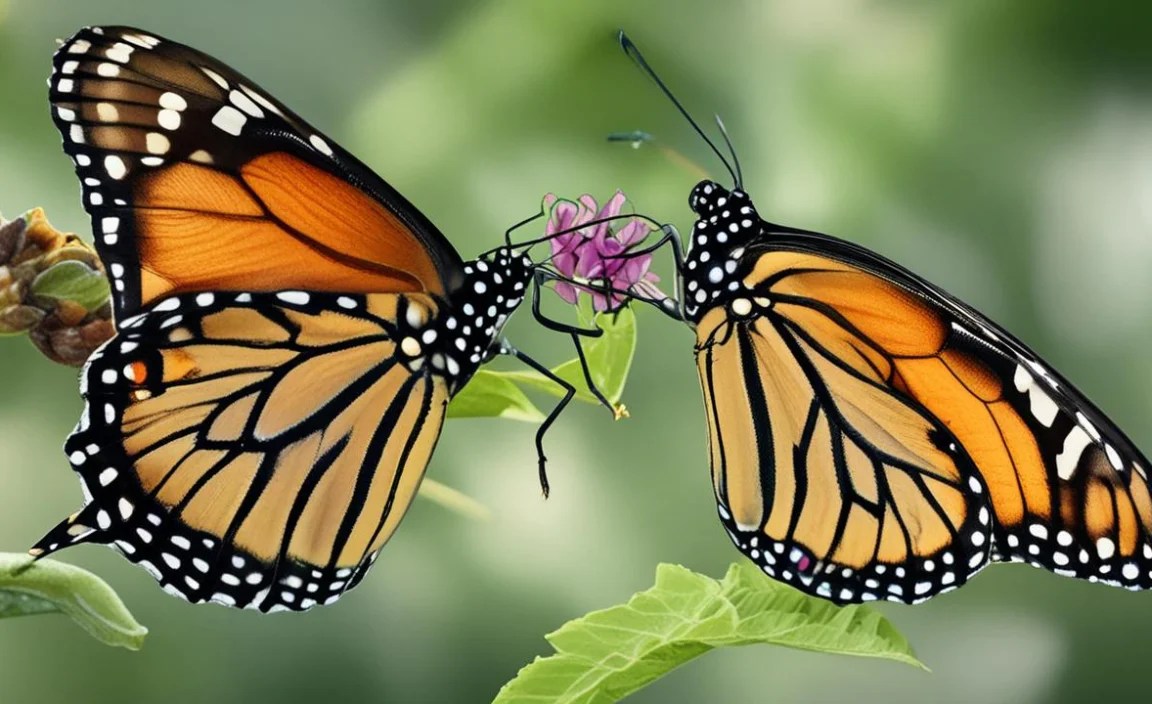
Conserving the genetic diversity of monarch butterflies is essential for ensuring the long-term survival of the species. Several strategies can be used to protect and enhance monarch genetic diversity.
Habitat Restoration and Protection
Protecting and restoring monarch habitats is crucial for maintaining genetic diversity. This involves conserving existing habitats, restoring degraded habitats, and creating new habitats for monarch butterflies.
- Milkweed Planting: Planting milkweed is essential for providing food for monarch caterpillars. Native milkweed species are the best choice, as they are adapted to local conditions and provide the most nutritious food for monarchs.
- Nectar Source Planting: Planting nectar-rich flowers provides food for adult monarch butterflies. Choose a variety of flowers that bloom throughout the monarch breeding season to ensure a continuous supply of nectar.
- Habitat Corridors: Creating habitat corridors can help connect fragmented habitats and allow monarchs to move between them. This promotes gene flow and can increase genetic diversity.
Promoting Gene Flow
Promoting gene flow between monarch populations can help maintain genetic diversity and prevent inbreeding. This can be achieved by creating habitat corridors, reducing barriers to movement, and translocating monarchs between populations.
- Habitat Connectivity: Creating connected habitats allows monarchs to move freely between populations, promoting gene flow and increasing genetic diversity.
- Reducing Barriers: Removing or reducing barriers to monarch movement, such as fences and roads, can help facilitate gene flow.
- Translocation: In some cases, it may be necessary to translocate monarchs between populations to increase genetic diversity. However, this should be done carefully to avoid introducing diseases or disrupting local adaptations.
Reducing Pesticide Use
Reducing the use of pesticides, particularly neonicotinoids, is essential for protecting monarch butterflies and maintaining their genetic diversity. This can be achieved by adopting integrated pest management (IPM) strategies, using alternative pest control methods, and advocating for stricter regulations on pesticide use.
- Integrated Pest Management (IPM): IPM involves using a combination of methods to control pests, including biological control, cultural practices, and targeted pesticide applications.
- Alternative Pest Control Methods: There are many alternative pest control methods that can be used to reduce the need for pesticides, such as using beneficial insects, planting pest-resistant varieties, and practicing crop rotation.
- Advocacy: Supporting policies and regulations that restrict the use of harmful pesticides can help protect monarch butterflies and other pollinators.
Captive Breeding Programs
Captive breeding programs can be used to increase the population size of monarch butterflies and maintain genetic diversity. However, these programs should be carefully managed to avoid inbreeding and loss of genetic diversity.
- Genetic Management: Captive breeding programs should be carefully managed to maintain genetic diversity. This involves selecting individuals for breeding that are genetically diverse and avoiding inbreeding.
- Reintroduction: Captive-bred monarchs can be reintroduced into the wild to supplement existing populations and increase genetic diversity. However, this should be done carefully to avoid introducing diseases or disrupting local adaptations.
- Education and Outreach: Captive breeding programs can also be used for education and outreach, raising awareness about the importance of monarch conservation.
The Role of Citizen Science

Citizen science plays a crucial role in monitoring and conserving monarch butterflies. By participating in citizen science projects, individuals can contribute valuable data that helps scientists understand monarch populations and their genetic diversity.
Monitoring Monarch Populations
Citizen scientists can help monitor monarch populations by counting monarchs, tracking their migration patterns, and reporting sightings of milkweed and nectar sources. This data can be used to assess the health of monarch populations and identify areas where conservation efforts are most needed.
- Monarch Watch: Monarch Watch is a citizen science program that engages volunteers in tagging monarch butterflies and tracking their migration.
- Journey North: Journey North is a citizen science program that tracks the migration of monarch butterflies and other species.
- eButterfly: eButterfly is a citizen science program that allows volunteers to report sightings of butterflies, including monarchs.
Habitat Monitoring
Citizen scientists can also help monitor monarch habitats by reporting the presence of milkweed and nectar sources, assessing habitat quality, and identifying threats to monarch habitats. This data can be used to prioritize habitat restoration and protection efforts.
- Milkweed Mapping: Citizen scientists can help map the distribution of milkweed by reporting sightings of milkweed plants.
- Habitat Assessment: Citizen scientists can assess the quality of monarch habitats by evaluating the abundance of milkweed and nectar sources, the presence of threats, and the overall condition of the habitat.
- Reporting Threats: Citizen scientists can report threats to monarch habitats, such as pesticide use, habitat destruction, and invasive species.
Genetic Sampling
In some cases, citizen scientists can even participate in genetic sampling by collecting tissue samples from monarch butterflies. These samples can be used to assess the genetic diversity of monarch populations and track changes in genetic diversity over time.
- Wing Clipping: Citizen scientists can collect small tissue samples from monarch butterflies by clipping a small portion of their wing. These samples can be used for DNA analysis.
- Non-Lethal Sampling: Scientists are developing non-lethal methods for collecting DNA samples from monarch butterflies, such as using swabs to collect cells from their legs or antennae.
Case Studies
Several case studies highlight the importance of genetic diversity for monarch butterfly conservation.
The Eastern Monarch Population
The eastern monarch population, which breeds east of the Rocky Mountains and overwinters in Mexico, has experienced significant declines in recent decades. Studies have shown that this population has relatively low genetic diversity, which may make it more vulnerable to environmental changes and diseases.
| Factor | Impact on Genetic Diversity |
|---|---|
| Habitat Loss | Reduces population size and isolates populations |
| Climate Change | Disrupts migration and breeding cycles |
| Pesticide Use | Reduces population size and contaminates milkweed |
The Western Monarch Population
The western monarch population, which breeds west of the Rocky Mountains and overwinters in California, has also experienced significant declines. This population is even smaller and more isolated than the eastern population, and it may be at even greater risk of losing genetic diversity.
Conservation Efforts in Mexico
Conservation efforts in Mexico, where the eastern monarch population overwinters, are crucial for protecting monarch habitats and maintaining genetic diversity. These efforts include protecting overwintering sites from logging and development, promoting sustainable agriculture, and educating local communities about the importance of monarch conservation.
FAQ: Genetic Diversity of Monarchs
Why is genetic diversity important for monarch butterflies?
Genetic diversity helps monarchs adapt to changes, resist diseases, and reproduce successfully.
What factors threaten genetic diversity in monarchs?
Habitat loss, climate change, pesticide use, and small population sizes all pose threats.
How can habitat restoration help monarchs?
Restoring habitats provides food and shelter, allowing for larger, healthier populations with more genetic diversity.
What is the role of citizen science in monarch conservation?
Citizen scientists monitor populations, track migrations, and report habitat conditions, contributing valuable data.
What are molecular markers and how are they used?
Molecular markers are DNA sequences that vary among individuals, helping scientists measure genetic diversity.
Can captive breeding programs help monarch populations?
Yes, if managed carefully to avoid inbreeding and maintain genetic diversity.
What can I do to help conserve monarch butterflies?
Plant milkweed and nectar sources, reduce pesticide use, and participate in citizen science projects.
Conclusion
The genetic diversity of monarch butterflies is a vital component of their resilience and long-term survival. As these iconic creatures face increasing threats from habitat loss, climate change, and pesticide use, it is crucial to understand and address the factors that impact their genetic health. By supporting conservation efforts, participating in citizen science projects, and making informed choices in our own backyards, we can all play a role in protecting the genetic diversity of monarch butterflies and ensuring that they continue to grace our world for generations to come. Every small action, from planting a milkweed seed to advocating for pesticide reduction, contributes to the larger goal of preserving the beauty and ecological importance of these magnificent butterflies.


