
Florida Butterfly Species: Spot Them All!

Florida boasts a vibrant array of butterfly species! This guide helps you identify common Florida butterflies, understand their habitats, and discover how to attract these beautiful creatures to your garden. Learn about their unique characteristics, host plants, and conservation status to become a butterfly expert.
Have you ever been mesmerized by a flutter of wings in your Florida garden, wondering about the beautiful creature flitting from flower to flower? Identifying Florida’s butterflies can feel overwhelming with so many colors and patterns. But don’t worry! This guide will help you unlock the secrets of Florida’s butterfly diversity. We’ll explore common species, their habitats, and how you can create a butterfly-friendly haven right in your backyard. Get ready to discover the fascinating world of Florida butterflies!
Florida Butterfly Species: A Naturalist’s Guide

Hello, butterfly enthusiasts! I’m Frances O’Brien from ButterflyAsk.com, and I’m thrilled to guide you through the enchanting world of Florida butterflies. Florida’s warm climate and diverse ecosystems make it a paradise for these winged jewels. From the iconic Monarch to the dazzling Zebra Longwing, Florida’s butterflies offer a spectacle of color and beauty. Let’s dive in and explore some of the most fascinating species you can find in the Sunshine State!
Common Florida Butterfly Species
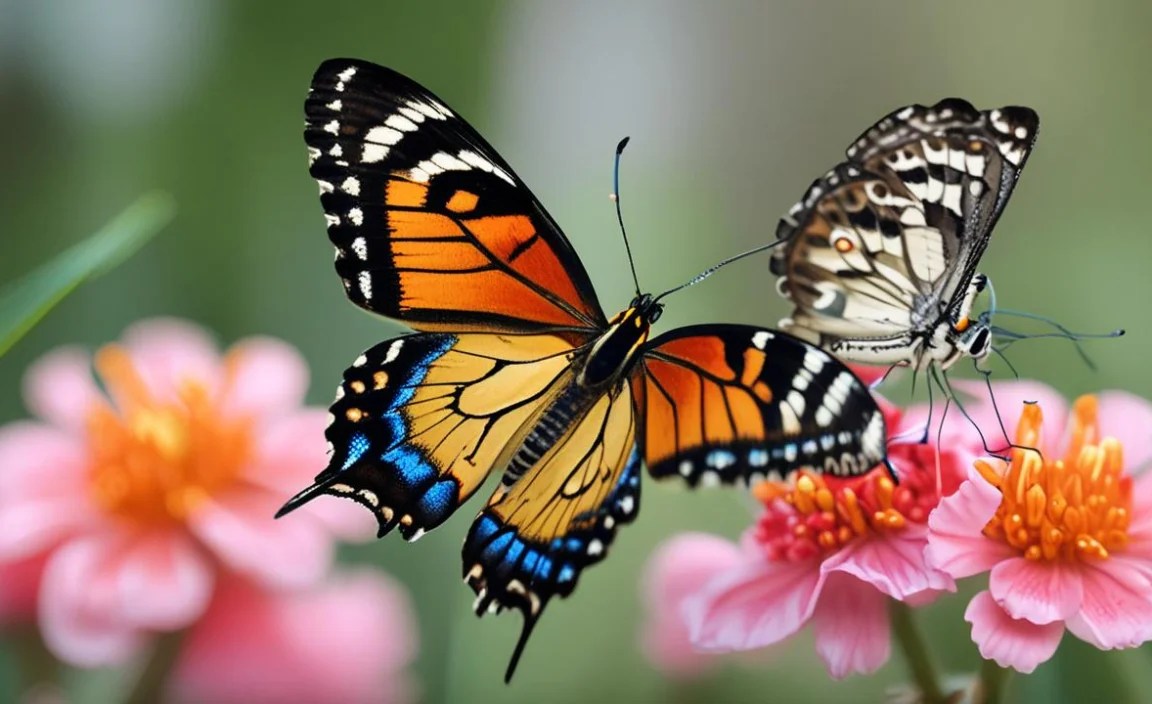
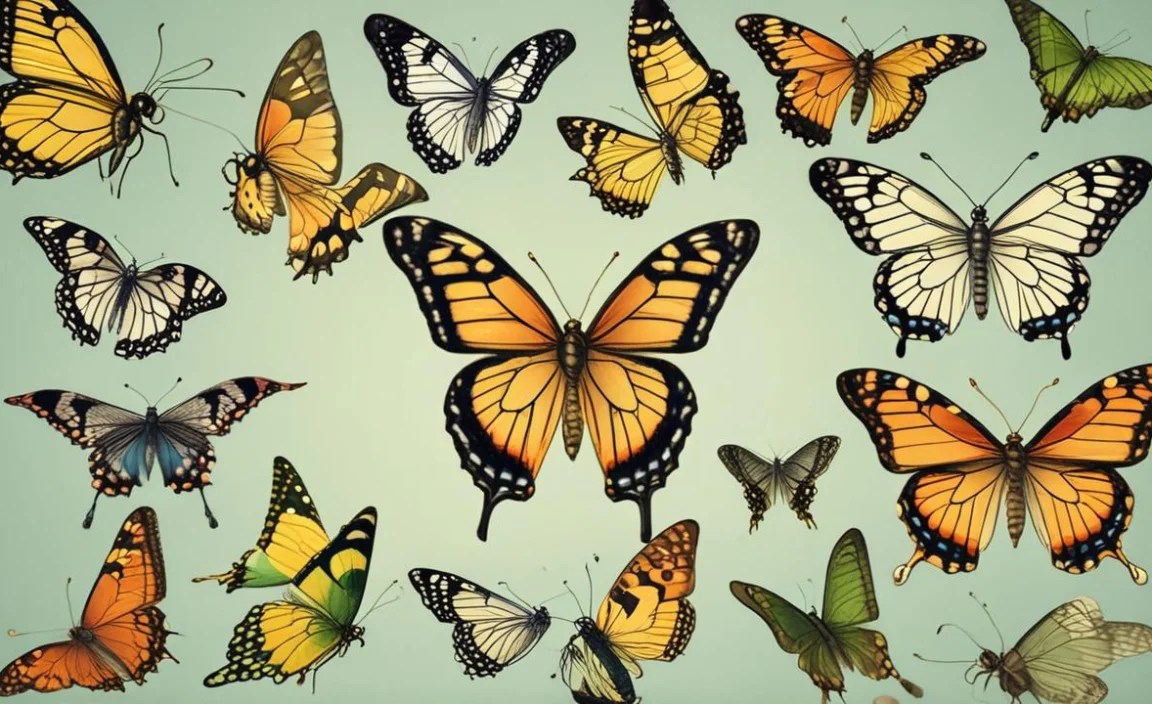
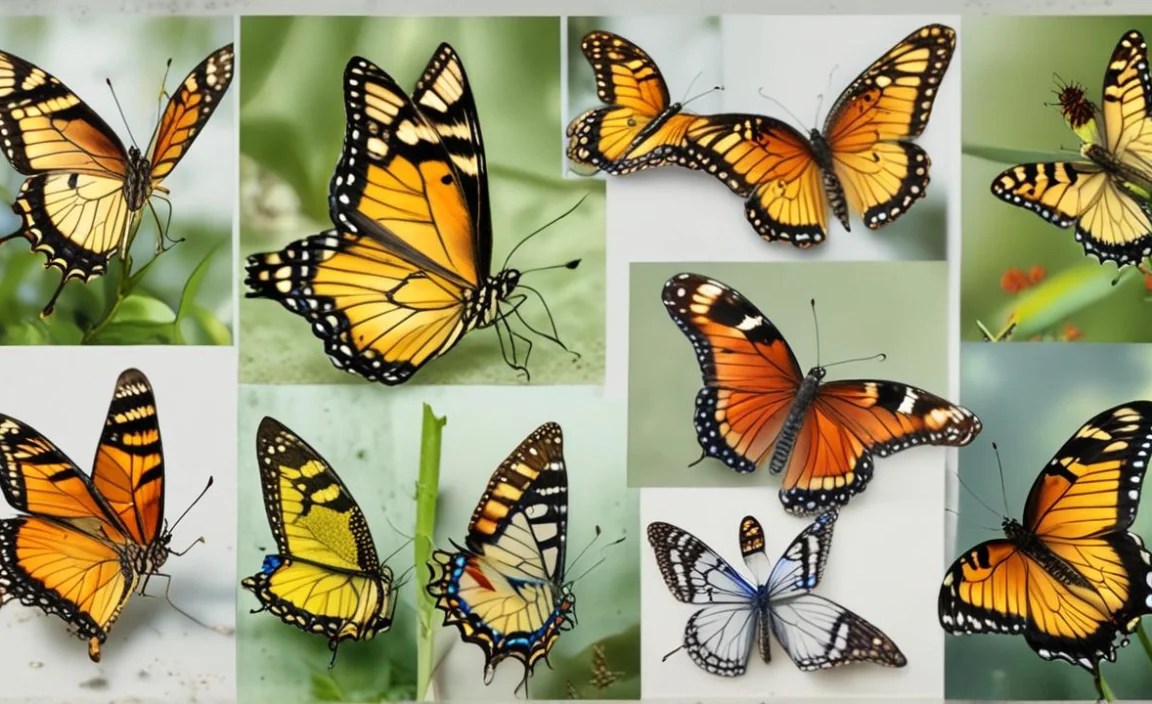
Florida is home to a wide variety of butterfly species. Here are some of the most common and easily identifiable ones:
- Monarch (Danaus plexippus): Perhaps the most recognizable butterfly, known for its striking orange and black wings and incredible migration.
- Zebra Longwing (Heliconius charithonia): Florida’s state butterfly, with distinctive black and white stripes.
- Gulf Fritillary (Agraulis vanillae): A bright orange butterfly with black markings and silvery spots on the underside of its wings.
- Pipevine Swallowtail (Battus philenor): A dark, iridescent butterfly with a beautiful blue sheen.
- Giant Swallowtail (Papilio cresphontes): One of the largest butterflies in North America, with a wingspan of up to 6 inches.
- Eastern Tiger Swallowtail (Papilio glaucus): A large, yellow butterfly with black stripes, resembling a tiger. Females can also be black.
- Cloudless Sulphur (Phoebis sennae): A vibrant yellow butterfly often seen flitting around gardens.
- Cabbage White (Pieris rapae): A small, white butterfly that is commonly found in gardens and fields.
- Skippers: This is a broad group, but many have darting flight patterns and hooked antennae.
Butterfly Identification Tips
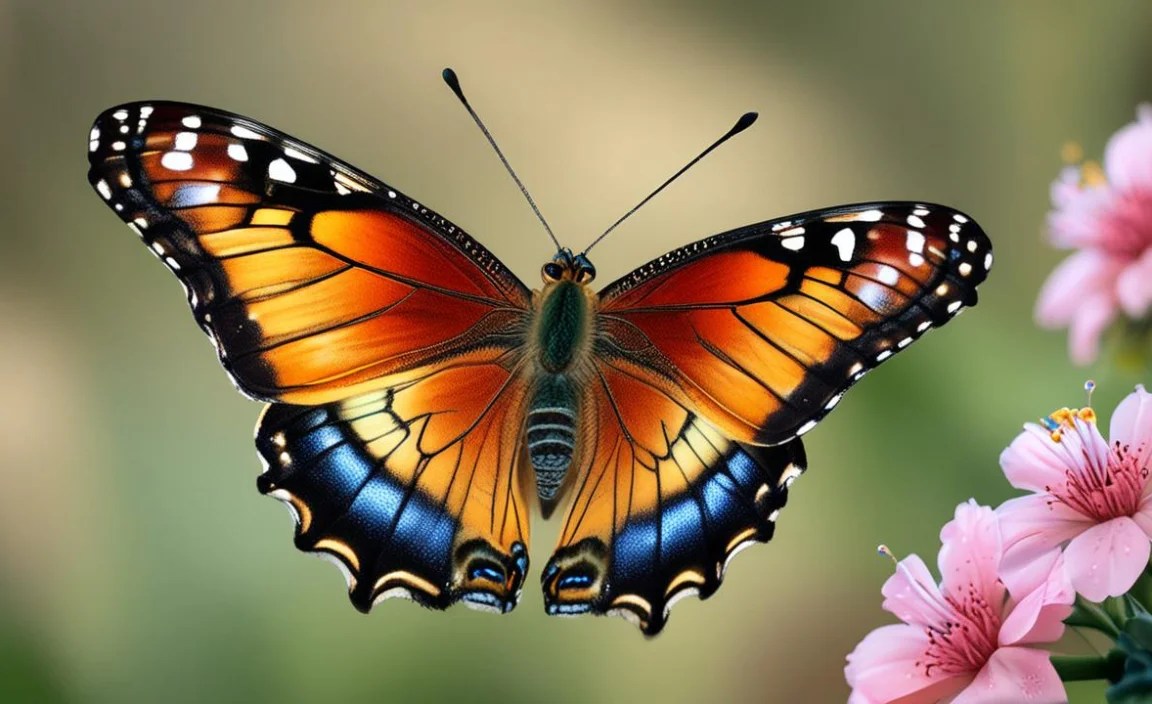
Identifying butterflies can be a rewarding experience. Here are some tips to help you distinguish between different species:
- Wing Color and Pattern: Pay close attention to the colors and patterns on the butterfly’s wings. Note any stripes, spots, or bands.
- Size: Observe the size of the butterfly. Some species are significantly larger or smaller than others.
- Shape: Notice the shape of the wings. Some butterflies have rounded wings, while others have more angular or elongated wings.
- Flight Pattern: Observe how the butterfly flies. Some species have a fast, erratic flight, while others have a more graceful, gliding flight.
- Habitat: Consider the habitat where you found the butterfly. Different species prefer different environments.
- Host Plants: Knowing the host plants that a butterfly relies on can help with identification.
Florida Butterfly Habitats
Butterflies thrive in a variety of habitats. Understanding these habitats can help you find and identify different species:
- Gardens: Gardens with a variety of flowering plants provide nectar for adult butterflies and host plants for caterpillars.
- Fields and Meadows: Open fields and meadows offer a diverse range of wildflowers and grasses that attract butterflies.
- Woodlands: Forest edges and clearings provide shelter and food sources for many butterfly species.
- Wetlands: Marshes and swamps offer unique habitats for specialized butterfly species.
- Coastal Areas: Coastal areas with salt-tolerant plants can attract butterflies adapted to these environments.
Attracting Butterflies to Your Garden

Creating a butterfly-friendly garden is a wonderful way to support these important pollinators. Here’s how you can attract butterflies to your yard:
- Plant Nectar-Rich Flowers: Choose flowers that provide a plentiful source of nectar, such as pentas, milkweed, zinnias, and salvia.
- Provide Host Plants: Plant the specific host plants that caterpillars need to feed on, such as milkweed for Monarchs and passionvine for Gulf Fritillaries.
- Offer a Water Source: Provide a shallow dish of water with pebbles or sand for butterflies to land on and drink.
- Create a Sunny Spot: Butterflies need sunlight to warm their bodies, so create a sunny area in your garden.
- Avoid Pesticides: Pesticides can harm or kill butterflies and other beneficial insects. Use natural pest control methods instead.
- Provide Shelter: Plant shrubs and trees to provide shelter from wind and rain.
- Leave Out Fruit: Overripe fruit, like bananas or oranges, can provide a supplemental food source.
Butterfly Host Plants
Host plants are essential for butterfly reproduction. Caterpillars feed exclusively on these plants. Here’s a table of some common Florida butterflies and their host plants:
| Butterfly Species | Host Plant |
|---|---|
| Monarch (Danaus plexippus) | Milkweed (Asclepias spp.) |
| Zebra Longwing (Heliconius charithonia) | Passionvine (Passiflora spp.) |
| Gulf Fritillary (Agraulis vanillae) | Passionvine (Passiflora spp.) |
| Pipevine Swallowtail (Battus philenor) | Pipevine (Aristolochia spp.) |
| Polydamas Swallowtail (Battus polydamas) | Pipevine (Aristolochia spp.) |
| Giant Swallowtail (Papilio cresphontes) | Citrus, Hercules’ Club, Rue |
| Eastern Black Swallowtail (Papilio polyxenes) | Parsley, Dill, Fennel, Carrot |
| Spicebush Swallowtail (Papilio troilus) | Spicebush, Sassafras |
| Eastern Tiger Swallowtail (Papilio glaucus) | Wild Cherry, Tulip Tree, Sweetbay Magnolia |
| Cloudless Sulphur (Phoebis sennae) | Senna (Senna spp.) |
Butterfly Nectar Plants
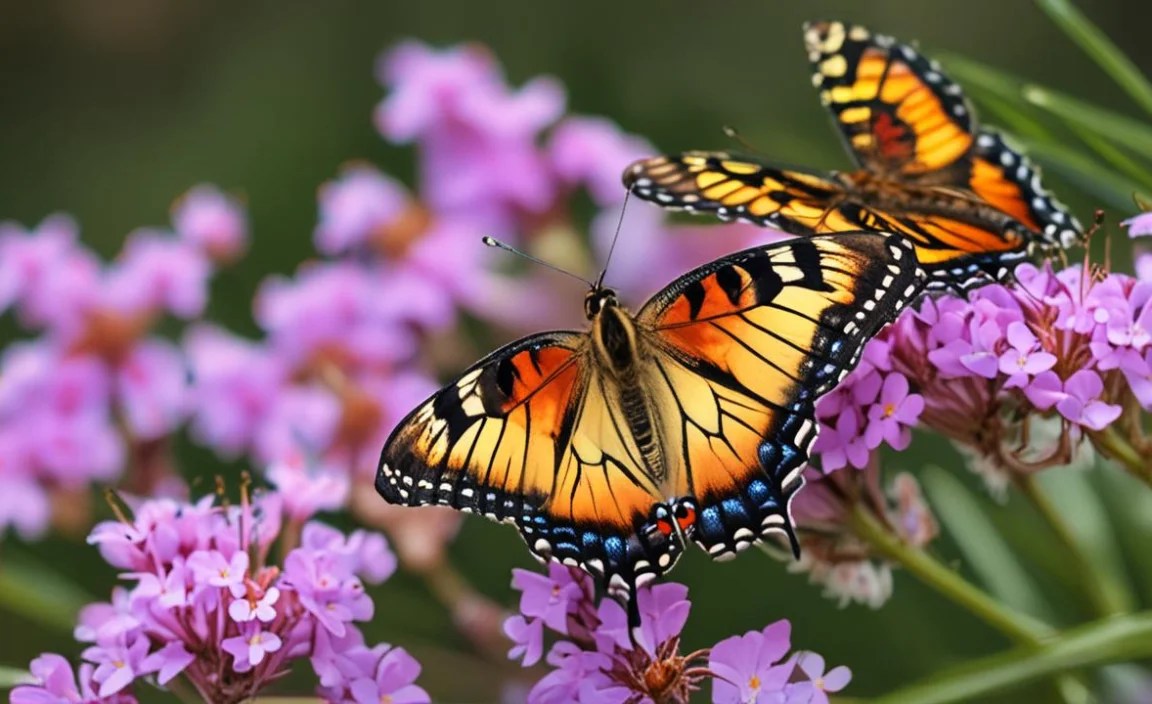
Nectar plants provide essential food for adult butterflies. Here’s a list of some popular nectar plants for Florida butterflies:
- Pentas
- Zinnias
- Salvia
- Butterfly Bush (Buddleja davidii)
- Lantana
- Coreopsis
- Black-Eyed Susan (Rudbeckia hirta)
- Mexican Sunflower (Tithonia rotundifolia)
- Ironweed (Vernonia spp.)
- Joe-Pye Weed (Eutrochium purpureum)
Butterfly Life Cycle
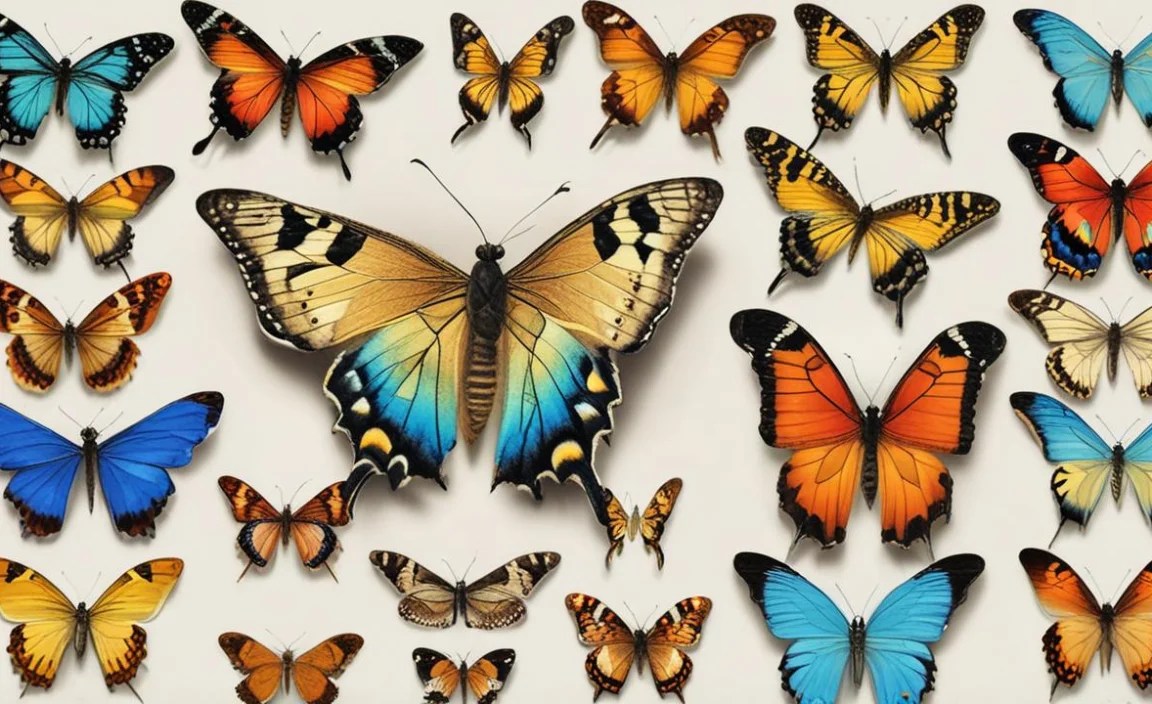
Understanding the butterfly life cycle can deepen your appreciation for these remarkable creatures. The butterfly life cycle consists of four stages:
- Egg: Butterflies lay their eggs on host plants. The eggs can be various shapes and colors.
- Larva (Caterpillar): The caterpillar hatches from the egg and feeds on the host plant. It grows and molts several times.
- Pupa (Chrysalis): The caterpillar transforms into a pupa or chrysalis. Inside the chrysalis, the butterfly undergoes metamorphosis.
- Adult: The adult butterfly emerges from the chrysalis. It flies off to reproduce and continue the cycle.
Butterfly Conservation
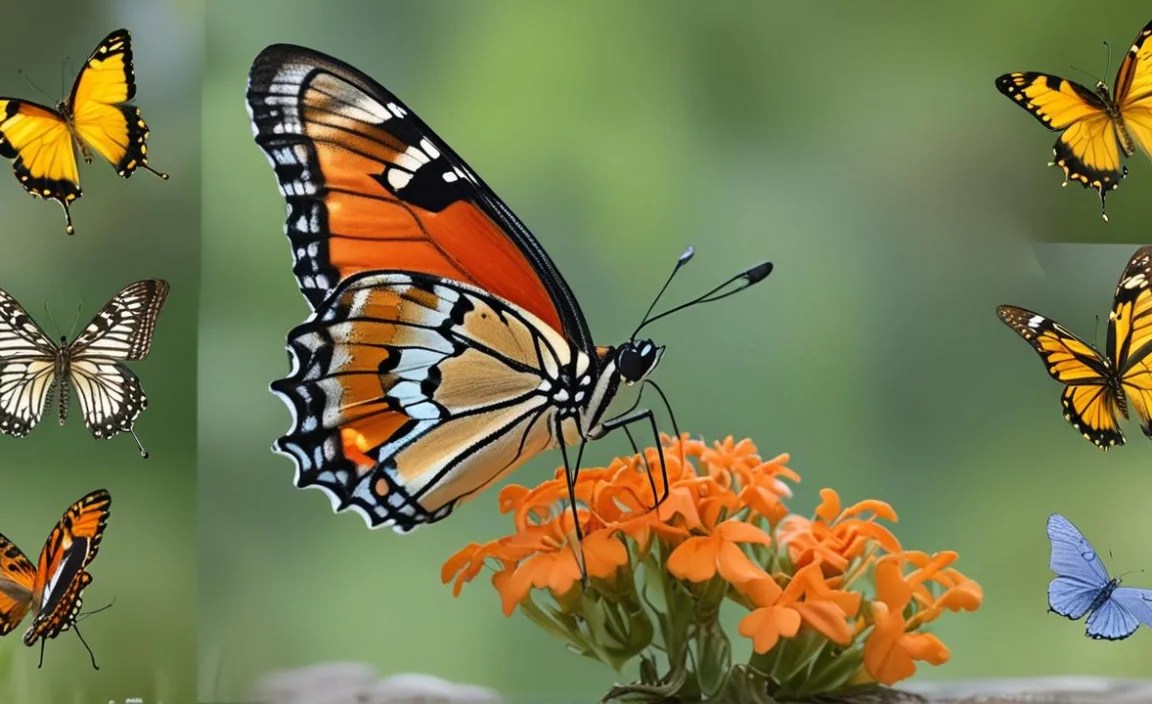
Many butterfly species are facing threats due to habitat loss, pesticide use, and climate change. Here’s how you can help conserve butterflies:
- Create Butterfly-Friendly Habitats: Plant native nectar and host plants in your garden.
- Avoid Pesticides: Use natural pest control methods to protect butterflies and other beneficial insects.
- Support Conservation Organizations: Donate to or volunteer with organizations that work to protect butterfly habitats. The Xerces Society is a great resource.
- Educate Others: Share your knowledge about butterflies with friends, family, and neighbors.
- Participate in Citizen Science: Contribute to butterfly monitoring programs to help track butterfly populations.
Florida Butterfly Migration
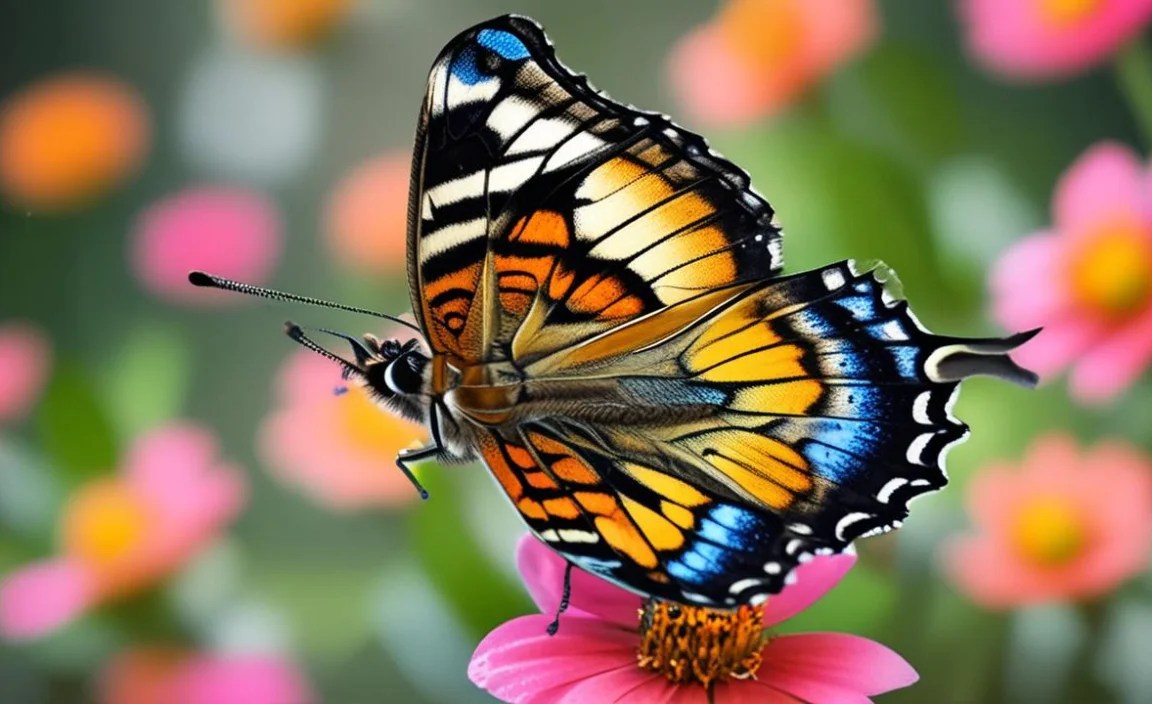
While not as famous as the Monarch’s epic journey, some Florida butterflies undertake local migrations or seasonal movements. Understanding these patterns helps us appreciate their resilience.
- Monarchs: Some Monarchs overwinter in Florida, especially in South Florida. Their populations are bolstered by migrating Monarchs from the eastern United States. The U.S. Fish and Wildlife Service has more information.
- Gulf Fritillaries: These butterflies can move northward during warmer months and retreat southward as temperatures drop.
- Cloudless Sulphurs: Similar to Gulf Fritillaries, Cloudless Sulphurs can exhibit seasonal movements depending on food availability.
Butterfly Camouflage and Mimicry

Butterflies employ fascinating strategies for survival, including camouflage and mimicry.
- Camouflage: Some butterflies have wing patterns that resemble leaves or bark, helping them blend into their surroundings. Examples include the Oak Hairstreak (Satyrium favonius).
- Mimicry: Other butterflies mimic the appearance of toxic or unpalatable species to deter predators. The Viceroy butterfly (Limenitis archippus) mimics the Monarch.
Butterfly Symbolism and Cultural Significance

Butterflies have been symbols of transformation, hope, and beauty across cultures for centuries.
- Transformation: The butterfly’s metamorphosis from caterpillar to winged adult represents personal growth and change.
- Hope: Butterflies are often seen as symbols of hope and new beginnings.
- Soul and Spirit: In some cultures, butterflies are believed to represent the human soul or spirit.
Rare and Endangered Florida Butterflies

Sadly, some Florida butterfly species are facing threats and are considered rare or endangered. Conservation efforts are crucial to protect these vulnerable creatures.
- Florida Leafwing (Anaea floridalis): This butterfly is endemic to Florida and is threatened by habitat loss.
- Bartram’s Scrub-Hairstreak (Strymon acis bartrami): This butterfly is found only in scrub habitats in Florida and is endangered due to habitat destruction.
- Miami Blue (Cyclargus thomasi bethune-bakeri): Once thought to be extinct, the Miami Blue has been reintroduced to some areas of South Florida.
Resources for Further Learning
Want to learn more about Florida butterflies? Here are some helpful resources:
- University of Florida IFAS Extension: Offers a wealth of information on Florida butterflies and gardening for butterflies.
- Florida Museum of Natural History: Provides detailed species accounts and identification guides.
- Local Butterfly Clubs: Join a local butterfly club to connect with other enthusiasts and participate in field trips.
Photographing Butterflies
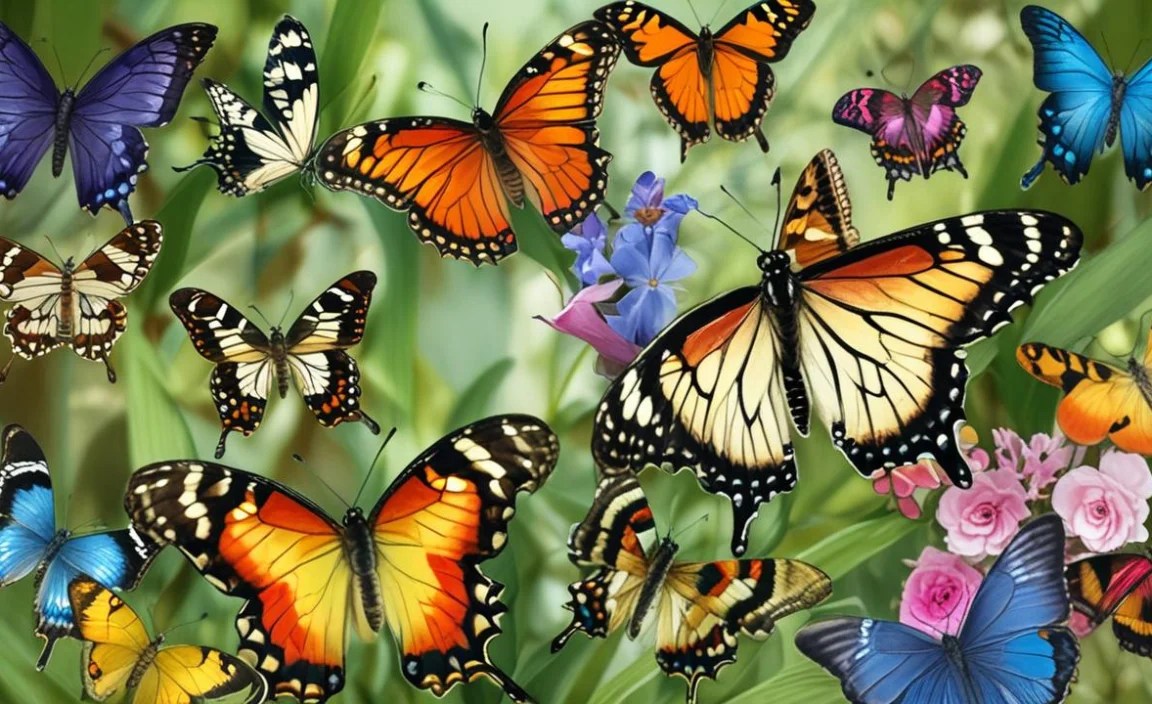
Capturing the beauty of butterflies through photography can be a rewarding hobby. Here are some tips for photographing butterflies:
- Use a Macro Lens: A macro lens allows you to capture close-up details of butterflies.
- Shoot in Natural Light: Natural light is best for capturing the vibrant colors of butterflies.
- Be Patient: Butterflies are often on the move, so be patient and wait for the right moment.
- Focus on the Eyes: Sharp focus on the butterfly’s eyes will create a captivating image.
- Respect the Butterfly: Be careful not to disturb or harm the butterfly while photographing it.
Butterfly Gardening for Beginners
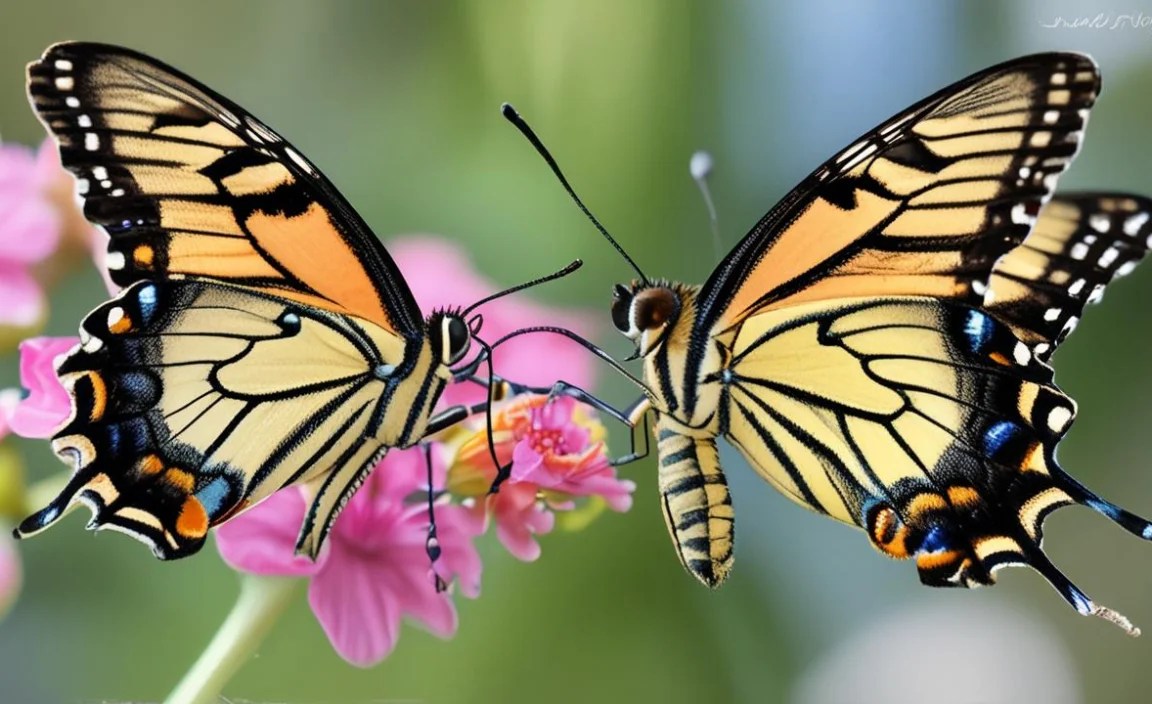
Starting a butterfly garden can seem daunting, but it’s easier than you think! Here’s a simple guide for beginners:
- Assess Your Space: Determine the amount of sunlight and space you have available.
- Choose Native Plants: Select native nectar and host plants that are well-suited to your local climate and soil conditions.
- Prepare the Soil: Amend the soil with compost to improve drainage and fertility.
- Plant in Groups: Plant flowers in groups to create a visually appealing and attractive habitat for butterflies.
- Water Regularly: Water your plants regularly, especially during dry periods.
- Monitor for Pests: Keep an eye out for pests and diseases and take action as needed.
- Enjoy the Butterflies! Sit back and enjoy the beauty of the butterflies that visit your garden.
The Ecological Importance of Butterflies

Butterflies play a crucial role in the ecosystem. They are important pollinators, helping to ensure the reproduction of many plants. They also serve as a food source for birds and other animals. By supporting butterflies, you’re contributing to the health and biodiversity of your local environment.
Frequently Asked Questions (FAQs)
What is Florida’s state butterfly?
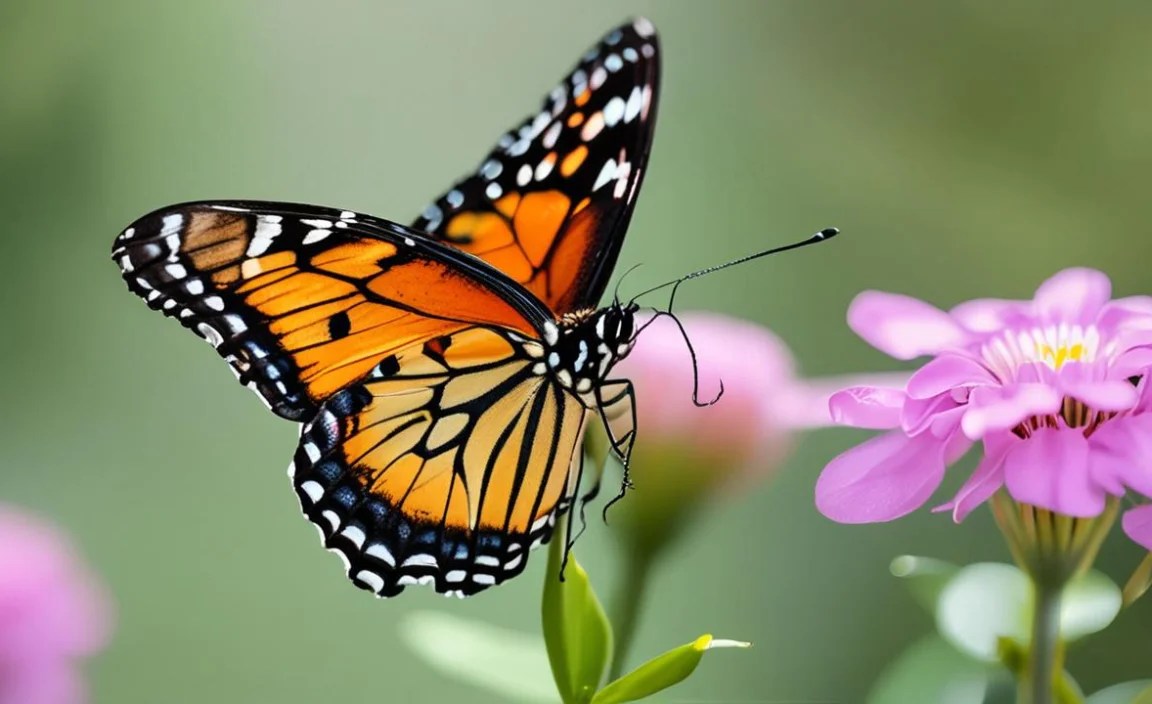
Florida’s state butterfly is the Zebra Longwing (Heliconius charithonia), known for its striking black and white stripes.
What is the best time of year to see butterflies in Florida?

The best time to see butterflies in Florida is during the warmer months, from spring to fall, when flowers are in bloom and butterflies are most active.
What is a host plant?
A host plant is a specific type of plant that a butterfly caterpillar feeds on. Different butterfly species have different host plant preferences.
How can I attract Monarch butterflies to my garden?

To attract Monarch butterflies, plant milkweed (Asclepias spp.), which is the host plant for Monarch caterpillars. Also, provide nectar-rich flowers for adult Monarchs to feed on.
Are butterflies harmful to gardens?

No, butterflies are not harmful to gardens. Adult butterflies are beneficial pollinators, and while caterpillars feed on plants, they rarely cause significant damage.
What can I do to protect endangered butterflies in Florida?

You can protect endangered butterflies by creating butterfly-friendly habitats, avoiding pesticides, supporting conservation organizations, and educating others about the importance of butterfly conservation.
Where can I see a large number of butterflies in Florida?

Several locations offer excellent butterfly viewing, including botanical gardens, nature preserves, and state parks. Some popular spots include Butterfly World in Coconut Creek and the Key West Butterfly and Nature Conservatory.
Conclusion
Exploring the world of Florida butterfly species is an adventure that connects us to the beauty and complexity of nature. By learning to identify these delicate creatures, creating butterfly-friendly habitats, and supporting conservation efforts, we can all play a part in protecting these vital pollinators for generations to come. So, step outside, observe the flutter of wings, and let the magic of Florida’s butterflies inspire you!


