Butterfly Rearing Kit Guide: The Easy Secrets!

A butterfly rearing kit guide will help you successfully raise butterflies at home! These kits provide everything you need to nurture caterpillars into beautiful butterflies, offering a fantastic learning experience for all ages. With the right kit and proper care, you can witness the amazing transformation of a butterfly in your own home!
Have you ever dreamed of watching a tiny caterpillar transform into a magnificent butterfly? It’s an incredible experience that brings the wonders of nature right into your home. But where do you start? Many beginners find the process daunting, worrying about providing the right environment and food for these delicate creatures. Don’t worry, you’re not alone!
This guide will walk you through everything you need to know about butterfly rearing kits. We’ll cover choosing the right kit, setting it up, caring for your caterpillars, and releasing your butterflies back into nature. Get ready to embark on a fascinating journey and witness one of nature’s most beautiful miracles!
What is a Butterfly Rearing Kit?

A butterfly rearing kit is a set of tools and supplies designed to help you raise butterflies from caterpillars in a controlled environment. These kits typically include:
- Enclosure: A mesh or plastic habitat to protect caterpillars from predators and contain them as they grow.
- Caterpillar Food: Either pre-packaged food or instructions on sourcing appropriate leaves.
- Instructions: A guide on how to care for your caterpillars and butterflies.
Some kits may also include additional items like a magnifying glass for observation, a spray bottle for humidity, and educational materials about the butterfly life cycle.
Why Use a Butterfly Rearing Kit?
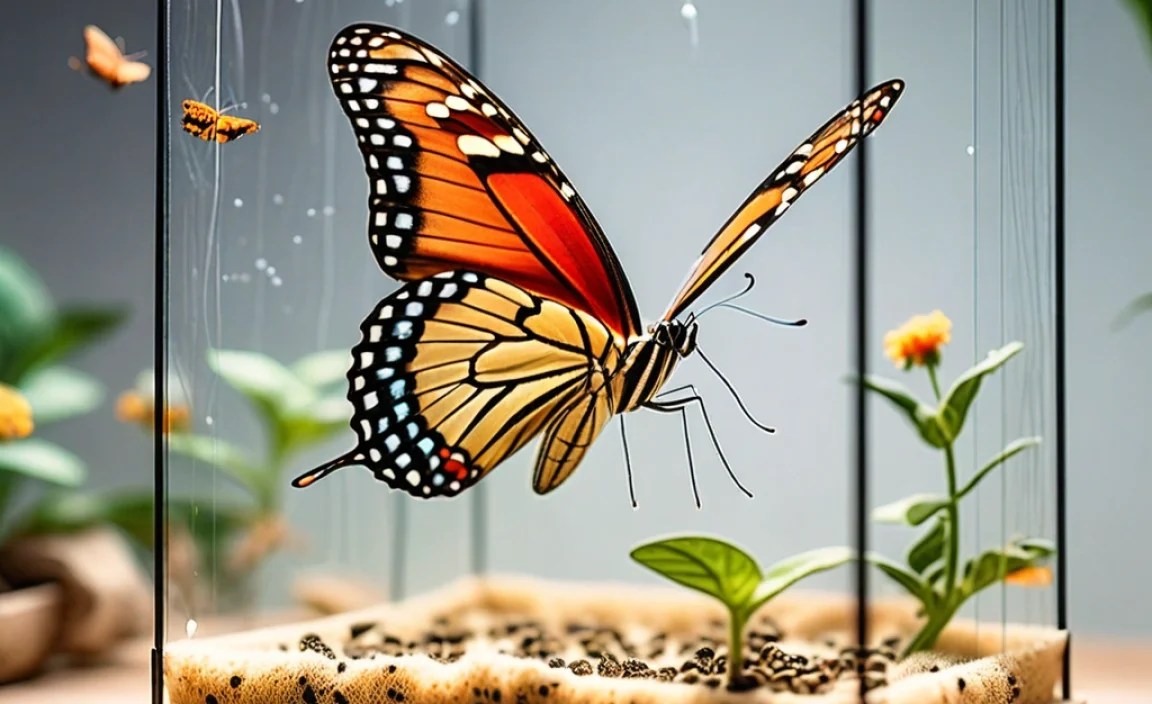
Using a butterfly rearing kit offers several benefits:
- Protection: Kits protect caterpillars from predators like birds, spiders, and other insects.
- Controlled Environment: They provide the right humidity and ventilation for healthy development.
- Educational Value: Rearing kits are a fantastic way to learn about the butterfly life cycle firsthand.
- Convenience: Kits come with everything you need, taking the guesswork out of raising butterflies.
- Conservation: By raising and releasing butterflies, you can help support local butterfly populations.
Choosing the Right Butterfly Rearing Kit
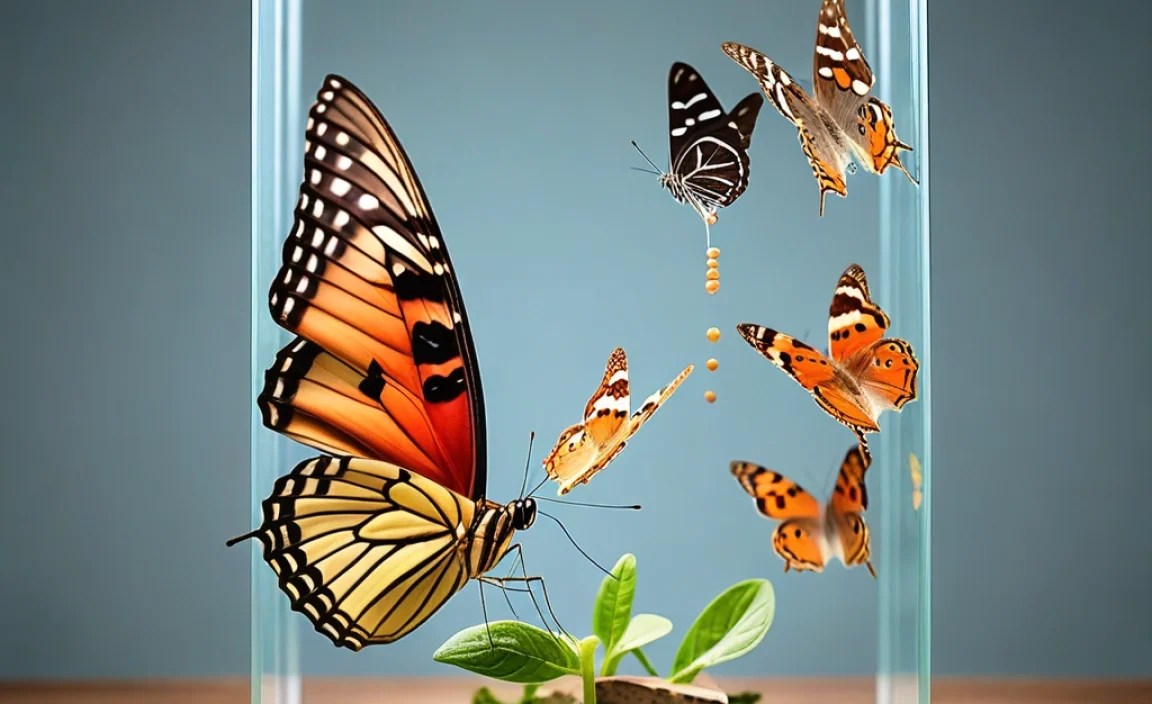
With so many options available, selecting the right butterfly rearing kit can feel overwhelming. Here’s what to consider:
1. Type of Butterfly
Different butterfly species have different needs. Some kits are designed for specific types of butterflies, like Monarchs or Painted Ladies. Consider which species you want to raise and choose a kit that caters to their requirements. The Xerces Society is a great resource for learning about different butterfly species and their needs.
2. Kit Components
Make sure the kit includes the essentials:
- Enclosure: Should be spacious enough for the caterpillars to move around and pupate comfortably.
- Food Source: Check if the kit provides food or if you need to source it yourself.
- Instructions: A clear, detailed guide is crucial for success.
3. Size and Space
Consider the size of the enclosure and whether you have enough space to accommodate it. Larger enclosures are generally better as they provide more room for the caterpillars to grow.
4. Ease of Cleaning
A kit that’s easy to clean will help maintain a healthy environment for your caterpillars. Look for enclosures with removable bottoms or easy-to-wipe surfaces.
5. Reviews and Recommendations
Read reviews from other users to get an idea of the kit’s quality and effectiveness. Look for recommendations from reputable sources or butterfly enthusiasts.
Setting Up Your Butterfly Rearing Kit
Once you’ve chosen your kit, it’s time to set it up. Here’s a step-by-step guide:
1. Choose a Location
Select a location that is:
- Well-ventilated: Good airflow is essential to prevent mold and disease.
- Away from direct sunlight: Direct sunlight can overheat the enclosure.
- Safe from pets and children: Ensure the enclosure is out of reach to prevent accidents.
2. Assemble the Enclosure
Follow the instructions provided with your kit to assemble the enclosure. Make sure all parts are securely in place.
3. Prepare the Food Source
If your kit includes pre-packaged food, follow the instructions to prepare it. If you need to source leaves, make sure they are fresh, clean, and from a plant that the caterpillar species you are raising can eat.
4. Add the Caterpillars
Gently place the caterpillars into the enclosure. Avoid handling them directly as they are delicate.
Caring for Your Caterpillars
Proper care is essential for raising healthy butterflies. Here are some tips:
1. Feeding
Caterpillars eat a lot! Provide fresh food daily. Remove any old or dried-up leaves to prevent mold growth. If using pre-packaged food, follow the instructions on the package.
2. Cleaning
Clean the enclosure regularly to remove frass (caterpillar droppings) and old food. This helps prevent the spread of disease. Use a damp paper towel to wipe down the surfaces.
3. Humidity
Maintain the right humidity level by spraying the enclosure with water. Avoid over-spraying, as too much moisture can lead to mold growth. A light misting once or twice a day is usually sufficient.
4. Observation
Observe your caterpillars daily to monitor their health and development. Look for signs of illness, such as lethargy, discoloration, or refusal to eat. If you notice anything unusual, consult a butterfly expert or your local agricultural extension office.
5. Handling
Avoid handling caterpillars unless absolutely necessary. If you must handle them, do so gently and with clean hands. Never squeeze or pinch them.
The Butterfly Life Cycle
Understanding the butterfly life cycle will help you appreciate the transformation taking place in your rearing kit. The life cycle consists of four stages:
1. Egg
Butterflies lay their eggs on host plants, which will serve as food for the caterpillars. The eggs can be tiny and come in various shapes and colors, depending on the species.
2. Larva (Caterpillar)
The larva, or caterpillar, is the feeding stage. Caterpillars eat constantly to grow and store energy for the next stage. They molt several times as they grow, shedding their skin to accommodate their increasing size.
3. Pupa (Chrysalis)
When the caterpillar is fully grown, it forms a pupa, also known as a chrysalis. Inside the chrysalis, the caterpillar undergoes a remarkable transformation, breaking down its tissues and reorganizing them into the body of a butterfly.
4. Adult (Butterfly)
After a period of time, which varies depending on the species and environmental conditions, the butterfly emerges from the chrysalis. The butterfly’s wings are initially soft and crumpled, but they soon expand as the butterfly pumps hemolymph (insect blood) through them. Once the wings are dry andแข็ง, the butterfly is ready to fly and reproduce.
Common Problems and Solutions
Even with the best care, problems can arise. Here are some common issues and how to address them:
| Problem | Solution |
|---|---|
| Caterpillars not eating | Ensure the food is fresh and appropriate for the species. Try a different type of leaf or pre-packaged food. |
| Mold growth | Improve ventilation and reduce humidity. Remove any moldy food or debris. |
| Caterpillars escaping | Ensure the enclosure is securely closed. Check for any holes or gaps. |
| Caterpillars dying | Investigate the cause. It could be disease, contaminated food, or poor environmental conditions. Consult a butterfly expert if needed. |
Releasing Your Butterflies
Releasing your butterflies is the final step in the rearing process. Here’s how to do it responsibly:
1. Choose the Right Time
Release your butterflies on a warm, sunny day when there are plenty of flowers in bloom. Avoid releasing them during rain or strong winds.
2. Choose the Right Location
Release your butterflies in an area with plenty of nectar sources, such as a garden or meadow. Avoid releasing them in areas where they may be exposed to pesticides or other harmful chemicals.
3. Gently Release
Open the enclosure and allow the butterflies to fly out on their own. Avoid handling them, as this can damage their wings.
4. Observe
Watch as your butterflies take flight and explore their new surroundings. It’s a rewarding experience to see them thriving in the wild.
Tips for Success
Here are some additional tips to help you succeed with your butterfly rearing kit:
- Start with healthy caterpillars: Purchase caterpillars from a reputable source to ensure they are disease-free.
- Provide a variety of food: Offer a mix of fresh leaves and pre-packaged food to ensure your caterpillars get all the nutrients they need.
- Keep the enclosure clean: Regularly remove frass and old food to prevent the spread of disease.
- Maintain the right humidity: Spray the enclosure with water to keep the air moist, but avoid over-spraying.
- Observe your caterpillars daily: Monitor their health and development, and address any problems promptly.
- Be patient: Raising butterflies takes time and patience. Don’t get discouraged if you encounter setbacks.
The Importance of Butterfly Conservation
Butterfly populations are declining worldwide due to habitat loss, pesticide use, and climate change. By raising and releasing butterflies, you can help support local populations and contribute to conservation efforts. You can also support organizations like the National Wildlife Federation that work to protect butterfly habitats and promote sustainable practices.
Creating a butterfly-friendly garden with native plants is another way to help. Native plants provide food and shelter for butterflies and other pollinators. Avoid using pesticides in your garden, as these can harm butterflies and other beneficial insects. You can learn more about creating butterfly gardens from resources like the Smithsonian Gardens.
Butterfly Symbolism
Butterflies have been symbols of transformation, hope, and rebirth in many cultures throughout history. Their metamorphosis from a crawling caterpillar to a beautiful winged creature represents personal growth and spiritual awakening. Butterflies also symbolize joy, beauty, and freedom. Their delicate nature reminds us to appreciate the beauty of life and to live in the moment.
In some cultures, butterflies are believed to carry the souls of the departed. They are often seen as messengers from the spirit world, bringing comfort and guidance to those who are grieving. Whether you view butterflies as symbols of transformation, messengers of hope, or simply beautiful creatures, their presence in our lives can bring joy and inspiration.
FAQ: Butterfly Rearing Kit Guide
What is the best butterfly rearing kit for beginners?
For beginners, a kit designed for Painted Lady butterflies is a great choice. These kits are readily available, affordable, and come with everything you need to raise these butterflies successfully.
How long does it take for a caterpillar to turn into a butterfly?
The time it takes for a caterpillar to transform into a butterfly varies depending on the species and environmental conditions. Generally, it takes about 2-3 weeks for a caterpillar to pupate and another 1-2 weeks for the butterfly to emerge.
What do caterpillars eat?
Caterpillars eat leaves from specific host plants. Monarch caterpillars, for example, eat milkweed leaves, while Painted Lady caterpillars eat thistle, mallow, and other plants. Some kits provide pre-packaged food, which is a convenient option.
How do I keep my butterfly rearing kit clean?
Clean the enclosure regularly by removing frass (caterpillar droppings) and old food. Use a damp paper towel to wipe down the surfaces. This helps prevent mold growth and keeps the environment healthy for your caterpillars.
How do I know when to release my butterflies?
Release your butterflies on a warm, sunny day when there are plenty of flowers in bloom. Make sure their wings are fully dry andแข็ง before releasing them. Avoid releasing them during rain or strong winds.
Can I raise butterflies indoors year-round?
Yes, you can raise butterflies indoors year-round, but you’ll need to provide the right environmental conditions, including temperature, humidity, and lighting. You’ll also need to ensure a consistent supply of food for the caterpillars.
What should I do if my caterpillars get sick?
If your caterpillars show signs of illness, such as lethargy, discoloration, or refusal to eat, isolate them from the other caterpillars. Investigate the cause, which could be disease, contaminated food, or poor environmental conditions. Consult a butterfly expert or your local agricultural extension office for advice.
Conclusion
Raising butterflies with a butterfly rearing kit is a rewarding and educational experience. By following this guide, you can create a nurturing environment for caterpillars to thrive and witness the incredible transformation into beautiful butterflies. Remember to choose the right kit, provide proper care, and release your butterflies responsibly to support local populations. Embrace the wonder of nature and enjoy the magic of the butterfly life cycle right in your own home. Happy butterfly rearing!