
Leopard Lacewing Butterfly: Ultimate ID Guide

The Leopard Lacewing butterfly (Cethosia cyane) is a striking butterfly known for its vibrant orange and black markings, resembling a leopard’s spots. Native to Southeast Asia and Australia, it’s a popular subject for butterfly enthusiasts due to its beauty and relatively easy care in captivity. You can identify them by their distinctive patterns and observe them in tropical gardens or butterfly houses.
Have you ever been captivated by a butterfly with brilliant colors and intricate patterns? Many people are fascinated by butterflies. The Leopard Lacewing butterfly is one such beauty! But identifying and understanding this butterfly can be tricky. Don’t worry! I’ll guide you through everything you need to know about the Leopard Lacewing, from its unique markings to its life cycle and how to attract it to your garden. Together, we’ll explore the wonderful world of this stunning butterfly.
What You’ll Learn

In this article, we’ll cover:
- Identifying the Leopard Lacewing butterfly.
- Understanding its habitat and life cycle.
- Learning how to attract it to your garden.
- Caring for Leopard Lacewings in captivity.
- Exploring the ecological importance of this butterfly.
Identifying the Leopard Lacewing Butterfly
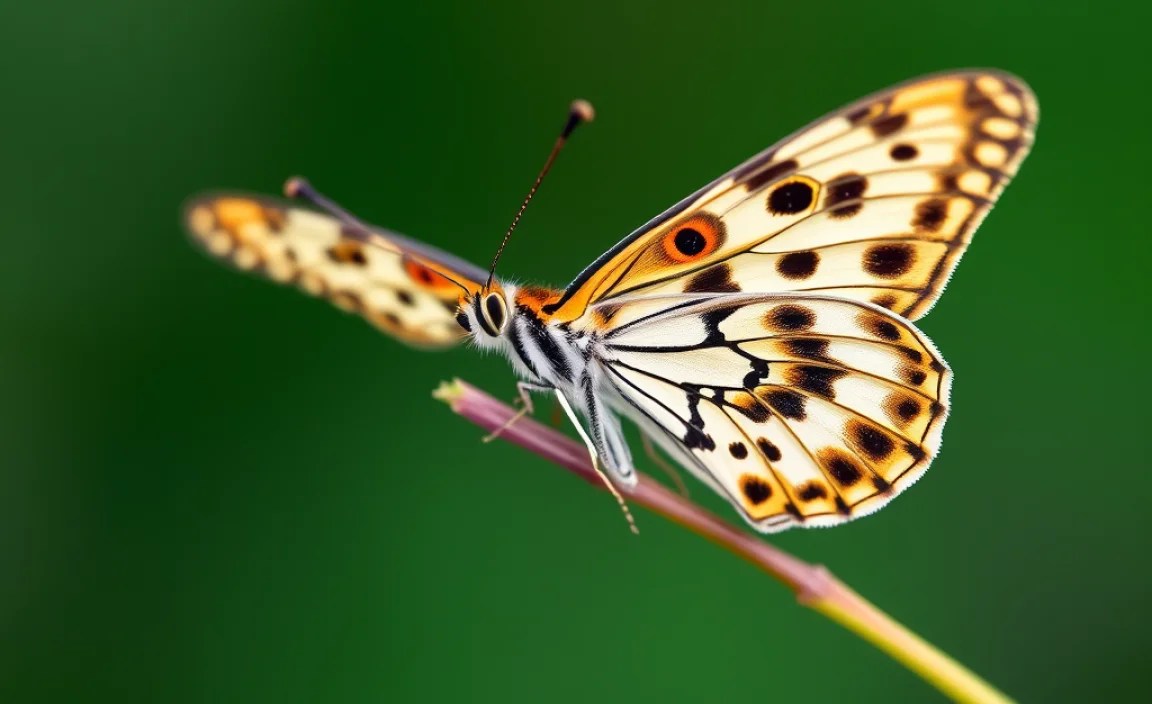
The Leopard Lacewing butterfly is a member of the Nymphalidae family, also known as brush-footed butterflies. The “brush-footed” name comes from their small, hairy front legs, which they use for tasting rather than walking. These butterflies are widespread in Southeast Asia and Australia.
Distinctive Markings
The Leopard Lacewing is easy to identify because of its striking colors and patterns:
- Wings: The upperside of the wings is a bright orange-red with black spots and a black border, resembling a leopard’s markings.
- Underside: The underside is a mix of orange, white, and brown with intricate patterns that provide excellent camouflage.
- Size: The wingspan typically ranges from 8 to 12 centimeters (3 to 5 inches).
- Body: The body is slender and dark, with orange or red markings on the thorax.
Distinguishing Males from Females
Male and female Leopard Lacewings have slightly different appearances:
- Males: Usually more brightly colored with more defined markings.
- Females: Tend to be slightly larger and have less vibrant colors. Their markings may be less distinct.
Similar Species
The Leopard Lacewing can sometimes be confused with other butterfly species that have similar colors. Here are a few:
- Malay Lacewing (Cethosia hypsea): Similar in size and shape, but with different patterns on the wings.
- Red Lacewing (Cethosia biblis): Has a more consistent red color and different patterns.
Pay close attention to the specific patterns and colors on the wings to accurately identify the Leopard Lacewing.
Habitat and Distribution

The Leopard Lacewing butterfly is commonly found in specific regions and habitats. Understanding where it lives helps you appreciate its ecological role.
Geographical Range
This butterfly is native to:
- Southeast Asia: Including countries like India, Thailand, Malaysia, and Indonesia.
- Australia: Primarily in northern and eastern regions.
Preferred Habitats
Leopard Lacewings prefer:
- Tropical rainforests
- Open woodlands
- Gardens and parks with host plants
They thrive in areas with high humidity, warm temperatures, and plenty of sunlight. You’ll often find them near streams or other water sources.
Host Plants
The Leopard Lacewing caterpillars primarily feed on plants from the Passifloraceae family, which includes:
- Passionflower vines (Passiflora species)
- Other related vines and shrubs
These plants are essential for the butterfly’s life cycle, as the females lay their eggs on them, and the caterpillars rely on them for food.
Life Cycle of the Leopard Lacewing

Understanding the life cycle of the Leopard Lacewing butterfly is essential for appreciating its development and conservation needs.
Egg Stage
The life cycle begins with the egg. Female Leopard Lacewings lay their eggs on or near the host plants, usually passionflower vines.
- Appearance: The eggs are small and spherical, often yellow or orange in color.
- Location: They are laid singly or in small groups on the underside of leaves.
- Duration: The eggs typically hatch within 3 to 5 days.
Larval Stage (Caterpillar)
Once the eggs hatch, the larval stage begins.
- Appearance: The caterpillars are spiky and black with orange or red markings. They have a series of spines that help protect them from predators.
- Feeding: They feed voraciously on the leaves of the host plant, growing rapidly.
- Molting: As they grow, they molt several times, shedding their skin to accommodate their increasing size.
- Duration: The larval stage lasts about 2 to 4 weeks.
Pupal Stage (Chrysalis)
After the larval stage, the caterpillar transforms into a pupa, also known as a chrysalis.
- Appearance: The pupa is brown or green and hangs from a stem or leaf. It blends in with its surroundings for camouflage.
- Transformation: Inside the pupa, the caterpillar undergoes a complete metamorphosis, transforming into a butterfly.
- Duration: The pupal stage lasts about 1 to 2 weeks.
Adult Stage (Butterfly)
The final stage is the adult butterfly.
- Emergence: The butterfly emerges from the pupa, its wings crumpled and wet.
- Wing Drying: It takes a few hours for the wings to expand and dry before the butterfly can fly.
- Lifespan: Adult Leopard Lacewings typically live for 2 to 4 weeks, during which they feed on nectar from flowers and reproduce.
Here’s a table summarizing the life cycle stages:
| Stage | Appearance | Duration | Key Features |
|---|---|---|---|
| Egg | Small, spherical, yellow or orange | 3-5 days | Laid on host plant leaves |
| Larva (Caterpillar) | Spiky, black with orange/red markings | 2-4 weeks | Feeds on host plant, molts |
| Pupa (Chrysalis) | Brown or green, camouflaged | 1-2 weeks | Transformation into butterfly |
| Adult (Butterfly) | Bright orange/red with black spots | 2-4 weeks | Feeds on nectar, reproduces |
Attracting Leopard Lacewings to Your Garden

Attracting Leopard Lacewings to your garden can be a rewarding experience. Here’s how to create a butterfly-friendly environment.
Planting Host Plants
The most effective way to attract Leopard Lacewings is to plant their host plants.
- Passionflower Vines: Plant various species of Passiflora. These are the primary food source for the caterpillars.
- Native Varieties: Choose native passionflower varieties if possible, as they are best adapted to your local climate and ecosystem.
Providing Nectar Sources
Adult butterflies need nectar for energy.
- Flowering Plants: Plant a variety of flowering plants that provide nectar, such as lantana, butterfly bush (Buddleja davidii), and zinnias.
- Color: Butterflies are attracted to bright colors, so choose flowers in shades of red, orange, yellow, and purple.
- Bloom Time: Select plants with staggered bloom times to ensure a continuous supply of nectar throughout the butterfly season.
Creating a Butterfly-Friendly Environment
Besides food, butterflies need a suitable habitat.
- Sunlight: Butterflies need sunlight to warm their bodies, so provide sunny spots in your garden.
- Shelter: Plant shrubs and trees to provide shelter from wind and rain.
- Water Source: Provide a shallow dish of water with pebbles or sand for butterflies to land on and drink.
- Avoid Pesticides: Avoid using pesticides, as they can harm or kill butterflies and other beneficial insects.
Tips for a Successful Butterfly Garden
- Grouping Plants: Plant host plants and nectar plants in groups to make them easier for butterflies to find.
- Succession Planting: Plant flowers that bloom at different times to provide a continuous source of nectar.
- Observation: Regularly check your plants for caterpillars and other signs of butterfly activity.
Caring for Leopard Lacewings in Captivity
Raising Leopard Lacewings in captivity can be a fascinating project. It allows you to observe their life cycle up close. If you plan to breed them, be aware of the regulations and guidelines in your area.
Setting Up a Butterfly Enclosure
To raise Leopard Lacewings successfully, you need a suitable enclosure.
- Size: The enclosure should be large enough to accommodate the butterflies and their host plants. A good size is at least 2x2x2 feet.
- Material: Use a mesh or screen enclosure to provide good ventilation and prevent the butterflies from escaping.
- Placement: Place the enclosure in a well-lit area, but avoid direct sunlight, which can overheat the butterflies.
Providing Food and Water
Ensure the butterflies have access to food and water.
- Host Plants: Provide fresh cuttings of passionflower vines for the caterpillars to feed on. Replace the cuttings regularly to keep them fresh.
- Nectar Source: Offer a nectar substitute, such as a sugar-water solution (1 part sugar to 4 parts water), in a shallow dish with a sponge or cotton ball for the butterflies to feed on.
- Water: Mist the enclosure with water regularly to provide humidity and allow the butterflies to drink.
Maintaining Hygiene
Keeping the enclosure clean is essential for the health of the butterflies.
- Cleaning: Remove any dead leaves, caterpillar droppings, and uneaten food regularly.
- Ventilation: Ensure good ventilation to prevent the growth of mold and bacteria.
- Pest Control: Monitor the enclosure for pests, such as mites or aphids, and take appropriate action if necessary.
Monitoring the Butterflies
Regularly check on the butterflies to ensure they are healthy.
- Observation: Observe the butterflies for any signs of illness or distress, such as lethargy, unusual behavior, or damaged wings.
- Intervention: If you notice any problems, take action to address them, such as isolating the affected butterfly or adjusting the environment.
Ecological Importance of Leopard Lacewings
Leopard Lacewings play a vital role in their ecosystems.
Pollination
As they feed on nectar, adult Leopard Lacewings help pollinate flowers, contributing to plant reproduction and biodiversity.
Food Chain
Leopard Lacewings serve as a food source for various predators, including birds, lizards, and other insects. Their presence supports the local food web.
Indicator Species
The health and abundance of Leopard Lacewings can indicate the overall health of their habitat. A decline in their population may signal environmental problems, such as habitat loss or pesticide use.
Conservation Efforts
Protecting Leopard Lacewing populations involves:
- Habitat Preservation: Conserving and restoring their natural habitats, such as tropical rainforests and woodlands.
- Host Plant Conservation: Protecting and promoting the growth of passionflower vines and other host plants.
- Sustainable Practices: Reducing pesticide use and promoting sustainable gardening practices.
- Education: Raising awareness about the importance of Leopard Lacewings and their role in the ecosystem.
By supporting these efforts, you can help ensure the survival of these beautiful butterflies and the ecosystems they inhabit. To learn more about butterfly conservation, visit organizations like the Xerces Society.
Leopard Lacewing Butterfly: Frequently Asked Questions
Here are some common questions about Leopard Lacewing butterflies.
What do Leopard Lacewing caterpillars eat?
Leopard Lacewing caterpillars primarily eat the leaves of passionflower vines (Passiflora species). These plants are essential for their growth and development.
How can I tell the difference between male and female Leopard Lacewings?
Males are typically more brightly colored with more defined markings, while females are slightly larger and have less vibrant colors. Their markings may also be less distinct.
How long do Leopard Lacewing butterflies live?
Adult Leopard Lacewing butterflies typically live for 2 to 4 weeks. During this time, they feed on nectar from flowers and reproduce.
Are Leopard Lacewing butterflies endangered?
Leopard Lacewing butterflies are not currently listed as endangered. However, their populations can be threatened by habitat loss and pesticide use. Conservation efforts are essential to protect them.
What kind of habitat do Leopard Lacewing butterflies prefer?
Leopard Lacewing butterflies prefer tropical rainforests, open woodlands, and gardens with host plants. They thrive in areas with high humidity, warm temperatures, and plenty of sunlight.
How can I attract Leopard Lacewing butterflies to my garden?
You can attract them by planting passionflower vines (their host plant) and providing nectar sources like lantana, butterfly bush, and zinnias. Also, ensure your garden has sunlight, shelter, and a water source.
Do Leopard Lacewing butterflies migrate?
Leopard Lacewing butterflies do not typically migrate long distances. They usually stay within their local habitat, moving short distances to find food and suitable breeding grounds.
Conclusion
The Leopard Lacewing butterfly, with its striking colors and intricate patterns, is a true gem of the insect world. From understanding its distinctive markings to creating a butterfly-friendly garden, there are many ways to appreciate and support this beautiful creature. By planting host plants, providing nectar sources, and avoiding pesticides, you can help ensure that Leopard Lacewings continue to thrive in their natural habitats and bring joy to butterfly enthusiasts for generations to come. As you explore the world around you, remember the ecological importance of these delicate creatures and the role we all play in protecting them. Happy butterfly watching!


