Identify Butterfly by Size & Color: The Easy Guide

Have you ever seen a butterfly? They fly around in gardens. They are many colors and sizes. It can be fun to identify butterfly by size and color. Butterflies start as caterpillars. Then, they change into beautiful flyers. Let’s learn how to tell them apart.
Key Takeaways
- Learning to identify butterfly by size and color makes nature walks more fun.
- Different butterfly families have unique size and color patterns.
- Using field guides and online tools helps identify butterflies accurately.
- Observing wing patterns and body shapes aids butterfly identification.
- Butterflies are important pollinators and play a vital role in ecosystems.
How to Identify Butterfly by Size

Butterflies come in many sizes. Some are tiny. Others are quite big. Size is a key thing to look at. It helps you identify butterfly by size. Measuring a butterfly is tricky. We usually talk about their wingspan. Wingspan is how wide the butterfly is when its wings are open. Small butterflies might have a wingspan of only one inch. Large ones can be six inches or more! Think about a ruler. Imagine how big each butterfly is compared to that ruler. Knowing if a butterfly is small, medium, or large is a great first step. It narrows down the choices when you are trying to figure out what kind it is.
- Small butterflies have a wingspan under 2 inches.
- Medium butterflies span 2 to 4 inches.
- Large butterflies measure over 4 inches wide.
- Swallowtails are often among the largest.
- Blues and Skippers are typically smaller.
Why does size matter? Size can tell you a lot. Certain types of butterflies are always big. Others are always small. For example, Monarchs are known for their size. They are bigger than most other butterflies you will see. Little Blues are very small. They are easy to spot because of their size. Size works with color and pattern. All these things help you figure out the butterfly’s name. When you go outside, pay attention to how big the butterflies are. This small detail makes a big difference. It can turn you into a butterfly expert!
Fun Fact or Stat: The Queen Alexandra’s Birdwing is the largest butterfly in the world, with a wingspan of up to 12 inches!
What is Wingspan?
Have you ever stretched your arms out wide? The distance from one hand to the other is your arm span. A butterfly’s wingspan is similar. It’s the distance from the tip of one wing to the tip of the other when the wings are fully open. This measurement helps us identify butterfly by size. To measure a butterfly’s wingspan, you need to be careful. You don’t want to hurt it. The best way is to wait until it lands. Then, compare it to something you know the size of, like a leaf or a flower. Estimate how many leaves or flowers it would take to cover the wingspan. This gives you a good idea of its size without needing a ruler. Knowing the wingspan helps narrow down what kind of butterfly you’re seeing.
Why is Size Important?
Imagine you’re trying to find your friend in a big crowd. Knowing how tall they are helps you spot them faster, right? Size works the same way for butterflies. It helps you identify butterfly by size. Butterfly types usually come in certain sizes. For example, if you see a very tiny blue butterfly, it’s likely a type of “Blue” butterfly. If you see a huge butterfly with long tails, it might be a Swallowtail. Size is like a clue. It helps you solve the mystery of what kind of butterfly you’ve found. So, next time you see a butterfly, take a quick guess at its size. You’ll be one step closer to naming it!
Examples of Butterfly Sizes
Let’s look at some real examples. The Monarch butterfly is famous. It has a wingspan of about 4 inches. This makes it a medium-to-large butterfly. The Eastern Tiger Swallowtail is even bigger. It can have a wingspan of up to 5.5 inches. Now, think about the Spring Azure. This little butterfly only has a wingspan of about 1 inch. See how different they are? These examples show you how size can vary. When you want to identify butterfly by size, think about these common butterflies. Compare the new butterfly you see to the sizes you already know. This makes identifying much easier and more fun.
How to Identify Butterfly by Color

Butterflies are like flying rainbows. They come in almost every color you can imagine. Color is super helpful to identify butterfly by color. Some butterflies are bright and bold. Others are soft and pastel. Look closely at the colors you see. Is the butterfly mostly orange? Maybe it is a Monarch or a Viceroy. Is it a deep, dark blue? It might be a Blue Morpho. Some butterflies even have metallic colors that shine in the sun. Pay attention to the different shades and patterns. Does the color cover the whole wing? Or is it just in spots or stripes? All these details help you figure out what kind of butterfly you are looking at.
- Orange often means Monarch or Viceroy.
- Blue suggests a Blue Morpho or Azure.
- Yellow can indicate Sulphurs or Swallowtails.
- Brown is common in many Skipper species.
- Metallic colors are seen in some Morphos.
- Color patterns include stripes, spots, and bands.
Why are colors so important? Colors help butterflies in many ways. They can attract mates. They can also warn predators. Bright colors sometimes mean a butterfly tastes bad. Birds learn to avoid these colorful butterflies. Other butterflies use colors to hide. They blend in with leaves or bark. These butterflies are harder to spot. When you identify butterfly by color, think about what the colors might mean. Are they trying to attract attention or hide? The answer can give you clues about the butterfly’s life and how it survives in the wild.
Fun Fact or Stat: The Blue Morpho butterfly’s wings aren’t actually blue; they reflect light in a way that makes them appear blue!
What Colors are Common?
When you start to identify butterfly by color, you’ll notice some colors pop up often. Orange is a very common color. You see it on Monarchs and many other types. Yellow is another popular color. Many Swallowtails and Sulphurs are yellow. Brown is also quite common. Lots of Skippers are different shades of brown. Blue is a bit less common but still shows up. Azure butterflies are often a pretty light blue. White is another color you’ll see. Some white butterflies have black spots or markings. Knowing which colors are most common helps you narrow down your choices. It makes identifying butterflies a bit easier.
How Do Patterns Help?
Colors aren’t the only thing to look at. Patterns are important too. Patterns are the designs on a butterfly’s wings. Some butterflies have stripes. Others have spots. Some have intricate patterns that look like art. These patterns help you identify butterfly by color. For example, the Viceroy butterfly looks a lot like a Monarch. But it has a black line across its hind wings. This line is a key difference. It helps you tell the two apart. Pay attention to the patterns you see. Are there eyespots? Are there bands of color? These details can be very helpful.
Color and Camouflage
Some butterflies use color to hide. This is called camouflage. These butterflies blend in with their surroundings. They might look like leaves or bark. This helps them avoid being eaten by birds or other predators. For example, some butterflies are a dull brown color. They look just like dead leaves. When they sit on a tree, they disappear. Other butterflies have patterns that break up their outline. This makes them harder to see. When you identify butterfly by color, think about camouflage. Does the butterfly seem to blend in? If so, that’s a clue about where it lives and how it stays safe.
Using Size and Color Together
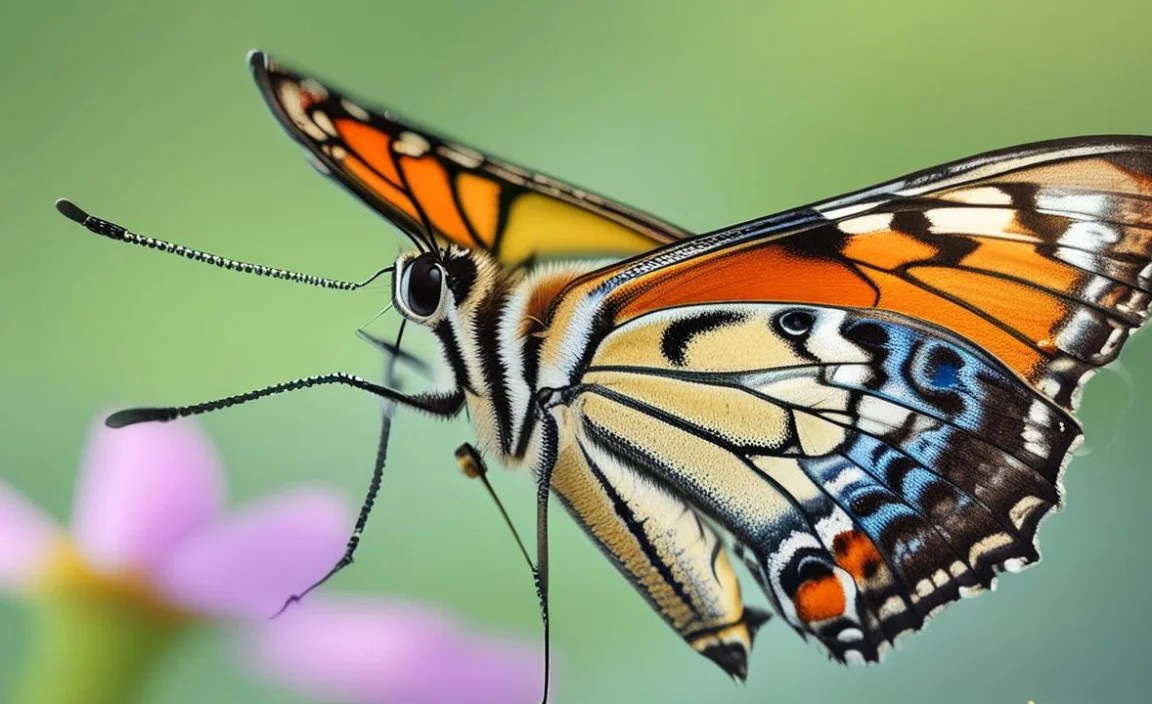
Now you know how to use size and color. But what happens when you use them together? That’s when the real fun begins! Using both size and color makes it much easier to identify butterfly by size and color. Think of it like solving a puzzle. Each piece of information helps you get closer to the answer. For instance, you might see a large, orange butterfly. That tells you it could be a Monarch. But if it has a black line on its wings, it’s probably a Viceroy. Or maybe you see a small, blue butterfly. That points to a type of Azure. By combining size and color, you can quickly narrow down the possibilities.
- Large and orange: Monarch or Viceroy.
- Small and blue: Azure.
- Large and yellow: Swallowtail.
- Small and brown: Skipper.
- Medium and white: Cabbage White.
Why is it better to use both? Using both size and color gives you more information. It’s like having two clues instead of one. The more clues you have, the easier it is to solve the mystery. Some butterflies look very similar. They might have the same colors. But their sizes might be different. Or they might have the same size. But their colors might be slightly different shades. By paying attention to both size and color, you can avoid getting tricked. You can become a true butterfly expert. So, keep practicing. The more you observe, the better you will get.
Fun Fact or Stat: Some butterflies change color slightly depending on the temperature or the season!
Real-World Examples
Let’s try some examples. Imagine you see a butterfly in your garden. It’s quite large and mostly yellow. What could it be? Because it’s big and yellow, it might be a Swallowtail. Now, imagine you see another butterfly. This one is small and brown. What could it be? Since it’s small and brown, it’s likely a Skipper. What if you see a butterfly that is medium-sized and orange with black markings? It could be a Monarch. But remember to look for that black line to rule out a Viceroy. These examples show you how to identify butterfly by size and color.
Avoiding Common Mistakes
Sometimes, it’s easy to make mistakes. Two butterflies might look very similar. They might have almost the same size and color. But there are often small differences. One common mistake is confusing Monarchs and Viceroys. They both are orange and black. But the Viceroy has that black line. Another mistake is confusing different types of blue butterflies. They can all look similar. Pay close attention to the exact shade of blue. Also, look for any patterns or markings. When you identify butterfly by size and color, double-check your observations. This helps you avoid errors.
Practice Makes Perfect
The best way to get better at identify butterfly by size and color is to practice. Go outside and look for butterflies. Take a notebook and write down what you see. Note the size of each butterfly. Write down its colors and patterns. Use a field guide or an online resource to try to identify it. Don’t worry if you make mistakes. Everyone does at first. The more you practice, the better you’ll become. Soon, you’ll be able to name butterflies like a pro. It’s a fun and rewarding hobby.
Tools to Help You Identify Butterflies
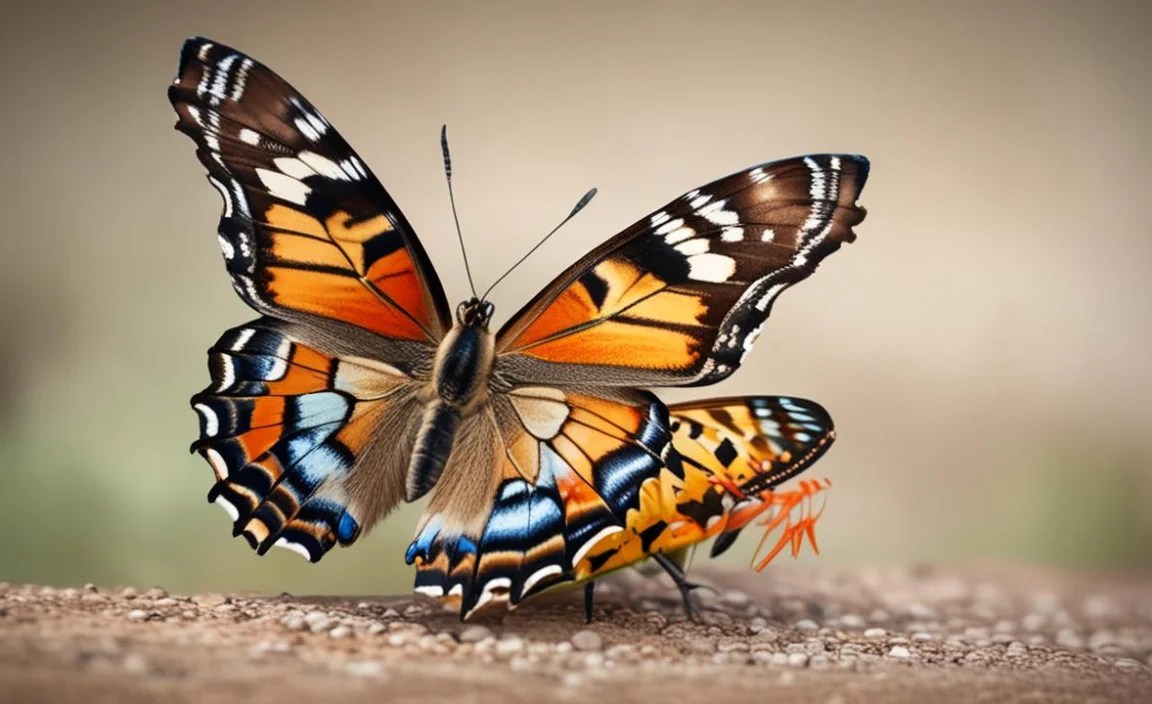
There are many tools that can help you identify butterfly by size and color. Field guides are books with pictures and descriptions of different butterflies. These guides are great for taking with you on nature walks. Online resources are also helpful. Websites and apps can help you identify butterflies based on their size, color, and location. Some apps even let you take a picture of a butterfly and get an instant identification. These tools make it easier and more fun to learn about butterflies. Using them can turn you into a butterfly expert in no time!
- Field guides provide pictures and descriptions.
- Websites offer information and identification keys.
- Apps allow photo identification.
- Binoculars help you see butterflies up close.
- Notebooks are useful for recording observations.
Why use these tools? These tools give you extra information. They help you double-check your guesses. Field guides show you pictures of different butterflies. You can compare the butterfly you see to the pictures in the book. Websites and apps give you details about each type of butterfly. You can learn about their size, color, and habitat. This information helps you be sure you have the right identification. Plus, using these tools makes learning more fun. It’s like having a detective kit for butterflies. So, grab a field guide or download an app. Get ready to explore the world of butterflies!
Fun Fact or Stat: There are over 20,000 different species of butterflies in the world!
Field Guides
Field guides are like treasure maps for butterfly hunters. They show you what to look for. They give you clues to solve the mystery of each butterfly. A good field guide will have pictures of different butterflies. It will also describe their size, color, and patterns. It might tell you where they live and what time of year you can see them. To use a field guide, first, observe the butterfly. Note its size and color. Then, flip through the field guide until you find a picture that looks similar. Read the description to see if it matches what you saw. Field guides are a great way to identify butterfly by size and color.
Online Resources
The internet is full of information. You can use it to identify butterfly by size and color. Many websites have pictures and descriptions of butterflies. Some websites even have quizzes or identification keys. These tools ask you questions about the butterfly you saw. Then, they suggest possible matches. There are also apps you can download to your phone. These apps let you take a picture of a butterfly. The app will then try to identify it for you. Be careful, though. Not all online resources are accurate. Always double-check the information you find.
Binoculars and Magnifying Glasses
Sometimes, butterflies are hard to see up close. They might fly away before you can get a good look. That’s where binoculars come in handy. Binoculars help you see things that are far away. You can use them to get a better view of a butterfly without disturbing it. A magnifying glass can also be useful. It helps you see small details on the butterfly’s wings. Look closely at the patterns and colors. These details can help you identify butterfly by size and color. Just remember to be gentle and respectful of the butterflies.
Common Butterfly Families

Butterflies are grouped into families. Knowing these families helps you identify butterfly by size and color. Each family has unique traits. These traits make it easier to recognize them. Some common families include Swallowtails, Whites and Sulphurs, Blues and Hairstreaks, and Brush-foots. Swallowtails are often large with long tails. Whites and Sulphurs are usually white or yellow. Blues and Hairstreaks are small and often blue. Brush-foots have small front legs. Learning these families gives you a head start. It helps you narrow down the possibilities when you see a butterfly.
- Swallowtails: Large, often with tails.
- Whites and Sulphurs: White or yellow wings.
- Blues and Hairstreaks: Small, often blue.
- Brush-foots: Small front legs.
- Skippers: Stout bodies, hooked antennae.
Why learn about families? Learning about families is like learning the rules of a game. Once you know the rules, it’s easier to play. Each butterfly family has its own set of characteristics. These characteristics help you identify them. For example, if you see a large butterfly with tails, you know it’s probably a Swallowtail. If you see a small, blue butterfly, you know it’s likely a Blue. By learning the families, you can quickly narrow down your choices. This makes identifying butterflies much easier and faster. So, start studying those families! You’ll be amazed at how much it helps you.
Fun Fact or Stat: Butterflies taste with their feet!
Swallowtails
Swallowtails are the kings and queens of the butterfly world. They are big and beautiful. They often have long tails on their hind wings. This is where they get their name. Swallowtails come in many colors. Some are yellow with black stripes. Others are black with blue or green markings. They are often found in gardens and fields. They like to sip nectar from flowers. To identify butterfly by size and color, look for the tails. Also, notice the large size and bright colors. Swallowtails are a joy to watch.
Blues and Hairstreaks
Blues and Hairstreaks are tiny jewels. They are small and delicate. They are often blue or gray. Some have little tails or stripes. They can be hard to spot. They often fly low to the ground. They like to visit small flowers. To identify butterfly by size and color, look for their small size. Also, watch for their blue or gray color. Hairstreaks often have tiny, hair-like tails. These butterflies are a delight to find.
Brush-foots
Brush-foots are a big family of butterflies. They have small front legs. These legs look like brushes. They use them to taste things. Brush-foots come in many colors and sizes. Some are orange and black, like Monarchs. Others are brown or red. They are found in many different habitats. To identify butterfly by size and color, look for the small front legs. Also, notice the wide variety of colors and patterns. Brush-foots are a fascinating group of butterflies.
Butterfly Habitats and Locations
Where you find a butterfly can help you identify butterfly by size and color. Different butterflies live in different places. Some like forests. Others prefer meadows. Some live near water. Others live in deserts. Knowing where a butterfly lives gives you a clue about what it might be. For example, if you see a butterfly near a pond, it might be a type that likes wet areas. If you see one in a dry field, it might be a type that likes sunny spots. Think about the surroundings. What kind of plants are there? What is the weather like? These details can help you narrow down your choices.
- Forests: Wood Nymphs, Question Marks.
- Meadows: Monarchs, Swallowtails.
- Wetlands: Azures, Coppers.
- Gardens: Cabbage Whites, Painted Ladies.
- Deserts: Checkered Whites, Dainty Sulphurs.
Why does habitat matter? Habitat matters because butterflies are adapted to their surroundings. They have evolved to live in certain places. The plants they eat grow in those places. The climate is right for them. The predators they face are the ones they know how to avoid. So, if you find a butterfly in a certain habitat, it’s likely to be a type that is well-suited to that place. This is a valuable clue. It helps you identify butterfly by size and color. So, pay attention to where you find butterflies. It’s an important piece of the puzzle.
Fun Fact or Stat: Some butterflies migrate thousands of miles each year!
Butterflies in Gardens
Gardens are like butterfly restaurants. They offer lots of tasty nectar. Many different types of butterflies visit gardens. Some common garden butterflies include Cabbage Whites, Painted Ladies, and Swallowtails. These butterflies are attracted to colorful flowers. They like to sip nectar from the blossoms. To identify butterfly by size and color in a garden, look for bright colors and patterns. Also, notice what kinds of flowers the butterflies are visiting. This can give you a clue about their identity.
Butterflies in Forests
Forests are shady and cool. They are home to many different types of butterflies. Some common forest butterflies include Wood Nymphs and Question Marks. These butterflies are often brown or gray. They blend in with the trees and leaves. To identify butterfly by size and color in a forest, look for butterflies that are camouflaged. Also, notice the types of trees and plants that are growing. This can help you figure out what kinds of butterflies might live there.
Butterflies in Meadows
Meadows are sunny and open. They are full of wildflowers. Many different types of butterflies visit meadows. Some common meadow butterflies include Monarchs and Swallowtails. These butterflies are often brightly colored. They stand out against the green grass. To identify butterfly by size and color in a meadow, look for butterflies that are easy to see. Also, notice the types of wildflowers that are blooming. This can help you figure out what kinds of butterflies might be present.
Butterfly Behavior and Flight Patterns
How a butterfly acts can help you identify butterfly by size and color. Some butterflies fly quickly. Others float gently. Some flutter their wings a lot. Others glide smoothly. Some are active during the day. Others come out at night. Pay attention to how the butterfly moves. Does it fly in a straight line? Does it zig and zag? Does it stay close to the ground? Or does it fly high in the air? These behaviors can give you clues about what kind of butterfly it is. Combine this information with what you know about size and color. You’ll be a butterfly detective in no time!
- Fast flight: Skippers.
- Fluttering flight: Monarchs.
- Gliding flight: Swallowtails.
- Daytime activity: Most butterflies.
- Nighttime activity: Moths.
Why does behavior matter? Behavior matters because butterflies have different ways of living. Some butterflies need to fly fast to escape predators. Others need to float gently to find food. Some butterflies are active during the day because that’s when the flowers are open. Others are active at night because that’s when they can avoid the heat. By watching how a butterfly behaves, you can learn about its life. You can also use this information to identify butterfly by size and color. So, don’t just look at the butterfly. Watch it for a while. See what it does. You might be surprised at what you learn.
Fun Fact or Stat: Butterflies can see ultraviolet light, which helps them find nectar!
Flight Speed and Style
Some butterflies are speedy racers. They zip through the air. Skippers are known for their fast flight. Other butterflies are more like gentle gliders. They float along on the breeze. Swallowtails often glide. The way a butterfly flies can tell you a lot. Is it a quick, darting flight? Or is it a slow, fluttering flight? This can help you identify butterfly by size and color. Watch how the butterfly moves. You’ll get a better sense of what it is.
Feeding Habits
Butterflies love to eat nectar. They sip it from flowers. But some butterflies have other favorite foods. Some like tree sap. Others like rotting fruit. What a butterfly eats can give you a clue. Is it always on flowers? Or does it visit other things? This can help you identify butterfly by size and color. Pay attention to what the butterfly is eating. It might give you a hint about its identity.
Resting Positions
Butterflies don’t always fly. Sometimes, they rest. How they rest can be a clue. Some butterflies hold their wings open. They bask in the sun. Others fold their wings closed. They hide from predators. The way a butterfly rests can tell you something. Does it show off its colors? Or does it try to blend in? This can help you identify butterfly by size and color. Watch how the butterfly sits. You might learn something new.
| Butterfly Characteristic | Small Size | Large Size | Bright Colors | Dull Colors |
|---|---|---|---|---|
| Swallowtail | Rare | Common | Common | Uncommon |
| Skipper | Common | Uncommon | Uncommon | Common |
| Monarch | Rare | Common | Common | Uncommon |
| Azure | Common | Rare | Common | Uncommon |
Summary
Learning to identify butterfly by size and color is a fun adventure. Size and color are key clues. Small butterflies differ greatly from large ones. Bright colors can signal specific species. Using both traits together boosts accuracy. Field guides and online tools are valuable. They help confirm your findings. Understanding butterfly families and habitats is also helpful. Where you see a butterfly matters. How it flies gives you even more information. Combining all these clues makes you a butterfly expert.
Conclusion
Butterflies are beautiful and interesting creatures. Learning about them is fun. You can identify butterfly by size and color. Look at their size and patterns. Note where you see them. Use tools to help you learn. Keep practicing. Soon, you will know all the butterflies. Enjoy the amazing world of butterflies!
Frequently Asked Questions
Question No 1: Why is it important to identify butterflies?
Answer: Identifying butterflies helps us understand our environment. Butterflies are important pollinators. They help plants grow. Knowing which butterflies live in an area tells us about the health of the ecosystem. It also helps us protect them. If we know what butterflies need to survive, we can make sure they have it. Learning to identify butterfly by size and color is a first step in understanding and protecting these amazing insects. Plus, it’s just plain fun!
Question No 2: What is the best way to start learning about butterflies?
Answer: Start with the butterflies you see most often. Get a field guide for your area. Look at the pictures. Read the descriptions. Pay attention to the size, color, and patterns of the butterflies you see. Go outside and look for butterflies in your backyard or local park. Try to identify butterfly by size and color. Don’t worry if you make mistakes. The more you practice, the better you will get. Also, join a local butterfly club or online forum. You can learn from other butterfly enthusiasts.
Question No 3: Are there any butterflies that are poisonous?
Answer: Yes, some butterflies are poisonous. The most famous example is the Monarch butterfly. Monarchs eat milkweed as caterpillars. Milkweed contains toxins. These toxins stay in the butterfly’s body. They make the butterfly taste bad to predators. Birds that eat Monarchs get sick. They learn to avoid them in the future. Other butterflies mimic the Monarch’s colors. This helps protect them from predators too. When you identify butterfly by size and color, remember that bright colors can sometimes mean danger.
Question No 4: How can I attract more butterflies to my garden?
Answer: Plant flowers that butterflies like. Butterflies love nectar-rich flowers. Some good choices include milkweed, butterfly bush, and zinnias. Plant a variety of flowers. This will attract different types of butterflies. Also, provide a water source. Butterflies need water to drink. You can put out a shallow dish of water with some stones for them to land on. Avoid using pesticides. Pesticides can harm butterflies. By providing food, water, and shelter, you can create a butterfly-friendly garden. Now you have more opportunities to identify butterfly by size and color.
Question No 5: What is the difference between a butterfly and a moth?
Answer: Butterflies and moths are both insects. They both belong to the order Lepidoptera. But they have some key differences. Butterflies are usually active during the day. Moths are usually active at night. Butterflies have thin antennae with knobs on the end. Moths have feathery antennae. Butterflies usually hold their wings upright when they rest. Moths usually hold their wings flat. Butterflies are often brightly colored. Moths are often dull colored. Learning these differences helps you identify butterfly by size and color, and also tell them apart from moths!
Question No 6: How do butterflies help the environment?
Answer: Butterflies are important pollinators. They carry pollen from one flower to another. This helps plants reproduce. Many plants depend on butterflies for pollination. Butterflies are also a food source for other animals. Birds, lizards, and spiders eat butterflies. Butterflies are part of the food chain. They help keep the ecosystem in balance. By protecting butterflies, we are protecting the environment. Plus, learning to identify butterfly by size and color makes you appreciate nature even more.