
Pieridae Butterfly Identification: Your Easy Guide

Quick Summary: Identifying Pieridae butterflies involves looking at their typically white, yellow, or orange wings, often adorned with black markings. Size, geographic location, and specific wing patterns are key to distinguishing between different species. Observing their behavior and preferred host plants can also provide valuable clues for accurate identification.
Have you ever been captivated by a flutter of white or yellow wings in your garden, wondering what kind of butterfly you were seeing? Identifying butterflies, especially those belonging to the Pieridae family, can sometimes feel like a daunting task. These butterflies, often called whites, yellows, and sulphurs, share many similar characteristics, making it tricky to tell them apart. But don’t worry! With a few simple tips and a keen eye, you can confidently identify these beautiful creatures. We’ll walk you through the key features to look for, helping you unlock the secrets of Pieridae butterfly identification.
What are Pieridae Butterflies?

Pieridae is a large family of butterflies, comprising around 76 genera and over 1,100 species found worldwide. These butterflies are commonly known as whites, yellows, and sulphurs, owing to the predominant colors of their wings. They play a crucial role in pollination and are an integral part of various ecosystems. Understanding their characteristics and behaviors is essential for accurate identification and appreciation of their ecological significance.
Pieridae butterflies are medium-sized, with wingspans typically ranging from 1.5 to 3 inches. Their wings are usually brightly colored, with patterns that vary greatly among species. These patterns serve various purposes, including attracting mates, camouflaging from predators, and regulating body temperature. The antennae of Pieridae butterflies are clubbed, a common feature among butterflies, and their bodies are slender and often hairy. Their life cycle, like all butterflies, involves complete metamorphosis, from egg to larva (caterpillar), pupa (chrysalis), and finally, the adult butterfly.
Key Characteristics of Pieridae Butterflies

To accurately identify Pieridae butterflies, it’s important to focus on several key characteristics. These include wing color and pattern, size, geographic location, and behavior. By carefully observing these features, you can narrow down the possibilities and make a confident identification.
- Wing Color: The most obvious characteristic is the color of the wings, which can range from pure white to vibrant yellow or orange.
- Wing Pattern: Look for distinct markings, such as spots, stripes, or borders, which can vary significantly between species.
- Size: The wingspan can provide a general indication of the butterfly’s size, helping to differentiate between larger and smaller species.
- Geographic Location: Knowing the region where the butterfly was observed can narrow down the list of potential species, as some are specific to certain areas.
- Behavior: Observe how the butterfly flies, feeds, and interacts with its environment, as these behaviors can be indicative of certain species.
Step-by-Step Guide to Pieridae Butterfly Identification

Identifying Pieridae butterflies can be a rewarding experience. Here’s a step-by-step guide to help you through the process:
Step 1: Observe the Wing Color
The first step is to note the predominant color of the butterfly’s wings. Are they white, yellow, orange, or a combination of these colors? This will help you narrow down the possibilities within the Pieridae family.
- White Butterflies: Examples include the Cabbage White (Pieris rapae) and Checkered White (Pontia protodice).
- Yellow Butterflies: Common examples are the Clouded Sulphur (Colias philodice) and Orange Sulphur (Colias eurytheme).
- Orange Butterflies: The Gulf Fritillary (Agraulis vanillae) is a well-known example, although it belongs to the Nymphalidae family, it’s often confused with Pieridae due to its color.
Step 2: Examine the Wing Patterns
Next, carefully examine the patterns on the wings. Look for spots, stripes, borders, or other markings that can help distinguish between species. Pay attention to both the upper and lower sides of the wings, as the patterns may differ.
- Spots: Some Pieridae butterflies have distinct black spots on their wings, such as the Clouded Sulphur.
- Stripes: Others may have stripes or bands of color, like the Checkered White.
- Borders: Many species have dark borders along the edges of their wings, which can vary in width and intensity.
Step 3: Consider the Size of the Butterfly
The size of the butterfly can also be a helpful clue. Measure or estimate the wingspan, which is the distance from the tip of one wing to the tip of the other when the wings are fully extended. Compare this measurement to the known sizes of different Pieridae species.
Generally, Pieridae butterflies range in size from 1.5 to 3 inches in wingspan. Smaller species, like the Little Yellow (Eurema lisa), have a wingspan of around 1.5 inches, while larger species, like the Cloudless Sulphur (Phoebis sennae), can reach up to 3 inches.
Step 4: Identify the Geographic Location
Knowing the geographic location where you observed the butterfly can significantly narrow down the list of potential species. Some Pieridae butterflies are specific to certain regions or habitats. Consult field guides or online resources to determine which species are found in your area.
For example, the Cabbage White is found throughout North America, Europe, and Asia, while the Florida White (Appias drusilla) is primarily found in Florida and other parts of the southeastern United States.
Step 5: Observe the Butterfly’s Behavior
Pay attention to the butterfly’s behavior, such as how it flies, feeds, and interacts with its environment. Some Pieridae butterflies have distinctive flight patterns or feeding preferences that can help with identification.
- Flight Pattern: Some species have a rapid, erratic flight, while others fly more slowly and gracefully.
- Feeding Preferences: Observe which flowers the butterfly visits for nectar, as some species have specific preferences.
- Host Plants: Note the plants on which the butterfly lays its eggs, as this can be a valuable clue for identification.
Step 6: Use Field Guides and Online Resources
Field guides and online resources can be invaluable tools for butterfly identification. These resources typically include detailed descriptions, photographs, and range maps for various species. Some popular field guides include “Butterflies of North America” by Jim P. Brock and Kenn Kaufman, and “National Audubon Society Field Guide to North American Butterflies” by Robert Michael Pyle.
Websites like Butterflies and Moths of North America and The Xerces Society also offer comprehensive information on butterfly identification and conservation.
Examples of Common Pieridae Butterflies

Let’s take a closer look at some common Pieridae butterflies and their distinguishing characteristics:
Cabbage White (Pieris rapae)
The Cabbage White is a small, white butterfly with a wingspan of about 1.5 to 2 inches. It has small black spots on the forewings and is commonly found in gardens and fields. The Cabbage White is considered a pest because its caterpillars feed on cabbage and other cruciferous plants.
Clouded Sulphur (Colias philodice)
The Clouded Sulphur is a medium-sized, yellow butterfly with a wingspan of about 1.75 to 2.5 inches. It has black borders on the wings and a small orange spot on the hindwing. The Clouded Sulphur is commonly found in open fields and meadows.
Orange Sulphur (Colias eurytheme)
The Orange Sulphur is similar to the Clouded Sulphur but has orange wings instead of yellow. It also has black borders on the wings and a small orange spot on the hindwing. The Orange Sulphur is commonly found in agricultural areas and open fields.
Checkered White (Pontia protodice)
The Checkered White is a medium-sized, white butterfly with a wingspan of about 1.5 to 2 inches. It has a distinctive checkered pattern of black and white on the wings. The Checkered White is commonly found in dry, open habitats.
Cloudless Sulphur (Phoebis sennae)
The Cloudless Sulphur is a larger yellow butterfly with a wingspan of approximately 2.5 to 3 inches. They have no markings on their bright yellow wings and are often seen flying high. They are common in tropical and subtropical areas.
Comparing Key Features
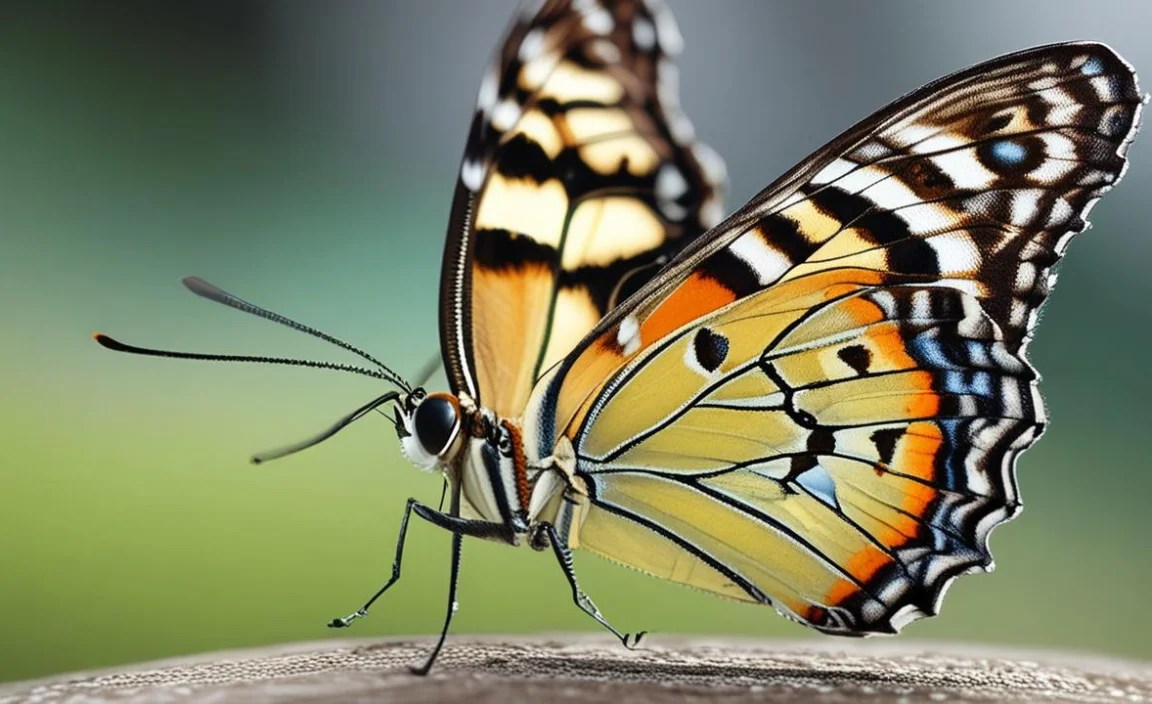
The table below summarizes the key features of some common Pieridae butterflies to help you differentiate between them:
| Species | Wing Color | Wing Pattern | Size (Wingspan) | Geographic Location |
|---|---|---|---|---|
| Cabbage White (Pieris rapae) | White | Small black spots | 1.5 – 2 inches | North America, Europe, Asia |
| Clouded Sulphur (Colias philodice) | Yellow | Black borders, orange spot | 1.75 – 2.5 inches | North America |
| Orange Sulphur (Colias eurytheme) | Orange | Black borders, orange spot | 1.75 – 2.5 inches | North America |
| Checkered White (Pontia protodice) | White | Checkered pattern | 1.5 – 2 inches | North America |
| Cloudless Sulphur (Phoebis sennae) | Yellow | None | 2.5 – 3 inches | Tropical and Subtropical America |
Attracting Pieridae Butterflies to Your Garden
One of the best ways to observe and identify Pieridae butterflies is to attract them to your garden. By planting their favorite host plants and nectar sources, you can create a butterfly-friendly habitat that will be buzzing with activity. Here are some tips for attracting Pieridae butterflies to your garden:
- Plant Host Plants: Provide host plants for the caterpillars of Pieridae butterflies. Some popular host plants include cabbage, mustard, alfalfa, and clover.
- Plant Nectar Sources: Plant flowers that provide nectar for adult butterflies. Some good choices include asters, zinnias, sunflowers, and milkweed.
- Provide a Water Source: Butterflies need water to stay hydrated. Provide a shallow dish of water with pebbles or stones for them to land on.
- Avoid Pesticides: Pesticides can harm or kill butterflies and other beneficial insects. Avoid using pesticides in your garden, or use them sparingly and selectively.
- Provide Shelter: Butterflies need shelter from wind and rain. Plant shrubs and trees to provide them with a safe place to rest.
The Ecological Importance of Pieridae Butterflies
Pieridae butterflies play a crucial role in the ecosystem. As pollinators, they help to fertilize plants, contributing to the reproduction of many plant species, including crops and wildflowers. Their caterpillars, in turn, serve as a food source for birds and other animals. Butterflies are also valuable indicators of environmental health, as their presence or absence can reflect the overall condition of an ecosystem. Protecting Pieridae butterflies and their habitats is essential for maintaining biodiversity and ensuring the health of our planet.
Many Pieridae species are sensitive to habitat loss, pesticide use, and climate change. By creating butterfly-friendly habitats in our gardens and supporting conservation efforts, we can help to protect these beautiful creatures and the ecosystems they inhabit. Organizations like The National Wildlife Federation offer resources and programs to support butterfly conservation.
Frequently Asked Questions (FAQs)
1. What is the difference between a butterfly and a moth?
Butterflies are generally active during the day, have brightly colored wings, and hold their wings upright when at rest. Moths are often active at night, have duller-colored wings, and typically fold their wings flat against their bodies.
2. How can I tell the difference between a male and female Pieridae butterfly?
In many Pieridae species, males and females have different wing patterns or colors. For example, male Clouded Sulphurs have brighter yellow wings than females, and female Cabbage Whites have more prominent black spots.
3. What do Pieridae caterpillars eat?
Pieridae caterpillars feed on a variety of plants, including cabbage, mustard, alfalfa, and clover. The specific host plants vary depending on the species of butterfly.
4. How long do Pieridae butterflies live?
The lifespan of Pieridae butterflies varies depending on the species and environmental conditions. Most adult butterflies live for a few weeks to a few months.
5. Are Pieridae butterflies migratory?
Some Pieridae butterflies, such as the Cloudless Sulphur, are migratory and can travel long distances in search of food and suitable breeding grounds. These migrations are often influenced by weather patterns and the availability of host plants.
6. How can I help protect Pieridae butterflies?
You can help protect Pieridae butterflies by planting host plants and nectar sources in your garden, avoiding pesticide use, and supporting conservation organizations that work to protect butterfly habitats. You can also educate others about the importance of butterflies and their role in the ecosystem.
7. What is the best time of year to see Pieridae butterflies?
The best time of year to see Pieridae butterflies depends on the species and geographic location. In general, butterflies are most active during the warmer months of the year, from spring to fall. Some species may have multiple generations per year, so you may see them throughout the growing season.
Conclusion
Identifying Pieridae butterflies can be a fascinating and rewarding experience. By paying close attention to their wing color, pattern, size, geographic location, and behavior, you can confidently identify these beautiful creatures and appreciate their ecological importance. Remember to use field guides and online resources to aid in your identification efforts, and consider creating a butterfly-friendly habitat in your garden to attract these delightful visitors. With practice and patience, you’ll soon become a skilled Pieridae butterfly identifier!


