
Butterfly Watching Photography: Easy Stunning Shots

Butterfly watching photography is about more than just taking pretty pictures. It’s about capturing the beauty and behavior of these amazing insects while respecting their delicate lives. You’ll need patience, the right gear, and a good understanding of butterfly behavior to get great shots. This guide will walk you through the basics to help you start capturing stunning butterfly photos!
Have you ever tried to photograph a butterfly, only to have it flutter away just as you’re about to snap the picture? It’s a common frustration for nature lovers. Butterflies are beautiful and fascinating, but they’re also quick and easily spooked. Don’t worry, with the right techniques and a little patience, you can learn to capture stunning photos of these winged wonders.
In this guide, I’ll share my years of experience as a naturalist to help you master the art of butterfly photography. We’ll cover everything from choosing the right camera gear to understanding butterfly behavior and finding the best locations. Get ready to transform your passion for butterflies into breathtaking images!
Getting Started with Butterfly Watching Photography
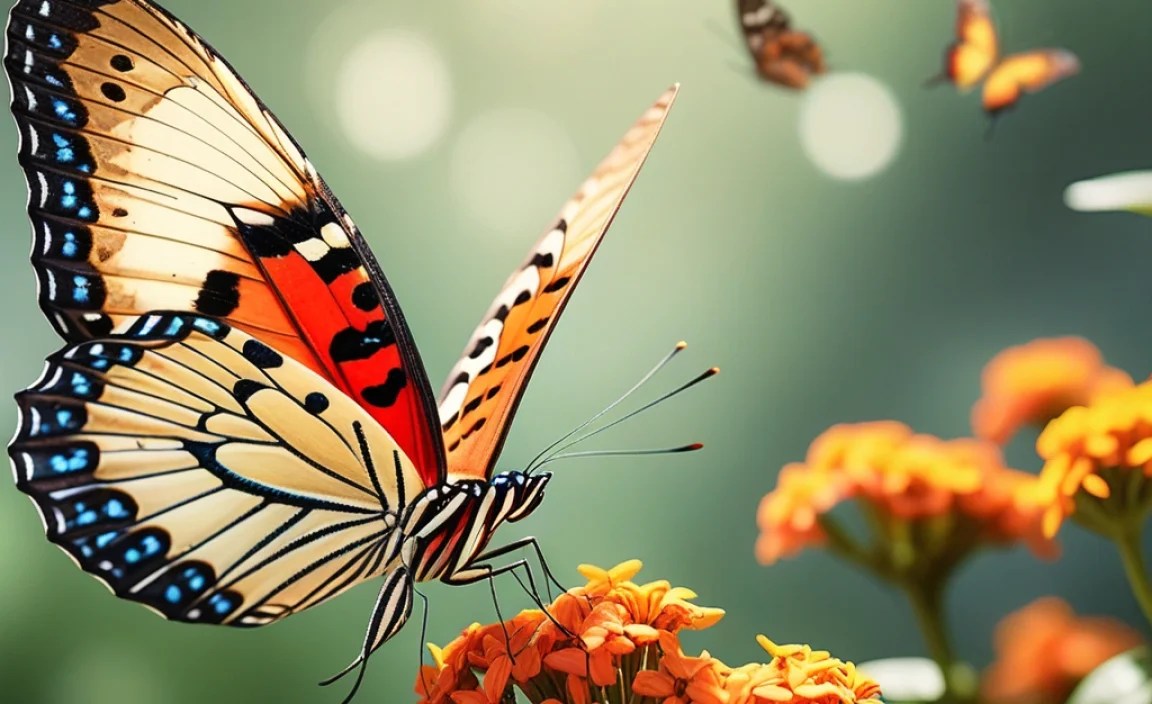
Butterfly photography is more than just pointing and shooting. It requires understanding your subject, your equipment, and the environment. Here’s what you need to know to get started:
Understanding Butterfly Behavior
Butterflies are most active during warm, sunny days. They need sunlight to warm their flight muscles. Knowing their habits can greatly improve your chances of getting a good photo. Key behaviors to watch for include:
- Basking: Butterflies often sit with their wings open to absorb sunlight. This is a great time to capture their intricate wing patterns.
- Feeding: Butterflies feed on nectar from flowers. Find butterfly-friendly gardens or wildflowers for excellent photo opportunities.
- Puddling: Male butterflies gather at puddles or damp soil to collect minerals. This behavior can create stunning group photos.
- Resting: Butterflies often rest with their wings closed, displaying their camouflage. This offers a different perspective for your photos.
Learning about the specific butterfly species in your area can also help you predict their behavior and find them more easily. Resources like the Xerces Society offer valuable information on butterfly conservation and identification.
Essential Equipment for Butterfly Photography
Having the right equipment can make a big difference in the quality of your butterfly photos. Here’s a breakdown of essential gear:
- Camera: A DSLR or mirrorless camera with manual mode is ideal. These cameras offer more control over settings like aperture, shutter speed, and ISO.
- Lens: A macro lens is essential for close-up butterfly photography. Look for a lens with a focal length of at least 100mm for good working distance.
- Tripod: A tripod helps stabilize your camera for sharp images, especially in low light or when using a macro lens.
- Flash: An external flash can provide extra light when needed, but be careful not to startle the butterfly. Use a diffuser to soften the light.
- Reflector: A reflector can bounce sunlight onto your subject, filling in shadows and adding warmth to your photos.
While advanced equipment can be helpful, you can still capture great butterfly photos with a smartphone camera. The key is to get close to your subject and use natural light effectively.
Choosing the Right Camera Settings
Mastering camera settings is crucial for capturing sharp, well-exposed butterfly photos. Here are some key settings to consider:
- Aperture: Use a wide aperture (e.g., f/2.8 to f/5.6) to create a shallow depth of field, blurring the background and highlighting the butterfly.
- Shutter Speed: Use a fast shutter speed (e.g., 1/250th of a second or faster) to freeze the butterfly’s movement and prevent blur.
- ISO: Keep the ISO as low as possible (e.g., ISO 100 or 200) to minimize noise in your photos. Increase the ISO only when necessary in low light.
- Focus Mode: Use single-point autofocus to ensure the butterfly is sharp. Focus on the eyes or antennae for the best results.
- Metering Mode: Use evaluative or matrix metering to get an overall exposure reading. Adjust exposure compensation as needed to brighten or darken the image.
Experiment with different settings to see what works best for your specific situation. Practice makes perfect!
Finding and Approaching Butterflies
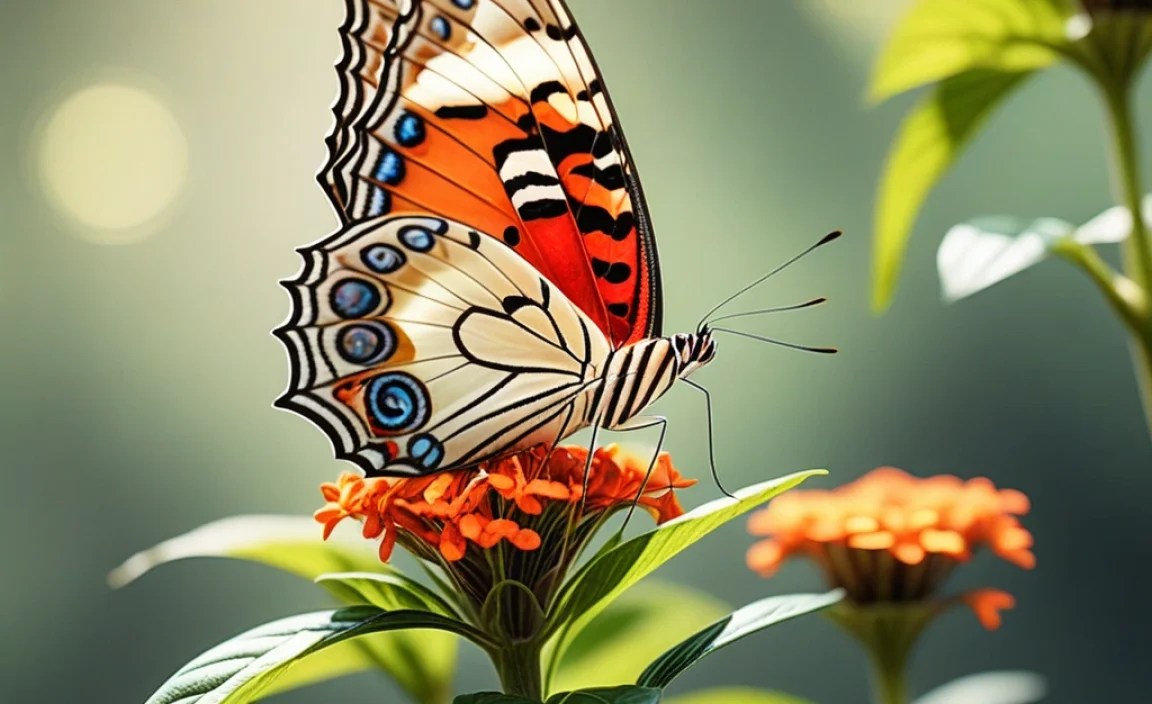
Locating butterflies and approaching them without causing a disturbance is a key skill for butterfly photography. Here’s how to do it:
Identifying Butterfly Habitats
Butterflies are more likely to be found in specific habitats that provide food, shelter, and breeding grounds. Look for these types of locations:
- Butterfly Gardens: These gardens are specifically designed to attract butterflies with nectar-rich flowers and host plants.
- Wildflower Meadows: Meadows with a variety of wildflowers offer a natural buffet for butterflies.
- Forest Edges: The edges of forests provide a mix of sunlight and shelter, attracting a variety of butterfly species.
- Water Sources: Butterflies often gather near puddles, streams, or damp soil to drink and collect minerals.
Researching the specific butterfly species in your area can help you identify their preferred habitats. Local nature centers and butterfly clubs are great resources for this information.
The Art of the Approach
Butterflies are easily spooked, so approaching them requires patience and stealth. Here are some tips for getting close without scaring them away:
- Move Slowly: Avoid sudden movements that can startle the butterfly. Approach slowly and deliberately.
- Stay Low: Crouching or kneeling can make you less threatening to the butterfly.
- Use Natural Cover: Use plants or other objects to shield your approach.
- Avoid Shadows: Don’t cast a shadow on the butterfly, as this can scare it away.
- Be Patient: Sometimes, the best approach is to wait for the butterfly to come to you. Find a good spot and wait for a butterfly to land nearby.
Remember to respect the butterfly’s space. If it flies away, don’t chase it. Simply look for another subject.
Best Times of Day for Butterfly Photography
The time of day can significantly impact your butterfly photography. Here are some guidelines:
- Early Morning: Butterflies are often sluggish in the early morning when temperatures are cooler. This makes them easier to approach and photograph.
- Mid-Morning to Mid-Afternoon: Butterflies are most active during this time, feeding and flying around. This is a good time to capture them in action.
- Late Afternoon: As the day cools down, butterflies become less active again. This can be another good time to find them resting.
Avoid photographing butterflies during the hottest part of the day when they may be seeking shelter. Overcast days can also be challenging, as butterflies are less likely to be active.
Composition and Lighting Techniques
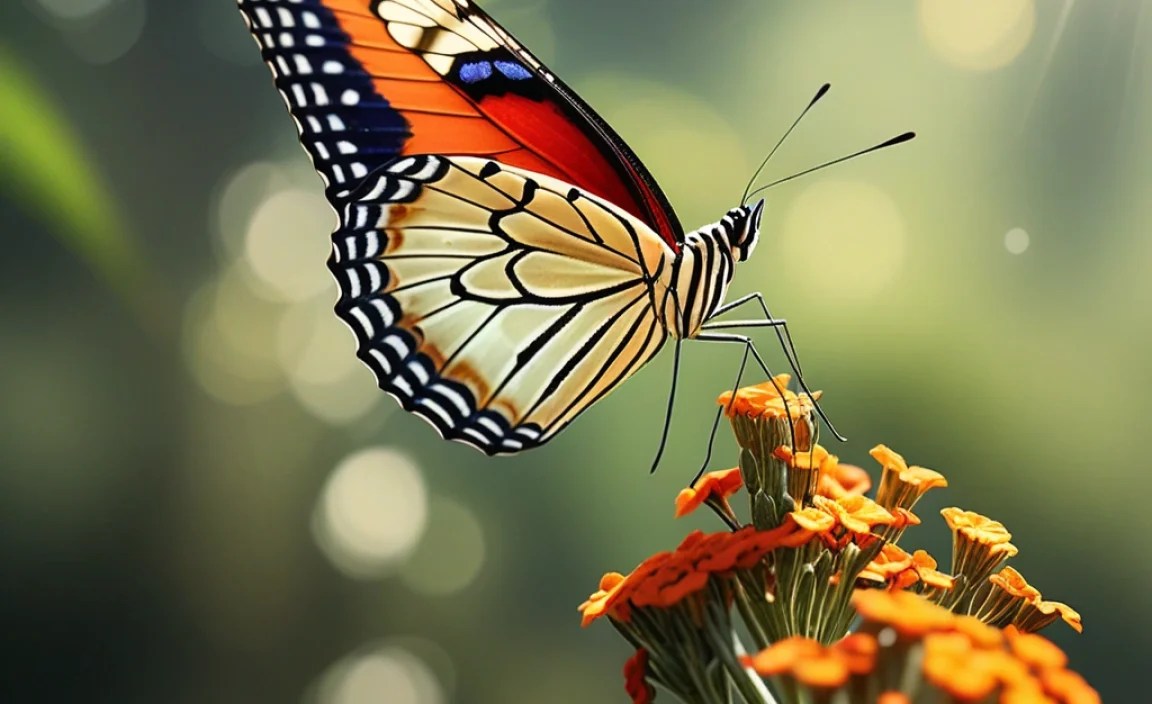
Composition and lighting are essential elements of any photograph, and butterfly photography is no exception. Here’s how to use these elements to create stunning images:
Rule of Thirds
The rule of thirds is a basic composition guideline that involves dividing your frame into nine equal parts with two horizontal and two vertical lines. Place your subject at one of the intersections of these lines, or along one of the lines, to create a more balanced and visually appealing composition.
For butterfly photography, try placing the butterfly off-center, along one of the vertical or horizontal lines. This can create a more dynamic and engaging image.
Leading Lines
Leading lines are lines in your photo that draw the viewer’s eye towards the subject. These can be natural lines, such as stems, branches, or flower petals, or artificial lines, such as fences or paths.
Use leading lines to guide the viewer’s eye towards the butterfly, creating a sense of depth and drawing attention to your subject.
Backgrounds
A clean, uncluttered background can help your subject stand out. Look for backgrounds that are out of focus and free of distractions. Use a wide aperture to create a shallow depth of field, blurring the background and highlighting the butterfly.
Consider the color of the background as well. A contrasting color can make the butterfly pop, while a complementary color can create a more harmonious image.
Natural Light
Natural light is the best light for butterfly photography. Avoid harsh sunlight, which can create strong shadows and wash out colors. Instead, look for soft, diffused light, such as on a cloudy day or in the shade.
If you’re shooting in bright sunlight, use a reflector to bounce light onto your subject and fill in shadows. You can also try shooting during the golden hours (early morning and late afternoon) when the light is warm and soft.
Using Flash
While natural light is preferred, sometimes you may need to use flash to add extra light to your photos. However, using flash with butterflies can be tricky, as it can startle them and create harsh shadows.
If you must use flash, use an external flash with a diffuser to soften the light. Position the flash off-camera to avoid creating flat, uninteresting light. Start with a low power setting and gradually increase it until you get the desired effect.
Post-Processing Tips
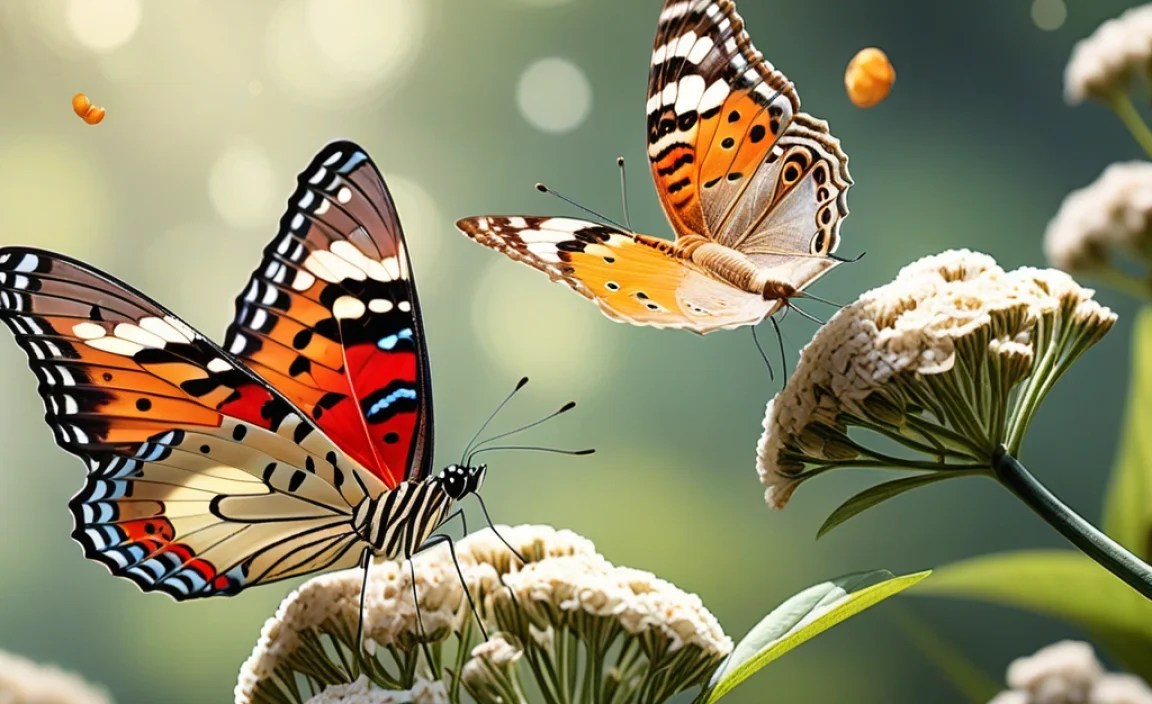
Post-processing can enhance your butterfly photos and bring out their full potential. Here are some basic editing tips:
- Adjust Exposure: Correct any over or underexposure issues.
- Adjust Contrast: Add or reduce contrast to enhance details and create a more dynamic image.
- Adjust White Balance: Correct any color cast issues to ensure accurate colors.
- Sharpening: Sharpen your image to bring out fine details. Be careful not to over-sharpen, which can create unwanted artifacts.
- Noise Reduction: Reduce noise in your image, especially if you shot at a high ISO.
- Cropping: Crop your image to improve the composition or remove distractions.
There are many software programs available for post-processing, such as Adobe Photoshop, Lightroom, and GIMP. Experiment with different tools and settings to find what works best for you.
Advanced Techniques in Butterfly Photography
Once you’ve mastered the basics, you can explore more advanced techniques to take your butterfly photography to the next level. Here are a few ideas:
Focus Stacking
Focus stacking is a technique that involves taking multiple photos of the same subject with different focus points and then combining them in post-processing to create an image with a greater depth of field. This is particularly useful for macro photography, where the depth of field is very shallow.
To use focus stacking, mount your camera on a tripod and take a series of photos, each with a slightly different focus point. Then, use software like Adobe Photoshop or Helicon Focus to combine the images into a single, sharp photo.
Creating Panoramas
Creating panoramas can capture a wide view of a butterfly’s habitat, providing context and showing the butterfly in its natural environment. This can be particularly effective in wildflower meadows or butterfly gardens.
To create a panorama, take a series of overlapping photos of the scene, keeping the camera level and rotating it around a fixed point. Then, use software like Adobe Photoshop or PTGui to stitch the images together into a single, wide image.
Photographing Butterflies in Flight
Photographing butterflies in flight is one of the most challenging, but also one of the most rewarding, aspects of butterfly photography. It requires quick reflexes, a fast shutter speed, and a good understanding of butterfly behavior.
To photograph butterflies in flight, use a fast shutter speed (e.g., 1/1000th of a second or faster) to freeze their movement. Use continuous autofocus to keep the butterfly in focus as it moves. Practice panning with the butterfly as it flies, keeping it in the center of the frame. Be patient and persistent, and you’ll eventually capture some stunning in-flight shots.
Ethical Considerations in Butterfly Photography
As butterfly photographers, it’s important to be mindful of the impact our actions can have on these delicate creatures and their habitats. Here are some ethical considerations to keep in mind:
- Avoid Disturbing Habitats: Stay on trails and avoid trampling vegetation. Be careful not to damage or destroy butterfly host plants or nectar sources.
- Do Not Handle Butterflies: Handling butterflies can damage their delicate wings and scales, and can also stress them. Avoid handling butterflies unless it’s necessary for conservation purposes.
- Do Not Relocate Butterflies: Moving butterflies from one location to another can disrupt their natural behavior and spread diseases. Only relocate butterflies if it’s necessary for conservation purposes.
- Respect Private Property: Always obtain permission before photographing butterflies on private property.
- Follow Local Regulations: Be aware of and follow any local regulations regarding butterfly conservation and photography.
By following these ethical guidelines, we can help protect butterflies and their habitats for future generations to enjoy.
| Technique | Description | Benefits |
|---|---|---|
| Focus Stacking | Combining multiple images with different focus points | Increases depth of field in macro shots |
| Panorama | Stitching together overlapping images | Captures wide views of butterfly habitats |
| In-Flight Photography | Capturing butterflies in motion | Dynamic and engaging images |
Butterfly Photography: Location Ideas
Finding the perfect spot to photograph butterflies can be a fun adventure. Consider these locations:
- Local Butterfly Gardens: These are often curated to attract a variety of species, making them ideal for photography.
- Botanical Gardens: Many botanical gardens have butterfly houses or specific sections that attract butterflies.
- Nature Preserves: These protected areas often have diverse ecosystems that support butterfly populations.
- Your Own Backyard: Plant butterfly-friendly flowers and host plants to attract butterflies to your own garden.
Always check for any permits or rules before photographing in these locations to ensure you are following local guidelines.
Butterfly Watching Photography: Inspiration
Looking at the work of other butterfly photographers can inspire your own creativity. Here are some resources to explore:
- Online Galleries: Websites like Flickr and 500px have numerous butterfly photography groups and galleries.
- Photography Books: Many books showcase stunning butterfly photography and offer tips and techniques.
- Social Media: Follow butterfly photographers on Instagram and other social media platforms to see their latest work.
Use these resources to learn from others and develop your own unique style.
Butterfly Photography: Protecting our Pollinators
Beyond capturing beautiful images, butterfly photography can also play a role in conservation. By sharing your photos and educating others about butterflies, you can raise awareness about the importance of protecting these pollinators and their habitats.
Consider volunteering with local conservation organizations or participating in citizen science projects to help monitor butterfly populations and habitats. Every effort, no matter how small, can make a difference.
| Equipment | Description | Use |
|---|---|---|
| Macro Lens | Special lens for close-up shots | Capturing intricate details of butterflies |
| Tripod | Stabilizes camera | Ensuring sharp images, especially in low light |
| Reflector | Bounces light onto subject | Filling in shadows and adding warmth |
FAQ: Butterfly Watching Photography
What is the best camera for butterfly photography?
A DSLR or mirrorless camera with a macro lens is ideal, but you can also get great shots with a smartphone camera.
What settings should I use for butterfly photography?
Use a wide aperture (f/2.8-f/5.6), fast shutter speed (1/250s or faster), and low ISO (100-200).
How do I get close to butterflies without scaring them?
Move slowly, stay low, use natural cover, and avoid casting shadows.
What is the best time of day for butterfly photography?
Early morning and late afternoon when butterflies are less active.
What should I do if I don’t have a macro lens?
Use the zoom on your camera or smartphone and get as close as possible to the butterfly.
How can I attract butterflies to my garden for photography?
Plant nectar-rich flowers and host plants that butterflies love.
Is it ethical to handle butterflies for photography?
No, handling butterflies can damage their wings and stress them. Avoid handling them unless necessary for conservation.
Conclusion
Butterfly photography is a rewarding and enriching hobby that combines a love for nature with the art of photography. By understanding butterfly behavior, mastering your camera settings, and practicing ethical photography, you can capture stunning images of these delicate creatures. Remember to be patient, respectful, and always learning. Each photo you take is not just a snapshot, but a celebration of the beauty and importance of butterflies in our world. So, grab your camera, head out to a butterfly garden or wildflower meadow, and start capturing the magic of these winged wonders. Happy shooting!


