Meadow Butterfly Identification: The Ultimate Guide

Quick Summary:
Identifying meadow butterflies involves observing their size, color, and wing patterns. Note their flight behavior and the plants they visit. Use field guides or online resources to compare your observations. Focus on key features like spots, bands, and overall shape to narrow down the species. Understanding these characteristics helps you confidently name the butterflies fluttering in your local meadow.
Have you ever strolled through a sunny meadow and been mesmerized by the fluttering wings of butterflies, only to wonder what their names are? Identifying these beautiful creatures can seem daunting at first, but it’s a rewarding journey into the world of natural science. Many people struggle to tell one butterfly from another, and that’s perfectly normal! With a few simple techniques and a little practice, you’ll be able to recognize the common meadow butterflies in your area.
In this guide, I’ll walk you through a step-by-step process to confidently identify meadow butterflies. We’ll cover key characteristics to look for, helpful tools, and even some common look-alikes to avoid. Let’s get started and uncover the secrets of these delightful insects!
Frequently Asked Questions (FAQs)
Q: What is the best way to start identifying butterflies?
A: Begin by observing the butterfly’s size, color patterns, and behavior. Take note of the plants it visits. These initial observations will help you narrow down the possibilities when using a field guide.
Q: Are there any apps that can help identify butterflies?
A: Yes, several apps like iNaturalist and Picture Insect can help. Simply take a photo of the butterfly, and the app will suggest possible matches based on its image recognition capabilities.
Q: What should I do if I can’t identify a butterfly?
A: Don’t worry! Butterfly identification can be tricky. Try posting a photo on a butterfly identification forum or contacting a local butterfly expert for assistance.
Q: How important is location when identifying butterflies?
A: Location is very important. Butterfly species vary by region, so knowing where you saw the butterfly can significantly narrow down the possibilities.
Q: What is the difference between a butterfly and a moth?
A: Butterflies typically have thin antennae with clubbed tips, are active during the day, and hold their wings vertically at rest. Moths often have feathery antennae, are mostly active at night, and hold their wings flat or wrapped around their bodies.
Q: What are some good resources for learning about butterflies?
A: Field guides like “Butterflies of North America” by Jim P. Brock and Kenn Kaufman, websites like the Xerces Society, and local nature centers are excellent resources for learning about butterflies.
Q: Why is it important to identify butterflies?
A: Identifying butterflies helps us understand and appreciate the biodiversity around us. It also allows us to monitor their populations and support conservation efforts, as butterflies are important indicators of ecosystem health.
Step-by-Step Guide to Meadow Butterfly Identification
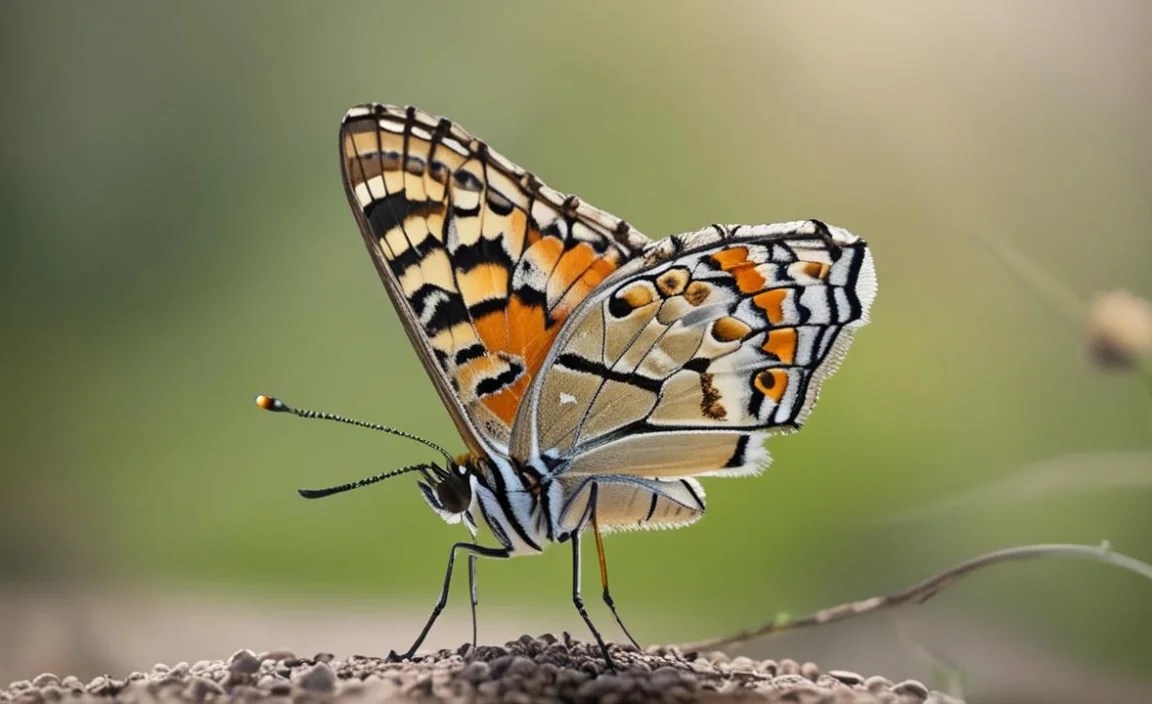
Step 1: Observe the Butterfly’s Key Features
The first step in identifying any butterfly is careful observation. Don’t rush! Take your time to notice the details. Here’s what to focus on:
- Size: Is it small, medium, or large? A rough estimate is fine.
- Color: Note the dominant colors and any patterns. Are there spots, stripes, or bands?
- Wing Shape: Are the wings rounded, pointed, or angled?
- Flight Pattern: Does it fly quickly and erratically, or does it have a more leisurely, floating flight?
- Habitat: What kind of environment are you in? Meadow, forest, or garden?
- Behavior: Is it nectaring on flowers, basking in the sun, or flying near the ground?
These initial observations will help you narrow down the possibilities when you consult a field guide or online resource.
Step 2: Identify the Family
Butterflies are divided into families, each with its own general characteristics. Knowing the family can significantly narrow your search. Here are some of the most common butterfly families you’ll encounter in meadows:
- Swallowtails (Papilionidae): These are often large and brightly colored, with distinctive tails on their hindwings.
- Whites and Sulphurs (Pieridae): Typically white, yellow, or orange, these butterflies are often seen fluttering in open fields.
- Blues, Coppers, and Hairstreaks (Lycaenidae): These are generally small and often have metallic colors or delicate tails.
- Brush-footed Butterflies (Nymphalidae): This is a large and diverse family that includes fritillaries, monarchs, admirals, and viceroys. They often have vibrant colors and patterns.
- Skippers (Hesperiidae): Skippers have stout bodies and hooked antennae. They fly quickly and erratically, often resembling moths.
Recognizing these families will give you a head start in the identification process.
Step 3: Use a Butterfly Field Guide
A good field guide is an essential tool for butterfly identification. Look for one that covers your geographic region. Some popular choices include:
- “Butterflies of North America” by Jim P. Brock and Kenn Kaufman: A comprehensive guide covering all of North America.
- “National Audubon Society Field Guide to North American Butterflies”: A user-friendly guide with excellent photos and descriptions.
- Local or regional guides: These guides focus on the butterflies found in a specific area, making identification easier.
When using a field guide, start by looking at the family that you identified in Step 2. Then, compare the butterfly you observed to the photos and descriptions in the guide. Pay close attention to:
- Wing patterns: Note the presence, shape, and color of spots, stripes, and bands.
- Size: Compare the butterfly’s wingspan to the measurements given in the guide.
- Habitat: Check if the butterfly’s preferred habitat matches where you found it.
- Flight period: See if the butterfly is known to be active during the time of year you observed it.
Step 4: Leverage Online Resources and Apps
In addition to field guides, there are many excellent online resources and apps that can help you identify butterflies. Here are a few popular options:
- Butterflies and Moths of North America (BAMONA): A comprehensive website with photos, descriptions, and range maps for North American butterflies and moths.
- The Xerces Society: A conservation organization that offers information on butterfly identification, habitat, and conservation.
- iNaturalist: A citizen science app that allows you to upload photos of plants and animals for identification. Other users can help identify your butterfly.
- Picture Insect: An app that uses image recognition technology to identify insects, including butterflies.
These resources can be particularly helpful if you’re struggling to identify a butterfly using a field guide alone.
Step 5: Pay Attention to Specific Markings and Patterns
Often, the key to identifying a butterfly lies in its specific markings and patterns. Here are some examples of distinctive features to look for:
- Eye spots: Large, circular markings that resemble eyes, often found on the hindwings.
- Tails: Elongated extensions on the hindwings, common in swallowtails and some blues.
- Metallic colors: Iridescent blues, greens, or coppers, often seen in blues and hairstreaks.
- Bands and stripes: Contrasting lines or bands that run across the wings.
- Spots: Small, distinct markings that can be arranged in patterns.
Consider the Monarch butterfly, known for its bright orange wings laced with black lines and white spots. Or the Viceroy, which mimics the Monarch but has an extra black line across its hindwing. Paying attention to these details can make all the difference.
Step 6: Consider Location and Habitat
Butterflies are not evenly distributed across the globe. Different species are found in different regions and habitats. Knowing your location and the type of habitat you’re in can help you narrow down the possibilities.
- Geographic Region: Use a field guide or online resource that covers your specific region.
- Habitat Type: Is it a meadow, forest, wetland, or garden? Different butterflies prefer different habitats.
- Elevation: Some butterflies are only found at certain elevations.
- Host Plants: What plants are growing in the area? Butterflies often lay their eggs on specific host plants that their caterpillars feed on.
For example, if you’re in a high-altitude meadow in the Rocky Mountains, you’re likely to see different butterflies than if you’re in a coastal meadow in Florida.
Step 7: Observe Behavior and Interactions
Butterflies exhibit a variety of behaviors that can provide clues to their identity. Pay attention to:
- Nectaring: What flowers are they visiting? Some butterflies are attracted to specific types of flowers.
- Basking: Are they spreading their wings to soak up the sun?
- Puddling: Are they gathering around puddles or damp soil to drink water and minerals?
- Territoriality: Are they defending a specific area from other butterflies?
- Flight Patterns: Fast and erratic or slow and graceful?
The behavior of a butterfly can sometimes be just as distinctive as its appearance.
Step 8: Document Your Observations
Keep a notebook or use a digital app to record your butterfly sightings. Include the date, time, location, habitat, and any other relevant information. Taking photos or videos can also be helpful. Over time, you’ll build a valuable record of the butterflies in your area.
Documenting your observations not only helps you improve your identification skills but also contributes to citizen science. Your data can be used by researchers to track butterfly populations and monitor environmental changes.
Step 9: Join a Butterfly Group or Club
One of the best ways to learn about butterflies is to connect with other enthusiasts. Join a local butterfly group or club. Attend field trips, workshops, and meetings. Share your observations and ask questions. You’ll learn from experienced butterfly watchers and make new friends who share your passion.
Butterfly groups often organize butterfly counts, which are a fun and educational way to contribute to conservation efforts.
Step 10: Practice and Be Patient
Butterfly identification takes time and practice. Don’t get discouraged if you can’t identify every butterfly you see. The more you observe, the more you’ll learn. Keep using your field guide, online resources, and the tips in this guide. Over time, you’ll become a confident butterfly identifier.
Remember that even experts sometimes struggle to identify certain butterflies. There are many similar-looking species, and variations can occur within a species. The key is to keep learning and keep exploring the wonderful world of butterflies!
Common Meadow Butterflies and Their Identification

Let’s explore some common meadow butterflies and their key identifying features. This table should make it easier to start recognizing the common species in your area.
| Butterfly | Family | Color | Size | Key Features | Habitat |
|---|---|---|---|---|---|
| Monarch (Danaus plexippus) | Nymphalidae | Bright orange with black lines and white spots | Large (3.5-4 inches) | Distinctive orange and black pattern; black veins on wings | Meadows, fields, gardens |
| Viceroy (Limenitis archippus) | Nymphalidae | Orange and black, similar to Monarch | Medium (2.5-3 inches) | Black line across hindwing; mimics Monarch | Wet meadows, marshes, woodlands |
| Eastern Tiger Swallowtail (Papilio glaucus) | Papilionidae | Yellow with black stripes (females can be black) | Large (3-5.5 inches) | Tiger-like stripes; tails on hindwings | Woodlands, gardens, meadows |
| Cabbage White (Pieris rapae) | Pieridae | White with black spots | Small (1.5-2 inches) | Small black spots on forewings | Gardens, fields, urban areas |
| Clouded Sulphur (Colias philodice) | Pieridae | Yellow with black border | Medium (1.5-2.5 inches) | Yellow wings with dark borders | Fields, meadows, roadsides |
| Great Spangled Fritillary (Speyeria cybele) | Nymphalidae | Orange with black spots and silver spots underneath | Large (2.5-3.5 inches) | Orange wings with black markings; silver spots on hindwing underside | Moist meadows, woodlands |
| Silver-spotted Skipper (Epargyreus clarus) | Hesperiidae | Brown with a large silver spot on hindwing | Medium (1.75-2.5 inches) | Distinctive silver spot on hindwing; hooked antennae | Woodlands, gardens, meadows |
| Common Buckeye (Junonia coenia) | Nymphalidae | Brown with prominent eye spots | Medium (2-2.5 inches) | Large eye spots on both forewings and hindwings | Fields, roadsides, disturbed areas |
| Spring Azure (Celastrina ladon) | Lycaenidae | Pale blue | Small (1-1.5 inches) | Pale blue wings, often with a faint dark border | Woodlands, gardens, meadows |
Note: Sizes are approximate wingspans.
Avoiding Common Identification Mistakes
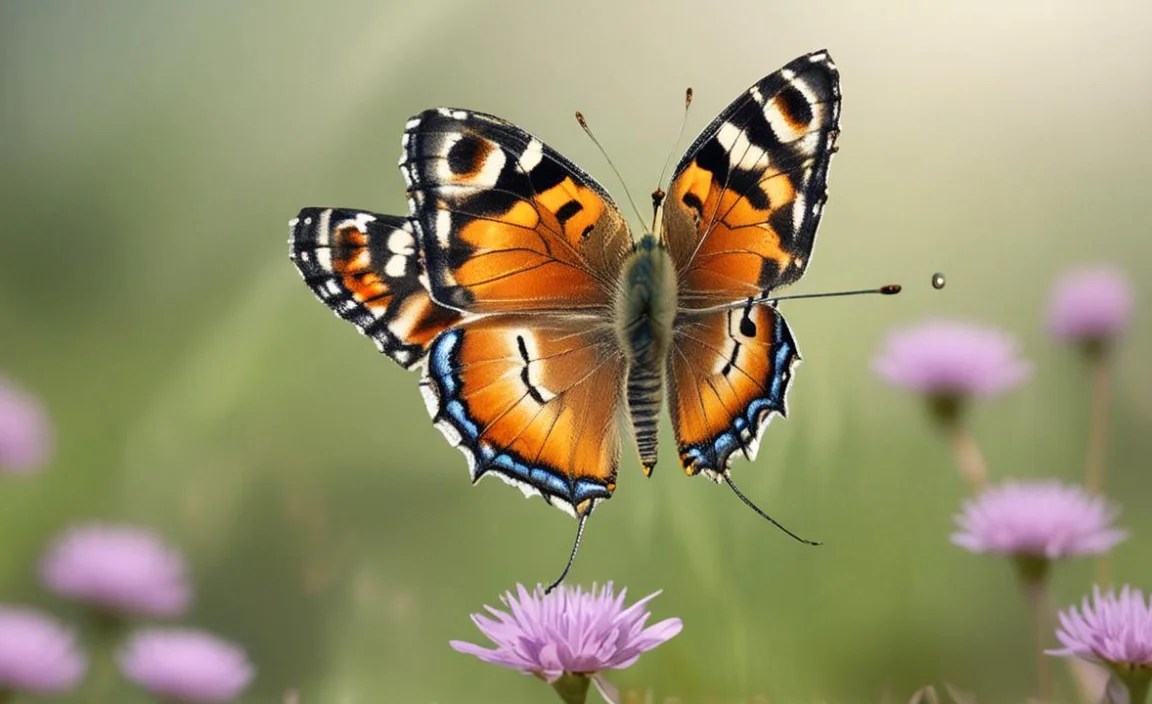
Butterfly identification can be tricky, and it’s easy to make mistakes. Here are some common pitfalls to avoid:
- Relying solely on color: Color can be variable within a species. Always look for other distinguishing features.
- Ignoring size: Size can be a helpful clue, but don’t rely on it exclusively.
- Not considering location: Make sure your field guide or online resource covers your geographic area.
- Overlooking subtle details: Pay close attention to wing patterns, markings, and other small features.
- Not checking multiple sources: Compare your observations to multiple field guides and online resources.
- Getting discouraged: Butterfly identification takes time and practice. Don’t give up!
Let’s look at a classic example. The Monarch and Viceroy butterflies are frequently confused because they look so similar. However, the Viceroy has a distinctive black line across its hindwing, which the Monarch lacks. By paying attention to this detail, you can easily distinguish between the two.
The Importance of Butterfly Conservation

Identifying butterflies is not just a fun hobby; it’s also a valuable way to contribute to conservation efforts. Butterflies are important indicators of ecosystem health. Their populations are declining due to habitat loss, pesticide use, and climate change.
By learning to identify butterflies, you can:
- Monitor butterfly populations: Track the abundance and distribution of different species in your area.
- Identify habitat needs: Determine what plants and habitats are important for butterflies.
- Support conservation efforts: Advocate for policies and practices that protect butterflies and their habitats.
- Educate others: Share your knowledge and passion for butterflies with friends, family, and community members.
You can also take simple steps to create butterfly-friendly habitats in your own backyard, such as planting native flowers and avoiding pesticide use. Learn more about creating butterfly gardens from resources like the National Wildlife Federation.
Conclusion
Butterfly identification is a rewarding journey that connects us with the natural world. By following the steps in this guide, you can confidently identify meadow butterflies and appreciate their beauty and ecological importance. Remember to observe carefully, use field guides and online resources, and practice regularly. As you become more skilled, you’ll not only expand your knowledge but also contribute to butterfly conservation.
So, grab your field guide, head out to a meadow, and start exploring the fascinating world of butterflies. Every butterfly you identify is a step towards a deeper understanding and appreciation of the natural world around us. Happy butterflying!