
Cryptic Species in Glasswing: Discover the Secret

Quick Summary: Cryptic species in glasswing butterflies are distinct species that look almost identical to each other. Identifying them often requires careful examination of wing patterns, genetic analysis, or studying their unique life cycle characteristics. Discovering these subtle differences helps us understand butterfly biodiversity and conservation needs better.
Have you ever marveled at the seemingly transparent wings of a glasswing butterfly, only to wonder if you’re seeing the same species each time? It turns out, nature loves to play tricks! Many glasswing butterflies, though appearing identical to the untrained eye, are actually different species. This can be confusing, but don’t worry! We’ll explore how to spot the subtle clues that distinguish these cryptic species and why it matters for conservation.
Understanding Cryptic Species

Cryptic species are species that look very similar, or even identical, to each other but are genetically distinct and don’t interbreed. In other words, they are different species hiding under the same appearance. This phenomenon is more common than you might think, and it’s particularly prevalent in the insect world, including our beloved butterflies.
For glasswing butterflies, this presents a unique challenge. Their transparent wings, a marvel of natural camouflage, make it harder to spot distinguishing features. Identifying these subtle differences requires a keen eye and sometimes, a bit of scientific investigation.
Why Does It Matter?
Understanding cryptic species is crucial for several reasons:
- Conservation: If we mistake multiple species for one, we might underestimate the true biodiversity of an area. This can lead to inadequate conservation efforts, potentially endangering a species without us even knowing it.
- Ecological Studies: Each species plays a unique role in its ecosystem. Misidentifying them can skew ecological data and affect our understanding of how these ecosystems function.
- Evolutionary Biology: Studying cryptic species helps us understand how new species arise and how natural selection can lead to similar appearances in different lineages.
Identifying Cryptic Glasswing Species: A Step-by-Step Guide
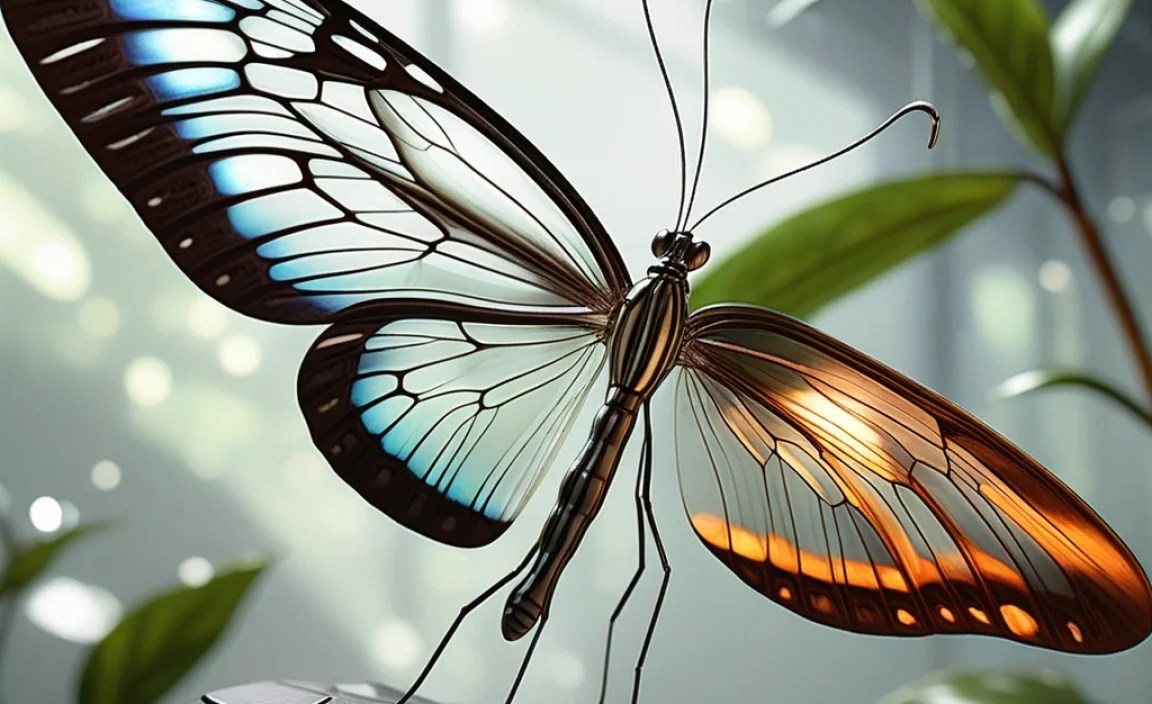
So, how can you tell if you’re looking at different glasswing species when they all seem so alike? Here’s a step-by-step guide to help you become a cryptic species detective:
Step 1: Observe Wing Patterns Closely
While glasswings are known for their transparency, they often have subtle patterns on their wings, especially along the borders. These patterns can include:
- Vein Coloration: Notice the color of the veins in the wings. Are they dark, light, or a mix? Is there a difference in the intensity of coloration?
- Border Markings: Look for any colored markings or spots along the wing edges. Note their shape, size, and color.
- Cell Patterns: Check the cells (the spaces between the veins) for any subtle patterns or shading differences.
Even slight variations in these patterns can indicate different species. Use a magnifying glass or take high-resolution photos to get a closer look.
Step 2: Examine Body Morphology
Don’t just focus on the wings! The body of the butterfly can also provide clues:
- Thorax and Abdomen: Observe the color and markings on the thorax (the middle section of the body) and abdomen. Are there stripes, spots, or bands?
- Antennae: Check the antennae. Are they long or short? Are they clubbed at the end?
- Legs: While harder to see in the field, the legs can sometimes have subtle differences in coloration or hairiness.
These body features, though small, can be key indicators of different species.
Step 3: Consider Geographic Location
Knowing where you are observing the butterfly is crucial. Different glasswing species tend to inhabit specific geographic regions. Consulting field guides specific to your area can narrow down the possibilities.
For example, certain species might be exclusive to the Amazon rainforest, while others are found in Central America. Use resources like the iNaturalist app to check reported sightings in your region.
Step 4: Study Host Plant Associations
Butterflies are often very specific about the plants their caterpillars feed on. Knowing the host plant can provide a strong clue to the butterfly’s identity.
- Research Local Flora: Identify the common plants in the area where you found the glasswing.
- Observe Egg-Laying Behavior: If possible, watch where the female butterfly lays her eggs. This can give you a direct link to the host plant.
- Caterpillar Identification: If you find caterpillars, try to identify them. Caterpillar appearance is often more distinct than adult butterfly appearance.
Consult local butterfly experts or online databases to learn about the host plant preferences of different glasswing species in your region. The Xerces Society is a great place to start.
Step 5: Analyze Genitalia (for Advanced Identification)
This method is typically used by researchers and experienced lepidopterists. The genitalia of butterflies, though externally similar, often have unique structures that distinguish species.
Important Note: This method requires collecting the butterfly, which should only be done with proper permits and for scientific purposes. It is not recommended for casual observation.
Step 6: Use Genetic Analysis (for Scientific Confirmation)
The most definitive way to identify cryptic species is through DNA analysis. This involves extracting DNA from the butterfly and comparing it to known DNA sequences of different species.
This method is typically used in research settings to confirm the existence of new species or to clarify taxonomic relationships. Advancements in molecular biology are making genetic analysis more accessible, but it remains a specialized technique.
Tools for Identifying Cryptic Species

Here are some tools that can help you in your quest to identify cryptic glasswing species:
- Field Guides: Invest in a good field guide specific to your region. These guides often include detailed descriptions and illustrations of different butterfly species.
- Magnifying Glass: A magnifying glass will help you see the fine details of wing patterns and body morphology.
- Camera: A camera with a macro lens allows you to take close-up photos for detailed examination.
- Online Databases: Websites like Butterflies and Moths of North America and iNaturalist provide valuable information and photos of butterfly species.
- Butterfly Experts: Don’t hesitate to reach out to local butterfly experts or entomologists for assistance. They can provide valuable insights and help you identify difficult species.
Case Studies: Unmasking Cryptic Glasswing Species

Let’s look at a few examples of how cryptic glasswing species have been identified and the challenges involved:
Case Study 1: Greta oto Complex
Greta oto, the iconic glasswing butterfly, was long considered a single species. However, recent studies have suggested that it may be a complex of multiple cryptic species. Researchers have found subtle differences in wing patterns, larval host plants, and genetic markers among different populations of Greta oto across its geographic range. Further research is needed to fully understand the taxonomic relationships within this group.
Case Study 2: Central American Glasswings
In Central America, several glasswing species share similar appearances, making identification challenging. Entomologists have relied on a combination of morphological analysis, host plant associations, and genetic data to differentiate these species. For example, subtle differences in the shape and coloration of wing scales have been used to distinguish closely related species.
The Role of Citizen Science

You can play a crucial role in helping scientists understand and document cryptic glasswing species. By participating in citizen science projects, you can contribute valuable data and observations.
Here’s how you can get involved:
- Photograph and Report: Take photos of glasswing butterflies you encounter and upload them to online platforms like iNaturalist. Be sure to include the location and date of your observation.
- Monitor Host Plants: Observe glasswing butterflies in your area and record the plants they use for egg-laying. Share this information with local butterfly organizations or researchers.
- Participate in Surveys: Join organized butterfly surveys in your area. These surveys often involve identifying and counting different butterfly species, providing valuable data for conservation efforts.
Table: Key Characteristics of Glasswing Butterflies
| Characteristic | Description |
|---|---|
| Wings | Largely transparent with visible veins; may have colored borders or markings. |
| Body | Slender body with variable coloration; may have stripes or spots. |
| Habitat | Tropical rainforests and cloud forests. |
| Host Plants | Specific plants used by caterpillars for food; varies by species. |
| Behavior | Diurnal (active during the day); often found in shaded areas. |
Table: Methods for Identifying Cryptic Species
| Method | Description | Level of Expertise |
|---|---|---|
| Wing Pattern Analysis | Examining the color, shape, and arrangement of markings on the wings. | Beginner |
| Body Morphology | Observing the color and structure of the body, antennae, and legs. | Beginner to Intermediate |
| Geographic Location | Considering the region where the butterfly was observed. | Beginner |
| Host Plant Associations | Identifying the plants used by caterpillars for food. | Intermediate |
| Genitalia Analysis | Examining the structure of the reproductive organs. | Advanced |
| Genetic Analysis | Comparing DNA sequences to identify species. | Advanced |
FAQ: Cryptic Species in Glasswing Butterflies
Here are some frequently asked questions about cryptic species in glasswing butterflies:
What are cryptic species?
Cryptic species are species that look very similar or identical to each other but are genetically distinct and do not interbreed.
Why are cryptic species common in glasswing butterflies?
Glasswing butterflies have evolved transparent wings as camouflage, which can make it difficult to spot distinguishing features that differentiate species.
How can I tell if I’m looking at different glasswing species?
Look for subtle differences in wing patterns, body morphology, host plant associations, and geographic location. Genetic analysis is the most definitive method.
Why is it important to identify cryptic species?
Identifying cryptic species is crucial for conservation efforts, ecological studies, and understanding evolutionary biology.
What tools can I use to identify cryptic glasswing species?
Field guides, magnifying glasses, cameras, and online databases are helpful tools. Consulting with butterfly experts can also be beneficial.
How can I contribute to the study of cryptic glasswing species?
You can participate in citizen science projects by photographing and reporting sightings, monitoring host plants, and joining butterfly surveys.
Are cryptic species only found in glasswing butterflies?
No, cryptic species are found in many different groups of organisms, including insects, plants, and animals. The term is used whenever distinct species are difficult to differentiate based on appearance alone.
Conclusion: Appreciating the Hidden Diversity
The world of glasswing butterflies is full of hidden diversity. While these butterflies may appear similar at first glance, a closer look reveals a fascinating array of cryptic species, each with its own unique characteristics and ecological role. By learning to identify these subtle differences, we can deepen our appreciation for the complexity of nature and contribute to the conservation of these delicate creatures.
So, the next time you see a glasswing butterfly flitting through the forest, take a moment to observe its intricate details. You might just discover a hidden species waiting to be recognized, and in doing so, contribute to a greater understanding of our planet’s biodiversity. Keep exploring, keep learning, and keep marveling at the wonders of the butterfly world!


