
Butterflies in Sabah Region: A Powerful Guide

Butterflies in Sabah Region: A Beginner’s Guide

Quick Summary: Sabah, Malaysia, is a butterfly paradise! This region, located in northern Borneo, boasts an incredible diversity of butterfly species. To explore them, visit places like Kinabalu National Park, the Danum Valley Conservation Area, or the Maliau Basin. Look for butterflies near flowering plants, and bring binoculars and a camera to capture their beauty. Remember to respect their habitat and avoid disturbing them.
Have you ever dreamed of being surrounded by fluttering wings of every color imaginable? Sabah, a Malaysian state on the island of Borneo, is one of the best places in the world to make that dream a reality. The sheer variety of butterflies here can be overwhelming, but don’t worry! This guide will walk you through everything you need to know to explore and appreciate the butterflies of Sabah.
We’ll cover the best locations, what to look for, and how to identify some of the most common and spectacular species. Get ready to embark on a colorful adventure!
Why Sabah is a Butterfly Hotspot

Sabah’s incredible butterfly diversity is due to a few key factors:
- Tropical Climate: Sabah has a consistently warm and humid climate, perfect for butterflies to thrive year-round.
- Lush Rainforests: The island of Borneo is home to some of the oldest and most biodiverse rainforests on Earth, providing ample food and shelter for countless butterfly species.
- Variety of Habitats: From lowland rainforests to montane forests and coastal areas, Sabah offers a range of habitats, each supporting different butterfly communities.
Where to Find Butterflies in Sabah

Sabah offers numerous locations for butterfly watching. Here are some of the most popular and rewarding:
Kinabalu National Park
Home to Mount Kinabalu, this UNESCO World Heritage Site is a haven for butterflies. The park’s diverse altitudes support a wide range of species. Look for butterflies along trails, near streams, and in open areas with flowering plants.
Danum Valley Conservation Area
This is one of the best-preserved rainforests in Borneo. Danum Valley is renowned for its exceptional biodiversity, including a high concentration of butterfly species. Guided tours are available, offering expert insights into the local flora and fauna.
Maliau Basin Conservation Area (“The Lost World of Sabah”)
This remote and relatively unexplored area is a true wilderness, teeming with unique wildlife, including many butterfly species. Access is limited, but the rewards for those who venture here are immense.
Tabin Wildlife Reserve
Located in eastern Sabah, Tabin is another excellent location for wildlife viewing, including butterflies. The reserve offers a mix of rainforest and secondary forest habitats.
Poring Hot Springs
Located near Kinabalu National Park, Poring Hot Springs offers a different kind of butterfly-watching experience. The open areas and flowering gardens attract many species.
Identifying Common Butterflies in Sabah
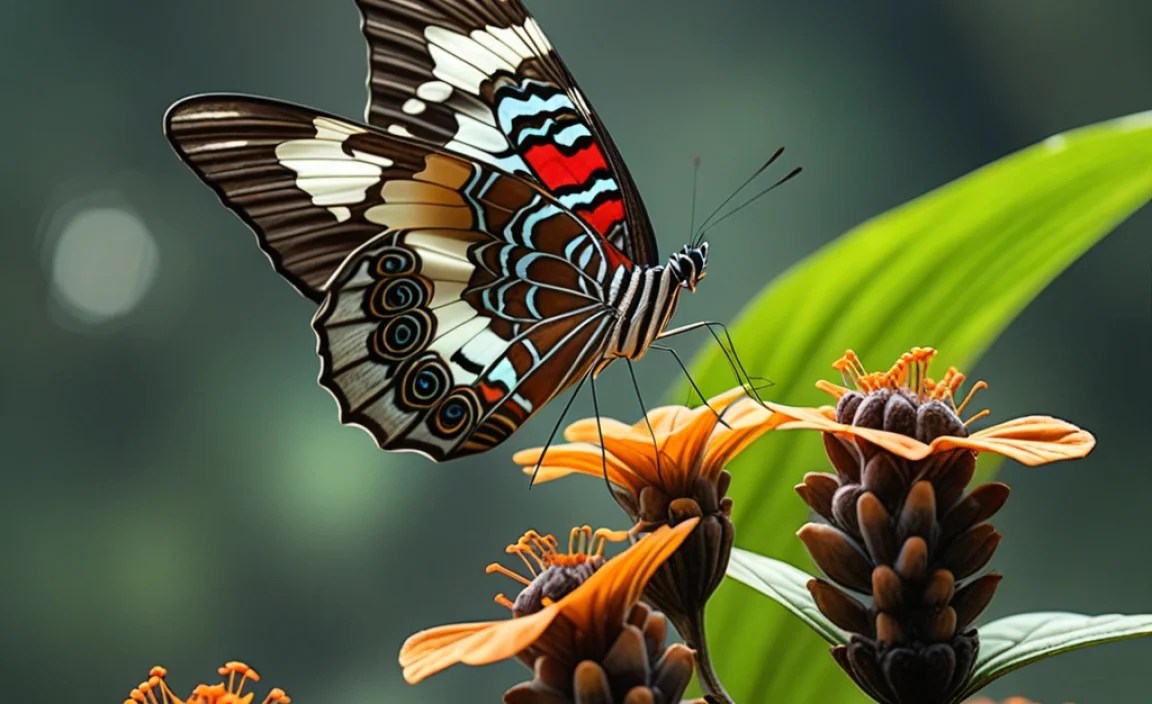
With so many butterfly species in Sabah, identification can be challenging. Here are a few of the more commonly seen and easily identifiable species:
Rajah Brooke’s Birdwing (Trogonoptera brookiana)
One of the most iconic butterflies of Borneo, the Rajah Brooke’s Birdwing is a large, striking butterfly with iridescent green markings on its black wings. Males are particularly vibrant. They are attracted to flowering plants and can often be seen flitting around forest edges. The butterfly is named after Sir James Brooke, the first White Rajah of Sarawak.
Malay Lacewing (Cethosia hypsea)
This medium-sized butterfly has a distinctive pattern of orange, black, and white markings, resembling delicate lace. The Malay Lacewing is commonly found in forested areas and along streams.
Common Rose (Pachliopta aristolochiae)
This butterfly has black wings with red or pink spots. It is a common sight in gardens and open areas. The Common Rose is a protected species in some areas due to its vulnerability.
Great Mormon (Papilio memnon)
The Great Mormon exhibits striking sexual dimorphism (males and females look different). Males are typically black with white markings, while females can mimic other butterflies, with various color patterns. This mimicry helps them avoid predators.
Plain Tiger (Danaus chrysippus)
This orange butterfly with black and white wing borders is widespread throughout Asia and Africa. It’s a relatively common sight in Sabah’s gardens and open areas.
Here’s a quick reference table to help you identify these butterflies:
| Butterfly Name | Scientific Name | Appearance | Habitat |
|---|---|---|---|
| Rajah Brooke’s Birdwing | Trogonoptera brookiana | Black with iridescent green markings | Forest edges, flowering plants |
| Malay Lacewing | Cethosia hypsea | Orange, black, and white lace-like pattern | Forested areas, streams |
| Common Rose | Pachliopta aristolochiae | Black with red or pink spots | Gardens, open areas |
| Great Mormon | Papilio memnon | Males: Black with white markings; Females: Variable, mimicking other butterflies | Various |
| Plain Tiger | Danaus chrysippus | Orange with black and white wing borders | Gardens, open areas |
Tips for Butterfly Watching in Sabah

To make the most of your butterfly-watching experience, consider these tips:
- Time of Day: Butterflies are most active during the warm, sunny hours of the morning and early afternoon.
- Weather: Avoid butterfly watching on rainy or overcast days, as butterflies tend to be less active then.
- Clothing: Wear light-colored clothing, as dark colors can attract unwanted attention from insects. Long sleeves and pants can also help protect you from mosquito bites and scratches.
- Footwear: Wear comfortable walking shoes or hiking boots, as you may be walking on uneven terrain.
- Binoculars: A good pair of binoculars will allow you to observe butterflies from a distance without disturbing them.
- Camera: Bring a camera to capture the beauty of the butterflies you encounter. A macro lens is ideal for close-up shots.
- Field Guide: A field guide to the butterflies of Borneo can be helpful for identification.
- Insect Repellent: Mosquitoes and other biting insects can be common in Sabah’s rainforests, so be sure to bring insect repellent.
- Respect the Environment: Avoid disturbing butterflies or their habitat. Do not collect butterflies, as this can harm their populations. Stay on marked trails and avoid trampling vegetation.
Attracting Butterflies to Your Garden in Sabah
Even if you don’t have the opportunity to visit Sabah’s rainforests, you can still enjoy butterflies in your own garden. Here’s how to create a butterfly-friendly habitat:
- Plant Nectar-Rich Flowers: Butterflies feed on nectar, so plant a variety of flowers that provide a continuous source of nectar throughout the year. Some good choices include lantana, hibiscus, pentas, and zinnia.
- Provide Host Plants: Butterflies lay their eggs on specific host plants, which their caterpillars will then feed on. Research which butterflies are common in your area and plant their host plants. For example, the Rajah Brooke’s Birdwing caterpillars feed on the *Aristolochia* vine.
- Offer a Water Source: Butterflies need water to stay hydrated. Provide a shallow dish of water with some pebbles or stones for them to land on.
- Provide Shelter: Butterflies need shelter from the wind and rain. Plant trees and shrubs to provide them with a safe haven.
- Avoid Pesticides: Pesticides can harm or kill butterflies and other beneficial insects. Avoid using pesticides in your garden.
Here’s a table of recommended plants for attracting butterflies:
| Plant Name | Type | Attracts |
|---|---|---|
| Lantana | Flowering Shrub | Various butterfly species |
| Hibiscus | Flowering Shrub | Various butterfly species |
| Pentas | Flowering Plant | Various butterfly species |
| Zinnia | Flowering Plant | Various butterfly species |
| Aristolochia Vine | Vine | Rajah Brooke’s Birdwing |
The Importance of Butterfly Conservation
Butterflies are not only beautiful, but they also play an important role in the ecosystem. They are pollinators, helping to fertilize plants and ensure the production of fruits and seeds. They are also an important food source for birds, lizards, and other animals. Unfortunately, butterfly populations are declining in many parts of the world due to habitat loss, pesticide use, and climate change.
Here are some ways you can help protect butterflies:
- Support Conservation Organizations: There are many organizations working to protect butterflies and their habitats. Consider donating to or volunteering with one of these organizations. One example is the Xerces Society, which focuses on invertebrate conservation.
- Create Butterfly-Friendly Habitats: Plant nectar-rich flowers and host plants in your garden to provide food and shelter for butterflies.
- Reduce Pesticide Use: Avoid using pesticides in your garden and support farmers who use sustainable agricultural practices.
- Educate Others: Share your knowledge about butterflies with others and encourage them to take action to protect these important creatures.
- Support Sustainable Tourism: When visiting butterfly habitats, choose eco-friendly tour operators who prioritize conservation.
Frequently Asked Questions (FAQ)
What is the best time of year to see butterflies in Sabah?
Butterflies can be seen year-round in Sabah due to its tropical climate. However, the best time to visit is during the drier months (March to September) when butterflies are most active.
Do I need a guide to see butterflies in Sabah?
While it’s possible to see butterflies on your own, hiring a local guide can greatly enhance your experience. Guides have expert knowledge of the local flora and fauna and can help you identify different species and find the best butterfly-watching spots.
Are there any dangerous butterflies in Sabah?
Most butterflies are harmless. However, some caterpillars have stinging hairs that can cause skin irritation. It’s best to avoid touching any caterpillars you encounter.
What should I bring on a butterfly-watching trip to Sabah?
Essential items include comfortable walking shoes, light-colored clothing, insect repellent, sunscreen, a hat, binoculars, a camera, and a field guide to the butterflies of Borneo.
Are there any specific permits needed to visit protected areas like Danum Valley?
Yes, permits are required to enter protected areas like Danum Valley and Maliau Basin. These can usually be arranged through tour operators or the Sabah Forestry Department.
How can I contribute to butterfly conservation efforts while visiting Sabah?
You can support local conservation efforts by choosing eco-friendly tour operators, respecting the environment, and educating others about the importance of butterfly conservation.
What are some ethical considerations when photographing butterflies?
Avoid disturbing butterflies or their habitat. Do not use flash photography at close range, as this can disorient them. Be patient and respectful, and allow the butterflies to behave naturally.
Conclusion
Exploring the butterflies of Sabah is an unforgettable experience. From the vibrant Rajah Brooke’s Birdwing to the delicate Malay Lacewing, the sheer diversity of species is truly breathtaking. By following the tips in this guide and respecting the environment, you can enjoy a rewarding and enriching butterfly-watching adventure. Remember that every small action, from planting a butterfly garden to supporting conservation organizations, can make a difference in protecting these beautiful and important creatures for future generations. So, pack your bags, grab your binoculars, and get ready to be amazed by the butterflies of Sabah!
Happy butterflying!


