
Swallowtail Butterfly Fun Trivia: Ultimate Facts!

Swallowtail Butterfly Fun Trivia: A Quick Dive
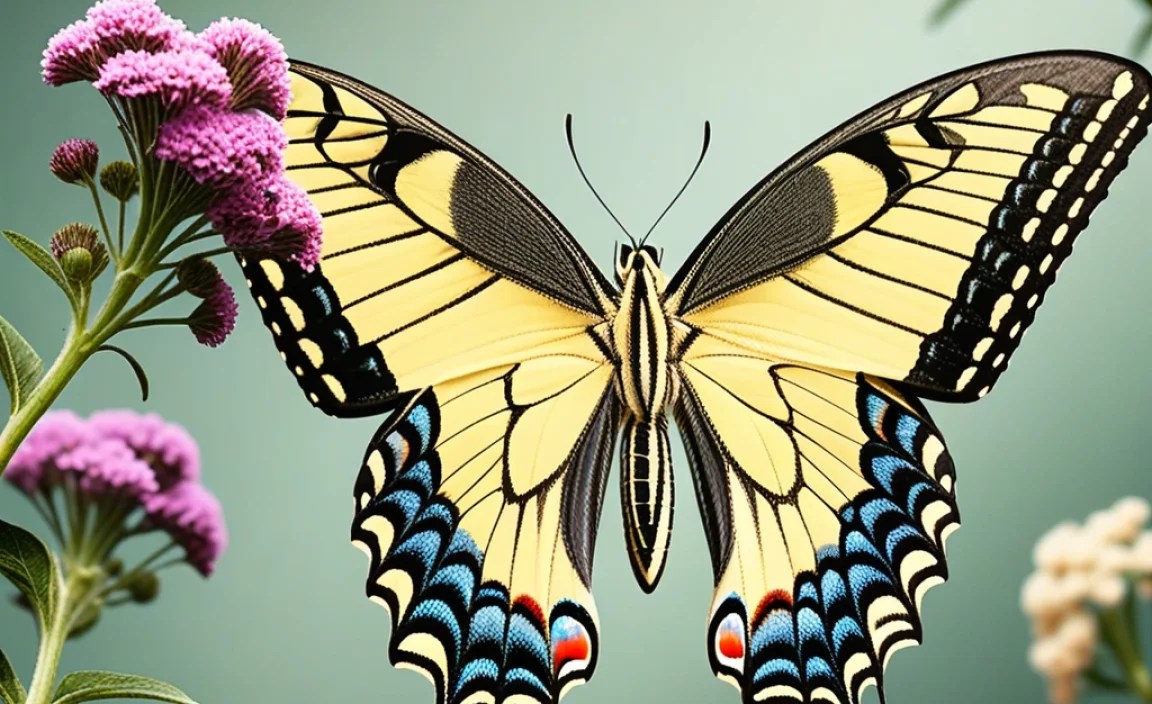
Swallowtail butterflies are known for their elegant tails and vibrant colors. They’re found all over the world, except for Antarctica! These butterflies are not just pretty; they play a vital role in our ecosystems as pollinators. Did you know that some swallowtail caterpillars mimic bird droppings to avoid being eaten? Or that the Spicebush Swallowtail caterpillar has eye-like spots to scare away predators? Keep reading to learn more fascinating facts about these amazing insects!
Have you ever watched a swallowtail butterfly flutter by and wondered about its secrets? These beautiful creatures are more than just pretty wings. They have fascinating life cycles, clever survival strategies, and a special place in our world. Understanding swallowtails can deepen your appreciation for nature and inspire you to protect these delicate insects.
In this article, we’ll explore the amazing world of swallowtail butterflies. We’ll uncover fun facts about their appearance, behavior, and life cycle. You’ll discover how they survive in the wild and why they’re so important to our environment. Get ready to be amazed by these incredible creatures!
Frequently Asked Questions About Swallowtail Butterflies
Here are some common questions about swallowtail butterflies to get you started:
- What makes a butterfly a swallowtail?
Swallowtail butterflies are easily identified by the “tails” on their hindwings. These tails are extensions of the wing that look like the forked tail of a swallow bird.
- Where can I find swallowtail butterflies?
Swallowtail butterflies live all over the world, except in Antarctica. They are most common in tropical and subtropical regions. In North America, you can find them in gardens, fields, and woodlands.
- What do swallowtail caterpillars eat?
Swallowtail caterpillars are picky eaters! Each species prefers certain host plants. For example, the Black Swallowtail caterpillar loves plants in the carrot family, like parsley and dill. The Spicebush Swallowtail caterpillar eats spicebush and sassafras leaves.
- Are swallowtail butterflies poisonous?
Some swallowtail butterflies are poisonous, but not all. The Pipevine Swallowtail, for example, gets toxins from the pipevine plant it eats as a caterpillar. These toxins make the butterfly taste bad to predators.
- How long do swallowtail butterflies live?
The lifespan of a swallowtail butterfly depends on the species and environment. Most adult swallowtails live for about two weeks. During this time, they focus on feeding and reproducing.
- How can I attract swallowtail butterflies to my garden?
To attract swallowtails, plant their favorite host plants and nectar sources. For Black Swallowtails, plant parsley, dill, and fennel. For Spicebush Swallowtails, plant spicebush and sassafras. Provide nectar with flowers like zinnias, butterfly bush, and milkweed.
- Why are swallowtail butterflies important?
Swallowtail butterflies are important pollinators. As they fly from flower to flower, they carry pollen, which helps plants reproduce. They are also a food source for birds and other animals. Swallowtails are also indicators of a healthy environment.
Swallowtail Butterfly Identification
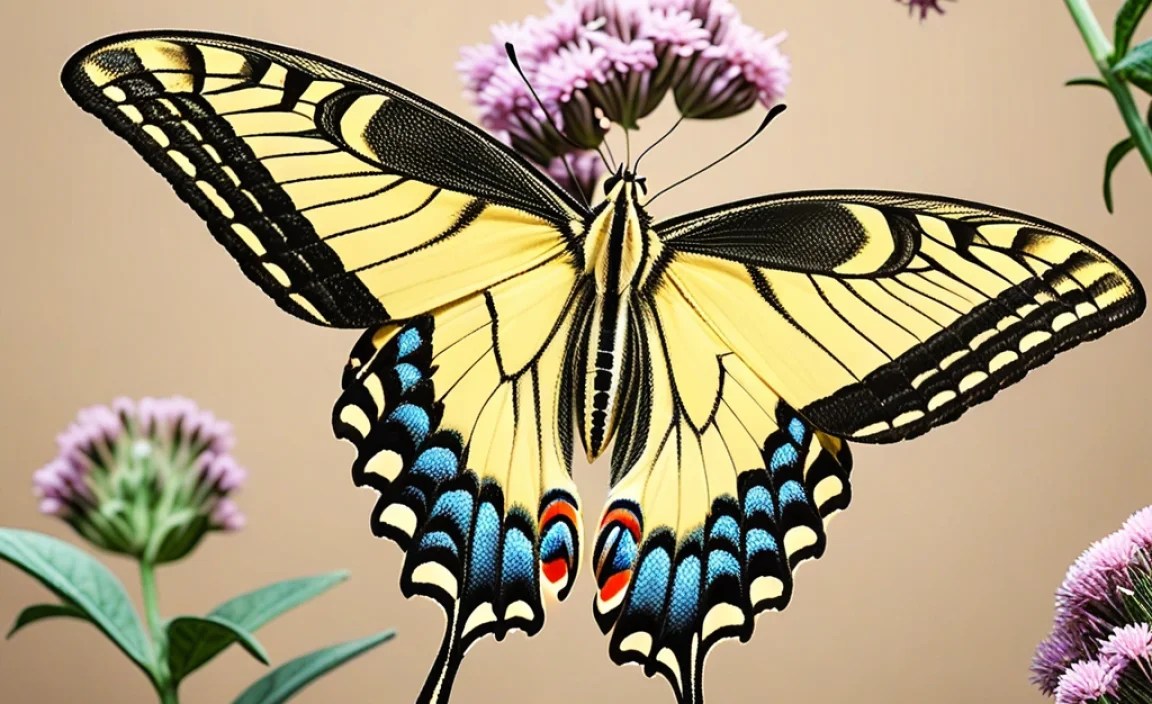
Swallowtail butterflies are a diverse group, with many different species found around the world. Learning to identify them can be a fun and rewarding experience. Here are some key features to look for:
- Tails: The most obvious feature is the presence of “tails” on the hindwings. These tails can vary in length and shape depending on the species.
- Color: Swallowtails come in a wide range of colors, including black, yellow, blue, green, and orange. Some species have bright, iridescent scales that shimmer in the sunlight.
- Size: Swallowtail butterflies are generally large, with wingspans ranging from 2 to 6 inches.
- Patterns: Look for unique patterns on the wings, such as stripes, spots, and bands. These patterns can help you identify the species.
Common Swallowtail Species
Here are a few examples of common swallowtail species and their identifying characteristics:
| Species | Appearance | Host Plants | Range |
|---|---|---|---|
| Black Swallowtail (Papilio polyxenes) | Black wings with yellow spots and blue iridescent scales on the hindwings. | Parsley, dill, fennel, carrot | North America |
| Eastern Tiger Swallowtail (Papilio glaucus) | Yellow wings with black stripes. Females can be yellow or black. | Wild cherry, tulip tree, sweetbay | Eastern North America |
| Spicebush Swallowtail (Papilio troilus) | Black wings with pale green or blue iridescent scales on the hindwings. | Spicebush, sassafras | Eastern North America |
| Giant Swallowtail (Papilio cresphontes) | Dark brown wings with a chain of yellow spots. | Citrus, prickly ash | North America |
| Pipevine Swallowtail (Battus philenor) | Black wings with iridescent blue hindwings. Red-orange spots on the underside. | Pipevine | North America |
Swallowtail Butterfly Life Cycle

The life cycle of a swallowtail butterfly is a fascinating process called metamorphosis. It involves four distinct stages:
- Egg: The female butterfly lays her eggs on or near the host plant. The eggs are small and often camouflaged to blend in with the leaves.
- Larva (Caterpillar): The egg hatches into a caterpillar, which is the feeding stage. The caterpillar eats constantly, growing rapidly and molting its skin several times.
- Pupa (Chrysalis): When the caterpillar is fully grown, it forms a pupa, also known as a chrysalis. This is a resting stage where the caterpillar transforms into a butterfly.
- Adult: The adult butterfly emerges from the pupa. It dries its wings and then flies off to feed and reproduce.
Caterpillar Camouflage and Mimicry
Swallowtail caterpillars have developed some amazing strategies to protect themselves from predators. One of the most interesting is camouflage. Some caterpillars, like the Spicebush Swallowtail, mimic bird droppings to avoid being eaten. This disguise makes them look unappetizing to birds and other predators.
Another strategy is mimicry. Some caterpillars have eye-like spots on their bodies that make them look like snakes. When threatened, the caterpillar will rear up and display these spots to scare away predators. These defense mechanisms help the caterpillars survive long enough to transform into butterflies.
Swallowtail Butterfly Diet
Swallowtail butterflies have different dietary needs at different stages of their life cycle. Caterpillars are voracious eaters, consuming large amounts of plant matter to fuel their growth. Adult butterflies feed on nectar from flowers, which provides them with the energy they need to fly and reproduce.
Caterpillar Food Preferences
Swallowtail caterpillars are very specific about what they eat. Each species has a preferred host plant that provides the nutrients they need to grow. Here are some examples:
- Black Swallowtail: Parsley, dill, fennel, carrot
- Eastern Tiger Swallowtail: Wild cherry, tulip tree, sweetbay
- Spicebush Swallowtail: Spicebush, sassafras
- Pipevine Swallowtail: Pipevine
Adult Butterfly Nectar Sources
Adult swallowtail butterflies feed on nectar from a variety of flowers. They use their long proboscis to sip nectar from the blossoms. Some of their favorite nectar sources include:
- Zinnias
- Butterfly bush (Buddleja davidii)
- Milkweed (Asclepias)
- Lantana
- Salvia
Swallowtail Butterfly Habitat
Swallowtail butterflies can be found in a variety of habitats, depending on the species. They generally prefer warm, sunny areas with plenty of flowers and host plants. Some common habitats include:
- Gardens
- Fields
- Woodlands
- Marshes
- Swamps
Creating a Butterfly-Friendly Garden
You can attract swallowtail butterflies to your garden by providing them with the resources they need to thrive. Here are some tips for creating a butterfly-friendly habitat:
- Plant host plants: Provide the caterpillars with their favorite food by planting host plants like parsley, dill, spicebush, and pipevine.
- Plant nectar sources: Offer adult butterflies a variety of nectar-rich flowers, such as zinnias, butterfly bush, and milkweed.
- Provide a water source: Butterflies need water to stay hydrated. You can provide a shallow dish of water with pebbles for them to land on.
- Avoid pesticides: Pesticides can harm or kill butterflies and other beneficial insects. Use organic gardening methods instead.
- Provide shelter: Butterflies need shelter from wind and rain. Plant trees and shrubs to provide them with a safe haven.
Swallowtail Butterfly Conservation
Swallowtail butterflies face a number of threats, including habitat loss, pesticide use, and climate change. Protecting these beautiful creatures is essential for maintaining healthy ecosystems. Here are some ways you can help:
- Support conservation organizations: Donate to organizations that work to protect butterfly habitats and promote sustainable practices. The Xerces Society is a great resource for learning about insect conservation.
- Plant native plants: Native plants provide the best food and shelter for butterflies and other wildlife.
- Reduce pesticide use: Avoid using pesticides in your garden and support organic farming practices.
- Educate others: Share your knowledge about swallowtail butterflies and the importance of conservation with your friends and family.
The Importance of Pollinators
Swallowtail butterflies are important pollinators, helping to transfer pollen from flower to flower. This process is essential for the reproduction of many plants, including crops that we rely on for food. By protecting swallowtail butterflies, we can help ensure the health and productivity of our ecosystems. According to the USDA Forest Service, pollinators are vital for healthy ecosystems.
Swallowtail Butterfly Symbolism
Butterflies, including swallowtails, have long been symbols of transformation, hope, and new beginnings. Their metamorphosis from caterpillar to butterfly represents the journey of life and the potential for change. In many cultures, butterflies are seen as messengers from the spirit world, bringing comfort and guidance.
Cultural Significance
In some cultures, butterflies are associated with the soul or spirit. They are often seen as symbols of rebirth and resurrection. In others, butterflies are believed to bring good luck and fortune. The symbolism of the swallowtail butterfly can vary depending on the culture and the specific species.
| Culture | Symbolism |
|---|---|
| Greek | The soul, immortality |
| Chinese | Love, joy, and longevity |
| Native American | Transformation, hope |
Swallowtail Butterfly Migration
While not all swallowtail butterflies migrate, some species do undertake impressive journeys to find suitable breeding grounds or to escape harsh weather conditions. Migration is a complex behavior that is influenced by a variety of factors, including temperature, food availability, and genetics.
Monarch Butterfly Migration Example
One of the most well-known examples of butterfly migration is the Monarch butterfly. Monarchs travel thousands of miles each year, from Canada and the United States to Mexico, where they overwinter in large colonies. This incredible journey is a testament to the resilience and adaptability of butterflies. You can learn more about Monarch butterfly migration from National Geographic.
Fun Facts About Swallowtail Butterflies
Here are some additional fun facts about swallowtail butterflies that you might not know:
- Swallowtail butterflies can taste with their feet! They have sensory receptors on their feet that allow them to identify host plants and nectar sources.
- Some swallowtail butterflies can fly at speeds of up to 30 miles per hour.
- Swallowtail butterflies have a wingspan that can range from 2 to 6 inches, making them some of the largest butterflies in the world.
- The patterns on a swallowtail butterfly’s wings are unique to each individual, like a fingerprint.
- Swallowtail butterflies are attracted to bright colors, especially yellow, orange, and red.
Conclusion
Swallowtail butterflies are truly remarkable creatures. From their elegant tails and vibrant colors to their clever survival strategies and important role as pollinators, they have much to teach us about the natural world. By learning about these amazing insects and taking steps to protect them, we can help ensure that they continue to thrive for generations to come.
I hope this article has inspired you to appreciate the beauty and importance of swallowtail butterflies. Whether you’re a gardener, a nature enthusiast, or simply someone who enjoys watching butterflies flutter by, there are many ways you can help these delicate creatures. So go out and explore the world around you, and keep an eye out for these incredible insects. You never know what fascinating discoveries you might make!


