Butterfly Species Catalog: Your FREE ID Guide

Quick Summary: Creating a comprehensive butterfly species catalog involves gathering data from field observations, scientific literature, and online databases. Key elements include species names, descriptions, geographic distribution, host plants, and conservation status. Organizing this information into a user-friendly format, whether digital or print, allows enthusiasts and researchers to identify, study, and appreciate these beautiful insects. Regularly updating your catalog with new findings ensures its accuracy and usefulness.
Butterflies! Aren’t they just the most delightful creatures? Trying to keep track of all the different kinds can feel like a fluttery challenge. It’s easy to get overwhelmed by the sheer variety of colors, patterns, and sizes. Many people struggle with identifying different species accurately and understanding where they live. But don’t worry! This guide will provide you with a simple, step-by-step process to create your very own butterfly species catalog, making identification easier and more fun. Get ready to dive into the wonderful world of butterflies!
What is a Butterfly Species Catalog?

A butterfly species catalog is a detailed collection of information about different butterfly species. Think of it as a reference guide that helps you identify and learn about butterflies. A good catalog includes the scientific and common names, descriptions, habitats, host plants, and distribution ranges of various species. It’s an invaluable tool for nature enthusiasts, researchers, and anyone interested in butterfly conservation.
Why Create a Butterfly Species Catalog?
Creating your own butterfly species catalog offers numerous benefits:
- Identification: Easily identify butterflies you encounter in your garden or during your travels.
- Education: Learn fascinating facts about different species, their life cycles, and their ecological roles.
- Conservation: Understand the conservation status of various species and contribute to their protection.
- Personal Enjoyment: Deepen your appreciation for these beautiful creatures and the natural world.
Step-by-Step Guide to Building Your Butterfly Species Catalog

Step 1: Gather Your Resources
Before you start compiling your catalog, gather the resources you’ll need. These may include:
- Field Guides: Regional butterfly field guides are essential for identification.
- Online Databases: Websites like Butterflies and Moths of North America (BAMONA) and the Integrated Taxonomic Information System (ITIS) provide comprehensive data.
- Scientific Literature: Research papers and journals offer in-depth information on specific species.
- Personal Observations: Record your own sightings, including location, date, and any unique characteristics.
Step 2: Choose Your Scope
Decide on the geographic scope of your catalog. Will it focus on butterflies in your local area, your state, or a particular region? Narrowing your focus will make the project more manageable.
Step 3: Select the Data to Include
Determine what information you want to include for each species. Here are some essential elements:
- Scientific Name: The unique two-part name (genus and species) recognized by scientists (e.g., Danaus plexippus for the Monarch butterfly).
- Common Name: The everyday name used to refer to the butterfly (e.g., Monarch).
- Description: Detailed physical characteristics, including size, color, and distinguishing markings.
- Habitat: The type of environment where the butterfly is typically found (e.g., meadows, forests, gardens).
- Host Plants: The specific plants that caterpillars feed on (e.g., milkweed for Monarchs).
- Distribution: The geographic range where the butterfly is found.
- Flight Period: The time of year when the butterfly is active.
- Conservation Status: Information on whether the species is endangered, threatened, or stable.
- Images: High-quality photographs or illustrations for visual identification.
Step 4: Organize Your Data
Choose a method for organizing your data. You can use:
- Spreadsheet: Programs like Microsoft Excel or Google Sheets are great for creating tables.
- Database: Software like Microsoft Access or FileMaker allows for more complex data management.
- Notebook: A physical notebook can be used for handwritten records and sketches.
- Digital Document: Use a word processor like Microsoft Word or Google Docs to create a written document.
Step 5: Populate Your Catalog
Start entering data for each species. Here’s an example of how to format your information:
Species: Monarch (Danaus plexippus)
- Description: Large, orange butterfly with black veins and white spots along the edges of its wings.
- Habitat: Open fields, meadows, and gardens with milkweed.
- Host Plants: Milkweed (Asclepias spp.).
- Distribution: North America, migrating to Mexico and California for the winter.
- Flight Period: Summer and fall.
- Conservation Status: Vulnerable.
- Image: [Insert Image of Monarch Butterfly]
Step 6: Include Visual Aids
Visual aids are crucial for easy identification. Include high-quality photographs or illustrations of each species. If possible, show both the upper and lower sides of the wings, as well as the caterpillar and chrysalis stages.
Step 7: Add Distribution Maps
Distribution maps show the geographic range of each species. You can create these maps using online tools or by referencing existing maps from field guides and websites like BAMONA. These maps help you understand where you’re most likely to find each butterfly.
Step 8: Incorporate Life Cycle Information
Include details about the butterfly’s life cycle, from egg to larva (caterpillar) to pupa (chrysalis) to adult. This information adds depth to your catalog and helps you appreciate the complete transformation of these insects.
Step 9: Detail Host Plant Preferences
Knowing the host plants of each butterfly species is essential for attracting them to your garden and understanding their habitat requirements. List the specific plants that caterpillars feed on, as well as any nectar sources that adults prefer.
Step 10: Note Behavior and Habitat
Describe the typical behavior of each species, such as their flight patterns, feeding habits, and social interactions. Note the specific habitats where they are commonly found, such as forests, meadows, or wetlands. This information can aid in identification and provide insights into their ecological roles.
Step 11: Review and Update Regularly
Your butterfly species catalog should be a living document. Review and update it regularly with new information, such as:
- New species sightings
- Changes in distribution ranges
- Updates to conservation status
- Improved images or descriptions
Step 12: Share Your Catalog
Consider sharing your catalog with others. You could:
- Create a website or blog
- Contribute to online databases
- Share your findings with local nature organizations
- Use it as an educational tool for schools or community groups
Example Table: Butterfly Species Catalog Excerpt
| Species (Scientific Name) | Common Name | Description | Habitat | Host Plant(s) | Distribution | Image |
|---|---|---|---|---|---|---|
| Danaus plexippus | Monarch | Orange with black veins and white spots. | Fields, meadows, gardens. | Milkweed (Asclepias spp.) | North America, Mexico. | [Image of Monarch] |
| Papilio glaucus | Eastern Tiger Swallowtail | Yellow with black stripes; females may be black. | Woodlands, gardens, streamsides. | Wild cherry, tulip tree. | Eastern North America. | [Image of Eastern Tiger Swallowtail] |
| Pieris rapae | Cabbage White | White with black spots on forewings. | Gardens, fields, disturbed areas. | Cabbage, broccoli, mustard. | Worldwide. | [Image of Cabbage White] |
| Vanessa cardui | Painted Lady | Orange and brown with black and white markings. | Open areas, gardens, fields. | Thistle, mallow, legumes. | Worldwide. | [Image of Painted Lady] |
Tips for Accurate Identification
- Observe Carefully: Pay attention to size, color, wing patterns, and behavior.
- Use a Hand Lens: A magnifying glass can help you see fine details.
- Take Photos: Capture clear images from multiple angles.
- Consult Multiple Sources: Compare your observations with descriptions and images from various field guides and websites.
- Join a Butterfly Club: Connect with experienced enthusiasts who can help you identify butterflies.
Digital Tools and Resources
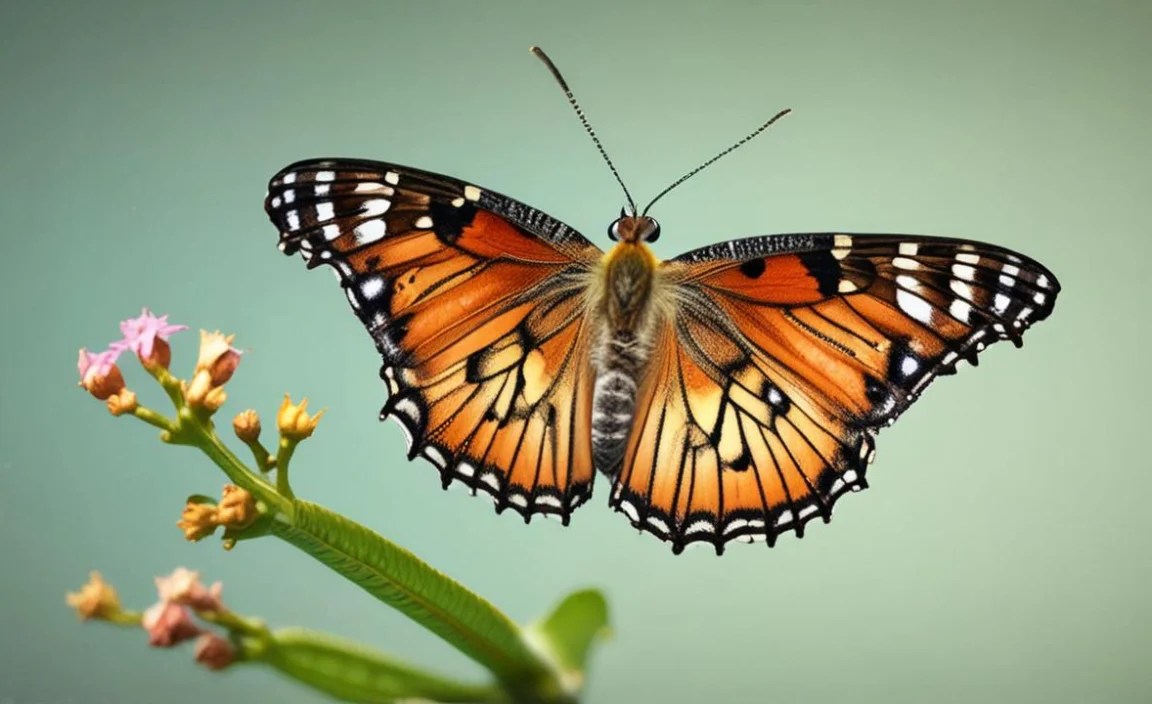
Several digital tools and online resources can aid in creating and managing your butterfly species catalog:
- iNaturalist: A citizen science platform where you can record your sightings, identify species, and connect with other naturalists.
- BugGuide.net: A comprehensive website with images and information on insects, including butterflies.
- Butterflies and Moths of North America (BAMONA): A valuable resource for North American butterfly identification and distribution.
- Google Lens: Use your smartphone to identify butterflies by taking a photo.
The Importance of Host Plants

Butterflies rely on specific host plants for their caterpillars to feed on. Providing these plants in your garden or local area is crucial for supporting butterfly populations. Here are some popular host plants for common butterfly species:
- Monarch: Milkweed (Asclepias spp.)
- Black Swallowtail: Parsley, dill, fennel
- Eastern Tiger Swallowtail: Wild cherry, tulip tree
- Spicebush Swallowtail: Spicebush, sassafras
- Cabbage White: Cabbage, broccoli, mustard
Table: Common Butterfly Species and Their Host Plants
| Butterfly Species | Common Host Plants |
|---|---|
| Monarch (Danaus plexippus) | Milkweed (Asclepias spp.) |
| Black Swallowtail (Papilio polyxenes) | Parsley, Dill, Fennel |
| Eastern Tiger Swallowtail (Papilio glaucus) | Wild Cherry, Tulip Tree |
| Spicebush Swallowtail (Papilio troilus) | Spicebush, Sassafras |
| Cabbage White (Pieris rapae) | Cabbage, Broccoli, Mustard |
Conservation Efforts
Many butterfly species are facing threats due to habitat loss, pesticide use, and climate change. By understanding the conservation status of different species, you can contribute to their protection. Here are some ways to get involved:
- Create Butterfly-Friendly Habitats: Plant native host plants and nectar sources in your garden.
- Avoid Pesticides: Use organic gardening practices to protect butterflies and other beneficial insects.
- Support Conservation Organizations: Donate to or volunteer with organizations dedicated to butterfly conservation, such as the Xerces Society.
- Educate Others: Share your knowledge and passion for butterflies with friends, family, and community members.
FAQ: Butterfly Species Catalog
Q1: What is the best way to start identifying butterflies?
A1: Start by observing butterflies in your local area and comparing them to pictures in a field guide. Pay attention to their size, color, and wing patterns.
Q2: What if I can’t identify a butterfly?
A2: Take clear photos from different angles and upload them to online identification tools like iNaturalist or BugGuide.net. You can also ask for help from local butterfly enthusiasts.
Q3: How often should I update my butterfly species catalog?
A3: Update your catalog regularly, at least once a year, to include new sightings, changes in distribution, and updates to conservation status.
Q4: What are some essential resources for butterfly identification?
A4: Regional field guides, online databases like BAMONA, and citizen science platforms like iNaturalist are excellent resources.
Q5: Why are host plants important for butterflies?
A5: Host plants are the specific plants that butterfly caterpillars feed on. Without these plants, butterflies cannot complete their life cycle.
Q6: How can I attract more butterflies to my garden?
A6: Plant a variety of native host plants and nectar sources, provide a water source, and avoid using pesticides.
Q7: Where can I find reliable information on butterfly conservation?
A7: The Xerces Society and other conservation organizations provide valuable information on butterfly conservation efforts and how you can get involved.
Conclusion
Creating your own butterfly species catalog is a rewarding and educational experience. By gathering information, organizing your data, and sharing your findings, you can deepen your understanding of these fascinating creatures and contribute to their conservation. Remember to keep your catalog updated and enjoy the process of discovering the beauty and diversity of butterflies. Happy cataloging!