
Transparent Wing Butterflies: Discover Their Secret!

Quick Summary: Transparent-wing butterflies, like the Glasswing (Greta oto), have see-through wings due to a lack of colored scales. Their unique camouflage helps them avoid predators in rainforests. They primarily eat plants in the nightshade family, are found from Central to South America, and are increasingly popular in butterfly houses worldwide. These delicate creatures are vital pollinators and fascinating examples of natural adaptation.
Have you ever wondered if butterflies could be invisible? While true invisibility remains in the realm of fantasy, transparent-wing butterflies come surprisingly close! These remarkable insects possess wings that appear see-through, a fascinating adaptation that helps them thrive in their natural habitats. Many people are curious about these butterflies and how they developed this unique trait.
In this article, we’ll explore the world of transparent-wing butterflies, uncovering their secrets and appreciating their beauty. We will discuss the science behind their transparent wings, where they live, what they eat, and why they are so special. Get ready to be amazed by these delicate and fascinating creatures!
What are Transparent Wing Butterflies?
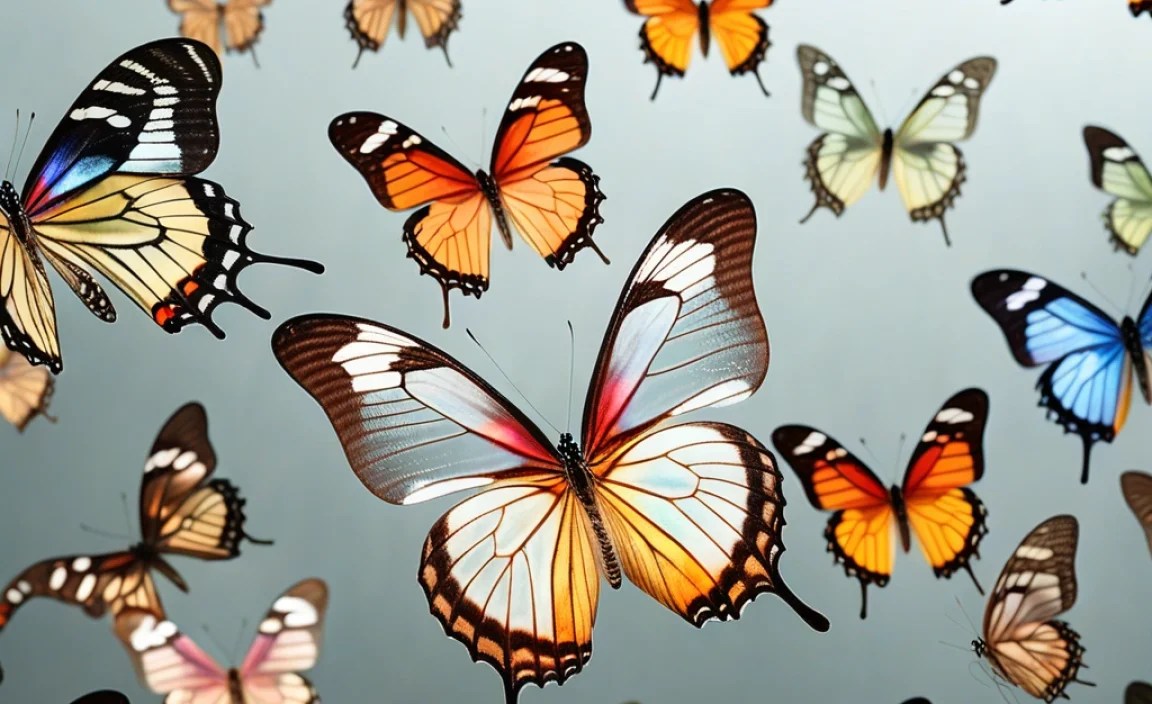
Transparent-wing butterflies belong to a group of butterflies with wings that lack the typical colorful scales. This unique characteristic gives their wings a see-through appearance, allowing light to pass through. The most well-known example is the Glasswing butterfly (Greta oto), but other species also exhibit varying degrees of transparency.
The Science Behind Transparent Wings
The transparency in these butterflies’ wings is achieved through a combination of factors:
- Reduced Scale Density: Unlike most butterflies, transparent-wing species have fewer scales on their wings. Scales are tiny, overlapping structures that give butterfly wings their color and pattern.
- Nanostructures: The scales that are present have nanostructures that minimize light reflection. This reduces the scattering of light, allowing it to pass through the wing. Research published in the journal Nature Communications details these nanostructures.
- Scale Arrangement: The arrangement of the remaining scales is also crucial. They are often aligned in a way that further reduces light scattering.
Why are Transparent Wings Beneficial?
Transparent wings offer several advantages to these butterflies:
- Camouflage: The primary benefit is camouflage. Transparent wings make it harder for predators to spot the butterfly, especially in the dappled light of the rainforest understory.
- Predator Avoidance: The lack of bright colors reduces the butterfly’s visibility to birds and other predators.
- Thermoregulation: Some studies suggest that transparent wings may also help with thermoregulation, allowing the butterfly to regulate its body temperature more effectively.
Types of Transparent Wing Butterflies

While the Glasswing butterfly (Greta oto) is the most famous, several other species exhibit transparent or partially transparent wings.
The Glasswing Butterfly (Greta oto)
The Glasswing butterfly is the quintessential transparent-wing butterfly. Its wings are almost entirely transparent, with a delicate, glass-like appearance. The wing margins are often outlined in brown or black, adding to its unique look. Native to Central and South America, the Glasswing is a popular attraction in butterfly houses worldwide.
Key Features of the Glasswing Butterfly:
- Scientific Name: Greta oto
- Wingspan: 5.5 to 6 cm (2.2 to 2.4 inches)
- Habitat: Rainforests from Mexico to Panama and Colombia
- Diet: Nectar from various flowers, especially those in the Lantana genus.
- Caterpillar Food: Toxic plants in the nightshade family (Solanaceae), which makes the butterfly unpalatable to predators.
Other Species with Transparent Wings
Several other butterfly species possess varying degrees of wing transparency. Here are a few examples:
- Cithaerias pireta (Pireta Glasswing): This butterfly, found in the Amazon basin, has large transparent patches on its wings.
- Haetera piera (Antenna-flag Butterfly): This species has partially transparent wings with distinct dark markings.
- Oleria paula: Similar to Greta oto, this butterfly has transparent wings and is found in South America.
Habitat and Distribution

Transparent-wing butterflies are primarily found in the tropical rainforests of Central and South America. These habitats provide the ideal conditions for their survival, including ample food sources and protection from predators.
Geographical Range
The Glasswing butterfly (Greta oto) is distributed from Mexico to Panama and Colombia. Other transparent-wing species have similar ranges, often concentrated in the Amazon basin and surrounding areas. These butterflies thrive in humid, shaded environments with a rich diversity of plant life.
Ideal Habitat Conditions
Transparent-wing butterflies prefer:
- Rainforests: The dense foliage and high humidity of rainforests provide the perfect environment.
- Understory: They are typically found in the understory, where the light is filtered and dappled, enhancing their camouflage.
- Host Plants: The presence of host plants for their caterpillars is essential. These plants, often toxic species in the nightshade family, provide the necessary nutrients for larval development.
Life Cycle and Reproduction

The life cycle of transparent-wing butterflies is similar to that of other butterfly species, consisting of four stages: egg, larva (caterpillar), pupa (chrysalis), and adult butterfly.
Egg Stage
Female Glasswing butterflies lay their eggs on the underside of host plants, typically those in the nightshade family (Solanaceae). These plants contain toxic compounds that the caterpillars ingest, making them unpalatable to predators. The eggs are small and often laid in clusters.
Larva (Caterpillar) Stage
Once the eggs hatch, the larvae emerge and begin feeding on the host plant. The caterpillars are often brightly colored, serving as a warning to potential predators of their toxicity. They go through several molts as they grow, shedding their skin as they increase in size.
Pupa (Chrysalis) Stage
After reaching full size, the caterpillar pupates, forming a chrysalis. The chrysalis of the Glasswing butterfly is particularly interesting, as it is often metallic gold or silver in color. This shiny appearance may serve as camouflage or a deterrent to predators. The pupa stage lasts for about two weeks.
Adult Butterfly Stage
Once the butterfly emerges from the chrysalis, it unfurls its wings and waits for them to dry and harden. Adult Glasswing butterflies have a relatively long lifespan compared to other butterfly species, living for several weeks or even months. They spend their time feeding on nectar and reproducing.
Diet and Feeding Habits

Transparent-wing butterflies have specific dietary needs that are crucial for their survival. Both the caterpillars and adult butterflies have distinct feeding habits.
Caterpillar Diet
Glasswing caterpillars feed exclusively on plants in the nightshade family (Solanaceae). These plants contain toxic alkaloids that the caterpillars sequester, making them poisonous to predators. Common host plants include:
- Cestrum species
- Solanum species
Adult Butterfly Diet
Adult Glasswing butterflies primarily feed on nectar from various flowers. They are particularly attracted to flowers in the Lantana genus. Nectar provides the energy needed for flight and reproduction. They also obtain nutrients from:
- Pollen: Some butterflies supplement their diet with pollen.
- Decomposing Fruit: They may also feed on the juices of decaying fruit.
- Animal Droppings: Minerals can be obtained from animal droppings.
Predators and Defense Mechanisms
Despite their camouflage, transparent-wing butterflies are still vulnerable to predators. They have developed several defense mechanisms to protect themselves.
Common Predators
The main predators of transparent-wing butterflies include:
- Birds: Many bird species prey on butterflies.
- Lizards: Lizards are opportunistic predators that will eat butterflies.
- Spiders: Spiders can capture butterflies in their webs.
- Insects: Praying mantises and other predatory insects also pose a threat.
Defense Mechanisms
Transparent-wing butterflies employ several strategies to avoid predation:
- Camouflage: Their transparent wings make them difficult to see against the background of the rainforest.
- Toxicity: As caterpillars, they ingest toxic compounds from their host plants, making them unpalatable to predators.
- Flight: They are strong fliers and can quickly escape from danger.
- Mimicry: Some transparent-wing butterflies mimic the appearance of other toxic butterflies, further deterring predators.
Conservation Status and Threats
While the Glasswing butterfly is not currently listed as endangered, it faces several threats that could impact its population in the future.
Habitat Loss
Deforestation and habitat destruction are major threats to transparent-wing butterflies. The rainforests they inhabit are being cleared for agriculture, logging, and development. This loss of habitat reduces the availability of food sources and breeding sites.
Climate Change
Climate change also poses a threat. Changes in temperature and rainfall patterns can disrupt the delicate balance of the rainforest ecosystem, affecting the survival of transparent-wing butterflies and their host plants.
Pesticide Use
The use of pesticides in agriculture can harm transparent-wing butterflies and other beneficial insects. Pesticides can contaminate their food sources and directly poison them.
Conservation Efforts
Several conservation efforts are underway to protect transparent-wing butterflies and their habitats:
- Habitat Preservation: Protecting and restoring rainforest habitats is crucial.
- Sustainable Agriculture: Promoting sustainable agricultural practices that minimize pesticide use can help protect butterflies and other insects.
- Butterfly Farming: Butterfly farming can provide a sustainable source of income for local communities while also conserving butterfly populations.
- Education and Awareness: Raising awareness about the importance of butterfly conservation can help garner support for these efforts.
Attracting Transparent Wing Butterflies to Your Garden
While transparent-wing butterflies are primarily found in rainforests, you can create a butterfly-friendly garden that attracts other butterfly species and supports local ecosystems.
Planting Host Plants
Providing host plants for caterpillars is essential. While you may not be able to grow the specific host plants of Glasswing butterflies in your garden, you can plant host plants for other butterfly species native to your area. Contact your local agricultural extension to get a list of plants that attract butterflies and are native to your area.
Providing Nectar Sources
Plant a variety of nectar-rich flowers that bloom throughout the growing season. Butterflies are attracted to bright colors and fragrant flowers. Some popular nectar sources include:
- Lantana
- Salvia
- Zinnia
- Butterfly Bush (Buddleja davidii)
Creating a Butterfly Habitat
In addition to providing food sources, create a habitat that offers shelter and protection for butterflies:
- Provide a water source: Butterflies need water to stay hydrated. A shallow dish of water with pebbles for them to land on is ideal.
- Offer sunny and sheltered spots: Butterflies need sunny spots to warm themselves and sheltered spots to escape from wind and rain.
- Avoid pesticides: Pesticides can harm butterflies and other beneficial insects. Use organic gardening practices instead.
Transparent Wing Butterflies in Culture and Art
Transparent-wing butterflies, with their ethereal beauty, have captured the imagination of people around the world.
Symbolism
Butterflies, in general, are often seen as symbols of transformation, rebirth, and hope. Transparent-wing butterflies, with their delicate and almost invisible wings, can also symbolize:
- Fragility: Their delicate wings represent the fragility of life and the importance of protecting the natural world.
- Adaptation: Their unique adaptation highlights the resilience and adaptability of nature.
- Mystery: Their elusive nature adds an element of mystery and wonder.
Artistic Representations
Transparent-wing butterflies have been featured in various forms of art, including:
- Paintings: Artists have captured their beauty in paintings, often highlighting their delicate wings and vibrant colors.
- Photography: Photographers have showcased their unique features in stunning photographs.
- Jewelry: Their image has been used in jewelry designs, creating beautiful and unique pieces.
Interesting Facts About Transparent Wing Butterflies
Here are some fascinating facts about transparent-wing butterflies that you might not know:
- Scale Count: The Glasswing butterfly only has a small number of scales on its wings, which is the reason for its transparency.
- Toxic Diet: Glasswing caterpillars feed on toxic plants, making them unpalatable to predators.
- Long Lifespan: Adult Glasswing butterflies can live for several weeks or even months, which is relatively long compared to other butterfly species.
- Metallic Chrysalis: The chrysalis of the Glasswing butterfly is often metallic gold or silver in color.
- Global Attraction: Glasswing butterflies are popular attractions in butterfly houses around the world.
Frequently Asked Questions (FAQ)
What makes a butterfly’s wings transparent?
Butterfly wings become transparent due to a lack of colored scales and special nanostructures on the few scales they have. These structures reduce light reflection, allowing light to pass through the wing.
Where do transparent-wing butterflies live?
Transparent-wing butterflies are primarily found in the tropical rainforests of Central and South America, from Mexico to Panama and Colombia.
What do transparent-wing butterflies eat?
As caterpillars, they eat toxic plants in the nightshade family. As adults, they feed on nectar from various flowers, especially those in the Lantana genus.
Are transparent-wing butterflies endangered?
While not currently listed as endangered, transparent-wing butterflies face threats from habitat loss, climate change, and pesticide use.
How can I attract butterflies to my garden?
You can attract butterflies by planting host plants for caterpillars, providing nectar-rich flowers, offering a water source, and avoiding pesticides.
What is the most famous transparent-wing butterfly?
The most famous transparent-wing butterfly is the Glasswing butterfly (Greta oto), known for its almost entirely see-through wings.
Why are transparent wings beneficial to butterflies?
Transparent wings provide camouflage, helping butterflies avoid predators in their natural habitats. They may also help with thermoregulation.
Conclusion
Transparent-wing butterflies are truly remarkable creatures, showcasing the incredible diversity and adaptability of nature. Their see-through wings are a testament to the power of evolution, providing them with a unique advantage in their rainforest habitats. From the iconic Glasswing butterfly to other fascinating species, these delicate insects captivate our imagination and remind us of the importance of conservation.
By understanding the science behind their transparent wings, their life cycle, and the threats they face, we can better appreciate and protect these beautiful butterflies. Whether you’re a nature enthusiast, a gardener, or simply curious about the natural world, take a moment to marvel at the magic of transparent-wing butterflies and consider how you can contribute to their survival. Every small action, from planting a butterfly-friendly garden to supporting conservation organizations, can make a difference in preserving these delicate wonders for future generations.


