
Glasswing Butterfly Guidebook: Your Easy ID!

The glasswing butterfly (Greta oto) is famous for its transparent wings, a rare and beautiful adaptation. This guidebook will teach you about glasswing habitats, diet, lifecycle, and how to attract these delicate creatures to your garden. You’ll also learn about their unique camouflage and conservation status, making you a true glasswing expert!
Have you ever dreamed of seeing a butterfly with wings of glass? The glasswing butterfly, with its see-through wings, seems like a creature from a fairy tale. But these amazing insects are real, and with a little knowledge, you can learn all about them. Many people are curious about these butterflies but don’t know where to start. Don’t worry; I’m here to help you explore the fascinating world of the glasswing butterfly.
In this guidebook, we’ll uncover the secrets of their transparent wings, discover where they live, what they eat, and how they grow. Plus, we’ll explore how you can create a butterfly garden that might even attract these ethereal beauties. Get ready to be amazed by the magic of the glasswing butterfly!
What is a Glasswing Butterfly?

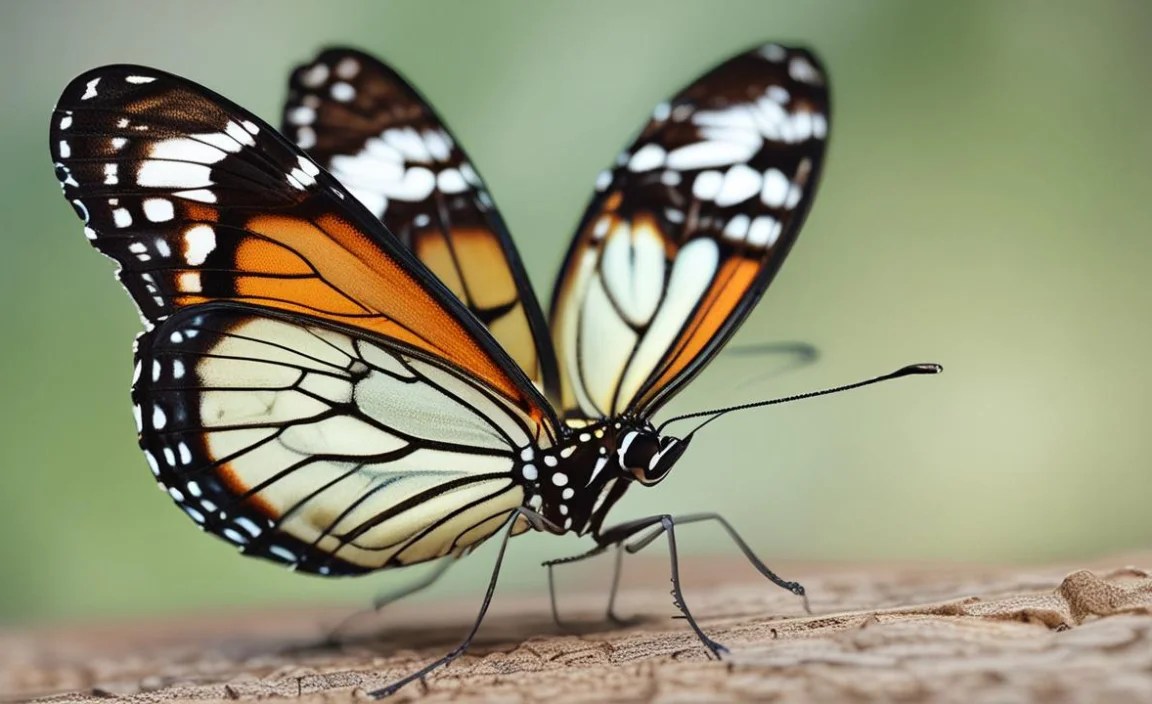
The glasswing butterfly (Greta oto) is a member of the nymphalid family, known for its unique transparent wings. Unlike most butterflies, the tissue between its wing veins lacks the colorful scales that give other butterflies their vibrant patterns. This transparency serves as a remarkable form of camouflage.
Key Features:
- Transparent Wings: The most distinctive feature, allowing the butterfly to blend seamlessly into its environment.
- Size: Wingspan typically ranges from 5.5 to 6 cm (2.2 to 2.4 inches).
- Body: Opaque dark brown body.
- Border: Often has a dark brown or reddish-brown border outlining the transparent sections of the wings.
- Flight: Deliberate, fluttering flight pattern.
Glasswing butterflies are found in the rainforests of Central and South America, from Mexico to Panama and as far south as Argentina. They prefer shaded, humid environments where they can easily find host plants for their larvae and nectar sources for the adults. Their transparent wings are an adaptation to these environments, helping them avoid predators by making them nearly invisible against the dappled light and shadows of the forest understory.
Glasswing Butterfly Habitat and Distribution

Glasswing butterflies thrive in the humid rainforests of Central and South America. Understanding their specific habitat needs is crucial for both observation and conservation efforts.
Preferred Habitats:
- Rainforests: Primarily found in tropical rainforests, both primary and secondary growth.
- Elevation: Typically inhabit elevations ranging from sea level up to about 1,200 meters (3,900 feet).
- Humidity: High humidity levels are essential for their survival.
- Shade: Prefer shaded areas within the forest, as direct sunlight can be harmful.
Geographical Distribution:
- Mexico: Southern regions of Mexico.
- Central America: Common in Belize, Costa Rica, and Panama.
- South America: Found in Colombia, Ecuador, Venezuela, Brazil, and Argentina.
The presence of specific host plants and nectar sources greatly influences their distribution. They are often found near plants of the genus Cestrum, which serve as the primary food source for their caterpillars.
Glasswing Butterfly Lifecycle
The lifecycle of the glasswing butterfly, like all butterflies, includes four distinct stages: egg, larva (caterpillar), pupa (chrysalis), and adult. Each stage is unique and essential for the butterfly’s survival.
1. Egg Stage:
- Appearance: Small, round, and typically laid on the underside of host plant leaves.
- Location: Eggs are laid singly or in small clusters on plants of the Cestrum genus.
- Duration: Eggs hatch in about 5-7 days.
2. Larva (Caterpillar) Stage:
- Appearance: The caterpillar is green with bright red or purple stripes. These colors warn predators that the caterpillar is toxic.
- Feeding: Caterpillars feed voraciously on the leaves of their host plants.
- Growth: They undergo several molts (shedding of their skin) as they grow larger.
- Duration: The larval stage lasts approximately 2-3 weeks.
3. Pupa (Chrysalis) Stage:
- Appearance: The chrysalis is a silvery-golden color and hangs upside down from a leaf or stem.
- Camouflage: The metallic appearance helps to camouflage the pupa, making it look like a dewdrop or small piece of reflective material.
- Duration: The pupal stage lasts about 10-14 days.
4. Adult Stage:
- Emergence: The adult butterfly emerges from the chrysalis. Its wings are initially crumpled but expand as they fill with hemolymph (insect blood).
- Wings: The transparent wings allow for excellent camouflage.
- Feeding: Adults feed on nectar from various flowers.
- Reproduction: Adult glasswing butterflies mate and the females lay eggs, continuing the cycle.
- Lifespan: The adult lifespan is typically around 2-4 weeks.
What Do Glasswing Butterflies Eat?

Understanding the diet of glasswing butterflies is essential for attracting them to your garden and supporting their populations. Both the larvae (caterpillars) and adult butterflies have specific food requirements.
Caterpillar Diet:
- Host Plants: Caterpillars primarily feed on plants of the genus Cestrum, also known as Jessamine or Nightshade.
- Toxicity: These plants contain alkaloids that make the caterpillars toxic to predators. This toxicity is retained in the adult butterflies, providing them with protection.
Adult Butterfly Diet:
- Nectar: Adult glasswing butterflies feed on nectar from a variety of flowering plants.
- Preferred Flowers: They are particularly attracted to flowers with bright colors and simple shapes, such as lantana, pentas, and salvia.
- Minerals: They also obtain essential minerals from damp soil and decaying organic matter. This behavior is known as “puddling.”
Here’s a table summarizing the dietary needs of glasswing butterflies at different life stages:
| Life Stage | Diet | Sources |
|---|---|---|
| Caterpillar | Leaves | Cestrum species (Jessamine, Nightshade) |
| Adult Butterfly | Nectar, Minerals | Flowering plants (Lantana, Pentas, Salvia), Damp soil |
The Secret of Transparent Wings

The most fascinating feature of the glasswing butterfly is, of course, its transparent wings. This transparency is a result of several unique adaptations that minimize light reflection and scattering.
How Transparency is Achieved:
- Lack of Scales: Unlike most butterflies, the transparent areas of the glasswing’s wings have very few scales. Scales are the tiny, colorful structures that cover the wings of other butterflies and create patterns.
- Nanostructures: The scales that are present have a unique nanostructure that minimizes light reflection. These structures are arranged in a way that reduces the scattering of light, allowing it to pass through the wing more easily.
- Wing Membrane: The wing membrane itself is very thin and lacks pigmentation, further contributing to the transparency.
Advantages of Transparent Wings:
- Camouflage: The primary advantage is camouflage. Transparent wings allow the butterfly to blend into its surroundings, making it difficult for predators to spot.
- Predator Avoidance: By being less visible, glasswing butterflies are better able to avoid being eaten by birds and other predators.
Predators and Defense Mechanisms
Despite their camouflage, glasswing butterflies are still vulnerable to predators. They have developed several defense mechanisms to protect themselves.
Predators:
- Birds: Birds are a major predator of butterflies, including glasswings.
- Spiders: Spiders can capture butterflies in their webs.
- Lizards: Lizards may prey on both caterpillars and adult butterflies.
- Other Insects: Some predatory insects, such as praying mantises, also pose a threat.
Defense Mechanisms:
- Camouflage: As mentioned earlier, the transparent wings provide excellent camouflage, making it difficult for predators to see them.
- Toxicity: The caterpillars feed on toxic plants, which makes them and the adult butterflies unpalatable to predators. Predators that eat a glasswing butterfly may experience an unpleasant taste or become sick, learning to avoid them in the future.
- Flight: Glasswing butterflies have a distinctive, fluttering flight pattern that can be erratic and difficult to predict, making them harder to catch.
How to Attract Glasswing Butterflies to Your Garden
Attracting glasswing butterflies to your garden can be a rewarding experience. By providing the right host plants, nectar sources, and habitat conditions, you can create a haven for these beautiful creatures.
1. Plant Host Plants:
- Cestrum Species: The most important step is to plant Cestrum species, such as Cestrum diurnum (Day Jessamine) and Cestrum nocturnum (Night Jessamine). These plants are essential for the caterpillars.
- Availability: Check with local nurseries to find these plants, or consider ordering them online from reputable sources.
2. Provide Nectar Sources:
- Flowering Plants: Plant a variety of flowering plants that provide nectar for adult butterflies. Choose plants with bright colors and simple shapes.
- Recommended Plants: Good choices include lantana, pentas, salvia, zinnia, and butterfly bush (Buddleja davidii).
- Bloom Time: Select plants with staggered bloom times to ensure a continuous supply of nectar throughout the butterfly season.
3. Create a Butterfly-Friendly Habitat:
- Sunlight and Shade: Provide a mix of sunny and shaded areas in your garden. Glasswing butterflies prefer dappled sunlight.
- Humidity: Maintain high humidity levels by regularly watering your garden or installing a small water feature.
- Shelter: Provide shelter from wind and rain with trees, shrubs, and other plants.
- Puddling Area: Create a puddling area by filling a shallow dish with water and adding some sand or pebbles. Butterflies will gather here to drink and obtain essential minerals.
4. Avoid Pesticides:
- Harmful Chemicals: Avoid using pesticides or herbicides in your garden, as these chemicals can be harmful to butterflies and other beneficial insects.
- Organic Gardening: Practice organic gardening methods to create a safe and healthy environment for butterflies.
5. Observe and Enjoy:
- Patience: Be patient and observe your garden regularly. It may take some time for glasswing butterflies to find your garden and establish a population.
- Enjoy: Once they arrive, enjoy the beauty and grace of these amazing creatures.
Conservation Status and Threats
While glasswing butterflies are not currently listed as endangered, they face several threats that could impact their populations in the future. Understanding these threats is crucial for conservation efforts.
Threats:
- Habitat Loss: The biggest threat to glasswing butterflies is habitat loss due to deforestation, agriculture, and urbanization. Rainforests are being cleared at an alarming rate, destroying the butterflies’ natural habitat.
- Pesticide Use: The use of pesticides in agriculture and gardening can harm or kill butterflies and their caterpillars.
- Climate Change: Climate change can alter the butterflies‘ habitat and disrupt their lifecycle. Changes in temperature and rainfall patterns can affect the availability of host plants and nectar sources.
- Collection: Although not a major threat, the collection of butterflies for display or trade can impact local populations.
Conservation Efforts:
- Habitat Preservation: Protecting and preserving rainforest habitats is essential for the conservation of glasswing butterflies. This can be achieved through the establishment of protected areas, sustainable forestry practices, and ecotourism.
- Sustainable Agriculture: Promoting sustainable agriculture practices that minimize the use of pesticides and protect butterfly habitats.
- Education and Awareness: Raising awareness about the importance of butterfly conservation and educating people about the threats they face.
- Butterfly Gardening: Encouraging people to create butterfly-friendly gardens that provide host plants and nectar sources.
Glasswing Butterfly in Culture and Art
The unique beauty of the glasswing butterfly has captured the imagination of people around the world, inspiring art, literature, and cultural symbolism.
Symbolism:
- Transformation: Like all butterflies, the glasswing butterfly symbolizes transformation and change. Its transparent wings can also represent clarity, transparency, and adaptability.
- Delicacy: The delicate appearance of the glasswing butterfly can symbolize fragility and the beauty of nature.
- Camouflage: The ability to blend in with its surroundings can symbolize adaptability and the importance of being aware of one’s environment.
Art and Literature:
- Inspiration: The glasswing butterfly has inspired artists and writers to create works that celebrate its beauty and unique qualities.
- Photography: Its transparent wings make it a popular subject for nature photography, capturing its ethereal appearance.
Frequently Asked Questions (FAQ)
1. What makes a glasswing butterfly’s wings transparent?
Glasswing butterfly wings are transparent because they lack the colorful scales found on most butterfly wings. The few scales they do have feature nanostructures that minimize light reflection.
2. Where do glasswing butterflies live?
They live in the rainforests of Central and South America, from Mexico to Argentina, preferring humid and shaded areas.
3. What do glasswing butterfly caterpillars eat?
Glasswing caterpillars primarily eat plants of the Cestrum genus, also known as Jessamine or Nightshade.
4. How can I attract glasswing butterflies to my garden?
Plant Cestrum species for caterpillars and nectar-rich flowers like lantana and salvia for adult butterflies. Also, avoid pesticides and provide a water source.
5. Are glasswing butterflies endangered?
No, but they face threats from habitat loss, pesticide use, and climate change. Conservation efforts are essential to protect their populations.
6. What is the lifespan of a glasswing butterfly?
The adult glasswing butterfly typically lives for about 2-4 weeks.
7. What is the purpose of the glasswing butterfly’s transparent wings?
The transparent wings serve as camouflage, helping the butterfly blend into its environment and avoid predators.
Conclusion
The glasswing butterfly is a true marvel of nature, with its transparent wings and fascinating lifecycle. By understanding their habitat, diet, and conservation needs, we can all play a part in protecting these delicate creatures. Whether you’re planting a butterfly garden, educating others about their importance, or supporting conservation organizations, every effort makes a difference. Let’s continue to admire and protect the glasswing butterfly, ensuring that future generations can also witness the magic of their transparent wings fluttering through the rainforest.


