
Glasswing’s Ecological Role: Secret Garden Helper?

The ecological role of glasswing butterflies is vital to rainforest ecosystems. They pollinate plants, serve as food for other animals, and their presence indicates a healthy environment. Their unique transparency also aids in camouflage, helping them avoid predators.
Have you ever seen a butterfly with wings so clear, it looks like you could see right through them? These are glasswing butterflies, and they’re more than just beautiful. They play a crucial role in the rainforests where they live. Understanding their ecological role helps us appreciate how important these delicate creatures are to the health of our planet. It might seem complex, but don’t worry! This article will break it down step by step, revealing the fascinating ways glasswings contribute to their environment. Let’s explore the world of these transparent wonders!
What is the Ecological Role of Glasswing Butterflies?

As Frances O’Brien from ButterflyAsk.com, let’s dive into the world of glasswing butterflies (Greta oto) and explore their fascinating ecological roles. These remarkable insects, known for their transparent wings, play several key functions in their native Central and South American rainforest ecosystems.
Pollination
Like many butterflies, glasswings are important pollinators. As they flit from flower to flower, seeking nectar, they transfer pollen, aiding in plant reproduction. While not as specialized as some bee species, their contribution to pollination is still significant, particularly for certain rainforest plants. According to a study by the Florida Museum of Natural History, butterflies in general contribute substantially to the pollination of various plant species.
Food Source
Glasswing butterflies serve as a food source for various predators, including birds, reptiles, and other insects. Their presence in the food chain helps support these predator populations, maintaining balance within the ecosystem. The Xerces Society emphasizes the importance of butterflies and other insects as a vital food source for a wide range of wildlife.
Indicator Species
The health and abundance of glasswing butterfly populations can indicate the overall health of their environment. These butterflies are sensitive to habitat changes, pollution, and climate change. A decline in their numbers can signal broader environmental problems, prompting conservation efforts. The U.S. Environmental Protection Agency (EPA) uses various species, including insects, as indicators of environmental health.
Camouflage and Predator Avoidance
The transparent wings of glasswing butterflies provide excellent camouflage, helping them avoid predators. This unique adaptation allows them to blend into their surroundings, making it harder for birds and other predators to spot them. Research published in the Journal of Evolutionary Biology explores the evolution and effectiveness of transparency as a camouflage strategy in various insect species.
Detailed Look at Glasswing Butterfly Ecology

Habitat and Distribution
Glasswing butterflies are primarily found in the rainforests of Central and South America. Their range extends from Mexico to Panama and south to parts of Argentina. They thrive in humid, tropical environments with abundant flowering plants and host plants for their larvae.
- Geographic Range: Central and South America
- Preferred Habitat: Rainforests, cloud forests
- Altitude: Typically found at elevations between sea level and 6,500 feet
Life Cycle
Understanding the life cycle of glasswing butterflies is crucial to understanding their ecological role. Here’s a breakdown:
- Egg: Females lay eggs on host plants, primarily those in the genus Cestrum.
- Larva (Caterpillar): The caterpillars feed on these plants, accumulating toxins that make them unpalatable to predators.
- Pupa (Chrysalis): The caterpillar transforms into a pupa, hanging from a plant stem or leaf.
- Adult: The adult butterfly emerges from the pupa, ready to reproduce and continue the cycle.
Diet and Feeding Habits
Glasswing butterflies have specific dietary needs that influence their interactions with the environment:
- Larvae: Feed on toxic plants in the genus Cestrum, which provides them with protection from predators.
- Adults: Primarily feed on nectar from various flowering plants. They also obtain amino acids from the droppings of birds.
Interactions with Other Species
Glasswing butterflies interact with numerous species in their ecosystem:
- Host Plants: Rely on plants in the genus Cestrum for larval development.
- Pollinators: Contribute to the pollination of various flowering plants.
- Predators: Serve as prey for birds, reptiles, and other insects.
The Unique Transparency of Glasswing Butterflies

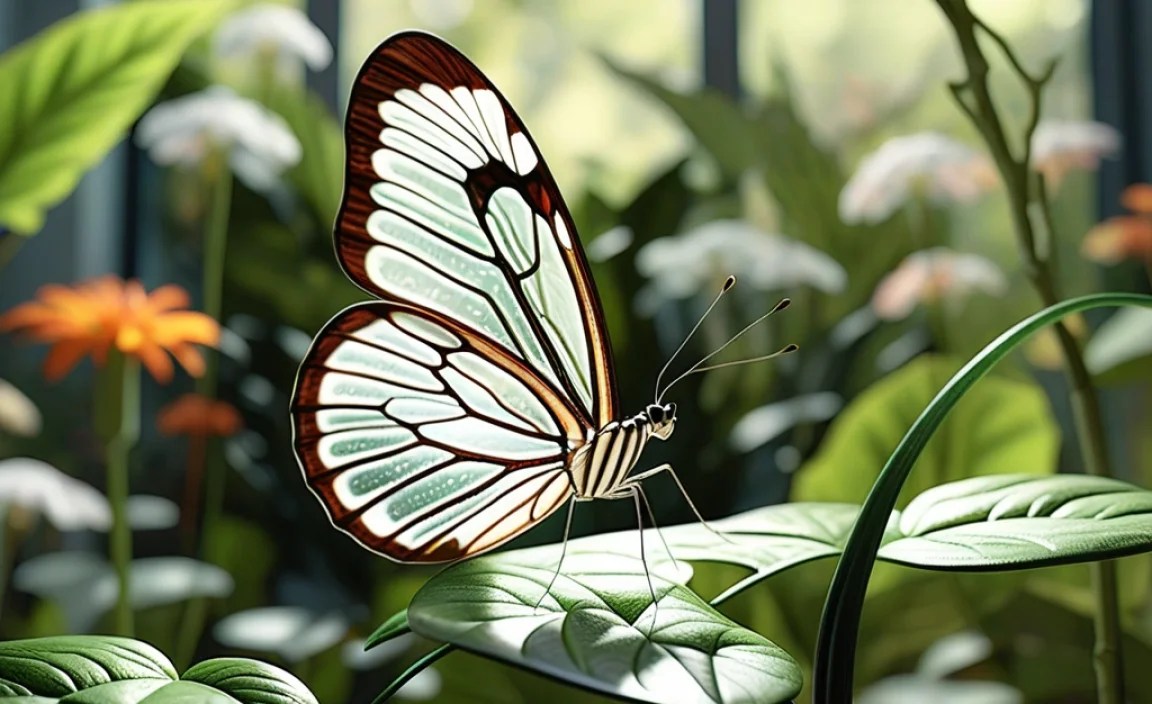
The most distinctive feature of glasswing butterflies is their transparent wings. This transparency is achieved through unique structural and optical properties.
Wing Structure
The wings of glasswing butterflies have a reduced number of scales compared to other butterflies. The scales that are present are also arranged in a way that minimizes light reflection and scattering.
Optical Properties
The transparent nature of the wings is due to the low refractive index of the wing material and the arrangement of nanostructures on the wing surface. These nanostructures minimize light reflection, allowing light to pass through the wing with minimal distortion.
Advantages of Transparency
Transparency provides several advantages for glasswing butterflies:
- Camouflage: Helps them blend into their surroundings, making it harder for predators to detect them.
- Predator Avoidance: Reduces the likelihood of being spotted by predators, increasing their survival rate.
- Thermoregulation: May help regulate body temperature by allowing sunlight to pass through the wings.
Conservation Status and Threats
While glasswing butterflies are not currently listed as endangered, they face several threats that could impact their populations.
Habitat Loss
Deforestation and habitat destruction are major threats to glasswing butterflies. The conversion of rainforests into agricultural land, logging operations, and urban development reduce the availability of suitable habitat.
Climate Change
Changes in temperature and rainfall patterns can disrupt the life cycle of glasswing butterflies and alter the distribution of their host plants. Extreme weather events, such as droughts and floods, can also negatively impact their populations.
Pesticide Use
The use of pesticides in agriculture can harm glasswing butterflies and their host plants. Pesticides can directly kill butterflies or reduce the availability of food and habitat.
Conservation Efforts
Several conservation efforts are underway to protect glasswing butterflies and their habitat:
- Habitat Preservation: Protecting and restoring rainforest habitats is crucial for the survival of glasswing butterflies.
- Sustainable Agriculture: Promoting sustainable agricultural practices that minimize pesticide use and habitat destruction can help protect butterfly populations.
- Community Engagement: Educating local communities about the importance of glasswing butterflies and their habitat can foster support for conservation efforts.
How to Support Glasswing Butterfly Conservation

There are several ways you can contribute to the conservation of glasswing butterflies:
- Support Conservation Organizations: Donate to organizations that are working to protect rainforest habitats and promote sustainable agriculture.
- Reduce Your Carbon Footprint: Take steps to reduce your carbon footprint, such as using public transportation, conserving energy, and reducing waste.
- Educate Others: Share information about glasswing butterflies and the importance of rainforest conservation with your friends, family, and community.
- Advocate for Change: Contact your elected officials and urge them to support policies that protect rainforests and promote sustainable development.
Glasswing Butterflies in Culture and Art
Glasswing butterflies are not only ecologically significant but also culturally and artistically inspiring.
Symbolism
In some cultures, glasswing butterflies symbolize transparency, clarity, and adaptability. Their delicate appearance and ability to blend into their surroundings have made them symbols of resilience and transformation.
Art and Design
The unique beauty of glasswing butterflies has inspired artists and designers around the world. Their transparent wings have been incorporated into various forms of art, including paintings, sculptures, and jewelry.
Photography
Glasswing butterflies are popular subjects for nature photographers. Capturing their delicate wings and intricate patterns requires skill and patience, but the results can be stunning.
Glasswing Butterfly Facts Table
| Fact | Description |
|---|---|
| Scientific Name | Greta oto |
| Common Name | Glasswing Butterfly |
| Distribution | Central and South America |
| Habitat | Rainforests, cloud forests |
| Wingspan | 5.6 to 6.1 cm (2.2 to 2.4 inches) |
| Diet (Larvae) | Toxic plants in the genus Cestrum |
| Diet (Adults) | Nectar, bird droppings |
| Lifespan | Approximately 60-70 days |
Ecological Roles of Glasswing Butterflies Table
| Ecological Role | Description |
|---|---|
| Pollination | Transfer pollen between flowers, aiding in plant reproduction. |
| Food Source | Serve as prey for birds, reptiles, and other insects. |
| Indicator Species | Their population health indicates the overall health of the ecosystem. |
| Camouflage | Their transparent wings help them avoid predators by blending into the environment. |
FAQ About Glasswing Butterflies
Here are some frequently asked questions about glasswing butterflies:
What makes glasswing butterflies unique?
Glasswing butterflies are unique due to their transparent wings, which help them camouflage and avoid predators.
Where do glasswing butterflies live?
They primarily live in the rainforests of Central and South America, from Mexico to Argentina.
What do glasswing butterflies eat?
As larvae, they eat toxic plants in the genus Cestrum. As adults, they feed on nectar and bird droppings.
Are glasswing butterflies endangered?
While not currently endangered, they face threats from habitat loss, climate change, and pesticide use.
How can I help protect glasswing butterflies?
You can support conservation organizations, reduce your carbon footprint, educate others, and advocate for policies that protect rainforests.
Why are glasswing butterflies called “glasswing”?
They are called “glasswing” because their wings are transparent, resembling glass.
What is the lifespan of a glasswing butterfly?
The lifespan of a glasswing butterfly is approximately 60-70 days.
Conclusion
Glasswing butterflies are more than just beautiful insects; they are vital components of their rainforest ecosystems. Their roles as pollinators, food sources, and indicators of environmental health highlight their importance. By understanding the ecological role of glasswing butterflies and the threats they face, we can take action to support their conservation and protect the biodiversity of our planet. So, the next time you see a glasswing butterfly, remember the crucial role it plays in maintaining the delicate balance of nature. Let’s continue to learn, appreciate, and protect these transparent wonders for generations to come.


