
Benefits of Transparent Wings: The Secret Advantage

Quick Summary: Transparent wings offer butterflies and moths many advantages! These see-through wings help with camouflage, making it harder for predators to spot them. They also allow butterflies to absorb sunlight efficiently for flight, stay cooler by reflecting heat, and reduce wing damage from the sun. Transparent wings are a fantastic adaptation for survival!
Have you ever wondered how some butterflies seem to disappear right before your eyes? Or how they manage to fly so gracefully, even in bright sunlight? One of nature’s most fascinating secrets lies in the delicate, transparent wings of certain butterfly and moth species. These aren’t just beautiful; they’re a marvel of engineering, offering incredible benefits for survival. Let’s explore why transparent wings are so advantageous for these amazing insects, from hiding from predators to staying cool under the sun. Get ready to uncover the hidden superpowers of clear wings!
Why Transparent Wings? Unveiling the Benefits

Transparent wings aren’t just a pretty feature; they’re a crucial adaptation that helps butterflies and moths survive in various environments. Here’s a closer look at the many benefits of having transparent wings:
1. Enhanced Camouflage
One of the primary benefits of transparent wings is improved camouflage. By allowing light to pass through, the wings make it harder for predators to see the insect. This is especially useful in environments with dappled sunlight or complex backgrounds.
- Blending In: Transparent wings help butterflies blend seamlessly into their surroundings.
- Reduced Visibility: Predators have a tougher time spotting them, increasing their chances of survival.
- Effective Deception: This camouflage is a form of mimicry, where the butterfly appears as part of the background.
Think of it like looking through a window – the clearer the glass, the less you notice it. Similarly, transparent wings reduce the butterfly’s visual impact, making it less noticeable to birds and other predators. This is vital for species living in open areas where there are fewer places to hide.
2. Efficient Light Absorption
While transparency might seem counterintuitive for light absorption, it actually helps butterflies manage sunlight more effectively. The wings’ structure allows them to absorb the right amount of sunlight for energy without overheating.
- Thermoregulation: Transparent wings help butterflies regulate their body temperature.
- Energy Boost: They can absorb sunlight to warm up their flight muscles, especially in cooler conditions.
- Reduced Overheating: The wings reflect some sunlight, preventing the butterfly from getting too hot.
Butterflies need sunlight to power their flight muscles. Transparent wings strike a perfect balance, allowing them to absorb enough energy to fly while avoiding overheating. This is particularly important for butterflies living in sunny, warm climates where temperature control is critical.
3. Reduced Wing Damage
Transparent wings can also reduce the risk of wing damage from prolonged exposure to the sun. The clear structure allows some light to pass through, preventing the wings from absorbing too much harmful UV radiation.
- UV Protection: Transparent wings offer a degree of protection against ultraviolet radiation.
- Longevity: Reducing UV damage helps extend the lifespan of the wings.
- Maintained Flight Capability: This ensures the butterfly can continue to fly and forage for food.
Just like sunscreen protects our skin, transparent wings help protect butterflies from the sun’s harmful rays. By reducing UV absorption, the wings remain stronger and more durable, allowing the butterfly to fly efficiently throughout its life.
4. Enhanced Flight Efficiency
The unique structure of transparent wings can also contribute to better flight efficiency. The thin, lightweight design reduces the energy needed for flight, allowing butterflies to fly longer distances with less effort.
- Lightweight Design: Transparent wings are typically lighter than opaque wings.
- Reduced Energy Expenditure: Butterflies can fly longer distances using less energy.
- Agile Movement: The lightweight wings allow for quicker, more agile movements in the air.
Imagine trying to run with heavy shoes versus lightweight sneakers – the difference is significant! Similarly, transparent wings reduce the load butterflies carry, making it easier for them to fly, find food, and escape predators. This is especially crucial for migratory species that travel long distances.
5. Cooling Effect
Transparent wings also help butterflies stay cool. The clear structure allows heat to dissipate more easily, preventing the butterfly from overheating in hot environments.
- Heat Dissipation: Transparent wings allow heat to escape, keeping the butterfly cooler.
- Optimal Body Temperature: Maintaining a stable body temperature is crucial for survival.
- Reduced Stress: Prevents overheating, reducing stress on the butterfly’s body.
Think of transparent wings as tiny air conditioners. They help butterflies regulate their body temperature by allowing heat to escape, preventing them from overheating in the sun. This is particularly important in tropical and desert environments where staying cool is essential for survival.
Examples of Butterflies and Moths with Transparent Wings

Several species of butterflies and moths have evolved transparent wings. Here are a few notable examples:
1. Glasswing Butterfly (Greta oto)
The Glasswing Butterfly is perhaps the most famous example of a butterfly with transparent wings. Found in Central and South America, its wings are almost entirely see-through, with only a narrow opaque border.
- Habitat: Rainforests of Central and South America
- Diet: Nectar from various flowering plants
- Interesting Fact: The transparency of its wings is due to the lack of colored scales, which reduces reflection and makes it nearly invisible.
The Glasswing Butterfly’s transparent wings are an incredible adaptation that allows it to blend seamlessly into the rainforest environment. This makes it a master of camouflage, evading predators and surviving in a challenging habitat.
2. Glassy Tiger Butterfly (Parantica aglea)
The Glassy Tiger Butterfly, found in Southeast Asia and parts of India, features translucent wings with dark veins. This pattern helps it mimic toxic butterflies, providing additional protection from predators.
- Habitat: Southeast Asia and India
- Diet: Nectar from various flowering plants
- Interesting Fact: Its translucent wings mimic the appearance of toxic butterflies, deterring predators from attacking.
The Glassy Tiger Butterfly combines transparency with mimicry, creating a double layer of defense against predators. Its unique wing pattern not only provides camouflage but also signals potential toxicity to would-be attackers.
3. Ghost Moth (Hepialidae family)
The Ghost Moth family includes several species with translucent or transparent wings. These moths are often active at night and rely on their camouflage to avoid detection.
- Habitat: Various regions worldwide
- Diet: Nectar and other plant juices
- Interesting Fact: Many species fly at dusk or dawn, using their transparency to blend with the fading light.
Ghost Moths use their transparent wings to blend into the twilight environment, making them nearly invisible to predators. This adaptation is especially useful for nocturnal species that need to avoid detection during their active periods.
4. Clearwing Swallowtail (Protographium marcellus)
The Clearwing Swallowtail, a variation of the Zebra Swallowtail, is rare but has mostly translucent hindwings. The forewings have zebra stripes that act as camouflage.
- Habitat: Eastern United States
- Diet: Nectar from pawpaw flowers
- Interesting Fact: A rare color morph of the Zebra Swallowtail, this butterfly has translucent hindwings and zebra-striped forewings.
This unusual variation of the Zebra Swallowtail demonstrates that even within a single species, different adaptations can arise. The transparent hindwings provide additional camouflage, enhancing its survival in its native habitat.
The Science Behind Transparency
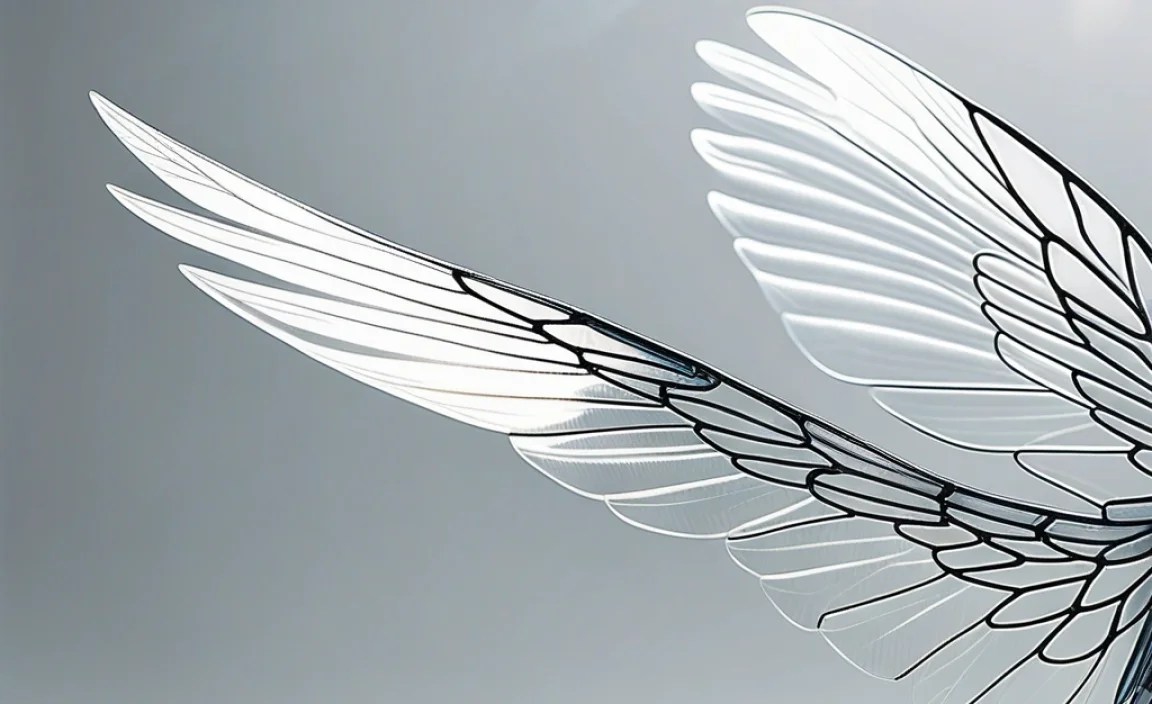
The transparency in butterfly and moth wings is a result of their unique structure and composition. Here’s a closer look at the science behind this fascinating phenomenon:
1. Scale Structure
Butterfly and moth wings are covered in tiny scales, which are responsible for their color and patterns. In transparent wings, these scales are either absent, reduced in size, or arranged in a way that minimizes light reflection.
- Reduced Scales: Transparent wings have fewer scales compared to opaque wings.
- Nanostructures: The scales have unique nanostructures that minimize light scattering.
- Irregular Arrangement: Scales are arranged irregularly to prevent reflection and enhance transparency.
The key to transparency lies in how these scales interact with light. By reducing the number of scales and altering their structure, butterfly wings can minimize reflection and allow light to pass through, creating a transparent effect.
2. Cuticle Composition
The cuticle, or outer layer, of the wing also plays a role in transparency. In transparent wings, the cuticle is often thinner and has a smoother surface, which reduces light scattering.
- Thinner Cuticle: Transparent wings have a thinner cuticle compared to opaque wings.
- Smooth Surface: The smooth surface minimizes light scattering and enhances transparency.
- Specialized Proteins: The cuticle contains specialized proteins that contribute to its transparency.
The composition of the cuticle is crucial for achieving transparency. A thinner, smoother cuticle allows more light to pass through without being scattered, enhancing the overall transparency of the wing.
3. Light Management
Transparent wings manage light in a way that minimizes reflection and maximizes transmission. This is achieved through a combination of structural and compositional adaptations.
- Reduced Reflection: Transparent wings reflect very little light.
- Increased Transmission: They allow a large percentage of light to pass through.
- Minimal Scattering: The wings minimize light scattering, which would reduce transparency.
By reducing reflection, increasing transmission, and minimizing scattering, transparent wings create a clear, see-through effect. This allows butterflies and moths to blend into their surroundings and avoid detection by predators.
Conservation Implications
Understanding the benefits of transparent wings can also inform conservation efforts. By protecting the habitats of butterflies and moths with transparent wings, we can help ensure the survival of these fascinating creatures.
1. Habitat Preservation
Preserving natural habitats is essential for the survival of transparent-winged butterflies and moths. These insects rely on specific environments for food, shelter, and breeding.
- Protecting Rainforests: Rainforests are home to many species of transparent-winged butterflies.
- Conserving Woodlands: Woodlands provide essential habitat for ghost moths and other species.
- Creating Butterfly Gardens: Butterfly gardens can provide food and shelter for transparent-winged butterflies.
By protecting these habitats, we can help ensure that transparent-winged butterflies and moths continue to thrive. This includes efforts to reduce deforestation, promote sustainable land use, and create protected areas where these insects can flourish.
2. Reducing Pesticide Use
Pesticides can harm butterflies and moths, including those with transparent wings. Reducing pesticide use is crucial for protecting these insects and their habitats.
- Organic Gardening: Using organic gardening practices can help reduce pesticide exposure.
- Integrated Pest Management: Implementing integrated pest management strategies can minimize the need for pesticides.
- Educating the Public: Educating the public about the dangers of pesticides can help reduce their use.
By reducing pesticide use, we can create safer environments for transparent-winged butterflies and moths. This includes promoting organic gardening practices, implementing integrated pest management strategies, and educating the public about the dangers of pesticides.
3. Climate Change Mitigation
Climate change can have significant impacts on butterfly and moth populations, including those with transparent wings. Mitigating climate change is essential for protecting these insects and their habitats.
- Reducing Carbon Emissions: Reducing carbon emissions can help slow down climate change.
- Promoting Renewable Energy: Promoting renewable energy sources can help reduce our reliance on fossil fuels.
- Conserving Energy: Conserving energy can help reduce our carbon footprint.
By mitigating climate change, we can help protect transparent-winged butterflies and moths from the negative impacts of a changing climate. This includes efforts to reduce carbon emissions, promote renewable energy, and conserve energy.
Fun Facts About Transparent Wings
Here are some fascinating facts about transparent wings that you might not know:
- Self-Cleaning: Some transparent wings have self-cleaning properties due to their unique nanostructures.
- UV Protection: While transparent, some wings still offer a degree of UV protection.
- Mimicry: Some butterflies with transparent wings mimic the appearance of other insects to avoid predators.
- Temperature Regulation: Transparent wings help butterflies regulate their body temperature, keeping them cool in hot environments.
- Evolutionary Advantage: The evolution of transparent wings is a remarkable adaptation that has helped butterflies and moths survive in diverse environments.
Table: Benefits of Transparent Wings
| Benefit | Description | Advantage |
|---|---|---|
| Enhanced Camouflage | Wings allow light to pass through, making the insect harder to see. | Reduces visibility to predators, increasing survival chances. |
| Efficient Light Absorption | Wings absorb sunlight for energy without overheating. | Helps regulate body temperature and provides energy for flight. |
| Reduced Wing Damage | Wings prevent excessive absorption of harmful UV radiation. | Extends wing lifespan and maintains flight capability. |
| Enhanced Flight Efficiency | Lightweight design reduces energy needed for flight. | Allows longer flights with less effort and agile movement. |
| Cooling Effect | Wings allow heat to dissipate, preventing overheating. | Maintains optimal body temperature, especially in hot environments. |
Table: Examples of Transparent-Winged Species
| Species | Habitat | Key Feature |
|---|---|---|
| Glasswing Butterfly (Greta oto) | Rainforests of Central and South America | Almost entirely transparent wings with narrow opaque borders. |
| Glassy Tiger Butterfly (Parantica aglea) | Southeast Asia and India | Translucent wings with dark veins, mimicking toxic butterflies. |
| Ghost Moth (Hepialidae family) | Various regions worldwide | Translucent wings that blend with the twilight environment. |
| Clearwing Swallowtail (Protographium marcellus) | Eastern United States | Translucent hindwings and zebra-striped forewings. |
FAQ: Transparent Wings
Here are some frequently asked questions about transparent wings in butterflies and moths:
1. What makes butterfly wings transparent?
Butterfly wings are transparent due to the reduced number of scales, the unique nanostructures of the scales, and the thin, smooth cuticle that minimizes light scattering.
2. How do transparent wings help butterflies survive?
Transparent wings enhance camouflage, allowing butterflies to blend into their surroundings and avoid predators. They also help regulate body temperature and reduce wing damage from UV radiation.
3. Are all butterflies with transparent wings found in the same region?
No, butterflies and moths with transparent wings are found in various regions around the world, including Central and South America, Southeast Asia, India, and parts of the United States.
4. Can transparent wings help butterflies fly better?
Yes, the lightweight design of transparent wings reduces the energy needed for flight, allowing butterflies to fly longer distances with less effort.
5. Do transparent wings offer any protection from the sun?
Yes, transparent wings offer a degree of protection from the sun by preventing excessive absorption of harmful UV radiation, which helps extend the lifespan of the wings.
6. How can I help protect butterflies with transparent wings?
You can help protect these butterflies by preserving their natural habitats, reducing pesticide use, and supporting efforts to mitigate climate change.
7. Are transparent wings common in all butterfly species?
No, transparent wings are not common in all butterfly species. They are a specialized adaptation found in specific species that benefit from the advantages they offer.
Conclusion
The benefits of transparent wings are truly remarkable, showcasing the incredible adaptability of butterflies and moths. From enhanced camouflage and efficient light absorption to reduced wing damage and improved flight, these clear wings are a testament to nature’s ingenuity. By understanding and appreciating these adaptations, we can better support conservation efforts and protect these delicate creatures for future generations. So, the next time you spot a butterfly with transparent wings, take a moment to marvel at its evolutionary superpowers and the vital role it plays in our ecosystem. Let’s continue to learn, explore, and protect the beautiful world of butterflies!


