
Swallowtail Butterfly in Your Garden: Ultimate Guide

Having swallowtail butterflies fluttering around your garden is easier than you think! By planting specific host plants like dill, parsley, and rue, you’ll provide the perfect food source for their caterpillars. Add nectar-rich flowers such as zinnias and butterfly bushes to attract adult butterflies. With a few simple steps, you can transform your garden into a swallowtail paradise.
Imagine stepping into your garden and being greeted by the elegant dance of swallowtail butterflies. These beautiful creatures, with their striking colors and graceful flight, can transform any outdoor space into a vibrant oasis. Many gardeners dream of attracting these beauties, but often feel unsure where to start. Don’t worry – it’s simpler than you think! With a few carefully chosen plants and a little understanding of their life cycle, you can create a welcoming habitat for swallowtail butterflies in your own backyard. This guide will walk you through the essential steps, ensuring you can enjoy the magical presence of swallowtails all season long.
Understanding Swallowtail Butterflies
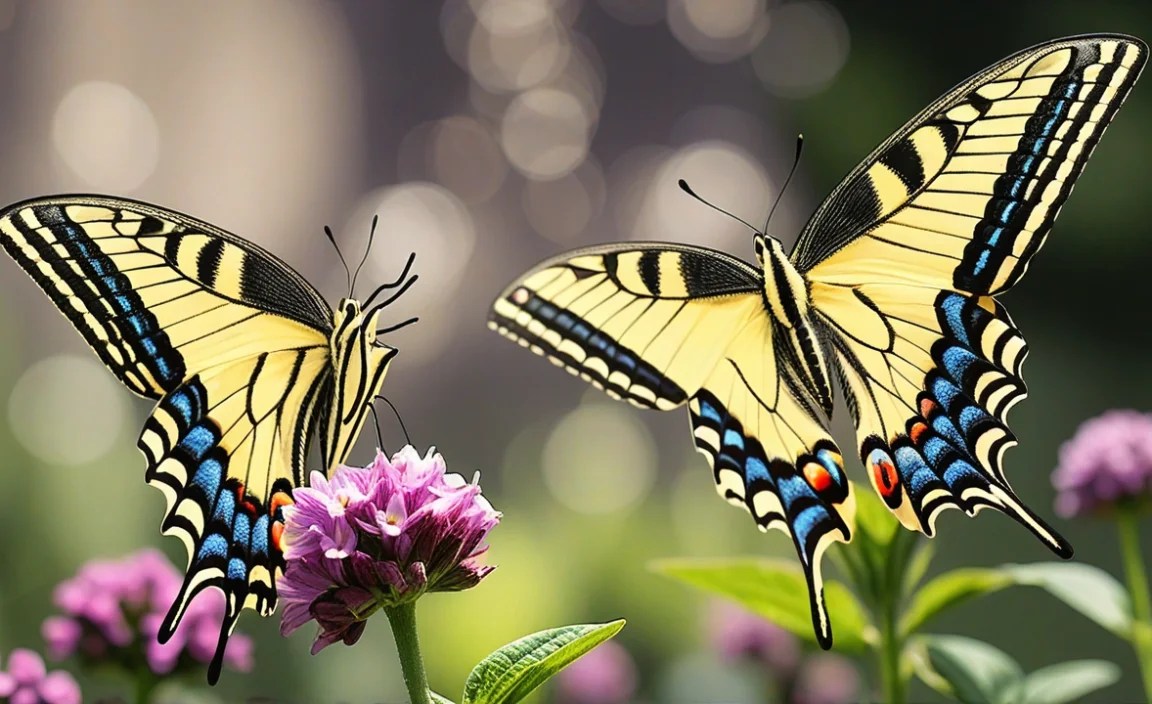
Before you start planting, let’s learn a bit about swallowtail butterflies. Swallowtails are a group of large, colorful butterflies known for their distinctive “tails” on their hindwings. They belong to the family Papilionidae, and there are many different species found around the world. Understanding their life cycle and needs is key to attracting them to your garden.
Swallowtail Life Cycle
Swallowtails go through four stages of life: egg, larva (caterpillar), pupa (chrysalis), and adult butterfly. Each stage has specific needs that must be met for the butterfly to thrive.
- Egg: Female swallowtails lay their eggs on specific host plants, which will serve as food for the caterpillars.
- Larva (Caterpillar): The caterpillar hatches from the egg and spends its time eating and growing. It molts several times as it gets larger.
- Pupa (Chrysalis): Once the caterpillar is fully grown, it forms a chrysalis, a protective shell where it undergoes metamorphosis.
- Adult Butterfly: After a period of time inside the chrysalis, the adult butterfly emerges, ready to mate and lay eggs, continuing the cycle.
Why Attract Swallowtails?
Attracting swallowtail butterflies to your garden is beneficial for several reasons:
- Pollination: Adult butterflies feed on nectar and help pollinate flowers, contributing to the health of your garden.
- Beauty: Swallowtails are simply beautiful to watch, adding color and life to your outdoor space.
- Ecological Balance: By providing a habitat for swallowtails, you support biodiversity and contribute to a healthy ecosystem.
- Educational Opportunity: Observing the swallowtail life cycle can be a fascinating learning experience for children and adults alike.
Choosing the Right Plants
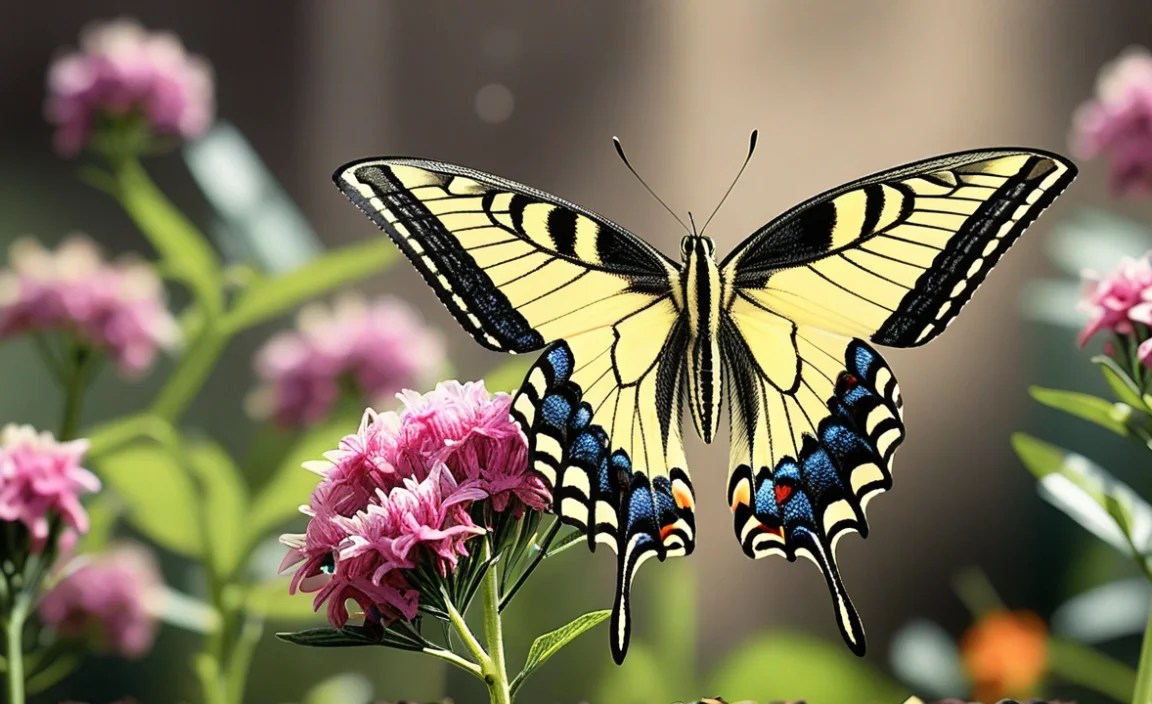
The most important step in attracting swallowtail butterflies is providing the right plants. Swallowtails need both host plants for their caterpillars and nectar plants for the adult butterflies.
Host Plants for Swallowtail Caterpillars
Host plants are the specific plants that swallowtail caterpillars eat. Different species of swallowtails have different host plant preferences. Here are some popular host plants for common swallowtail species:
- Eastern Black Swallowtail: Parsley, dill, fennel, carrot, and rue.
- Giant Swallowtail: Citrus trees (orange, lemon, lime), Hercules’ Club, and Rue.
- Spicebush Swallowtail: Spicebush and Sassafras.
- Pipevine Swallowtail: Pipevine (Aristolochia).
- Tiger Swallowtail: Cherry, willow, ash, and tulip trees.
When choosing host plants, consider the specific swallowtail species that are native to your area. The Xerces Society is an excellent resource for finding native plants that support butterflies and other pollinators.
Nectar Plants for Adult Butterflies
Nectar plants provide the energy that adult butterflies need to fly, mate, and lay eggs. Choose a variety of nectar-rich flowers that bloom throughout the growing season to provide a continuous food source. Some excellent nectar plants include:
- Zinnias
- Butterfly Bush (Buddleja)
- Lantana
- Salvia
- Cosmos
- Bee Balm (Monarda)
- Purple Coneflower (Echinacea)
Plant these flowers in sunny locations, as butterflies prefer to feed in the sun. Also, choose a variety of colors and shapes to attract different species of butterflies.
Creating a Butterfly-Friendly Garden
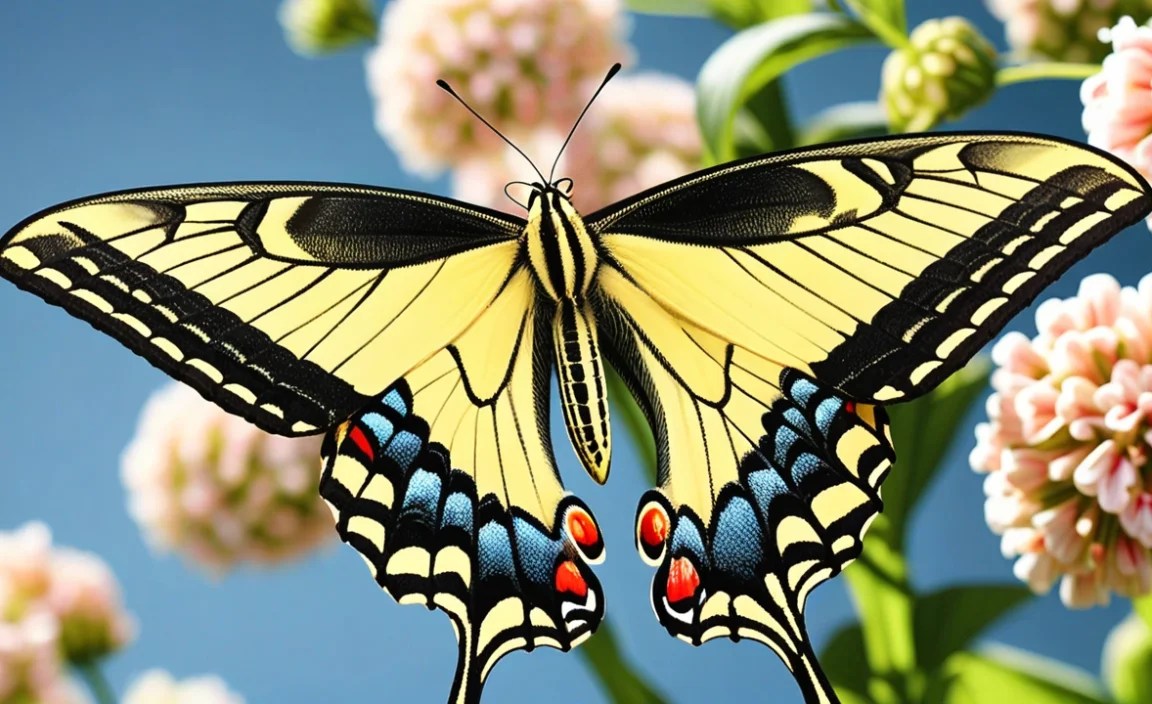
Once you have chosen the right plants, it’s time to create a garden that is welcoming to swallowtail butterflies. Here are some tips:
Location and Sunlight
Butterflies are cold-blooded and need sunlight to warm their bodies. Choose a sunny location for your butterfly garden, with at least six hours of direct sunlight per day. A location that is sheltered from strong winds is also ideal.
Planting in Groups
Plant host plants and nectar plants in groups or clusters. This makes it easier for butterflies to find them and provides a more visually appealing display.
Avoiding Pesticides
Pesticides can be harmful to butterflies and other beneficial insects. Avoid using pesticides in your butterfly garden. If you need to control pests, use natural or organic methods, such as hand-picking or insecticidal soap.
Providing Water
Butterflies need water to stay hydrated. Provide a shallow dish of water with pebbles or marbles for them to land on. This will prevent them from drowning. You can also create a “butterfly puddler” by filling a shallow dish with sand and keeping it moist.
Providing Shelter
Butterflies need shelter from wind and rain. Plant shrubs and trees around the perimeter of your garden to provide a windbreak. You can also create a butterfly house, although butterflies may not always use them.
Step-by-Step Guide to Attracting Swallowtails
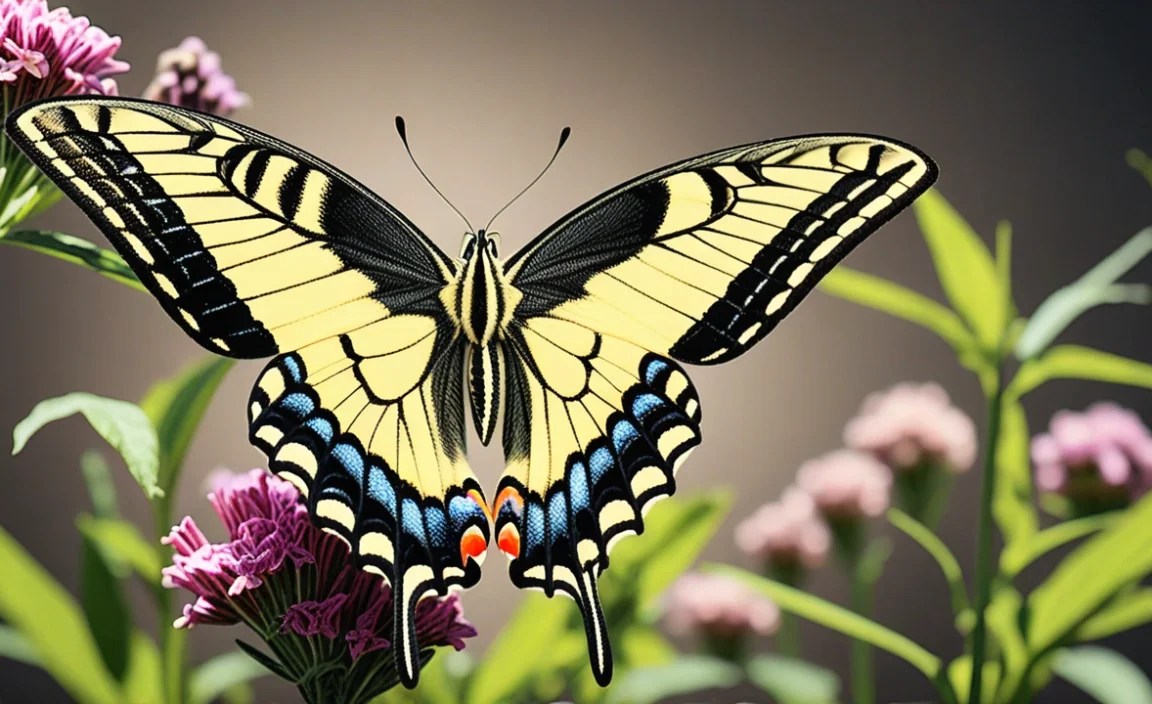
Here’s a step-by-step guide to help you attract swallowtail butterflies to your garden:
- Research Native Swallowtail Species: Find out which swallowtail species are native to your area and what their host plant preferences are.
- Choose Host Plants: Select the appropriate host plants for the swallowtail species you want to attract.
- Choose Nectar Plants: Choose a variety of nectar-rich flowers that bloom throughout the growing season.
- Prepare the Garden Bed: Choose a sunny location and prepare the soil by adding compost or other organic matter.
- Plant Host and Nectar Plants: Plant the host plants and nectar plants in groups or clusters.
- Provide Water: Provide a shallow dish of water with pebbles or marbles.
- Avoid Pesticides: Avoid using pesticides in your garden.
- Observe and Enjoy: Watch for swallowtail butterflies and enjoy their beauty.
Specific Tips for Different Swallowtail Species
Here are some specific tips for attracting different swallowtail species:
Eastern Black Swallowtail
To attract Eastern Black Swallowtails, plant parsley, dill, fennel, carrot, and rue. These plants are easy to grow in most gardens and provide ample food for the caterpillars. Consider planting these herbs in a dedicated herb garden to keep them separate from your ornamental flowers.
Giant Swallowtail
Giant Swallowtails are attracted to citrus trees, Hercules’ Club, and Rue. If you live in a warm climate, consider planting a citrus tree in your garden. In cooler climates, you can grow citrus trees in containers and bring them indoors during the winter.
Spicebush Swallowtail
Spicebush Swallowtails rely on spicebush and sassafras trees as host plants. If you have space, planting these native trees can be a great way to attract this species. Spicebush also offers beautiful fall color, adding seasonal interest to your garden.
Pipevine Swallowtail
Pipevine Swallowtails are dependent on pipevine (Aristolochia) as a host plant. Be careful when planting pipevine, as some species can be toxic to mammals. Research the specific species before planting to ensure it is safe for your pets and family.
Tiger Swallowtail
Tiger Swallowtails use cherry, willow, ash, and tulip trees as host plants. These trees are often large, so make sure you have enough space in your garden before planting them. Tiger Swallowtails are also attracted to nectar-rich flowers like butterfly bush and zinnias.
Dealing with Common Problems
Even with the best planning, you may encounter some problems when trying to attract swallowtail butterflies. Here are some common issues and how to address them:
Caterpillars Eating Your Plants
It’s natural for swallowtail caterpillars to eat the leaves of their host plants. However, if the caterpillars are defoliating your plants, you may need to take action. Consider planting extra host plants to accommodate the caterpillars. You can also move some of the caterpillars to other host plants if necessary.
Lack of Butterflies
If you’re not seeing any swallowtail butterflies in your garden, it may be because your plants are not yet mature enough. It can take a few years for plants to become established and attract butterflies. Be patient and continue to provide the resources that butterflies need. You can also try planting more nectar-rich flowers to attract adult butterflies.
Pests and Diseases
Pests and diseases can affect both host plants and nectar plants. Monitor your plants regularly and take action if you see any signs of problems. Use natural or organic methods to control pests and diseases, and avoid using pesticides.
Documenting Your Success
Keeping track of your progress can be a fun and rewarding part of attracting swallowtail butterflies. Here are some ways to document your success:
- Keep a Garden Journal: Record the dates when you plant new plants, when you see the first swallowtail butterflies, and any other observations you make.
- Take Photos: Take photos of your garden and the swallowtail butterflies that visit it. This will allow you to track your progress over time.
- Share Your Experiences: Share your experiences with other gardeners and butterfly enthusiasts. You can join online forums or local gardening clubs to connect with others.
Examples of Successful Swallowtail Gardens
Here are some examples of successful swallowtail gardens that you can use for inspiration:
| Garden Type | Host Plants | Nectar Plants | Additional Features |
|---|---|---|---|
| Herb Garden | Parsley, Dill, Fennel, Rue | Zinnias, Lantana | Shallow dish of water with pebbles |
| Wildflower Meadow | Spicebush, Sassafras, Pipevine | Bee Balm, Purple Coneflower, Cosmos | Butterfly house, Rock garden |
| Cottage Garden | Citrus Trees, Cherry Trees | Butterfly Bush, Salvia | Small pond, Bird bath |
Swallowtail Butterfly FAQs
What is the best way to attract swallowtail butterflies to my garden?
The best way to attract swallowtail butterflies is to plant both host plants for their caterpillars and nectar plants for the adult butterflies. Make sure to choose plants that are native to your area and avoid using pesticides.
What are some common host plants for swallowtail caterpillars?
Common host plants for swallowtail caterpillars include parsley, dill, fennel, rue, citrus trees, spicebush, sassafras, and pipevine.
What are some good nectar plants for adult butterflies?
Good nectar plants for adult butterflies include zinnias, butterfly bush, lantana, salvia, cosmos, bee balm, and purple coneflower.
How can I protect swallowtail caterpillars from predators?
You can protect swallowtail caterpillars from predators by providing them with shelter, such as shrubs and trees. You can also cover host plants with netting to prevent predators from reaching the caterpillars.
How do I know if I have swallowtail eggs or caterpillars in my garden?
Swallowtail eggs are small and round, and they are usually laid on the leaves or stems of host plants. Swallowtail caterpillars are brightly colored and have distinctive patterns. Look for signs of feeding on host plants, such as chewed leaves.
What should I do if I find swallowtail caterpillars on my plants?
If you find swallowtail caterpillars on your plants, simply let them eat. They will eventually pupate and emerge as beautiful butterflies. If the caterpillars are defoliating your plants, you can move them to other host plants.
Are swallowtail butterflies endangered?
While many butterfly populations face decline due to habitat loss and pesticide use, most swallowtail species are not currently endangered. However, supporting their habitats is crucial for maintaining healthy populations. Organizations like the National Wildlife Federation offer resources and guidance on creating butterfly-friendly habitats.
Conclusion
Attracting swallowtail butterflies to your garden is a rewarding experience that can bring beauty, life, and ecological benefits to your outdoor space. By choosing the right plants, creating a welcoming habitat, and avoiding pesticides, you can transform your garden into a swallowtail paradise. Remember to research the specific needs of the swallowtail species in your area and be patient as your garden matures. With a little effort, you’ll be rewarded with the enchanting presence of these magnificent creatures.
So, get out there, start planting, and enjoy the magic of swallowtail butterflies in your own backyard. Happy gardening!


