Citizen Science Butterfly Surveys: Easy Guide

Citizen science butterfly surveys are a fantastic way to contribute to scientific research while enjoying the beauty of nature! By following simple protocols to identify and count butterflies in your area, you can help scientists track population trends, understand habitat needs, and monitor the impact of climate change. It’s an easy and rewarding activity for all ages and skill levels.
Butterflies are more than just pretty faces fluttering through our gardens. They’re vital indicators of environmental health, and their populations are facing increasing pressures. Many people want to help but don’t know where to start. The good news is that you don’t need to be a scientist to make a difference! Citizen science butterfly surveys offer a simple, structured way for anyone to get involved in meaningful conservation efforts. Ready to transform your love for butterflies into valuable data?
Why Participate in Citizen Science Butterfly Surveys?

As a naturalist, I’ve seen firsthand the power of collective effort. Citizen science butterfly surveys offer numerous benefits:
- Contribute to Real Research: Your observations help scientists track butterfly populations and understand their needs.
- Learn About Butterflies: You’ll improve your butterfly identification skills and learn about their life cycles and habitats.
- Connect with Nature: Spend time outdoors, observe fascinating creatures, and appreciate the natural world.
- Support Conservation: By providing data, you’ll help inform conservation strategies and protect butterfly habitats.
- It’s Fun! Butterfly surveys are a rewarding and enjoyable activity for individuals, families, and groups.
Getting Started: A Step-by-Step Guide
Participating in a citizen science butterfly survey is easier than you might think! Here’s a step-by-step guide to get you started:
Step 1: Find a Survey Program
Several excellent citizen science butterfly survey programs are available. Here are a few popular options:
- North American Butterfly Association (NABA) Butterfly Counts: NABA organizes annual butterfly counts across North America. These counts involve surveying butterflies within a 15-mile diameter circle on a specific day. Learn more at NABA’s website.
- Butterfly Monitoring Scheme (BMS): Many countries have their own BMS. The UKBMS, for instance, is a long-running scheme that relies on volunteers to monitor butterfly populations in the United Kingdom. Check for similar programs in your region.
- eButterfly: eButterfly is a web-based platform where you can submit your butterfly sightings and contribute to a growing database of butterfly distributions. Visit eButterfly’s website.
- Journey North: Track monarch butterfly migrations and contribute your sightings to this educational program. Explore Journey North.
When choosing a program, consider:
- Location: Does the program operate in your area?
- Time Commitment: How much time are you willing to dedicate to the survey?
- Skill Level: Is the program suitable for beginners or more experienced butterfly enthusiasts?
Step 2: Learn About Butterfly Identification
Accurate butterfly identification is crucial for any survey. Here’s how to improve your skills:
- Field Guides: Invest in a good field guide specific to your region. Some popular choices include “Butterflies of North America” by Jim P. Brock and Kenn Kaufman, and “National Audubon Society Field Guide to North American Butterflies.
- Online Resources: Websites like BugGuide.net and iNaturalist offer photos and information to help you identify butterflies.
- Butterfly Workshops: Attend workshops or field trips led by experienced butterfly enthusiasts. Local nature centers or conservation organizations often offer these events.
- Practice Regularly: The more you observe butterflies, the better you’ll become at identifying them. Start with common species and gradually expand your knowledge.
Key Identification Tips:
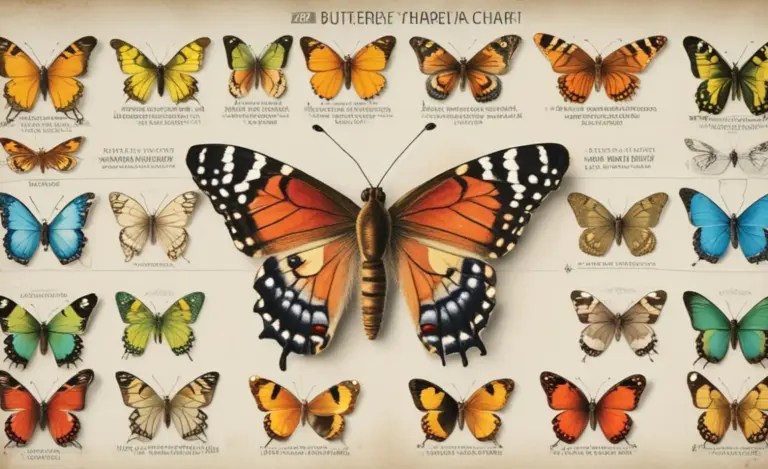
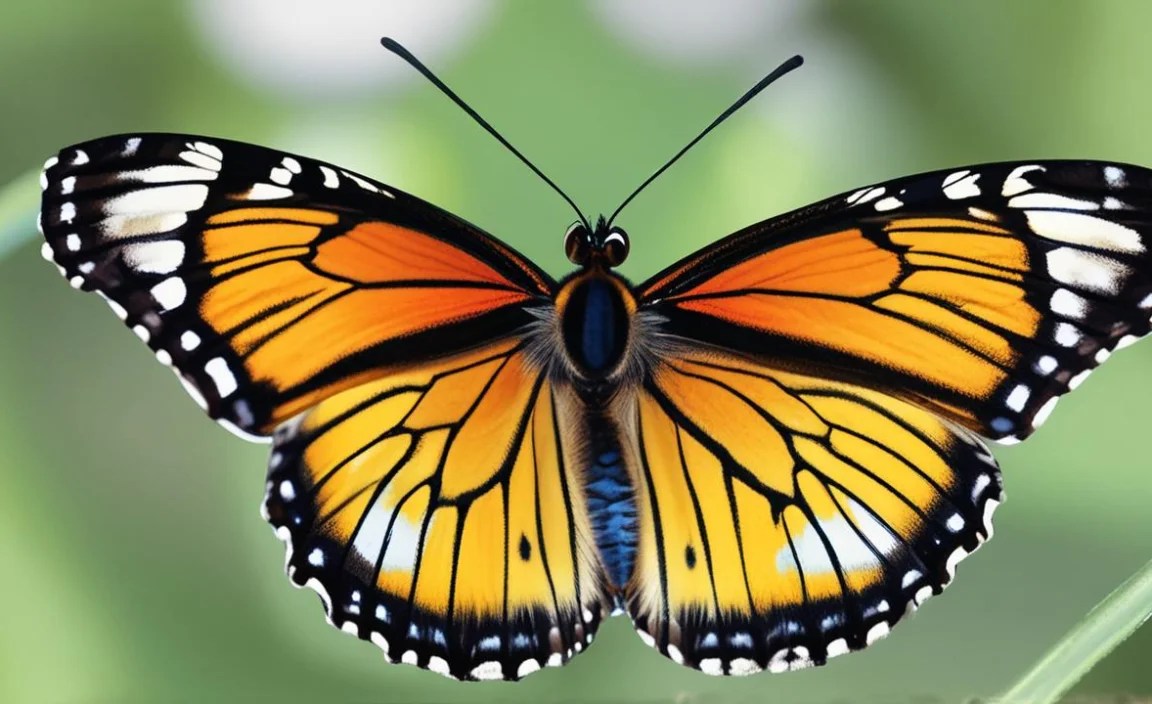
- Observe Wing Patterns: Pay attention to the colors, shapes, and patterns on both the upper and lower sides of the wings.
- Note Size and Shape: Consider the butterfly’s overall size and the shape of its wings.
- Examine Antennae: Butterfly antennae have clubbed tips, while moth antennae are feathery or threadlike.
- Consider Behavior: Some butterflies have distinctive flight patterns or feeding preferences.
- Use a Magnifying Glass: A magnifying glass can help you see fine details on the wings.
Step 3: Gather Your Equipment
You don’t need a lot of fancy equipment to participate in a butterfly survey. Here’s a basic checklist:
- Field Guide: For identifying butterflies.
- Binoculars: To get a closer look at butterflies that are far away.
- Notebook and Pencil: To record your observations.
- Camera: To take photos of butterflies for identification or documentation.
- GPS Device or Smartphone: To record the location of your survey site.
- Comfortable Shoes: You’ll be doing a lot of walking!
- Water and Snacks: Stay hydrated and energized.
- Sunscreen and Insect Repellent: Protect yourself from the elements.
Step 4: Choose a Survey Site
Select a survey site that is representative of the habitat you want to monitor. Consider:
- Butterfly Habitat: Look for areas with plenty of nectar sources (flowering plants) and host plants (plants that caterpillars feed on).
- Accessibility: Choose a site that is easy to access and safe to navigate.
- Permission: Obtain permission from the landowner if you are surveying on private property.
Tips for Enhancing Butterfly Habitat in Your Yard:
- Plant Native Flowers: Native plants provide the best nectar sources for butterflies.
- Include Host Plants: Research which plants are host plants for butterfly species in your area and plant them in your garden.
- Avoid Pesticides: Pesticides can harm or kill butterflies and other beneficial insects.
- Provide a Water Source: Butterflies need water, especially during hot weather. A shallow dish of water with pebbles for them to land on is ideal.
- Create a Sunny Spot: Butterflies need sunlight to warm their bodies.
Step 5: Conduct Your Survey
Follow the specific protocols outlined by the survey program you are participating in. Here are some general guidelines:
- Survey During Peak Butterfly Activity: Butterflies are most active on warm, sunny days with little or no wind.
- Walk a Predetermined Route: If the survey involves walking a transect, follow the designated route carefully.
- Identify and Count Butterflies: Identify each butterfly you see to species, if possible, and record the number of individuals.
- Record Environmental Conditions: Note the date, time, temperature, wind speed, and cloud cover.
- Submit Your Data: Submit your data to the survey program according to their instructions.
Step 6: Submit Your Data
Submitting your data is a crucial step in the citizen science process. Follow the specific instructions provided by the survey program you are participating in. Most programs have online data entry forms or mobile apps that make it easy to submit your observations. Be sure to double-check your data for accuracy before submitting it.
Tools and Resources for Butterfly Surveys

Here’s a table summarizing useful tools and resources for butterfly surveys:
| Resource | Description | Link |
|---|---|---|
| NABA Butterfly Counts | Organizes annual butterfly counts across North America. | NABA |
| eButterfly | Web-based platform for submitting butterfly sightings. | eButterfly |
| Journey North | Tracks monarch butterfly migrations. | Journey North |
| BugGuide.net | Online resource for insect identification. | BugGuide |
| iNaturalist | Platform for sharing and identifying observations of nature. | iNaturalist |
| Xerces Society | Invertebrate Conservation Organization | Xerces Society |
Understanding the Data You Collect
The data collected from citizen science butterfly surveys is used for a variety of purposes, including:
- Monitoring Population Trends: Scientists can track changes in butterfly populations over time.
- Assessing Habitat Quality: Butterfly abundance and diversity can indicate the health of a habitat.
- Understanding Climate Change Impacts: Butterfly distributions are shifting in response to climate change, and citizen science data can help track these changes.
- Informing Conservation Strategies: Data can be used to identify areas where conservation efforts are most needed.
By participating in citizen science butterfly surveys, you are contributing to a better understanding of these important insects and helping to protect them for future generations.
Tips for Accurate Data Collection
To ensure the data you collect is as accurate as possible, keep these tips in mind:
- Be Precise with Identification: Double-check your identifications using field guides and online resources. If you’re unsure, take a photo and consult with an expert.
- Record All Data Carefully: Pay attention to detail when recording your observations. Make sure your data is legible and complete.
- Follow Protocols Consistently: Adhere to the survey protocols as closely as possible. This ensures that your data is comparable to data collected by other volunteers.
- Be Honest About Uncertainties: If you’re not sure about something, it’s better to admit it than to guess. You can record “unidentified” or “unknown” if necessary.
Ethical Considerations
When conducting butterfly surveys, it’s important to be mindful of the environment and the butterflies themselves. Here are some ethical considerations to keep in mind:
- Avoid Disturbing Butterflies: Observe butterflies from a respectful distance and avoid touching or handling them unless necessary for identification.
- Stay on Marked Trails: Avoid trampling vegetation or disturbing wildlife habitats.
- Respect Private Property: Obtain permission before surveying on private land.
- Do Not Collect Butterflies: Unless you have a scientific permit, it is generally illegal and unethical to collect butterflies.
FAQ About Citizen Science Butterfly Surveys
Q: What if I can’t identify a butterfly?
A: Don’t worry! Take a photo and use online resources like BugGuide.net or iNaturalist to help. You can also consult with local butterfly experts or post the photo on butterfly identification forums. It’s okay to record it as “unidentified” if you’re unsure.
Q: Do I need any special skills to participate?
A: No special skills are required! A love for nature and a willingness to learn are the most important qualifications. Survey programs often provide training and resources to help you get started.
Q: How much time do I need to commit?
A: The time commitment varies depending on the survey program. Some surveys involve a few hours per week, while others are less frequent. Choose a program that fits your schedule.
Q: Can children participate in butterfly surveys?
A: Absolutely! Butterfly surveys are a great activity for children. They can learn about nature, develop observation skills, and contribute to scientific research. Adult supervision is recommended.
Q: What happens to the data I collect?
A: The data you collect is used by scientists to track butterfly populations, assess habitat quality, and understand the impacts of climate change. It helps inform conservation strategies and protect butterflies for future generations.
Q: Are butterfly surveys only for experts?
A: No, butterfly surveys are designed for people of all skill levels! Many programs offer training and resources to help beginners learn how to identify butterflies and collect data. It’s a great way to learn and contribute at the same time.
Q: What should I do if I see a rare or endangered butterfly?
A: Carefully document the sighting with photos and detailed notes, including the location, date, time, and habitat. Report the sighting to the survey program you are participating in or to a local conservation organization. This information can be valuable for protecting endangered species.
Conclusion
Citizen science butterfly surveys are a wonderful opportunity to connect with nature, learn about these fascinating creatures, and contribute to important scientific research. By following these steps and utilizing the available resources, you can become a valuable member of the citizen science community and help protect butterflies for generations to come. So, grab your field guide, head outdoors, and start counting! Every observation makes a difference.