
Species Identification Terms: The Ultimate Guide

Have you ever wondered what kind of bird is singing outside? Or what type of tree grows in your backyard? Learning about nature is fun. But do you know how to tell different plants and animals apart? Scientists use special tools and methods. These help with species identification terms. It’s like being a detective in the natural world!
Have you ever seen a butterfly and wondered what kind it was? Or found a cool bug and wanted to know its name? Knowing how to identify species opens up a whole new world. It helps us understand and protect our planet. Let’s learn how!
Identifying living things is important. Species identification terms help us do just that. It lets us understand our world better. Ready to become a nature expert? Let’s start our journey into the wild!
Key Takeaways
- Species identification terms are important for knowing and protecting our planet.
- Field guides and online tools can help you identify different species.
- Looking at key features like leaf shape or animal tracks is very useful.
- Scientists use DNA to identify species that look very similar.
- Anyone can learn to identify species with practice and the right tools.
Understanding Species Identification Terms

Species identification terms are the words and phrases scientists use to name and classify living things. These terms help us organize and understand the vast diversity of life on Earth. When we use these terms, we can communicate clearly about specific animals, plants, and other organisms. It’s like having a secret code that only nature experts know! But don’t worry, you can learn it too. Imagine trying to talk about a specific type of bird without knowing its name. It would be very confusing. Instead, you can say “American Robin” and everyone knows exactly what you mean. This is why these terms are so important. They give us a common language for talking about nature.
- Terms help us organize living things.
- We can communicate clearly.
- It is a common language for nature.
- Scientists use these terms.
- You can learn the terms too.
Have you ever noticed how some dogs look very different from each other? Even though they are all dogs, they belong to different breeds. Species identification terms help us understand these differences. They allow scientists to group similar organisms together. This makes it easier to study them and learn about their unique characteristics. Think of it like sorting your toys. You might put all your cars in one box and all your dolls in another. Scientists do the same thing with living things. They group them based on their similarities and differences. This helps us understand how everything is connected in the natural world. It also helps us protect endangered species.
Fun Fact or Stat: There are about 8.7 million species of plants and animals on Earth. But scientists think we have only identified about 1.2 million of them!
Why Are Scientific Names Important?
Have you ever heard of a cougar, a puma, and a mountain lion? These are all different names for the same animal! This is why scientists use scientific names. Scientific names are universal. They avoid confusion caused by common names that vary from place to place. A scientific name is like having a unique ID for each species. It ensures that everyone is talking about the same organism, no matter where they are. These names are usually in Latin. This is a language that scientists all over the world understand. Using scientific names helps scientists communicate clearly and accurately. It also helps prevent misunderstandings that could arise from using different common names.
How Do Scientists Classify Species?
Imagine you have a big box of LEGO bricks. How would you organize them? Maybe by color, size, or shape. Scientists classify species in a similar way. They look at different characteristics. These include physical traits, genetic information, and evolutionary history. This helps them group organisms. It also shows how they are related to each other. The system they use is called taxonomy. It’s like a big family tree for all living things. This system helps us understand how different species are connected. It also allows us to trace their origins back through time. It’s like uncovering the secrets of the natural world!
What is Binomial Nomenclature?
Binomial nomenclature is a fancy term. It means “two-name naming system.” It is the way scientists give each species a unique scientific name. The first name is the genus. It’s like the last name in a human name. The second name is the species. It’s like the first name. Together, these two names identify a specific organism. For example, the scientific name for humans is Homo sapiens. Homo is the genus, and sapiens is the species. This system makes it easy to identify each species. It also shows how closely related different species are. It’s a simple yet powerful way to organize the natural world.
Using Field Guides for Species Identification

Field guides are like treasure maps for nature. They show you how to identify plants and animals in the wild. These guides have pictures, descriptions, and helpful tips. They help you tell one species from another. Imagine you are hiking in the forest. You see a beautiful flower, but you don’t know its name. A field guide can help you find it. You can look at the pictures and read the descriptions. Then, you can compare what you see with what’s in the guide. Soon, you’ll know exactly what kind of flower you found. Field guides are like having an expert with you wherever you go. They are a great way to learn about the natural world.
- Field guides have pictures.
- They have descriptions and tips.
- Guides help you learn names.
- They are like treasure maps.
- You can use them anywhere.
- Field guides are very helpful.
Have you ever tried to identify a bird by its song? It can be tricky! But field guides often include information about bird songs and calls. This can help you identify birds even if you can’t see them clearly. Some guides even come with recordings of bird songs. This makes it even easier to learn the different sounds. Imagine sitting in your backyard. You hear a bird singing a beautiful melody. You can use your field guide to identify the bird. Soon, you’ll be able to recognize different bird songs. It’s like learning a new language! Field guides open up a whole new world of nature for you to explore.
Fun Fact or Stat: The first field guide was published in 1896. It was called “A Handbook of the Birds of Eastern North America.”
What Features Do Field Guides Highlight?
Field guides highlight important features. These features help you identify species. For plants, they might focus on leaf shape, flower color, or bark texture. For animals, they might focus on size, shape, color, or markings. They may also describe the animal’s habitat and behavior. Imagine you are trying to identify a tree. The field guide might tell you to look at the shape of the leaves. Are they round or pointy? Are they smooth or jagged? The guide might also tell you to look at the bark. Is it smooth or rough? By looking at these features, you can narrow down the possibilities. You’ll soon be able to identify the tree with confidence.
How Are Field Guides Organized?
Field guides are usually organized by group. For example, there might be a section for birds, a section for mammals, and a section for trees. Within each section, species are often grouped by family or genus. This makes it easier to find the species you are looking for. Imagine you want to identify a type of butterfly. You would go to the butterfly section of the field guide. Then, you would look at the pictures and descriptions of different butterfly species. You can compare what you see with what’s in the guide. This helps you narrow down the possibilities. Soon, you’ll be able to identify the butterfly with confidence.
Can Online Resources Replace Field Guides?
Online resources can be helpful for species identification. But they are not always as reliable as field guides. Field guides are usually written by experts. They are carefully reviewed for accuracy. Online resources can be created by anyone. It is important to be careful when using online resources. Look for websites that are created by reputable organizations. Check the information to make sure it is accurate. Online resources can be a good supplement to field guides. But they should not be used as a replacement. Field guides are still the best way to learn about the natural world.
Key Characteristics for Plant Species Identification

Identifying plants can be fun and rewarding. It helps you appreciate the diversity of the plant kingdom. But how do you tell one plant from another? There are many key characteristics to look for. These include leaf shape, flower color, stem structure, and fruit type. Imagine you are walking through a garden. You see two plants that look similar. But when you look closely, you notice some differences. One plant has round leaves. The other plant has pointy leaves. One plant has red flowers. The other plant has yellow flowers. By paying attention to these details, you can identify the plants. You’ll be amazed at how much you can learn about the plant world!
- Look at the leaf shape.
- Note the flower color.
- Check the stem structure.
- Examine the fruit type.
- Consider the plant’s size.
Have you ever wondered why some trees have smooth bark? And others have rough bark? Bark texture is another important characteristic for plant identification. Some trees have bark that peels off in thin strips. Others have bark that is deeply furrowed. The color of the bark can also be helpful. Some trees have light-colored bark. Others have dark-colored bark. By paying attention to these details, you can identify different types of trees. It’s like learning a secret code that unlocks the mysteries of the forest. Each tree has its own unique story to tell.
Fun Fact or Stat: The world’s tallest tree is a coast redwood named Hyperion. It is over 379 feet tall!
What Can Leaf Shape Tell You?
Leaf shape is one of the most important characteristics for plant identification. Leaves can be simple or compound. Simple leaves have one blade. Compound leaves have multiple leaflets. The shape of the leaf blade can also vary. Some leaves are round. Some are oval. Some are heart-shaped. Some are needle-like. The edges of the leaf can also be different. Some leaves have smooth edges. Some have toothed edges. Some have lobed edges. By paying attention to these details, you can identify different types of plants. It’s like learning the alphabet of the plant world. Each leaf has its own unique shape and story to tell.
How Does Flower Color Aid Identification?
Flower color is another important characteristic for plant identification. Flowers come in a wide variety of colors. Some are red. Some are yellow. Some are blue. Some are white. The color of the flower can help you narrow down the possibilities. Some plants have flowers that are only one color. Others have flowers that are multiple colors. The pattern of the colors can also be helpful. Some flowers have spots or stripes. Others have a solid color. By paying attention to these details, you can identify different types of plants. It’s like painting a picture with the colors of nature. Each flower has its own unique hue and beauty.
Why is Stem Structure Important?
Stem structure can also be helpful for plant identification. Some plants have woody stems. These are called trees or shrubs. Other plants have herbaceous stems. These are called herbs or wildflowers. The way the stem grows can also be different. Some plants have stems that grow upright. Others have stems that grow along the ground. The surface of the stem can also be helpful. Some stems are smooth. Others are hairy. By paying attention to these details, you can identify different types of plants. It’s like building a structure with the materials of nature. Each stem has its own unique form and function.
Animal Species Identification: Key Features

Identifying animals can be an exciting adventure. It helps you connect with the wildlife around you. But how do you tell one animal from another? There are many key features to look for. These include size, shape, color, markings, and behavior. Imagine you are watching birds in your backyard. You see two birds that look similar. But when you look closely, you notice some differences. One bird is larger than the other. One bird has a long beak. The other bird has a short beak. By paying attention to these details, you can identify the birds. You’ll be amazed at how much you can learn about the animal world!
- Look at the animal’s size.
- Note the animal’s shape.
- Check the animal’s color.
- Examine the animal’s markings.
- Consider the animal’s behavior.
Have you ever tried to identify an animal by its tracks? It can be a fun challenge. Animal tracks can tell you a lot about the animal. You can learn about its size, shape, and how it moves. Some animals have tracks that are very distinctive. Others have tracks that are more difficult to identify. By learning to recognize different animal tracks, you can become a wildlife detective. It’s like reading a story written in the snow or mud. Each track has its own unique tale to tell.
Fun Fact or Stat: The fastest land animal is the cheetah. It can run up to 75 miles per hour!
What Can Size and Shape Tell You?
Size and shape are important characteristics for animal identification. Some animals are large. Others are small. The overall shape of the animal can also vary. Some animals are long and slender. Others are short and stocky. The shape of the animal’s body can tell you a lot about how it lives. For example, animals that are good at running often have long legs and a streamlined body. Animals that are good at climbing often have sharp claws and a flexible body. By paying attention to size and shape, you can narrow down the possibilities. You’ll soon be able to identify the animal with confidence.
How Does Color and Markings Help?
Color and markings are also helpful for animal identification. Animals come in a wide variety of colors. Some are bright and colorful. Others are dull and camouflaged. The patterns of the colors can also be helpful. Some animals have spots. Others have stripes. Others have blotches. The colors and markings can help the animal blend in with its environment. They can also help it attract a mate. By paying attention to these details, you can identify different types of animals. It’s like looking at a work of art created by nature. Each animal has its own unique palette and design.
Why is Behavior Important?
Behavior is another important characteristic for animal identification. How does the animal move? What does it eat? Where does it live? These are all important questions to ask. Some animals are active during the day. Others are active at night. Some animals are solitary. Others live in groups. The behavior of the animal can tell you a lot about its lifestyle. It can also help you identify the animal. By observing the animal’s behavior, you can learn more about its role in the ecosystem. It’s like watching a play unfold in the natural world. Each animal has its own unique part to play.
Using Technology in Species Identification
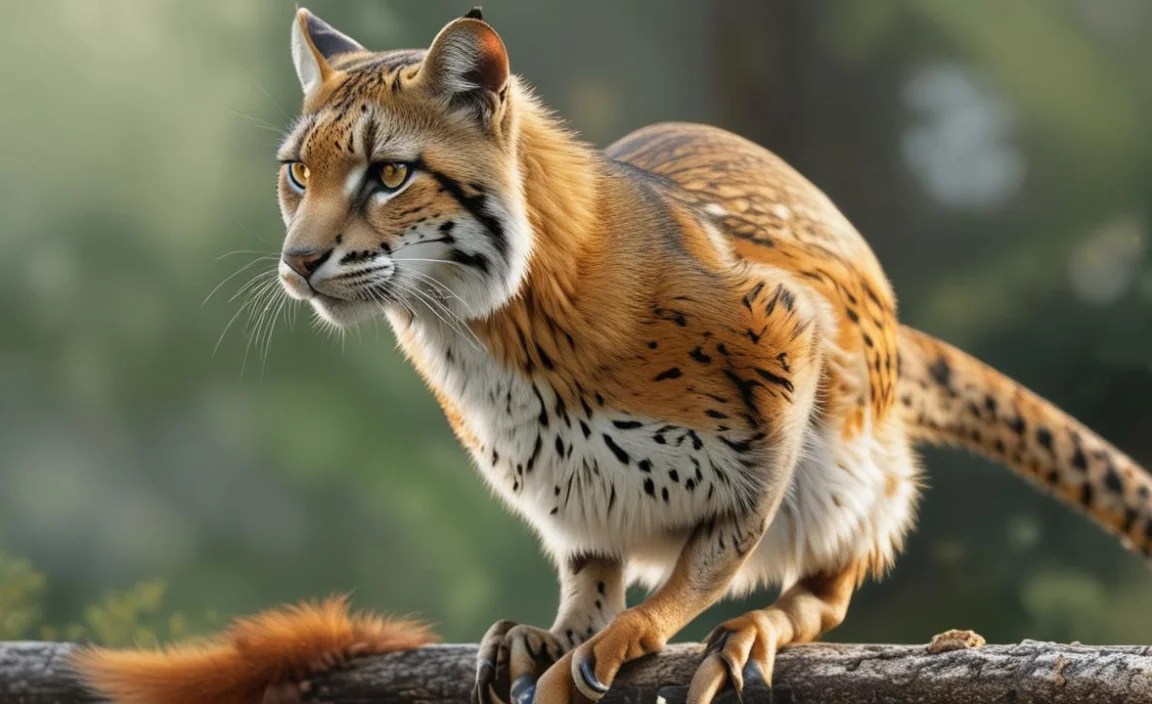
Technology is changing the way we identify species. New tools and techniques are making it easier than ever to learn about the natural world. From smartphone apps to DNA analysis, technology is opening up new possibilities for species identification. Imagine you are hiking in the forest. You see a plant you don’t recognize. You can take a picture of it with your smartphone. Then, you can use a plant identification app to identify the species. Technology is putting the power of species identification in your hands.
- Smartphone apps help identify species.
- DNA analysis reveals hidden identities.
- Remote sensing monitors populations.
- Citizen science uses technology.
- Technology is always improving.
Have you ever heard of citizen science? Citizen science projects allow anyone to contribute to scientific research. You can use your smartphone to collect data on plant and animal species. Then, you can share your data with scientists. This helps them track populations and learn more about the natural world. Citizen science is a great way to get involved in scientific research. It’s also a fun way to learn about the species around you. Technology is making it easier than ever to participate in citizen science projects.
Fun Fact or Stat: The iNaturalist app has over 30 million observations of plants and animals from around the world.
How Do Smartphone Apps Help?
Smartphone apps use image recognition technology. This allows you to identify species by simply taking a picture. The app compares the picture to a database of images. Then, it provides you with a list of possible matches. Some apps also use location data to narrow down the possibilities. This is because some species are only found in certain areas. Smartphone apps are a great way to quickly identify species. They are also a fun way to learn about the natural world. However, it’s important to remember that apps are not always accurate. It’s always a good idea to double-check the identification with a field guide or other reliable source.
What is DNA Barcoding?
DNA barcoding is a technique that uses DNA to identify species. Scientists take a small sample of DNA from an organism. Then, they compare it to a database of DNA sequences. This allows them to identify the species. DNA barcoding is particularly useful for identifying species that are difficult to tell apart. It can also be used to identify species from small or damaged samples. For example, scientists can use DNA barcoding to identify the species of a piece of wood. DNA barcoding is a powerful tool for species identification.
How Does Remote Sensing Aid Research?
Remote sensing uses satellites and aircraft to collect data about the Earth’s surface. This data can be used to monitor plant and animal populations. For example, scientists can use remote sensing to track the movement of herds of animals. They can also use it to map the distribution of different plant species. Remote sensing is a valuable tool for conservation and research. It allows scientists to study large areas quickly and efficiently. It also allows them to monitor changes in the environment over time. Remote sensing is helping us understand and protect our planet.
Challenges in Species Identification
Species identification terms can be challenging. Sometimes, species look very similar to each other. This can make it difficult to tell them apart. Other times, species are rare or endangered. This can make it difficult to find them. Climate change is also making species identification more difficult. As the climate changes, species are moving to new areas. This can make it difficult to know what to expect in a given location. Despite these challenges, species identification is still an important task. It helps us understand and protect the natural world.
- Similar species cause confusion.
- Rare species are hard to find.
- Climate change shifts species.
- Hybridization complicates matters.
- Expertise is not always available.
Have you ever heard of a hybrid? A hybrid is an organism that is the offspring of two different species. Hybrids can be difficult to identify. This is because they have characteristics of both parent species. For example, a hybrid oak tree might have leaves that are shaped like both parent species. This can make it difficult to tell what kind of oak tree it is. Hybridization is becoming more common as species move to new areas. This is making species identification even more challenging. But with the right tools and knowledge, it is still possible to identify hybrids.
Fun Fact or Stat: Some species can change their appearance depending on the environment. This is called phenotypic plasticity.
Why Are Similar Species Confusing?
Similar species can be confusing because they share many of the same characteristics. This can make it difficult to tell them apart. For example, there are many different species of sparrows. They all look very similar to each other. They are all small, brown birds with streaky markings. It takes a lot of practice to be able to identify different sparrow species. The best way to learn is to study field guides and practice observing birds in the field. With time and effort, you can become a sparrow expert.
What Makes Rare Species Hard to Find?
Rare species are hard to find because they are, well, rare! They only occur in small numbers. They may also live in remote or inaccessible areas. This can make it difficult to study them. Scientists often have to spend a lot of time and effort to find rare species. They may use special techniques, such as tracking or trapping. They may also rely on information from local people. Protecting rare species is important. They play a vital role in the ecosystem. They also have unique genetic characteristics.
How Does Climate Change Affect Identification?
Climate change is affecting species identification in several ways. First, it is causing species to move to new areas. This can make it difficult to know what to expect in a given location. Second, it is causing some species to change their appearance. This can make it difficult to identify them. Third, it is increasing the frequency of extreme weather events. This can damage habitats and make it difficult for species to survive. Climate change is a major threat to biodiversity. It is also making species identification more challenging.
The Role of Experts in Species Identification
Experts play a vital role in species identification terms. They have the knowledge and experience to identify even the most difficult species. They also help to train the next generation of experts. Experts work in a variety of settings. These include museums, universities, and government agencies. They conduct research, teach classes, and provide advice to the public. Experts are essential for understanding and protecting biodiversity. They help us to learn about the species around us. They also help us to conserve them for future generations.
- Experts identify difficult species.
- They train new experts.
- Experts conduct research.
- They advise the public.
- Experts protect biodiversity.
Have you ever wondered how scientists discover new species? It’s often the work of experts. Experts travel to remote areas. They collect specimens. They study them in the lab. They compare them to known species. If they find something new, they publish their findings in a scientific journal. Discovering new species is an exciting process. It helps us to understand the diversity of life on Earth. It also helps us to protect it.
Fun Fact or Stat: There are over 1.7 million named species on Earth. But scientists estimate that there are still millions more to be discovered.
What Skills Do Experts Possess?
Experts possess a wide range of skills. They have a deep knowledge of taxonomy and systematics. They are also skilled at using field guides and other identification tools. They are able to identify species based on their physical characteristics, behavior, and habitat. They are also able to use DNA analysis to identify species. Experts are also good communicators. They can explain complex information in a clear and concise way. They are also passionate about sharing their knowledge with others. Experts are essential for understanding and protecting biodiversity.
How Do Experts Train Newcomers?
Experts train newcomers in a variety of ways. They teach classes. They lead field trips. They mentor students. They also provide opportunities for hands-on experience. Newcomers learn by working alongside experts. They learn how to identify species. They also learn how to collect data. They learn how to conduct research. Experts also encourage newcomers to develop their own interests and skills. They help them to become the next generation of experts. Training new experts is essential for the future of biodiversity conservation.
Where Can You Find Species Identification Experts?
You can find species identification terms experts in a variety of places. These include museums, universities, and government agencies. You can also find them online. Many experts have websites or blogs where they share their knowledge. You can also find them on social media. Experts are often willing to answer questions from the public. They are passionate about sharing their knowledge with others. If you have a question about species identification, don’t hesitate to reach out to an expert. They can help you to learn more about the natural world.
| Type of Expert | Where to Find Them | What They Do |
|---|---|---|
| Botanists | Universities, botanical gardens | Identify plants, study plant life |
| Zoologists | Museums, zoos | Identify animals, study animal behavior |
| Entomologists | Agricultural agencies, universities | Identify insects, study insect life cycles |
| Mycologists | Research labs, universities | Identify fungi, study fungal diseases |
Summary
Species identification terms are super important. They help us understand our world better. We can learn to identify plants and animals by looking at key features. Field guides and apps can help a lot. Experts play a big role too. They teach us and find new species. Even with challenges, learning about species is fun. It helps us protect our planet. Knowing the names and features of living things makes us better caretakers of Earth. By using species identification terms, we can all become nature detectives!
Conclusion
Learning about species identification terms opens up a new world. We can understand nature better. We can protect our planet. Anyone can learn. Use field guides, apps, and expert advice. Start exploring the world around you. Discover the names and stories of living things. Every plant and animal is unique. Understanding their differences is amazing.
Frequently Asked Questions
Question No 1: What does species identification terms mean?
Answer: Species identification terms are the names and words we use to tell apart different kinds of living things. Think of it like this: you have a name, and so does your friend. That’s how we know who is who! Plants and animals also have names that help us know what they are. This helps us talk about them clearly. It also helps us study them and protect them. So, it’s like giving each living thing its own special name tag!
Question No 2: Why is it important to identify species?
Answer: Identifying species is important for many reasons! It helps us understand how the world works. When we know what species live where, we can learn about ecosystems. We can see how different plants and animals depend on each other. It also helps us protect endangered species. If we know a species is in trouble, we can work to save it. Identifying species also helps us discover new medicines. Many medicines come from plants and animals. So, it’s like being a detective and a doctor all in one!
Question No 3: How can I learn to identify species?
Answer: Learning to identify species is easier than you think! Start with a field guide. These books have pictures and descriptions of plants and animals in your area. You can also use apps on your phone. These apps can identify species from photos. Go outside and explore! Look at the leaves of trees. Watch the birds in your backyard. Pay attention to the details. The more you practice, the better you’ll get. Learning species identification terms is like learning a new language. The more you use it, the easier it becomes.
Question No 4: What are some tools used for species identification terms?
Answer: There are many tools you can use to identify species. Field guides are a great place to start. They have pictures and descriptions of plants and animals. Binoculars can help you see birds and other animals from a distance. A magnifying glass can help you see small details, like the veins on a leaf. A camera can help you take pictures of things you want to identify later. And of course, there are smartphone apps. These apps can identify species from photos. So, gather your tools and get ready to explore!
Question No 5: What is DNA barcoding, and how does it help?
Answer: DNA barcoding is a special way to identify species. It uses a small piece of DNA, like a barcode on a product. Scientists compare this DNA to a big library of DNA from other species. This helps them figure out what kind of animal or plant it is. It’s super helpful when species look very similar. It can even help identify a species from a tiny piece of it. DNA barcoding is like having a super-powered magnifying glass for species identification terms!
Question No 6: What do I do if I can’t identify a species?
Answer: It’s okay if you can’t identify a species right away! Even experts sometimes have trouble. If you’re stuck, try taking a picture of it. Then, you can look it up in a field guide or online. You can also ask an expert for help. Many museums and nature centers have experts who can identify species for you. Don’t be afraid to ask questions. Learning about species identification terms is a journey. It’s okay to ask for help along the way!


