Schaus Swallowtail Species: Your Ultimate Guide

The Schaus swallowtail (Heraclides aristodemus ponceanus) is a large, beautiful butterfly native to South Florida. Sadly, it’s also endangered. Protecting its habitat and understanding its life cycle are key to helping this stunning species recover.
Have you ever dreamed of spotting a rare and magnificent butterfly in its natural habitat? The Schaus swallowtail, with its striking black and yellow wings, is a sight to behold. But these butterflies are in trouble, facing threats from habitat loss and hurricanes. The good news is that we can all play a part in helping them thrive again. This article will guide you through everything you need to know about the Schaus swallowtail, from its fascinating life cycle to how you can contribute to its conservation.
Ready to learn more about this incredible butterfly and how you can help save it? Let’s dive in!
What is the Schaus Swallowtail?
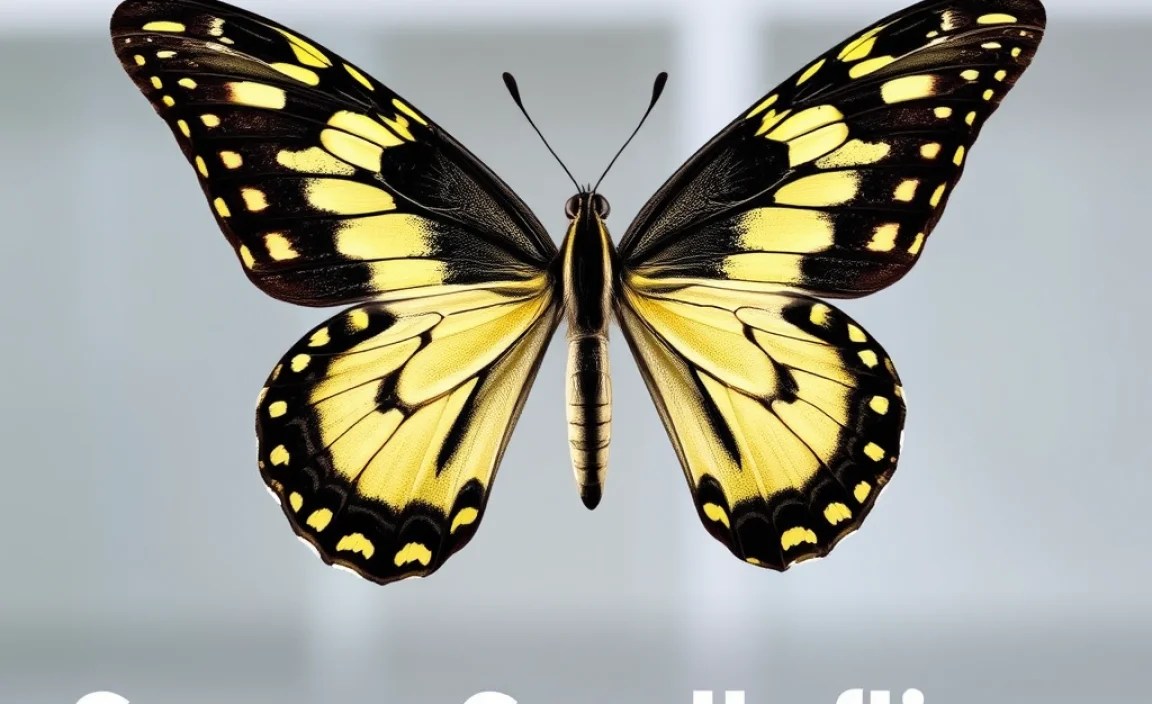
The Schaus swallowtail (Heraclides aristodemus ponceanus) is a subspecies of the more widespread island swallowtail butterfly. It’s primarily found in the hardwood hammocks of South Florida, particularly in Biscayne National Park and the Florida Keys. This butterfly is not only beautiful but also plays a vital role in its ecosystem as a pollinator.
Key Characteristics
- Size: Wingspan of 3 to 4 inches.
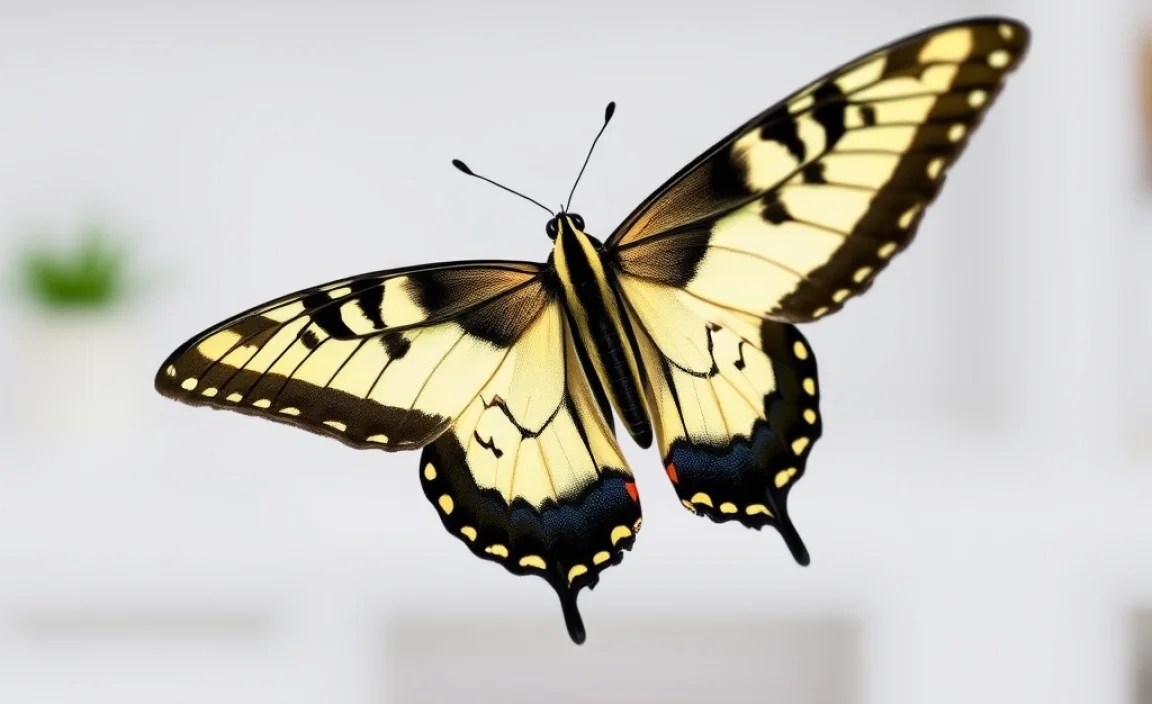
- Color: Predominantly black with yellow markings. A band of yellow spots runs along the edges of the wings, and the hindwings have a distinctive “tail.”
- Habitat: Tropical hardwood hammocks, which are dense forests with a mix of trees and shrubs.
- Endangered Status: Listed as an endangered species by the U.S. Fish and Wildlife Service.
Why is the Schaus Swallowtail Endangered?
Several factors have contributed to the Schaus swallowtail’s endangered status. Understanding these threats is crucial for effective conservation efforts.
Habitat Loss
The primary threat to the Schaus swallowtail is the destruction and fragmentation of its habitat. Hardwood hammocks have been cleared for development, agriculture, and roads, leaving the butterflies with fewer places to live and breed. This loss of habitat also reduces the availability of host plants for the caterpillars.
Pesticide Use
Pesticides used to control mosquitoes and other insects can be harmful to Schaus swallowtail caterpillars and adults. These chemicals can directly poison the butterflies or indirectly affect them by reducing the availability of their food sources.
Natural Disasters
Hurricanes and tropical storms can have devastating effects on Schaus swallowtail populations. High winds can destroy their habitat, and flooding can drown caterpillars and pupae. The limited range of the butterfly makes it particularly vulnerable to these events.
Climate Change
Changes in temperature and rainfall patterns due to climate change can also impact the Schaus swallowtail. These changes can affect the timing of their life cycle and the availability of host plants.
Life Cycle of the Schaus Swallowtail

Understanding the life cycle of the Schaus swallowtail is essential for protecting it. Each stage has unique requirements and vulnerabilities.
Egg Stage
The female Schaus swallowtail lays her eggs on the leaves of host plants, primarily torchwood (Amyris elemifera) and wild lime (Zanthoxylum fagara). The eggs are small and greenish-white.
Larval Stage (Caterpillar)
Once the eggs hatch, the caterpillars emerge and begin feeding on the host plant leaves. The caterpillars go through several instars (growth stages), shedding their skin as they grow. Early instar caterpillars are brown, resembling bird droppings, which helps them avoid predators. Later instars are greenish with white or yellowish markings.
Pupal Stage (Chrysalis)
When the caterpillar is fully grown, it pupates, forming a chrysalis. The chrysalis is typically green or brown and blends in with its surroundings. The pupal stage lasts for about two to three weeks.
Adult Stage
The adult Schaus swallowtail emerges from the chrysalis. It’s a beautiful butterfly with black wings and yellow markings. The adults feed on nectar from flowers, and the females lay eggs to start the cycle again. Adult Schaus swallowtails typically live for about a month.
Identifying the Schaus Swallowtail
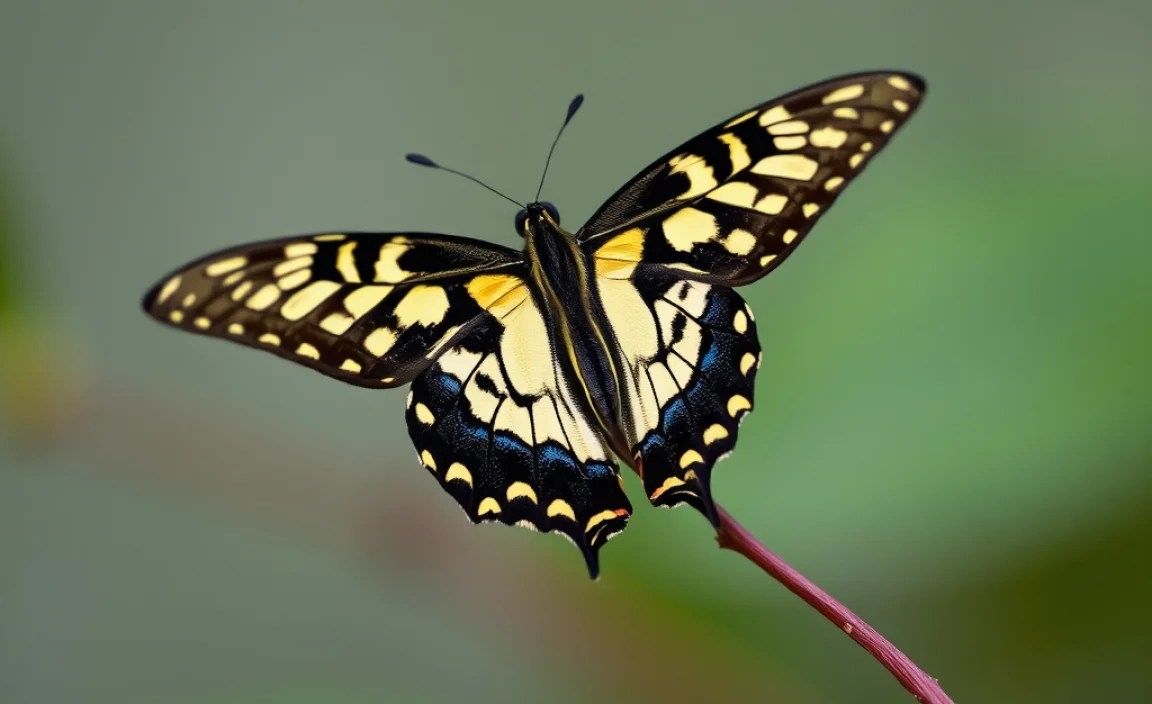
Identifying the Schaus swallowtail can be tricky, as it resembles other swallowtail species. Here are some key features to look for:
- Size: Relatively large, with a wingspan of 3 to 4 inches.
- Color: Predominantly black with yellow markings.
- Wing Pattern: A band of yellow spots along the edges of the wings. The hindwings have a distinctive “tail.”
- Location: Found in South Florida, particularly in Biscayne National Park and the Florida Keys.
If you’re unsure whether you’ve spotted a Schaus swallowtail, take a photo and consult with a local expert or butterfly enthusiast. Resources like the Florida Museum of Natural History can also help with identification.
How to Help the Schaus Swallowtail
There are many ways you can contribute to the conservation of the Schaus swallowtail. Every effort, no matter how small, can make a difference.
Plant Host Plants
One of the most effective ways to help the Schaus swallowtail is to plant its host plants in your yard or garden. Torchwood and wild lime are the primary host plants for the caterpillars. By providing these plants, you can create a habitat that supports the butterfly’s life cycle.
Avoid Pesticides
Pesticides can be harmful to Schaus swallowtails and other beneficial insects. Avoid using pesticides in your yard or garden, or choose organic and natural alternatives. Consider using integrated pest management (IPM) techniques, which focus on preventing pest problems through natural methods.
Support Habitat Conservation
Support organizations and initiatives that work to protect and restore hardwood hammocks in South Florida. This can include donating to conservation groups, volunteering for habitat restoration projects, and advocating for policies that protect natural areas.
Educate Others
Spread the word about the Schaus swallowtail and the importance of conservation. Talk to your friends, family, and neighbors about the threats facing this butterfly and what they can do to help. Share information on social media and participate in community events.
Report Sightings
If you see a Schaus swallowtail, report your sighting to a local conservation organization or government agency. This information can help scientists track the butterfly’s population and distribution, and identify important habitat areas.
Creating a Butterfly Garden for Schaus Swallowtails
A butterfly garden can provide a valuable habitat for Schaus swallowtails and other pollinators. Here are some tips for creating a butterfly garden that supports these beautiful creatures:
- Choose the Right Location: Select a sunny spot with well-drained soil. Butterflies need sunlight to warm their bodies and nectar-rich flowers to feed on.
- Plant Host Plants: Include torchwood and wild lime in your garden to provide food for Schaus swallowtail caterpillars.
- Plant Nectar Plants: Choose a variety of nectar-rich flowers that bloom throughout the year. Some good options include milkweed, lantana, and salvia.
- Provide Water: Butterflies need water to stay hydrated. Provide a shallow dish of water with pebbles or stones for them to land on.
- Avoid Pesticides: As mentioned earlier, avoid using pesticides in your garden, as they can harm butterflies and other beneficial insects.
- Provide Shelter: Plant trees and shrubs to provide shelter from wind and rain. Butterflies also need places to rest and hide from predators.
Conservation Efforts and Success Stories
Several organizations and agencies are working to protect the Schaus swallowtail. These efforts include habitat restoration, captive breeding programs, and public education campaigns. Here are some examples of successful conservation initiatives:
- Captive Breeding Programs: The University of Florida and other organizations have established captive breeding programs to increase the Schaus swallowtail population. Butterflies are raised in a controlled environment and then released into the wild.
- Habitat Restoration: Organizations like The Nature Conservancy are working to restore hardwood hammocks in South Florida. This includes removing invasive species, planting native trees and shrubs, and creating corridors between fragmented habitats.
- Pesticide Reduction: Efforts to reduce pesticide use in mosquito control programs have helped to protect Schaus swallowtails and other beneficial insects.
These conservation efforts have shown some success, with the Schaus swallowtail population increasing in recent years. However, continued efforts are needed to ensure the long-term survival of this endangered butterfly.
The Schaus Swallowtail and Climate Change
Climate change poses a significant threat to the Schaus swallowtail. Changes in temperature and rainfall patterns can affect the butterfly’s life cycle, habitat, and food sources.
Impacts of Climate Change
- Changes in Temperature: Warmer temperatures can cause the Schaus swallowtail to emerge earlier in the year, potentially disrupting its synchrony with its host plants.
- Changes in Rainfall: Changes in rainfall patterns can affect the availability of host plants and nectar sources. Droughts can stress plants and reduce their ability to produce food for butterflies.
- Sea Level Rise: Sea level rise can inundate low-lying hardwood hammocks, further reducing the butterfly’s habitat.
- Increased Frequency of Extreme Weather Events: Hurricanes and tropical storms are expected to become more frequent and intense due to climate change, posing a greater threat to Schaus swallowtail populations.
Mitigation Strategies
To mitigate the impacts of climate change on the Schaus swallowtail, it’s important to reduce greenhouse gas emissions and implement adaptation strategies. This can include:
- Reducing Carbon Footprint: Taking steps to reduce your carbon footprint, such as driving less, using public transportation, and conserving energy.
- Supporting Climate Action: Supporting policies and initiatives that aim to reduce greenhouse gas emissions and promote renewable energy.
- Habitat Restoration: Restoring and protecting hardwood hammocks to make them more resilient to climate change impacts.
- Assisted Migration: In some cases, it may be necessary to move Schaus swallowtail populations to more suitable habitats as climate conditions change.
Schaus Swallowtail: Fascinating Facts
Here are some fascinating facts about the Schaus swallowtail that highlight its unique characteristics and ecological importance:
| Fact | Description |
|---|---|
| Endangered Status | The Schaus swallowtail is listed as an endangered species by the U.S. Fish and Wildlife Service. |
| Host Plants | The caterpillars primarily feed on torchwood and wild lime. |
| Habitat | They are found in tropical hardwood hammocks in South Florida. |
| Wing Pattern | The wings are predominantly black with yellow markings and a distinctive “tail” on the hindwings. |
| Conservation Efforts | Captive breeding programs and habitat restoration projects are helping to increase the population. |
The Future of the Schaus Swallowtail
The future of the Schaus swallowtail depends on continued conservation efforts and a commitment to protecting its habitat. By working together, we can help ensure that this beautiful butterfly thrives for generations to come.
Challenges Ahead
- Habitat Loss: Continued development and habitat fragmentation remain a significant threat.
- Climate Change: The impacts of climate change are expected to worsen in the coming years.
- Funding: Adequate funding is needed to support conservation efforts and research.
Hope for the Future
- Increased Awareness: Growing awareness of the Schaus swallowtail and its plight can lead to greater support for conservation.
- Successful Conservation Programs: Captive breeding programs and habitat restoration projects have shown promising results.
- Community Involvement: Local communities can play a vital role in protecting the Schaus swallowtail through habitat restoration, education, and advocacy.
FAQ About Schaus Swallowtails
What does a Schaus swallowtail caterpillar eat?
Schaus swallowtail caterpillars primarily eat the leaves of torchwood and wild lime trees.
Where can I see a Schaus swallowtail in the wild?
You can find them in the hardwood hammocks of South Florida, particularly in Biscayne National Park and the Florida Keys.
What is the wingspan of a Schaus swallowtail?
The wingspan of a Schaus swallowtail is typically between 3 to 4 inches.
Why is the Schaus swallowtail endangered?
The Schaus swallowtail is endangered due to habitat loss, pesticide use, natural disasters, and climate change.
How can I help protect Schaus swallowtails?
You can help by planting host plants, avoiding pesticides, supporting habitat conservation, and educating others.
What is a hardwood hammock?
A hardwood hammock is a type of dense forest found in South Florida, characterized by a mix of trees and shrubs.
Are there other similar swallowtail species I might confuse it with?
Yes, it can resemble other swallowtail species, so pay close attention to the wing pattern and location.
Conclusion
The Schaus swallowtail is a symbol of the beauty and fragility of South Florida’s natural heritage. As we’ve explored, this endangered butterfly faces numerous threats, from habitat loss to climate change. However, armed with knowledge and a passion for conservation, we can make a real difference. By planting host plants, avoiding pesticides, supporting habitat restoration, and educating others, we can help ensure that the Schaus swallowtail continues to grace our skies for generations to come. Let’s all commit to being stewards of this incredible species and its precious habitat. Together, we can create a brighter future for the Schaus swallowtail and the ecosystems it calls home.