
Southeast Asian Butterfly Species: Ultimate Guide

Southeast Asia boasts a dazzling array of butterfly species! To identify these beauties, focus on wing patterns, size, habitat, and behavior. Common species include the Common Mormon, Clipper, and Cruiser butterflies. Observing their unique characteristics and preferred environments will help you distinguish them.
Have you ever been mesmerized by the fluttering wings of a butterfly, wondering what its name is? Southeast Asia is a hotspot for butterfly diversity, but identifying these delicate creatures can feel overwhelming. Don’t worry! This guide will walk you through the key features to look for, from wing patterns to habitat preferences. We’ll uncover some of the most common and captivating species. Get ready to transform your next nature walk into a fascinating butterfly safari!
Southeast Asian Butterfly Species: A Beginner’s Guide

Southeast Asia, with its lush rainforests and tropical climates, is a paradise for butterflies. The region’s diverse ecosystems support a vast array of species, each with unique colors, patterns, and behaviors. Identifying these butterflies can be a rewarding experience, deepening your appreciation for the natural world. Let’s explore the fascinating world of Southeast Asian butterflies and learn how to distinguish them.
Why Are There So Many Butterflies in Southeast Asia?

Several factors contribute to the incredible butterfly diversity in Southeast Asia:
- Climate: The warm, humid climate provides ideal conditions for butterfly breeding and activity year-round.
- Habitat Diversity: From dense rainforests to coastal mangroves, the region offers a wide range of habitats, each supporting different butterfly species.
- Abundant Food Sources: A rich variety of flowering plants and host plants provide ample food for butterfly larvae and adults.
- Geographic Location: Southeast Asia’s position as a crossroads between different biogeographic regions has led to the mixing of species from various origins.
Key Characteristics for Butterfly Identification
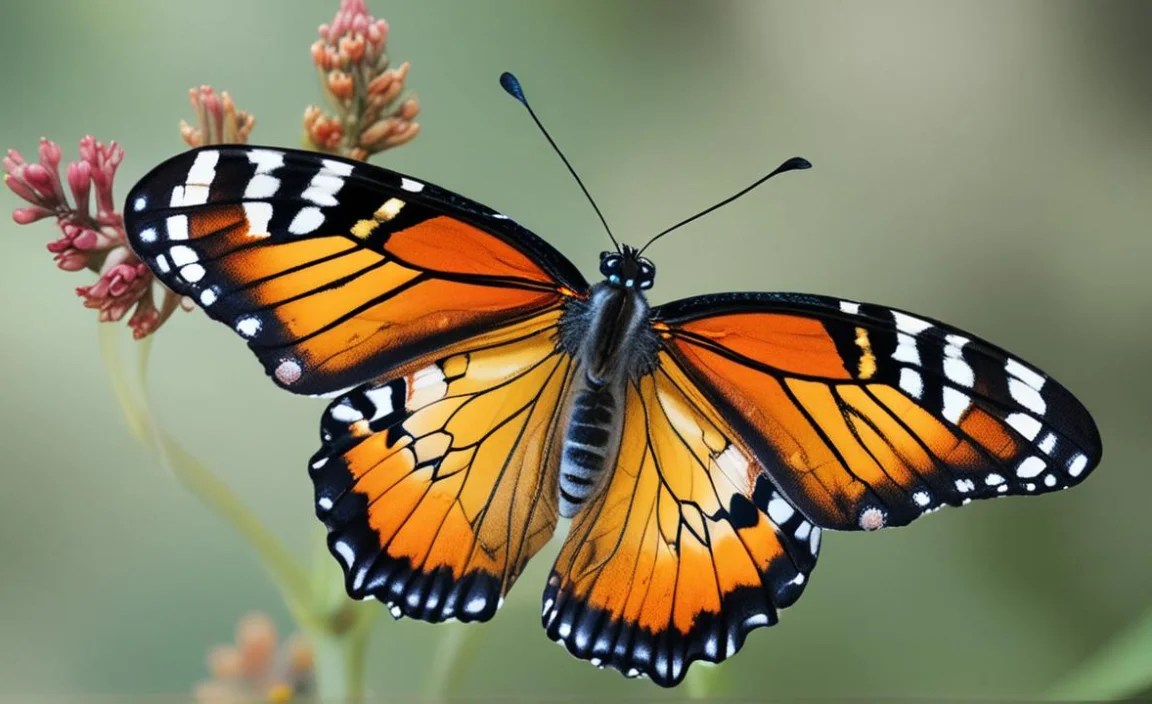
Identifying butterflies involves careful observation of several key features. Here’s what to look for:
1. Wing Patterns and Colors
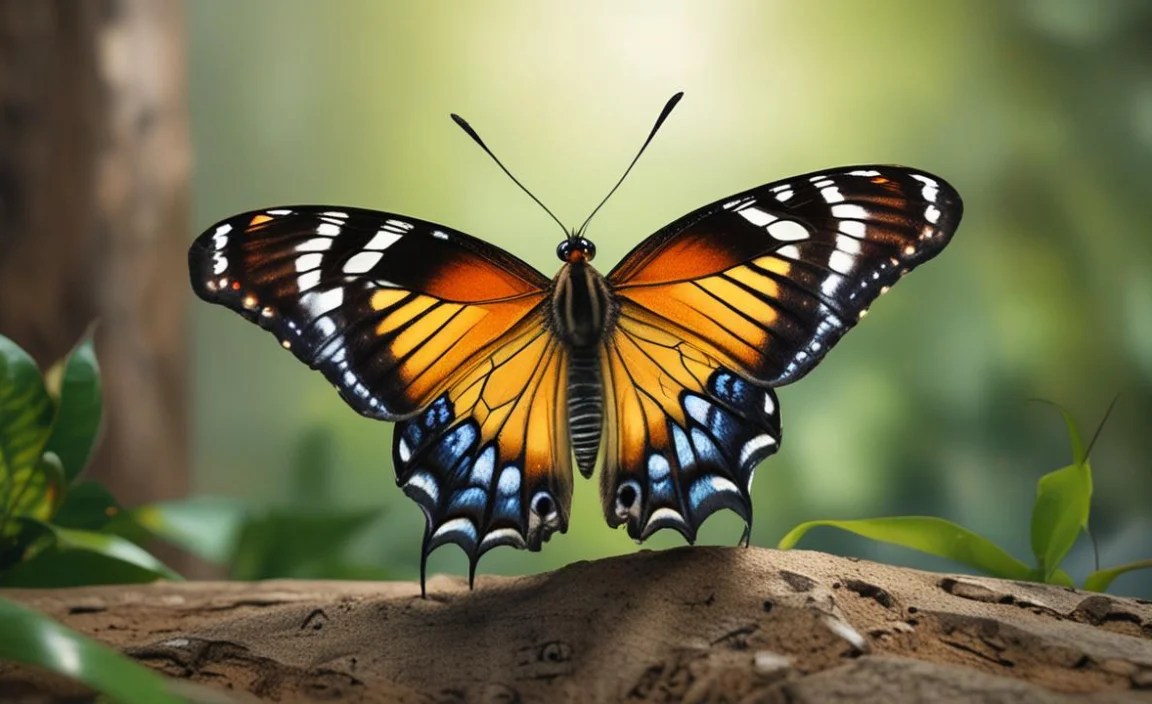
The most obvious characteristic is the pattern and color of the wings. Note the following:
- Color Combinations: Are the wings primarily one color, or do they feature multiple colors in distinct patterns?
- Spots and Bands: Look for spots, stripes, or bands on the wings. Note their shape, size, and arrangement.
- Eyespots: Some butterflies have eyespots, which are circular markings that resemble eyes. These can help deter predators.
- Wing Shape: Is the wing shape rounded, pointed, or elongated? Does it have tails or extensions?
2. Size and Shape
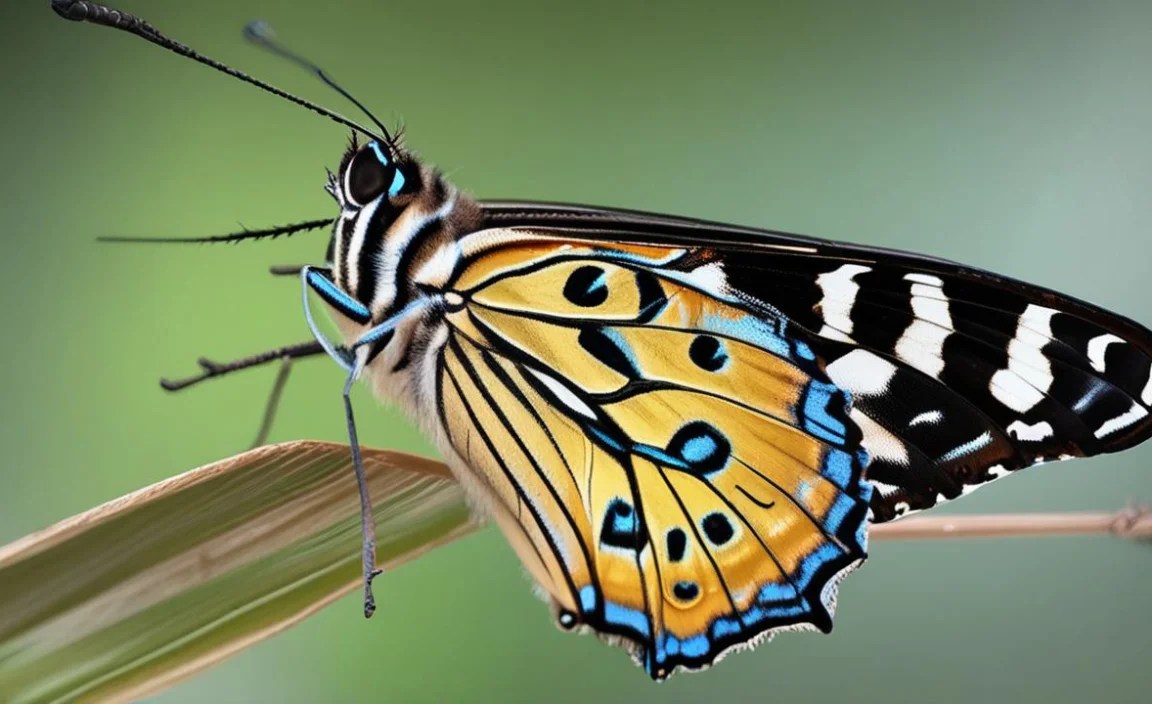
Butterfly size can vary significantly, even within the same family. Use a ruler or a common object (like a coin) to estimate the wingspan.
- Wingspan: Measure the distance from the tip of one wing to the tip of the other when the wings are fully extended.
- Body Shape: Observe the shape of the butterfly’s body. Is it slender or stout? What color is it?
3. Habitat and Location
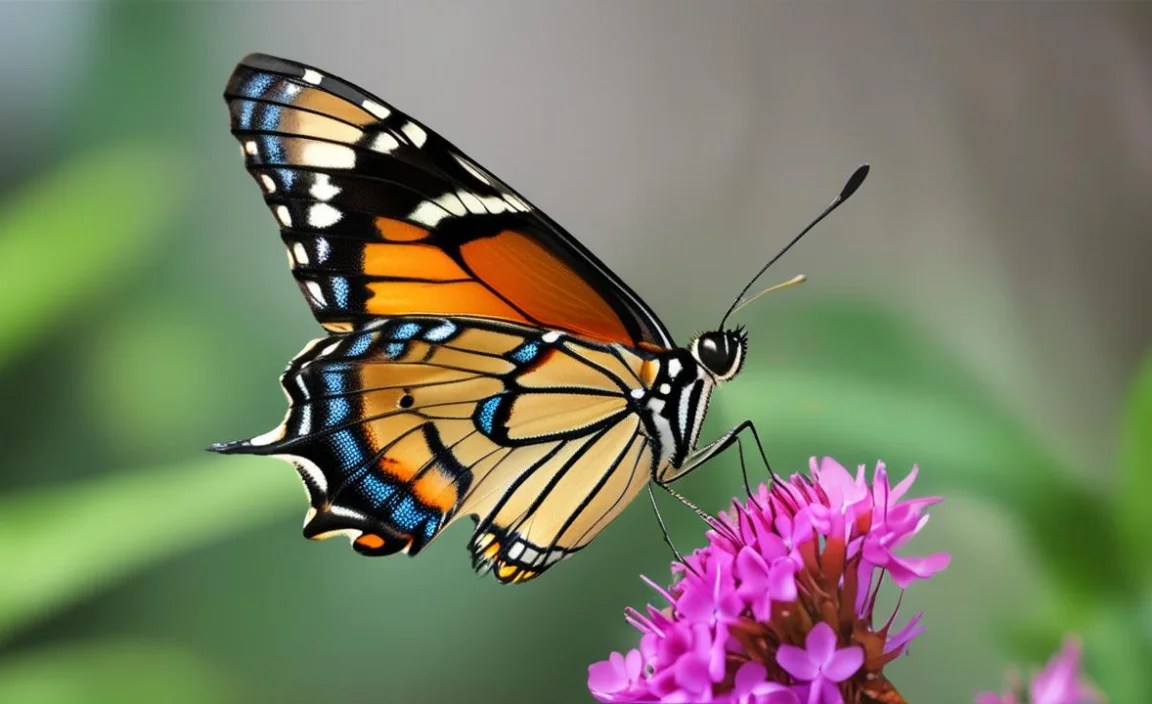
Knowing the butterfly’s habitat can narrow down the possibilities. Consider the following:
- Forests: Many species are found in rainforests, where they feed on nectar from forest flowers.
- Gardens: Some butterflies prefer gardens and parks, where they can find cultivated flowers.
- Open Fields: Others thrive in open fields and grasslands, feeding on wildflowers.
- Coastal Areas: Certain species are adapted to coastal environments, such as mangroves and beaches.
4. Behavior
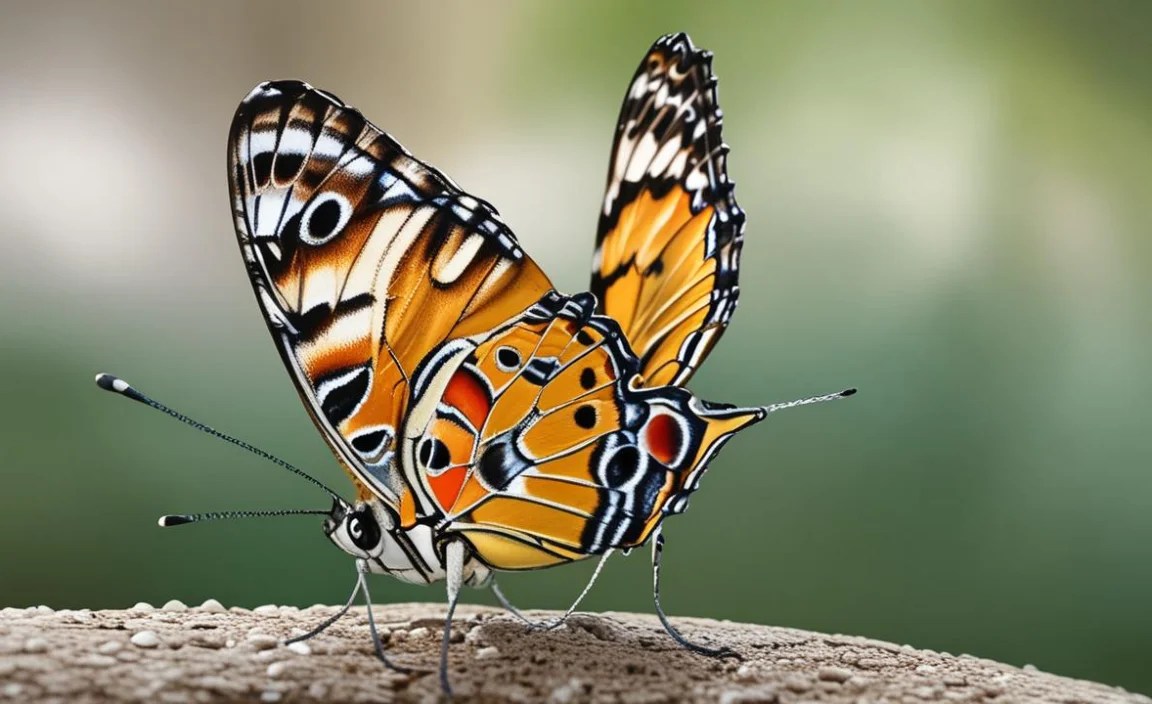
Observe how the butterfly behaves. This can provide clues to its identity.
- Flight Pattern: Is the flight erratic and fluttering, or is it more direct and purposeful?
- Feeding Habits: What type of flowers does the butterfly visit for nectar? Does it prefer sunny or shady spots?
- Resting Position: How does the butterfly hold its wings when at rest? Some species hold their wings open, while others fold them closed.
Common Southeast Asian Butterfly Species

Let’s explore some of the most commonly encountered butterfly species in Southeast Asia.
1. Common Mormon (Papilio polytes)
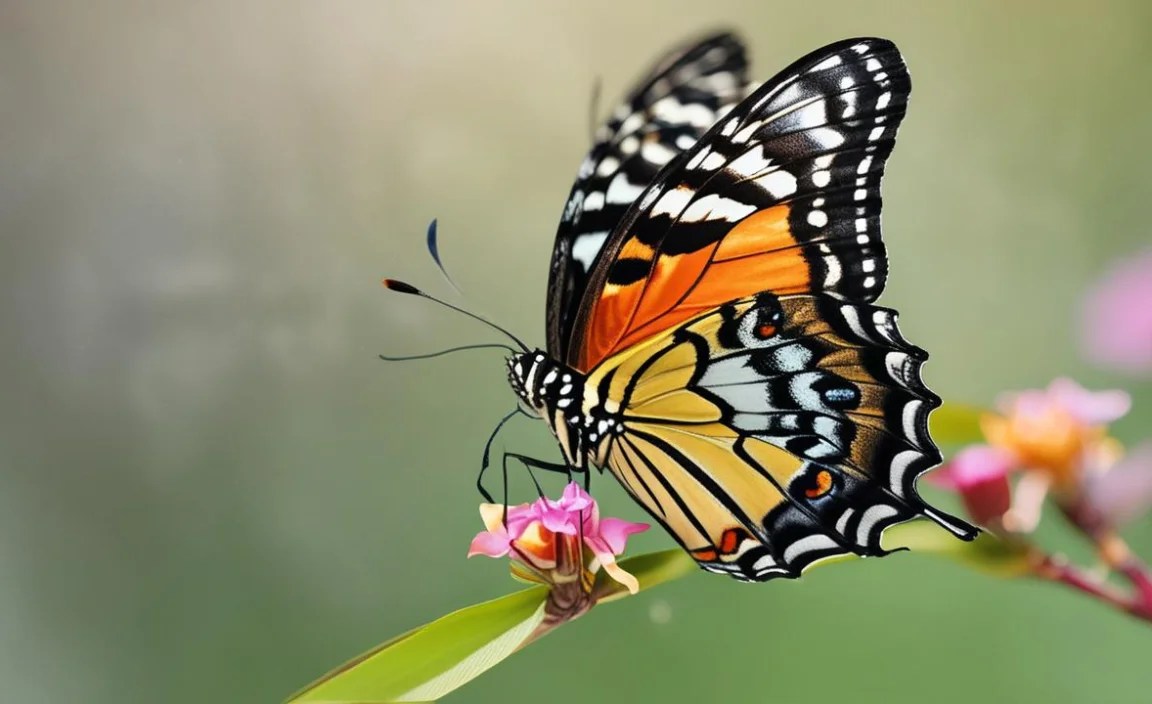
The Common Mormon is a widespread butterfly with several different female forms, mimicking poisonous butterflies for protection. Males are typically black with white spots, while females can vary in color and pattern.
- Wingspan: 8-12 cm
- Habitat: Gardens, forests, and open areas
- Key Features: Black wings with white or cream-colored spots (males); diverse female forms mimicking other butterflies.
The Common Mormon’s mimicry is a fascinating example of evolution in action. The females have evolved to resemble toxic butterfly species, deterring predators from attacking them.
2. Clipper (Parthenos sylvia)
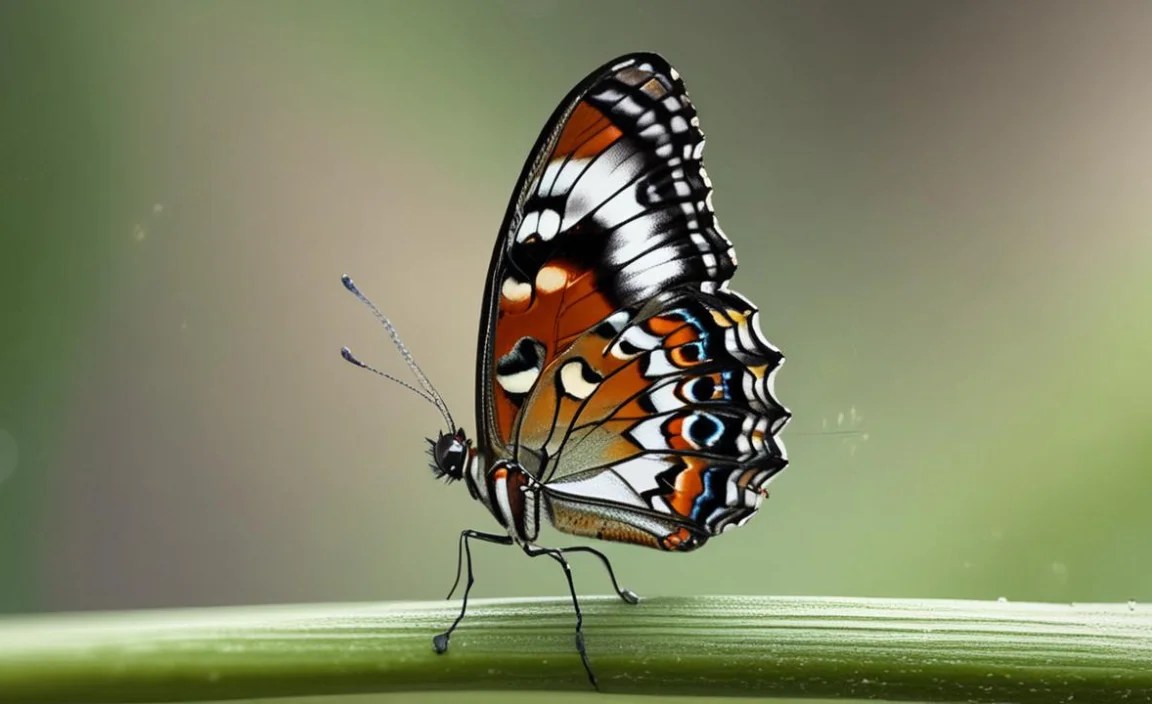
The Clipper is known for its rapid, gliding flight. It has distinctive orange and black markings on its wings.
- Wingspan: 7-9 cm
- Habitat: Forests and woodlands
- Key Features: Orange and black wings with a white band.
Clippers are often seen soaring through the forests of Southeast Asia, their vibrant colors flashing in the sunlight.
3. Cruiser (Vindula dejone)
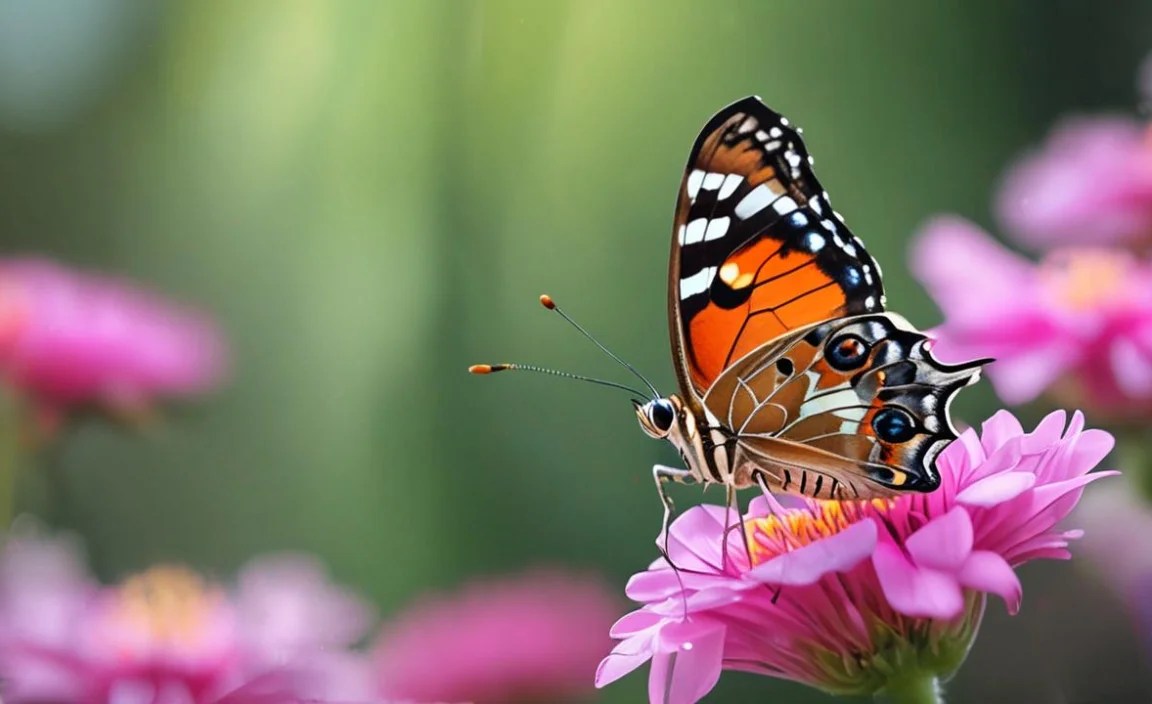
The Cruiser is a strong flyer with a distinctive orange and brown coloration. Males have a more vibrant orange color than females.
- Wingspan: 7-9 cm
- Habitat: Forests and forest edges
- Key Features: Orange and brown wings with intricate patterns. Males are brighter than females.
Cruisers are known for their habit of patrolling their territory, flying rapidly along forest paths and streams.
4. Plain Tiger (Danaus chrysippus)
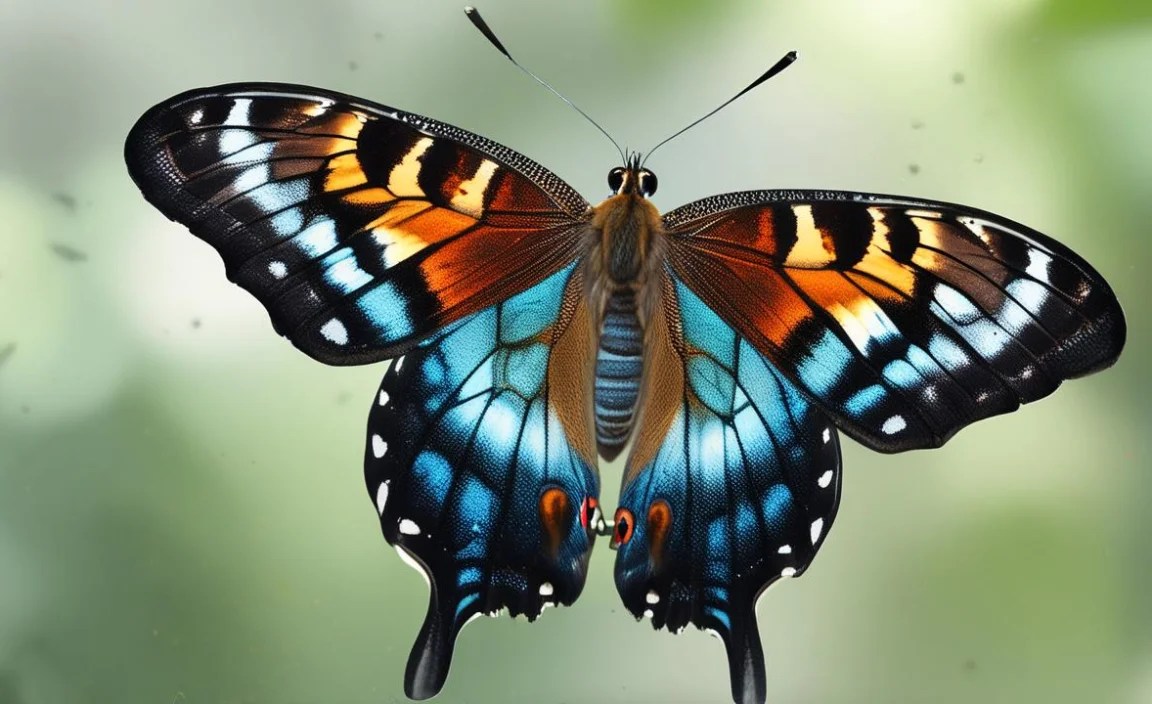
The Plain Tiger is a common butterfly with orange wings and black borders, often seen in open areas and gardens.
- Wingspan: 7-8 cm
- Habitat: Open areas, gardens, and grasslands
- Key Features: Orange wings with black borders and white spots.
Plain Tigers are known for their ability to tolerate a wide range of habitats, making them one of the most widespread butterflies in the region.
5. Bluebottle (Graphium sarpedon)
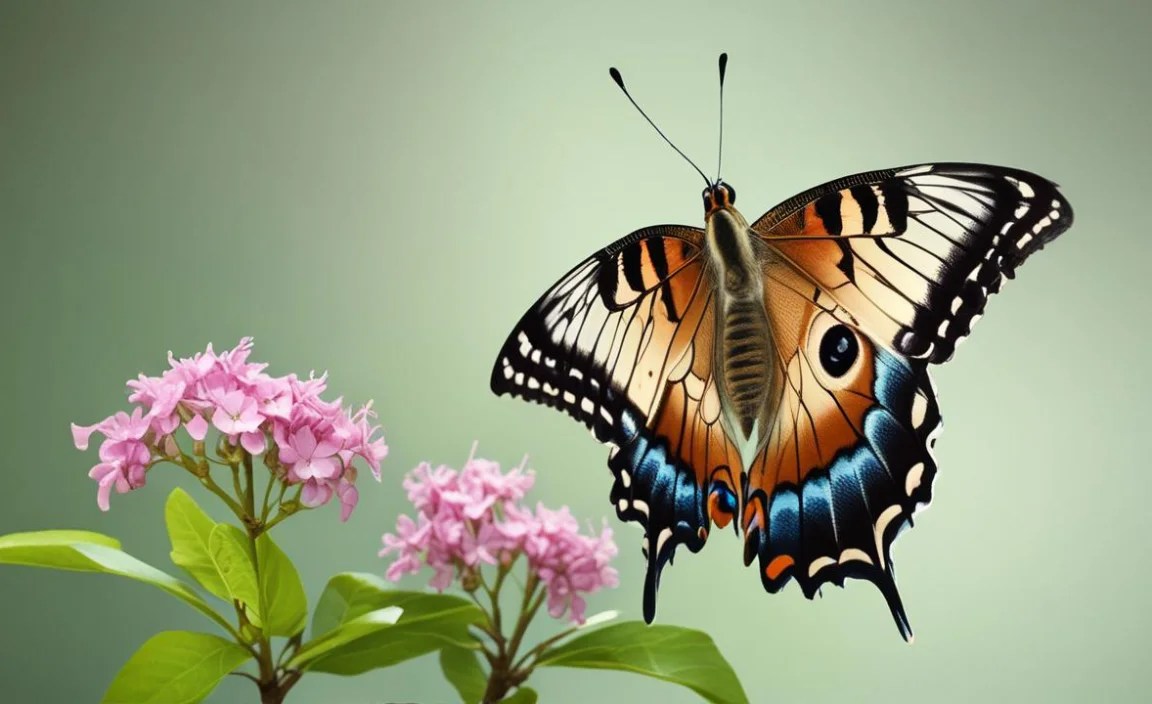
The Bluebottle is a striking butterfly with iridescent blue bands on its black wings. It is a fast flyer and is often seen near water sources.
- Wingspan: 5-7 cm
- Habitat: Forests, gardens, and near water sources
- Key Features: Black wings with iridescent blue bands.
Bluebottles are a favorite among butterfly enthusiasts due to their vibrant colors and graceful flight.
6. Chocolate Soldier (Junonia hedonia)
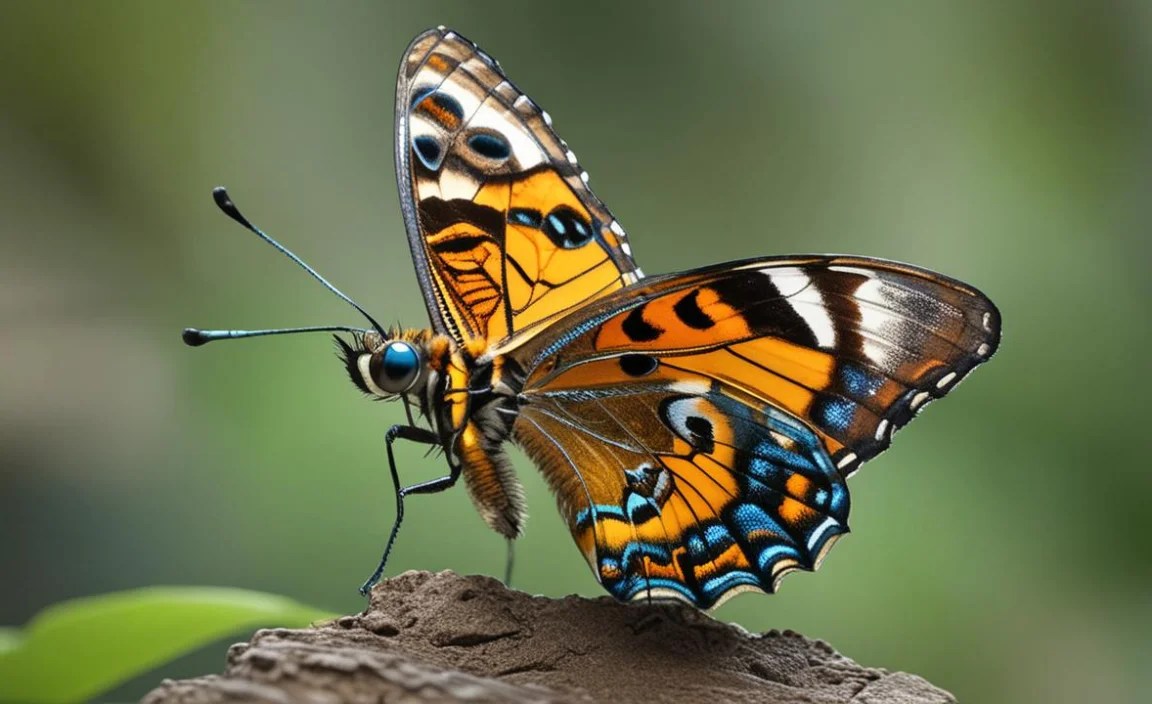
The Chocolate Soldier is named for its rich brown color. It has distinctive eyespots on its wings and is commonly found in gardens and open areas.
- Wingspan: 5-6 cm
- Habitat: Gardens, open areas, and forest edges
- Key Features: Brown wings with distinctive eyespots.
Chocolate Soldiers are often seen basking in the sun, their wings spread wide to absorb warmth.
7. Lime Butterfly (Papilio demoleus)
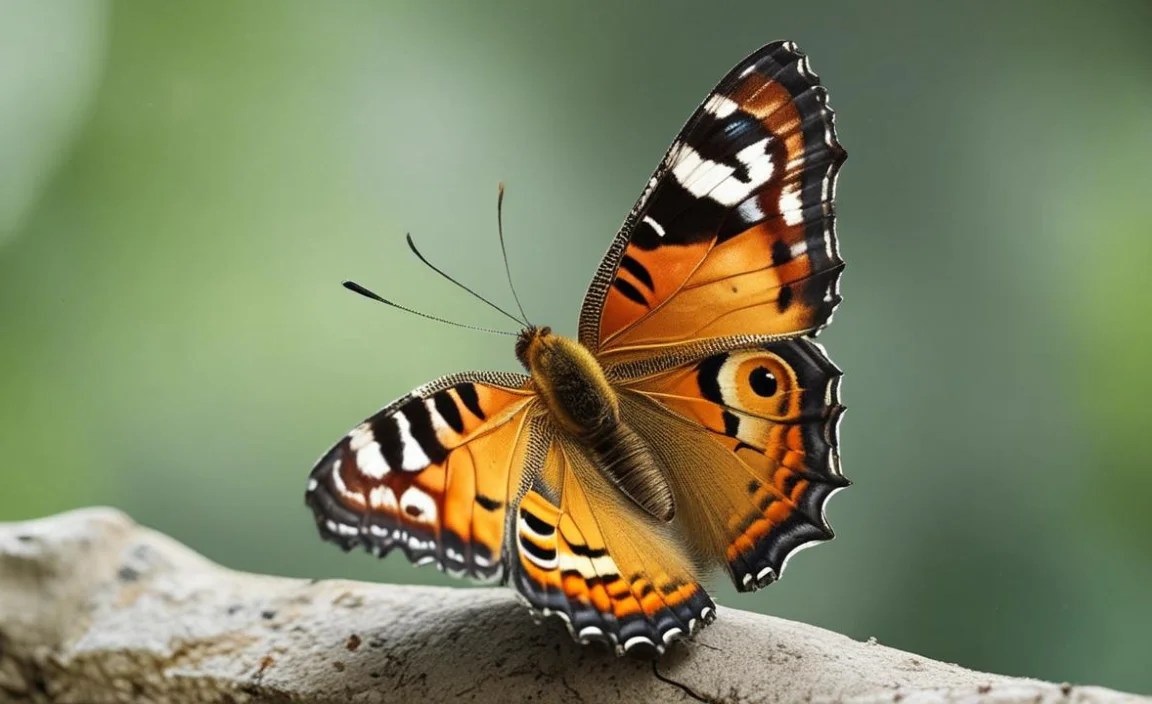
The Lime Butterfly is a common visitor to gardens, feeding on citrus plants. It has a distinctive black and yellow pattern.
- Wingspan: 8-10 cm
- Habitat: Gardens, citrus groves, and open areas
- Key Features: Black wings with yellow spots and stripes.
Lime Butterflies are known for their resilience and adaptability, making them one of the most common butterflies in urban areas.
Butterfly Identification Table
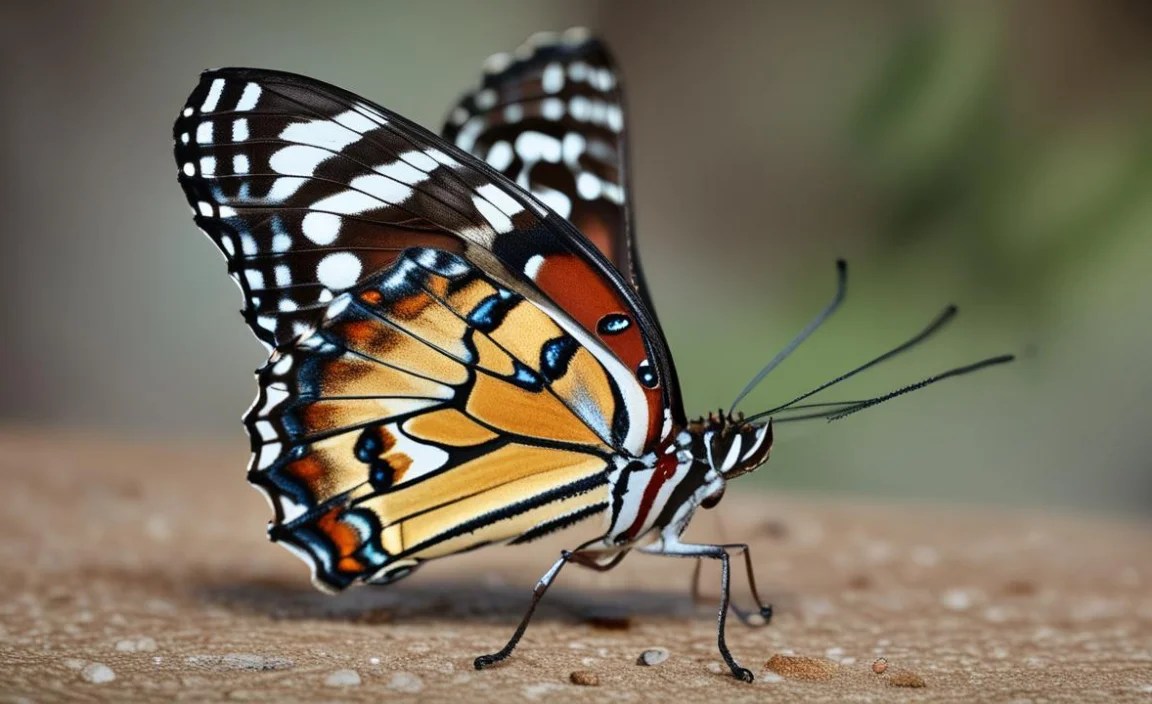
Here’s a table summarizing the key characteristics of the butterflies we’ve discussed:
| Species | Wingspan (cm) | Habitat | Key Features |
|---|---|---|---|
| Common Mormon (Papilio polytes) | 8-12 | Gardens, forests, open areas | Black wings with white spots (males); diverse female forms |
| Clipper (Parthenos sylvia) | 7-9 | Forests and woodlands | Orange and black wings with a white band |
| Cruiser (Vindula dejone) | 7-9 | Forests and forest edges | Orange and brown wings with intricate patterns |
| Plain Tiger (Danaus chrysippus) | 7-8 | Open areas, gardens, grasslands | Orange wings with black borders and white spots |
| Bluebottle (Graphium sarpedon) | 5-7 | Forests, gardens, near water | Black wings with iridescent blue bands |
| Chocolate Soldier (Junonia hedonia) | 5-6 | Gardens, open areas, forest edges | Brown wings with distinctive eyespots |
| Lime Butterfly (Papilio demoleus) | 8-10 | Gardens, citrus groves, open areas | Black wings with yellow spots and stripes |
Tools and Resources for Butterfly Identification
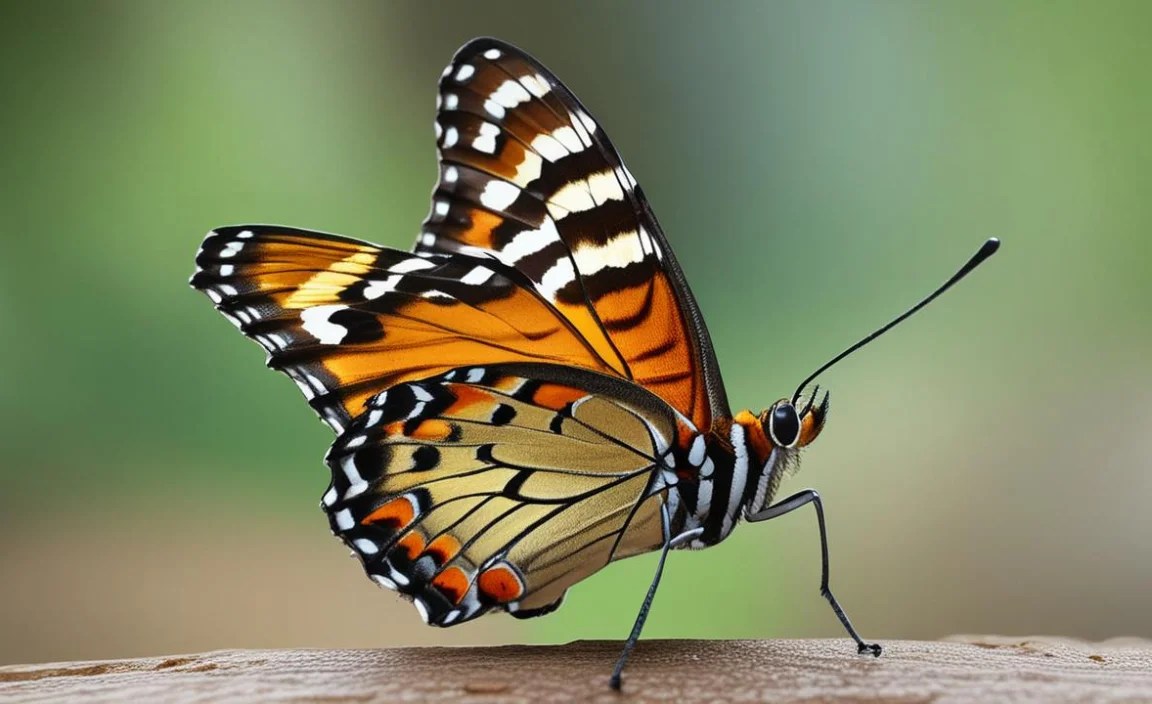
Several tools and resources can aid in butterfly identification:
- Butterfly Field Guides: Books with detailed descriptions and illustrations of butterfly species in Southeast Asia.
- Online Databases: Websites like iNaturalist and Butterflies and Moths of North America (though focused on North America, it provides a good model for what to look for) offer extensive information and images of butterflies.
- Butterfly Identification Apps: Mobile apps that use image recognition to identify butterflies based on photos.
- Local Butterfly Experts: Connecting with local butterfly enthusiasts or entomologists can provide valuable insights and guidance.
Attracting Butterflies to Your Garden

Creating a butterfly-friendly garden is a great way to observe and appreciate these beautiful creatures up close. Here’s how:
- Plant Nectar-Rich Flowers: Choose flowers that provide nectar for adult butterflies, such as lantana, pentas, and zinnias.
- Provide Host Plants: Plant host plants that butterfly larvae can feed on, such as milkweed for Monarchs and citrus trees for Lime Butterflies.
- Offer a Water Source: Provide a shallow dish of water with pebbles or stones for butterflies to land on and drink.
- Avoid Pesticides: Pesticides can harm or kill butterflies and other beneficial insects. Use organic gardening methods instead.
- Provide Shelter: Plant shrubs and trees to provide shelter from wind and rain.
The Importance of Butterfly Conservation

Butterflies play a crucial role in ecosystems as pollinators and indicators of environmental health. However, many butterfly species are threatened by habitat loss, climate change, and pesticide use. Here are some ways to support butterfly conservation:
- Protect Butterfly Habitats: Support organizations that work to protect and restore butterfly habitats.
- Reduce Pesticide Use: Avoid using pesticides in your garden and advocate for pesticide-free agriculture.
- Plant Native Plants: Native plants provide the best food and shelter for butterflies and other wildlife.
- Educate Others: Share your knowledge and passion for butterflies with others to raise awareness about their importance and conservation needs.
Frequently Asked Questions (FAQs)
1. What is the difference between a butterfly and a moth?
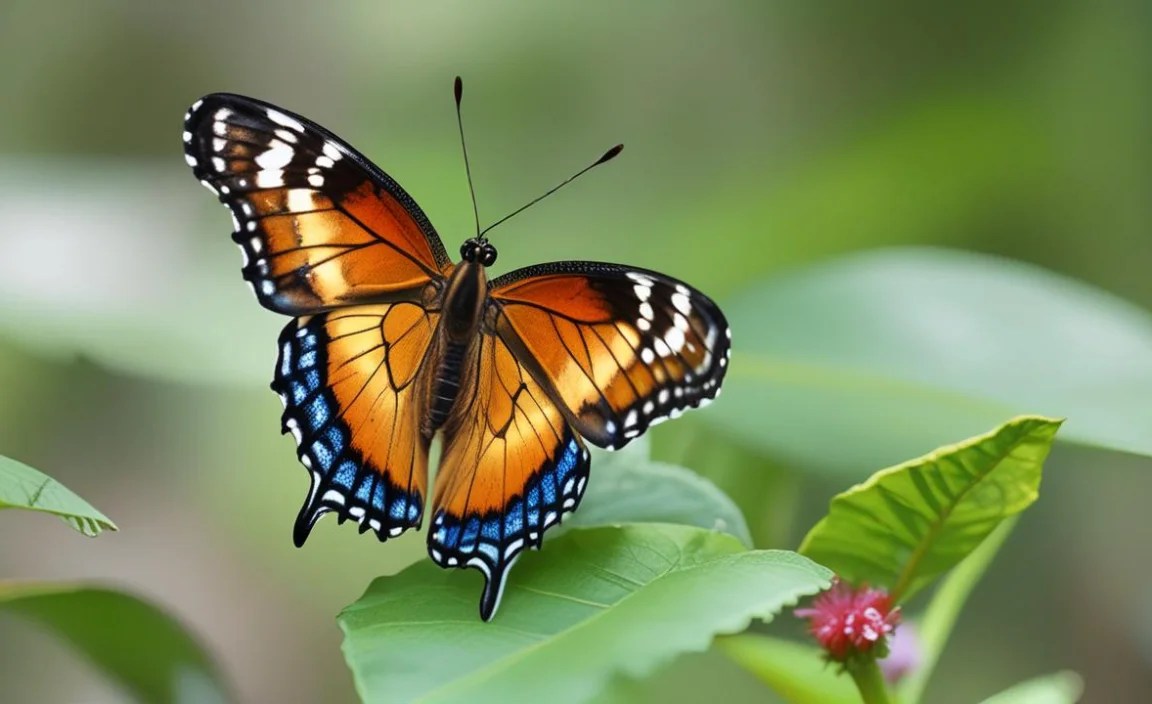
Butterflies typically have slender bodies, clubbed antennae, and hold their wings upright when at rest. Moths usually have thicker bodies, feathery antennae, and hold their wings flat when at rest. Butterflies are also generally active during the day, while moths are often nocturnal.
2. How can I attract more butterflies to my garden?

Plant a variety of nectar-rich flowers and host plants, provide a water source, avoid pesticides, and offer shelter. A butterfly-friendly garden will create an inviting habitat for these beautiful creatures.
3. What are the main threats to butterfly populations in Southeast Asia?

Habitat loss due to deforestation and urbanization, climate change, and the use of pesticides are the main threats to butterfly populations in Southeast Asia.
4. How do butterflies help the environment?
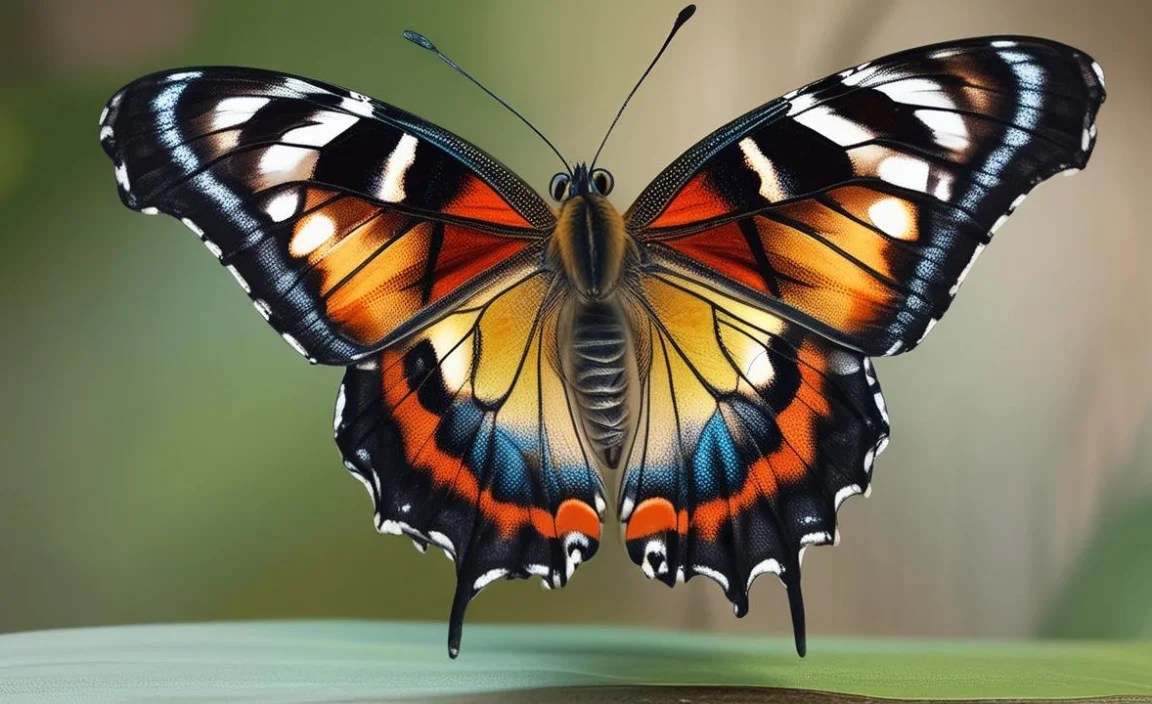
Butterflies are important pollinators, transferring pollen from one flower to another as they feed on nectar. This helps plants reproduce and maintain biodiversity.
5. What is mimicry in butterflies?

Mimicry is when a butterfly evolves to resemble another species, often one that is toxic or unpalatable to predators. This helps protect the mimicking butterfly from being eaten.
6. Where can I find reliable information about Southeast Asian butterflies?

Butterfly field guides, online databases like iNaturalist, and local butterfly experts are all excellent sources of reliable information. The National Parks Board of Singapore also has resources.
7. Are there any endangered butterfly species in Southeast Asia?

Yes, several butterfly species in Southeast Asia are endangered due to habitat loss and other threats. Conservation efforts are crucial to protect these vulnerable species.
Conclusion
Identifying Southeast Asian butterfly species is a rewarding journey that combines observation, knowledge, and appreciation for nature. By paying attention to wing patterns, size, habitat, and behavior, you can unlock the secrets of these beautiful creatures and contribute to their conservation. So, grab your field guide, step into the garden or forest, and embark on your own butterfly adventure. Every flutter of wings is a reminder of the beauty and fragility of our natural world. Happy butterflying!


