
Ringlet Butterfly UK: Spotting Guide + Amazing Facts

Ringlet Butterfly UK: A Beginner’s Guide to Identification and Conservation

Quick Summary: The Ringlet butterfly (Aphantopus hyperantus) is a common sight in UK grasslands and woodlands. Recognizable by its dark brown wings adorned with small, distinct eye-spots, it thrives in damp, shady areas. This guide will help you identify Ringlets, understand their habitat, and discover how you can contribute to their conservation in the UK.
Have you ever been strolling through a sun-dappled meadow in the UK and spotted a small, dark butterfly flitting through the grasses? Identifying butterflies can sometimes feel like a tricky task, especially when many species share similar colours and patterns. The Ringlet butterfly is a common and beautiful species, but knowing its unique characteristics is key to distinguishing it from others. This guide will walk you through the simple steps to identify Ringlets, understand their life cycle, and even learn how to create a butterfly-friendly garden to help these lovely creatures thrive. Let’s explore the world of the Ringlet butterfly together!
Identifying the Ringlet Butterfly
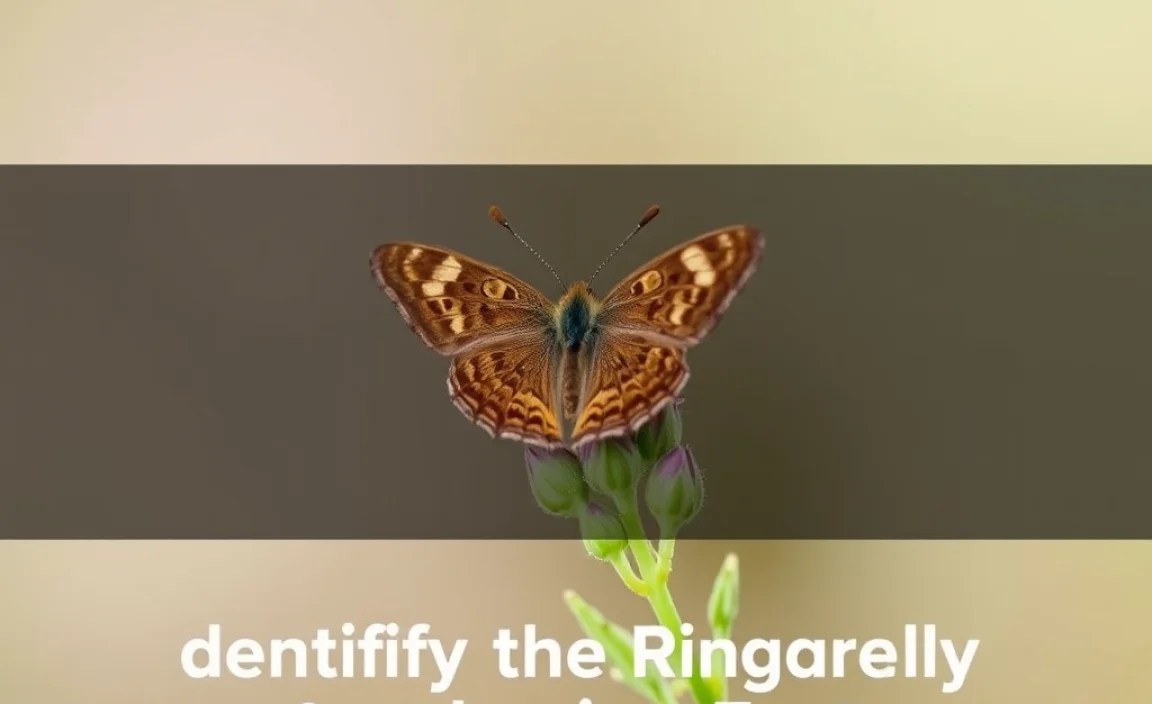
The Ringlet butterfly (Aphantopus hyperantus) is a delightful species found throughout much of the UK. Its distinctive appearance makes it relatively easy to identify, even for beginners. Here’s what to look for:
Appearance
- Wings: The Ringlet is primarily dark brown, sometimes appearing almost black in certain lights.
- Eye-spots: The most distinguishing feature is the series of small, yellowish eye-spots, each with a black centre. These are typically more prominent on the underside of the wings. The number of eye-spots can vary.
- Size: The Ringlet has a wingspan of approximately 40-45mm.
- Flight: Its flight is often described as a gentle, bouncing motion.
Distinguishing Features Compared to Similar Species
Several other brown butterflies can be mistaken for the Ringlet. Here’s how to tell them apart:
| Species | Key Features | How to Differentiate |
|---|---|---|
| Ringlet (Aphantopus hyperantus) | Dark brown with distinct eye-spots | Has prominent eye-spots on both upper and undersides of wings. |
| Meadow Brown (Maniola jurtina) | Orange-brown with a single eye-spot on the forewing | Brighter orange-brown colour. Usually only one eye-spot is visible on the forewing. |
| Small Heath (Coenonympha pamphilus) | Small, pale orange-brown with a single eye-spot | Much smaller in size and paler in colour. The eye-spot is less distinct. |
Habitat and Distribution
Understanding where Ringlets live can also help with identification:
- Habitat: Ringlets prefer damp grasslands, woodland edges, and shady hedgerows. They are often found in areas with tall grasses.
- Distribution: They are widespread throughout the UK, but less common in northern Scotland.
Ringlet Butterfly Life Cycle
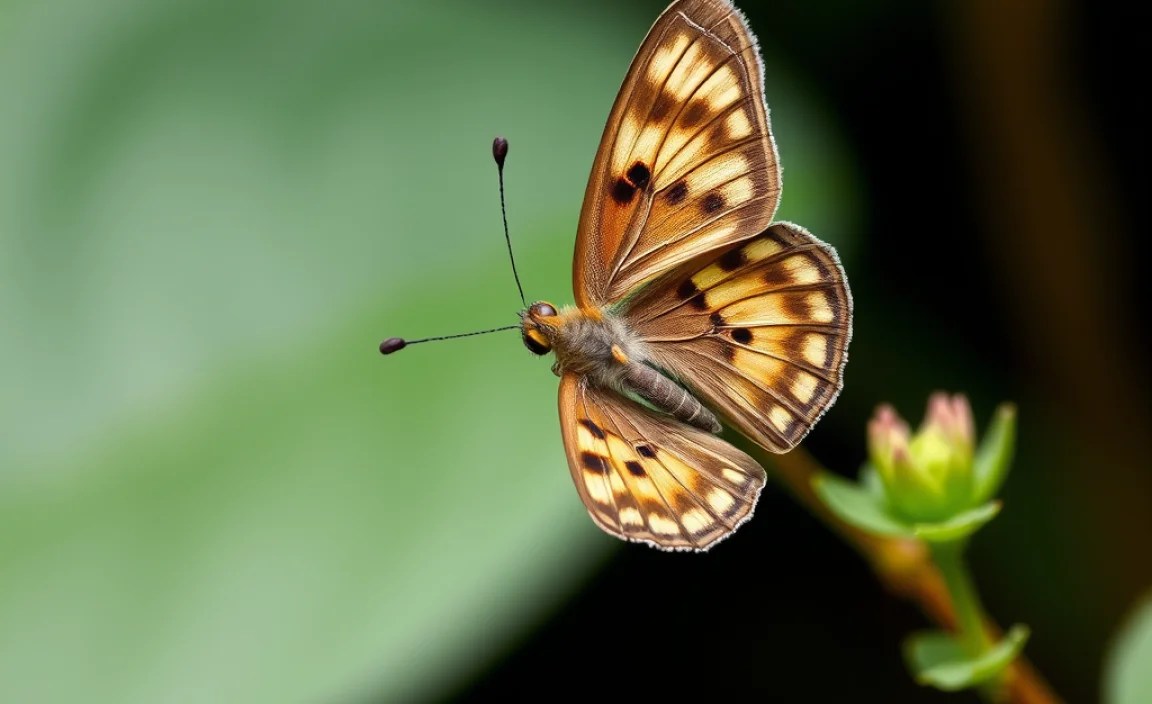
The Ringlet butterfly undergoes a complete metamorphosis, like all butterflies. Understanding its life cycle can provide a deeper appreciation for this fascinating insect.
Egg Stage
The life cycle begins with the egg. Female Ringlets lay their eggs singly on grasses, often near the base of the plant. The eggs are pale green or yellowish-white and are small and oval-shaped. They typically hatch after about two weeks.
Larva (Caterpillar) Stage
Once the egg hatches, the larva, or caterpillar, emerges. The Ringlet caterpillar is a pale green colour with darker green stripes running along its body. It feeds on various grasses. The caterpillar grows through several stages, called instars, shedding its skin as it gets larger. This stage lasts for several months, usually from late summer through the winter.
Pupa (Chrysalis) Stage
When the caterpillar is fully grown, it pupates, forming a chrysalis. The chrysalis is green or brown and hangs from a grass stem or other vegetation. Inside the chrysalis, the caterpillar undergoes a remarkable transformation, reorganizing its body into the form of a butterfly. This stage lasts for about two to three weeks.
Adult Stage
Finally, the adult Ringlet butterfly emerges from the chrysalis. It unfolds its wings, pumps fluid through them to expand them, and then waits for them to dry and harden. The adult Ringlet’s primary goal is to reproduce. The adult stage lasts for only a few weeks, during which time the butterfly feeds on nectar from flowers and mates.
Attracting Ringlet Butterflies to Your Garden

Creating a butterfly-friendly garden is a rewarding way to support Ringlet butterflies and other pollinators. Here’s how you can make your garden a haven for Ringlets:
Plant Host Plants
Ringlet caterpillars feed on various grasses. Including these in your garden will provide food for the larvae:
- Cock’s-foot (Dactylis glomerata)
- Yorkshire-fog (Holcus lanatus)
- Tufted Hair-grass (Deschampsia cespitosa)
Provide Nectar Sources
Adult Ringlets feed on nectar from flowers. Choose plants that bloom during the Ringlet’s flight period (June to September):
- Thistles (Cirsium spp.)
- Knapweeds (Centaurea spp.)
- Ragwort (Jacobaea vulgaris)
- Devil’s-bit Scabious (Succisa pratensis)
Create a Damp, Shady Area
Ringlets prefer damp, shady habitats. Create a corner in your garden that provides these conditions:
- Allow grasses to grow tall in a shaded area.
- Consider adding a small water feature.
Avoid Pesticides
Pesticides can harm or kill butterflies and other beneficial insects. Avoid using them in your garden.
Leave Some Areas Unmown
Allowing some areas of your lawn or garden to grow wild provides habitat for Ringlet caterpillars and other wildlife.
The Ecological Role of Ringlet Butterflies

Ringlet butterflies, like all insects, play a vital role in the ecosystem. They contribute to pollination, serve as a food source for other animals, and act as indicators of environmental health.
Pollination
While not as efficient pollinators as bees, butterflies still contribute to the pollination of various plants. As they feed on nectar, they transfer pollen from one flower to another, helping plants reproduce.
Food Source
Ringlet butterflies and their caterpillars are an important food source for birds, small mammals, and other insects. They are part of the food web, supporting a wide range of wildlife.
Indicator Species
Butterflies are sensitive to changes in their environment, making them valuable indicator species. A decline in Ringlet populations can signal habitat loss, pollution, or climate change.
Threats to Ringlet Butterflies
Despite being a relatively common species, Ringlet butterflies face several threats that can impact their populations.
Habitat Loss
The primary threat to Ringlet butterflies is habitat loss. The conversion of grasslands and woodlands to agricultural land or urban development reduces the amount of suitable habitat available for Ringlets to live and breed.
Climate Change
Climate change can also impact Ringlet populations. Changes in temperature and rainfall patterns can affect the availability of food plants and alter the timing of the Ringlet’s life cycle.
Intensive Agriculture
Intensive agricultural practices, such as the use of pesticides and the removal of hedgerows, can harm Ringlet butterflies and their habitat.
Conservation Efforts for Ringlet Butterflies
Many organizations and individuals are working to conserve Ringlet butterflies and their habitat. Here are some ways you can get involved:
Support Conservation Organizations
Several organizations in the UK are dedicated to butterfly conservation. Consider supporting these organizations through donations or volunteer work. Some notable organizations include:
- Butterfly Conservation: Works to protect butterflies and their habitats through research, advocacy, and conservation projects.
- The Wildlife Trusts: A network of local trusts that manage nature reserves and work to protect wildlife across the UK.
Create Butterfly-Friendly Habitats
As mentioned earlier, creating butterfly-friendly habitats in your garden or local community can help support Ringlet butterflies and other pollinators.
Participate in Citizen Science Projects
Citizen science projects allow you to contribute valuable data to butterfly research and monitoring efforts. You can participate in butterfly surveys and submit your sightings to help track butterfly populations.
Advocate for Conservation Policies
Support policies that protect butterfly habitats and promote sustainable land management practices. Contact your elected officials and let them know that you care about butterfly conservation.
Ringlet Butterfly FAQs
Here are some frequently asked questions about Ringlet butterflies:
What do Ringlet caterpillars eat?
Ringlet caterpillars primarily feed on various grasses, including cock’s-foot, Yorkshire-fog, and tufted hair-grass.
When is the best time to see Ringlet butterflies?
Ringlet butterflies are typically seen from June to September, with peak activity in July and August.
Where can I find Ringlet butterflies?
Ringlet butterflies are commonly found in damp grasslands, woodland edges, and shady hedgerows throughout the UK.
Are Ringlet butterflies endangered?
No, Ringlet butterflies are not currently considered endangered in the UK, but their populations can be affected by habitat loss and climate change.
How can I tell a Ringlet butterfly from a Meadow Brown?
Ringlet butterflies are dark brown with distinct eye-spots on both sides of their wings, while Meadow Browns are more orange-brown and typically have only one eye-spot on the forewing.
What is the lifespan of a Ringlet butterfly?
The adult Ringlet butterfly typically lives for only a few weeks, during which time it feeds on nectar and reproduces.
Why are butterflies important?
Butterflies play a vital role in the ecosystem as pollinators, food sources, and indicators of environmental health.
Conclusion
The Ringlet butterfly is a charming and easily recognizable species that graces the UK countryside. By understanding its unique characteristics, life cycle, and habitat preferences, you can appreciate this butterfly even more. Creating butterfly-friendly gardens, supporting conservation organizations, and advocating for conservation policies are all ways you can contribute to the protection of Ringlet butterflies and other pollinators. So, next time you’re out in nature, keep an eye out for the delightful Ringlet, and remember the important role it plays in our ecosystem. Happy butterfly watching!


