
Butterfly Borders Endangered: How You Can Help

Quick Summary: Yes, sadly, some butterfly species that used to be common along borders and in gardens are now endangered. Habitat loss, pesticide use, and climate change are the main threats. You can help by planting native wildflowers, avoiding pesticides, and supporting conservation efforts. Every little bit makes a difference!
Butterflies are such a joy to see fluttering around our gardens. It’s easy to think they’ll always be there, but the truth is, many butterfly populations are struggling. Some species that once thrived along borders and in familiar habitats are now facing the threat of extinction. This is a serious problem, but the good news is, there are things we can all do to help.
In this article, we’ll explore which butterfly borders are endangered, what’s causing this decline, and most importantly, what simple steps you can take to make a real difference. Let’s work together to ensure these beautiful creatures continue to grace our world for generations to come.
Which Butterfly Borders Are Endangered?
When we talk about “butterfly borders,” we’re often referring to the edges of forests, fields, gardens, and other areas where butterflies find food and shelter. Unfortunately, several butterfly species that frequent these borders are now considered endangered or threatened. Here are a few examples:
- Monarch Butterfly (Danaus plexippus): The Monarch butterfly’s eastern population, known for its incredible migration, is facing severe decline. Habitat loss in their overwintering grounds in Mexico and along their migratory routes is a major factor.
- Karner Blue Butterfly (Lycaeides melissa samuelis): This beautiful blue butterfly depends entirely on wild lupine plants as its host food source. Loss of oak savanna and pine barren habitats has greatly reduced their numbers.
- Quino Checkerspot Butterfly (Euphydryas editha quino): Found in Southern California and Baja California, this butterfly is threatened by habitat destruction and fragmentation due to urban development and agriculture.
- Miami Blue Butterfly (Cyclargus thomasi bethunei): Once common in South Florida, this small blue butterfly was nearly extinct. Thanks to intensive conservation efforts, its numbers have slightly increased, but it remains critically endangered.
- Oregon Silverspot Butterfly (Speyeria zerene hippolyta): This striking butterfly relies on specific violet species for its caterpillars to feed on. Habitat loss and the spread of invasive plants have put this species at risk.
These are just a few examples, and the list varies depending on the region. It’s essential to be aware of the specific butterfly species that are threatened in your local area.
Why Are Butterfly Borders Endangered?
Several factors contribute to the decline of butterfly populations and the endangerment of their habitats. Understanding these threats is the first step in finding solutions.
Habitat Loss and Fragmentation
This is perhaps the biggest threat to butterflies. As natural areas are converted into farmland, housing developments, and industrial sites, butterflies lose the places where they feed, breed, and shelter. Fragmentation, where habitats are broken up into smaller, isolated patches, makes it difficult for butterflies to move between areas and find mates.
Pesticide Use
Pesticides, especially insecticides, are designed to kill insects. Unfortunately, they don’t discriminate between pests and beneficial insects like butterflies. Widespread pesticide use in agriculture and even in home gardens can have devastating effects on butterfly populations. Neonicotinoids, a class of systemic insecticides, are particularly harmful as they can contaminate nectar and pollen, poisoning butterflies when they feed. The Xerces Society offers extensive resources on pesticide risks to pollinators.
Climate Change
Climate change is altering habitats and disrupting the delicate balance of ecosystems. Changes in temperature and rainfall patterns can affect the timing of butterfly life cycles, making it difficult for them to synchronize with the availability of food plants. Extreme weather events, such as droughts and floods, can also destroy butterfly habitats and kill large numbers of individuals.
Invasive Species
Invasive plants can outcompete native wildflowers that butterflies rely on for nectar and as host plants for their caterpillars. Invasive insects can also prey on butterfly larvae or compete with them for resources.
Disease
Like all living things, butterflies are susceptible to diseases. Habitat loss and stress can weaken their immune systems, making them more vulnerable to infections. Disease outbreaks can decimate already vulnerable populations.
Here’s a table summarizing these threats:
| Threat | Description | Impact on Butterflies |
|---|---|---|
| Habitat Loss | Conversion of natural areas to other uses | Loss of food sources, breeding sites, and shelter |
| Pesticide Use | Application of chemicals to control pests | Direct poisoning, contamination of food sources |
| Climate Change | Shifts in temperature, rainfall, and weather patterns | Disruption of life cycles, habitat alteration |
| Invasive Species | Introduction of non-native plants and animals | Competition with native plants, predation |
| Disease | Infection by pathogens | Weakened immune systems, population decline |
How Can You Help Endangered Butterfly Borders?
The good news is that there are many things you can do to help protect endangered butterfly borders and support butterfly populations in general. Here are some practical steps you can take:
1. Create a Butterfly-Friendly Garden
One of the most effective ways to help butterflies is to create a welcoming habitat in your own backyard. Here’s how:
- Plant Native Wildflowers: Native plants are the best food source for local butterflies. Choose a variety of plants that bloom at different times of the year to provide a continuous supply of nectar. Research which plants are native to your area and which butterfly species they support.
- Provide Host Plants: Butterflies need specific plants for their caterpillars to feed on. These are called host plants. For example, Monarch caterpillars only eat milkweed. Plant host plants in your garden to provide food for butterfly larvae.
- Offer a Water Source: Butterflies need water, but they can’t drink from open water sources like bird baths. Instead, create a “butterfly puddle” by filling a shallow dish with sand and water. Make sure the sand is always moist.
- Provide Shelter: Butterflies need shelter from wind and rain. Plant shrubs and trees to provide them with protected areas. You can also create a butterfly house, although its primary function is often more decorative than practical.
- Avoid Pesticides: As mentioned earlier, pesticides are harmful to butterflies. Avoid using them in your garden altogether. If you must use them, choose organic options and apply them carefully, avoiding spraying flowering plants.
2. Support Butterfly Conservation Organizations
Many organizations are working to protect butterflies and their habitats. Supporting these groups financially or by volunteering your time can make a big difference.
- The Xerces Society: This organization is dedicated to protecting invertebrates and their habitats. They conduct research, advocate for policy changes, and provide educational resources.
- The North American Butterfly Association (NABA): NABA promotes butterfly conservation through education, research, and advocacy. They also organize butterfly counts and provide resources for butterfly gardening.
- Monarch Watch: This program focuses specifically on Monarch butterfly conservation. They provide resources for raising Monarchs, tagging them to track their migration, and creating Monarch-friendly habitats.
3. Advocate for Butterfly-Friendly Policies
You can also help butterflies by advocating for policies that protect their habitats and reduce pesticide use. Contact your elected officials and let them know that you care about butterfly conservation. Support legislation that promotes sustainable agriculture and protects natural areas.
4. Reduce Your Carbon Footprint
Climate change is a major threat to butterflies. Reduce your carbon footprint by conserving energy, using public transportation, eating locally grown food, and making other sustainable choices.
5. Educate Others
Spread the word about the importance of butterfly conservation. Talk to your friends, family, and neighbors about the threats that butterflies face and what they can do to help. Share information on social media and participate in community events.
6. Participate in Citizen Science Projects
Citizen science projects allow you to contribute to scientific research by collecting data on butterfly populations and habitats. This information can be used to inform conservation efforts.
- Butterfly Counts: Participate in butterfly counts organized by NABA and other organizations. These counts provide valuable data on butterfly populations and their distribution.
- Monarch Tagging: Tag Monarch butterflies to help track their migration and learn more about their movements.
- Report Butterfly Sightings: Use online platforms like iNaturalist to report butterfly sightings and contribute to a database of butterfly distributions.
7. Support Sustainable Agriculture
Choose to buy organic and locally grown food whenever possible. Sustainable farming practices help to protect butterfly habitats and reduce pesticide use. Support farmers who are committed to protecting pollinators.
Here’s a table summarizing these actions:
| Action | Description | Benefit to Butterflies |
|---|---|---|
| Create a Butterfly Garden | Plant native wildflowers and host plants | Provides food and shelter for butterflies |
| Support Conservation Organizations | Donate or volunteer with butterfly groups | Funds research, advocacy, and education |
| Advocate for Policies | Contact elected officials and support legislation | Protects habitats and reduces pesticide use |
| Reduce Carbon Footprint | Conserve energy and make sustainable choices | Mitigates climate change impacts |
| Educate Others | Share information about butterfly conservation | Raises awareness and encourages action |
| Participate in Citizen Science | Collect data on butterfly populations | Informs conservation efforts |
| Support Sustainable Agriculture | Buy organic and locally grown food | Protects habitats and reduces pesticide use |
Understanding Butterfly Life Cycles
To effectively help butterflies, it’s crucial to understand their life cycle. Butterflies undergo a complete metamorphosis, which means they have four distinct life stages:
- Egg: Butterflies lay their eggs on specific host plants. The eggs can be various shapes and colors, depending on the species.
- Larva (Caterpillar): The caterpillar hatches from the egg and spends its time eating and growing. Caterpillars molt several times as they grow larger.
- Pupa (Chrysalis): Once the caterpillar is fully grown, it forms a pupa, also known as a chrysalis. Inside the chrysalis, the caterpillar transforms into a butterfly.
- Adult Butterfly: The adult butterfly emerges from the chrysalis. Its primary purpose is to reproduce and lay eggs, continuing the life cycle.
Understanding the life cycle helps you provide the right resources for butterflies at each stage. For example, you need to plant host plants to support the caterpillars and nectar plants to feed the adult butterflies.
Butterfly Conservation: A Global Perspective
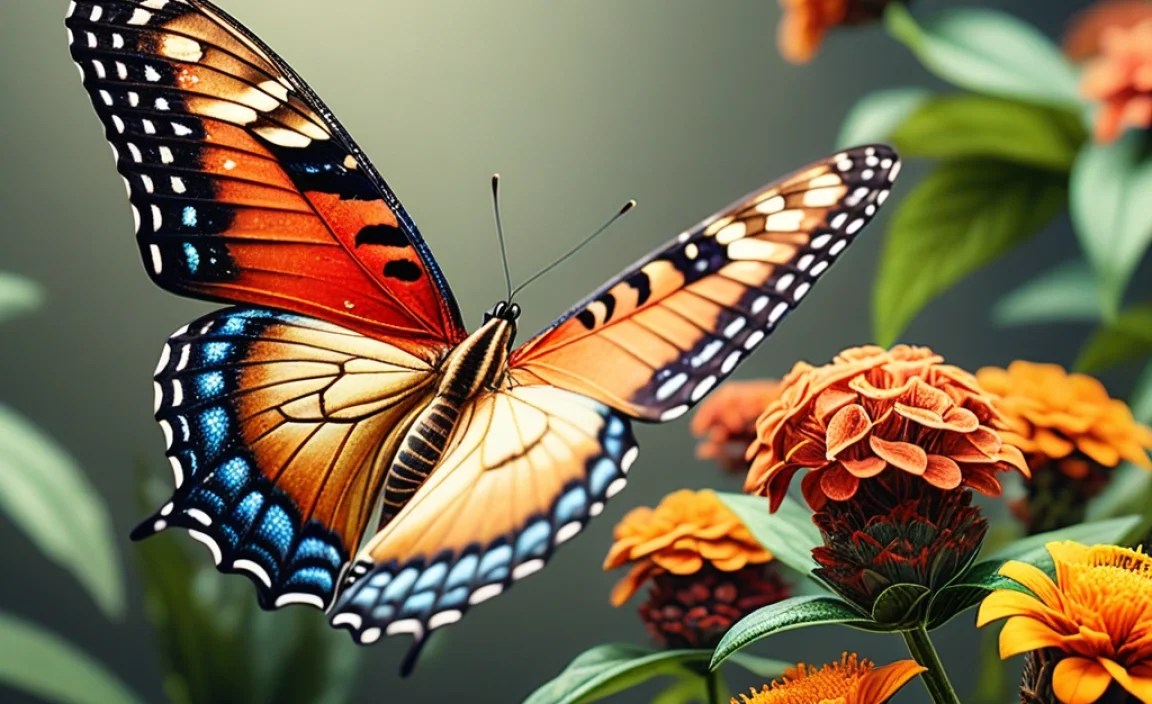
Butterfly conservation is not just a local issue; it’s a global concern. Many butterfly species migrate long distances, crossing borders and continents. International cooperation is essential to protect these species and their habitats. Organizations like the International Union for Conservation of Nature (IUCN) work to assess the conservation status of butterfly species worldwide and develop strategies for their protection.
The Importance of Corridors
One important aspect of butterfly conservation is the creation of corridors. Corridors are strips of habitat that connect fragmented areas, allowing butterflies to move between them. These corridors can be as simple as a row of trees or a strip of wildflowers along a roadside. By creating corridors, we can help butterflies find mates, food, and shelter, and increase their chances of survival.
Inspiring Stories of Butterfly Conservation
Despite the challenges, there are many inspiring stories of successful butterfly conservation efforts.
- The El Segundo Blue Butterfly: This endangered butterfly was brought back from the brink of extinction thanks to habitat restoration efforts at the Los Angeles International Airport.
- The Schaus Swallowtail Butterfly: This rare butterfly was nearly wiped out by Hurricane Andrew in 1992. Thanks to captive breeding and reintroduction programs, its population has rebounded.
- The Mission Blue Butterfly: This endangered butterfly is found only in the San Francisco Bay Area. Conservation efforts have focused on protecting its habitat and controlling invasive plants.
These stories show that with dedication and effort, we can make a real difference in the lives of butterflies.
Frequently Asked Questions (FAQ)
Q: What does it mean for a butterfly to be endangered?
A: When a butterfly is endangered, it means its population is so low that it’s at risk of disappearing completely. This often happens because of habitat loss or other threats.
Q: Why are butterflies important?
A: Butterflies are important pollinators, just like bees! They help plants reproduce, which is vital for healthy ecosystems. They’re also an important part of the food chain, providing food for birds and other animals.
Q: What are host plants?
A: Host plants are specific plants that butterfly caterpillars need to eat to grow. For example, Monarch caterpillars only eat milkweed. Planting host plants is essential for supporting butterfly populations.
Q: How can I tell if a butterfly is endangered in my area?
A: Contact your local nature center or conservation organization. They can provide information on the butterfly species that are threatened in your region.
Q: Is it okay to raise butterflies indoors?
A: Raising butterflies indoors can be a rewarding experience, but it’s important to do it responsibly. Make sure you provide the caterpillars with the correct host plants and release the adult butterflies into a safe, suitable habitat.
Q: What is the best time of year to plant a butterfly garden?
A: The best time to plant a butterfly garden depends on your climate. In general, spring and fall are good times to plant, as the weather is mild and the soil is moist.
Q: Can I use butterfly houses to attract butterflies?
A: Butterfly houses are more decorative than functional. The best way to attract butterflies is by planting native wildflowers and host plants.
Conclusion
The decline of butterfly borders and the endangerment of butterfly species is a serious issue, but it’s not too late to take action. By creating butterfly-friendly gardens, supporting conservation organizations, advocating for butterfly-friendly policies, and making sustainable choices, we can all help to protect these beautiful creatures and their habitats. Remember, every little bit makes a difference. Even a small patch of wildflowers in your backyard can provide valuable food and shelter for butterflies. Let’s work together to ensure that future generations can enjoy the beauty and wonder of butterflies for years to come. Butterflies are a vital part of our ecosystem, and their survival depends on our actions. Let’s make a commitment to protect them.


