
Rare Butterflies in Botswana: A Secret Paradise

Have you ever heard of a butterfly that’s super hard to find? Imagine searching for a hidden treasure in a vast land. In Botswana, some butterflies are like that hidden treasure! These are the rare butterflies in Botswana.
Botswana is a country in Africa. It has beautiful landscapes and amazing wildlife. But, did you know it also has some very special butterflies? Let’s explore the amazing world of these rare butterflies in Botswana. We will learn why they are special and where they live.
These butterflies are not just pretty. They are important to the environment. Learning about them helps us protect them. Are you ready to discover these tiny, winged wonders?
Key Takeaways
- Rare butterflies in Botswana are vital for the ecosystem’s health and balance.
- Habitat loss is a major threat to these butterflies; conservation efforts are essential.
- Citizen scientists can help track and protect these unique butterfly species.
- Certain regions in Botswana are hotspots for spotting rare butterfly species.
- Protecting these butterflies helps preserve Botswana’s natural heritage.
Discovering Rare Butterflies in Botswana

Botswana is home to many amazing creatures. Among them are some very rare butterflies. These butterflies are special because they are not found everywhere. They might live only in certain parts of Botswana. Finding them can be like a real-life treasure hunt! These little insects play a big role in their habitats. They help plants by carrying pollen from flower to flower. This helps the plants make new seeds. When butterflies are rare in Botswana, it can affect the whole environment. Scientists and nature lovers work hard to protect them. They study where the butterflies live and what they need to survive. By understanding these things, we can help these beautiful creatures thrive.
- Butterflies help plants make seeds.
- Some butterflies live only in certain places.
- Scientists study butterflies to protect them.
- Botswana has many different types of butterflies.
- Protecting butterflies helps the environment.
- Butterflies need special plants to survive.
Imagine Botswana as a giant garden. In this garden, rare butterflies are like the rarest flowers. They add beauty and wonder to the landscape. But they need our help to survive. Changes in the environment can make it hard for them to find food and places to live. By learning about these butterflies, we can become their protectors. We can help make sure they continue to flutter through Botswana’s skies for many years to come. Every small action, like planting native flowers, can make a big difference. Let’s all work together to keep these rare butterflies in Botswana safe and sound.
Fun Fact or Stat: Some rare butterfly species in Botswana are so unique they are found nowhere else on Earth!
Why Are Butterflies Important?
Have you ever wondered why butterflies are so important? They are more than just pretty insects. Butterflies play a vital role in our environment. They help pollinate flowers, just like bees do. When they fly from flower to flower, they carry pollen with them. This helps plants make seeds and grow new plants. Without butterflies, many plants would struggle to survive. This could affect the animals that eat those plants, too. Rare butterflies in Botswana are part of this important process. When their numbers decline, it can upset the balance of nature. Protecting these butterflies helps protect the entire ecosystem.
What Do Butterflies Eat?
Butterflies have a very special diet. As caterpillars, they munch on leaves. But as butterflies, they drink nectar from flowers. They use a long, straw-like tongue called a proboscis. This tongue helps them sip nectar from deep inside the flowers. Different butterfly species prefer different types of flowers. Some rare butterflies in Botswana might only feed on certain plants. If those plants disappear, the butterflies could struggle to find food. This is why it’s important to protect the plants that butterflies need. Planting native flowers in your garden can help provide food for these beautiful creatures. It’s a small thing that can make a big difference.
Where Do Butterflies Live?
Butterflies can live in many different places. Some live in forests, while others live in grasslands. Some even live in deserts! The type of habitat a butterfly needs depends on its species. Rare butterflies in Botswana often have very specific habitat requirements. They might need a certain type of plant to lay their eggs on. Or they might need a certain type of shelter to protect them from the weather. When these habitats are destroyed, the butterflies lose their homes. This is why it’s so important to protect the natural areas where these butterflies live. Preserving their habitats is key to their survival.
Threats to Botswana’s Rare Butterflies

Rare butterflies in Botswana face many threats. One of the biggest threats is habitat loss. This happens when the places where they live are destroyed. People might clear forests to make room for farms or buildings. This leaves the butterflies with nowhere to go. Another threat is climate change. Changes in temperature and rainfall can affect the plants that butterflies need. Pollution can also harm butterflies. Pesticides, which are used to kill insects on farms, can also kill butterflies. Invasive species, which are plants or animals that don’t belong in an area, can also cause problems. They can compete with butterflies for food and resources. Protecting these butterflies means addressing all these threats.
- Habitat loss is a major threat.
- Climate change affects butterfly habitats.
- Pollution can harm butterflies directly.
- Pesticides are dangerous to butterflies.
- Invasive species compete with butterflies.
- Protecting habitats is very important.
Imagine a butterfly trying to find a safe place to live. But everywhere it goes, its home is being destroyed. This is the reality for many rare butterflies in Botswana. They are struggling to survive in a world that is changing rapidly. We need to take action to protect these creatures before it’s too late. By reducing pollution, protecting habitats, and fighting climate change, we can give these butterflies a fighting chance. Every effort counts, no matter how small. Let’s work together to create a better future for rare butterflies in Botswana and all the other amazing creatures that share our planet.
Fun Fact or Stat: Some butterfly populations have declined by as much as 50% in recent years due to habitat loss!
How Does Farming Affect Butterflies?
Farming can have a big impact on butterflies. When farmers clear land to grow crops, they destroy butterfly habitats. The use of pesticides can also harm butterflies. Pesticides are chemicals that kill insects. But they can also kill butterflies and other beneficial insects. Some farming practices can be more harmful than others. Monoculture farming, where only one type of crop is grown, can reduce the diversity of plants and animals in an area. This can make it harder for butterflies to find food and shelter. Rare butterflies in Botswana are particularly vulnerable to these effects. Sustainable farming practices can help reduce the impact of farming on butterflies. These practices include using fewer pesticides, planting diverse crops, and protecting natural habitats.
Why Is Climate Change a Threat?
Climate change is a major threat to butterflies around the world. Changes in temperature and rainfall can affect butterfly habitats. Some butterflies might not be able to survive in warmer temperatures. Changes in rainfall can also affect the plants that butterflies need. If the plants die, the butterflies will have nothing to eat. Climate change can also cause more extreme weather events, such as droughts and floods. These events can destroy butterfly habitats and kill butterflies. Rare butterflies in Botswana are particularly vulnerable to climate change because they often live in very specific habitats. Protecting these butterflies means taking action to reduce climate change. This includes reducing greenhouse gas emissions and protecting forests.
What Can Be Done to Help?
There are many things that can be done to help rare butterflies in Botswana. One of the most important things is to protect their habitats. This means preserving forests, grasslands, and other natural areas. It also means reducing pollution and using sustainable farming practices. Another important thing is to educate people about the importance of butterflies. When people understand how important butterflies are, they are more likely to support efforts to protect them. You can also help by planting native flowers in your garden. This will provide food and shelter for butterflies. Every little bit helps!
Botswana Butterfly Habitats
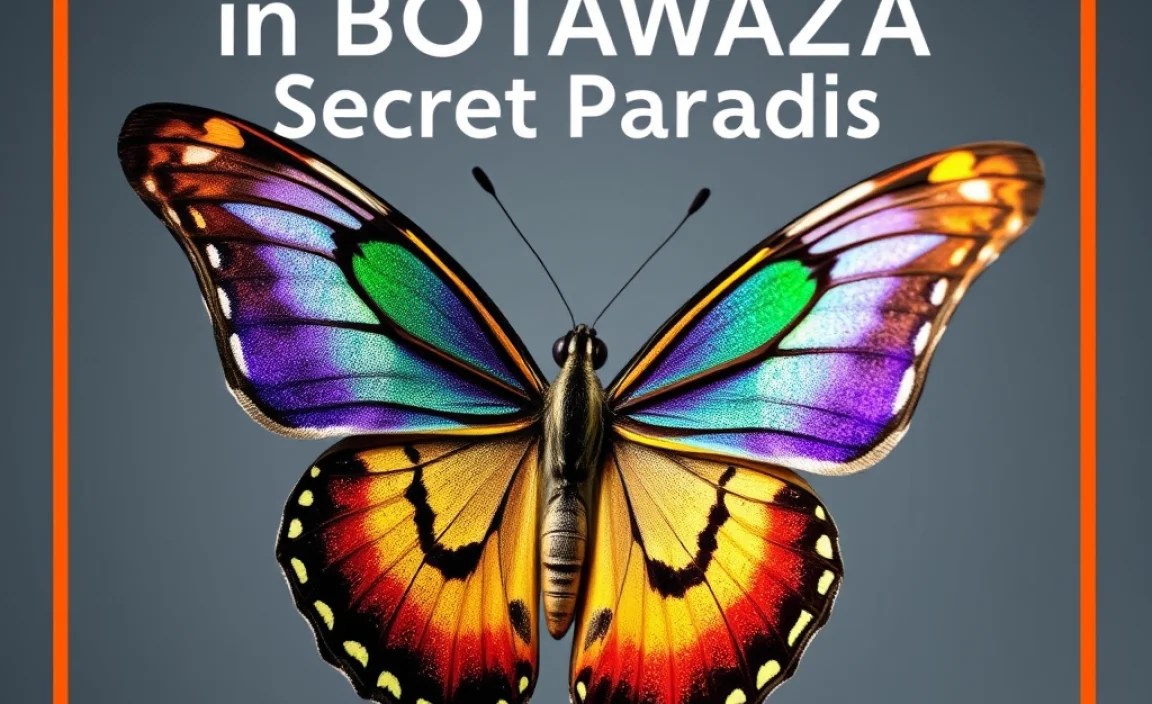
Botswana has many different types of habitats. These habitats include forests, grasslands, and wetlands. Each habitat is home to different types of butterflies. Some rare butterflies in Botswana live only in specific habitats. For example, some might only live in forests with certain types of trees. Others might only live in grasslands with certain types of flowers. The Okavango Delta is a unique wetland in Botswana. It is home to many different species of butterflies, including some rare ones. Protecting these habitats is essential for the survival of rare butterflies in Botswana. When habitats are destroyed, butterflies lose their homes and food sources. Conservation efforts focus on preserving these important areas.
- Forests provide shelter and food.
- Grasslands offer diverse plant life.
- Wetlands are home to unique species.
- The Okavango Delta is a butterfly hotspot.
- Habitat protection is very important.
- Different habitats support different species.
Imagine flying over Botswana and seeing all the different landscapes. You would see vast grasslands, dense forests, and shimmering wetlands. Each of these places is home to unique communities of plants and animals, including rare butterflies. These butterflies have adapted to survive in their specific environments. They rely on certain plants for food and shelter. When these habitats are threatened, the butterflies are also threatened. We need to protect these special places so that rare butterflies in Botswana can continue to thrive. By supporting conservation efforts, we can help ensure that these beautiful creatures have a safe place to call home.
Fun Fact or Stat: The Okavango Delta is one of the largest inland deltas in the world and a crucial habitat for many butterfly species!
What Makes the Okavango Delta Special?
The Okavango Delta is a truly special place. It is one of the largest inland deltas in the world. This means that it is a wetland that doesn’t flow into the ocean. Instead, the water spreads out over a large area, creating a unique ecosystem. The Okavango Delta is home to a wide variety of plants and animals, including many different species of butterflies. The delta’s diverse habitats provide food and shelter for these butterflies. Rare butterflies in Botswana can be found in the Okavango Delta. The delta’s unique environment makes it a very important place for butterfly conservation. Protecting the Okavango Delta is essential for preserving Botswana’s biodiversity.
Why Are Forests Important for Butterflies?
Forests are very important for butterflies. They provide shelter from the weather and predators. Forests also offer a variety of food sources for butterflies. Many butterflies lay their eggs on trees and shrubs. The caterpillars then feed on the leaves. Forests also provide nectar-rich flowers for adult butterflies to feed on. Rare butterflies in Botswana often rely on forests for their survival. Protecting forests is crucial for butterfly conservation. Sustainable forestry practices can help ensure that forests continue to provide habitat for butterflies. These practices include selective logging and reforestation.
How Do Grasslands Support Butterflies?
Grasslands are another important habitat for butterflies. They provide a wide variety of flowering plants that butterflies can feed on. Grasslands also offer shelter from the wind and sun. Many butterflies lay their eggs on grasses and wildflowers. The caterpillars then feed on the plants. Rare butterflies in Botswana can be found in grasslands. Protecting grasslands is important for butterfly conservation. Grazing management can help maintain healthy grasslands for butterflies. This includes controlling the number of livestock and preventing overgrazing.
Identifying Rare Butterfly Species

Learning to identify different butterfly species can be fun! Each species has its own unique markings and colors. Some rare butterflies in Botswana have very distinctive patterns. These patterns can help you tell them apart from other butterflies. Butterfly identification guides can be helpful. These guides show pictures of different butterfly species and describe their key features. You can also use online resources to help you identify butterflies. Observing butterflies in their natural habitat is a great way to learn about them. Pay attention to their size, shape, color, and behavior. With practice, you’ll become a butterfly identification expert! Knowing which butterflies are rare in Botswana helps with conservation.
- Learn to recognize key features.
- Use butterfly identification guides.
- Observe butterflies in nature.
- Pay attention to size and color.
- Note their behavior and habitat.
- Practice makes perfect!
Imagine you are a detective, but instead of solving crimes, you are solving butterfly mysteries! Your mission is to identify the rare butterflies in Botswana. You’ll need to use your observation skills and your knowledge of butterfly characteristics. Each butterfly has its own unique clues, like the color of its wings or the pattern of its spots. By carefully examining these clues, you can unlock the mystery and identify the butterfly. It’s like piecing together a puzzle, and the reward is the satisfaction of knowing you’ve discovered a rare butterfly. This knowledge is important because it helps us protect these amazing creatures.
Fun Fact or Stat: Some butterfly species can only be identified by examining their genitalia under a microscope!
What Are Key Butterfly Features?
Butterflies have many key features that can help you identify them. The shape and size of their wings are important. Some butterflies have long, narrow wings, while others have broad, rounded wings. The color and pattern of their wings are also important. Some butterflies have bright, bold colors, while others have more muted colors. The presence of spots, stripes, or other markings can also help you identify a butterfly. The butterfly’s body shape and size can also be helpful. Rare butterflies in Botswana may have unique combinations of these features. Pay close attention to these details when you are trying to identify a butterfly.
How Can Field Guides Help?
Field guides are a valuable tool for butterfly identification. They provide pictures and descriptions of different butterfly species. Field guides often include information about the butterfly’s habitat, behavior, and range. They can also include tips on how to identify similar species. When using a field guide, start by looking at the overall shape and color of the butterfly. Then, compare it to the pictures in the guide. Pay attention to any unique markings or features. Rare butterflies in Botswana may be included in specialized field guides. Field guides can help you learn to identify butterflies quickly and accurately.
Why Is Accurate Identification Important?
Accurate butterfly identification is important for many reasons. It helps scientists track butterfly populations. This information can be used to assess the health of ecosystems. Accurate identification is also important for conservation efforts. If we don’t know which butterflies are rare in Botswana, we can’t protect them effectively. Accurate identification also helps us understand butterfly behavior and ecology. By studying different butterfly species, we can learn more about their role in the environment. Citizen scientists can play an important role in butterfly identification. By reporting their sightings, they can help scientists gather valuable data.
Conservation Efforts for Rare Butterflies
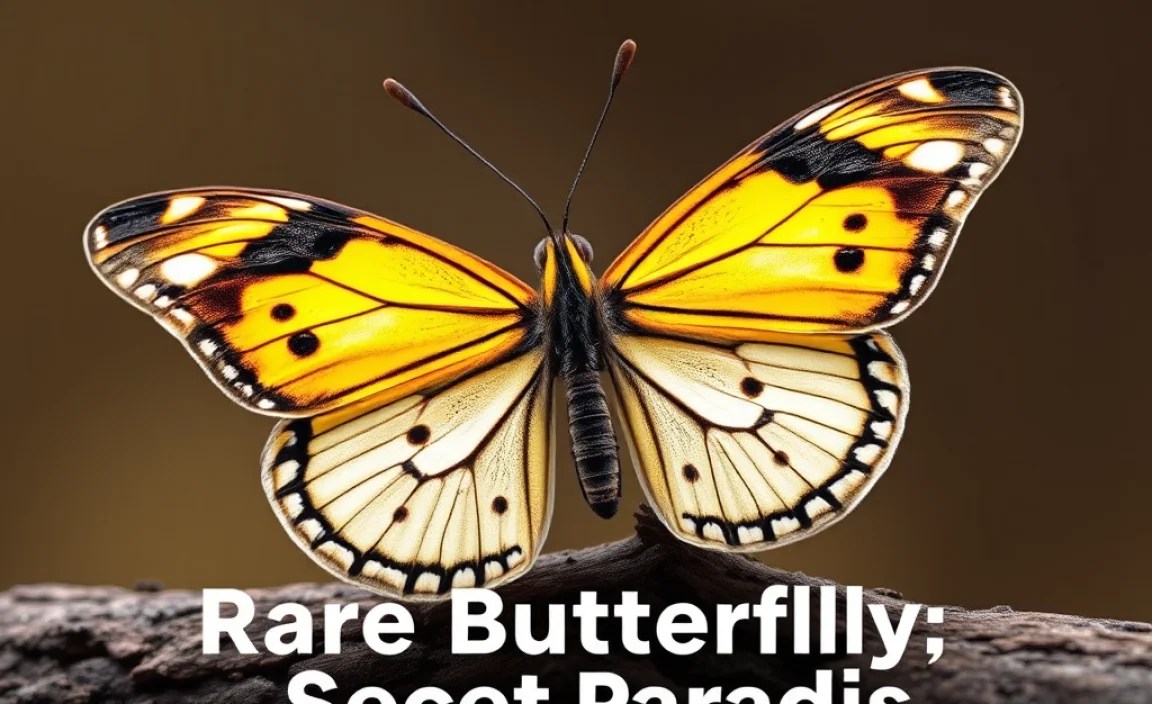
Many people are working hard to protect rare butterflies in Botswana. Conservation efforts include habitat restoration and protection. This means preserving and restoring the places where butterflies live. Another important effort is captive breeding. This involves raising butterflies in a controlled environment and then releasing them into the wild. Education and outreach are also crucial. By teaching people about the importance of butterflies, we can encourage them to support conservation efforts. Research is also essential. Scientists study butterflies to learn more about their needs and how to protect them. These efforts all contribute to the survival of rare butterflies in Botswana.
- Habitat restoration is very important.
- Captive breeding can boost populations.
- Education raises awareness.
- Research informs conservation strategies.
- Community involvement is essential.
- Protecting habitats is the main goal.
Imagine a team of superheroes, but instead of capes and superpowers, they have nets and knowledge about butterflies! These are the conservationists who are working to save rare butterflies in Botswana. They are dedicated to protecting these fragile creatures and their habitats. They work tirelessly to restore damaged areas, raise butterflies in safe environments, and educate the public about the importance of these insects. Their efforts are crucial for ensuring that rare butterflies in Botswana continue to flutter through the skies for generations to come. By supporting these conservation efforts, we can all be heroes for butterflies!
Fun Fact or Stat: Some conservation projects use specially trained dogs to sniff out rare butterfly eggs!
What Is Habitat Restoration?
Habitat restoration is the process of bringing a damaged habitat back to its natural state. This can involve planting native plants, removing invasive species, and restoring water flow. Habitat restoration is important for butterflies because it provides them with food, shelter, and breeding sites. Rare butterflies in Botswana often rely on specific habitats for their survival. Restoring these habitats can help increase butterfly populations. Habitat restoration projects often involve the local community. Volunteers can help plant trees, remove weeds, and monitor butterfly populations. These projects can have a positive impact on the environment and the community.
How Does Captive Breeding Help?
Captive breeding is the process of raising animals in a controlled environment. This can be used to increase the population of endangered species. Captive breeding programs for butterflies involve collecting eggs or caterpillars from the wild. The butterflies are then raised in a safe environment, where they are protected from predators and disease. Once the butterflies reach adulthood, they are released back into the wild. Captive breeding can help boost the populations of rare butterflies in Botswana. However, it is important to address the underlying causes of the butterfly’s decline, such as habitat loss.
Why Is Education Important?
Education is a crucial component of butterfly conservation. By teaching people about the importance of butterflies, we can encourage them to support conservation efforts. Education can also help people understand the threats that butterflies face. This can motivate them to take action to protect butterflies. Education programs can target different audiences, such as schoolchildren, adults, and local communities. These programs can include presentations, workshops, and field trips. Rare butterflies in Botswana can be featured in educational materials. By raising awareness about these butterflies, we can inspire people to protect them.
How Citizen Scientists Can Help
You can help protect rare butterflies in Botswana! Citizen science projects allow ordinary people to contribute to scientific research. You can participate by reporting butterfly sightings. This helps scientists track butterfly populations and monitor their health. You can also help by planting native plants in your garden. This provides food and shelter for butterflies. Educating your friends and family about butterflies is another way to help. Even small actions can make a big difference. By becoming a citizen scientist, you can contribute to the conservation of rare butterflies in Botswana.
- Report butterfly sightings online.
- Plant native flowers in your garden.
- Educate others about butterflies.
- Join local conservation groups.
- Participate in butterfly surveys.
- Share your photos and observations.
Imagine yourself as a butterfly explorer! You don’t need to be a scientist to make a difference. As a citizen scientist, you can help track and protect rare butterflies in Botswana. All you need is a keen eye, a camera, and a willingness to learn. By reporting your butterfly sightings, you can provide valuable data to scientists. This data helps them understand where butterflies live, how their populations are changing, and what threats they face. Every observation counts, and you can help make a real difference in the conservation of these beautiful creatures.
Fun Fact or Stat: Citizen scientists have discovered new butterfly species and helped track the spread of invasive species!
What Is a Citizen Scientist?
A citizen scientist is someone who volunteers their time to help with scientific research. Citizen scientists can participate in a variety of projects, from collecting data to analyzing samples. They work alongside professional scientists to gather information and answer important questions. Citizen science projects are a great way for people to get involved in science and make a difference in their community. Rare butterflies in Botswana can be the focus of citizen science projects. By participating in these projects, you can help protect these amazing creatures.
How Can I Report Butterfly Sightings?
Reporting butterfly sightings is easy! There are many online platforms where you can submit your observations. These platforms often ask for information such as the date, time, and location of the sighting. You may also be asked to provide a description of the butterfly and a photo, if possible. This information helps scientists track butterfly populations and monitor their health. Rare butterflies in Botswana are of particular interest. Reporting sightings of these butterflies can help scientists understand their distribution and abundance. Your observations can contribute to conservation efforts.
Why Is Community Involvement Important?
Community involvement is essential for successful butterfly conservation. Local communities often have a deep understanding of the environment and the challenges that butterflies face. By involving communities in conservation efforts, we can ensure that these efforts are effective and sustainable. Community members can participate in habitat restoration, butterfly monitoring, and education programs. They can also help to raise awareness about the importance of butterflies. Rare butterflies in Botswana can benefit from community-based conservation initiatives. By working together, we can protect these butterflies for future generations.
| Butterfly Feature | Description | Importance for Identification |
|---|---|---|
| Wing Shape | Rounded, pointed, elongated | Helps narrow down species possibilities |
| Wing Color | Bright, dull, patterned | Distinguishes between different groups |
| Markings | Spots, stripes, bands | Unique identifiers for each species |
| Size | Small, medium, large | Provides another differentiating factor |
| Habitat | Forest, grassland, wetland | Indicates where the butterfly is likely to be found |
Summary
Botswana is home to a diverse range of butterflies. Some of these are very rare butterflies in Botswana. They are important for the environment. These butterflies face threats like habitat loss and climate change. Conservation efforts are underway to protect them. These efforts include habitat restoration and captive breeding. Citizen scientists can also help by reporting butterfly sightings. Learning about these butterflies and supporting conservation efforts is crucial. This helps ensure that these beautiful creatures continue to thrive. Every effort, no matter how small, contributes to their survival. Protecting rare butterflies in Botswana helps preserve the country’s natural heritage.
Conclusion
Rare butterflies in Botswana are a treasure. They are important for the environment. They face many threats, but we can help. By learning about them and supporting conservation efforts, we can make a difference. Protecting their habitats is key. Every small action counts. Let’s work together to ensure that these beautiful creatures continue to flutter through Botswana’s skies. Future generations can enjoy them. We must act now to protect rare butterflies in Botswana.
Frequently Asked Questions
Question No 1: Why are some butterflies rare in Botswana?
Answer: Some butterflies are rare in Botswana because they need very specific things to survive. They might only eat one type of plant or live in a certain kind of habitat. When these things are threatened, like if their habitat is destroyed or the plants they eat disappear, the butterflies can become rare. Climate change can also affect them. Changes in temperature and rainfall can make it hard for them to find food and shelter. So, it’s a combination of factors that makes some butterflies rare.
Question No 2: What can kids do to help protect rare butterflies in Botswana?
Answer: Kids can do many things to help protect rare butterflies in Botswana! One thing is to plant native flowers in their gardens or schoolyards. These flowers provide food for butterflies. Kids can also learn about butterflies and share what they know with their friends and family. They can also participate in citizen science projects, where they can help track butterfly populations. Even small actions, like not using pesticides in their gardens, can make a big difference. Every little bit helps!
Question No 3: Where in Botswana can I see rare butterflies?
Answer: Some of the best places to see rare butterflies in Botswana are in protected areas like national parks and reserves. The Okavango Delta is a great place to start, as it has a wide variety of habitats. Forests and grasslands are also good places to look. Remember to be respectful of the environment and avoid disturbing the butterflies or their habitats. Bring a field guide and a camera to help you identify and document the butterflies you see. You might even discover a new species!
Question No 4: What are the biggest threats to butterflies in Botswana?
Answer: The biggest threats to butterflies in Botswana include habitat loss, climate change, and pollution. Habitat loss happens when the places where butterflies live are destroyed to make way for farms, buildings, or roads. Climate change can affect the plants that butterflies need for food and shelter. Pollution, such as pesticides, can directly harm butterflies. Invasive species can also compete with butterflies for resources. All of these threats can make it hard for butterflies to survive.
Question No 5: Are there any laws to protect rare butterflies in Botswana?
Answer: Yes, there are laws and regulations in Botswana to protect its natural resources, including butterflies and their habitats. These laws aim to conserve biodiversity and prevent habitat destruction. Protected areas, such as national parks and reserves, are established to safeguard important butterfly habitats. However, enforcement of these laws can be challenging. Conservation organizations and government agencies work together to monitor and protect butterfly populations and their habitats. Supporting these efforts is crucial for ensuring the long-term survival of rare butterflies in Botswana.
Question No 6: How do scientists study rare butterflies in Botswana?
Answer: Scientists use a variety of methods to study rare butterflies in Botswana. They might conduct surveys to count butterfly populations and track their distribution. They also study butterfly behavior, diet, and habitat preferences. Scientists collect data on the plants that butterflies need to survive. They also monitor the effects of climate change and pollution on butterfly populations. This information helps them develop conservation strategies to protect these amazing creatures. They often work with local communities to gather information and implement conservation programs.


