
Rare Butterflies in Borneo: A Powerful Secret

Do you love butterflies? Borneo is an amazing island. It has many rare butterflies. Some of these butterflies are very special. They live only in Borneo.
Imagine a butterfly with bright colors. It flits through the trees. Spotting rare butterflies in Borneo can be a fun adventure. Let’s learn about these beautiful insects.
Borneo’s rainforests are full of life. These forests are home to unique creatures. Rare butterflies in Borneo need our help. We must protect their homes. Come explore the world of rare butterflies.
Key Takeaways
- Protecting habitats is vital for the survival of rare butterflies in Borneo.
- Many rare butterflies have vibrant colors and unique patterns.
- Borneo’s rainforests are home to a diverse array of butterfly species.
- Butterfly watching is a popular activity for nature lovers in Borneo.
- Some butterfly species are endangered because of habitat loss.
Discovering Rare Butterflies in Borneo

Borneo is an island shared by three countries. These are Malaysia, Indonesia, and Brunei. The island is known for its lush rainforests. These forests are home to many different animals. Among them are some very rare butterflies in Borneo. These butterflies are special because they are not found anywhere else. Scientists and nature lovers come to Borneo. They want to see these amazing insects. The butterflies play an important role in the ecosystem. They help pollinate flowers. This helps the plants grow and reproduce. Protecting these butterflies is very important. We need to make sure they have a safe place to live. We can help by supporting conservation efforts. These efforts protect the rainforests of Borneo.
- Borneo is a large island in Southeast Asia.
- Rainforests are home to many butterfly species.
- Butterflies help to pollinate flowers.
- Conservation efforts protect butterfly habitats.
- Many people visit Borneo to see the wildlife.
Learning about rare butterflies in Borneo is exciting. These creatures are more than just pretty insects. They are a sign of a healthy environment. When we protect butterflies, we protect the whole ecosystem. This includes the plants, animals, and even the people who live there. Borneo’s rainforests are facing many threats. These include deforestation and climate change. By understanding the importance of butterflies, we can help to protect these forests. We can also support sustainable practices. These practices help to keep the environment healthy for future generations. So, let’s all do our part to protect the rare butterflies in Borneo.
Fun Fact or Stat: Some butterflies in Borneo have wingspans as large as dinner plates!
Why Are Butterflies Rare?
Have you ever wondered why some butterflies are rare? Rare butterflies in Borneo face many challenges. One big problem is habitat loss. When forests are cut down, butterflies lose their homes. They also lose the plants they need to survive. Climate change is another threat. Changes in temperature and rainfall can affect butterflies. They may not be able to find food or reproduce. Pollution can also harm butterflies. Pesticides and other chemicals can poison them. Sometimes, people collect butterflies. This can also make them rare. We need to protect butterflies from these threats. By doing so, we can help them survive and thrive. What can we do to help these butterflies keep their homes?
How Do Butterflies Help the Environment?
Butterflies are more than just pretty insects. They play an important role in the environment. Butterflies help to pollinate flowers. When they fly from flower to flower, they carry pollen. This helps plants to reproduce. Butterflies are also a food source for other animals. Birds, lizards, and spiders eat butterflies. Butterflies are also a sign of a healthy environment. If there are many butterflies, it means the ecosystem is doing well. When rare butterflies in Borneo thrive, it shows that the rainforest is healthy. Protecting butterflies helps to protect the whole ecosystem. What would happen if there were no butterflies to help the plants?
What Can We Do to Protect Butterflies?
Protecting rare butterflies in Borneo is important. There are many things we can do to help. One thing is to protect their habitat. We can support organizations that protect rainforests. We can also reduce our impact on the environment. This means using less energy and water. It also means reducing pollution. We can also plant butterfly gardens. These gardens provide food and shelter for butterflies. Another thing we can do is to educate others. We can teach our friends and family about the importance of butterflies. By working together, we can help these beautiful insects survive. Have you ever tried planting a butterfly garden?
Where to Find Rare Butterflies

Finding rare butterflies in Borneo can be an exciting adventure. These butterflies live in specific areas. They prefer rainforests and other natural habitats. Some popular places to see butterflies include national parks. These parks protect the butterflies’ homes. One famous park is Gunung Mulu National Park. Another is Kinabalu National Park. These parks have many different species of butterflies. To see the butterflies, you need to go to the right places. You should also go at the right time of year. The best time to see butterflies is during the rainy season. This is when the flowers are blooming. It is also important to be patient. Butterflies can be hard to spot. Bring a camera to capture their beauty.
- National parks are great places to see butterflies.
- Gunung Mulu National Park is a popular spot.
- Kinabalu National Park also has many butterflies.
- The rainy season is the best time to visit.
- Be patient and bring a camera.
When you go looking for rare butterflies in Borneo, remember to be respectful. These butterflies are fragile. Do not touch them or disturb their habitat. Stay on the trails and follow the park rules. Bring water and snacks. Wear comfortable shoes. Be aware of the weather. The rainforest can be hot and humid. It can also rain at any time. By being prepared, you can have a safe and enjoyable experience. Seeing these butterflies in their natural habitat is a truly special experience. It is something you will never forget. Always respect the environment when you are in the rainforest.
Fun Fact or Stat: Some butterfly species are only active during specific hours of the day!
What Equipment Do You Need?
If you want to see rare butterflies in Borneo, you will need some equipment. First, you will need a good pair of binoculars. Binoculars will help you see the butterflies up close. You will also need a camera. A camera will help you capture the beauty of the butterflies. Bring a notebook and pen. You can use these to write down what you see. A field guide can help you identify different species of butterflies. Wear comfortable shoes. You will be doing a lot of walking. Bring water and snacks. It is important to stay hydrated and energized. Don’t forget sunscreen and insect repellent. These will protect you from the sun and bugs. What other equipment might be helpful on your butterfly adventure?
What Time of Day Is Best?
The best time of day to see rare butterflies in Borneo is usually in the morning. Butterflies are most active when the sun is shining. They need the sun to warm their bodies. This helps them to fly. In the afternoon, it can get too hot. The butterflies may hide in the shade. Early morning is also a good time because the light is soft. This makes it easier to take good pictures. Some butterflies are more active at certain times of the day. Research the species you want to see. This will help you plan your trip. Do butterflies sleep at night like we do?
Are There Local Guides Available?
Yes, there are many local guides available. Local guides can help you find rare butterflies in Borneo. They know the best places to go. They also know about the different species of butterflies. A guide can also teach you about the local culture. They can help you understand the environment. Hiring a guide can make your trip more enjoyable. It can also make it safer. Guides can help you avoid getting lost in the rainforest. They can also help you spot other wildlife. How can a local guide make your butterfly adventure even better?
Identifying Different Butterfly Species
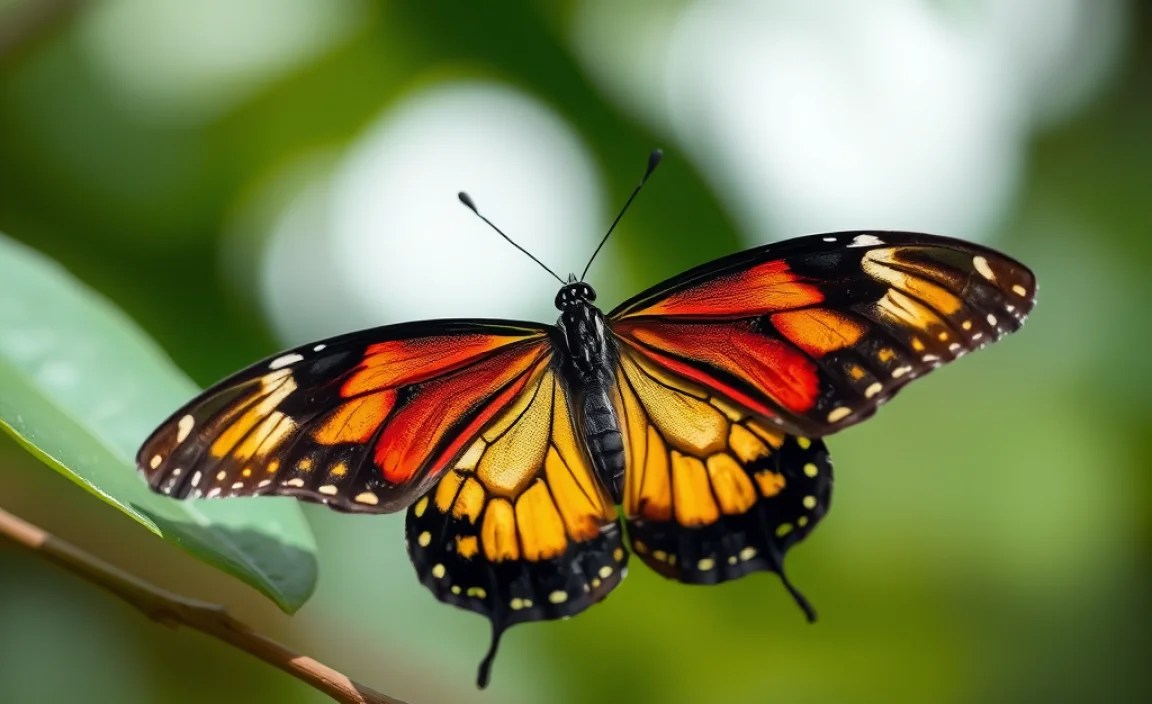
Learning to identify different butterfly species is fun. Rare butterflies in Borneo come in many colors and sizes. Each species has its own unique patterns. Some butterflies have bright, bold colors. Others have more subtle, muted tones. Look closely at the wings. Notice the shapes and patterns. Use a field guide to help you identify the butterflies. A field guide has pictures and descriptions of different species. Pay attention to the size of the butterfly. Some are very small, while others are quite large. Also, notice where you find the butterfly. Some species live in specific habitats. Learning about butterfly identification can be a rewarding experience. It will help you appreciate the diversity of nature.
- Butterflies have different colors and patterns.
- Use a field guide to help identify species.
- Pay attention to the size of the butterfly.
- Notice where you find the butterfly.
- Each species has its own unique characteristics.
Identifying rare butterflies in Borneo takes practice. The more you observe, the better you will become. Start by learning a few common species. Then, gradually add more to your knowledge. Take pictures of the butterflies you see. Compare them to the pictures in your field guide. Ask experts for help. They can share their knowledge with you. Join a butterfly watching group. This is a great way to learn from others. Attend workshops and seminars. These events can teach you more about butterfly identification. Keep a journal of your observations. This will help you track your progress. Remember to be patient and enjoy the process.
Fun Fact or Stat: Some butterflies can mimic the appearance of poisonous insects to protect themselves!
What Are the Key Features to Look For?
When identifying rare butterflies in Borneo, focus on key features. These features will help you tell different species apart. Look at the color and pattern of the wings. Note the shape of the wings. Some butterflies have rounded wings. Others have pointed wings. Pay attention to the size of the butterfly. Observe the antennae. Some butterflies have clubbed antennae. Others have feathery antennae. Look at the body of the butterfly. Note its color and shape. Observe the butterfly’s behavior. Some butterflies fly quickly. Others fly slowly. By paying attention to these key features, you can identify different species of butterflies. What other features might help you identify butterflies?
How Do Field Guides Help?
Field guides are very helpful for identifying butterflies. They provide pictures and descriptions of different species. A good field guide will include information about the butterfly’s size. It will also include information about its habitat. Field guides also have maps. These maps show where different species are found. Field guides can help you learn about the butterfly’s life cycle. They can also teach you about its behavior. Using a field guide can make butterfly identification easier. It can also make it more fun. Always bring a field guide with you when you go butterfly watching. Have you ever used a field guide to identify a butterfly?
Are There Apps for Butterfly Identification?
Yes, there are apps for butterfly identification. These apps can be very helpful. They use your phone’s camera to take a picture of the butterfly. Then, they compare the picture to a database of butterfly images. The app will then suggest possible matches. Some apps also provide information about the butterfly. This information can include its size, habitat, and behavior. Butterfly identification apps are a convenient way to learn about butterflies. However, they are not always accurate. It is important to use other resources as well. A field guide and expert advice can help you confirm the identification. Would you trust an app to identify a rare butterfly?
Threats to Rare Butterfly Populations

Rare butterflies in Borneo face many threats. These threats put their populations at risk. One of the biggest threats is habitat loss. As rainforests are cleared for farming and logging, butterflies lose their homes. They also lose the plants they need to survive. Climate change is another major threat. Changes in temperature and rainfall can affect butterfly populations. Pollution can also harm butterflies. Pesticides and other chemicals can poison them. Invasive species can also pose a threat. These species can compete with butterflies for food and resources. Over-collection of butterflies can also reduce their numbers. Protecting butterflies from these threats is essential. We need to protect their habitats and reduce pollution. We can also support sustainable practices.
- Habitat loss is a major threat.
- Climate change affects butterfly populations.
- Pollution can harm butterflies.
- Invasive species compete with butterflies.
- Over-collection reduces butterfly numbers.
Understanding the threats to rare butterflies in Borneo is important. Once we understand these threats, we can take action to protect them. We can support organizations that work to protect rainforests. We can also reduce our own impact on the environment. This means using less energy and water. It also means reducing pollution. We can also educate others about the importance of butterflies. The more people who know about these threats, the better. Together, we can help these beautiful insects survive. Remember, small actions can make a big difference. We can all do our part to protect butterflies and their habitats.
Fun Fact or Stat: Some butterfly populations have declined by over 50% in recent years!
How Does Deforestation Affect Butterflies?
Deforestation has a devastating impact on butterflies. When forests are cut down, butterflies lose their homes. They also lose the plants they need for food and shelter. Many rare butterflies in Borneo depend on specific plants. If these plants disappear, the butterflies will also disappear. Deforestation also fragments the habitat. This means that butterfly populations become isolated. They cannot easily move from one area to another. This can lead to inbreeding and reduced genetic diversity. Deforestation also increases the risk of soil erosion and flooding. These events can further damage butterfly habitats. How can we stop deforestation and save the butterflies?
What Role Does Climate Change Play?
Climate change is a serious threat to butterflies. Changes in temperature and rainfall can affect butterfly life cycles. Butterflies are very sensitive to temperature. If it gets too hot or too cold, they may not be able to survive. Changes in rainfall can also affect butterflies. They may not be able to find enough food if there is a drought. Climate change can also cause shifts in plant distributions. This means that the plants butterflies depend on may move to new areas. Butterflies may not be able to follow them. Climate change can also increase the frequency of extreme weather events. These events can damage butterfly habitats. Can butterflies adapt to climate change, or are they doomed?
Are Pesticides Harmful to Butterflies?
Yes, pesticides are very harmful to butterflies. Pesticides are chemicals used to kill insects. However, they can also harm other insects, including butterflies. Pesticides can poison butterflies directly. They can also contaminate the plants that butterflies eat. This can lead to starvation. Pesticides can also weaken butterflies. This makes them more susceptible to disease. The use of pesticides is a major threat to rare butterflies in Borneo. We need to reduce our reliance on pesticides. We can use other methods to control pests. These methods include biological control and integrated pest management. Are there ways to protect crops without harming butterflies?
Conservation Efforts for Borneo’s Butterflies

Many conservation efforts are underway. These efforts aim to protect rare butterflies in Borneo. Organizations are working to protect rainforests. They are also working to restore degraded habitats. Some organizations are breeding butterflies in captivity. They then release them into the wild. This helps to boost butterfly populations. Other organizations are educating local communities. They teach them about the importance of butterflies. They also teach them about sustainable practices. Governments are also playing a role. They are creating national parks and protected areas. These areas provide a safe haven for butterflies. Conservation efforts require a lot of hard work. But they are essential for protecting these beautiful insects. What can we do to support these conservation efforts?
- Organizations protect rainforests.
- They restore degraded habitats.
- Captive breeding programs help.
- Education programs teach communities.
- Governments create protected areas.
Supporting conservation efforts for rare butterflies in Borneo is easy. You can donate to organizations that are working to protect rainforests. You can also volunteer your time. Many organizations need volunteers to help with their work. You can also educate yourself about butterflies. The more you know, the better you can help. You can also reduce your impact on the environment. This means using less energy and water. It also means reducing pollution. By working together, we can make a difference. We can help to protect these beautiful insects for future generations. Remember, every little bit helps. We can all do our part to protect butterflies and their habitats.
Fun Fact or Stat: Some conservation programs have successfully increased butterfly populations by over 20%!
What Organizations Are Involved?
Several organizations are involved in butterfly conservation in Borneo. These organizations include local and international groups. One well-known organization is the World Wildlife Fund (WWF). WWF works to protect rainforests and other habitats. Another organization is the Borneo Conservation Trust. This organization focuses on protecting orangutans and other wildlife. They also work to protect butterfly habitats. The Malaysian Nature Society is another important organization. This group works to promote conservation and environmental education. These organizations rely on donations and volunteers to carry out their work. How can we help these organizations protect butterflies?
How Can Local Communities Help?
Local communities play a crucial role in butterfly conservation. They live near the butterfly habitats. They can help to protect these habitats from deforestation and pollution. Local communities can also participate in butterfly monitoring programs. They can help to track butterfly populations. They can also educate others about the importance of butterflies. Local communities can also benefit from ecotourism. Butterfly watching can bring income to local communities. This provides an incentive to protect butterfly habitats. How can ecotourism help both butterflies and local people?
What Laws Protect Butterflies?
Several laws protect butterflies in Borneo. These laws aim to prevent over-collection and habitat destruction. Some butterfly species are listed as endangered. This means that it is illegal to collect or harm them. National parks and protected areas provide a safe haven for butterflies. These areas are managed to protect biodiversity. Laws also regulate logging and farming. This helps to reduce deforestation and habitat loss. However, enforcement of these laws can be challenging. It is important to support efforts to strengthen these laws. How can we make sure that butterfly protection laws are enforced?
The Importance of Butterfly Tourism
Butterfly tourism is becoming increasingly popular. Many people travel to Borneo to see rare butterflies. This type of tourism can bring many benefits. It can generate income for local communities. It can also raise awareness about the importance of conservation. Butterfly tourism can also provide an incentive to protect butterfly habitats. If local communities benefit from butterfly tourism, they are more likely to protect the butterflies. Butterfly tourism needs to be managed sustainably. This means minimizing the impact on the environment. It also means ensuring that the benefits are shared fairly. Butterfly tourism can be a win-win situation. It can benefit both the butterflies and the local people.
- Tourism generates income for communities.
- It raises awareness about conservation.
- Tourism provides an incentive to protect habitats.
- It needs to be managed sustainably.
- It benefits butterflies and people.
When planning a butterfly tourism trip, be responsible. Choose tour operators that are committed to sustainability. Respect the environment and follow the local guidelines. Do not touch or disturb the butterflies. Stay on the trails and avoid damaging the habitat. Support local businesses and communities. Learn about the local culture and customs. Be aware of the environmental impact of your trip. Reduce your carbon footprint by flying less and using public transportation. By being a responsible tourist, you can help to protect butterflies and their habitats. You can also contribute to the local economy. Remember, sustainable tourism is good for everyone.
Fun Fact or Stat: Butterfly tourism can generate up to $1 million in revenue for some local communities!
What Are the Benefits for Local Communities?
Butterfly tourism can bring many benefits to local communities. It can create jobs in the tourism industry. These jobs can include tour guides, hotel staff, and restaurant workers. Butterfly tourism can also generate income for local businesses. These businesses can include souvenir shops, craft stores, and transportation services. Butterfly tourism can also improve infrastructure. This can include roads, schools, and healthcare facilities. Butterfly tourism can also promote cultural preservation. Local communities can showcase their traditions and customs to tourists. How can butterfly tourism help local communities thrive?
How Does It Promote Conservation?
Butterfly tourism can promote conservation in several ways. It raises awareness about the importance of protecting butterflies and their habitats. It also provides an economic incentive to protect these habitats. If local communities benefit from butterfly tourism, they are more likely to protect the butterflies. Butterfly tourism can also fund conservation projects. A portion of the tourism revenue can be used to support research, monitoring, and habitat restoration. Butterfly tourism can also encourage sustainable practices. Tour operators and tourists can adopt practices that minimize their impact on the environment. How can butterfly tourism help to save rare butterflies in Borneo?
What Are the Challenges of Sustainable Tourism?
Sustainable tourism faces several challenges. One challenge is balancing economic benefits with environmental protection. Tourism can put pressure on natural resources. This can lead to habitat degradation and pollution. Another challenge is ensuring that the benefits of tourism are shared fairly. Sometimes, the benefits are concentrated among a few businesses. This can lead to inequality and resentment. Another challenge is managing the impact of tourism on local cultures. Tourism can sometimes lead to the loss of traditional customs and values. Overcoming these challenges requires careful planning and management. It also requires the involvement of local communities. How can we make sure that tourism is truly sustainable?
Comparing Butterfly Species in Borneo
Borneo is home to a diverse array of butterfly species. Each species has its own unique characteristics. Comparing different butterfly species can be fascinating. Some butterflies are large and colorful. Others are small and camouflaged. Some butterflies are common and widespread. Others are rare and only found in specific habitats. The table below shows a comparison of some butterfly species in Borneo.
| Species Name | Size | Color | Habitat | Rarity |
|---|---|---|---|---|
| Rajah Brooke’s Birdwing | Large | Green and black | Rainforest | Common |
| Bornean Swiftwing | Medium | Blue and black | Rainforest | Rare |
| Kinabalu Golden Birdwing | Large | Yellow and black | Montane forest | Endangered |
| Yellow Pansy | Small | Yellow and brown | Open areas | Common |
| Malay Lacewing | Medium | Orange and black | Rainforest | Common |
When comparing butterfly species, consider their adaptations. These adaptations help them survive in their environment. Some butterflies have bright colors to attract mates. Others have camouflage to hide from predators. Some butterflies feed on specific plants. Others are more generalist feeders. Some butterflies migrate long distances. Others stay in one place. By studying these adaptations, we can learn more about the ecology of butterflies. We can also learn about the challenges they face. Understanding these challenges can help us protect them.
Fun Fact or Stat: There are over 1,000 species of butterflies in Borneo!
What Makes Each Species Unique?
Each butterfly species is unique in its own way. These differences can be seen in their appearance, behavior, and habitat. Some butterflies have striking colors and patterns. Others have more subtle markings. Some butterflies are active during the day. Others are active at night. Some butterflies live in rainforests. Others live in open areas. These differences reflect the adaptations of each species to its environment. By studying these adaptations, we can learn more about the diversity of life. We can also learn about the importance of protecting biodiversity. What makes the rare butterflies in Borneo so special?
How Do They Adapt to Their Environment?
Butterflies have many adaptations to help them survive in their environment. These adaptations include camouflage, mimicry, and specialized feeding habits. Camouflage helps butterflies hide from predators. Mimicry helps butterflies look like other insects. This can deter predators. Specialized feeding habits allow butterflies to feed on specific plants. This reduces competition with other insects. Butterflies also have adaptations to cope with climate. Some butterflies migrate to avoid cold weather. Others enter a state of dormancy. How do butterflies survive in the harsh rainforest environment?
What Is the Conservation Status of Each?
The conservation status of butterfly species varies. Some species are common and widespread. Others are rare and endangered. The International Union for Conservation of Nature (IUCN) assesses the conservation status of species. They use a system of categories. These categories range from Least Concern to Extinct. Species that are listed as Endangered or Critically Endangered face a high risk of extinction. Protecting these species is a priority. Conservation efforts include habitat protection, captive breeding, and public education. What can we do to improve the conservation status of butterflies?
Summary
Borneo is a treasure trove of biodiversity. It contains numerous rare butterflies. These butterflies add beauty to the island. They also play important ecological roles. Protecting these butterflies is crucial. Habitat loss, climate change, and pollution threaten them. Conservation efforts are vital for their survival. These efforts include habitat protection and sustainable tourism.
Learning about and appreciating these insects can inspire action. Supporting conservation organizations can help. Reducing our environmental impact is also important. By working together, we can ensure the survival of rare butterflies in Borneo. These butterflies can continue to delight future generations. We must act now to protect these precious creatures.
Conclusion
Rare butterflies in Borneo are a precious part of the island’s natural heritage. They face many threats, but conservation efforts can make a difference. By protecting their habitats and supporting sustainable practices, we can help ensure their survival. Let’s work together to protect these beautiful creatures for future generations. We can all do our part to make a positive impact.
Frequently Asked Questions
Question No 1: What makes butterflies in Borneo so special?
Answer: Borneo is an island with a rich diversity of butterfly species. Many of these species are not found anywhere else in the world. This makes them unique and valuable from a conservation perspective. The lush rainforests of Borneo provide a perfect habitat. They offer a variety of food sources and shelter. Rare butterflies in Borneo contribute to the island’s biodiversity. They also play a role in pollination and the food chain. Protecting these butterflies is essential. This helps to maintain the health of the entire ecosystem. Have you ever seen a butterfly with unique colors?
Question No 2: What are the main threats to these butterflies?
Answer: The main threats to rare butterflies in Borneo include habitat loss due to deforestation. This deforestation is driven by agriculture, logging, and mining. Climate change also poses a significant threat. It can alter the butterflies’ habitats and disrupt their life cycles. Pollution from pesticides and other chemicals can harm butterflies directly. It can also contaminate their food sources. Over-collection of butterflies for trade can also reduce their populations. Addressing these threats requires a multi-faceted approach. This approach includes protecting rainforests, reducing pollution, and promoting sustainable practices. What are some ways we can reduce deforestation?
Question No 3: How can I help protect butterflies in Borneo?
Answer: There are many ways you can help protect rare butterflies in Borneo. You can support organizations that work to protect rainforests and other habitats. You can also reduce your impact on the environment by using less energy and water. Reduce pollution, and choose sustainable products. Educate others about the importance of butterflies and the threats they face. You can also participate in citizen science projects. These projects help to monitor butterfly populations. If you travel to Borneo, choose responsible tour operators. These operators are committed to sustainability. Even small actions can make a big difference. Do you know of any organizations that protect rainforests?
Question No 4: What is the best time of year to see butterflies in Borneo?
Answer: The best time of year to see butterflies in Borneo is during the rainy season. This is typically from November to February. During this time, the rainforest is lush and green. Many flowers are blooming. This provides a plentiful food source for butterflies. The humidity is also high, which butterflies prefer. However, it is possible to see butterflies in Borneo year-round. Different species may be more active at different times. It’s always a good idea to check with local guides. They can give you the most up-to-date information. Have you ever visited a rainforest during the rainy season?
Question No 5: Are there any butterfly farms in Borneo?
Answer: Yes, there are several butterfly farms in Borneo. These farms breed butterflies for display and for research. They also help to educate the public about butterflies. Some butterfly farms also release butterflies into the wild. This helps to boost local populations. Visiting a butterfly farm can be a great way to learn about butterflies. You can also see them up close. Some farms also sell butterfly-related products. These products include souvenirs and educational materials. Have you ever visited a butterfly farm?
Question No 6: What role do butterflies play in the ecosystem?
Answer: Butterflies play several important roles in the ecosystem. They are pollinators. This means that they help to transfer pollen from one flower to another. This helps plants to reproduce. Butterflies are also a food source for other animals. Birds, lizards, and spiders eat butterflies. Butterflies are also indicators of environmental health. If butterfly populations are declining, it may be a sign that the ecosystem is stressed. Protecting rare butterflies in Borneo is important. It is also important to maintain the health of the entire ecosystem. What other animals help with pollination?


