
Swallowtail Butterfly Hybrid Species: Discover Powerful New Beauty

Swallowtail butterfly hybrid species occur when two different species of swallowtail butterflies interbreed, resulting in offspring with a mix of traits from both parents. While hybridization can happen in nature, it’s relatively rare. Hybrid swallowtails may exhibit unique color patterns or physical characteristics, but their ability to reproduce is often limited.
Have you ever wondered if butterflies of different kinds can mix and match their genes, creating something entirely new? It’s a fascinating question, especially when we look at the vibrant world of swallowtail butterflies! Sometimes, nature surprises us, and different species can indeed cross paths and create hybrid offspring. This is a rare occurrence, but when it happens, it can lead to some truly unique and beautiful butterflies.
In this article, we’ll explore the captivating topic of swallowtail butterfly hybrids. We’ll uncover how these crosses happen, what they look like, and why they’re so special. Get ready to dive into the colorful world of swallowtail butterflies and discover the wonders of nature’s creativity!
What is a Swallowtail Butterfly Hybrid?

A swallowtail butterfly hybrid is the result of interbreeding between two different species of swallowtail butterflies. This means that a male of one species mates with a female of another, and the resulting offspring carries a mix of genetic material from both parents. Think of it like mixing paint colors – you get a new color that’s a blend of the originals!
Swallowtail butterflies are particularly interesting because they belong to the family Papilionidae, known for their large size, vibrant colors, and distinctive “tails” on their hindwings. With so many different species around the world, there’s always a chance, however small, for hybridization to occur.
How Does Hybridization Happen?
Hybridization in swallowtail butterflies is a bit like a puzzle with several pieces that need to fit together just right. Here’s a breakdown of the key factors that make it possible:
- Geographical Overlap: First, the two different species need to live in the same area. If they’re never in the same neighborhood, they won’t have the chance to meet and mate!
- Weak Species Barriers: Sometimes, the natural barriers that keep species separate aren’t as strong as they should be. These barriers can include things like different mating behaviors or incompatible reproductive systems.
- Mating Compatibility: Even if two species meet, they need to be able to successfully mate. This means their reproductive organs need to be compatible, and they need to be able to recognize each other as potential partners.
- Viable Offspring: Finally, even if mating is successful, the offspring needs to be able to survive and develop. Hybrid offspring often have reduced fertility or other problems that make it difficult for them to survive.
Why is Hybridization Rare?
While it’s exciting to think about new butterfly combinations, hybridization is actually quite rare in nature. There are several reasons for this:
- Specific Mating Rituals: Swallowtail butterflies often have very specific mating rituals that help them recognize members of their own species. These rituals can include visual cues, pheromones, and courtship dances.
- Habitat Preferences: Different species of swallowtail butterflies often prefer different habitats. This can reduce the chances of them encountering each other in the first place.
- Genetic Incompatibility: Even if two species do manage to mate, their genes may not be compatible. This can lead to offspring that are infertile or have other health problems.
Examples of Swallowtail Butterfly Hybrids

While hybridization is rare, there have been some documented cases of swallowtail butterfly hybrids in the wild and in controlled environments. These examples give us a glimpse into the fascinating possibilities of genetic mixing.
Eastern Tiger Swallowtail (Papilio glaucus) and Canadian Tiger Swallowtail (Papilio canadensis)
These two species are closely related and can sometimes hybridize in areas where their ranges overlap. The hybrids often show intermediate characteristics, such as wing patterns that are a mix of both parent species. The Eastern Tiger Swallowtail is more common in the southern and eastern United States, while the Canadian Tiger Swallowtail is found further north. When they meet, things can get interesting!
Black Swallowtail (Papilio polyxenes) and Anise Swallowtail (Papilio zelicaon)
These species are also known to hybridize, particularly in areas where their ranges overlap in the western United States. The resulting hybrids can be difficult to identify, as they may have a combination of the black and yellow markings characteristic of both parent species.
Other Notable Examples
There have also been reports of hybridization between other swallowtail species, although these are less common. Some examples include:
- Spicebush Swallowtail (Papilio troilus) and Black Swallowtail (Papilio polyxenes): These species are closely related and have been known to hybridize in captivity.
- Various Papilio species in Southeast Asia: The complex relationships between different swallowtail species in this region have led to some interesting cases of hybridization.
Identifying Swallowtail Butterfly Hybrids
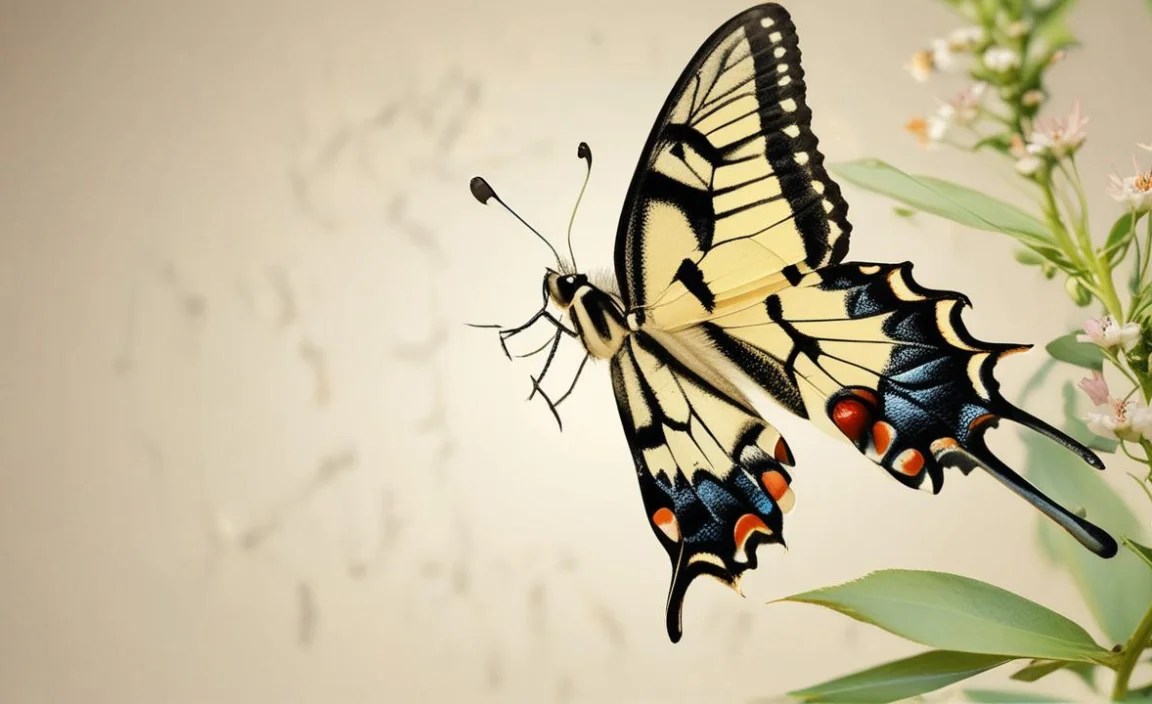
Identifying swallowtail butterfly hybrids can be a real challenge, even for experienced butterfly enthusiasts. Here are some key characteristics to look for:
- Intermediate Traits: Hybrids often exhibit a mix of characteristics from both parent species. This can include wing patterns, colors, and sizes that fall somewhere in between the two.
- Unusual Markings: Keep an eye out for any unusual or unexpected markings that don’t quite match either parent species. These could be a sign of hybridization.
- Geographical Location: Consider the geographical location where you found the butterfly. If it’s in an area where the ranges of two different species overlap, there’s a higher chance it could be a hybrid.
Tools and Resources for Identification
If you’re trying to identify a potential swallowtail butterfly hybrid, here are some helpful tools and resources:
- Field Guides: Invest in a good field guide to butterflies in your region. These guides often include detailed descriptions and illustrations of different species, as well as information on their ranges and habitats.
- Online Resources: Websites like BugGuide.net and iNaturalist can be valuable resources for identifying butterflies. You can upload photos of your butterfly and get help from experienced identifiers.
- Expert Consultation: If you’re still unsure, consider reaching out to a local butterfly expert or entomologist. They may be able to help you identify the butterfly and confirm whether it’s a hybrid.
Challenges in Identification
It’s important to be aware of the challenges involved in identifying swallowtail butterfly hybrids. Here are some of the main difficulties:
- Variability Within Species: Even within a single species, there can be a lot of variation in appearance. This can make it difficult to distinguish hybrids from normal variations.
- Limited Information: In many cases, there’s limited information available on the characteristics of specific hybrid combinations. This can make it hard to know what to look for.
- Need for Genetic Analysis: In some cases, the only way to definitively confirm whether a butterfly is a hybrid is through genetic analysis. This can be expensive and time-consuming.
The Role of Genetics

Genetics plays a crucial role in understanding swallowtail butterfly hybrids. By studying the genes of these butterflies, scientists can learn more about how hybridization occurs, what traits are inherited from each parent, and how hybrids evolve over time.
Genetic Mechanisms of Hybridization
When two different species hybridize, their genes mix together in the offspring. This can lead to a variety of genetic outcomes, depending on the specific genes involved and how they interact with each other. Some of the key genetic mechanisms involved in hybridization include:
- Gene Flow: Hybridization can lead to gene flow between two species, as genes from one species are introduced into the gene pool of the other. This can have important consequences for the evolution of both species.
- Recombination: During meiosis (the process of cell division that produces eggs and sperm), genes from the two parent species can recombine, creating new combinations of genes in the hybrid offspring.
- Epistasis: Epistasis refers to the interaction between different genes, where the effect of one gene depends on the presence of another. This can lead to complex patterns of inheritance in hybrids.
Genetic Studies of Swallowtail Hybrids
Several genetic studies have focused on swallowtail butterfly hybrids, providing valuable insights into the genetic basis of hybridization. For example, researchers have used genetic markers to identify hybrids between the Eastern Tiger Swallowtail and the Canadian Tiger Swallowtail. These studies have shown that hybrids often have a mix of genes from both parent species, but that the specific combination of genes can vary from individual to individual.
Other studies have investigated the genetic basis of wing pattern differences between different swallowtail species. These studies have identified specific genes that are responsible for the unique wing patterns of each species, and have shown how these genes can be combined in hybrids to create new patterns.
Implications for Evolution
Hybridization can have important implications for the evolution of swallowtail butterflies. In some cases, hybridization can lead to the formation of new species, as hybrids evolve into distinct lineages that are reproductively isolated from their parent species. This process is known as hybrid speciation.
In other cases, hybridization can lead to the introgression of genes from one species into another. This can increase the genetic diversity of the recipient species and allow it to adapt to new environments. However, hybridization can also have negative consequences, such as the loss of genetic diversity in rare species or the spread of maladaptive genes.
Conservation Concerns
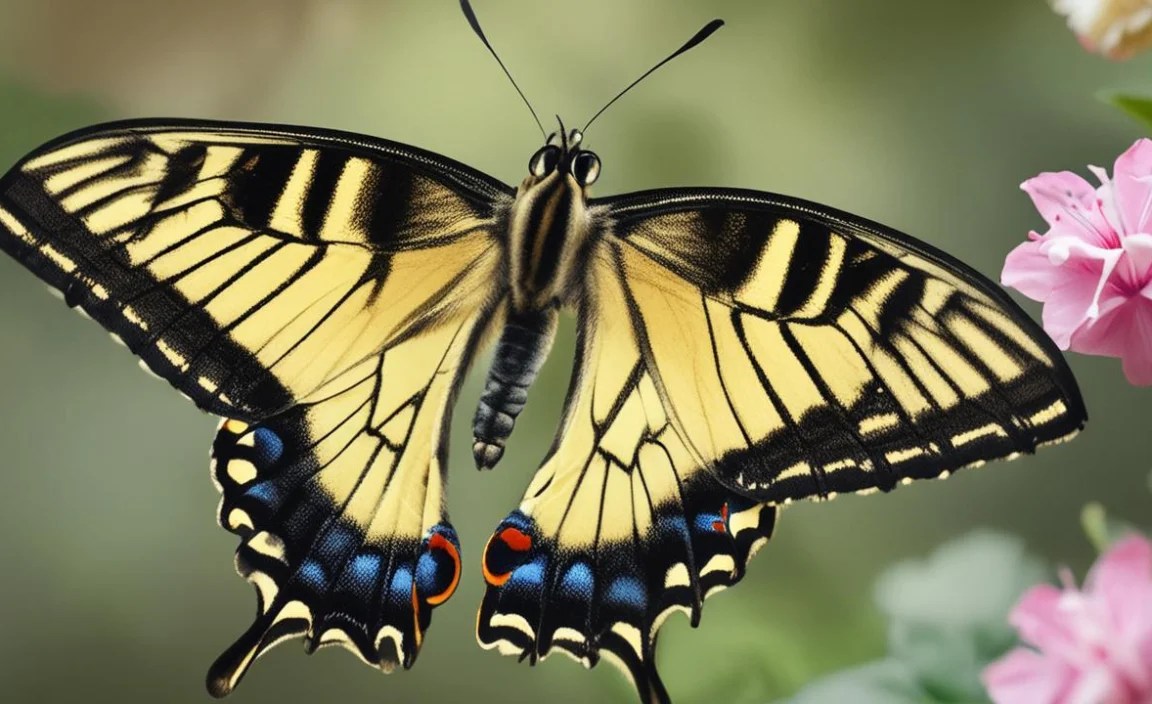
While hybridization can be a fascinating phenomenon, it also raises some important conservation concerns. In some cases, hybridization can threaten the genetic integrity of rare or endangered species.
Threats to Species Integrity
When two species hybridize, the resulting hybrids can sometimes outcompete the parent species for resources or mates. This can lead to a decline in the population size of the parent species and a loss of its unique genetic characteristics. This is particularly a concern for rare or endangered species that are already struggling to survive.
Hybridization can also lead to the loss of locally adapted genes. If a species is well-adapted to a particular environment, hybridization with a less-adapted species can introduce genes that reduce its fitness. This can make it harder for the species to survive in its native habitat.
Management Strategies
To address the conservation concerns associated with hybridization, various management strategies can be implemented. These strategies aim to prevent or minimize hybridization and protect the genetic integrity of vulnerable species. Some common management strategies include:
- Habitat Management: Managing habitats to reduce the overlap between different species can help to prevent hybridization. This can involve creating or restoring habitats that are specifically suited to one species or the other.
- Captive Breeding: Captive breeding programs can be used to maintain populations of purebred individuals of vulnerable species. These individuals can then be released into the wild to supplement existing populations.
- Hybrid Removal: In some cases, it may be necessary to remove hybrid individuals from the wild to prevent them from breeding with purebred individuals. This is a controversial strategy, but it may be necessary in certain situations.
Case Studies
Several case studies illustrate the conservation challenges associated with hybridization in swallowtail butterflies. For example, the Schaus Swallowtail (Heraclides aristodemus ponceanus) is an endangered species found in South Florida. Hybridization with other swallowtail species is a potential threat to the genetic integrity of this species. Conservation efforts are focused on protecting its habitat and preventing hybridization.
Another example is the Karner Blue Butterfly (Lycaeides melissa samuelis), an endangered species found in the northeastern United States. Hybridization with other blue butterfly species is a concern in some areas. Management strategies include habitat restoration and captive breeding programs.
Attracting Swallowtail Butterflies to Your Garden
One of the best ways to appreciate swallowtail butterflies is to attract them to your garden. By providing the right food and habitat, you can create a welcoming environment for these beautiful creatures.
Host Plants
Swallowtail butterflies lay their eggs on specific host plants, which their caterpillars then feed on. If you want to attract swallowtails to your garden, it’s important to plant the right host plants. Some popular host plants for swallowtail butterflies include:
- Black Swallowtail: Parsley, dill, fennel, carrot
- Eastern Tiger Swallowtail: Wild cherry, tulip tree, sweetbay magnolia
- Spicebush Swallowtail: Spicebush, sassafras
- Pipevine Swallowtail: Pipevine
Nectar Plants
Adult swallowtail butterflies feed on nectar from flowers. To provide nectar for these butterflies, plant a variety of flowering plants in your garden. Some good nectar plants for swallowtail butterflies include:
- Butterfly Bush (Buddleja davidii): This popular shrub produces long, fragrant flowers that attract many butterflies.
- Zinnia (Zinnia elegans): Zinnias are easy to grow and come in a wide range of colors.
- Lantana (Lantana camara): Lantana produces clusters of small, colorful flowers that are very attractive to butterflies.
- Milkweed (Asclepias spp.): While milkweed is best known as the host plant for monarch butterflies, it also provides nectar for many other butterflies, including swallowtails.
Creating a Butterfly-Friendly Habitat
In addition to providing host plants and nectar plants, there are other things you can do to create a butterfly-friendly habitat in your garden:
- Provide a Water Source: Butterflies need water to drink. You can provide a shallow dish of water with some pebbles or stones for them to land on.
- Offer Shelter: Butterflies need shelter from the wind and rain. Plant trees and shrubs to provide them with a safe place to rest.
- Avoid Pesticides: Pesticides can be harmful to butterflies and other beneficial insects. Avoid using pesticides in your garden, or choose organic options.
Swallowtail Butterfly Hybrid FAQ
Here are some frequently asked questions about swallowtail butterfly hybrids:
- Can different types of butterflies mate?
- Yes, different species of butterflies can sometimes mate, but it’s not very common. This usually happens when the species are closely related and live in the same area.
- What does a hybrid butterfly look like?
- A hybrid butterfly often looks like a mix of its parents. It might have colors or patterns that are a combination of both species.
- Are hybrid butterflies fertile?
- Not always. Many hybrid butterflies are infertile, meaning they can’t reproduce. This is one reason why hybridization is rare in nature.
- Why is hybridization rare in butterflies?
- Butterflies usually have specific mating rituals and prefer to mate with their own kind. Also, even if they do mate with a different species, their genes might not be compatible.
- Is hybridization good or bad for butterflies?
- It depends. Sometimes, hybridization can create new and interesting combinations of traits. However, it can also threaten the genetic purity of rare species.
- How can I identify a hybrid butterfly?
- Look for butterflies with unusual combinations of colors and patterns. Also, consider where you found the butterfly – if it’s in an area where two species overlap, it might be a hybrid.
- Do scientists study butterfly hybrids?
- Yes! Scientists study butterfly hybrids to learn more about genetics, evolution, and how different species interact. It’s a fascinating field of research!
Conclusion
Exploring the world of swallowtail butterfly hybrids opens a window into the complex and fascinating processes of nature. While these hybrid butterflies are relatively rare, they offer valuable insights into genetics, evolution, and the delicate balance of ecosystems. By understanding how hybridization occurs and the potential conservation concerns it raises, we can better appreciate and protect the incredible diversity of these winged wonders.
Whether you’re a seasoned butterfly enthusiast or just starting to explore the natural world, the story of swallowtail butterfly hybrids is a reminder of the endless surprises and beauty that await us. So, keep your eyes open, your curiosity piqued, and your heart filled with wonder as you continue your journey into the captivating realm of butterflies!


