Butterfly Plant Interactions Endangered: Vital Facts

Butterfly plant interactions are endangered due to habitat loss, pesticide use, and climate change. Protecting these vital connections requires planting native nectar sources and host plants, reducing pesticide use, and supporting conservation efforts. By creating butterfly-friendly habitats, we can help preserve these beautiful creatures and the ecosystems they support.
Butterflies are more than just pretty faces fluttering in our gardens. They play a critical role in our ecosystem, especially through their interactions with plants. These interactions, like pollination and serving as food for other animals, are now threatened. It can be disheartening to see fewer butterflies each year. But don’t worry! There are many simple things we can do to help.
In this guide, we’ll explore why butterfly-plant interactions are so important, what’s causing them to decline, and most importantly, what you can do to help. From choosing the right plants for your garden to supporting broader conservation efforts, every action counts. Let’s dive in and discover how we can make a real difference for these beautiful creatures!
Why Butterfly-Plant Interactions Matter
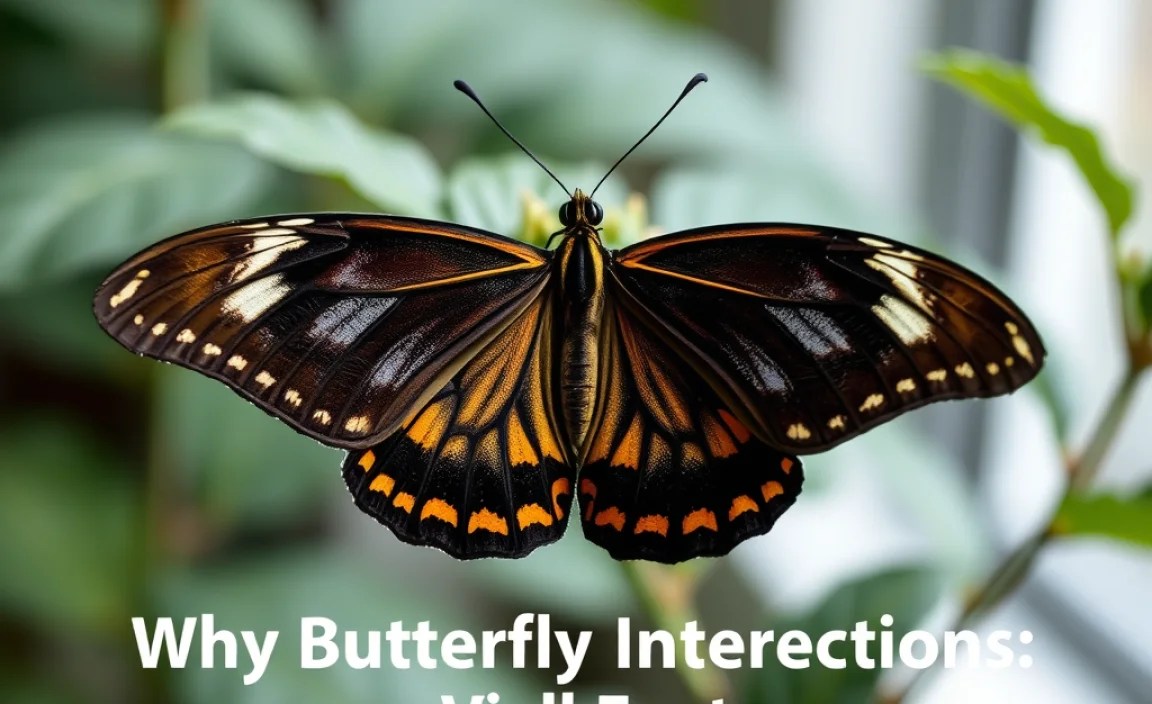
Butterflies and plants have a close relationship that benefits both. Understanding this connection is key to helping butterflies thrive.
Pollination: More Than Just Bees
We often think of bees when we talk about pollination, but butterflies are important pollinators too. As they move from flower to flower, sipping nectar, they carry pollen on their bodies. This helps plants reproduce and create seeds. Many plants rely on butterflies for pollination, especially those with bright colors and sweet fragrances that attract these winged visitors.
The Food Chain: Caterpillars and Beyond
Butterflies start as caterpillars, and caterpillars are hungry! They feed on plants, often specific types. This makes them a vital part of the food chain. Caterpillars provide food for birds, reptiles, and other insects. Without enough caterpillars, these animals can struggle to find food.
Indicators of Ecosystem Health
Butterflies are sensitive to changes in their environment. A healthy butterfly population indicates a healthy ecosystem. If butterfly numbers decline, it can be a warning sign that something is wrong, such as habitat loss or pollution. By monitoring butterfly populations, scientists can get valuable insights into the overall health of our environment.
Threats to Butterfly-Plant Interactions

Several factors are endangering the interactions between butterflies and plants. Understanding these threats is the first step in finding solutions.
Habitat Loss: Where Did All the Flowers Go?
One of the biggest threats to butterflies is the loss of their habitat. As we convert natural areas into farms, cities, and roads, we destroy the plants that butterflies need for food and shelter. This loss of habitat can leave butterflies with nowhere to live or lay their eggs.
Pesticide Use: A Deadly Spray
Pesticides are designed to kill insects, but they can also harm butterflies. Even pesticides that aren’t directly toxic to butterflies can kill the plants they rely on for food. The widespread use of pesticides in agriculture and gardens is a major threat to butterfly populations.
Climate Change: Shifting Seasons
Climate change is altering the timing of plant growth and butterfly life cycles. Butterflies may emerge too early or too late to find the plants they need, disrupting the delicate balance of their interactions. Changes in temperature and rainfall can also affect the distribution of plants, making it harder for butterflies to find suitable habitats.
Invasive Species: Unwanted Guests
Invasive plant species can outcompete native plants, reducing the availability of food and habitat for butterflies. These non-native plants often don’t provide the right nutrients or support the butterfly life cycle, leading to a decline in butterfly populations.
What Makes Butterfly-Plant Interactions Endangered?

To better understand the severity, let’s break down the specific ways these interactions are becoming endangered.
Decline in Native Plant Populations
Butterflies have evolved alongside native plants, developing specific relationships with them. When native plant populations decline, butterflies lose their primary food source. This decline can be caused by habitat loss, invasive species, and changes in land management practices.
Disruption of Pollination Services
As butterfly populations decline, their ability to pollinate plants is also reduced. This can have cascading effects on plant reproduction and the overall health of ecosystems. Some plants rely almost entirely on butterflies for pollination, making them particularly vulnerable to butterfly declines.
Loss of Host Plants for Caterpillars
Many butterflies have specific host plants that their caterpillars need to feed on. If these host plants disappear, the caterpillars cannot survive. This can lead to a decline in butterfly populations and disrupt the food chain.
Impact on Butterfly Migration Patterns
Some butterflies, like the monarch, migrate long distances to find suitable breeding grounds and food sources. Habitat loss and climate change can disrupt these migration patterns, making it harder for butterflies to complete their life cycle. This can lead to a decline in butterfly populations and reduce their ability to pollinate plants across their range.
How to Help: Protecting Butterfly-Plant Interactions

Now for the good news! There are many things you can do to help protect butterfly-plant interactions. Here’s a step-by-step guide to creating a butterfly-friendly habitat.
Step 1: Plant Native Nectar Sources
Choose plants that are native to your area and provide nectar for butterflies. Native plants are best because butterflies have evolved alongside them and are well-adapted to feed on their nectar. Some great options include:
- Milkweed (Asclepias spp.): Essential for monarch butterflies.
- Coneflowers (Echinacea spp.): Attract a variety of butterflies.
- Asters (Symphyotrichum spp.): Provide late-season nectar.
- Goldenrod (Solidago spp.): Another important late-season source.
- Joe-Pye Weed (Eutrochium purpureum): A favorite of many butterflies.
Step 2: Provide Host Plants for Caterpillars
Don’t forget about the caterpillars! Plant host plants that caterpillars can feed on. This will help ensure that butterflies can complete their life cycle in your garden. Some common host plants include:
- Milkweed (Asclepias spp.): Host plant for monarch caterpillars.
- Dill, Fennel, Parsley (Anethum graveolens, Foeniculum vulgare, Petroselinum crispum): Host plants for swallowtail caterpillars.
- Oak Trees (Quercus spp.): Host plants for many different caterpillars.
- Violets (Viola spp.): Host plants for fritillary caterpillars.
- Clover and Alfalfa (Trifolium spp. and Medicago sativa): Host plants for sulfur butterflies.
Step 3: Avoid Pesticides
Pesticides can harm butterflies and other beneficial insects. Avoid using pesticides in your garden, or choose organic options that are less harmful. Consider using natural pest control methods, such as introducing beneficial insects or hand-picking pests off plants.
Step 4: Create a Butterfly-Friendly Habitat
Butterflies need more than just food. They also need shelter from the wind and sun, as well as a place to lay their eggs. Create a butterfly-friendly habitat by providing:
- Sunny spots: Butterflies need warmth to be active.
- Shelter from the wind: Plant shrubs or trees to create a windbreak.
- Water source: A shallow dish of water with pebbles for butterflies to land on.
- Rocks for basking: Butterflies like to warm themselves on rocks in the sun.
Step 5: Support Conservation Efforts
Support organizations that are working to protect butterfly habitats and promote conservation. You can donate to these organizations, volunteer your time, or simply spread the word about the importance of butterfly conservation. Some organizations to consider include:
- The Xerces Society: A non-profit organization that protects invertebrates and their habitats.
- The National Wildlife Federation: Works to protect wildlife and their habitats.
- The Butterfly Conservation Society: Dedicated to saving butterflies, moths, and their habitats.
Step 6: Educate Others
Share your knowledge about butterflies and their importance with others. Talk to your friends, family, and neighbors about what they can do to help. The more people who are aware of the threats to butterflies, the more likely we are to take action to protect them.
Butterfly-Friendly Garden Design
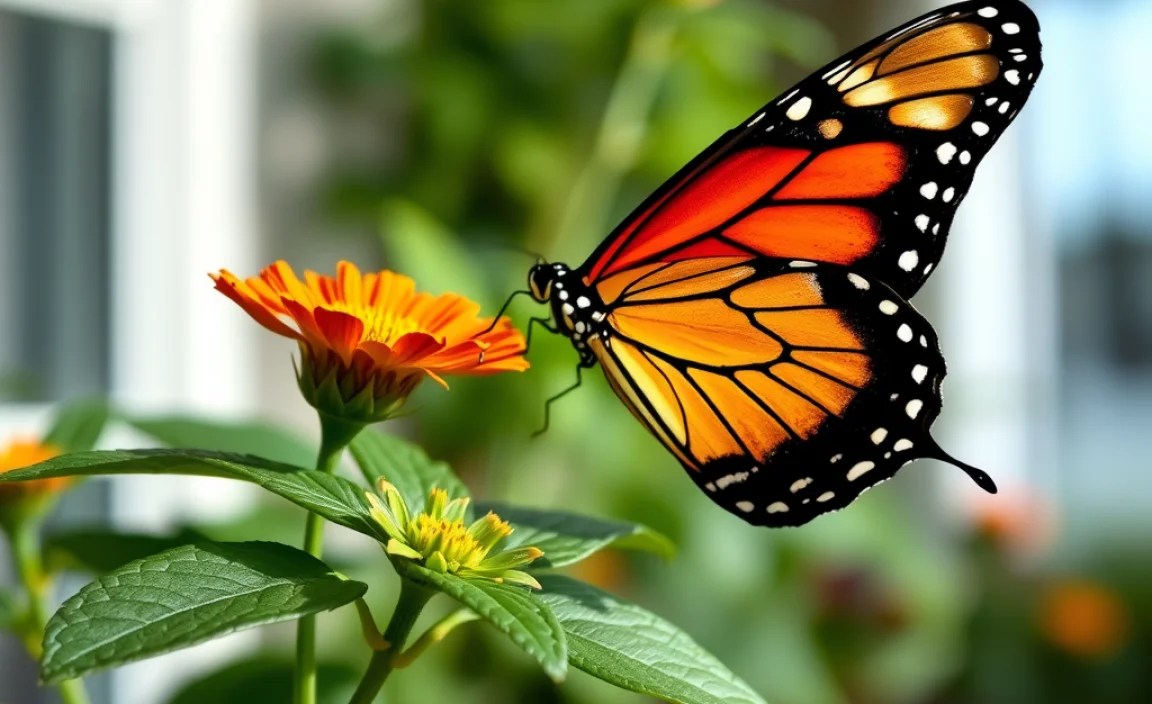
Designing your garden with butterflies in mind can make a big difference. Here are some tips for creating a beautiful and functional butterfly garden.
Choosing the Right Location
Butterflies need a sunny location with shelter from the wind. Choose a spot in your yard that gets at least six hours of sunlight per day. Consider planting shrubs or trees to create a windbreak and provide shelter for butterflies.
Planting in Groups
Plant nectar sources and host plants in groups to make it easier for butterflies to find them. A mass planting of a single type of flower is more attractive to butterflies than a single plant scattered throughout the garden.
Succession Planting
Choose plants that bloom at different times of the year to provide a continuous source of nectar for butterflies. This will ensure that butterflies have food throughout the growing season.
Providing Water
Butterflies need water to survive. Provide a shallow dish of water with pebbles for butterflies to land on. The pebbles will help prevent butterflies from drowning. You can also create a mud puddle by wetting a patch of soil.
Butterfly Conservation Beyond Your Backyard
While creating a butterfly-friendly garden is a great start, there are other ways to support butterfly conservation on a larger scale.
Advocating for Policy Changes
Support policies that protect butterfly habitats and reduce pesticide use. Contact your elected officials and let them know that you care about butterfly conservation. Advocate for policies that promote sustainable agriculture and protect natural areas.
Participating in Citizen Science Projects
Get involved in citizen science projects that monitor butterfly populations and track their movements. These projects help scientists gather valuable data about butterflies and their habitats. Some citizen science projects to consider include:
- The North American Butterfly Association (NABA) Butterfly Count.
- Journey North’s Monarch Butterfly Migration Project.
- eButterfly.
Supporting Sustainable Agriculture
Choose to buy food from farmers who use sustainable farming practices. Sustainable agriculture reduces pesticide use and protects butterfly habitats. Look for organic and locally grown produce whenever possible.
Reducing Your Carbon Footprint
Climate change is a major threat to butterflies. Reduce your carbon footprint by conserving energy, using public transportation, and making other sustainable choices. This will help mitigate the effects of climate change on butterfly populations.
Understanding Butterfly Plant Relationships: A Table
Here’s a table summarizing some common butterfly-plant relationships to help you plan your garden:
| Butterfly Species | Host Plant | Nectar Source |
|---|---|---|
| Monarch | Milkweed (Asclepias spp.) | Milkweed, Asters, Goldenrod |
| Black Swallowtail | Dill, Parsley, Fennel | Milkweed, Zinnias, Butterfly Bush |
| Painted Lady | Thistle, Mallow | Asters, Cosmos, Zinnias |
| Spicebush Swallowtail | Spicebush, Sassafras | Lantana, Milkweed, Thistle |
| Cabbage White | Cabbage, Kale, Mustard | Mustard family flowers, Dandelions, Daisies |
Attracting Butterflies: A Seasonal Guide
Attracting butterflies means providing for their needs throughout the year. Here’s a seasonal guide to help you keep your garden butterfly-friendly:
Spring
In the spring, focus on providing host plants for caterpillars. Plant early-blooming nectar sources to provide food for butterflies that have overwintered or are migrating through your area.
Summer
Summer is the peak season for butterflies. Provide a variety of nectar sources that bloom throughout the summer. Make sure to provide water and shelter for butterflies.
Fall
In the fall, plant late-blooming nectar sources to provide food for butterflies that are preparing to migrate or overwinter. Leave some leaf litter and standing dead plants to provide shelter for overwintering butterflies and other insects.
Winter
In the winter, avoid disturbing overwintering butterflies and other insects. Leave leaf litter and standing dead plants in place. Plan for the next growing season by researching native plants and ordering seeds or plants.
Benefits of Butterfly Gardens
Creating a butterfly garden offers numerous benefits, both for you and the environment.
- Aesthetic Appeal: Butterfly gardens add beauty and color to your landscape.
- Educational Opportunities: They provide a great way to learn about butterflies and their life cycles.
- Environmental Benefits: Butterfly gardens support pollinators and contribute to the health of ecosystems.
- Stress Relief: Spending time in a butterfly garden can be relaxing and therapeutic.
- Increased Property Value: A well-maintained butterfly garden can increase the value of your property.
Frequently Asked Questions (FAQ)
Q: What is a host plant for butterflies?
A: A host plant is a specific plant species that a butterfly caterpillar needs to eat in order to grow and develop. Without the right host plant, the caterpillar cannot survive.
Q: What is a nectar source for butterflies?
A: A nectar source is a plant that produces nectar, a sugary liquid that adult butterflies feed on for energy. Nectar sources provide butterflies with the fuel they need to fly, reproduce, and migrate.
Q: How can I tell if a plant is native to my area?
A: You can check if a plant is native to your area by consulting online resources, such as the USDA Plants Database or the Lady Bird Johnson Wildflower Center Native Plant Database. You can also ask your local nursery or garden center for recommendations.
Q: Are butterfly houses effective?
A: Butterfly houses are not very effective at attracting butterflies. Butterflies prefer to roost in natural shelters, such as trees and shrubs. Instead of buying a butterfly house, focus on providing host plants and nectar sources in your garden.
Q: How can I protect butterflies from predators?
A: You can protect butterflies from predators by providing shelter in your garden, such as shrubs and trees. You can also avoid using pesticides, which can harm beneficial insects that prey on butterfly predators.
Q: What are some common butterfly garden mistakes to avoid?
A: Some common butterfly garden mistakes to avoid include using pesticides, planting non-native plants, failing to provide host plants, and not providing water and shelter.
Q: How do I attract Monarch butterflies?
A: To attract Monarch butterflies, plant milkweed, which is the host plant for Monarch caterpillars. Also, provide plenty of nectar sources, such as asters, goldenrod, and zinnias, to feed adult Monarch butterflies.
Conclusion
The decline of butterfly-plant interactions is a serious issue, but it’s not too late to make a difference. By planting native nectar sources and host plants, avoiding pesticides, and supporting conservation efforts, we can help protect these beautiful creatures and the ecosystems they support. Every small action counts, from planting a single milkweed plant to advocating for policy changes. Let’s work together to create a world where butterflies can thrive!
As a lifelong butterfly enthusiast, I encourage you to embrace the joy of creating a butterfly-friendly space. Whether you have a sprawling garden or a small balcony, you can provide a haven for these essential pollinators. By understanding their needs and taking action, you become a crucial part of the solution, ensuring that future generations can marvel at the beauty and ecological importance of butterflies.