
How to Identify Rare Butterflies: Easy Guide

Do you love butterflies? They flutter around with pretty colors. Some butterflies are common. Others are very hard to find. Have you ever wondered how to identify rare butterflies? It can be like a treasure hunt. You need to learn what makes them special.
Finding a rare butterfly is exciting. It means you found something unique. It also helps scientists learn more about nature. This article will show you how to identify rare butterflies. Let’s start our butterfly adventure!
Key Takeaways
- Knowing how to identify rare butterflies helps protect these important insects.
- Pay attention to unique wing patterns, colors, and sizes of butterflies.
- Check specific habitats like forests, meadows, or near certain plants.
- Use a butterfly field guide to compare your findings with known species.
- Report your rare butterfly sightings to local nature organizations.
How to Spot Rare Butterflies
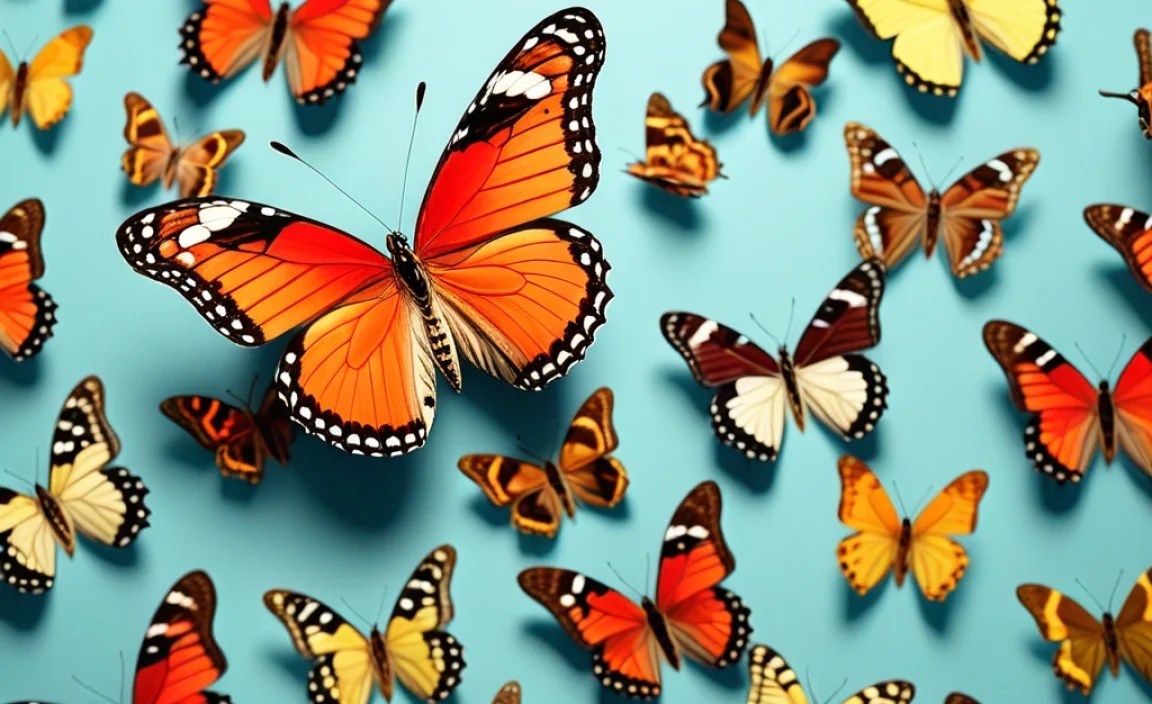
Spotting rare butterflies needs careful looking. You must know where to look and what to look for. Rare butterflies often live in special places. These places are called habitats. Some like old forests. Others prefer sunny meadows. Knowing their habitat is key. Look for unique wing patterns and colors. Rare butterflies might have spots or stripes not seen on common ones. Size also matters. Some rare types are very small or very big. Bring a field guide. This book shows pictures of butterflies. Compare what you see with the pictures. Look closely. Note every detail. This helps you tell if it’s a rare butterfly.
- Learn about butterfly habitats.
- Study wing patterns and colors.
- Note the butterfly’s size.
- Use a butterfly field guide.
- Look for unique features.
Finding a rare butterfly is like being a detective. You gather clues and solve a mystery. Each butterfly has its own story. They show us how nature is special. When you learn how to identify rare butterflies, you help protect them. You become a friend to these amazing insects. Always be gentle when you watch them. Never touch their wings. Enjoy the beauty of nature. Share what you learn with others. Let’s all help butterflies survive.
Fun Fact or Stat: The Schaus’ Swallowtail butterfly was once down to only 70 individuals but has made a comeback thanks to conservation efforts!
What Habitats Do They Prefer?
Do you know where butterflies live? Butterflies need special places to live. These are called habitats. Some like forests with tall trees. Others like meadows with many flowers. Rare butterflies are picky. They need the right habitat to survive. The Karner Blue butterfly lives near wild lupine plants. These plants are its only food as a caterpillar. The Miami Blue butterfly likes warm, coastal areas. These areas are becoming rare. Knowing a butterfly’s habitat helps you find it. Look for the right plants and conditions. This is a big step in how to identify rare butterflies. It’s like finding a hidden treasure.
What About Their Wing Patterns?
Have you ever noticed butterfly wings? They are like tiny paintings. Each butterfly has its own design. Rare butterflies often have special patterns. These patterns help them hide or attract mates. The Queen Alexandra’s Birdwing is huge. It has bright colors that warn predators. The El Segundo Blue butterfly is tiny. It has blue wings with black spots. These patterns are clues. They help you tell rare butterflies from common ones. Study the wings closely. Note the colors, spots, and lines. This is an important part of how to identify rare butterflies. It’s like learning a secret code.
Why Is Size Important?
Did you know butterflies come in different sizes? Some are as big as your hand. Others are smaller than your fingernail. Size is another clue to finding rare butterflies. The Giant Swallowtail is one of the biggest. It can be easy to spot because of its size. The Western Pygmy Blue is very small. It can be hard to see among the flowers. Pay attention to size when you look for butterflies. Use a ruler if you need to. This will help you how to identify rare butterflies. It’s like being a scientist with a measuring tool.
Learn About Endangered Species
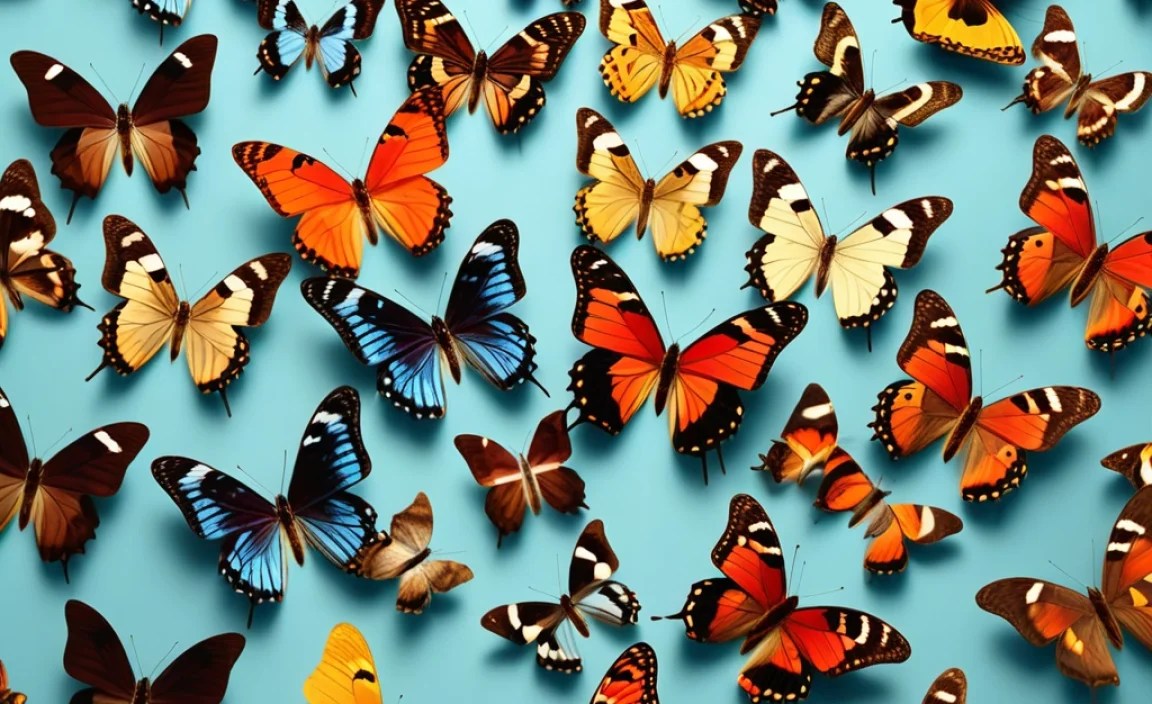
Some butterflies are in danger. This means there are not many left. They are called endangered species. People need to help protect them. Knowing about endangered butterflies is important. It helps you understand why they are rare. The Mission Blue butterfly is endangered. It lives in California. Its habitat is being destroyed by cities. The Palos Verdes Blue butterfly is also endangered. It is one of the rarest butterflies in the world. Learning about these butterflies helps you how to identify rare butterflies. It also helps you care about nature. We must protect these beautiful creatures.
- Understand what “endangered” means.
- Learn about the Mission Blue butterfly.
- Know the story of the Palos Verdes Blue.
- Find out why butterflies become endangered.
- Support butterfly conservation efforts.
Being aware of endangered species is a big responsibility. Each butterfly plays a role in our world. When they disappear, it affects everything. How to identify rare butterflies is a skill that helps protect them. You can teach others what you know. You can help create safe places for butterflies to live. Even small actions can make a big difference. Plant flowers that butterflies like. Avoid using harmful chemicals in your yard. Support organizations that protect butterflies. Together, we can help these amazing insects survive.
Fun Fact or Stat: The International Union for Conservation of Nature (IUCN) Red List assesses the conservation status of species, including butterflies!
What Threats Do They Face?
Why are some butterflies endangered? They face many threats. One big threat is habitat loss. This means their homes are being destroyed. People build houses and roads where butterflies used to live. Another threat is pollution. Chemicals can hurt butterflies and their food. Climate change is also a threat. It changes the weather and makes it hard for butterflies to survive. Invasive species can cause problems too. These are plants or animals that don’t belong in an area. They can take over and harm butterflies. Understanding these threats helps you how to identify rare butterflies. It also helps you protect them from harm.
How Can We Help Protect Them?
Want to help butterflies? There are many ways you can make a difference. Plant butterfly gardens. Use native plants that butterflies like. Avoid using pesticides. These chemicals can hurt butterflies. Support organizations that protect butterfly habitats. Teach others about butterflies. The more people know, the more they will care. You can also report butterfly sightings. This helps scientists track butterfly populations. Even small actions can help butterflies survive. Every little bit makes a difference. By learning how to identify rare butterflies, you become a butterfly protector.
Why Is Conservation Important?
Why should we care about butterflies? Butterflies are important for many reasons. They help pollinate flowers. This means they help plants make seeds and grow. Butterflies are also part of the food chain. Birds and other animals eat them. Butterflies are beautiful and bring joy to people. When butterflies disappear, it affects the whole ecosystem. Conservation helps protect butterflies and their habitats. It also helps protect the planet. We all need clean air, water, and food. Butterflies play a role in keeping our planet healthy. Learning how to identify rare butterflies is the first step in protecting them.
Use Butterfly Field Guides
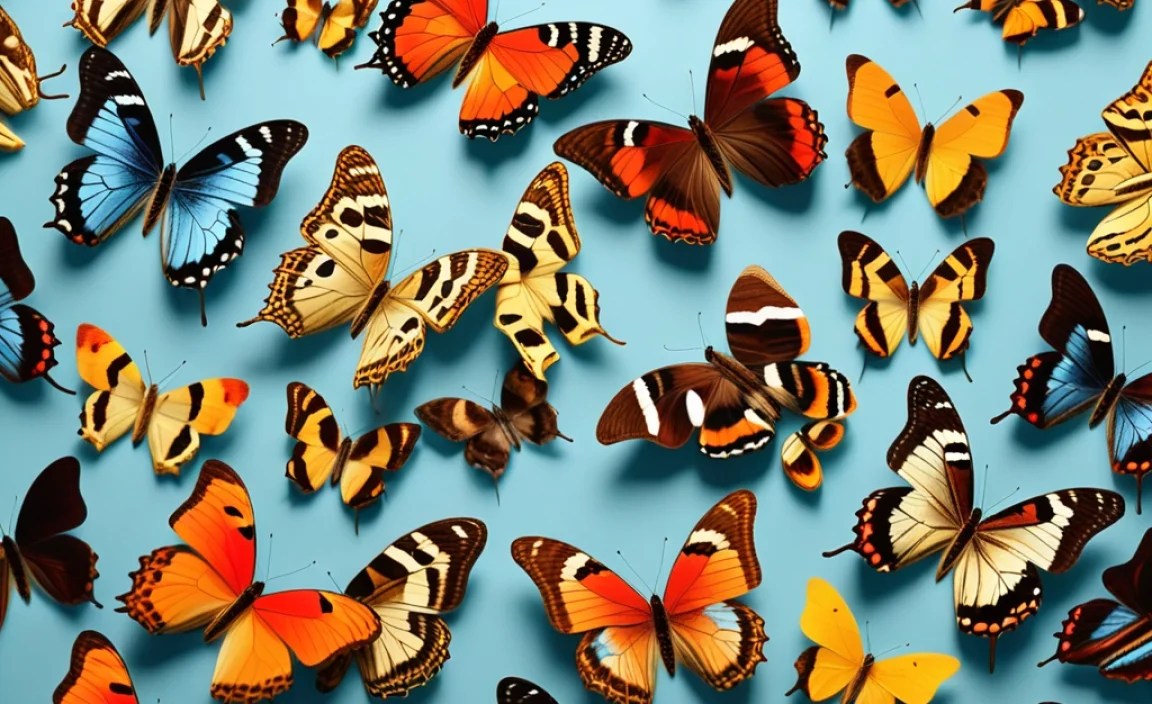
Field guides are helpful books. They show pictures and information about butterflies. A good field guide is important. It can help you how to identify rare butterflies. Look for a guide that covers your area. The guide should have clear pictures of different butterflies. It should also have information about their habitat and behavior. Learn how to use the field guide. Practice matching butterflies to the pictures. Pay attention to the details. Notice the colors, patterns, and sizes. A field guide is like a map. It helps you explore the world of butterflies.
- Choose a field guide for your region.
- Learn how to use the field guide.
- Match butterflies to pictures in the guide.
- Read about butterfly habitats and behaviors.
- Take your field guide with you when you explore.
Using a field guide makes butterfly watching more fun. You can learn the names of different butterflies. You can also learn about their lives. When you see a butterfly, try to identify it. Look at the pictures in the guide. Read the descriptions. Notice the details. If you’re not sure, take a picture. Then, look it up later. The more you use the field guide, the better you will become. Soon, you will know how to identify rare butterflies. You will be a butterfly expert.
Fun Fact or Stat: Some field guides now have apps that use photos to identify butterflies automatically!
What Makes a Good Field Guide?
What should you look for in a field guide? A good field guide has clear pictures. The pictures should show the butterflies from different angles. The guide should also have accurate information. It should tell you about the butterfly’s habitat, food, and behavior. Look for a guide that is easy to use. The information should be organized well. The guide should be small enough to carry with you. A good field guide is a valuable tool. It helps you how to identify rare butterflies. It also helps you learn about nature.
How Do You Use a Field Guide?
Using a field guide is easy. First, find the section for butterflies. Then, look at the pictures. Compare the pictures to the butterfly you see. Pay attention to the colors, patterns, and size. Read the description of each butterfly. The description will tell you about its habitat and behavior. If you’re not sure, look at similar butterflies. Compare the details. Ask an adult for help if you need it. With practice, you will become good at using a field guide. You’ll know how to identify rare butterflies in no time.
Why Are Field Guides Important?
Why should you use a field guide? Field guides help you learn about nature. They teach you the names of plants and animals. They also teach you about their lives. Field guides help you appreciate the world around you. They make exploring more fun. When you use a field guide, you become a scientist. You learn to observe and identify things. You also learn to care about the environment. Field guides are important tools for conservation. They help us how to identify rare butterflies and protect them.
Check Specific Habitats
Butterflies need specific places to live. These places are called habitats. Some like forests. Others like meadows. Rare butterflies are even more picky. They need special habitats to survive. The Karner Blue butterfly lives near lupine plants. The Fender’s Blue butterfly lives in prairie grasslands. Knowing these habitats is key. It helps you how to identify rare butterflies. Look for the right plants and conditions. Visit these habitats at the right time of year. This is when butterflies are most active. Be patient and observant. You might find a rare butterfly.
- Learn about butterfly habitats in your area.
- Find out which habitats rare butterflies prefer.
- Visit these habitats at the right time of year.
- Look for specific plants that butterflies need.
- Be patient and observant when you explore.
Exploring specific habitats can be exciting. It’s like going on a treasure hunt. You never know what you might find. Always be respectful of nature. Stay on trails and avoid disturbing plants. Don’t leave any trash behind. Take only pictures and memories. Share your findings with others. Teach them about the importance of habitats. Together, we can protect these special places. By learning how to identify rare butterflies and their habitats, you become a guardian of nature.
Fun Fact or Stat: Some butterflies are so habitat-specific that they only live on one type of plant!
What Is a Butterfly Habitat?
What does a butterfly habitat need? A butterfly habitat needs food. Butterflies eat nectar from flowers. Caterpillars eat leaves from plants. A habitat also needs shelter. Butterflies need places to hide from predators. They also need places to lay their eggs. A good habitat has sunlight and water. Butterflies need sunlight to warm their bodies. They need water to drink. Different butterflies need different habitats. Some like forests, others like meadows. Knowing what a butterfly needs helps you how to identify rare butterflies and their homes.
How Do Habitats Affect Butterflies?
How does a habitat affect a butterfly? A habitat provides everything a butterfly needs. It provides food, shelter, and water. If a habitat is destroyed, butterflies can’t survive. Habitat loss is a big threat to butterflies. When people build houses and roads, they destroy butterfly habitats. Pollution can also harm habitats. Chemicals can kill plants and insects. Climate change can change habitats. It can make them too hot or too dry. Protecting habitats is important for butterflies. It helps them how to identify rare butterflies and survive.
Why Is It Important to Protect Habitats?
Why should we protect butterfly habitats? Butterflies are important for the ecosystem. They help pollinate flowers. This helps plants grow. Butterflies are also food for other animals. Birds and lizards eat butterflies. When butterfly habitats disappear, it affects everything. Plants can’t grow, and animals lose their food source. Protecting habitats helps protect the whole ecosystem. It also helps protect the planet. We all need clean air, water, and food. Butterflies play a role in keeping our planet healthy. Learning how to identify rare butterflies starts with protecting their homes.
| Habitat Type | Common Butterflies | Rare Butterflies | Key Features |
|---|---|---|---|
| Forest | Tiger Swallowtail, Viceroy | Diana Fritillary | Shady areas, host trees for caterpillars |
| Meadow | Monarch, Painted Lady | Karner Blue | Wildflowers, sunny spots |
| Wetland | Swallowtail, Black Swallowtail | Mitchell’s Satyr | Water sources, specific host plants |
| Desert | Queen, Pipevine Swallowtail | Thorne’s Hairstreak | Drought-resistant plants, rocky areas |
Observe Butterfly Behavior
Butterflies do many interesting things. They fly, eat, and lay eggs. Watching how they act can help you how to identify rare butterflies. Some butterflies fly in a special way. Some feed on certain flowers. Some lay eggs only on specific plants. These behaviors are clues. They help you tell rare butterflies from common ones. Watch carefully and take notes. What flowers does the butterfly visit? How does it fly? Where does it lay its eggs? These observations can help you identify rare butterflies.
- Watch how butterflies fly.
- Observe what flowers they visit.
- Note where they lay their eggs.
- Look for unique behaviors.
- Take notes on what you see.
Observing butterfly behavior is like being a scientist. You are studying how they live. You are learning about their habits. The more you watch, the more you will learn. You will start to notice patterns. You will see things that others miss. Soon, you will know how to identify rare butterflies by their behavior. You will be a butterfly behavior expert. Share your knowledge with others. Teach them how to observe butterflies. Together, we can learn more about these amazing insects.
Fun Fact or Stat: Some butterflies migrate thousands of miles each year, like the Monarch!
How Do Butterflies Fly?
Have you ever watched a butterfly fly? They move in a special way. Some flutter quickly. Others glide slowly. The way a butterfly flies can help you identify it. Some rare butterflies have a unique flight pattern. The Monarch butterfly migrates long distances. It flies in a straight line. The Pipevine Swallowtail flutters its wings a lot. It looks like it’s dancing in the air. Pay attention to how butterflies fly. This will help you how to identify rare butterflies.
What Do Butterflies Eat?
What do butterflies eat? Most butterflies eat nectar from flowers. They use a long, straw-like tongue called a proboscis. They unroll it and sip the nectar. Some butterflies eat other things. They might eat tree sap or rotting fruit. Caterpillars eat leaves. Different butterflies eat different plants. The plants they eat can help you identify them. The Monarch caterpillar eats milkweed leaves. The Black Swallowtail caterpillar eats parsley and dill. Knowing what butterflies eat helps you how to identify rare butterflies.
Where Do Butterflies Lay Eggs?
Where do butterflies lay their eggs? Butterflies lay their eggs on plants. They choose plants that their caterpillars can eat. Some butterflies are very picky. They only lay eggs on one type of plant. The Monarch butterfly lays eggs on milkweed. The Pipevine Swallowtail lays eggs on pipevine. The plant where a butterfly lays its eggs can help you identify it. Look for eggs on specific plants. This can help you how to identify rare butterflies and their babies.
Report Rare Butterfly Sightings
If you see a rare butterfly, tell someone! Reporting your sighting is important. It helps scientists track butterfly populations. It also helps them protect rare butterflies. Contact your local nature center. They can help you identify the butterfly. They can also tell you how to report it. Take a picture of the butterfly. Note the date, time, and location. Include as much information as possible. Your report can help save rare butterflies. Learning how to identify rare butterflies and reporting sightings is important for conservation.
- Take a picture of the butterfly.
- Note the date, time, and location.
- Contact your local nature center.
- Report your sighting to a butterfly organization.
- Share your findings with others.
Reporting rare butterfly sightings is easy. It only takes a few minutes. But it can make a big difference. Scientists use this information to study butterfly populations. They can track where butterflies live. They can also see how populations are changing. This helps them understand what threats butterflies face. It also helps them develop conservation plans. By reporting your sightings, you are helping to protect butterflies. You are making a positive impact on the world. You are showing that you care about nature. Knowing how to identify rare butterflies and reporting them is a great way to help.
Fun Fact or Stat: Citizen science projects rely on volunteers to report sightings and gather data!
Why Is Reporting Important?
Why should you report butterfly sightings? Reporting helps scientists track butterfly populations. They can see where butterflies live and how many there are. This information is important for conservation. It helps scientists understand what threats butterflies face. It also helps them develop plans to protect butterflies. If you see a rare butterfly, your report can make a big difference. It can help scientists learn more about these amazing insects. It can also help them protect them from harm. How to identify rare butterflies and reporting them is a powerful way to help.
How Do You Report a Sighting?
How do you report a butterfly sighting? First, take a picture of the butterfly. This will help experts identify it. Then, note the date, time, and location. Be as specific as possible. Include the habitat where you saw the butterfly. Was it in a forest, a meadow, or a garden? Contact your local nature center or butterfly organization. They can tell you how to submit your report. They may have an online form or an email address. Provide all the information you have. Your report will help scientists learn more about butterflies. Knowing how to identify rare butterflies and sharing the information is very helpful.
Who Uses the Data?
Who uses the butterfly sighting data? Scientists use the data to study butterfly populations. They can track where butterflies live and how many there are. Conservation organizations use the data to plan protection efforts. They can identify areas where butterflies need help. Government agencies use the data to make decisions about land use. They can protect butterfly habitats from development. Your butterfly sightings can help protect butterflies and their homes. Knowing how to identify rare butterflies and reporting them is important for everyone.
Summary
Butterflies are beautiful and important insects. Some butterflies are rare and need our help. How to identify rare butterflies starts with learning about their unique features. Look for special wing patterns, colors, and sizes. Pay attention to where they live. Some like forests, others like meadows. Use a field guide to help you identify different butterflies. Observe their behavior. How do they fly? What do they eat? Where do they lay their eggs?
If you see a rare butterfly, report your sighting. This helps scientists track butterfly populations. It also helps them protect these amazing insects. By learning how to identify rare butterflies, you can become a butterfly protector. You can help save these beautiful creatures for future generations. Remember to be gentle and respectful when you watch butterflies. Never touch their wings. Enjoy their beauty and share your knowledge with others.
Conclusion
Learning about butterflies is fun. It is also important. Rare butterflies need our help. We can protect them by learning how to identify rare butterflies. Look for unique features. Watch their behavior. Report your sightings. Every little bit helps. Let’s all work together to protect these beautiful creatures. They make our world a better place. They bring joy and wonder to our lives. Let’s keep them flying for many years to come.
Frequently Asked Questions
Question No 1: What is a rare butterfly?
Answer: A rare butterfly is a type of butterfly that is not very common. There are not many of them living in the world. This could be because their habitat is being destroyed. It could also be because of pollution or climate change. Rare butterflies are special and need our help to survive. How to identify rare butterflies is the first step in protecting them. We must learn about them and their needs.
Question No 2: How can I tell if a butterfly is rare?
Answer: Telling if a butterfly is rare takes practice. First, look at its wings. Are the colors or patterns unusual? Then, check its size. Is it bigger or smaller than other butterflies you’ve seen? Use a field guide to compare it to pictures of known butterflies. Also, pay attention to where you found it. Was it in a special habitat? If you think you’ve found a rare butterfly, take a picture. Report it to your local nature center. Learning how to identify rare butterflies is a skill that helps protect them.
Question No 3: What is a butterfly habitat?
Answer: A butterfly habitat is the place where a butterfly lives. It includes everything the butterfly needs to survive. This includes food, water, and shelter. Butterfly habitats can be forests, meadows, or gardens. Different butterflies need different habitats. Some like sunny places, others like shady places. Protecting butterfly habitats is very important. It helps butterflies survive and thrive. How to identify rare butterflies also involves understanding their habitat needs. We must protect these special places.
Question No 4: Why are some butterflies rare?
Answer: Some butterflies are rare because they face many threats. One big threat is habitat loss. This means their homes are being destroyed. Another threat is pollution. Chemicals can hurt butterflies and their food. Climate change is also a threat. It changes the weather and makes it hard for butterflies to survive. Invasive species can also cause problems. They can take over and harm butterflies. Understanding these threats helps us protect butterflies. Knowing how to identify rare butterflies helps us understand their challenges.
Question No 5: What can I do to help rare butterflies?
Answer: There are many things you can do to help rare butterflies. Plant butterfly gardens with native plants. Avoid using pesticides in your yard. Support organizations that protect butterfly habitats. Teach others about butterflies and their importance. Report any rare butterfly sightings you have. Even small actions can make a big difference. Every little bit helps protect these amazing insects. Learning how to identify rare butterflies is a great way to start helping them.
Question No 6: Where can I learn more about butterflies?
Answer: You can learn more about butterflies in many places. Visit your local library and check out books about butterflies. Go to a nature center or butterfly garden. Talk to experts and ask questions. Watch documentaries about butterflies. Search for information online from reputable sources. Join a butterfly club or organization. There are many ways to learn about these amazing insects. How to identify rare butterflies is a journey of discovery. Enjoy learning and exploring the world of butterflies.


