
Rare Iridescent Butterfly Species: A Powerful Guide

Have you ever seen a rainbow in the sky? Some butterflies have colors like rainbows! These colors shimmer and shine. They are called iridescent. Some iridescent butterflies are very rare. These rare iridescent butterfly species are special. Let’s learn about them.
These butterflies are like tiny jewels. They flutter around in the sun. Their wings catch the light. This makes them look magical. But why are they so rare? Where do they live? Keep reading to find out.
Key Takeaways
- Protecting habitats helps ensure rare iridescent butterfly species survive.
- Many iridescent butterflies are threatened by habitat loss.
- The Madagascan Sunset Moth is one of the most vibrant moths.
- Iridescent butterflies get their colors from tiny wing scales.
- Some rare butterflies live only in specific places.
What Makes Iridescent Butterfly Species Rare?

Many things make a butterfly species rare. One big reason is habitat loss. This means their homes are being destroyed. People cut down forests for farms. They build houses where butterflies live. Pollution also hurts butterflies. It can poison their food and water. Climate change is another problem. It changes the weather. This can make it hard for butterflies to find food. It can also make it hard for them to reproduce. Some rare iridescent butterfly species are only found in one place. If that place is destroyed, the butterfly could disappear forever. We need to protect these butterflies. We can protect their homes. We can reduce pollution. We can help stop climate change.
- Habitat loss is a major threat.
- Pollution harms butterfly habitats.
- Climate change affects butterfly survival.
- Some species live in only one place.
- Protecting habitats is very important.
Imagine a tiny butterfly. It lives in a small patch of forest. This forest is its only home. One day, people start cutting down the trees. The butterfly loses its food. It loses its shelter. It has nowhere to lay its eggs. The butterfly disappears from that place. This is what happens to many rare iridescent butterfly species. We need to be careful. We need to think about the impact of our actions. We can help protect these beautiful creatures. We can support organizations that protect habitats. We can plant butterfly-friendly gardens. Every little bit helps.
Fun Fact or Stat: Some iridescent butterflies are so rare that scientists have only seen a few of them in their entire lives!
Why Are Habitats Important?
Why are habitats so important for iridescent butterflies? Habitats provide everything a butterfly needs. They offer food, shelter, and places to reproduce. The plants in a habitat are food for caterpillars. They are also food for adult butterflies. Trees and bushes give butterflies shelter from the weather. They also hide them from predators. Butterflies need specific plants to lay their eggs on. If the right plants are not there, they cannot reproduce. Losing a habitat is like losing your home, your grocery store, and your school all at once. Rare iridescent butterfly species are especially sensitive. They often need very specific habitats to survive.
How Does Pollution Affect Butterflies?
How does pollution hurt these rare iridescent butterfly species? Pollution can poison the plants that caterpillars eat. It can also poison the nectar that adult butterflies drink. This makes them sick. It can even kill them. Pollution can also damage butterfly habitats. Acid rain can kill trees and plants. Air pollution can make it hard for butterflies to breathe. Water pollution can poison the water that butterflies need to drink. Pollution comes from many places. It comes from factories, cars, and farms. We can reduce pollution. We can drive less. We can use less energy. We can support clean energy.
What Can We Do to Help?
What can we do to help rare iridescent butterfly species? We can protect their habitats. We can reduce pollution. We can help stop climate change. We can also educate others about these butterflies. We can tell our friends and family about them. We can support organizations that protect butterflies. We can plant butterfly-friendly gardens. These gardens provide food and shelter for butterflies. We can also avoid using pesticides. Pesticides can kill butterflies and other insects. Even small actions can make a big difference. By working together, we can help protect these beautiful creatures for future generations. Let’s all do our part to save these rare iridescent butterfly species.
Fun Fact or Stat: Butterfly gardens can increase local butterfly populations by as much as 50%!
Iridescent Butterfly Species and Climate Change

Climate change is a big threat to rare iridescent butterfly species. As the climate changes, temperatures rise. Rainfall patterns change. These changes can affect butterfly habitats. Some butterflies can’t survive in warmer temperatures. They may move to cooler areas. But they may not be able to find food or shelter in these new areas. Changes in rainfall can also affect butterflies. Too much rain can flood their habitats. Too little rain can dry them out. This can kill the plants that caterpillars eat. Climate change can also cause more extreme weather events. These events can destroy butterfly habitats. Protecting these rare iridescent butterfly species from climate change is very important. We need to reduce greenhouse gas emissions. We can do this by using less energy. We can also support policies that address climate change.
- Climate change causes temperature increases.
- Changing rainfall hurts butterfly habitats.
- Extreme weather destroys habitats.
- Butterflies struggle to adapt quickly.
- Reducing emissions can help.
Think about a butterfly that lives in the mountains. It is used to cool temperatures. As the climate warms, the butterfly has to move higher up the mountain. But eventually, it runs out of mountain. It has nowhere else to go. This is what is happening to many rare iridescent butterfly species. They are running out of places to live. We need to act now to stop climate change. We can support renewable energy. We can reduce our carbon footprint. We can educate others about climate change. Together, we can make a difference.
Fun Fact or Stat: Some butterfly species have shifted their ranges over 100 miles in response to climate change!
How Do Temperature Changes Affect Butterflies?
How do temperature changes affect iridescent butterflies? Butterflies are cold-blooded. This means their body temperature depends on the environment. If it’s too cold, they can’t fly. If it’s too hot, they can overheat. Iridescent butterflies have adapted to specific temperature ranges. When temperatures change, they struggle. Warmer temperatures can speed up their development. This can cause them to emerge too early. They might miss the plants they need for food. Cooler temperatures can slow down their development. This can make them more vulnerable to predators. Temperature changes can also affect their breeding cycles.
What Happens When Rainfall Patterns Change?
What happens when rainfall patterns change for rare iridescent butterfly species? Butterflies need water to survive. Caterpillars get water from the plants they eat. Adult butterflies drink nectar and water from puddles. Changes in rainfall can affect the availability of water. Too much rain can flood habitats. This can wash away eggs and caterpillars. It can also make it hard for butterflies to find food. Too little rain can cause plants to dry out. This can reduce the amount of food available for caterpillars and butterflies. Changes in rainfall can also affect the timing of plant growth. This can disrupt the butterfly’s life cycle.
How Can We Reduce Our Carbon Footprint?
How can we reduce our carbon footprint to help rare iridescent butterfly species? Our carbon footprint is the amount of greenhouse gases we release into the atmosphere. These gases contribute to climate change. We can reduce our carbon footprint in many ways. We can drive less. We can walk, bike, or take public transportation. We can use less energy at home. We can turn off lights when we leave a room. We can unplug electronics when we’re not using them. We can eat less meat. Meat production requires a lot of energy. We can also support businesses that are committed to sustainability.
Fun Fact or Stat: Reducing your meat consumption by just one day a week can lower your carbon footprint significantly!
Protecting Iridescent Butterfly Species Habitats

Protecting habitats is key to saving rare iridescent butterfly species. Habitats provide everything butterflies need to survive. This includes food, shelter, and breeding grounds. When habitats are destroyed, butterflies lose their homes. They can’t find food or places to lay their eggs. This can lead to a decline in their population. We can protect habitats in many ways. We can create protected areas. These areas are off-limits to development. We can restore damaged habitats. We can plant native plants. We can remove invasive species. We can also educate people about the importance of habitats. When people understand why habitats are important, they are more likely to support conservation efforts. Protecting these rare iridescent butterfly species means protecting their homes.
- Protected areas limit development.
- Habitat restoration helps recover ecosystems.
- Native plants support butterfly food sources.
- Education raises awareness about habitats.
- Community involvement aids conservation.
Imagine a group of people working together. They are planting trees in a forest. This forest used to be a butterfly habitat. But it was damaged by a fire. Now, these people are helping to restore it. They are planting native trees and plants. These plants will provide food and shelter for butterflies. They are also removing invasive species. These species compete with native plants. They are creating a better habitat for butterflies. This is just one example of how we can protect habitats. Every action, big or small, can make a difference. Let’s work together to protect these rare iridescent butterfly species.
Fun Fact or Stat: Every year, thousands of volunteers help restore butterfly habitats around the world!
What Are Protected Areas?
What are protected areas and how do they help iridescent butterflies? Protected areas are places where development is limited or prohibited. These areas are set aside to protect natural resources. They can include national parks, wildlife refuges, and nature reserves. Protected areas provide safe havens for butterflies. They protect their habitats from destruction. They also allow butterflies to reproduce and thrive. Protected areas can be managed in different ways. Some areas are strictly protected. Others allow for some human activity. The key is to balance human needs with the needs of butterflies.
How Does Habitat Restoration Work?
How does habitat restoration help rare iridescent butterfly species? Habitat restoration is the process of bringing a damaged habitat back to its natural state. This can involve planting native plants. It can also involve removing invasive species. It can also involve restoring natural water flow. The goal is to create a healthy habitat. This habitat can support a wide range of plants and animals. Habitat restoration can be a long and difficult process. But it is worth it. It can help to save rare iridescent butterfly species from extinction.
Why Is Community Involvement Important?
Why is community involvement important for protecting iridescent butterfly species? Protecting butterflies requires a community effort. Local people are often the best stewards of their land. They understand the local environment. They know what needs to be done to protect it. Community involvement can take many forms. It can include volunteering for habitat restoration projects. It can also include educating others about butterflies. It can also include supporting local conservation organizations. When communities are involved, conservation efforts are more likely to succeed.
Fun Fact or Stat: Communities that actively participate in conservation are 60% more likely to see positive results!
Examples of Rare Iridescent Butterfly Species

There are many rare iridescent butterfly species around the world. One example is the Homerus Swallowtail. It is the largest butterfly in the Western Hemisphere. It is found only in Jamaica. Another example is the Queen Alexandra’s Birdwing. It is the largest butterfly in the world. It is found only in Papua New Guinea. These butterflies are threatened by habitat loss. They are also threatened by illegal collecting. Protecting these butterflies is important. They are a part of our natural heritage. These rare iridescent butterfly species are truly amazing. Their beauty is something to behold.
- Homerus Swallowtail lives in Jamaica.
- Queen Alexandra’s Birdwing is very large.
- Both species face habitat threats.
- Illegal collecting hurts populations.
- Conservation efforts are essential.
Imagine seeing a butterfly as big as your hand. That is what it is like to see a Queen Alexandra’s Birdwing. These butterflies are truly giants. They are a sight to behold. But they are also very rare. Their habitats are being destroyed by logging and agriculture. Illegal collectors also threaten them. These collectors want to sell them to collectors. We need to protect these butterflies. We need to stop habitat destruction. We need to stop illegal collecting. We can help to save these amazing creatures.
| Butterfly Species | Location | Wingspan | Threats |
|---|---|---|---|
| Homerus Swallowtail | Jamaica | 6 inches | Habitat loss, illegal collecting |
| Queen Alexandra’s Birdwing | Papua New Guinea | 11 inches | Habitat loss, illegal collecting |
| Madagascan Sunset Moth | Madagascar | 3-4 inches | Habitat loss |
| Rajah Brooke’s Birdwing | Southeast Asia | 6-7 inches | Habitat loss, deforestation |
Fun Fact or Stat: The Queen Alexandra’s Birdwing was first discovered in 1906!
Where Does the Homerus Swallowtail Live?
Where does the Homerus Swallowtail live, and why is it so special? The Homerus Swallowtail lives only in Jamaica. It is the largest butterfly in the Western Hemisphere. It is also one of the most endangered. Its populations have declined dramatically. This is due to habitat loss and illegal collecting. The Homerus Swallowtail is a symbol of Jamaica’s natural heritage. It is a reminder of the importance of protecting biodiversity. Conservation efforts are underway to protect this butterfly. These efforts include habitat restoration and anti-poaching patrols.
What Makes Queen Alexandra’s Birdwing Unique?
What makes Queen Alexandra’s Birdwing unique among iridescent butterflies? Queen Alexandra’s Birdwing is the largest butterfly in the world. Females can have a wingspan of up to 11 inches. Males are smaller, but they are still impressive. This butterfly is found only in Papua New Guinea. It lives in rainforests. These rainforests are being destroyed by logging and agriculture. The Queen Alexandra’s Birdwing is a protected species. But illegal collecting continues to threaten it.
Why Is Illegal Collecting a Problem?
Why is illegal collecting such a big problem for rare iridescent butterfly species? Illegal collecting involves capturing and selling butterflies. These butterflies are then sold to collectors. This can have a devastating impact on butterfly populations. It can drive species to extinction. Illegal collecting is often driven by profit. Collectors are willing to pay a lot of money for rare butterflies. This creates an incentive for people to collect them. Illegal collecting is difficult to stop. It often takes place in remote areas. It is important to raise awareness about this issue. We need to educate people about the harm that illegal collecting causes.
Fun Fact or Stat: Some collectors are willing to pay thousands of dollars for a single rare butterfly!
Understanding Iridescent Butterfly Wing Structure
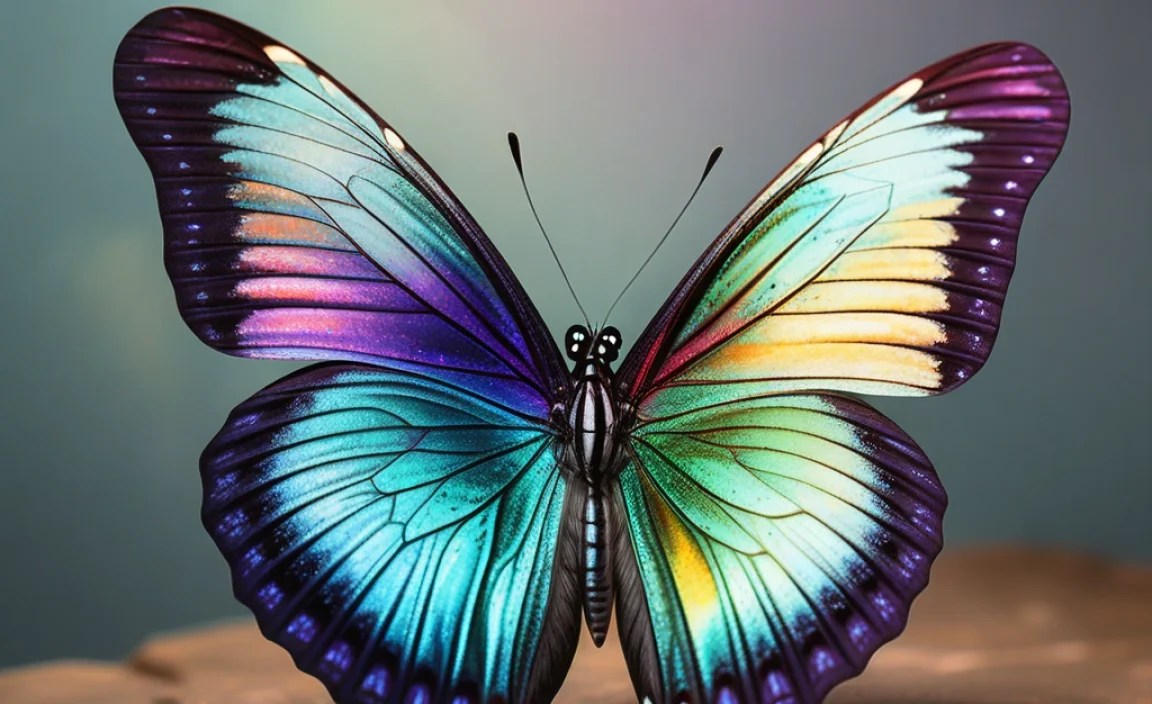
Iridescent butterflies get their colors from the structure of their wings. Their wings are covered in tiny scales. These scales are arranged in a special way. When light hits the scales, it is reflected. The structure of the scales causes the light to split into different colors. This creates the shimmering effect that we see. The colors can change depending on the angle of the light. Some scales absorb certain wavelengths of light. This makes the colors appear more vibrant. The wing structure of rare iridescent butterfly species is truly amazing. It is a testament to the power of nature.
- Tiny scales cover butterfly wings.
- Scales reflect and split light.
- This creates shimmering colors.
- Color changes with light angle.
- Scale structure is very complex.
Imagine looking at a butterfly wing under a microscope. You would see thousands of tiny scales. These scales are like tiny tiles. They are arranged in rows. Each scale is shaped differently. Some scales are flat. Others are curved. The shape of the scales affects how light is reflected. This is what gives iridescent butterflies their unique colors. The structure of the scales is very complex. Scientists are still learning about how it works.
Fun Fact or Stat: There can be up to 600 scales per square millimeter on a butterfly’s wing!
How Do Scales Reflect Light?
How do the scales on a butterfly’s wing reflect light to create iridescent colors? The scales act like tiny prisms. They split white light into its component colors. This is similar to how a rainbow is formed. The scales have multiple layers. These layers interfere with the light waves. This interference causes certain colors to be amplified. Other colors are canceled out. This creates the vibrant colors that we see. The exact colors depend on the structure of the scales.
What Is the Purpose of Different Scale Shapes?
What is the purpose of having different scale shapes on iridescent butterfly species? The different scale shapes help to create different colors. Flat scales reflect light in a more uniform way. Curved scales scatter light in different directions. This creates a more complex pattern of colors. The arrangement of the scales also plays a role. The scales can be arranged in rows. They can also be arranged in a more random pattern. The arrangement of the scales affects the way light is reflected.
Are Butterfly Wing Colors Pigments or Structural?
Are the colors on iridescent butterfly species wings due to pigments or structural color? In most cases, it is structural color. Pigments are substances that absorb certain wavelengths of light. They reflect other wavelengths. This is how most colors are created. Structural color is different. It is created by the physical structure of the material. The structure of the butterfly’s wing scales causes light to be reflected in a certain way. This creates the colors that we see. Some butterflies do have pigments in their wings. But the iridescent colors are usually due to structural color.
Fun Fact or Stat: The study of structural color in butterflies has inspired new technologies, such as improved displays and coatings!
The Role of Iridescent Butterfly Species in Ecosystems
Iridescent butterflies play an important role in ecosystems. They are pollinators. This means they help to spread pollen from flower to flower. Pollen is needed for plants to reproduce. Butterflies also serve as a food source for other animals. Birds, lizards, and spiders eat butterflies. The caterpillars of rare iridescent butterfly species also play a role in ecosystems. They eat plants. This helps to control plant growth. Butterflies are an important part of the food web. Their presence or absence can affect the entire ecosystem.
- Butterflies are important pollinators.
- They help plants reproduce.
- Butterflies are food for other animals.
- Caterpillars control plant growth.
- Butterflies support ecosystems.
Imagine a world without butterflies. The flowers would not be pollinated. Many plants would die. The birds and lizards would have less food to eat. The ecosystem would be less diverse. This is why it is important to protect butterflies. They play a vital role in the environment. By protecting rare iridescent butterfly species, we are protecting the entire ecosystem. We are ensuring that the environment remains healthy and vibrant.
Fun Fact or Stat: Butterflies pollinate about one-third of the world’s food crops!
How Do Butterflies Pollinate Flowers?
How do iridescent butterflies help to pollinate flowers? Butterflies visit flowers to drink nectar. Nectar is a sugary liquid that provides energy. As they drink nectar, pollen sticks to their bodies. When they visit another flower, they transfer the pollen. This allows the flower to be fertilized. Butterflies are especially important for pollinating certain types of flowers. These flowers have long, tubular shapes. These shapes are difficult for other pollinators to reach. Butterflies have long tongues that can reach deep into the flowers.
What Animals Eat Butterflies?
What animals eat rare iridescent butterfly species? Many animals eat butterflies. Birds are a major predator of butterflies. Lizards, spiders, and other insects also eat butterflies. Even some mammals eat butterflies. Butterflies have evolved several defenses to protect themselves from predators. They have camouflage. This helps them to blend in with their surroundings. They also have bright colors. These colors warn predators that they are poisonous. Some butterflies also have toxic chemicals in their bodies.
What Would Happen If Butterflies Disappeared?
What would happen if iridescent butterflies disappeared from an ecosystem? The loss of butterflies would have a ripple effect. Many plants would not be pollinated. This would lead to a decline in plant populations. Animals that eat butterflies would also be affected. Their populations would decline. The entire ecosystem would become less diverse. The loss of butterflies would be a major loss for the environment. We need to do everything we can to protect these important creatures.
Fun Fact or Stat: Some butterfly species are so specialized that they only pollinate one type of plant!
Conserving Rare Iridescent Butterfly Species
Conserving rare iridescent butterfly species requires a multi-faceted approach. We need to protect their habitats. We need to reduce pollution. We need to address climate change. We also need to educate people about the importance of butterflies. Conservation efforts must involve local communities. These communities are the best stewards of their land. They can help to protect butterfly habitats. They can also help to monitor butterfly populations. Protecting rare iridescent butterfly species is a challenge. But it is a challenge that we must meet. These butterflies are a valuable part of our natural heritage.
- Habitat protection is essential.
- Pollution reduction is important.
- Climate change must be addressed.
- Education raises awareness.
- Community involvement is crucial.
Imagine a future where rare iridescent butterfly species thrive. Their populations are healthy. Their habitats are protected. People appreciate their beauty. This future is possible. But it will require a concerted effort. We need to work together to protect these amazing creatures. We need to support conservation organizations. We need to make changes in our own lives. Every little bit helps. Let’s work together to create a better future for butterflies.
Fun Fact or Stat: Many conservation organizations focus specifically on butterfly conservation!
How Can We Support Conservation Organizations?
How can we support conservation organizations that protect iridescent butterflies? There are many ways to support these organizations. We can donate money. We can volunteer our time. We can spread awareness about their work. We can also support businesses that are committed to sustainability. Conservation organizations rely on the support of the public. They use these resources to protect butterfly habitats. They also use them to conduct research. They also use them to educate people about butterflies.
What Changes Can We Make in Our Lives?
What changes can we make in our own lives to help rare iridescent butterfly species? We can reduce our carbon footprint. We can plant butterfly-friendly gardens. We can avoid using pesticides. We can educate others about butterflies. Small changes can make a big difference. By making these changes, we can create a more butterfly-friendly world. We can help to protect these amazing creatures for future generations.
How Do Zoos and Butterfly Houses Help?
How do zoos and butterfly houses contribute to the conservation of iridescent butterfly species? Zoos and butterfly houses play an important role. They educate the public about butterflies. They also conduct research. Some zoos and butterfly houses also breed butterflies. These butterflies can then be released into the wild. This helps to boost populations. Zoos and butterfly houses provide a safe haven for butterflies. They help to raise awareness about the importance of conservation.
Fun Fact or Stat: Some zoos have successful breeding programs for endangered butterfly species!
Summary
Rare iridescent butterfly species are facing many threats. Habitat loss, climate change, and pollution are all contributing to their decline. These butterflies are an important part of our natural heritage. They play a vital role in ecosystems. Protecting them is essential. We can protect their habitats. We can reduce pollution. We can address climate change. We can also educate others about the importance of butterflies. Conservation efforts require a multi-faceted approach. They also require the involvement of local communities. Together, we can make a difference.
These iridescent butterflies are not just beautiful. They are a symbol of the natural world. Their survival depends on our actions. Let’s all do our part to protect them. The future of these amazing creatures depends on us. By working together, we can ensure that they thrive for generations to come.
Conclusion
Rare iridescent butterfly species are a treasure. They are a beautiful and important part of our world. They face many threats, but we can help. By protecting their habitats, reducing pollution, and addressing climate change, we can make a difference. Education and community involvement are also key. Let’s all do our part to conserve these amazing creatures. The future of these iridescent butterflies depends on us.
Frequently Asked Questions
Question No 1: Why are some butterflies iridescent?
Answer: Some butterflies are iridescent because of the structure of their wings. Their wings are covered in tiny scales. These scales reflect light in a special way. The structure of the scales causes the light to split into different colors. This creates a shimmering effect. It is similar to how a rainbow is formed. The colors can change depending on the angle of the light. This makes the butterflies look very beautiful and unique. It is a fascinating adaptation that helps them attract mates and potentially ward off predators. The study of these structures is a complex and exciting field.
Question No 2: What is habitat loss, and how does it affect butterflies?
Answer: Habitat loss is when a butterfly’s home is destroyed. This can happen when forests are cut down. It can also happen when land is developed for houses or farms. When butterflies lose their habitats, they lose their food and shelter. They also lose places to lay their eggs. This can lead to a decline in their population. Rare iridescent butterfly species are especially vulnerable to habitat loss. They often need very specific habitats to survive. Protecting habitats is very important for butterfly conservation. We must strive to preserve these vital environments for future generations of butterflies.
Question No 3: How does climate change affect rare iridescent butterfly species?
Answer: Climate change affects butterflies in many ways. It can change their habitats. It can also change the timing of their life cycles. Warmer temperatures can cause butterflies to emerge too early. This can cause them to miss the plants they need for food. Changes in rainfall can also affect butterflies. Too much rain can flood their habitats. Too little rain can dry them out. Climate change is a serious threat to rare iridescent butterfly species. We need to take action to reduce greenhouse gas emissions. We must act now to protect these delicate creatures from the worst effects of climate change.
Question No 4: What can I do to help conserve rare iridescent butterfly species?
Answer: There are many things you can do to help butterflies! You can plant butterfly-friendly gardens. These gardens provide food and shelter for butterflies. You can also avoid using pesticides. Pesticides can kill butterflies and other insects. You can also support conservation organizations. These organizations work to protect butterfly habitats. You can also educate others about butterflies. Tell your friends and family about the importance of butterflies. Even small actions can make a big difference. Together, we can help to protect these amazing creatures. Remember, every effort counts in preserving these beautiful insects.
Question No 5: Are there any laws protecting rare iridescent butterfly species?
Answer: Yes, there are some laws that protect butterflies. Some species are listed as endangered or threatened. This means that it is illegal to harm them or their habitats. Other laws protect butterfly habitats from development. International agreements also help to protect butterflies. These agreements regulate the trade in butterflies. They also promote conservation efforts. These legal protections are important for ensuring the survival of rare iridescent butterfly species. Enforcement and continued support for these laws are crucial for their effectiveness.
Question No 6: Where can I see rare iridescent butterfly species in person?
Answer: You might be able to see rare iridescent butterfly species in zoos or butterfly houses. Some of these facilities have special exhibits that feature rare butterflies. You might also be able to see them in their natural habitats. This requires visiting specific locations around the world. Researching local butterfly populations is always a great place to start. Remember to be respectful of their environment. Observing these magnificent creatures in their natural setting is an unforgettable experience. Always ensure to respect their habitat and maintain a safe distance.


