
Butterflies of Bhutan Species: Discover Hidden Gems

Do you love butterflies? These colorful insects fly all around us. They add beauty to our world. Did you know Bhutan has many butterflies of Bhutan species? These butterflies are special. They live in a unique place. Let’s learn more about them!
Bhutan is a small country. It is in the mountains of Asia. It is known for its nature. The country has many forests and hills. These are perfect homes for butterflies. The butterflies of Bhutan species are very diverse. This means there are many different kinds.
Butterflies are important. They help flowers grow. They carry pollen from one flower to another. This helps plants make seeds. Without butterflies, we would have fewer flowers and fruits. The butterflies of Bhutan species play a big role. They keep Bhutan’s nature healthy.
Key Takeaways
- Bhutan has a rich variety of butterflies of Bhutan species.
- Many Bhutan butterflies are rare and need protection.
- Butterflies help plants grow by carrying pollen.
- Bhutan’s forests and mountains create great butterfly habitats.
- Learning about butterflies helps us protect nature.
Discovering Bhutan’s Butterfly Species

Bhutan is a paradise for butterflies. The country’s diverse landscapes support many butterflies of Bhutan species. From lush forests to high mountains, butterflies thrive here. Scientists have identified hundreds of different kinds of butterflies in Bhutan. Each species has its own unique colors and patterns. Some are bright and showy. Others are camouflaged to blend in with their surroundings. These butterflies play an important role in Bhutan’s ecosystem. They help pollinate flowers and serve as food for other animals. Protecting these butterflies is important. It helps keep Bhutan’s environment healthy. People come from all over the world to see these amazing insects. They add beauty and wonder to Bhutan’s natural world. Do you wonder where the butterflies live? They live in many different places.
- Swallowtail butterflies are large and colorful.
- Brush-footed butterflies have hairy legs.
- Skipper butterflies fly very fast.
- Blue butterflies are often small and bright.
- Many butterflies are found near rivers.
Learning about butterflies of Bhutan species helps us understand nature. Each butterfly has a special role. They are all connected to the environment. When we protect butterflies, we protect their homes. This means protecting forests and rivers. It also means reducing pollution. Small actions can make a big difference. We can plant butterfly-friendly gardens. We can also support organizations that protect Bhutan’s environment. By working together, we can help ensure that these beautiful insects continue to thrive. They add so much to our world. We must protect them for future generations. These butterflies are truly amazing.
Why Are There So Many Butterflies?
Bhutan’s location is perfect for butterflies. The country sits in the Himalayas. This mountain range has many different climates. Some areas are warm and wet. Others are cold and dry. This variety of climates means many different plants can grow. These plants provide food and shelter for butterflies of Bhutan species. The forests of Bhutan are also very important. They provide a safe place for butterflies to lay their eggs. The trees protect them from wind and rain. Without these forests, many butterflies would not survive. Do you think the mountains help them too? The mountains create different habitats. These habitats support different butterfly species. It is a perfect place for them.
How Do Butterflies Help the Environment?
Butterflies are important pollinators. They carry pollen from one flower to another. This helps plants make seeds and reproduce. Many plants depend on butterflies for this process. Without butterflies, some plants might disappear. Butterflies also serve as food for other animals. Birds, lizards, and spiders eat butterflies. They are an important part of the food chain. When we protect butterflies of Bhutan species, we also protect these other animals. Butterflies can also tell us about the health of the environment. If butterflies are disappearing, it could mean there is a problem. Pollution, habitat loss, or climate change could be to blame. By studying butterflies, we can learn how to protect our planet.
What Can We Do to Protect Butterflies?
Protecting butterflies of Bhutan species requires effort. We can start by planting butterfly-friendly gardens. These gardens provide food and shelter for butterflies. Choose plants that are native to Bhutan. These plants are best suited for local butterflies. Avoid using pesticides in your garden. Pesticides can harm or kill butterflies. Support organizations that protect Bhutan’s environment. These groups work to conserve forests and reduce pollution. Educate others about the importance of butterflies. Share what you learn with friends and family. By working together, we can make a big difference. Even small actions can help. Every little bit counts.
Fun Fact or Stat: Bhutan is known as the “Land of the Thunder Dragon” and boasts over 700 butterfly species!
Identifying Common Butterflies of Bhutan

Identifying butterflies of Bhutan species can be fun. Many butterflies have unique markings. These markings help us tell them apart. Some butterflies are brightly colored. Others have patterns that help them blend in. One common butterfly is the Bhutan Glory. It has black wings with red spots. Another is the Kaiser-i-Hind. This butterfly is large and green. The Common Bluebottle is another popular butterfly. It has bright blue wings. The Red Helen is black with red markings. The Common Mormon comes in many colors. These are just a few of the many butterflies you can find in Bhutan. With a little practice, you can learn to identify them. What colors do you think they have? Look closely at their wings.
- Bhutan Glory has red spots on black wings.
- Kaiser-i-Hind is a large, green butterfly.
- Common Bluebottle has bright blue wings.
- Red Helen has black wings with red marks.
- Common Mormon comes in many colors.
To identify butterflies of Bhutan species, use a field guide. A field guide has pictures and descriptions of different butterflies. Compare the butterfly you see to the pictures in the guide. Pay attention to the colors, patterns, and size of the butterfly. Note where you saw the butterfly. Some butterflies live in forests. Others live in meadows. This can help you narrow down the possibilities. You can also use online resources. Many websites have photos and information about butterflies. Be patient and persistent. Identifying butterflies takes time and practice. But it is a rewarding hobby. You will learn a lot about nature. Do you want to go butterfly spotting? It is a fun activity.
What Makes Each Butterfly Unique?
Each butterflies of Bhutan species has unique characteristics. These features help them survive. The colors and patterns on their wings can attract mates. They can also scare away predators. Some butterflies have special mouthparts. These allow them to feed on nectar from specific flowers. The size and shape of their wings affect how they fly. Some butterflies are fast and agile. Others are slow and graceful. Their caterpillars also have unique features. Some caterpillars are brightly colored. This warns predators that they are poisonous. Others are camouflaged to blend in with leaves. The differences among butterflies are amazing. They show how diverse nature can be. Have you ever seen a caterpillar?
Where Can You Find These Butterflies?
Butterflies of Bhutan species can be found in many places. They live in forests, meadows, and gardens. Some butterflies prefer warm, sunny areas. Others prefer cool, shady spots. You can find butterflies near rivers and streams. They need water to survive. Look for butterflies on flowers. They feed on nectar. The best time to see butterflies is during the day. They are most active when the sun is shining. Be quiet and patient when you are looking for butterflies. They are easily scared away. Bring a camera to take pictures. You can share your photos with others. It is fun to explore and find butterflies.
How Do Butterflies Change During Their Life?
Butterflies go through a process called metamorphosis. This means they change a lot during their life. First, a butterfly lays an egg. The egg hatches into a caterpillar. The caterpillar eats and grows. It sheds its skin several times. Then, the caterpillar turns into a pupa. The pupa is also called a chrysalis. Inside the pupa, the caterpillar changes into a butterfly. Finally, the butterfly emerges from the pupa. It flies away to find food and mates. This life cycle is amazing. Each stage is important for the butterfly’s survival. The butterflies of Bhutan species all go through this change. It is a wonder of nature.
Fun Fact or Stat: The Bhutan Glory is a protected species. It is illegal to catch or trade them!
Conserving Butterflies of Bhutan Species

Conserving butterflies of Bhutan species is crucial. These butterflies face many threats. Habitat loss is a major problem. Forests are being cleared for farming and development. Pollution also harms butterflies. Pesticides can kill them. Climate change is another threat. It can change the plants that butterflies need to survive. Protecting butterflies requires a multi-faceted approach. We need to conserve their habitats. We need to reduce pollution. We need to address climate change. We also need to educate people about the importance of butterflies. By working together, we can help these amazing insects thrive. It is up to us to protect them. Can you think of ways to help?
- Protect butterfly habitats from destruction.
- Reduce pollution to keep butterflies healthy.
- Address climate change to help butterflies adapt.
- Educate others about butterfly conservation.
- Support organizations that protect butterflies.
One way to conserve butterflies of Bhutan species is to create protected areas. These areas can be parks or reserves. They provide a safe place for butterflies to live. Another way is to promote sustainable farming practices. This means farming in a way that does not harm the environment. Farmers can use natural pest control methods. They can also plant butterfly-friendly crops. We can also reduce our carbon footprint. This means reducing the amount of greenhouse gases we release into the atmosphere. We can do this by using less energy. We can also drive less and walk or bike more. Every little bit helps. We can all make a difference. It is important to act now.
How Does Habitat Loss Affect Butterflies?
Habitat loss is a major threat to butterflies of Bhutan species. When forests are cleared, butterflies lose their homes. They also lose their food sources. Many butterflies depend on specific plants. If these plants disappear, the butterflies cannot survive. Habitat loss can also isolate butterfly populations. This means that butterflies cannot move to new areas. They become more vulnerable to disease and other threats. Protecting butterfly habitats is essential. We need to conserve forests and other natural areas. We also need to restore degraded habitats. This can involve planting native trees and flowers. It is important to act quickly.
What Role Does Pollution Play?
Pollution can harm butterflies of Bhutan species in many ways. Pesticides can kill butterflies directly. They can also poison their food sources. Air pollution can damage butterfly wings. It can also make it harder for butterflies to find food. Water pollution can contaminate butterfly habitats. This can harm or kill caterpillars and other aquatic insects. Reducing pollution is essential for butterfly conservation. We can use less pesticides in our gardens. We can also support policies that reduce air and water pollution. Clean air and water are important for all living things. Butterflies need them to survive.
Why Is Climate Change a Threat?
Climate change is a growing threat to butterflies of Bhutan species. As the climate changes, butterfly habitats may become unsuitable. Some areas may become too hot or too dry. Other areas may experience more extreme weather events. This can disrupt butterfly life cycles. It can also change the plants that butterflies depend on. Butterflies may need to move to new areas to survive. But this is not always possible. They may be blocked by roads or other barriers. Addressing climate change is crucial for butterfly conservation. We need to reduce greenhouse gas emissions. We also need to help butterflies adapt to changing conditions. This may involve creating new habitats or helping them move to new areas.
Fun Fact or Stat: Some Bhutanese communities protect forests as sacred groves, benefiting butterfly habitats!
Butterfly Habitats in Bhutan: A Closer Look

Bhutan’s diverse landscape creates many butterfly habitats. The butterflies of Bhutan species thrive in these varied environments. From subtropical forests to alpine meadows, each habitat supports unique butterflies. Lowland forests are home to many colorful butterflies. These forests are warm and humid. They provide plenty of food and shelter. Montane forests are found at higher elevations. These forests are cooler and wetter. They support different butterfly species. Alpine meadows are high-altitude grasslands. These meadows are home to hardy butterflies. These butterflies can survive in cold conditions. Rivers and streams also provide important habitat. Butterflies need water to survive. The variety of habitats makes Bhutan a butterfly paradise. What type of place would you like best?
- Lowland forests are warm and humid.
- Montane forests are cooler and wetter.
- Alpine meadows are high-altitude grasslands.
- Rivers and streams provide water.
- Each habitat supports unique butterflies.
Understanding the different butterfly habitats helps us protect them. We need to conserve forests and meadows. We also need to protect rivers and streams. Sustainable land management is important. This means managing land in a way that does not harm the environment. We can promote eco-tourism. This allows people to visit butterfly habitats without damaging them. Education is also key. We need to teach people about the importance of these habitats. By working together, we can ensure that butterflies of Bhutan species continue to thrive. They add beauty and wonder to Bhutan’s landscape. We must protect them for future generations. These habitats are truly special.
What Are Subtropical Forests Like?
Subtropical forests are warm and humid. They receive a lot of rainfall. These forests are home to a wide variety of plants and animals. The trees are tall and leafy. They provide shade and shelter for butterflies. Many colorful flowers bloom in these forests. These flowers provide nectar for butterflies. The butterflies of Bhutan species found in these forests are often brightly colored. They need to attract mates in the dense vegetation. These forests are also home to many other insects. These insects provide food for butterflies and their caterpillars. Subtropical forests are important ecosystems. They support a rich diversity of life. It is important to protect them.
What Makes Montane Forests Special?
Montane forests are found at higher elevations. They are cooler and wetter than subtropical forests. The trees are often smaller and more rugged. Many of the trees are covered in moss and lichens. These plants provide habitat for insects. The butterflies of Bhutan species found in these forests are often adapted to colder conditions. They may have thicker bodies or darker wings. These forests are also home to many birds and mammals. These animals play a role in the ecosystem. They help to disperse seeds and control insect populations. Montane forests are important for watershed protection. They help to regulate the flow of water. It is important to conserve them.
Why Are Alpine Meadows Important?
Alpine meadows are high-altitude grasslands. They are found above the treeline. These meadows are exposed to harsh conditions. They are cold, windy, and sunny. The plants that grow in these meadows are adapted to these conditions. They are often small and hardy. The butterflies of Bhutan species found in these meadows are also tough. They can survive in cold temperatures. They may have dark wings to absorb heat. These meadows are also home to many grazing animals. These animals help to maintain the grasslands. Alpine meadows are important for biodiversity. They provide habitat for many rare and endangered species. It is important to protect them.
Fun Fact or Stat: Bhutan’s varied altitudes create diverse microclimates perfect for different butterfly species!
Threats to Butterflies of Bhutan Species

Butterflies of Bhutan species face several threats. These threats endanger their survival. Habitat destruction is a major problem. Forests are cleared for agriculture and development. This removes butterflies’ homes and food sources. Climate change also poses a significant threat. Changing temperatures and rainfall patterns disrupt butterfly life cycles. Pollution from pesticides and other chemicals harms butterflies. Illegal collection of butterflies for trade also threatens their populations. These threats require urgent action. We must protect butterfly habitats. We must reduce pollution. We must combat climate change. We must stop illegal collection. By working together, we can save these beautiful creatures. What can you do to help protect them?
- Habitat destruction removes butterfly homes.
- Climate change disrupts butterfly life cycles.
- Pollution harms butterflies.
- Illegal collection threatens butterfly populations.
- These threats require urgent action.
Addressing the threats to butterflies of Bhutan species requires a coordinated effort. The government, local communities, and international organizations must work together. The government can create protected areas. These areas provide safe havens for butterflies. Local communities can practice sustainable land management. This helps to protect butterfly habitats. International organizations can provide funding and expertise. They can also help to raise awareness about butterfly conservation. Education is also crucial. We need to teach people about the importance of butterflies. We need to encourage them to take action to protect these amazing insects. Every effort counts.
How Does Agriculture Impact Butterflies?
Agriculture can have a significant impact on butterflies of Bhutan species. Clearing forests for farmland destroys butterfly habitats. The use of pesticides can kill butterflies and other beneficial insects. Fertilizers can pollute waterways and harm aquatic insects. Sustainable farming practices can help to reduce these impacts. Farmers can use natural pest control methods. They can also plant butterfly-friendly crops. They can also create buffer zones around their fields. These buffer zones provide habitat for butterflies and other wildlife. Supporting sustainable agriculture is important for butterfly conservation. It is a way to protect both butterflies and our food supply.
What Are the Effects of Deforestation?
Deforestation is a major threat to butterflies of Bhutan species. When forests are cut down, butterflies lose their homes and food sources. Deforestation can also lead to soil erosion and water pollution. This can further degrade butterfly habitats. Reforestation efforts can help to restore butterfly habitats. Planting native trees can provide food and shelter for butterflies. Protecting existing forests is also crucial. We need to reduce our demand for wood products. We can also support sustainable forestry practices. This helps to ensure that forests are managed in a way that protects butterflies and other wildlife.
Why Is Illegal Collection a Concern?
Illegal collection of butterflies of Bhutan species is a concern. Some people collect butterflies for their beauty. They sell them to collectors around the world. This can threaten butterfly populations. Especially if the species are rare or endangered. Illegal collection is often difficult to control. It can occur in remote areas. Stricter laws and enforcement are needed. We can also raise awareness about the issue. We can educate people about the importance of protecting butterflies. We can also encourage them to report any suspected illegal activity. By working together, we can help to stop this harmful practice. It is important to protect these butterflies.
Fun Fact or Stat: Climate change is shifting butterfly habitats uphill, threatening species with limited ranges!
Bhutan’s Butterfly Conservation Efforts
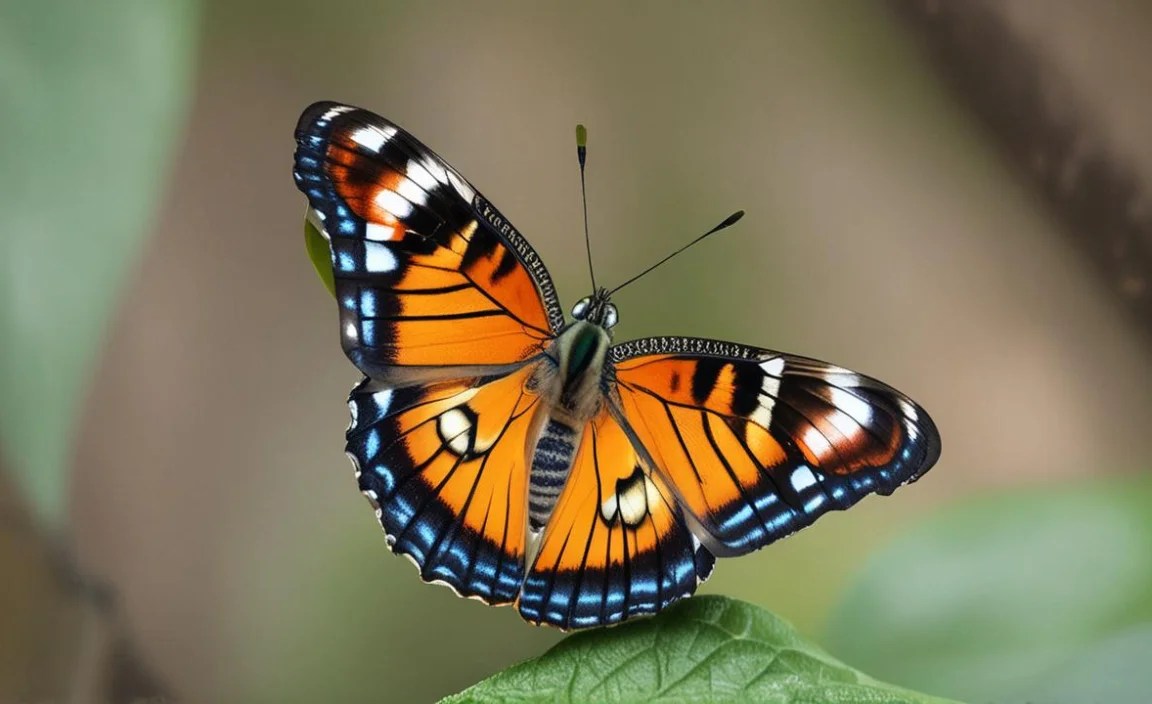
Bhutan is committed to conserving its butterflies of Bhutan species. The country has implemented several conservation measures. These measures aim to protect butterfly habitats. They also aim to reduce threats to butterfly populations. The government has established protected areas. These areas provide safe havens for butterflies. The government also promotes sustainable land management practices. This helps to protect butterfly habitats outside of protected areas. Local communities are involved in conservation efforts. They play a crucial role in protecting butterflies. International organizations also support Bhutan’s conservation efforts. These efforts are helping to ensure the survival of these amazing insects. It is important to keep protecting them. What else can be done?
- Bhutan has created protected areas for butterflies.
- They promote sustainable land management.
- Local communities help protect butterflies.
- International groups support conservation work.
- These efforts help butterflies survive.
One of the key elements of Bhutan’s conservation efforts is education. The government and non-governmental organizations conduct educational programs. These programs teach people about the importance of butterflies of Bhutan species. They also teach them about the threats that butterflies face. These programs target schools, communities, and tourists. They aim to raise awareness and encourage people to take action. Bhutan also promotes eco-tourism. This allows people to visit butterfly habitats without damaging them. Eco-tourism provides economic benefits to local communities. It also helps to fund conservation efforts. Bhutan is a model for other countries. It shows how to protect biodiversity.
What Protected Areas Exist for Butterflies?
Bhutan has several protected areas that benefit butterflies of Bhutan species. These areas include national parks, wildlife sanctuaries, and nature reserves. These protected areas provide a safe haven for butterflies. They protect their habitats from destruction. The Royal Manas National Park is one of the largest protected areas in Bhutan. It is home to a wide variety of butterflies. The Jigme Dorji National Park is another important protected area. It protects high-altitude butterfly habitats. These protected areas are essential for butterfly conservation. They help to ensure that butterflies can thrive. It is important to keep them safe.
How Are Local Communities Involved?
Local communities play a crucial role in butterfly conservation. They live near butterfly habitats. They have a deep understanding of the environment. The government and non-governmental organizations work with local communities. They involve them in conservation planning and management. Local communities participate in monitoring butterfly populations. They also help to protect butterfly habitats from illegal activities. Some communities have established community-based eco-tourism projects. These projects provide economic benefits to the communities. They also help to fund conservation efforts. Involving local communities is essential for successful butterfly conservation. They are the guardians of the butterflies. It is important to support them.
What International Support Is Available?
International organizations provide support for Bhutan’s butterfly conservation efforts. These organizations provide funding, expertise, and technical assistance. They help to build capacity for butterfly conservation. They also help to raise awareness about the importance of butterflies. The World Wildlife Fund (WWF) is one of the leading organizations supporting butterfly conservation in Bhutan. WWF works with the government and local communities. They help to protect butterfly habitats and reduce threats to butterfly populations. Other organizations also provide support. This international support is crucial for Bhutan’s conservation efforts. It helps to ensure that Bhutan can continue to protect its butterflies. They are important to the world.
Fun Fact or Stat: Bhutan’s constitution mandates environmental protection, directly benefiting butterfly conservation!
Studying Butterflies of Bhutan Species

Studying butterflies of Bhutan species helps us understand them better. Scientists study their behavior, habitats, and populations. This research informs conservation efforts. It helps us protect these amazing insects. Scientists use different methods to study butterflies. They observe butterflies in their natural habitats. They collect data on their numbers and distribution. They also study butterfly genetics. This helps us understand their evolution. Studying butterflies is important for their survival. It helps us learn how to protect them. Do you think you would like to study butterflies?
- Scientists study butterfly behavior.
- They research butterfly habitats.
- They track butterfly populations.
- They study butterfly genetics.
- Research informs conservation efforts.
One important aspect of studying butterflies of Bhutan species is monitoring their populations. Scientists track butterfly numbers over time. This helps them identify trends. They can see if populations are increasing or decreasing. This information is used to assess the effectiveness of conservation efforts. It also helps to identify new threats to butterflies. Scientists also study butterfly migration patterns. This helps us understand how butterflies move between different habitats. This information is important for protecting their migration routes. Studying butterflies is a challenging but rewarding task. It requires patience, dedication, and a love of nature. It is important work.
How Do Scientists Track Butterfly Populations?
Scientists use different methods to track butterflies of Bhutan species populations. One method is called mark-recapture. Scientists capture butterflies, mark them with a small tag, and release them. Later, they recapture butterflies and count how many are marked. This helps them estimate the total population size. Another method is called transect surveys. Scientists walk along a fixed route and count all the butterflies they see. They repeat these surveys over time. This helps them track changes in butterfly populations. Scientists also use remote sensing technology. This involves using satellites or drones to monitor butterfly habitats. These methods provide valuable data. They help us understand how butterfly populations are changing.
What Can Butterfly Genetics Tell Us?
Studying the genetics of butterflies of Bhutan species can tell us a lot. It can help us understand their evolution. It can also help us identify different butterfly species. Genetic analysis can reveal how closely related different butterfly populations are. This information is important for conservation. It helps us understand which populations are most vulnerable. It also helps us design effective conservation strategies. Butterfly genetics can also tell us about their adaptations. This helps us understand how butterflies have adapted to their environment. It is a powerful tool for butterfly research.
Why Is It Important to Study Butterfly Behavior?
Studying the behavior of butterflies of Bhutan species is important. It helps us understand how they interact with their environment. We can learn about their feeding habits. We can also learn about their mating behavior. Understanding butterfly behavior is important for conservation. It helps us protect their habitats. It also helps us manage their populations. For example, if we know what plants butterflies need for food, we can protect those plants. We can also learn how butterflies respond to different threats. This can help us develop strategies to protect them. Butterfly behavior is fascinating. It is also important for their survival.
Fun Fact or Stat: Citizen scientists help monitor butterflies in Bhutan, contributing valuable data!
| Butterfly Name | Wingspan (cm) | Habitat | Distinctive Feature |
|---|---|---|---|
| Bhutan Glory | 8-10 | Lowland Forests | Red spots on black wings |
| Kaiser-i-Hind | 12-14 | Montane Forests | Large, green wings |
| Common Bluebottle | 6-8 | Forests, Gardens | Bright blue wings |
| Red Helen | 9-11 | Forests | Black wings with red markings |
Summary
Bhutan is home to a rich variety of butterflies of Bhutan species. These butterflies play a crucial role in the ecosystem. They help pollinate flowers and serve as food for other animals. However, these butterflies face many threats. Habitat loss, climate change, pollution, and illegal collection all endanger their survival. Conserving butterflies of Bhutan species requires a multi-faceted approach. We need to protect their habitats, reduce pollution, combat climate change, and stop illegal collection. By working together, we can help these amazing insects thrive. Bhutan has implemented several conservation measures. These measures include creating protected areas, promoting sustainable land management, and involving local communities in conservation efforts.
Conclusion
Butterflies of Bhutan species are a precious part of Bhutan’s natural heritage. These beautiful insects face many challenges. We must act now to protect them. Conservation efforts require a combined effort. Government, communities, and organizations must work together. Protecting butterflies helps the whole environment. It also protects the beauty of Bhutan. By saving these butterflies, we protect our planet.
Frequently Asked Questions
Question No 1: Why are butterflies of Bhutan species important?
Answer: Butterflies of Bhutan species are very important for several reasons. First, they are important pollinators. They help plants make seeds by carrying pollen. Second, they are part of the food chain. Birds and other animals eat them. Third, they are indicators of environmental health. If butterflies are disappearing, it could mean there is a problem with the environment. Protecting butterflies helps protect the whole ecosystem. They are also beautiful and add to the beauty of Bhutan.
Question No 2: What are the main threats to butterflies of Bhutan species?
Answer: The main threats to butterflies of Bhutan species include habitat loss, climate change, and pollution. Habitat loss occurs when forests are cleared for agriculture or development. Climate change causes changes in temperature and rainfall patterns. This can disrupt butterfly life cycles. Pollution from pesticides and other chemicals can harm butterflies. These threats make it hard for butterflies to survive. That is why it is important to protect them.
Question No 3: What is Bhutan doing to protect its butterflies?
Answer: Bhutan is doing a lot to protect its butterflies. The government has created protected areas. These areas provide safe havens for butterflies. The government also promotes sustainable land management. This helps protect butterfly habitats. Local communities are involved in conservation efforts. International organizations also support Bhutan’s conservation efforts. These efforts are helping to ensure the survival of these amazing insects. They are a great example to the world.
Question No 4: How can I help protect butterflies in Bhutan?
Answer: There are many ways you can help protect butterflies in Bhutan. You can support organizations that protect butterfly habitats. You can also reduce your carbon footprint. This helps to combat climate change. You can avoid using pesticides in your garden. You can also educate others about the importance of butterflies. Even small actions can make a big difference. Every little bit counts to help the butterflies of Bhutan species.
Question No 5: What is the Bhutan Glory butterfly?
Answer: The Bhutan Glory is a beautiful and rare butterfly found in Bhutan. It has black wings with red spots. It is a protected species. It is illegal to catch or trade them. The Bhutan Glory is an important symbol of Bhutan’s natural heritage. Protecting this butterfly helps protect other butterflies of Bhutan species. It is a treasure of Bhutan.
Question No 6: Where can I see butterflies of Bhutan species?
Answer: You can see butterflies of Bhutan species in many places in Bhutan. They live in forests, meadows, and gardens. Some of the best places to see butterflies are in protected areas. These areas include national parks and wildlife sanctuaries. You can also see butterflies near rivers and streams. The best time to see butterflies is during the day. They are most active when the sun is shining. Always be respectful of their homes!


