
Brown Butterfly Guide: Identify Them Easily

Quick Summary: Brown Butterfly Guide
Discovering a brown butterfly can be exciting! Use our guide to identify it by noting size, wing patterns, and location. Common brown butterflies include the Little Wood Satyr, Common Wood-Nymph, and various Skippers. Observe their behavior and habitat, and consult field guides or online resources for a precise match. Enjoy the process of connecting with these beautiful insects!
Have you ever spotted a brown butterfly flitting through your garden and wondered what it was? Identifying butterflies can seem tricky, especially with so many species around. Don’t worry, you’re not alone! Many people find it challenging to tell brown butterflies apart. This guide will provide you with simple steps to identify these lovely creatures.
We’ll explore key features like size, wing patterns, and habitat. Soon, you’ll be able to confidently name the brown butterflies you see. Get ready to deepen your appreciation for these often-overlooked beauties!
Identifying Brown Butterflies: A Beginner’s Guide
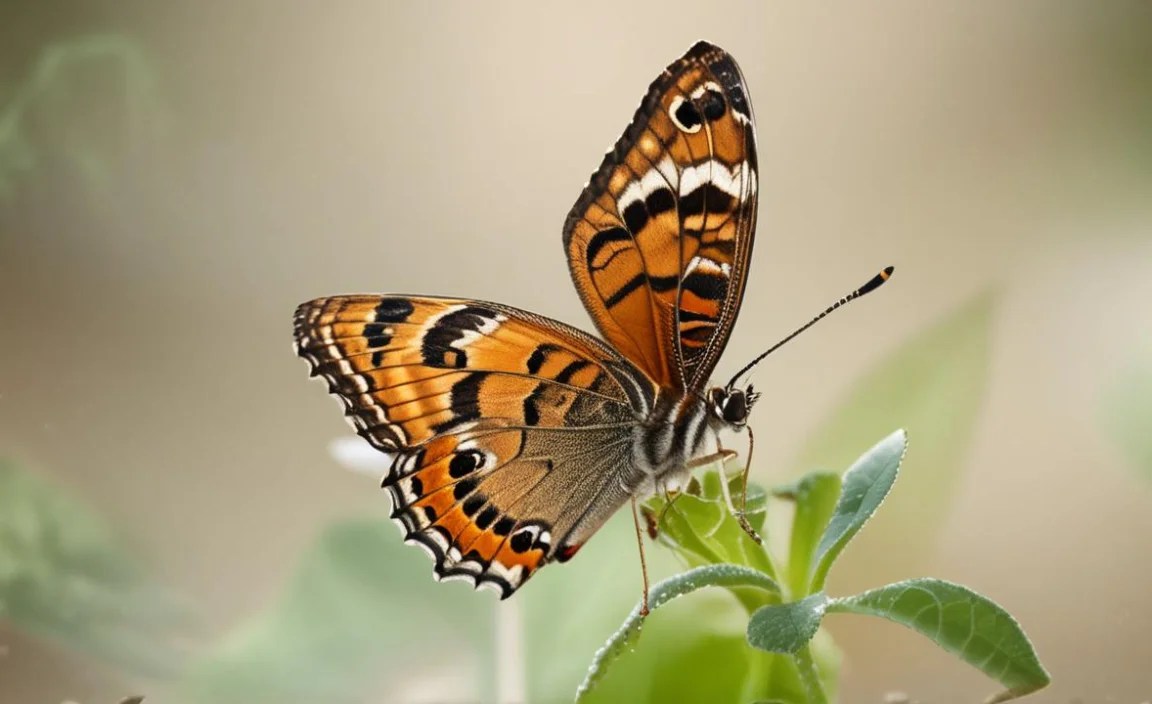
Brown butterflies are a diverse group, and distinguishing between them can be a rewarding experience. Here’s a step-by-step approach to help you identify these beautiful insects:
Step 1: Observe the Size and Shape
The size and shape of a butterfly are essential clues to its identity. Here’s what to look for:
- Size: Is the butterfly small (under 1 inch), medium (1-2 inches), or large (over 2 inches)?
- Shape: Note the shape of the wings. Are they rounded, triangular, or elongated? Do they have tails or distinct points?
Step 2: Examine the Wing Patterns
Wing patterns are like fingerprints for butterflies. Pay close attention to the following:
- Color Variations: Are the wings uniformly brown, or do they have different shades of brown?
- Spots and Markings: Look for spots, bands, or other distinct markings. Note their color, size, and arrangement.
- Eye Spots: Some brown butterflies have eye spots (ocelli) on their wings. These can be prominent or subtle.
Step 3: Note the Habitat and Location
Where you see the butterfly can provide valuable clues. Different species prefer different habitats:
- Habitat: Is it in a forest, meadow, garden, or near water?
- Location: Your geographic location is crucial. Butterfly species vary by region.
Step 4: Observe the Butterfly’s Behavior
A butterfly’s behavior can also help with identification:
- Flight Pattern: Does it fly quickly and erratically, or slowly and gracefully?
- Feeding Habits: What flowers does it visit? Does it prefer nectar, sap, or other substances?
- Sunbathing: Does it bask in the sun with its wings open or closed?
Step 5: Consult Field Guides and Online Resources
Field guides and online resources are invaluable tools for butterfly identification:
- Field Guides: Peterson Field Guides, National Audubon Society Field Guides, and regional butterfly guides are excellent resources.
- Online Resources: Websites like Butterflies and Moths of North America and The Xerces Society offer extensive information and photos.
- Butterfly Identification Apps: Apps like iNaturalist can help identify butterflies based on photos.
Common Brown Butterflies: A Closer Look

Let’s explore some common brown butterflies you might encounter:
Little Wood Satyr (Megisto cymela)
The Little Wood Satyr is a small, delicate butterfly often found in wooded areas. Its key features include:
- Size: Small (wingspan of about 1.25-1.75 inches)
- Wing Pattern: Brown with dark lines and small eye spots near the edges of the wings.
- Habitat: Woodlands, forest edges, and shaded areas.
- Behavior: Flies close to the ground, often in dappled sunlight.
Common Wood-Nymph (Cercyonis pegala)
The Common Wood-Nymph is a medium-sized butterfly with a distinctive appearance:
- Size: Medium (wingspan of about 1.75-3 inches)
- Wing Pattern: Dark brown with large yellow-ringed eye spots on the hindwings.
- Habitat: Open woodlands, meadows, and grassy areas.
- Behavior: Flies slowly and deliberately, often perching on grasses and flowers.
Northern Pearly-Eye (Enodia anthedon)
The Northern Pearly-Eye is a unique butterfly found in wooded habitats. Its characteristics include:
- Size: Medium (wingspan of about 1.75-2.5 inches)
- Wing Pattern: Light brown with a row of pearly eye spots along the edge of the hindwings.
- Habitat: Deciduous forests, woodlands, and shaded areas.
- Behavior: Flies in shady areas, often near streams and damp places.
Various Skipper Butterflies
Skippers are a diverse group of butterflies known for their rapid, erratic flight. Many skippers are brown and can be challenging to identify. Here are a few examples:
Delaware Skipper (Atrytone logan)
- Size: Small to medium (wingspan of about 1-1.5 inches)
- Wing Pattern: Brown with orange markings on the forewings. Males have a distinctive black stigma (a scent patch) on the forewings.
- Habitat:湿地,草地和湿润的地区。
- Behavior: 快速飞行,经常在花朵上觅食。
Little Glassywing (Pompeius verna)
- Size: Small (wingspan of about 1-1.25 inches)
- Wing Pattern: Dark brown with translucent spots on the forewings.
- Habitat: Grassy areas, meadows, and open woodlands.
- Behavior: Flies rapidly, often perching on grasses and flowers.
Dun Skipper (Euphyes vestris)
- Size: Small (wingspan of about 0.75-1.25 inches)
- Wing Pattern: Uniformly dark brown with no distinct markings.
- Habitat: Wetlands, marshes, and wet meadows.
- Behavior: Flies close to the ground, often in damp areas.
Distinguishing Similar Species

Some brown butterflies can look very similar, making identification tricky. Here are some tips for distinguishing between them:
Little Wood Satyr vs. Northern Pearly-Eye
Both are found in wooded areas and have eye spots, but there are key differences:
- Eye Spots: Little Wood Satyrs have small, subtle eye spots, while Northern Pearly-Eyes have more prominent, pearly eye spots.
- Color: Northern Pearly-Eyes are generally lighter brown than Little Wood Satyrs.
- Size: Northern Pearly-Eye tends to be slightly larger.
Common Wood-Nymph vs. Similar Satyrs
The Common Wood-Nymph is larger and has more prominent eye spots than other satyrs:
- Eye Spot Size: Common Wood-Nymphs have large, yellow-ringed eye spots, while other satyrs have smaller, less conspicuous eye spots.
- Overall Size: Common Wood-Nymphs are larger than most other satyr species.
Skippers: Detailed Wing Examination
Skippers require close examination of wing patterns:
- Markings: Look for subtle differences in the shape, size, and arrangement of spots and markings.
- Stigma: Male skippers often have a stigma (a dark patch) on their forewings, which can help with identification.
- Translucent Spots: Some skippers have translucent spots on their wings, which can be a key identifying feature.
Creating a Butterfly-Friendly Habitat
Attracting butterflies to your garden not only provides you with beautiful sightings but also supports local ecosystems. Here’s how to create a butterfly-friendly habitat:
Plant Host Plants
Host plants are essential for butterfly larvae (caterpillars). Different butterfly species have specific host plant preferences. Here are some examples:
- Milkweed: Essential for Monarch butterflies.
- Violets: Host plants for various fritillary butterflies.
- grasses: Host plants for many skippers.
Provide Nectar Sources
Nectar-rich flowers provide food for adult butterflies. Choose a variety of flowers that bloom at different times of the year to provide a continuous food source.
- Butterfly Bush (Buddleja davidii): Attracts many butterfly species.
- Zinnia (Zinnia elegans): Provides nectar throughout the summer.
- Purple Coneflower (Echinacea purpurea): A favorite of many butterflies.
Offer Water and Shelter
Butterflies need water and shelter to survive. Provide a shallow dish of water with pebbles for them to land on. Plant shrubs and trees to offer shelter from wind and predators.
Avoid Pesticides
Pesticides can harm or kill butterflies and other beneficial insects. Avoid using pesticides in your garden, or choose organic alternatives.
Butterfly Identification Table
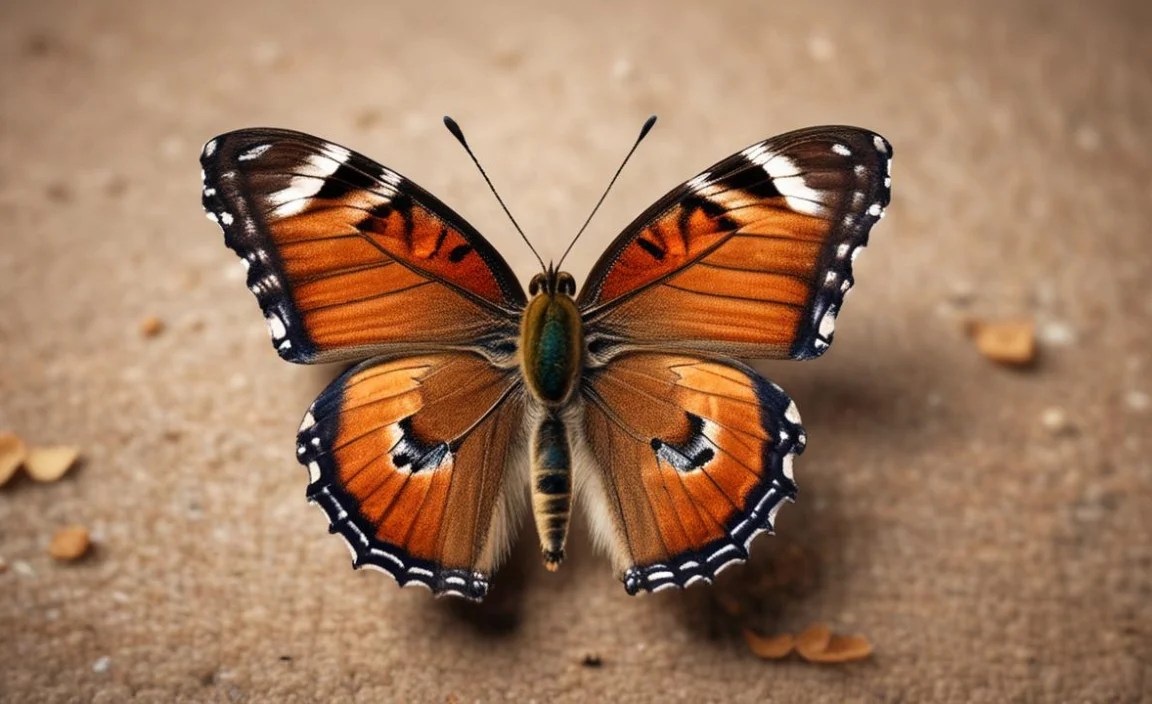
This table summarizes key identification features for common brown butterflies:
| Butterfly Species | Size | Wing Pattern | Habitat |
|---|---|---|---|
| Little Wood Satyr | Small | Brown with small eye spots | Woodlands, shaded areas |
| Common Wood-Nymph | Medium | Dark brown with large yellow-ringed eye spots | Open woodlands, meadows |
| Northern Pearly-Eye | Medium | Light brown with pearly eye spots | Deciduous forests, woodlands |
| Delaware Skipper | Small to Medium | Brown with orange markings | 湿地,草地 |
| Little Glassywing | Small | Dark brown with translucent spots | Grassy areas, open woodlands |
| Dun Skipper | Small | Uniformly dark brown | Wetlands, marshes |
Conservation and Appreciation
Butterflies are not only beautiful but also play a vital role in our ecosystem. They are important pollinators and serve as indicators of environmental health. By learning about and appreciating butterflies, we can contribute to their conservation.
Support Butterfly Conservation Organizations
Organizations like The Xerces Society work to protect butterflies and their habitats. Consider supporting these organizations through donations or volunteer work.
Promote Butterfly-Friendly Practices
Encourage others to create butterfly-friendly habitats in their gardens and communities. Educate people about the importance of butterflies and the threats they face.
Document Your Sightings
Contribute to citizen science projects by documenting your butterfly sightings. Websites like iNaturalist allow you to share your observations and contribute to scientific research.
The Symbolism of Brown Butterflies
Beyond their ecological importance, butterflies hold symbolic meaning in many cultures. While the symbolism can vary, brown butterflies are often associated with:
- Groundedness: Brown is the color of earth, symbolizing stability and connection to nature.
- Transformation: Like all butterflies, brown butterflies represent transformation and change.
- Subtlety: Brown butterflies may symbolize the beauty in simplicity and the importance of appreciating the small things in life.
- Hidden Beauty: They can also represent hidden potential and the beauty that lies beneath the surface.
FAQ: Brown Butterfly Identification
What is the most common brown butterfly?
One of the most common brown butterflies is the Little Wood Satyr. It’s found in wooded areas and has small eye spots on its wings.
How can I attract brown butterflies to my garden?
Plant host plants for their caterpillars, provide nectar-rich flowers, offer water, and avoid using pesticides. This creates a welcoming habitat.
Are brown butterflies as important as colorful butterflies?
Yes! All butterflies, regardless of color, play a vital role in pollination and contribute to a healthy ecosystem.
What should I do if I find an injured brown butterfly?
Gently move it to a safe place, like a sheltered plant. You can offer it a sugar-water solution (1 part sugar to 4 parts water) on a cotton ball.
How can I tell the difference between different types of skippers?
Look closely at the wing patterns, including the presence and arrangement of spots and markings. Male skippers often have a dark patch (stigma) on their forewings that can aid in identification.
What resources can I use to identify brown butterflies?
Field guides, websites like Butterflies and Moths of North America, and butterfly identification apps are all helpful resources.
Why are some butterflies brown?
Brown coloration often provides camouflage, helping butterflies blend in with their environment and avoid predators. This is especially useful in wooded or grassy habitats.
Conclusion
Identifying brown butterflies can be a delightful journey into the world of nature. By observing their size, wing patterns, habitat, and behavior, you can unlock the secrets of these often-overlooked creatures. Remember to consult field guides and online resources for further assistance. Creating a butterfly-friendly habitat in your garden will not only attract these beautiful insects but also contribute to their conservation. As you continue to explore the world of butterflies, you’ll deepen your appreciation for the intricate beauty and ecological importance of these fascinating animals. Happy butterflying!


