
Tropical Butterfly Houses: Your Ultimate Guide

Tropical butterfly houses are enclosed environments designed to mimic the warm, humid habitats where butterflies thrive. These structures allow you to observe a variety of butterfly species up close, learn about their life cycles, and appreciate their beauty in a controlled setting. Whether you want to build your own or just visit one, understanding their purpose and setup is key.
Have you ever dreamed of being surrounded by hundreds of colorful, fluttering butterflies? It’s an experience that’s both magical and educational, and it’s made possible by tropical butterfly houses. These amazing enclosures recreate the perfect environment for butterflies from around the world to flourish. But what exactly goes into creating and maintaining these vibrant ecosystems? Don’t worry, we’ve got you covered. In this guide, we’ll explore everything you need to know about tropical butterfly houses, from their basic principles to how you can create your own slice of paradise.
What Exactly Is a Tropical Butterfly House?

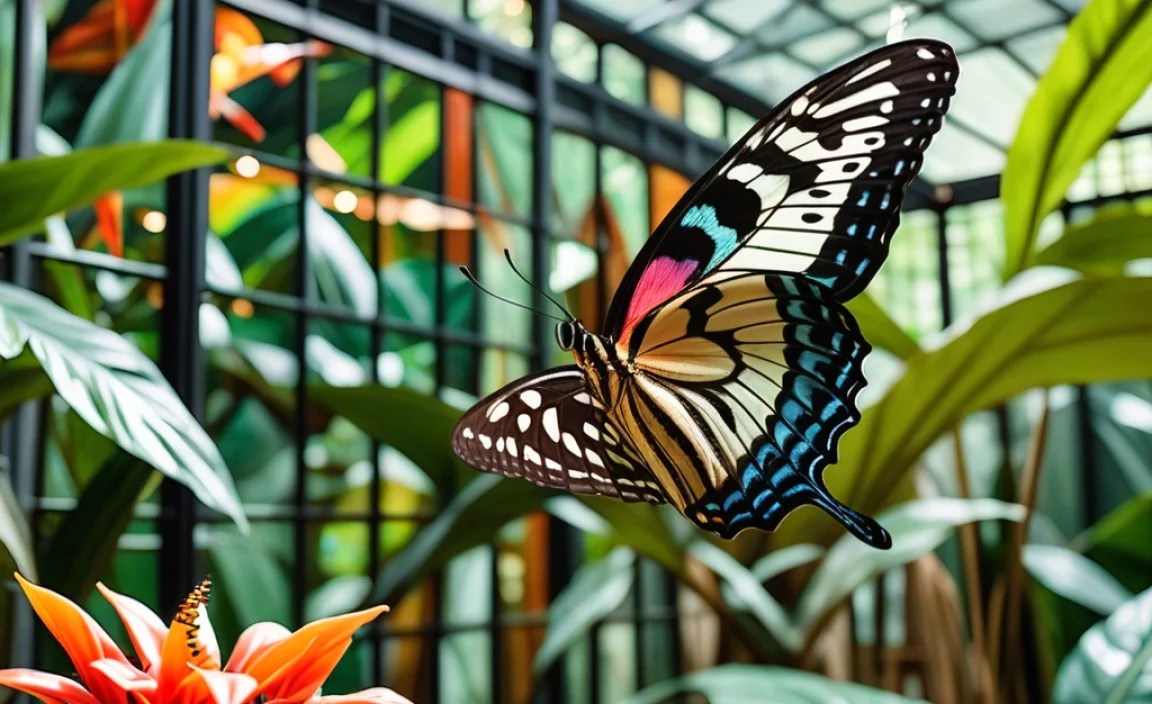
A tropical butterfly house is a controlled environment designed to simulate the natural habitat of tropical butterflies. These structures are typically enclosed to maintain a consistent temperature and humidity, essential for the butterflies’ survival and activity. Inside, you’ll find a diverse collection of plants, providing both food for the butterflies and a visually appealing landscape for visitors.
The Key Elements of a Butterfly House
Several key elements contribute to the success of a tropical butterfly house:
- Climate Control: Maintaining a warm, humid environment is crucial.
- Plant Selection: Specific plants provide nectar for adult butterflies and food for caterpillars.
- Enclosure Design: The structure must be secure to prevent butterfly escapes and protect them from predators.
- Water Features: Providing sources of water helps maintain humidity and allows butterflies to drink.
- Butterfly Selection: Choosing a variety of species that can coexist and thrive in the artificial environment.
Why Visit or Build a Butterfly House?

Butterfly houses offer a unique blend of education, conservation, and aesthetic appeal. Whether you’re a nature enthusiast, a student, or simply looking for a peaceful escape, these environments have something to offer.
Benefits of Visiting a Butterfly House
- Educational Experience: Learn about butterfly life cycles, behavior, and conservation.
- Therapeutic Value: The serene environment can reduce stress and promote relaxation.
- Photographic Opportunities: Capture stunning images of butterflies in a controlled setting.
- Family Fun: An engaging and educational activity for all ages.
Benefits of Building a Butterfly House
- Conservation: Provide a safe habitat for butterflies, especially in urban areas.
- Educational Tool: A hands-on learning experience for students and community members.
- Aesthetic Enhancement: Add beauty and interest to your garden or property.
- Personal Satisfaction: Enjoy the rewards of creating and maintaining a thriving ecosystem.
Planning Your Butterfly House
Whether you’re planning a small backyard enclosure or a larger commercial venture, careful planning is essential. Consider the following factors before you begin construction.
Location and Climate
The location of your butterfly house will significantly impact its design and operation. Consider the following:
- Sunlight: Butterflies need sunlight for warmth and activity. Choose a location that receives ample sunlight throughout the day.
- Wind Protection: Strong winds can damage the enclosure and stress the butterflies. Select a sheltered location or provide windbreaks.
- Accessibility: Ensure easy access for maintenance and visitors.
- Climate Considerations: In colder climates, you may need to provide supplemental heating and lighting.
Size and Design
The size of your butterfly house will depend on the available space and your goals. A small backyard enclosure may be sufficient for personal enjoyment, while a larger commercial venture will require more space.
- Small Enclosures: Ideal for backyard gardens or educational purposes. Can be built using simple materials like netting and PVC pipes.
- Large Enclosures: Suitable for botanical gardens, zoos, or commercial operations. Require more substantial construction and climate control systems.
Materials and Construction
The materials you use for your butterfly house will impact its durability, cost, and aesthetic appeal. Consider the following options:
- Framing: Wood, metal, or PVC pipes can be used for the frame. Choose materials that are weather-resistant and durable.
- Enclosure: Netting, screening, or polycarbonate panels can be used to enclose the structure. Ensure the material is strong enough to prevent butterfly escapes and protect them from predators.
- Flooring: Gravel, mulch, or concrete can be used for the flooring. Choose a material that is easy to clean and maintain.
Creating the Perfect Butterfly Habitat

The success of your butterfly house depends on creating a suitable habitat for the butterflies. This includes selecting the right plants, providing water sources, and maintaining the correct temperature and humidity.
Plant Selection
Plants are the heart of any butterfly house. They provide nectar for adult butterflies and food for caterpillars. Choose a variety of plants that bloom at different times of the year to ensure a continuous food supply.
Nectar Plants
Nectar plants provide essential energy for adult butterflies. Some popular choices include:
- Butterfly Bush (Buddleja davidii): A classic choice that attracts a wide variety of butterflies.
- Zinnia (Zinnia elegans): Easy to grow and available in a variety of colors.
- Lantana (Lantana camara): A long-blooming plant that provides a continuous source of nectar.
- Milkweed (Asclepias spp.): Essential for monarch butterflies, as it is the only food source for their caterpillars.
- Pentas (Pentas lanceolata): A heat-tolerant plant that blooms profusely.
Host Plants
Host plants are the food source for butterfly caterpillars. It’s crucial to include these in your butterfly house to support the entire butterfly life cycle.
- Milkweed (Asclepias spp.): As mentioned above, essential for monarch caterpillars.
- Parsley, Dill, and Fennel (Umbelliferae family): Host plants for swallowtail butterflies.
- Spicebush (Lindera benzoin): Host plant for spicebush swallowtail butterflies.
- Violets (Viola spp.): Host plants for fritillary butterflies.
- Cabbage and Broccoli (Brassica family): Host plants for cabbage white butterflies.
Water Sources
Butterflies need water to stay hydrated. Provide shallow dishes of water with pebbles or sponges for them to land on. You can also create a small water feature, such as a fountain or pond, to increase humidity and provide a source of water.
Temperature and Humidity Control
Maintaining the correct temperature and humidity is crucial for the survival of your butterflies. Most tropical butterflies thrive in temperatures between 80°F and 85°F (27°C and 29°C) and humidity levels between 60% and 80%.
Heating and Cooling
In colder climates, you may need to provide supplemental heating to maintain the correct temperature. Heaters, heat lamps, or even a greenhouse structure can be used. In hotter climates, you may need to provide shade or cooling systems to prevent overheating.
Humidity Control
Humidity can be increased by misting the plants, using humidifiers, or creating water features. Monitoring temperature and humidity levels regularly with a thermometer and hygrometer is essential.
Choosing Your Butterflies
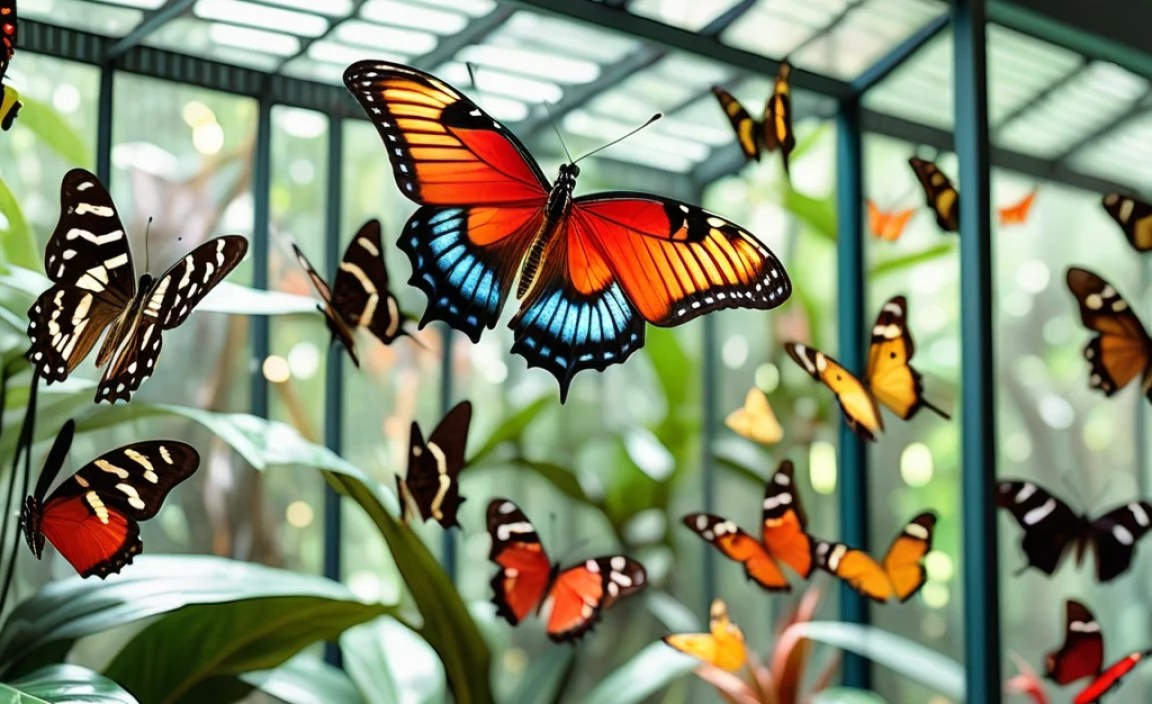
Selecting the right butterfly species for your butterfly house is crucial. Consider the following factors:
- Climate Compatibility: Choose species that can tolerate the temperature and humidity levels in your enclosure.
- Plant Availability: Ensure you have the necessary host plants for the caterpillars.
- Coexistence: Select species that can coexist peacefully in the same environment.
- Legality: Be aware of any regulations regarding the import or possession of certain butterfly species.
Popular Butterfly Species for Butterfly Houses
Here are some popular butterfly species that are commonly found in butterfly houses:
- Monarch (Danaus plexippus): A well-known and beloved species that is easy to raise and observe.
- Swallowtails (Papilio spp.): Large and colorful butterflies that are sure to impress visitors.
- Painted Lady (Vanessa cardui): A widespread species that is easy to raise and adaptable to different climates.
- Question Mark (Polygonia interrogationis): A unique species with distinctive markings on its wings.
- Gulf Fritillary (Agraulis vanillae): A vibrant orange butterfly that is easy to raise and attracts attention.
Sourcing Your Butterflies
There are several ways to obtain butterflies for your butterfly house:
- Butterfly Farms: Purchase butterflies from reputable butterfly farms that specialize in raising and selling butterflies for educational and conservation purposes.
- Caterpillar Rearing: Raise your own butterflies from caterpillars. This can be a rewarding educational experience.
- Local Collectors: In some areas, you may be able to obtain butterflies from local collectors. Ensure that any collection is done sustainably and legally.
Maintaining Your Butterfly House
Maintaining a butterfly house requires regular attention to ensure the health and well-being of the butterflies and plants.
Cleaning and Sanitation
Regular cleaning is essential to prevent the spread of disease and maintain a healthy environment. Remove dead leaves, droppings, and other debris regularly. Clean water dishes and other surfaces with a mild disinfectant.
Pest Control
Pests can damage plants and harm butterflies. Monitor your butterfly house regularly for signs of pests, such as aphids, spider mites, and caterpillars. Use organic pest control methods, such as introducing beneficial insects or using insecticidal soap.
Plant Care
Provide regular watering, fertilizing, and pruning to keep your plants healthy and thriving. Replace plants as needed to maintain a diverse and attractive landscape.
Butterfly Health
Observe your butterflies regularly for signs of illness or injury. Common problems include wing damage, dehydration, and disease. Provide appropriate care, such as isolating sick butterflies, providing water and food, and consulting with a veterinarian if necessary.
Building a Butterfly House: Step-by-Step
Let’s walk through building a simple butterfly house perfect for your backyard.
Materials You’ll Need
- Wooden boards (for the frame)
- Netting or screening
- Screws or nails
- Hinges and a latch
- Plants (nectar and host plants)
- Water dish
Tools You’ll Need
- Saw
- Drill
- Staple gun
- Measuring tape
- Hammer
Step-by-Step Instructions
- Build the Frame: Cut the wooden boards to the desired size and assemble them into a rectangular frame using screws or nails.
- Attach the Netting: Staple the netting or screening to the frame, ensuring it is taut and secure.
- Create a Door: Cut an opening in one side of the frame and attach a door using hinges. Install a latch to keep the door closed.
- Add Plants: Place nectar and host plants inside the enclosure. Arrange them to create a visually appealing and functional habitat.
- Provide Water: Place a shallow dish of water with pebbles or sponges inside the enclosure.
- Introduce Butterflies: Once the habitat is ready, introduce your butterflies to their new home.
Butterfly House Design Ideas
Need some inspiration? Here are a few design ideas to get you started:
- Greenhouse Butterfly House: Utilize an existing greenhouse structure to create a larger, more controlled environment.
- Portable Butterfly House: Build a small, lightweight enclosure that can be easily moved around your garden.
- Themed butterfly House: Create a themed butterfly house based on a specific region or butterfly species.
- Educational Butterfly House: Incorporate educational displays and signage to teach visitors about butterfly biology and conservation.
Butterfly House Troubleshooting
Even with careful planning, you may encounter some challenges when maintaining a butterfly house. Here are some common problems and solutions:
| Problem | Possible Solution |
|---|---|
| Butterflies are escaping | Check the enclosure for holes or gaps. Ensure the netting or screening is securely attached. |
| Plants are dying | Adjust watering and fertilization. Ensure plants are receiving adequate sunlight. |
| Butterflies are not laying eggs | Ensure you have the correct host plants for the species you are raising. Provide a suitable environment for egg-laying. |
| Butterflies are getting sick | Isolate sick butterflies. Provide appropriate care and consult with a veterinarian if necessary. |
| Pests are infesting the enclosure | Use organic pest control methods to eliminate pests without harming the butterflies. |
The Future of Butterfly Houses
Butterfly houses are evolving to meet the changing needs of conservation, education, and tourism. New technologies and techniques are being developed to improve climate control, plant selection, and butterfly health.
Technological Innovations
Advanced climate control systems, automated watering systems, and remote monitoring devices are becoming increasingly common in butterfly houses. These technologies can help maintain optimal conditions and reduce the amount of labor required.
Conservation Efforts
Butterfly houses are playing an increasingly important role in butterfly conservation. By providing a safe habitat for endangered species and educating the public about the importance of conservation, these environments can help protect butterflies for future generations. Organizations like the Xerces Society are at the forefront of invertebrate conservation efforts.
Educational Programs
Butterfly houses are valuable educational resources for schools, community groups, and the general public. Educational programs can teach visitors about butterfly biology, ecology, and conservation. Interactive exhibits and hands-on activities can make learning fun and engaging. Many botanical gardens and nature centers use butterfly houses as part of their educational outreach.
FAQ About Tropical Butterfly Houses
What is the ideal temperature for a tropical butterfly house?
The ideal temperature is between 80°F and 85°F (27°C and 29°C) to keep the butterflies active and healthy.
How do I control humidity in a butterfly house?
Use misters, shallow water dishes, or a small water feature to maintain humidity levels between 60% and 80%.
What plants should I include in my butterfly house?
Include both nectar plants (like butterfly bush and zinnia) for adult butterflies and host plants (like milkweed and parsley) for caterpillars.
How do I prevent butterflies from escaping?
Ensure your enclosure is completely sealed with fine netting or screening and regularly inspect for any holes or gaps.
Are there any butterflies I shouldn’t include?
Avoid species that are invasive or require specific conditions that are difficult to replicate. Always check local regulations regarding protected species.
How often should I clean my butterfly house?
Clean your butterfly house at least once a week to remove debris and prevent the spread of diseases.
Where can I buy butterflies for my butterfly house?
Purchase butterflies from reputable butterfly farms that specialize in raising them for educational and conservation purposes.
Conclusion
Creating and maintaining a tropical butterfly house is a rewarding experience that combines education, conservation, and aesthetic appreciation. By carefully planning your enclosure, selecting the right plants and butterflies, and providing regular maintenance, you can create a thriving habitat that will delight visitors and support butterfly populations. Whether you’re a seasoned gardener or a curious beginner, the world of butterfly houses offers endless opportunities for learning and discovery. So, why not embark on your own butterfly adventure today? The beauty and wonder of these delicate creatures are waiting to be explored!


