Marbled White Butterfly: Spotting Tips & Fun Facts!

The Marbled White butterfly (Melanargia galathea) is a striking beauty with its black and white checkered wings. Found across grasslands and meadows of Europe, this butterfly is known for its elegant flight and preference for undisturbed habitats. Spotting one is a treat, and understanding its life cycle and needs is key to helping these lovely creatures thrive.
Have you ever seen a butterfly that looks like it’s wearing a checkerboard dress? The Marbled White is one such beauty, but sometimes it can be tricky to identify and even harder to support their populations. Don’t worry! This guide will walk you through everything you need to know about the Marbled White butterfly, from identifying it to creating a butterfly-friendly garden. We’ll cover their life cycle, favorite plants, and how to contribute to their conservation. Ready to dive in and discover the wonders of the Marbled White?
What is the Marbled White Butterfly?

The Marbled White butterfly, scientifically known as Melanargia galathea, is a captivating butterfly species belonging to the Nymphalidae family. It’s not actually a member of the “white” butterfly family (Pieridae), despite its name! Its distinctive appearance and fascinating life cycle make it a favorite among butterfly enthusiasts and nature lovers.
Appearance
The Marbled White is easily recognized by its striking black and white markings. Here’s what to look for:
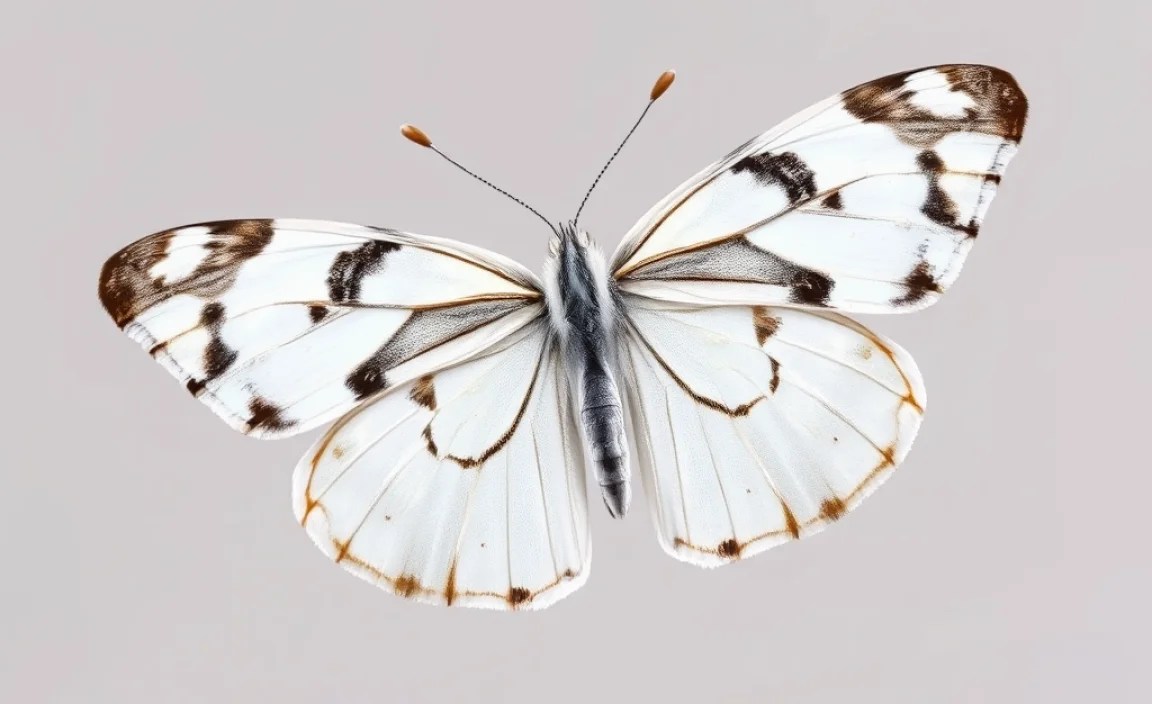
- Wings: Predominantly white with a network of black lines and spots, creating a marbled effect. The underside of the wings has similar markings but with more brown and orange hues.
- Size: Wingspan typically ranges from 46 to 56 mm (about 1.8 to 2.2 inches).
- Body: Black and white patterned body, complementing the wing design.
- Distinguishing Features: The intricate pattern is unique to each butterfly, much like a fingerprint.
Habitat and Distribution
Marbled Whites are commonly found in:
- Grasslands: Unimproved grasslands, meadows, and pastures are their primary habitats.
- Geographic Range: Widely distributed across Europe, from southern Scandinavia to the Mediterranean, and eastward to Asia Minor. In the UK, they are mostly found in southern and central England.
- Specific Locations: Look for them in areas with a variety of grasses and wildflowers, often in nature reserves and protected areas.
Life Cycle
Understanding the life cycle of the Marbled White is crucial for its conservation:
- Eggs: Females lay their eggs by scattering them amongst grasses in late summer.
- Larva (Caterpillar): The eggs hatch into larvae, which feed on various grasses. The caterpillars are typically green and well-camouflaged.
- Pupa (Chrysalis): The caterpillar overwinters and pupates in the spring, forming a chrysalis close to the ground.
- Adult Butterfly: The adult butterfly emerges in June and July, ready to mate and continue the cycle.
Identifying the Marbled White Butterfly
Correctly identifying the Marbled White is essential for appreciating and protecting this species. Here’s a detailed guide to help you distinguish it from similar butterflies.
Key Identification Features
To accurately identify a Marbled White, pay attention to these key features:
- Wing Pattern: The distinct black and white marbled pattern on both the upper and lower sides of the wings.
- Size: Medium-sized butterfly with a wingspan of 46-56 mm.
- Flight Period: Typically seen flying from June to August.
- Habitat: Found in grasslands, meadows, and other grassy areas.
Similar Species and How to Differentiate
Several butterflies may resemble the Marbled White, but careful observation will help you tell them apart:
| Species | Distinguishing Features | Habitat |
|---|---|---|
| Marbled White (Melanargia galathea) | Black and white marbled pattern, intricate wing markings. | Grasslands, meadows. |
| Half-mourner (Melanargia galathea ssp. procida) | Similar pattern but with more extensive black areas. | Southern Europe, similar to Marbled White. |
When and Where to Spot Them
Knowing when and where to look increases your chances of spotting a Marbled White:
- Best Time: Late June to early August is the peak flight period.
- Ideal Weather: Sunny, warm days are best for butterfly activity.
- Prime Locations: Visit grasslands, meadows, and nature reserves known for butterfly populations.
Attracting Marbled White Butterflies to Your Garden

Creating a butterfly-friendly garden is a rewarding way to support Marbled White butterflies and other pollinators. Here’s how you can transform your garden into a haven for these beautiful creatures.
Choosing the Right Plants
Selecting the right plants is crucial for attracting Marbled Whites. Focus on providing both larval food sources and nectar sources for adult butterflies.
- Larval Food Plants: Marbled White caterpillars primarily feed on various grasses. Include species like:
- Red Fescue (Festuca rubra)
- Sheep’s Fescue (Festuca ovina)
- Meadow Grasses (Poa species)
- Nectar Sources: Adult butterflies need nectar for energy. Plant these nectar-rich flowers:
- Knapweeds (Centaurea species)
- Scabious (Scabiosa species)
- Thistles (Cirsium and Carduus species)
- Wild Marjoram (Origanum vulgare)
Creating a Butterfly-Friendly Habitat
Beyond plants, consider these elements to make your garden an ideal butterfly habitat:
- Sunny Spots: Butterflies need sunlight to warm their bodies. Provide open, sunny areas where they can bask.
- Shelter: Plant shrubs and taller grasses to offer protection from wind and predators.
- Water Source: A shallow dish of water with pebbles or sand allows butterflies to drink safely.
- Avoid Pesticides: Pesticides can harm or kill butterflies and other beneficial insects. Opt for natural pest control methods.
Maintaining Your Butterfly Garden
Regular maintenance will keep your garden thriving and attractive to Marbled Whites:
- Deadheading: Remove spent flowers to encourage more blooms.
- Weeding: Keep weeds under control to prevent them from outcompeting your butterfly plants.
- Mowing: If you have a grassy area, consider leaving some patches unmown to provide habitat for caterpillars.
Marbled White Butterfly Conservation
Marbled White butterflies face several threats, making conservation efforts essential. Understanding these challenges and how to address them can help protect this beautiful species.
Threats to Marbled White Populations
Several factors contribute to the decline of Marbled White populations:
- Habitat Loss: The conversion of grasslands to agricultural land or development reduces their available habitat.
- Habitat Fragmentation: Small, isolated patches of habitat make it difficult for butterflies to move and colonize new areas.
- Changes in Land Management: Intensive farming practices, such as the use of pesticides and herbicides, negatively impact butterfly populations. Overgrazing or abandonment of grazing can also be detrimental.
- Climate Change: Altered weather patterns and increased temperatures can disrupt butterfly life cycles and habitats.
Conservation Strategies
Effective conservation strategies are crucial for preserving Marbled White butterflies. Here are some key approaches:
- Habitat Preservation and Restoration: Protecting existing grasslands and restoring degraded habitats are essential. This includes managing grazing levels, controlling invasive species, and promoting the growth of native grasses and wildflowers.
- Creating Butterfly Corridors: Connecting fragmented habitats with corridors of suitable vegetation allows butterflies to move between populations, increasing genetic diversity and resilience.
- Sustainable Land Management: Encouraging farmers and landowners to adopt sustainable practices that minimize the use of pesticides and herbicides can help protect butterfly habitats.
- Monitoring Populations: Regular monitoring of Marbled White populations provides valuable data on their distribution, abundance, and trends, allowing conservation efforts to be targeted effectively.
How You Can Help
Everyone can play a role in Marbled White conservation. Here are some practical steps you can take:
- Create a Butterfly Garden: Plant native grasses and nectar-rich flowers in your garden to provide food and habitat for Marbled Whites.
- Support Conservation Organizations: Donate to or volunteer with organizations dedicated to butterfly conservation, such as Butterfly Conservation.
- Participate in Citizen Science Projects: Contribute to butterfly monitoring programs by recording your sightings of Marbled Whites and other butterfly species.
- Advocate for Conservation: Raise awareness about the importance of butterfly conservation among your friends, family, and community. Support policies and initiatives that protect butterfly habitats.
Marbled White Butterfly in Culture and Symbolism

Butterflies have long held cultural and symbolic significance across various societies. The Marbled White, with its unique appearance, is no exception. Understanding its cultural context adds another layer of appreciation for this fascinating insect.
Cultural Significance
While the Marbled White may not have as extensive a cultural history as some other butterfly species, its beauty and presence in European landscapes have made it a notable symbol in certain contexts:
- Symbol of Summer: The Marbled White is often associated with the arrival of summer due to its peak flight period in June and July.
- Indicator of Healthy Ecosystems: Its presence is often seen as an indicator of healthy, undisturbed grasslands and meadows.
- Aesthetic Inspiration: The butterfly’s striking pattern has inspired artists, photographers, and designers who seek to capture its elegance.
Symbolism
Butterflies, in general, are rich in symbolism, and the Marbled White carries some of these associations:
- Transformation and Rebirth: Like all butterflies, the Marbled White symbolizes transformation and rebirth, representing the journey from caterpillar to pupa to butterfly.
- Beauty and Grace: Its delicate appearance and graceful flight embody beauty and elegance.
- Freedom and Joy: Butterflies are often seen as symbols of freedom and joy, flitting about in the summer breeze.
Folklore and Mythology
While specific folklore directly related to the Marbled White may be limited, butterflies in general feature prominently in various myths and legends:
- Souls of the Departed: In some cultures, butterflies are believed to represent the souls of the departed, carrying messages between the living and the dead.
- Good Luck and Prosperity: Butterflies are often considered symbols of good luck and prosperity, bringing positive energy and fortune.
Frequently Asked Questions
Here are some common questions about Marbled White butterflies, answered simply and clearly.
What do Marbled White caterpillars eat?
Marbled White caterpillars primarily eat various types of grasses, such as Red Fescue and Meadow Grasses. They are not typically found on broad-leaved plants.
How can I tell a male from a female Marbled White?
It can be tricky, but females are often slightly larger and have more rounded wingtips than males. However, the differences are subtle.
Are Marbled White butterflies endangered?
While not currently classified as endangered, Marbled White populations have declined in some areas due to habitat loss and changes in land management. Conservation efforts are important to protect them.
What is the lifespan of a Marbled White butterfly?
The adult Marbled White butterfly typically lives for a few weeks, during which it mates and lays eggs. The entire life cycle, from egg to adult, takes about a year.
Can I raise Marbled White caterpillars at home?
Raising Marbled White caterpillars can be challenging due to their specific grass diet and environmental needs. It’s best left to experienced breeders or conservationists.
What is the best time of day to see Marbled White butterflies?
The best time to see Marbled White butterflies is on warm, sunny days, typically between late morning and mid-afternoon when they are most active.
How far can Marbled White butterflies fly?
Marbled White butterflies are not known for long-distance migrations, but they can fly several kilometers within their local habitat to find food and mates.
Conclusion
The Marbled White butterfly is more than just a pretty face; it’s an indicator of healthy grasslands, a symbol of summer, and a testament to the beauty of nature. By understanding their needs and the threats they face, we can all play a part in ensuring these lovely butterflies continue to grace our meadows. Whether you’re planting a butterfly garden, supporting conservation efforts, or simply appreciating their beauty on a sunny day, your actions can make a difference. Let’s work together to protect the Marbled White and the precious habitats they call home!