
Pollinator Decline Studies: Powerful Secrets Exposed

Pollinator decline studies explore the worrying decrease in populations of bees, butterflies, and other creatures vital for plant reproduction. These studies use surveys, habitat assessments, and data analysis to understand the causes, such as habitat loss, pesticide use, and climate change. The goal is to identify solutions and support conservation efforts to protect these essential species and ensure a healthy ecosystem.
Have you noticed fewer butterflies flitting around your garden lately? Or fewer bees buzzing among your flowers? It’s not just your imagination. Pollinator populations are declining worldwide, and it’s a serious issue for all of us. These little creatures are responsible for pollinating a huge portion of the crops we eat and the plants that support our ecosystems.
Understanding why pollinators are disappearing is the first step to helping them. That’s where pollinator decline studies come in. In this article, we’ll explore these important studies and what they reveal about the threats to our pollinator friends. I’ll walk you through the key aspects of these studies, what they uncover about the causes of pollinator decline, and what we can do to make a difference. Let’s get started on this important journey together!
What are Pollinator Decline Studies?
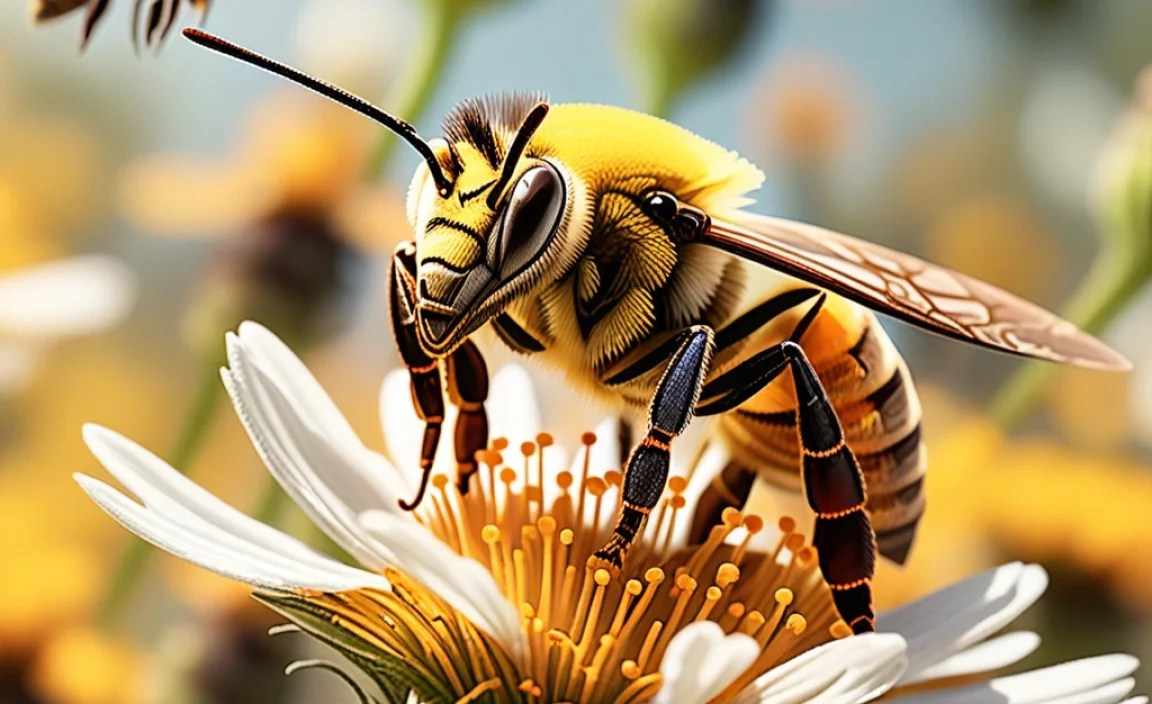
Pollinator decline studies are scientific investigations that aim to understand the reasons behind the decreasing populations of pollinators around the world. These studies are crucial for several reasons:
- Food Security: Pollinators are essential for the production of many fruits, vegetables, and nuts that we rely on for food.
- Ecosystem Health: They play a vital role in maintaining the health and diversity of natural ecosystems.
- Economic Impact: Pollinator-dependent crops contribute significantly to the global economy.
These studies typically involve a combination of:
- Population Monitoring: Tracking the number and distribution of different pollinator species over time.
- Habitat Assessment: Evaluating the quality and availability of pollinator habitats, such as meadows, forests, and gardens.
- Exposure Analysis: Investigating the effects of pesticides, diseases, and other environmental stressors on pollinators.
- Data Analysis: Using statistical models and other analytical tools to identify the key drivers of pollinator decline.
Why are Pollinator Decline Studies Important?
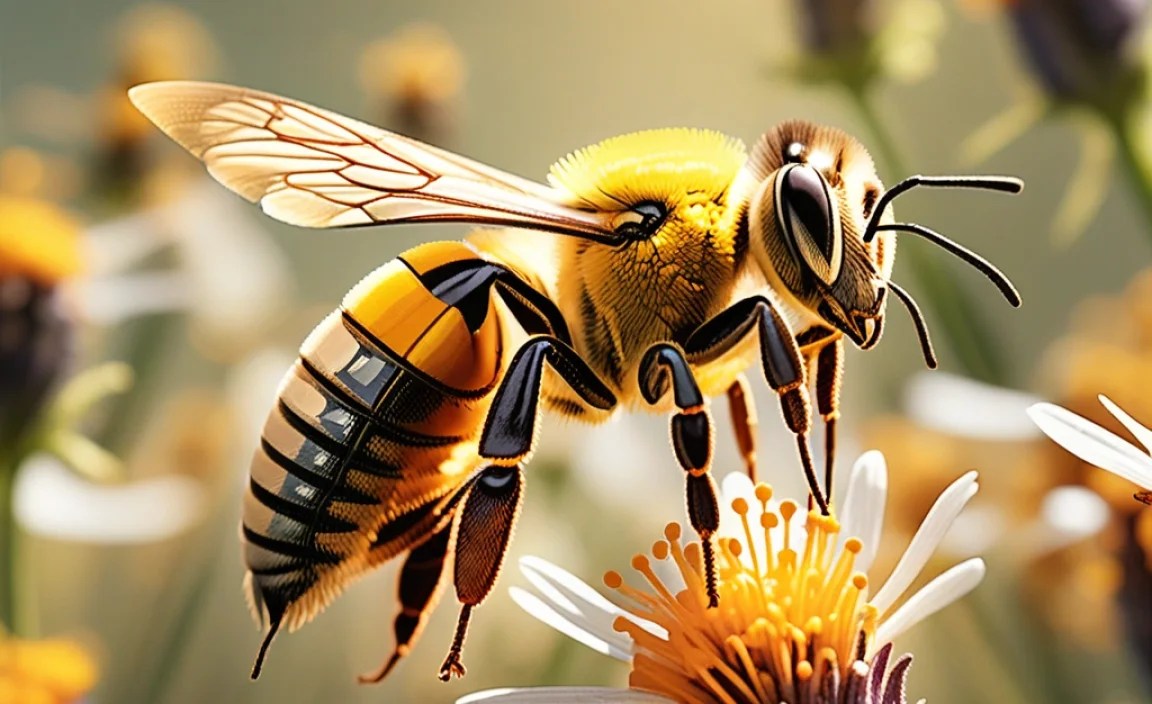
Pollinator decline studies are essential because they provide the scientific evidence needed to inform conservation efforts and policy decisions. Without these studies, it would be difficult to understand the scope and causes of pollinator decline, and to develop effective strategies for protecting these vital species.
Here’s why these studies matter:
- Identifying Threats: They help pinpoint the specific factors that are contributing to pollinator decline, such as habitat loss, pesticide use, and climate change.
- Guiding Conservation: They provide valuable information for developing and implementing conservation strategies that can help to reverse pollinator declines.
- Informing Policy: They can be used to inform policy decisions related to agriculture, land management, and pesticide regulation.
- Raising Awareness: They help to raise public awareness about the importance of pollinators and the threats they face.
Key Factors Investigated in Pollinator Decline Studies

Pollinator decline studies investigate a range of factors that may be contributing to the decline of pollinator populations. These factors can be broadly categorized as habitat loss, pesticide use, climate change, diseases and pests, and other environmental stressors.
Habitat Loss
Habitat loss is one of the most significant threats to pollinators. As natural habitats are converted to agriculture, urban development, and other uses, pollinators lose the food sources and nesting sites they need to survive.
Studies often assess habitat loss by:
- Mapping Land Use Changes: Using satellite imagery and other data to track changes in land use over time.
- Assessing Habitat Quality: Evaluating the availability of floral resources, nesting sites, and other habitat features.
- Analyzing Habitat Fragmentation: Examining the extent to which habitats are broken up into smaller, isolated patches.
Pesticide Use
Pesticides, particularly neonicotinoids, can have harmful effects on pollinators, including direct toxicity, impaired foraging behavior, and reduced reproductive success.
Studies often assess pesticide use by:
- Measuring Pesticide Exposure: Collecting samples of bees, pollen, and nectar to measure pesticide residues.
- Conducting Toxicity Tests: Exposing pollinators to different pesticides under controlled conditions to assess their effects.
- Analyzing Pesticide Use Patterns: Examining data on pesticide application rates and timing to identify potential risks.
Climate Change
Climate change can disrupt the timing of flowering and pollinator activity, leading to mismatches that reduce pollinator success. Changes in temperature and precipitation patterns can also alter the distribution and abundance of pollinator species.
Studies often assess climate change impacts by:
- Monitoring Phenological Shifts: Tracking changes in the timing of flowering and pollinator activity over time.
- Modeling Species Distributions: Using climate data to predict how the distribution of pollinator species may change in the future.
- Assessing Physiological Stress: Examining the effects of temperature and water stress on pollinator health and survival.
Diseases and Pests
Diseases and pests can weaken pollinator populations and make them more vulnerable to other stressors. For example, the varroa mite is a major threat to honey bees, while other diseases can affect bumble bees and other pollinator species.
Studies often assess diseases and pests by:
- Monitoring Disease Prevalence: Collecting samples of pollinators to test for the presence of diseases and pests.
- Assessing Disease Impacts: Evaluating the effects of diseases and pests on pollinator health and survival.
- Investigating Disease Transmission: Examining how diseases and pests are transmitted between pollinators.
Other Environmental Stressors
In addition to the factors listed above, pollinators can also be affected by other environmental stressors, such as air pollution, habitat fragmentation, and invasive species.
Studies often assess other environmental stressors by:
- Measuring Air Pollution Levels: Collecting data on air pollutants, such as ozone and particulate matter.
- Assessing Habitat Fragmentation: Examining the extent to which habitats are broken up into smaller, isolated patches.
- Monitoring Invasive Species: Tracking the spread of invasive species that may compete with or prey on pollinators.
How Pollinator Decline Studies are Conducted
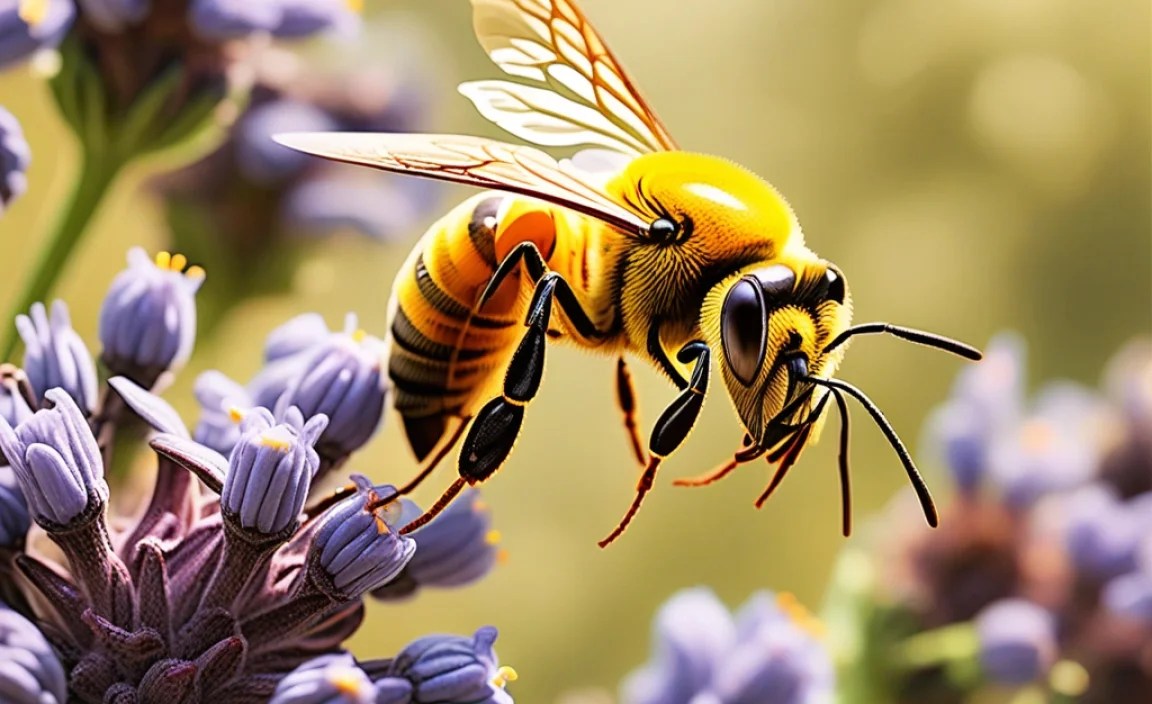
Pollinator decline studies employ a variety of methods to gather data and analyze the factors contributing to pollinator decline. Here are some common approaches:
Population Monitoring
Population monitoring involves tracking the number and distribution of different pollinator species over time. This can be done through:
- Citizen Science Programs: Engaging volunteers to collect data on pollinator sightings.
- Systematic Surveys: Conducting regular surveys of pollinator populations in designated areas.
- Mark-Recapture Studies: Capturing, marking, and releasing pollinators to estimate population size and movement patterns.
Habitat Assessment
Habitat assessment involves evaluating the quality and availability of pollinator habitats. This can be done through:
- Vegetation Surveys: Identifying and quantifying the plant species that provide food and shelter for pollinators.
- Nesting Site Surveys: Assessing the availability of nesting sites, such as bare ground, dead wood, and leaf litter.
- Landscape Analysis: Examining the spatial arrangement of habitats and their connectivity to other habitats.
Exposure Analysis
Exposure analysis involves investigating the effects of pesticides, diseases, and other environmental stressors on pollinators. This can be done through:
- Pesticide Residue Analysis: Collecting samples of bees, pollen, and nectar to measure pesticide residues.
- Toxicity Tests: Exposing pollinators to different pesticides under controlled conditions to assess their effects.
- Disease Screening: Collecting samples of pollinators to test for the presence of diseases and pests.
Data Analysis
Data analysis involves using statistical models and other analytical tools to identify the key drivers of pollinator decline. This can involve:
- Correlation Analysis: Examining the relationships between pollinator populations and environmental factors.
- Regression Analysis: Developing statistical models to predict pollinator abundance based on environmental variables.
- Spatial Analysis: Using geographic information systems (GIS) to map pollinator distributions and identify areas of concern.
Examples of Pollinator Decline Studies
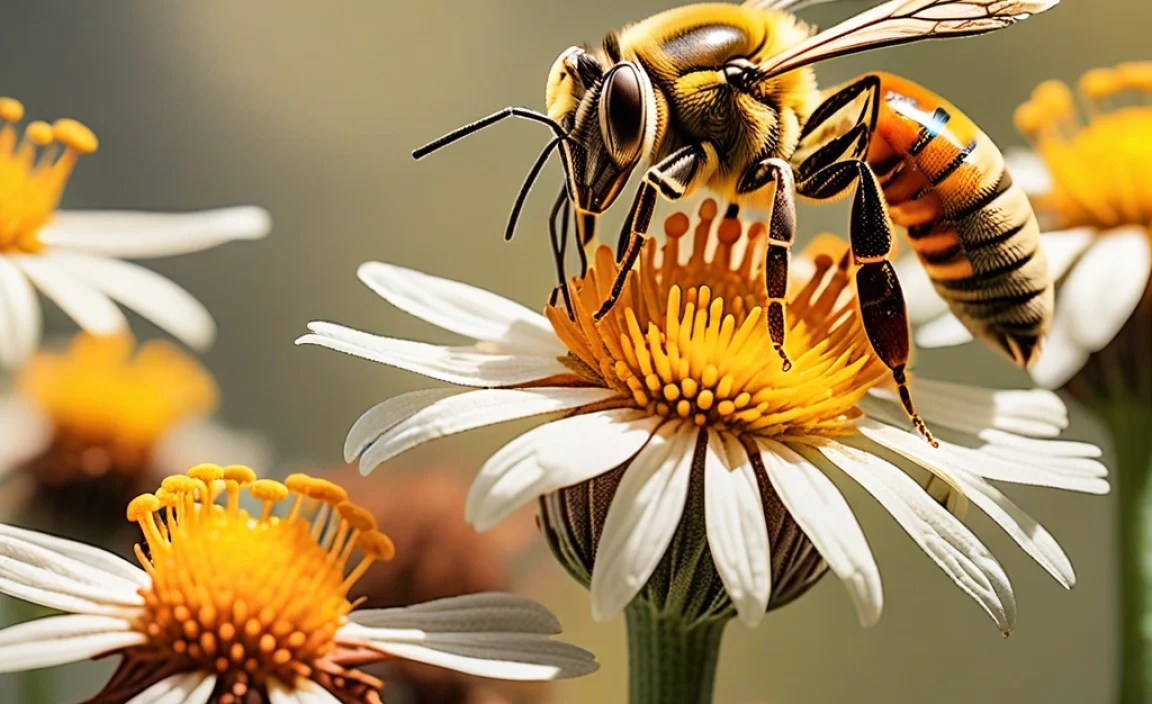
Numerous studies have documented the decline of pollinator populations around the world. Here are a few notable examples:
| Study | Focus | Key Findings |
|---|---|---|
| National Research Council (2007). Status of Pollinators in North America. | Comprehensive review of pollinator declines in North America. | Documented declines in honey bees, bumble bees, and other pollinator species. Highlighted the role of habitat loss, pesticide use, and diseases. |
| Potts et al. (2010). Global pollinator declines: trends, impacts and drivers. | Global assessment of pollinator declines and their consequences. | Found evidence of widespread pollinator declines, particularly in Europe and North America. Emphasized the importance of pollinators for food security and ecosystem health. |
| IPBES (2016). The Assessment Report on Pollinators, Pollination and Food Production. | Global assessment of the status of pollinators and their role in food production. | Concluded that pollinator declines are a significant threat to global food security. Identified habitat loss, pesticide use, climate change, and diseases as major drivers of decline. |
| Forrest et al. (2023). National trends in native bee abundance and species richness in the United States. | Assessment of native bee populations across the United States | Reported declines in native bee abundance and species richness in many regions. Highlighted the importance of habitat conservation and pesticide reduction. |
What Can Be Done to Help Pollinators?
While the decline of pollinator populations is a serious issue, there are many things that can be done to help. Here are some actions that individuals, communities, and governments can take:
Create Pollinator-Friendly Habitats
One of the most effective ways to help pollinators is to create and maintain pollinator-friendly habitats. This can involve:
- Planting Native Flowers: Choose native plant species that provide nectar and pollen for pollinators.
- Providing Nesting Sites: Leave areas of bare ground, dead wood, and leaf litter for pollinators to nest in.
- Avoiding Pesticides: Use organic gardening practices and avoid the use of pesticides that can harm pollinators.
Support Sustainable Agriculture
Sustainable agriculture practices can help to protect pollinators by reducing pesticide use and promoting habitat conservation. This can involve:
- Supporting Organic Farming: Buy organic produce from farmers who use sustainable practices.
- Promoting Integrated Pest Management: Encourage the use of integrated pest management (IPM) strategies that minimize pesticide use.
- Conserving Farmland: Support policies that protect farmland from development and promote sustainable farming practices.
Reduce Climate Change
Reducing greenhouse gas emissions can help to mitigate the impacts of climate change on pollinators. This can involve:
- Reducing Energy Consumption: Use energy-efficient appliances, drive less, and conserve energy at home and work.
- Supporting Renewable Energy: Advocate for policies that promote the development of renewable energy sources.
- Planting Trees: Trees absorb carbon dioxide from the atmosphere and provide habitat for pollinators.
Raise Awareness
Raising awareness about the importance of pollinators and the threats they face can help to mobilize action to protect them. This can involve:
- Educating Others: Share information about pollinators with friends, family, and neighbors.
- Participating in Citizen Science Programs: Contribute to pollinator monitoring efforts by reporting pollinator sightings.
- Advocating for Policy Changes: Contact elected officials to express your support for policies that protect pollinators.
Resources for Learning More About Pollinator Decline
If you’re interested in learning more about pollinator decline, here are some valuable resources:
- The Xerces Society: A non-profit organization dedicated to protecting invertebrates and their habitats.
- The Pollinator Partnership: A non-profit organization that promotes pollinator health through education, research, and conservation.
- The U.S. Fish and Wildlife Service: A federal agency that works to conserve and protect fish, wildlife, and their habitats.
- The National Wildlife Federation: A non-profit organization that works to protect wildlife and their habitats.
FAQ About Pollinator Decline Studies
What exactly does “pollinator decline” mean?
Pollinator decline refers to the decreasing populations of animals that help pollinate plants, like bees, butterflies, and some birds. This means there are fewer of these creatures around to help plants reproduce, which can affect our food supply and natural ecosystems.
Why are pollinator decline studies important for my garden?
These studies help us understand what’s harming pollinators, such as pesticides, habitat loss, and diseases. By knowing the causes, we can make better choices in our gardens, like planting pollinator-friendly flowers and avoiding harmful chemicals, to support these essential creatures.
What are the main causes of pollinator decline?
The main causes include habitat loss (fewer places for pollinators to live and find food), pesticide use (chemicals that can harm or kill pollinators), climate change (which can disrupt flowering times), and diseases/pests that affect pollinator health.
How do scientists study pollinator decline?
Scientists use several methods, including counting pollinator populations over time, assessing the quality of their habitats, testing for pesticide exposure, and analyzing how climate change affects them. This helps them understand the factors driving the decline.
Can I participate in pollinator decline studies?
Yes! Many citizen science programs allow you to contribute by reporting pollinator sightings in your area. This helps scientists gather more data and track changes in pollinator populations. Check out organizations like the Xerces Society for opportunities.
What can I do in my backyard to help reverse pollinator decline?
You can plant native flowers that provide food for pollinators, avoid using pesticides, provide nesting sites like bee houses, and ensure a water source. Even small actions can make a big difference in supporting local pollinator populations.
Where can I find reliable information about pollinator decline?
You can find reliable information from organizations like the Xerces Society, the Pollinator Partnership, government agencies like the U.S. Fish and Wildlife Service, and scientific journals that publish pollinator research.
Conclusion
Pollinator decline studies are critical for understanding and addressing the challenges facing these essential creatures. By investigating the factors that contribute to pollinator decline, these studies provide the scientific evidence needed to inform conservation efforts and policy decisions. As individuals, we can also play a role by creating pollinator-friendly habitats, supporting sustainable agriculture, reducing climate change, and raising awareness about the importance of pollinators. Together, we can work to protect these vital species and ensure a healthy and sustainable future for all.


