
Butterflies & Ecosystem Services: A Powerful Secret

Butterflies play a crucial role in supporting healthy ecosystems. As pollinators, they help plants reproduce, and as a food source, they sustain birds and other wildlife. Protecting butterflies ensures the well-being of our environment.
Have you ever wondered what butterflies do besides flutter around looking pretty? They’re actually tiny powerhouses when it comes to keeping our ecosystems healthy. It’s easy to overlook these delicate creatures, but they’re vital for pollination and supporting the food chain. Let’s explore the fascinating ways butterflies contribute to the environment, and how we can help them thrive. Get ready to discover the amazing impact these beautiful insects have on our world!
What are Ecosystem Services?
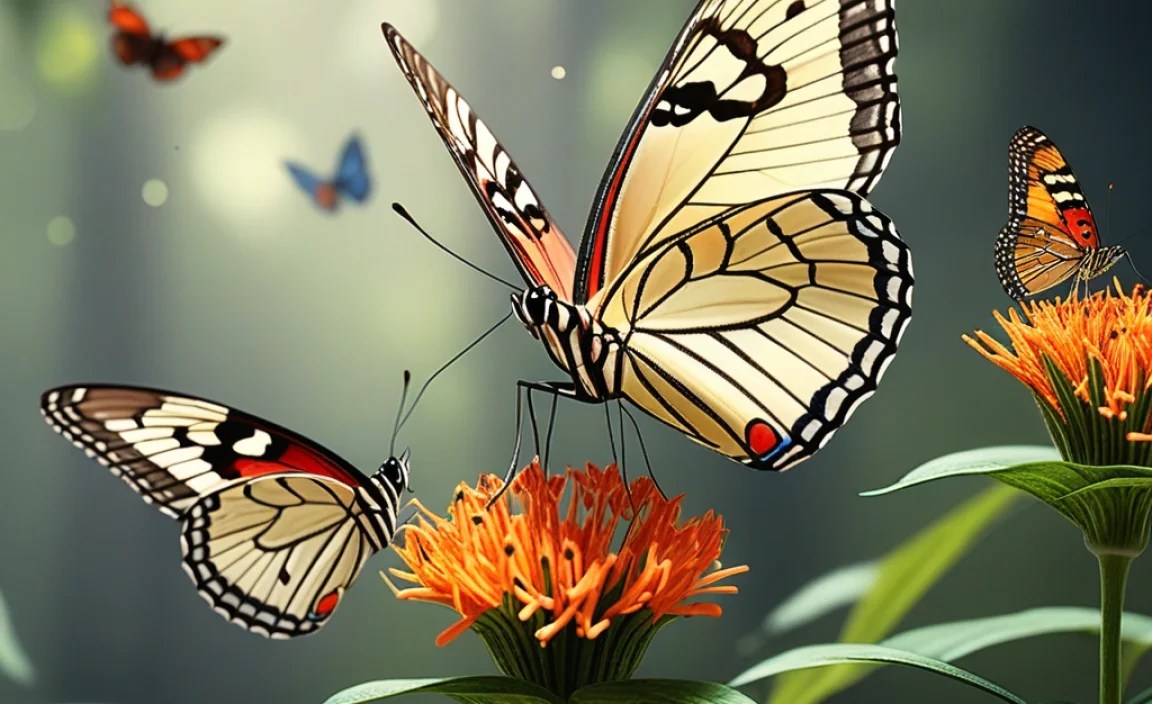
Ecosystem services are the many benefits that humans receive from the natural environment and properly functioning ecosystems. These services are crucial for our survival and well-being. They include:
- Pollination: The transfer of pollen from one plant to another, enabling fertilization and the production of fruits, seeds, and new plants.
- Water Purification: Natural processes that filter and clean water, making it safe for drinking and other uses.
- Air Purification: The removal of pollutants from the air by vegetation and other natural elements.
- Climate Regulation: The influence of ecosystems on climate patterns, such as temperature and rainfall.
- Nutrient Cycling: The movement and recycling of essential nutrients through the environment, supporting plant growth and overall ecosystem health.
Butterflies contribute to several of these ecosystem services, especially pollination and serving as a food source within the food web.
Butterflies as Pollinators
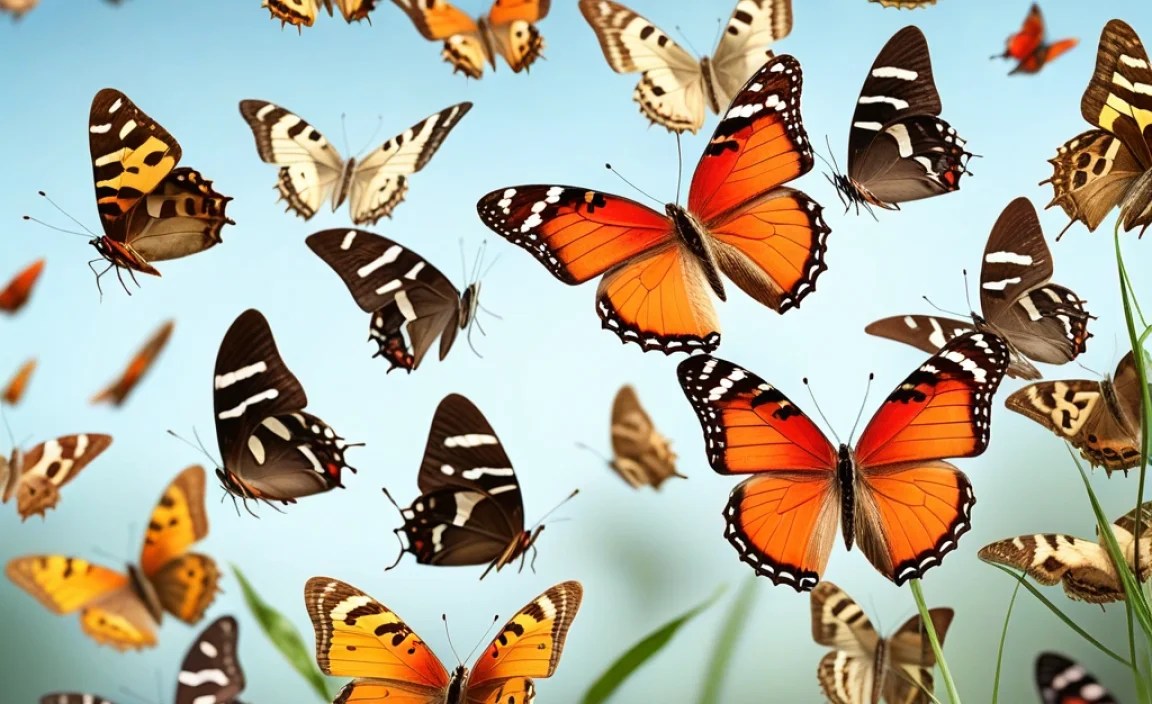
Butterflies are important pollinators, although they are often overshadowed by bees. Here’s how they contribute to pollination:
How Butterflies Pollinate
Butterflies pollinate flowers as they feed on nectar. When a butterfly lands on a flower, pollen grains stick to its body. As it flies to another flower, some of this pollen is transferred, resulting in pollination. This process is vital for the reproduction of many plant species.
Plants that Rely on Butterfly Pollination
Many plants benefit from butterfly pollination, including:
- Milkweed: Essential for Monarch butterflies.
- Butterfly Bush: Attracts a variety of butterfly species.
- Zinnias: Popular garden flowers that butterflies love.
- Asters: Provide late-season nectar for migrating butterflies.
- Coneflowers: Beautiful and beneficial for pollinators.
Comparing Butterfly Pollination to Bee Pollination
While bees are often considered the primary pollinators, butterflies have unique advantages:
| Feature | Bees | Butterflies |
|---|---|---|
| Efficiency | More efficient due to specialized pollen-collecting structures. | Less efficient but can pollinate flowers with specific shapes. |
| Flower Preference | Prefer flowers with nectar guides and landing platforms. | Prefer brightly colored, fragrant flowers with landing platforms. |
| Pollen Carrying | Carry large amounts of pollen in pollen baskets. | Carry pollen on their bodies, less efficiently. |
| Range | Shorter foraging range. | Can have longer foraging ranges, aiding in cross-pollination over distances. |
Butterflies can pollinate flowers that bees might miss, contributing to plant diversity and genetic variation.
Butterflies as Part of the Food Web

Butterflies play a crucial role in the food web, serving as both prey and predator at different stages of their life cycle.
Butterflies as Prey
Butterflies and caterpillars are a vital food source for many animals, including:
- Birds: Feed caterpillars to their young, providing essential protein.
- Small Mammals: Such as mice and shrews, consume caterpillars and pupae.
- Reptiles and Amphibians: Lizards, frogs, and other reptiles and amphibians prey on caterpillars and butterflies.
- Insects: Predatory insects like wasps and praying mantises eat caterpillars and butterflies.
Butterflies as Predators
While butterflies are primarily known for feeding on nectar, some species are also predators:
- Harvester Butterfly: The caterpillars of this species feed on aphids, acting as natural pest control.
- Other Predatory Caterpillars: Some caterpillars consume other insects, helping to regulate insect populations.
Impact on Ecosystem Stability
By serving as both prey and predator, butterflies help maintain balance within the ecosystem. Their presence supports biodiversity and ensures the survival of other species.
Butterflies as Indicators of Environmental Health

Butterflies are sensitive to environmental changes, making them valuable indicators of ecosystem health.
Sensitivity to Habitat Changes
Butterflies require specific habitats to survive, including host plants for their caterpillars and nectar sources for adults. Habitat destruction and fragmentation can severely impact butterfly populations.
Impact of Pollution and Climate Change
Butterflies are also vulnerable to pollution and climate change. Changes in temperature and rainfall patterns can disrupt their life cycles and affect the availability of their food sources. Pollution can directly harm butterflies and their habitats.
Using Butterflies for Environmental Monitoring
Scientists use butterfly populations to monitor environmental health. Declines in butterfly numbers can indicate broader environmental problems, such as habitat loss, pollution, or climate change. By tracking butterfly populations, we can gain valuable insights into the health of our ecosystems.
How to Support Butterfly Populations
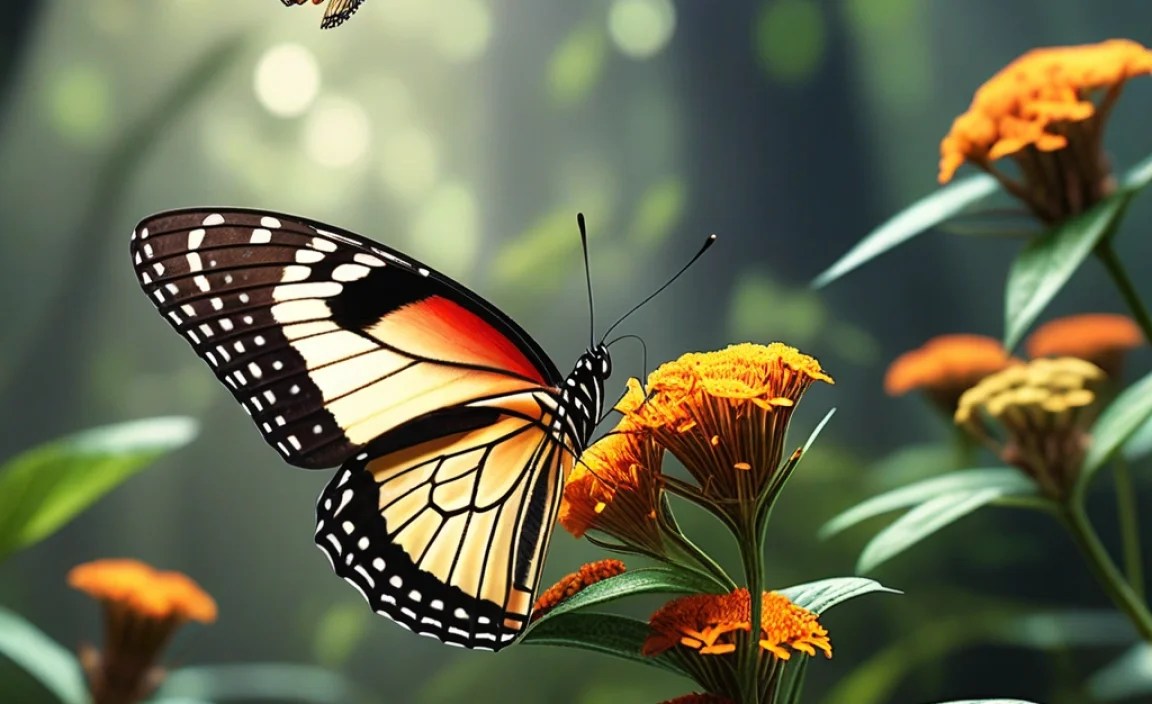
Supporting butterfly populations is essential for maintaining healthy ecosystems. Here are some practical steps you can take:
Creating Butterfly-Friendly Habitats
To create a butterfly-friendly habitat, focus on providing the resources butterflies need throughout their life cycle:
- Plant Host Plants: Include plants that caterpillars can feed on, such as milkweed for Monarchs and dill for Swallowtails.
- Provide Nectar Sources: Plant a variety of flowers that bloom at different times of the year to provide a continuous source of nectar for adult butterflies.
- Offer Shelter: Provide shrubs and trees where butterflies can take shelter from predators and harsh weather.
- Include Water Sources: A shallow dish of water with pebbles can provide butterflies with a place to drink.
Reducing Pesticide Use
Pesticides can be harmful to butterflies and other beneficial insects. Reduce pesticide use by:
- Using Natural Pest Control Methods: Introduce beneficial insects, such as ladybugs, to control pests.
- Handpicking Pests: Remove pests by hand instead of using chemical sprays.
- Choosing Pest-Resistant Plants: Select plant varieties that are naturally resistant to pests.
Supporting Conservation Efforts
Support organizations that are working to protect butterfly habitats and conserve butterfly populations:
- Donate to Conservation Groups: Support organizations that are working to protect butterfly habitats and conserve butterfly populations.
- Participate in Citizen Science Projects: Contribute to butterfly monitoring programs by recording butterfly sightings in your area.
- Advocate for Conservation Policies: Support policies that protect butterfly habitats and promote sustainable land management practices.
Examples of Successful Butterfly Conservation Projects
Many successful butterfly conservation projects demonstrate the positive impact of targeted conservation efforts.
Monarch Butterfly Conservation
Monarch butterflies have faced significant population declines in recent years. Conservation efforts include:
- Habitat Restoration: Planting milkweed, the host plant for Monarch caterpillars, in key breeding areas.
- Educational Programs: Raising awareness about the importance of Monarch conservation and encouraging citizen involvement.
- International Cooperation: Collaborative efforts between the United States, Canada, and Mexico to protect Monarch migration routes and overwintering sites.
Karner Blue Butterfly Conservation
The Karner Blue butterfly is an endangered species that depends on oak savanna and pine barren habitats. Conservation efforts include:
- Habitat Management: Prescribed burns and other management techniques to maintain suitable habitat for the Karner Blue.
- Captive Breeding Programs: Reintroducing Karner Blue butterflies into restored habitats.
- Partnerships with Landowners: Working with private landowners to protect and manage Karner Blue habitats on their properties.
The Economic Value of Butterfly Conservation
Conserving butterflies has significant economic benefits, particularly in terms of pollination and ecotourism.
Butterflies and Pollination Services
The pollination services provided by butterflies contribute to agricultural productivity and the health of natural ecosystems. While it is difficult to assign an exact dollar value, the economic impact of butterfly pollination is substantial.
Butterflies and Ecotourism
Butterfly gardens and butterfly watching are popular ecotourism activities that generate revenue for local communities. These activities also raise awareness about the importance of butterfly conservation.
| Benefit | Description | Economic Impact |
|---|---|---|
| Pollination Services | Butterflies pollinate crops and wild plants. | Contributes to crop yields and ecosystem health. |
| Ecotourism | Butterfly gardens and butterfly watching attract tourists. | Generates revenue for local businesses and communities. |
| Education and Research | Butterflies are used in educational programs and scientific research. | Supports educational institutions and research facilities. |
Engaging the Community in Butterfly Conservation
Community involvement is crucial for successful butterfly conservation. Here are some ways to engage your community:
Educational Programs and Workshops
Organize educational programs and workshops to teach people about butterflies and their importance. These programs can include:
- Butterfly Identification Workshops: Teach participants how to identify different butterfly species.
- Habitat Restoration Projects: Involve volunteers in planting host plants and nectar sources.
- Presentations and Lectures: Share information about butterfly biology, ecology, and conservation.
Citizen Science Projects
Citizen science projects allow community members to contribute to scientific research. Examples include:
- Butterfly Counts: Organize regular butterfly counts to monitor population trends.
- Habitat Mapping: Map butterfly habitats in your area to identify priority conservation areas.
- Data Collection: Collect data on butterfly behavior, such as feeding and mating habits.
Creating Butterfly Gardens in Public Spaces
Establish butterfly gardens in parks, schools, and other public spaces to provide habitat for butterflies and educate the public. These gardens can serve as demonstration sites and inspire people to create butterfly-friendly habitats in their own yards.
Conclusion: The Future of Butterflies and Ecosystem Services
Butterflies are vital contributors to ecosystem services, playing key roles in pollination, the food web, and environmental monitoring. By creating butterfly-friendly habitats, reducing pesticide use, supporting conservation efforts, and engaging the community, we can help ensure the survival of these beautiful and important insects. The future of butterflies and the ecosystem services they provide depends on our collective actions to protect and conserve their habitats. Let’s work together to create a world where butterflies thrive, and our ecosystems are healthy and resilient.
Frequently Asked Questions
What is the main role of butterflies in an ecosystem?
Butterflies primarily act as pollinators, helping plants reproduce by transferring pollen from flower to flower. They also serve as a food source for various animals, contributing to the food web.
How do butterflies help with pollination?
As butterflies feed on nectar, pollen sticks to their bodies. When they visit other flowers, they transfer this pollen, enabling fertilization and the production of fruits and seeds.
Why are butterflies considered indicators of environmental health?
Butterflies are sensitive to changes in their environment, such as habitat loss, pollution, and climate change. Declines in butterfly populations can signal broader environmental problems.
What can I plant to attract butterflies to my garden?
Plant a variety of host plants for caterpillars, such as milkweed for Monarchs, and nectar-rich flowers for adult butterflies, like zinnias, butterfly bushes, and coneflowers.
How can I protect butterflies from pesticides?
Reduce pesticide use by employing natural pest control methods, handpicking pests, and choosing pest-resistant plants. Avoid spraying pesticides during peak butterfly activity.
Are butterflies more important than bees for pollination?
While bees are generally more efficient pollinators, butterflies can pollinate flowers that bees might miss. Both bees and butterflies play vital, complementary roles in pollination.
What are some successful butterfly conservation projects?
Successful projects include Monarch butterfly habitat restoration, Karner Blue butterfly captive breeding programs, and community-based butterfly monitoring initiatives.


